Plan and listen to Polish Teachers' Union with Audiala.
Audio guide in your pocket, itinerary in your browser. Built for the way you actually visit.
Introduction
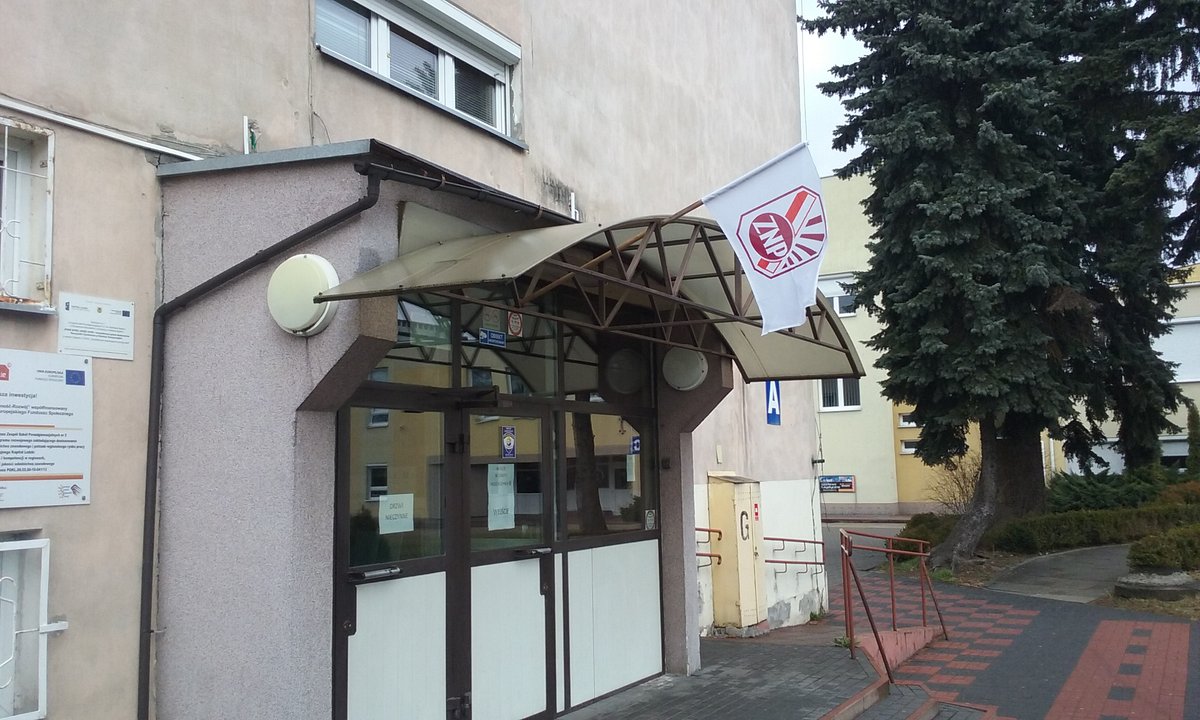
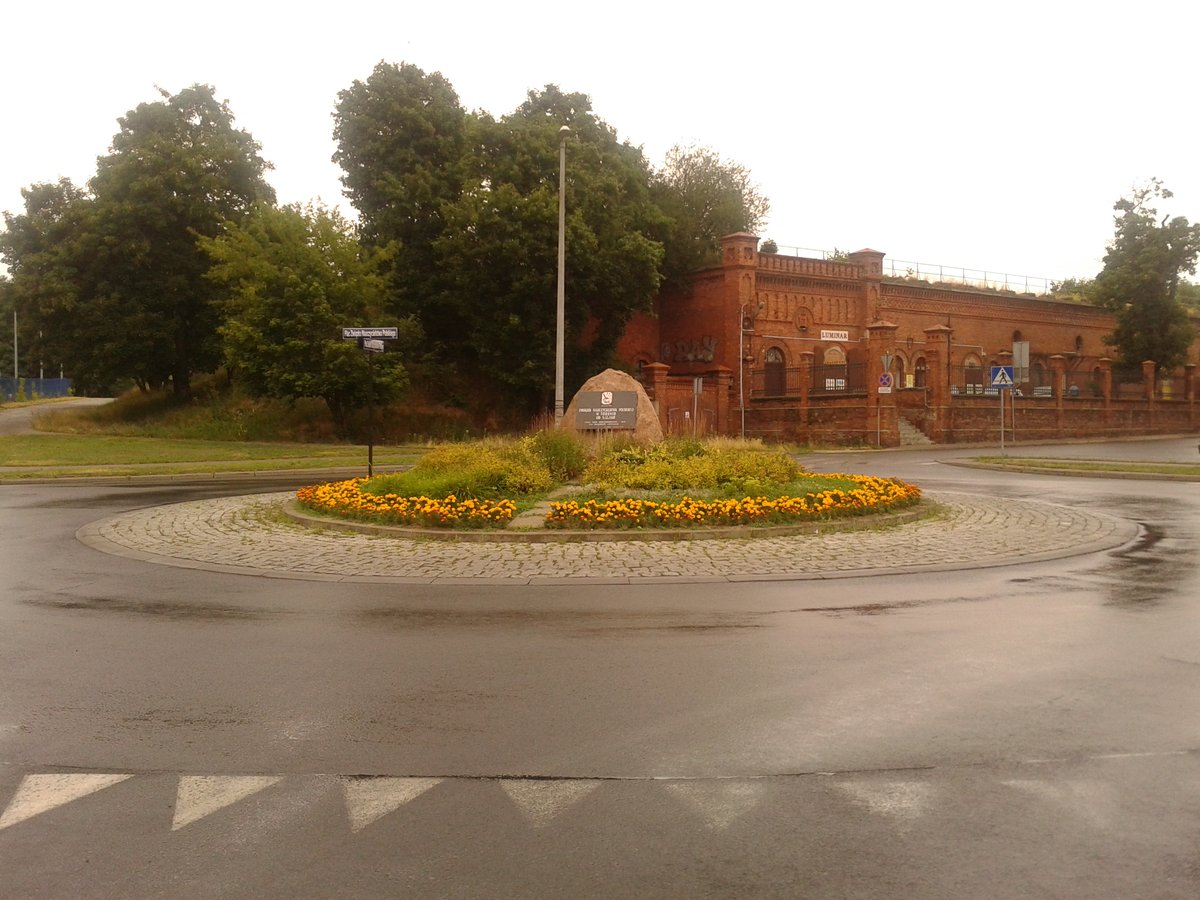
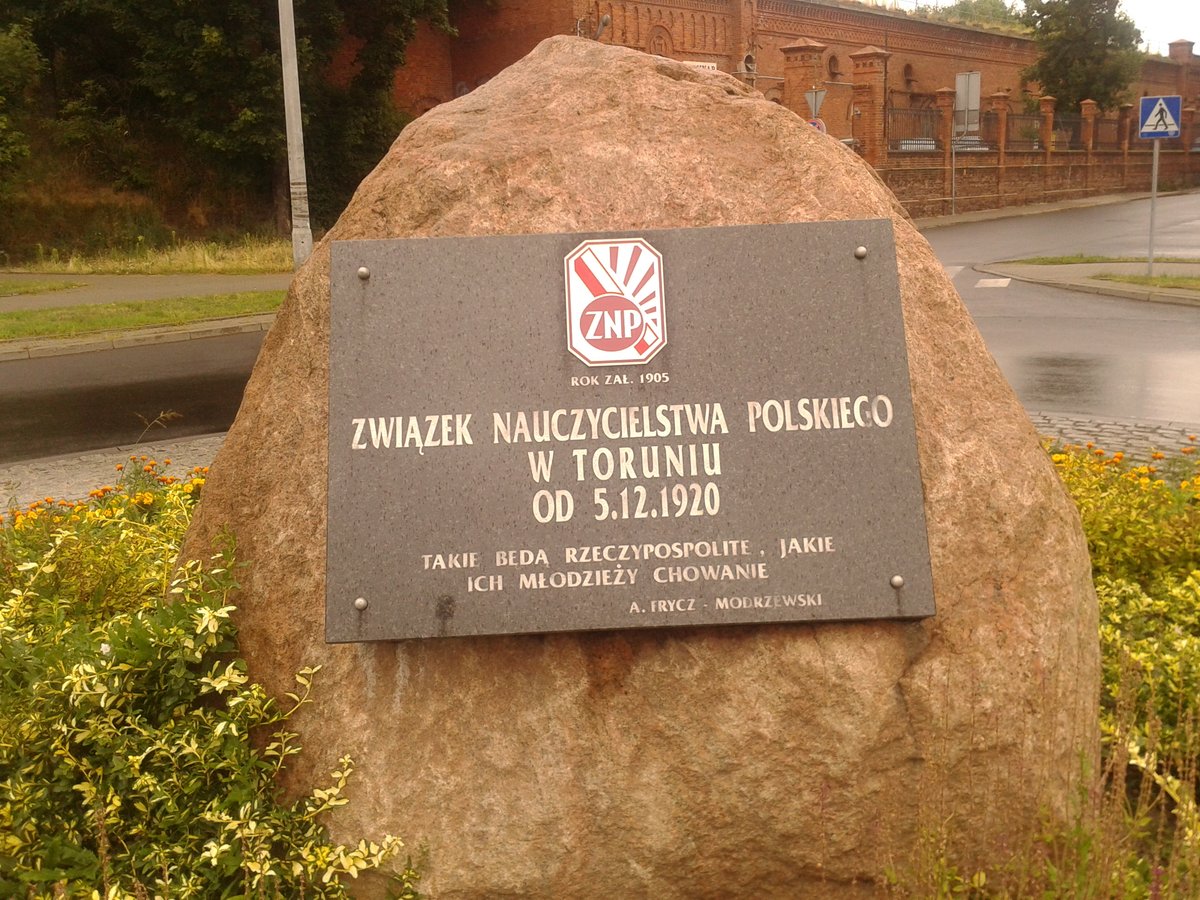
Located in the vibrant Powiśle district of Warsaw, the Polish Teachers' Union (Związek Nauczycielstwa Polskiego, ZNP) headquarters is a living testament to over a century of educational advocacy, cultural resilience, and social activism in Poland. Founded in 1905 during the partitions, the ZNP has been at the forefront of shaping Poland’s educational system—protecting the Polish language and traditions in times of oppression, and leading reforms in times of independence and democracy.
Today, the ZNP headquarters provides visitors with a unique opportunity to explore Poland’s educational legacy through exhibitions, archives, and commemorative events. With its central location and accessibility, it offers a compelling stop for educators, history enthusiasts, and cultural travelers alike (ZNP official site; Wikipedia; Secret Teaching Organization).

Historical Background of the Polish Teachers' Union (ZNP)
Origins and Early Development
The ZNP traces its roots to a clandestine movement of teachers during the late 19th and early 20th centuries, dedicated to preserving the Polish language and educational system under foreign rule. Officially established in 1905, it quickly became a driving force for secular, accessible education in Poland (Wikipedia).
Building a National Education System
After Poland regained independence in 1918, ZNP played a crucial role in unifying the fragmented education systems of the former partitions and advocating for universal education. Throughout the interwar years, the union supported teacher training and spearheaded reforms to improve rural and urban education.
World War II and the Underground Teaching Organization
During the Nazi and Soviet occupations, the ZNP operated as the Secret Teaching Organization (Tajna Organizacja Nauczycielska, TON), orchestrating clandestine classes and preserving Polish culture at great personal risk (Secret Teaching Organization in Poland; Monument to the Teachers of Secret Teaching).
Postwar Era and Modern Developments
Re-established after World War II, the ZNP navigated the complexities of communist rule while advocating for teachers’ rights. It faced suspension during martial law in 1981, regaining full independence after the democratic transformation of 1989. Today, the ZNP is the nation’s largest teachers’ union, representing around 300,000 education professionals and continuing to influence policy, labor negotiations, and educational reforms (ZNP official site).
Visiting the ZNP Headquarters: Essential Information
Location and Accessibility
- Address: ul. Juliana Smulikowskiego 6/8, 00-389 Warsaw, Poland (ZNP official contact)
- District: Powiśle, close to the Vistula River, University of Warsaw, and major cultural sites
- Access: Centrally located and easily reachable via metro (Centrum Nauki Kopernik, Line M2), trams, and buses. The area is well-served by public transport and pedestrian-friendly routes (Mapcarta)
- Accessibility: The building is wheelchair accessible; visitors with special needs are encouraged to contact in advance for support
Visiting Hours and Admission
- Hours: Monday to Friday, 9:00 AM – 5:00 PM (closed weekends and public holidays; confirm ahead for special events)
- Admission: Free entry to public exhibitions and displays; some events may require advance registration or appointment
- Tours: Guided tours are available by prior arrangement, especially for groups, researchers, and academic visitors
Guided Tours and Exhibitions
- Exhibitions: Explore displays on the history of Polish education, underground teaching during WWII, and the evolution of educational policy
- Archives: Access to historical documents and photographs for research purposes (appointment required)
- Events: The ZNP regularly hosts lectures, workshops, and commemorative ceremonies. Consult the ZNP events calendar for details
- Monuments: Nearby, visit the Monument to the Teachers of Secret Teaching, honoring educators who defied Nazi occupation
Visitor Tips
- Language: Most exhibitions and materials are in Polish, but English-language guides and tours can often be arranged in advance
- Photography: Allowed in public areas; restricted in archival spaces and during certain events—ask staff for permission
- Best Time to Visit: Weekdays in the morning for a quieter experience; check for scheduled events to enhance your visit
- Amenities: The Powiśle district offers cafes, restaurants, and accommodations, including the ZNP-run Logos Hotel
Integrating ZNP into Your Warsaw Itinerary
Educational and Historical Focus
- Morning: Begin your day with a visit to the ZNP headquarters (schedule a guided tour in advance)
- Late Morning: Walk to the National Museum in Warsaw (National Museum)
- Lunch: Enjoy riverside cafes in Powiśle
- Afternoon: Explore the University of Warsaw campus or visit the Copernicus Science Centre
- Evening: Discover Warsaw Old Town or attend a performance at Ateneum Theatre
Nearby Attractions
Frequently Asked Questions (FAQ)
Q: What are the visiting hours for the ZNP headquarters?
A: Monday to Friday, 9:00 AM – 5:00 PM. Closed weekends and public holidays; check the official website for updates.
Q: Is there an entrance fee or ticket required?
A: No, admission to exhibitions is free.
Q: How do I arrange a guided tour?
A: Contact the ZNP in advance via their contact page to schedule a tour, especially for groups or English-language guides.
Q: Is the building accessible to visitors with disabilities?
A: Yes, the ZNP headquarters is wheelchair accessible.
Q: Can I access the archives?
A: Yes, by appointment for research or educational purposes.
Q: What should I see nearby?
A: The National Museum, University of Warsaw, POLIN Museum, and the Royal Castle are all within easy reach.
Listen to the full story in the app
The whole Polish Teachers' Union,
told well.
Audio guides for 1,100+ cities across 96 countries. History, stories, and local insight — offline ready.
Verified, and shown.
Researched and written by the Audiala editorial team from historical records, architectural archives, and local expertise.
Researched from Wikidata, Wikipedia & official sources · fact-checked · How we make our guides →