Plan and listen to Polish Army Stadium with Audiala.
Audio guide in your pocket, itinerary in your browser. Built for the way you actually visit.
Introduction
The Polish Army Stadium, officially named Stadion Wojska Polskiego im. Marszałka Józefa Piłsudskiego, is one of Warsaw’s most iconic sports and cultural landmarks. Home to Legia Warsaw, Poland’s most successful football club, this historic venue combines nearly a century of football heritage with modern amenities, making it a must-visit for sports enthusiasts, cultural explorers, and tourists alike (Liberoguide, Groundhopper Guides). Whether you’re looking to experience the electric atmosphere of a match, explore Warsaw’s sporting legacy, or visit nearby cultural sites, this comprehensive guide provides all the information you need for an unforgettable visit.

Origins and Early Development (1916–1930)
Football’s roots in Warsaw trace back to the early 20th century, with the establishment of local clubs like Korona and Polonia. As interest grew, the need for a dedicated venue led to the creation of the Polish Army Stadium, financed and supported by Marshal Józef Piłsudski. Opened in 1930 with a capacity of 8,000 (later expanded to 20,000), the stadium quickly became Warsaw’s foremost sports venue (Liberoguide).
Interwar Significance and Multicultural Role
During the interwar years, the stadium hosted not only major football matches but also athletic competitions, military parades, and games featuring multicultural clubs, including Jewish teams Hasmonea and Bar Kochba. This reflected Warsaw’s diverse social fabric and the stadium’s role as a hub for civic engagement (JHI).
Wartime Survival and Postwar Transformation
Despite severe destruction in WWII, the stadium survived and became a symbol of Warsaw’s resilience. Under communist rule, Legia was restructured as CWKS (Central Army Sports Club), maintaining its military ties and continuing to attract large crowds (Liberoguide).
Golden Era and European Nights
The 1950s–1970s marked a golden era for Legia Warsaw, with the club achieving multiple league and cup doubles and hosting significant European matches. The 1970 European Cup semi-final against Feyenoord drew record crowds, solidifying the stadium’s status as a fortress of Polish football (Football History).
Modernization and Cultural Impact
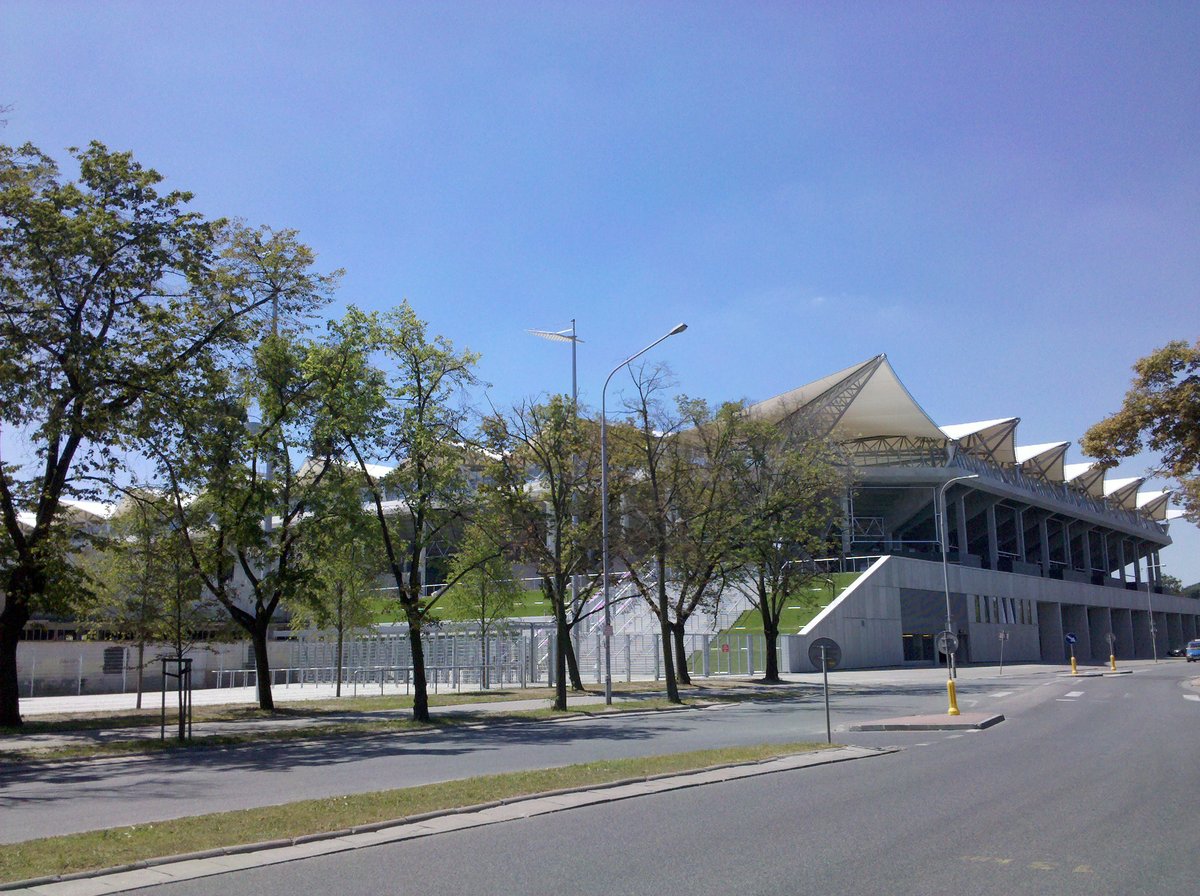
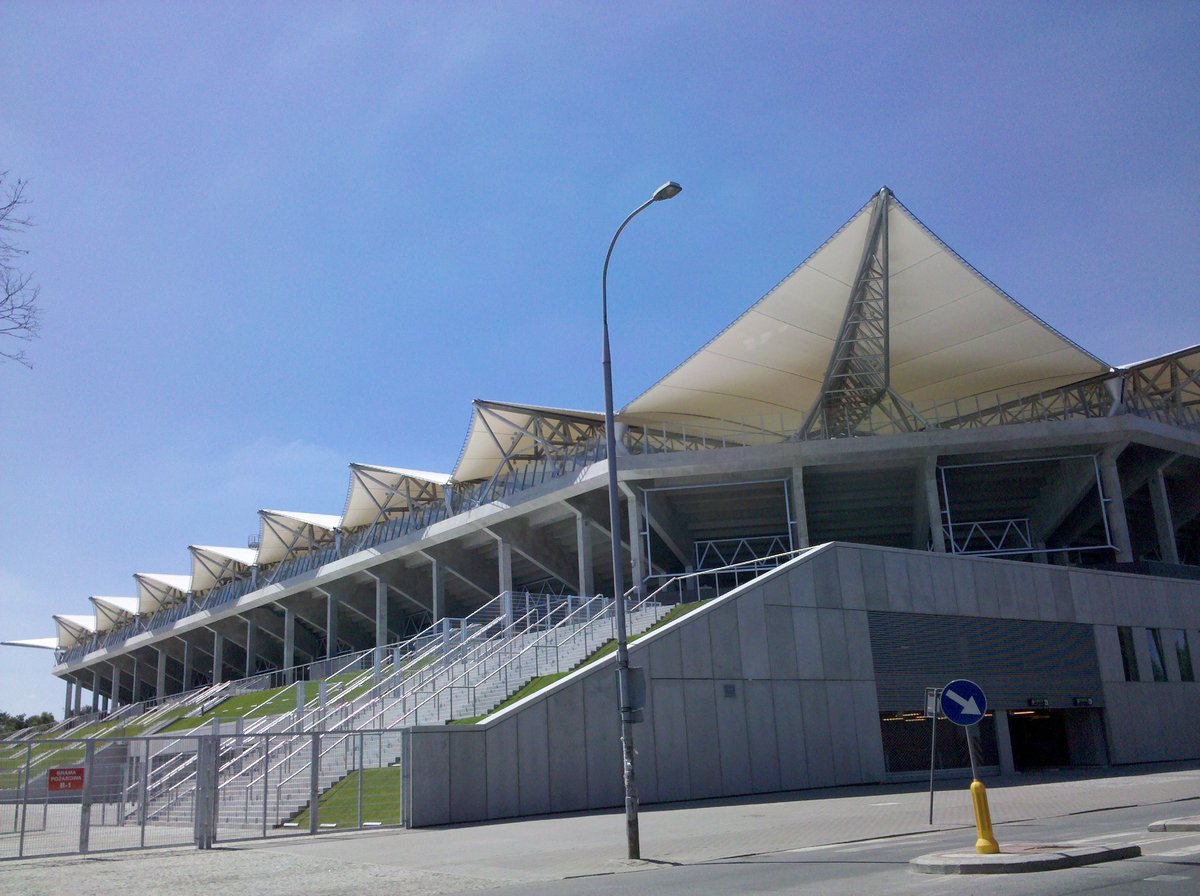
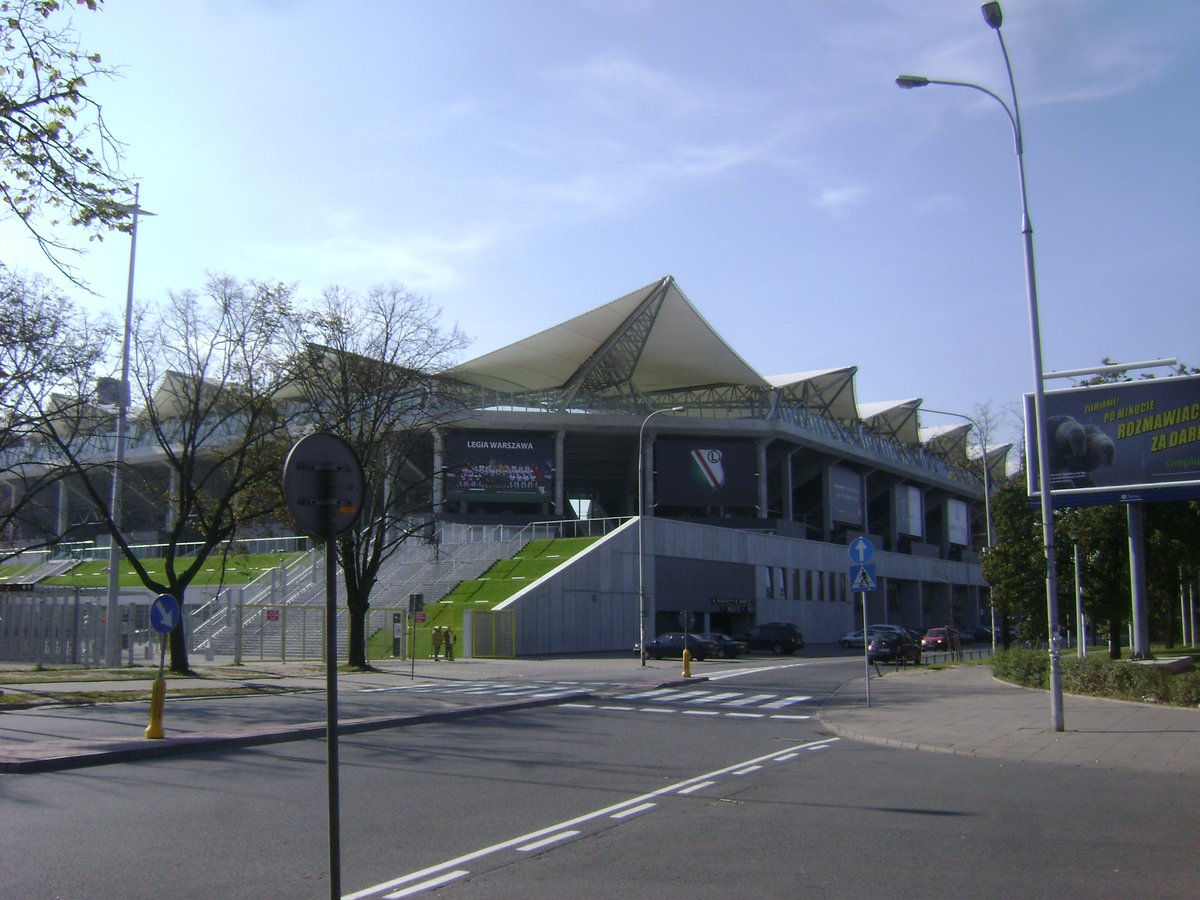
A major redevelopment between 2006–2011 transformed the stadium into a modern, all-seater venue with a capacity of over 31,000 while preserving its historic façade. The stadium continues to host domestic and European matches, concerts, and community events, reinforcing its role as a central social and cultural venue (Groundhopper Guides).
Stadium Design and Features
Architectural Highlights
- Modern Bowl Configuration: The stadium features a compact, bowl-shaped design for optimal sightlines and atmosphere. The North and South stands are behind the goals, with the East and West stands running along the length of the pitch.
- Historic Facade: The preserved 1930s main stand façade honors the stadium’s architectural and military heritage.
- Advanced Roof and Lighting: A lightweight membrane roof offers shelter and natural light, while advanced lighting systems support HD broadcasts and spectacular night matches.
- Stand Layout: The famous Żyleta section in the North Stand is home to Legia’s ultras. The West Stand houses VIP areas and media facilities, while the East and South stands offer family and general seating.
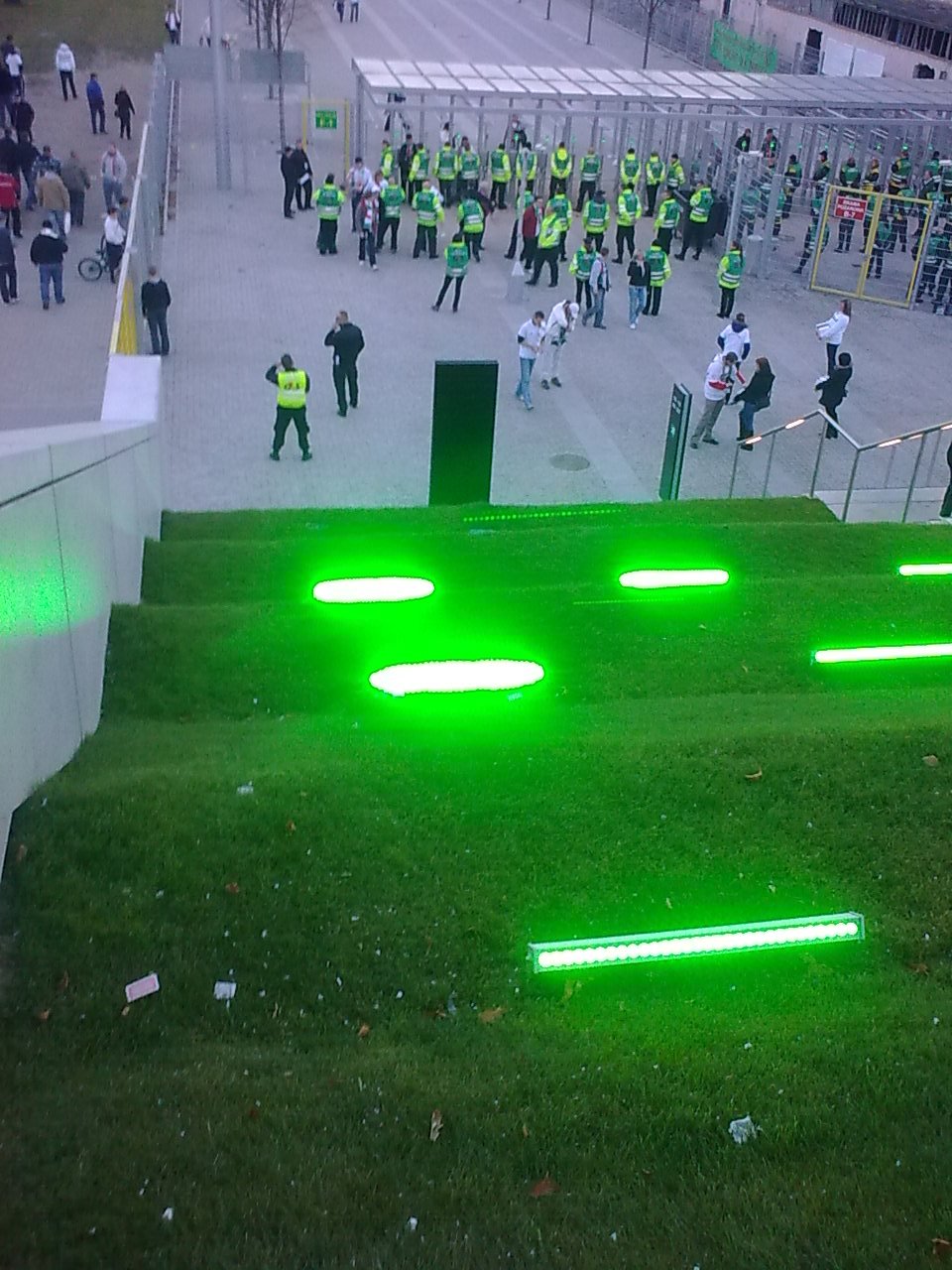
- Promenade and Access: Four main entrances lead to a raised promenade, facilitating movement and access to amenities.
Visiting Information
Hours and Tours
- Guided Tours: Tuesday to Sunday, 10:00 AM – 4:00 PM. Tours are typically 60–90 minutes and include access to locker rooms, the pitch, VIP areas, and the Legia Museum.
- Match Days: Gates open about 90 minutes before kickoff. Visit times may vary during events—check the official Legia Warsaw website for updates.
Tickets
- Match Tickets: Prices generally range from 40–150 PLN, depending on seat location and match profile. Purchase via the official Legia Warsaw website, at the stadium box office, or from authorized partners.
- Tour Tickets: Approximately 30 PLN per person. Advance booking is recommended due to limited group sizes.
Accessibility
- The stadium is wheelchair accessible with dedicated seating, accessible restrooms, and staff assistance available upon request.
- Visitors with special needs should contact the stadium in advance to arrange support.
Getting There
- Address: ul. Łazienkowska 3, Warsaw.
- Public Transport: Accessible via bus and tram lines stopping at “Rozbrat” or “Łazienkowska.” Metro Line M1 (Politechnika station) is a 10–15 minute walk away.
- Parking: Limited, especially on match days. Early arrival or public transport is recommended.
Facilities and Amenities
- Seating: Over 31,000 capacity with excellent sightlines.
- Food and Drink: Wide selection of Polish and international fare, with cashless payments accepted at most outlets.
- Merchandise: Official Legia Warsaw shops are located in the stadium complex.
- Restrooms and Accessibility: Modern, clean, and accessible facilities.
- Museum: The Legia Museum showcases the club’s history and memorabilia.
Match Day Experience
The atmosphere at Polish Army Stadium, especially in the Żyleta stand, is electric—marked by choreographed displays, chants, and unwavering support for Legia Warsaw. Families and those seeking a quieter experience can use dedicated family sections, while all guests are part of the vibrant matchday energy (Liberoguide).
Non-Football Events
Beyond football, the stadium hosts concerts, festivals, and community gatherings, making it a dynamic venue for cultural activities. For major international concerts, larger venues like PGE Narodowy are also popular (Go2Warsaw).
Tips for Visitors
- Check the official website for the latest visiting hours and events.
- Purchase tickets in advance, especially for high-profile matches.
- Arrive early to explore the stadium and avoid queues.
- Use public transport to minimize parking stress.
- Respect stadium regulations and local football culture.
- Combine your visit with nearby attractions like Łazienki Park or the Warsaw Uprising Museum.
Frequently Asked Questions (FAQ)
Q: What are the visiting hours?
A: Guided tours run Tuesday–Sunday, 10:00 AM–4:00 PM. Match day gates open 90 minutes before kickoff.
Q: Where can I buy tickets?
A: Tickets are available online via the official Legia Warsaw website, at box offices, and through authorized partners.
Q: Is the stadium accessible?
A: Yes, with designated seating, restrooms, and staff support for visitors with disabilities.
Q: Are guided tours available in English?
A: Yes, tours are offered in both Polish and English.
Q: What is the best way to get to the stadium?
A: Public transport is recommended due to limited parking.
Listen to the full story in the app
The whole Polish Army Stadium,
told well.
Audio guides for 1,100+ cities across 96 countries. History, stories, and local insight — offline ready.
Verified, and shown.
Researched and written by the Audiala editorial team from historical records, architectural archives, and local expertise.
Researched from Wikidata, Wikipedia & official sources · fact-checked · How we make our guides →