Plan and listen to Piłsudski Square with Audiala.
Audio guide in your pocket, itinerary in your browser. Built for the way you actually visit.
Introduction to Piłsudski Square and Its Significance
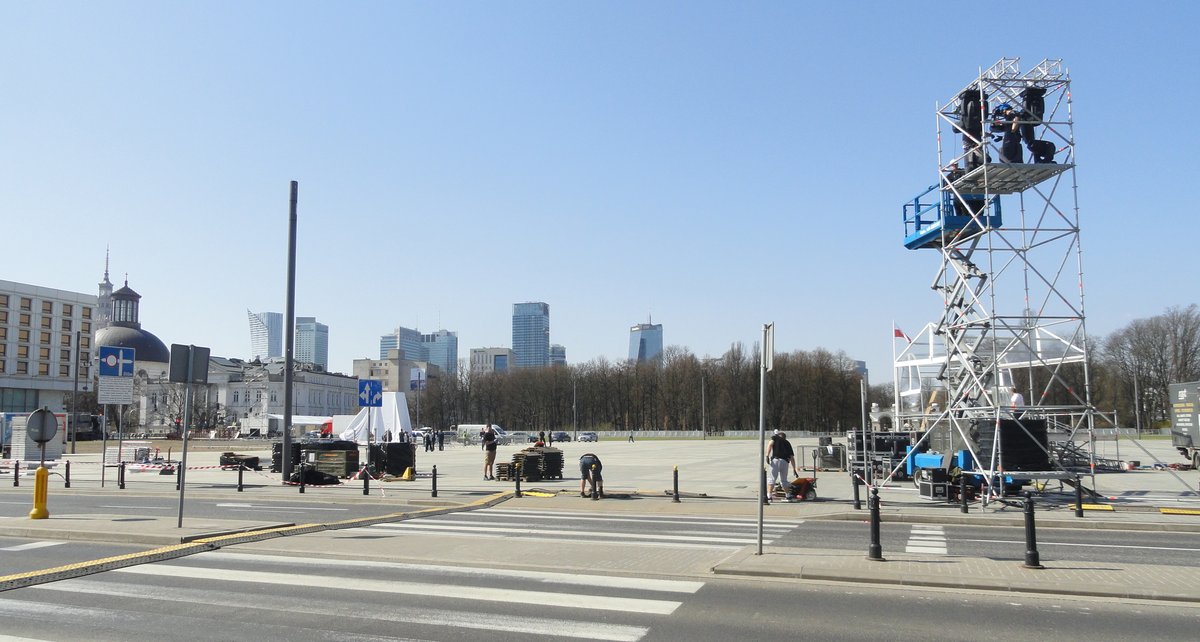
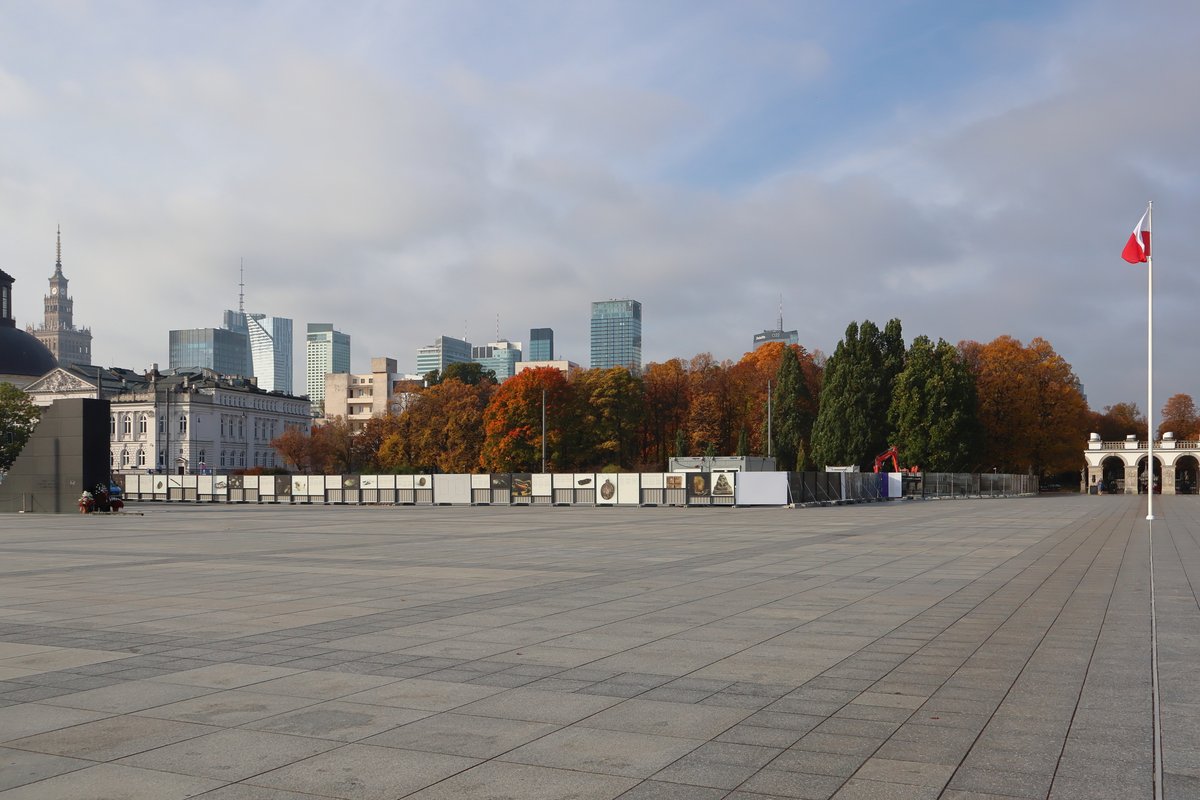
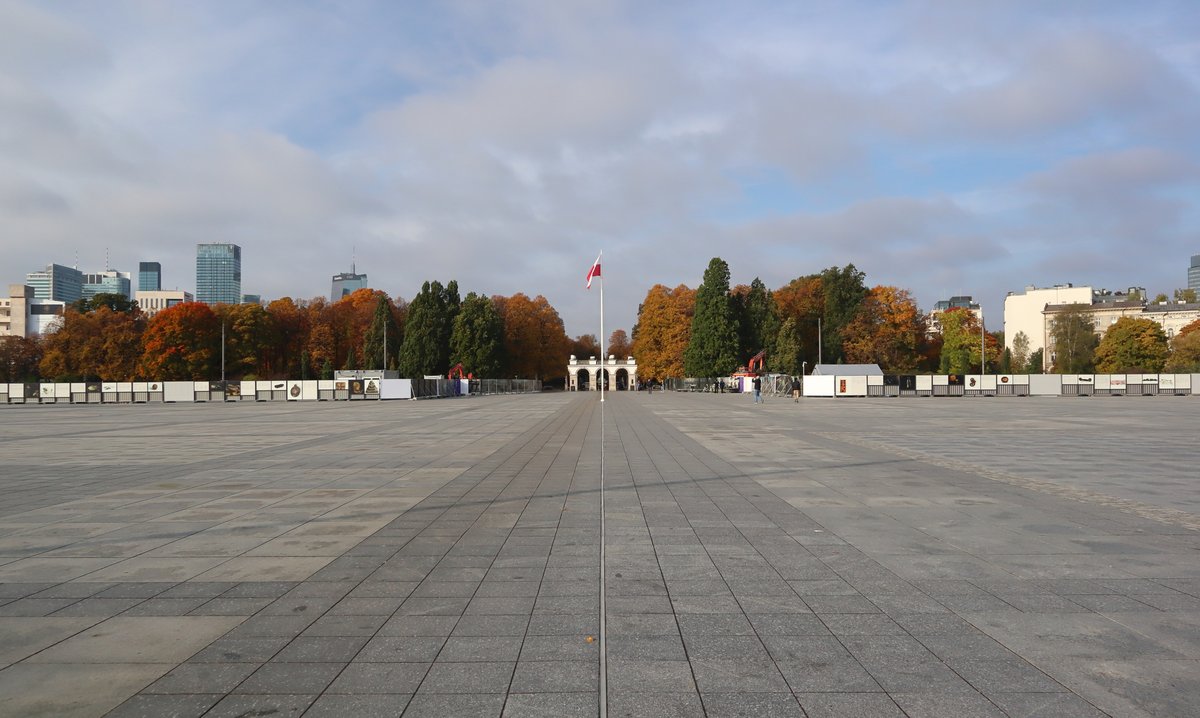
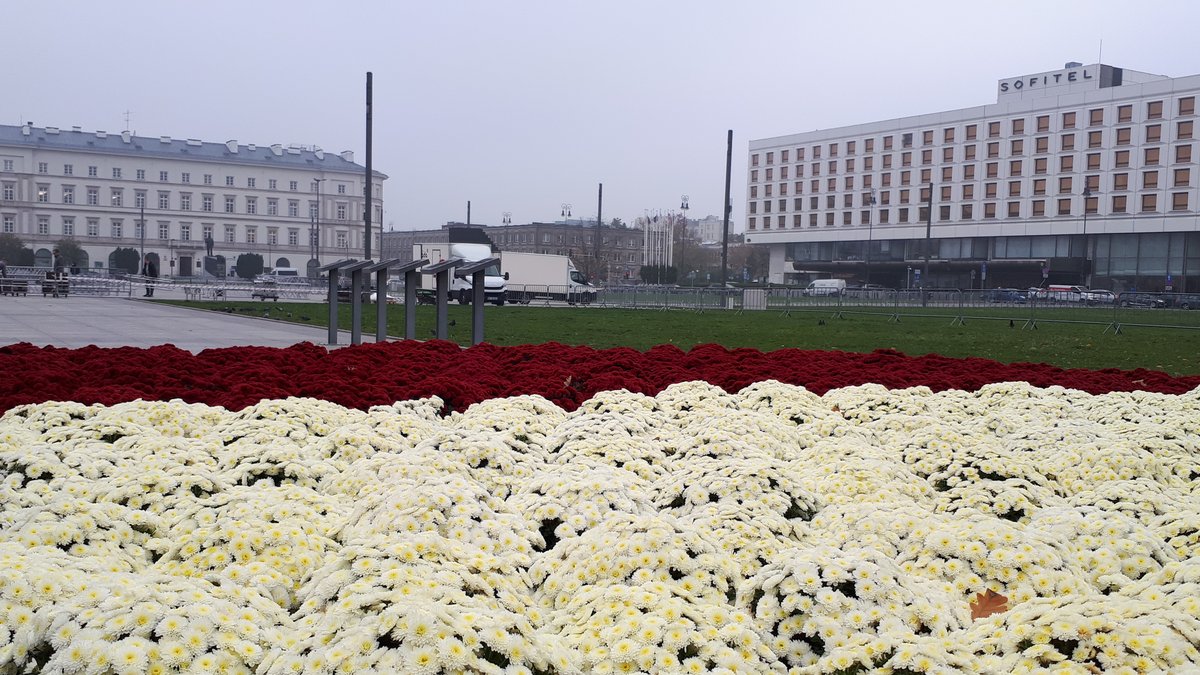
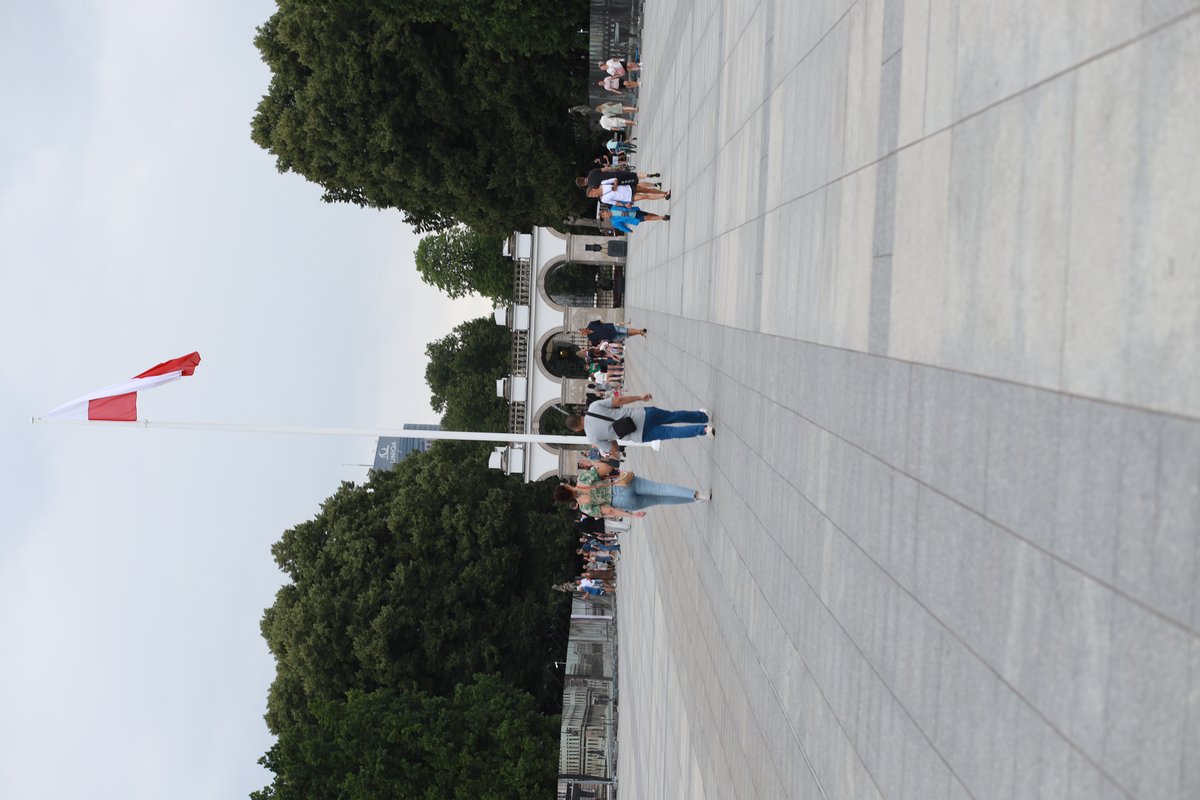
Piłsudski Square (Plac Marszałka Józefa Piłsudskiego) is one of Warsaw’s most prominent and meaningful public spaces, located at the heart of Poland’s capital. This expansive square is not only Warsaw’s largest, but also a living monument to the nation's history, resilience, and evolving identity. Notable features include the Tomb of the Unknown Soldier—an enduring tribute to Polish soldiers—and the statue of Marshal Józef Piłsudski, a chief architect of Poland’s independence.
Originating in the 18th century as part of the Saxon Axis urban plan, the square has witnessed foreign occupations, war, political upheaval, and national rebirth. It has seen the baroque Saxon Palace, the symbolic papal cross commemorating Pope John Paul II’s influential 1979 Mass, and debates on reconstruction and remembrance. Piłsudski Square is accessible around the clock and free to visit, making it a welcoming entry point for Warsaw’s historic core and its cultural highlights.
For in-depth visitor information about opening hours, accessibility, guided tours, and nearby attractions, consult the Warsaw Tourism Website and reputable travel guides. Whether your interest lies in Poland’s military history, architectural restoration, or cultural events, Piłsudski Square offers a profound and immersive experience (Warsaw Tourism Website, Lonely Planet).
Centrally located, Piłsudski Square serves as both a ceremonial ground and a vibrant public space, reflecting the layers of Poland’s national story. Its spacious layout, symbolic monuments, and proximity to other historic sites make it popular for travelers eager to explore Warsaw’s cultural landscape.

Origins and Early Development
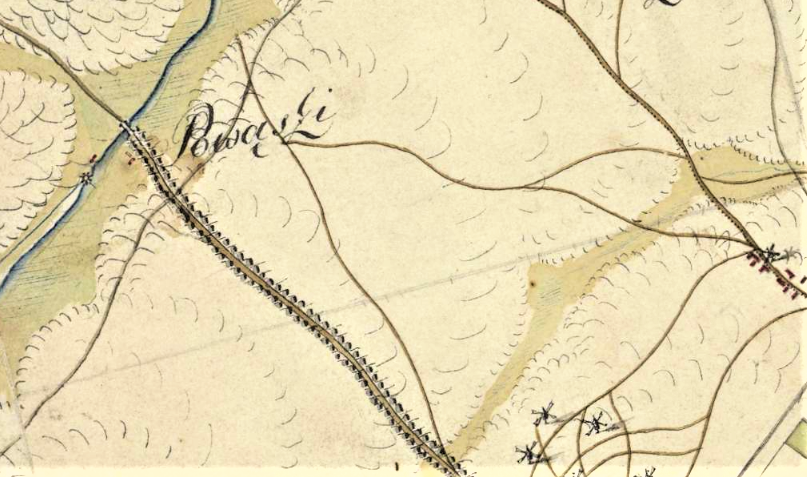
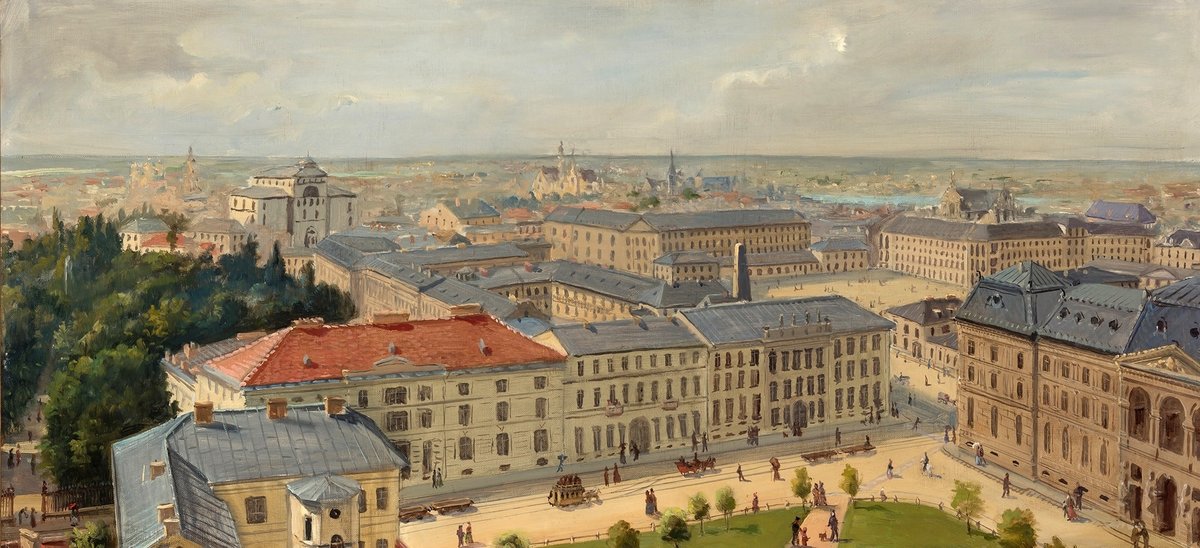
Piłsudski Square began as Saxon Square in the early 18th century, part of the Saxon Axis—a grand Baroque plan by the Saxon kings. The area was home to the Saxon Palace and the Saxon Gardens, the latter of which still exists.
19th Century and Russian Influence
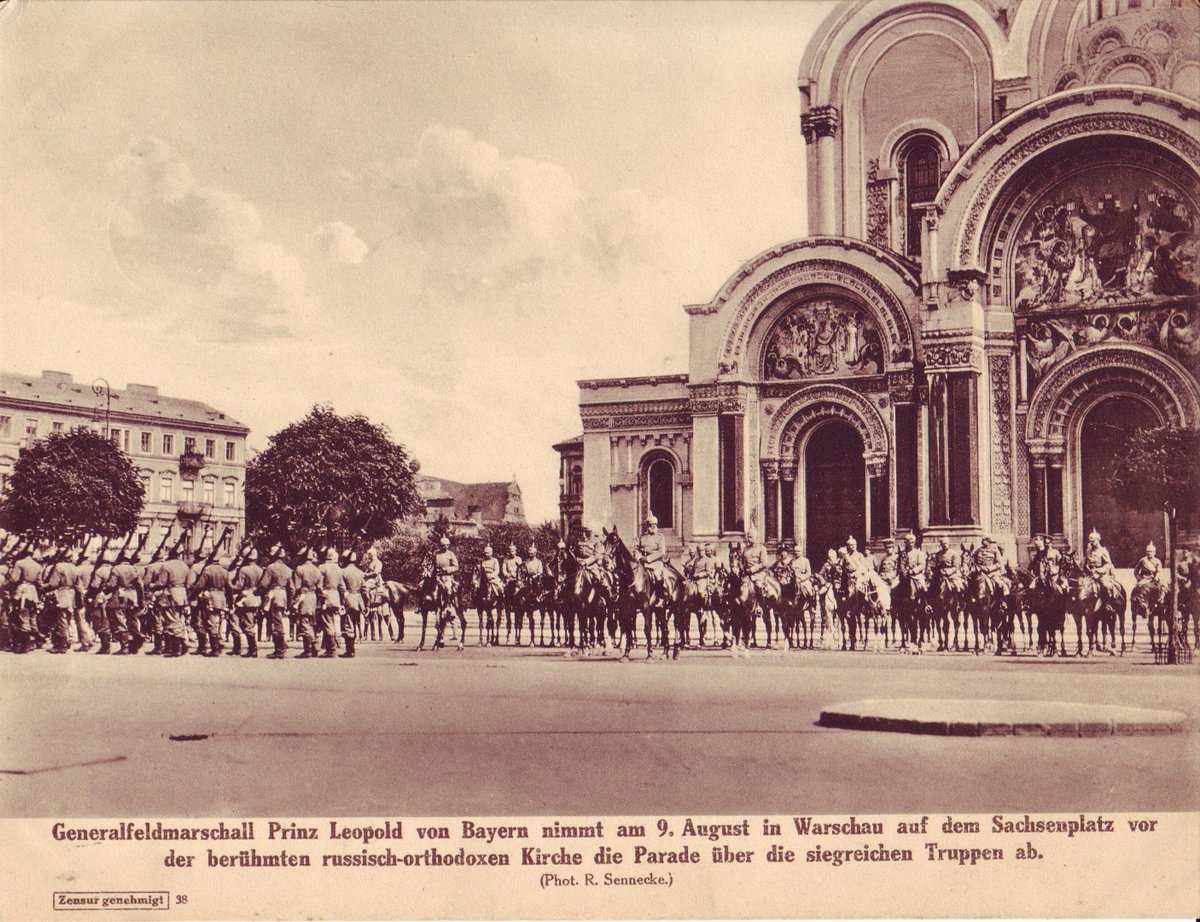
Under Russian dominance in the 19th century, the square was transformed, most notably by the imposing Alexander Nevsky Cathedral—a symbol of imperial power.
Interwar Period and National Rebirth
After Poland regained independence, the cathedral was demolished and the area renamed in honor of Józef Piłsudski. The Tomb of the Unknown Soldier was established in 1925 as a tribute to Poland’s fallen.
World War II and Occupation
During WWII, the square was renamed Adolf-Hitler-Platz by occupying forces, and much of its architecture—including the Saxon Palace—was destroyed.
Communist Era
Renamed Victory Square after the war, the area was redeveloped in line with Soviet-era aesthetics. Landmark buildings such as the Palace of Culture and Science were constructed nearby.
Papal Visits and the Seeds of Change
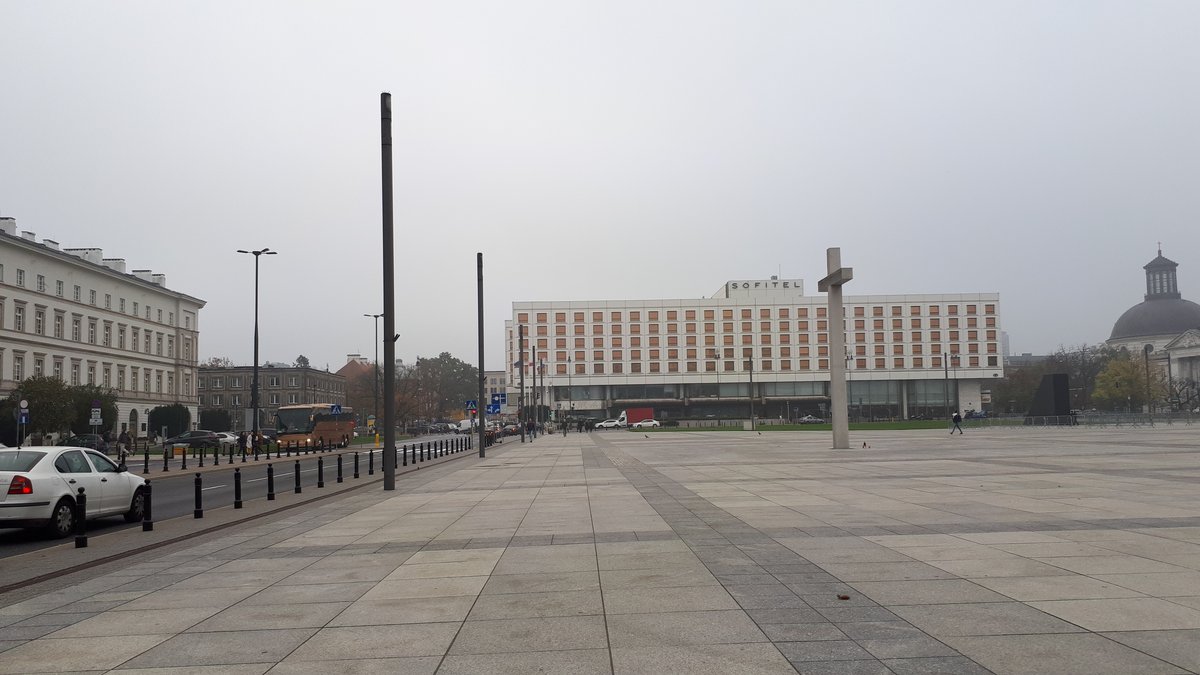
In June 1979, Pope John Paul II conducted a historic Mass here, an event considered pivotal in Poland’s eventual transition to democracy. The event is commemorated by the Papal Cross.
Post-Communist Era
Since 1989, the square has returned to its original name, and plans for reconstructing the Saxon Palace are ongoing, reflecting Warsaw’s commitment to reviving its historic fabric.
Key Monuments and Attractions
Tomb of the Unknown Soldier
At the square’s center, this revered monument (established 1925) honors Polish soldiers lost in war. It is guarded continuously by the Polish Army, with an hourly changing of the guard, and serves as a site for national commemorations (Official Warsaw Tourism, GPSmyCity).
Józef Piłsudski Monument
The imposing bronze statue of Marshal Józef Piłsudski was erected in 1995, commemorating his leadership in restoring Polish independence and shaping modern Poland (GPSmyCity).
Remnants of the Saxon Palace
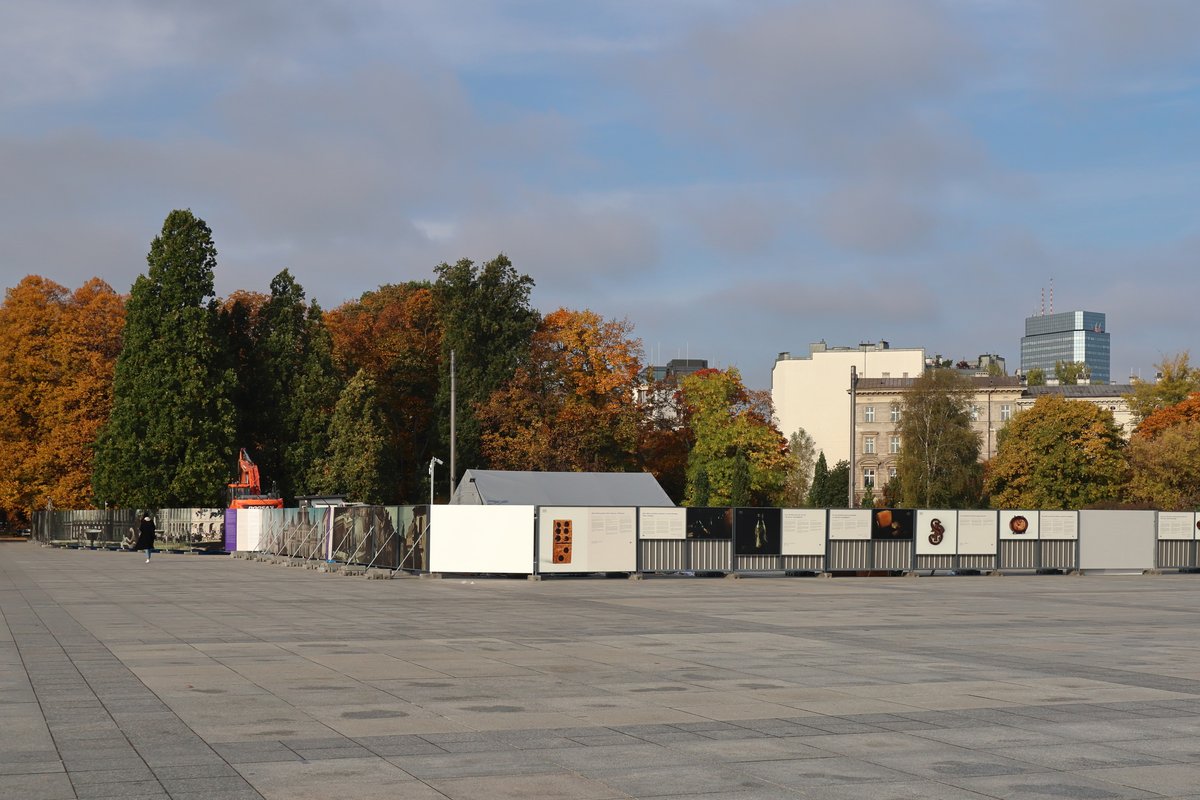
While the Saxon Palace itself was destroyed in WWII, its surviving arcade houses the Tomb of the Unknown Soldier. Reconstruction efforts are underway, and on-site displays offer historical context (Warsaw Tourist Office).
Papal Cross
This prominent cross marks the site of Pope John Paul II’s 1979 Mass, widely regarded as a catalyst for the Solidarity movement and the fall of communism (Lonely Planet).
Smoleńsk Air Disaster Monument
A black granite memorial honors the victims of the 2010 Smolensk plane crash, a tragedy that deeply impacted Polish society (Lonely Planet).
Visiting Information
Opening Hours
- Square: Open to the public 24/7.
- Tomb of the Unknown Soldier: Accessible at all times, with regular ceremonial events.
Tickets
- Admission: Free for all visitors.
- Guided Tours: Available from local operators and often include the square as part of broader historical walks. Additional fees may apply for these tours.
Accessibility
- Mobility: The square is flat and fully accessible to wheelchairs and strollers (Holidify).
- Signage: Clear informational plaques are present in both Polish and English.
- Facilities: Public restrooms are available in nearby cafes, museums, and the Saxon Garden.
Getting There
- Public Transport: Connected by tram, bus, and metro (Świętokrzyska station). Close to major thoroughfares and within a 30-minute ride from Warsaw Chopin Airport (theuniquepoland.com).
- Ride-Sharing: Uber and other services are widely available.
Nearby Attractions and Amenities
- Saxon Gardens: Adjacent historical park, perfect for relaxation and picnics.
- Grand Theatre: Opera and ballet performances.
- Zachęta National Gallery of Art: Contemporary exhibitions nearby (Holidify).
- Royal Route and Old Town: UNESCO-listed sites within walking distance.
- Presidential Palace, Adam Mickiewicz Monument, and historic churches: All within reach for a comprehensive historical stroll (GPSmyCity).
Special Events and Photographic Spots
- National Ceremonies: Independence Day (Nov 11), Constitution Day (May 3), and other major commemorations.
- Changing of the Guard: Every hour at the Tomb of the Unknown Soldier.
- Papal Cross and panoramic views: Especially striking at sunrise or sunset.
- Public Gatherings: Concerts, art installations, and seasonal festivals.
Practical Tips for Visitors
- Dress: Modest attire is advisable during ceremonies.
- Weather: Summers are warm; winters can be cold—dress accordingly.
- Currency: Polish złoty (PLN); credit cards widely accepted.
- Language: English is common in tourist areas, but learning basic Polish greetings is appreciated.
- Safety: The area is safe and well-patrolled; remain vigilant during crowded events (theuniquepoland.com).
Frequently Asked Questions (FAQ)
Q: Is there an entrance fee?
A: No, access is free.
Q: What are the visiting hours?
A: Piłsudski Square is open 24 hours a day, year-round.
Q: Are guided tours available?
A: Yes, local tour companies and self-guided apps include the square in their itineraries.
Q: Is the square accessible for people with disabilities?
A: Yes, the square and nearby gardens are wheelchair-friendly.
Q: Where are the nearest restrooms?
A: Public restrooms are available in nearby cafes, Saxon Garden, and museums.
Discover More
Piłsudski Square is a cornerstone of Warsaw’s historic and cultural landscape. Its monumental spaces, accessible facilities, and proximity to key attractions make it essential for any visitor to Warsaw. Whether you’re drawn by solemn national ceremonies, architectural history, or the vibrant pulse of urban life, the square promises a memorable experience.
For the latest updates, guided tours, and interactive resources, consult the Warsaw Tourist Office, and consider using digital tools like the Audiala app for enriched exploration. Follow Warsaw’s cultural centers on social media for real-time updates and inspiration. Begin your journey at Piłsudski Square and discover the living heart of Poland’s capital (Warsaw Tourism Website, Lonely Planet).
Listen to the full story in the app
The whole Piłsudski Square,
told well.
Audio guides for 1,100+ cities across 96 countries. History, stories, and local insight — offline ready.
Verified, and shown.
Researched and written by the Audiala editorial team from historical records, architectural archives, and local expertise.
Researched from Wikidata, Wikipedia & official sources · fact-checked · How we make our guides →