Plan and listen to Palace Of The Ministry Of Revenues And Treasury with Audiala.
Audio guide in your pocket, itinerary in your browser. Built for the way you actually visit.
Introduction
The Palace of the Ministry of Revenues and Treasury in Warsaw stands as an enduring symbol of Poland’s architectural splendor, historical resilience, and evolving political landscape. Located in the city’s vibrant center, this neoclassical edifice invites visitors to explore centuries of history, from its 17th-century noble origins to its pivotal role in state governance. Today, while primarily serving as a government building, the palace occasionally opens its doors for special cultural events, providing a rare opportunity to experience its heritage and grandeur.
This guide delivers a thorough overview of the palace’s history, architectural highlights, visiting hours, ticketing details, accessibility, and travel tips—essential for anyone planning a visit to one of Warsaw’s most significant historic landmarks.
For current updates on events and visitor information, consult the Warsaw city events calendar, the Ministry of Finance website, and the Warsaw Tourism portal.

Early Origins and Development
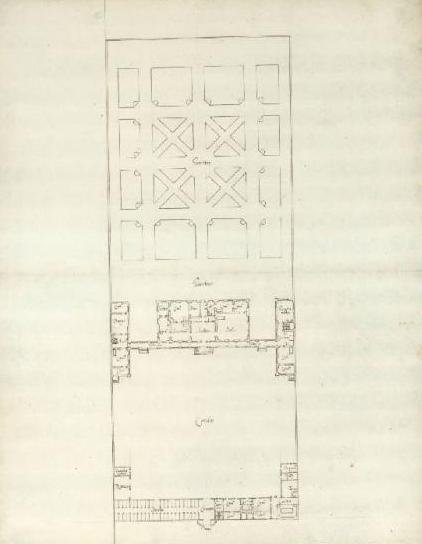
The palace’s story begins in the mid-17th century as the residence of Chancellor Jan Leszczyński, with Italian architect Giovanni Battista Gisleni likely responsible for its initial design. Over the next century, the estate passed through the hands of notable noble families such as the Potockis and Zielińskis, mirroring the political shifts and fortunes of pre-partition Poland.
Neoclassical Transformation
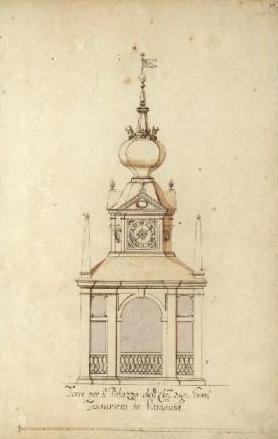
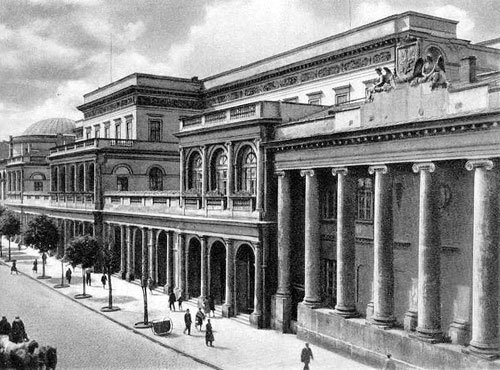
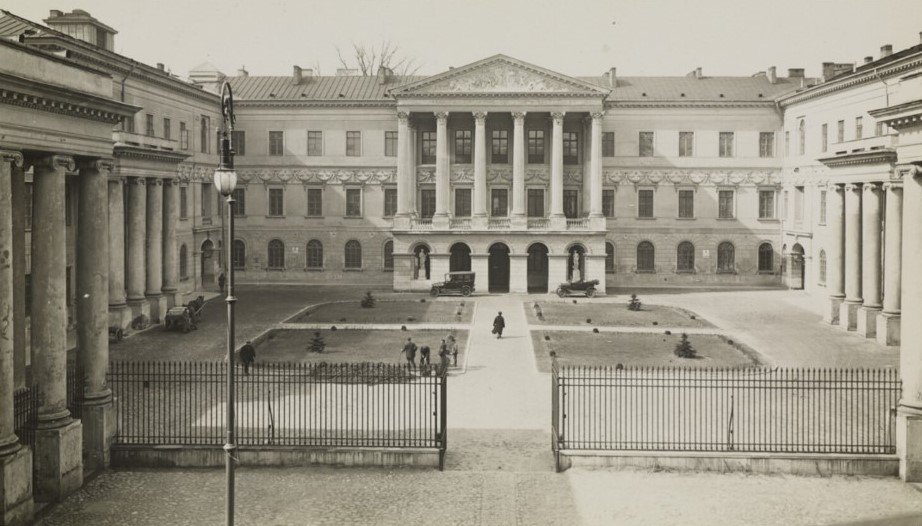
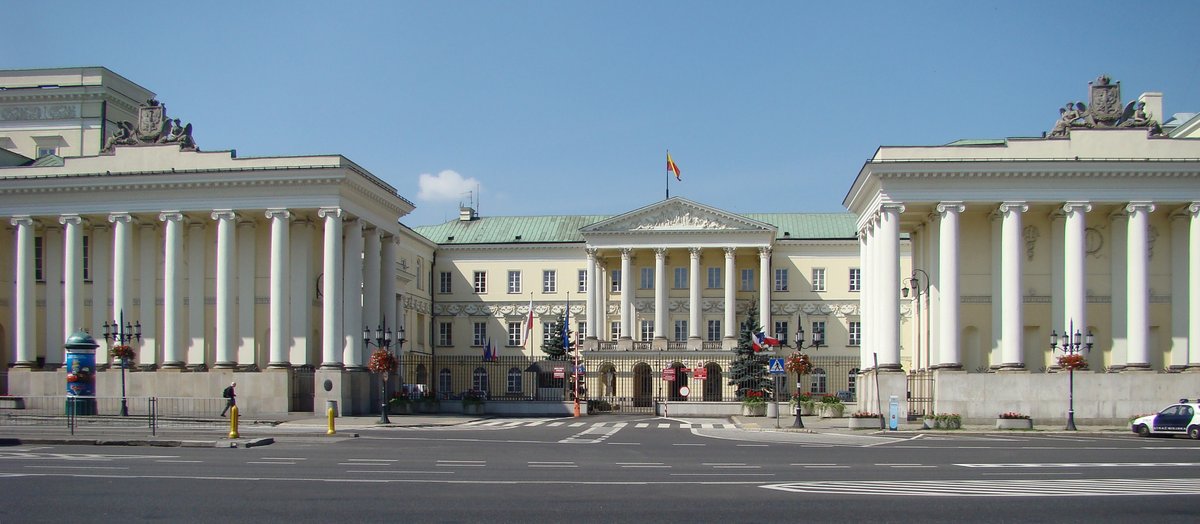
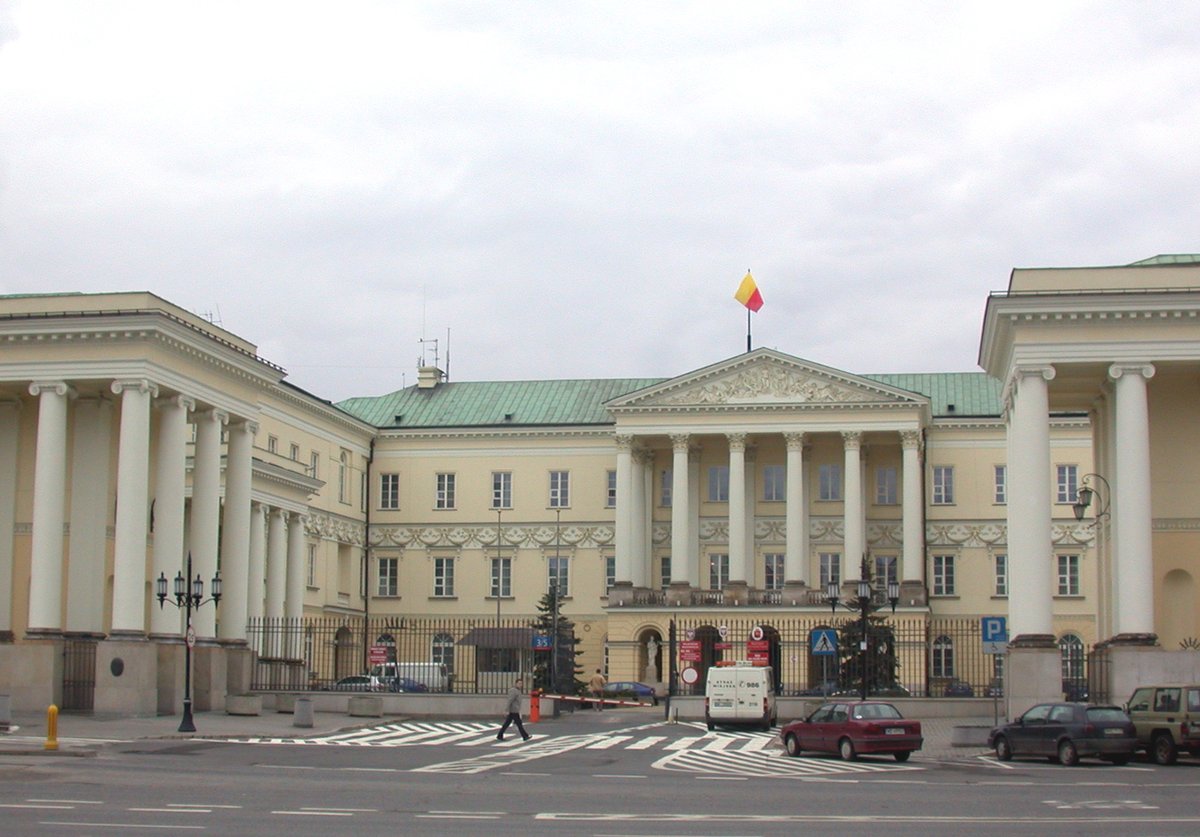
Between 1823 and 1825, the building underwent a significant redesign by Italian architect Antonio Corazzi. This transformation established the palace’s signature neoclassical style, marked by balanced proportions, a grand portico, and decorative elements emblematic of state power and modernity. The palace became the headquarters for the Ministry of Revenues and Treasury, affirming its central role in the Kingdom of Poland’s governmental framework (culture.pl).
Political and Cultural Role in the 19th Century
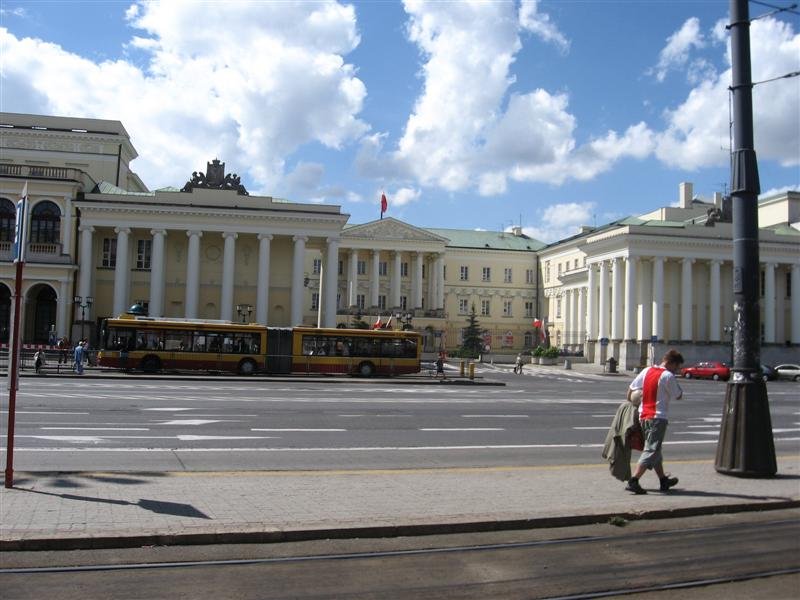
Beyond administration, the palace played a part in Poland’s cultural life—Romantic poet Juliusz Słowacki worked here between 1829 and 1831. Its location on Bank Square, surrounded by other landmark buildings, positioned it as a hub of civic identity and statecraft.
Wartime Destruction and Postwar Restoration
The palace suffered heavy damage during World War II, with bombings in 1939 and near-total destruction during the 1944 Warsaw Uprising. Postwar reconstruction, guided by original blueprints and archival materials, restored the building’s neoclassical character while introducing modern structural techniques (staypoland.com).
Modern Function
Today, the palace houses Warsaw’s city hall and the Mazovia provincial offices, continuing its legacy as a center of governance. Its preservation and adaptation reflect Warsaw’s broader commitment to honoring its historic architecture while serving contemporary civic needs.
Architectural Features and Urban Context
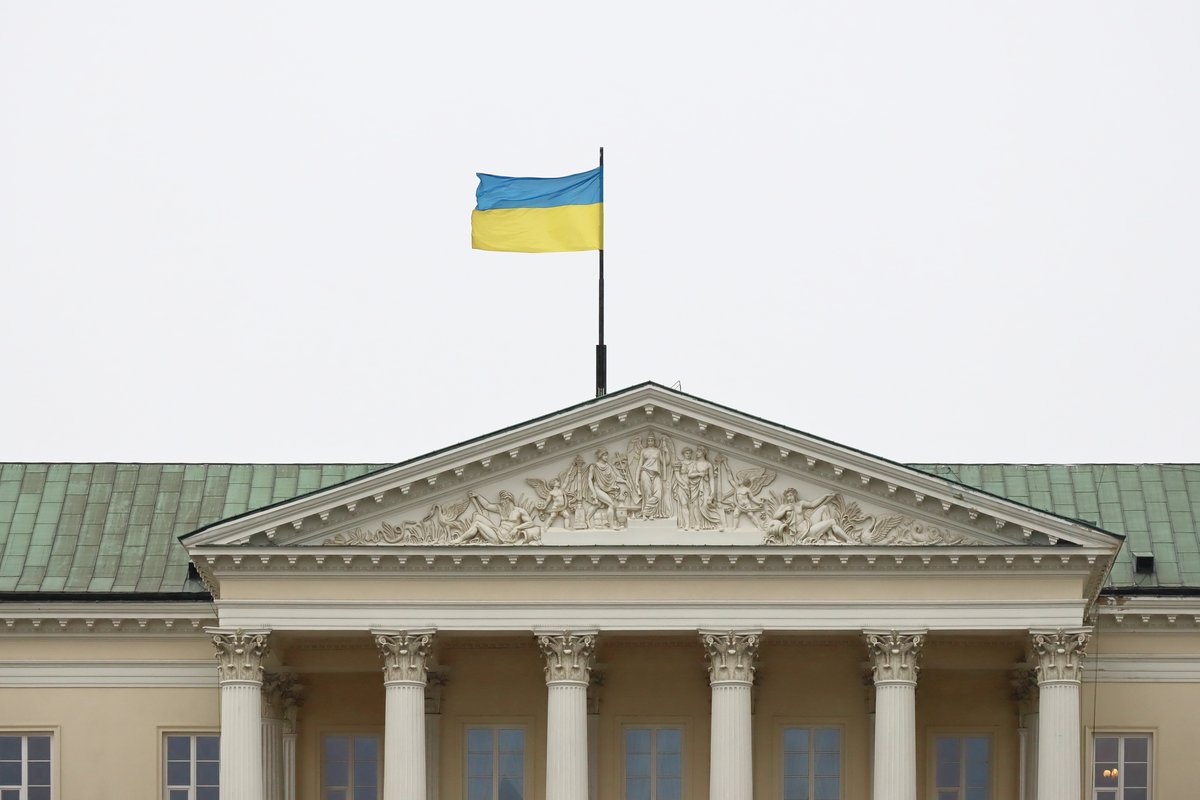
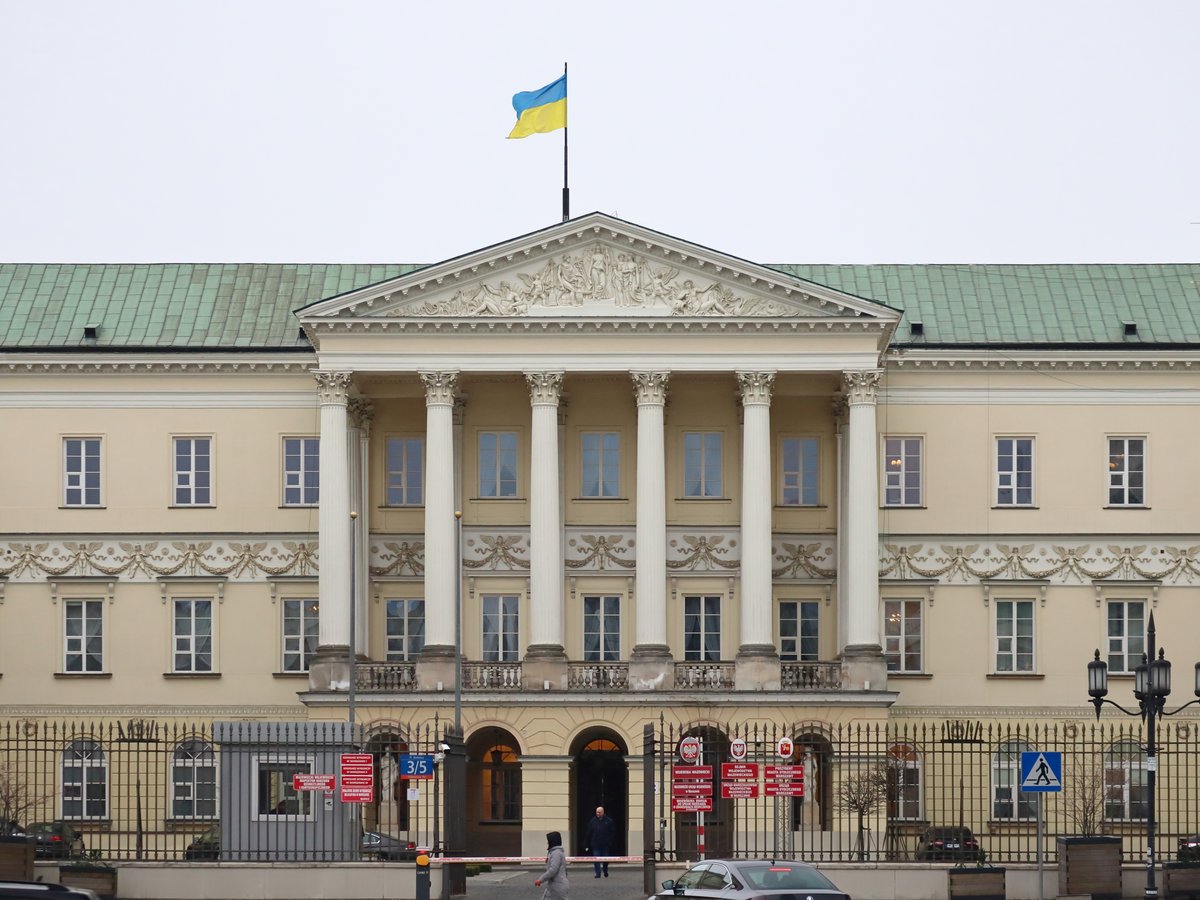
The palace’s primary façade features symmetrical arrangements of pilasters, tall windows, and an imposing portico with Corinthian columns. Decorative cornices, balustrades, and urns evoke the neoclassical style favored by Corazzi. The use of sandstone and granite visually connects the palace to other prominent Warsaw landmarks such as the Royal Castle (culture.pl).
The interior—accessible during special events—includes a grand marble staircase lit by a skylight, formal reception rooms with period furnishings, and a council chamber with original woodwork and decorative ceilings. Many of these elements have been meticulously restored following wartime damage.
Set within the Śródmieście district at 3/5 Bank Square, the palace anchors a historic ensemble that includes the Jabłonowski Palace, the Palace of the Four Winds, and the National Museum of Archaeology, all within a short walk.
Visitor Information
Visiting Hours
As an active government building, the palace is generally not open for daily public visits. However, it welcomes visitors during special occasions such as Warsaw’s "Noc Muzeów" (Night of Museums) and select heritage days. Standard open hours for such events are typically:
- Monday–Friday: 9:00 AM – 5:00 PM (during events)
- Closed: Weekends and public holidays, unless otherwise announced
Always check the Warsaw city events calendar or Ministry of Finance website for the most up-to-date opening times.
Tickets and Admission
- General Admission: Free during public events and tours
- Guided Tours/Special Exhibitions: May require advance booking or tickets, often free but with limited capacity
- Reservations: Required for most special events; book via official tourism or palace event listings
Accessibility
- Entrances and Grounds: Wheelchair accessible
- Interior Spaces: Some areas may have limited access due to historic features; check specific event information
- Assistance: Contact visitor services ahead of time for special accommodations
Guided Tours and Special Events
- Guided Tours: Offered during heritage events, providing context on architecture, history, and civic functions
- Languages: Primarily Polish; English tours available during some events
- Special Events: Include cultural performances, temporary exhibitions, and national ceremonies
Travel Tips
- Combine your visit with nearby attractions like the Jabłonowski Palace, Palace of the Four Winds, and Saxon Garden
- Use public transport; the palace is close to the Świętokrzyska metro station (Lines M1 and M2) and tram/bus lines (ztm.waw.pl)
- Arrive early during events for best access
- Photography is allowed outside; interior photography policies depend on the event
Nearby Attractions
- Jabłonowski Palace: Elegant baroque palace hosting cultural events
- Palace of the Four Winds: Noted for its 18th-century decorative interiors
- National Museum of Archaeology: Showcases Poland’s ancient heritage
- Saxon Garden (Ogród Saski): Historic landscaped park nearby
- Royal Castle and Old Town: UNESCO World Heritage Site, a short walk away (earthtrekkers.com)
- Palace of Culture and Science: Warsaw’s landmark skyscraper with panoramic views
Frequently Asked Questions (FAQ)
Q: What are the palace’s visiting hours?
A: The palace is open to the public only during special events; check official sources for current schedules.
Q: Is there an entrance fee?
A: General admission is free during public events, but some tours may require advance registration.
Q: Is the palace wheelchair accessible?
A: Yes, main entrances and grounds are accessible; some interior areas may be limited.
Q: Can I take photos inside?
A: Exterior photography is encouraged; interior photography depends on event policies.
Q: How do I book a guided tour?
A: Check the Warsaw city events calendar or the Warsaw Tourism portal for event listings and registration.
Listen to the full story in the app
The whole Palace Of The Ministry Of Revenues And Treasury,
told well.
Audio guides for 1,100+ cities across 96 countries. History, stories, and local insight — offline ready.
Verified, and shown.
Researched and written by the Audiala editorial team from historical records, architectural archives, and local expertise.
Researched from Wikidata, Wikipedia & official sources · fact-checked · How we make our guides →