Plan and listen to Palace Of Culture And Science with Audiala.
Audio guide in your pocket, itinerary in your browser. Built for the way you actually visit.
Introduction
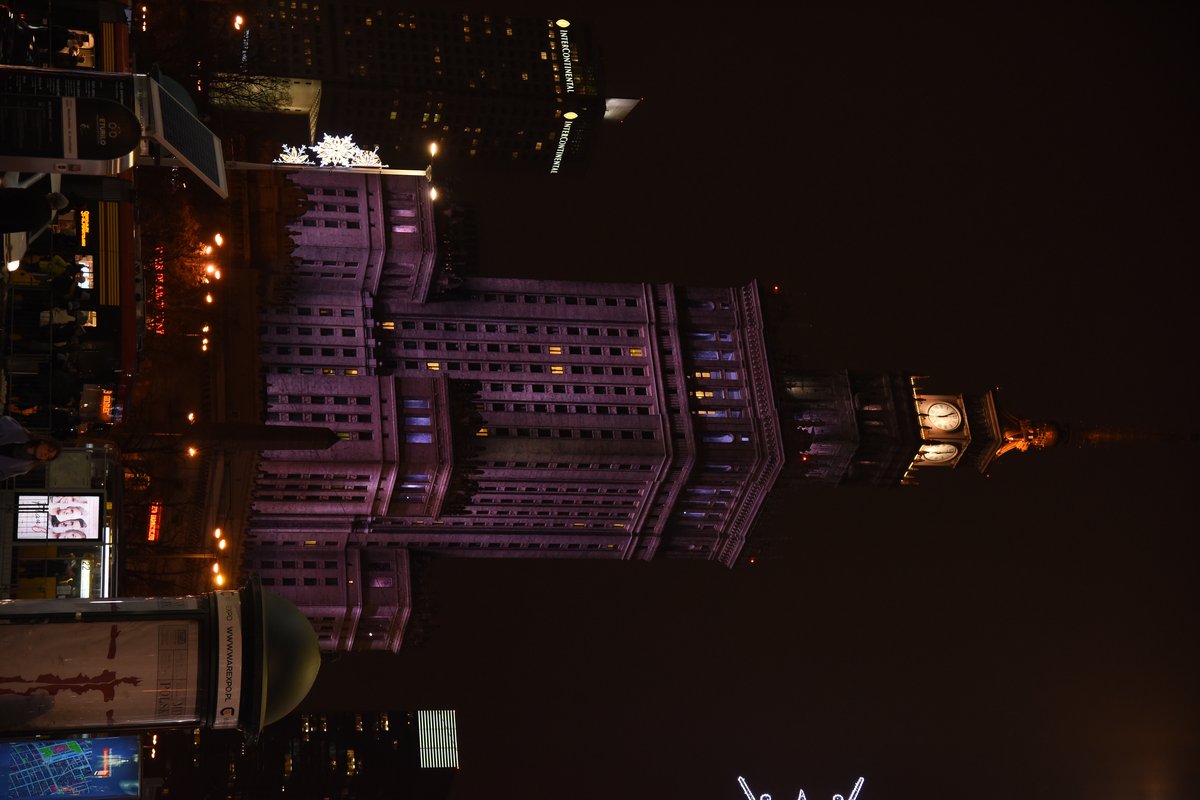
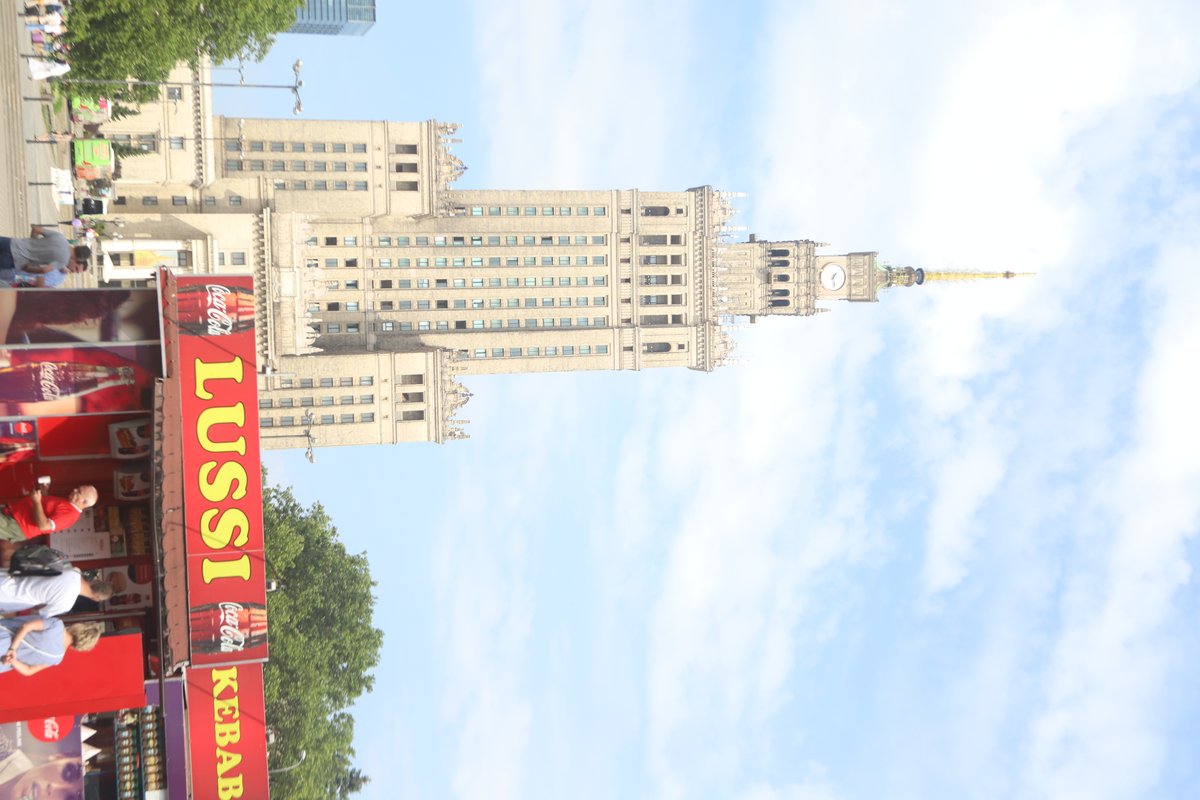
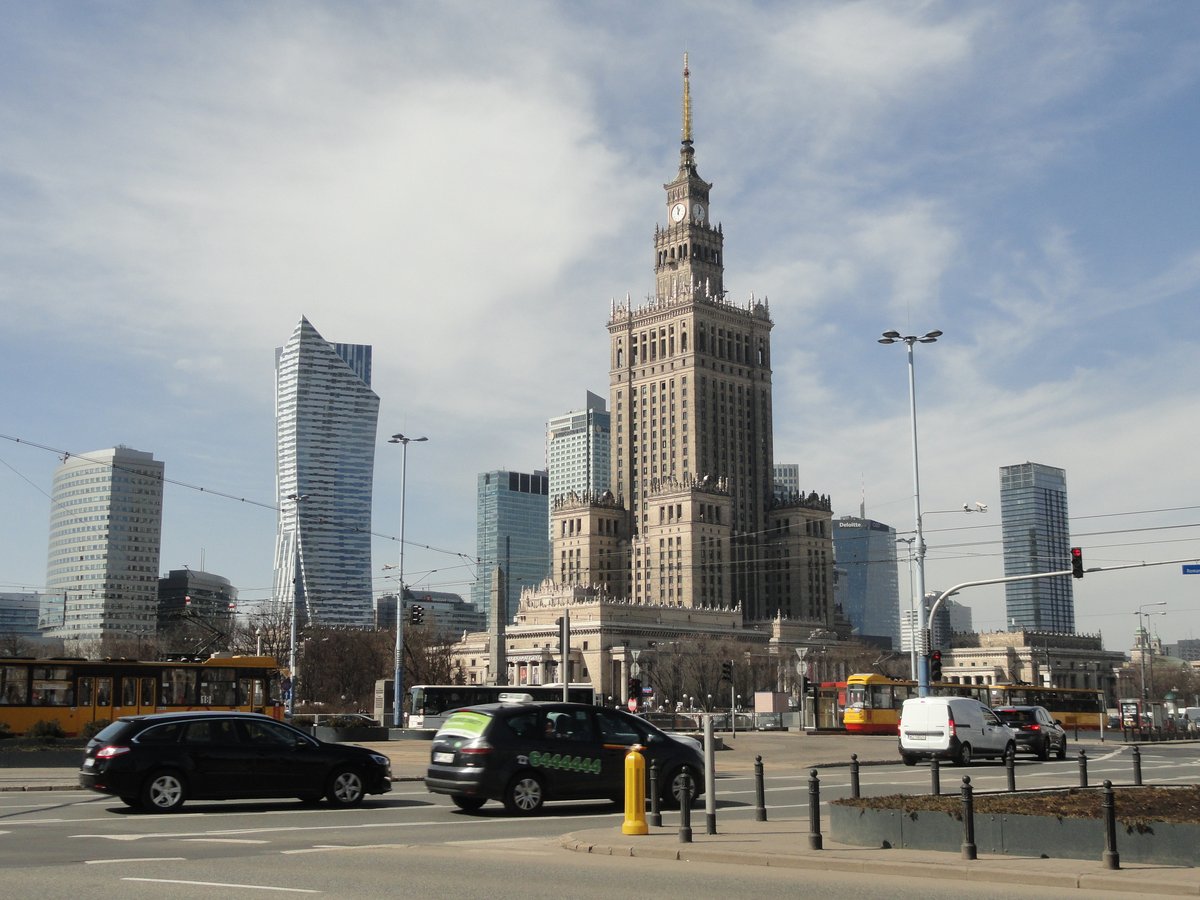
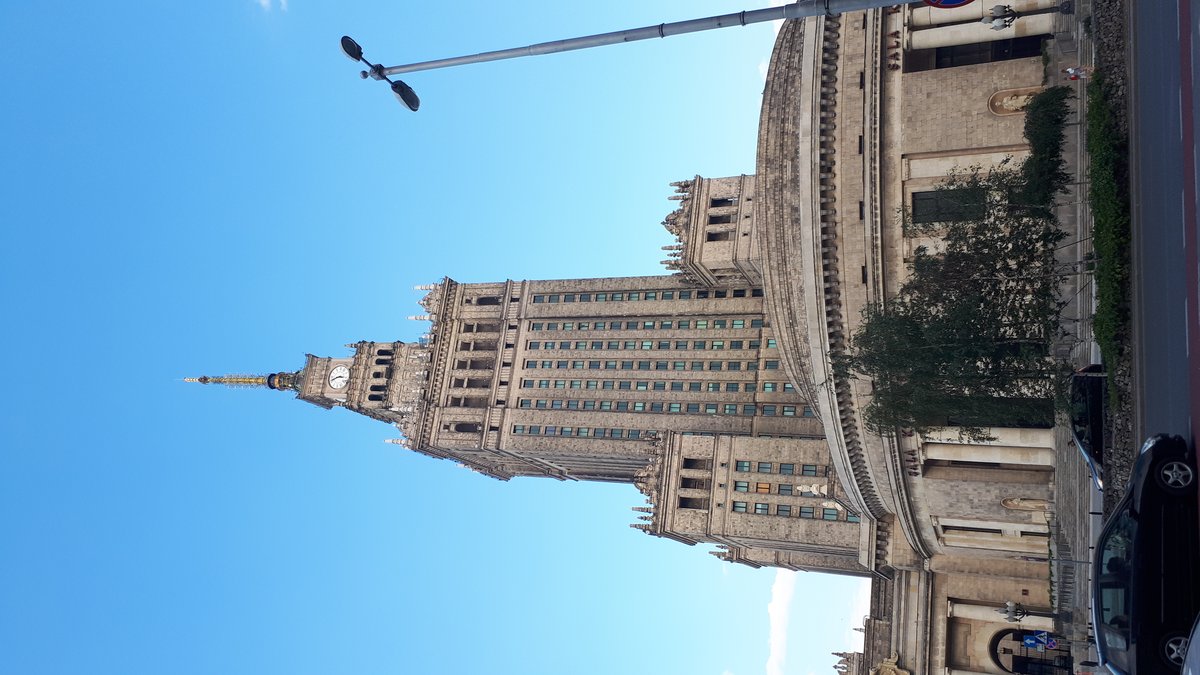
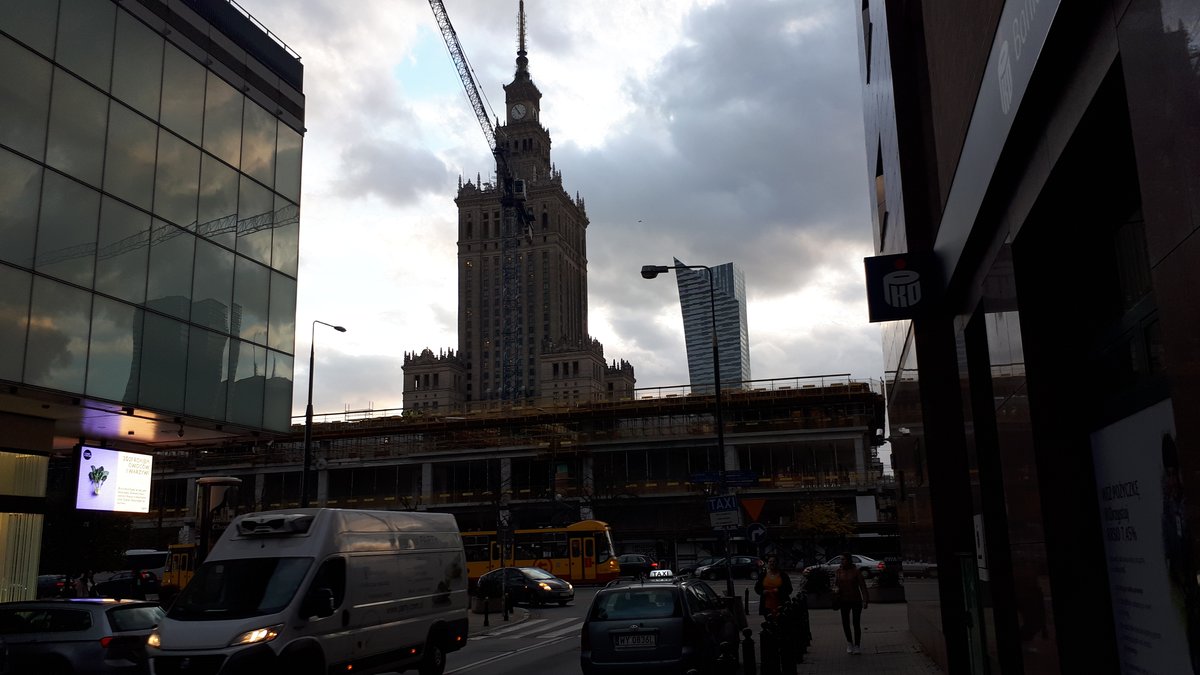
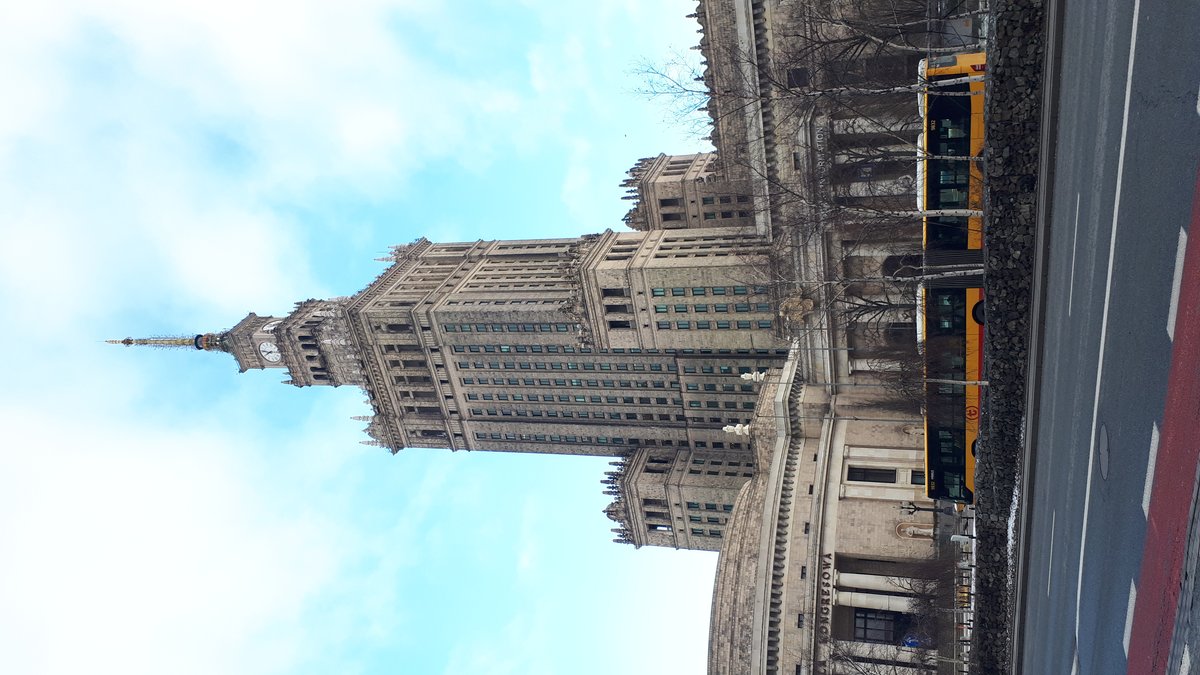
The Palace of Culture and Science (Pałac Kultury i Nauki, PKiN) is Warsaw’s most recognizable landmark, standing as a symbol of both Poland’s turbulent 20th-century history and its vibrant contemporary culture. Completed in 1955 as a “gift” from the Soviet Union, the Palace has transformed from a controversial emblem of Soviet dominance into a thriving hub for the arts, education, and public life. This guide provides an in-depth look at the Palace’s history, architectural and cultural significance, practical visiting information, and expert travel tips to help you plan a memorable visit (wildeast.blog; designingbuildings.co.uk; WarsawGuide.com).

Origins and Political Context
After World War II, Warsaw was left devastated, with much of the city in ruins. In this context, the Soviet Union, under Joseph Stalin, proposed erecting a monumental building to symbolize Soviet-Polish friendship. The Palace, however, was widely regarded by Poles as a symbol of Soviet control rather than camaraderie (501places.com; wildeast.blog).
The project’s approval in 1951 marked the beginning of a massive undertaking. Construction began in 1952, with thousands of Soviet and Polish workers involved. The building was officially opened on July 21, 1955, originally bearing Stalin’s name, which was removed following de-Stalinization (warsawinsider.pl; designingbuildings.co.uk).
Design and Construction
Architectural Vision
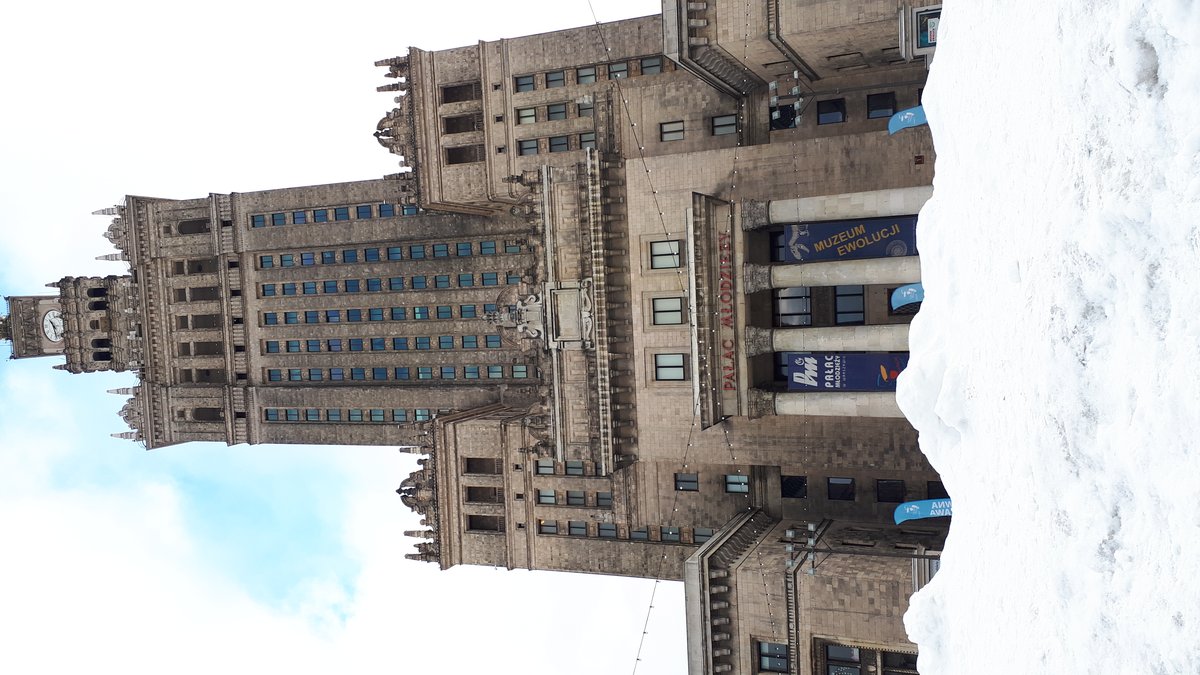
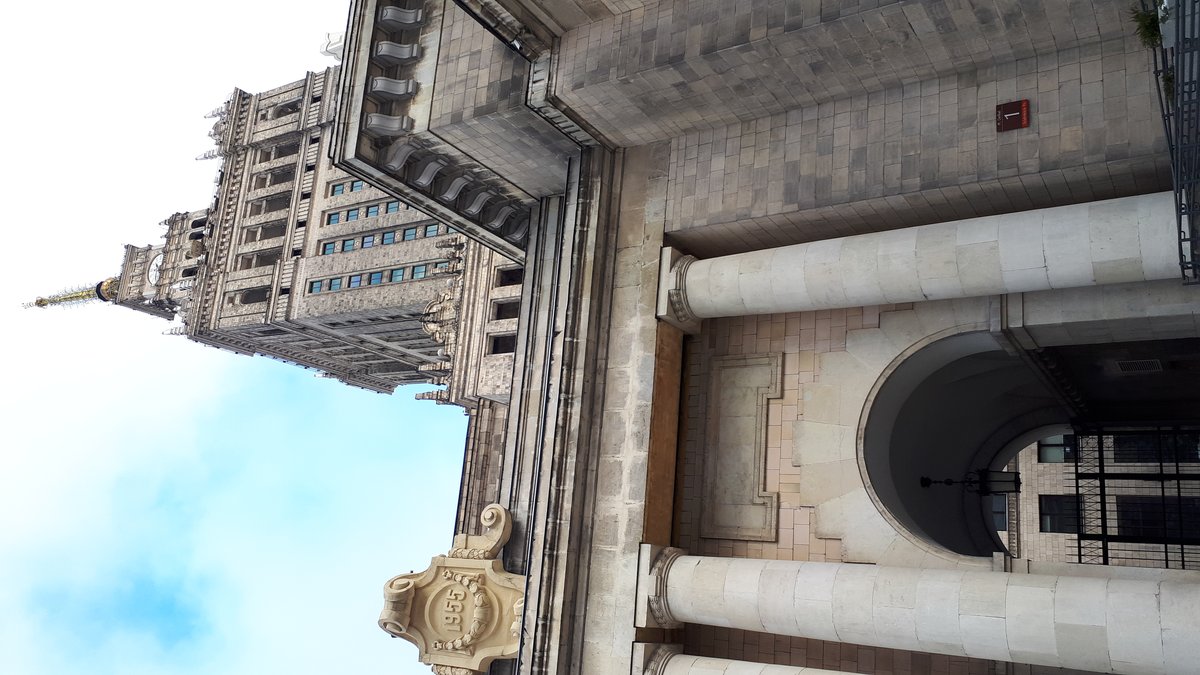
Soviet architect Lev Rudnev designed the Palace, blending Socialist Realist grandeur with Polish Renaissance architectural motifs. The structure rises 237 meters, making it Poland’s tallest building, and features over 3,000 rooms, elaborate facades, and more than 550 ornamental sculptures of Polish cultural figures (designingbuildings.co.uk; civitas.edu.pl).
Construction
The Palace’s construction was a monumental task, utilizing 40 million bricks and employing up to 9,000 workers. Sixteen workers lost their lives during the process; their memory is honored in Warsaw’s Orthodox Cemetery. The building’s design and construction, with its mix of Soviet scale and Polish detail, created a landmark that remains both imposing and distinctive (warsawinsider.pl).
Early Years and Cultural Role
Following its opening, the Palace quickly became a center for cultural and public life in Warsaw. The Congress Hall hosted international stars such as The Rolling Stones, Leonard Cohen, and Marlene Dietrich, rare appearances behind the Iron Curtain. Theaters, cinemas, and museums filled the Palace’s many rooms, making it a focal point for events of all kinds (pkin.pl; civitas.edu.pl).
Evolution Through Political Change
After the fall of communism in 1989, the Palace’s future was hotly debated. While some called for its demolition, the building’s scale and integration into Warsaw’s urban landscape ensured its survival. Over time, public opinion softened, and the Palace was embraced as a unique part of the city’s heritage and a thriving cultural center (501places.com; designingbuildings.co.uk).
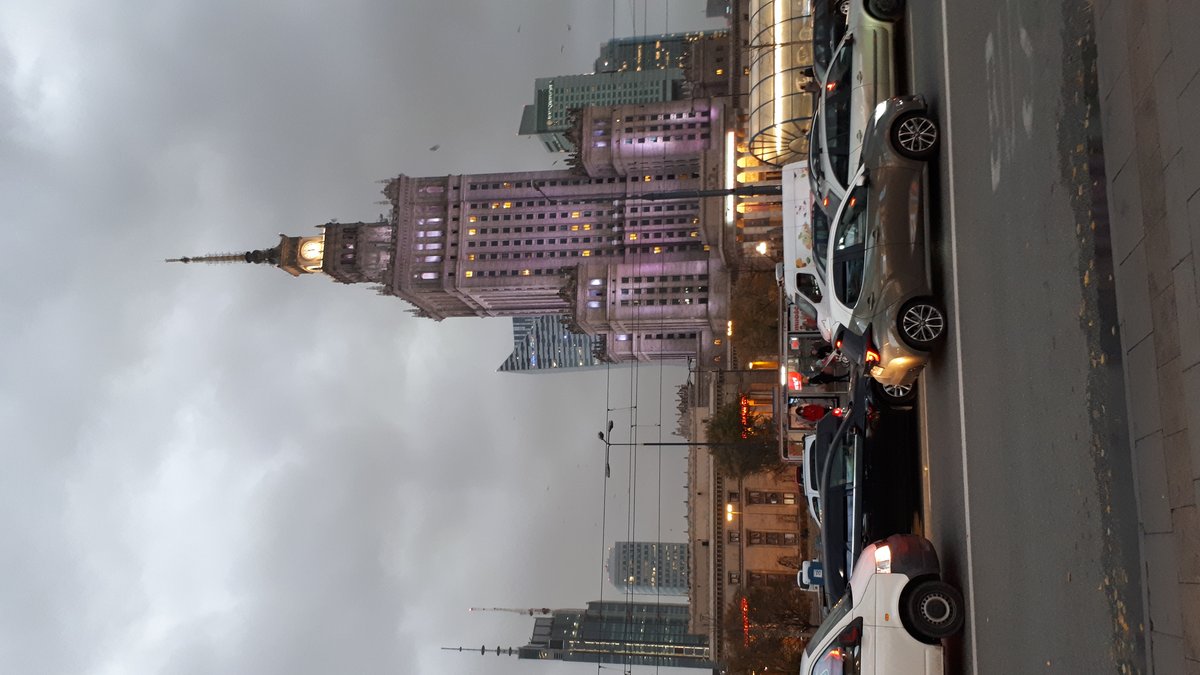
Modern additions include four massive clock faces (added in 1999) and LED lighting for special occasions. The Palace grounds have also evolved, hosting everything from fan zones during Euro 2012 to seasonal festivals (designingbuildings.co.uk).
Architectural and Cultural Significance
The Palace’s architectural style is a blend of Socialist Realism, Polish Renaissance, and French Art Deco. Its interiors impress with marble floors, chandeliers, and richly decorated halls. Today, the building houses:
- Theaters (including Dramatic, Studio, and Lalka Theaters)
- Kinoteka Cinema
- Museums (Museum of Evolution, Museum of Technology)
- Educational institutions and libraries
- Offices, cafés, and event spaces
The 30th-floor observation deck is a highlight, offering panoramic views of Warsaw (pkin.pl; lifespherenetwork.com).
Visiting Information
Location and Getting There
Located at Plac Defilad 1, the Palace is at the heart of Warsaw and is easily accessible by public transport—Metro Line M1 (Centrum station), tram, bus, and a short walk from Warszawa Centralna railway station. On-site parking is available, though not guarded (go2warsaw.pl; warsawvisit.com).
Opening Hours
- Observation Deck: Daily, 10:00 a.m. – 8:00 p.m.; Fridays and Saturdays in summer until 11:30 p.m.
- Other Venues: Hours vary; check each venue’s schedule.
- Always confirm via the official website for up-to-date information (pkin.pl).
Tickets and Admission
- Observation Deck: 20–25 PLN for adults, discounts for students, seniors, and children.
- Guided Tours: From 14.90 EUR, includes terrace access and skip-the-line.
- Museums/Theaters: Separate ticketing.
- How to Buy: On-site or in advance online (globalpostspot.com; pkin.pl).
Accessibility
- Wheelchair-accessible entrances, elevators, and restrooms are available.
- Assistance is offered for visitors with disabilities (go2warsaw.pl).
Key Attractions and Activities
Observation Deck
The 30th-floor terrace (114 meters high) provides spectacular city views, especially at sunset. Note that the Palace itself is not visible from the deck—perfect for panoramic cityscapes (urtrips.com; lifespherenetwork.com).
Theaters and Cinemas
- Dramatic Theatre, Studio Theatre, Lalka Theatre, and Kinoteka Cinema present plays, films, and festivals year-round (lifespherenetwork.com).
Museums
- Museum of Evolution: Dinosaur skeletons, fossils, and interactive exhibits.
- Museum of Technology: Vintage vehicles, computers, and engineering marvels.
Art Galleries
- Rotating exhibitions and art festivals showcase Polish and international artists (urtrips.com).
Libraries and Educational Institutions
- Specialized science and arts collections; academic and research centers (lifespherenetwork.com).
Gift Shops and Souvenirs
- Books, art prints, and locally crafted memorabilia available near main entrances (urtrips.com).
Cafés and Restaurants
- Cafés and bars inside and nearby; Złote Tarasy Shopping Mall offers additional dining options (awaytothecity.com).
Guided Tours and Events
- Guided Tours (available in multiple languages): 45–60 minutes, covering historical interiors and observation deck access (pkin.pl).
- Special Events: Concerts, exhibitions, fairs, and seasonal festivals are held regularly (lifespherenetwork.com).
Practical Tips and Recommendations
- Book in Advance: Buy tickets online to skip queues, especially on weekends.
- Best Times to Visit: Early morning or late afternoon for fewer crowds and better light.
- Combine Attractions: Visit nearby Warsaw Old Town, Royal Castle, or the National Museum.
- Photography: Allowed throughout; tripods may have restrictions during peak times.
- Weather: Dress warmly for the observation deck, especially outside summer months.
- Respect Local Sentiments: The Palace’s history is complex; discussions about its symbolism may elicit strong opinions (polskabee.com).
Frequently Asked Questions (FAQ)
Q: What are the visiting hours for the observation deck?
A: Daily from 10:00 a.m. to 8:00 p.m., and Fridays/Saturdays in summer until 11:30 p.m. Always check the official website for updates.
Q: How much do tickets cost?
A: Observation deck tickets are 20–25 PLN for adults. Guided tours and museum/theater tickets are priced separately.
Q: Is the Palace accessible for people with disabilities?
A: Yes, with elevators, ramps, and accessible toilets.
Q: Can I bring a tripod?
A: Tripods may be restricted during busy periods; ask staff for current rules.
Q: Are guided tours available in English?
A: Yes, in English and other languages; book ahead via the official site.
Tickets & tours.
These are guided options from our partners — same price as booking direct.
Prices are indicative — final pricing and availability are confirmed at checkout. Audiala may earn a commission from bookings made through these links.
Listen to the full story in the app
The whole Palace Of Culture And Science,
told well.
Audio guides for 1,100+ cities across 96 countries. History, stories, and local insight — offline ready.
Verified, and shown.
Researched and written by the Audiala editorial team from historical records, architectural archives, and local expertise.
Researched from Wikidata, Wikipedia & official sources · fact-checked · How we make our guides →