Plan and listen to Palace Museum In Wilanów with Audiala.
Audio guide in your pocket, itinerary in your browser. Built for the way you actually visit.
Introduction
Wilanów Palace, often described as the “Polish Versailles,” is one of Warsaw’s most iconic and historically significant landmarks. Situated approximately 10 kilometers south of the city center, this Baroque masterpiece was commissioned in the late 17th century by King Jan III Sobieski—a figure renowned for his victory at the Battle of Vienna in 1683. Wilanów Palace uniquely blends Italian villa aesthetics, Polish noble traditions, and French Baroque grandeur, serving as a testament to Poland’s rich cultural heritage and its connections to European art and architecture. Today, the Museum of King Jan III’s Palace at Wilanów invites visitors to explore royal life, extraordinary art collections, and beautifully maintained gardens that have endured centuries of political upheaval (Wilanów Palace Official Site; Go2Warsaw; History Hit).
This guide provides detailed insights into Wilanów Palace’s architecture, history, visitor information (including opening hours, ticket options, and accessibility), as well as tips for enjoying its gardens, special events, and surrounding attractions. Whether you are passionate about history, architecture, or simply seeking a serene cultural escape, Wilanów Palace is a must-see destination in Warsaw (Finding Poland).

Historical Background & Origins
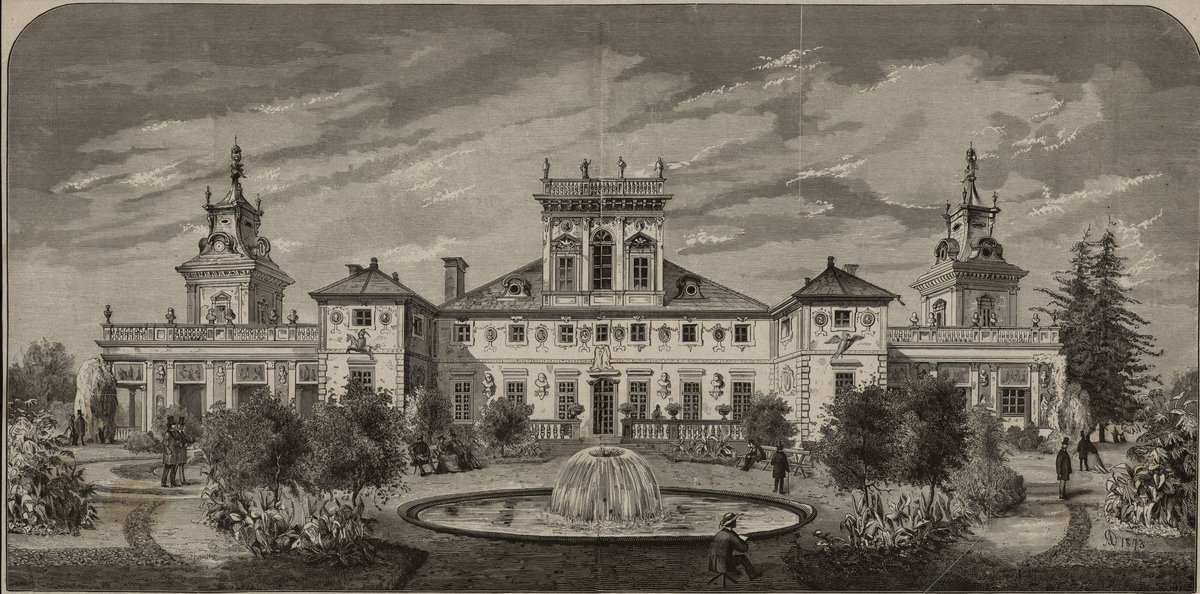
Wilanów Palace was conceived as a royal summer residence for King Jan III Sobieski and his wife, Queen Maria Kazimiera. Construction began in 1677 under the direction of Augustyn Wincenty Locci, an Italian-Polish architect whose vision harmoniously blended the features of a Polish nobleman’s manor with European courtly grandeur. The palace’s central structure, flanked by side wings and pavilions, epitomized innovation for its time and reflected both the king’s stature and personal taste. After the king’s celebrated military successes, notably at Vienna, the palace was further expanded and adorned (Wilanów Palace Official Site).
The Sobieski Legacy and the Polish-Lithuanian Commonwealth
King Jan III Sobieski (1629–1696) is remembered for his pivotal role in European history, particularly for halting the Ottoman advance at the Battle of Vienna. His reign marked a period of cultural and intellectual flourishing in the Polish-Lithuanian Commonwealth. Wilanów Palace became a symbol of his triumphs—a private retreat and a diplomatic venue, adorned with tapestries, paintings, and collections that celebrated both his military victories and the broader European connections of the Polish court. After Sobieski’s death, the palace remained with his descendants and later passed to various prominent noble families, each contributing to its enhancement and preservation (Go2Warsaw).
Architectural and Artistic Highlights
Baroque Design and Stylistic Fusion
Wilanów Palace stands as a quintessential example of Polish Baroque architecture, yet its design is a sophisticated blend of European influences and local traditions. The palace’s layout follows the “entre cour et jardin” principle—situated between a ceremonial court and formal gardens—mirroring Baroque ideals of integrating architecture with landscape (Wikipedia).
Façade, Ornamentation, and Interior Layout
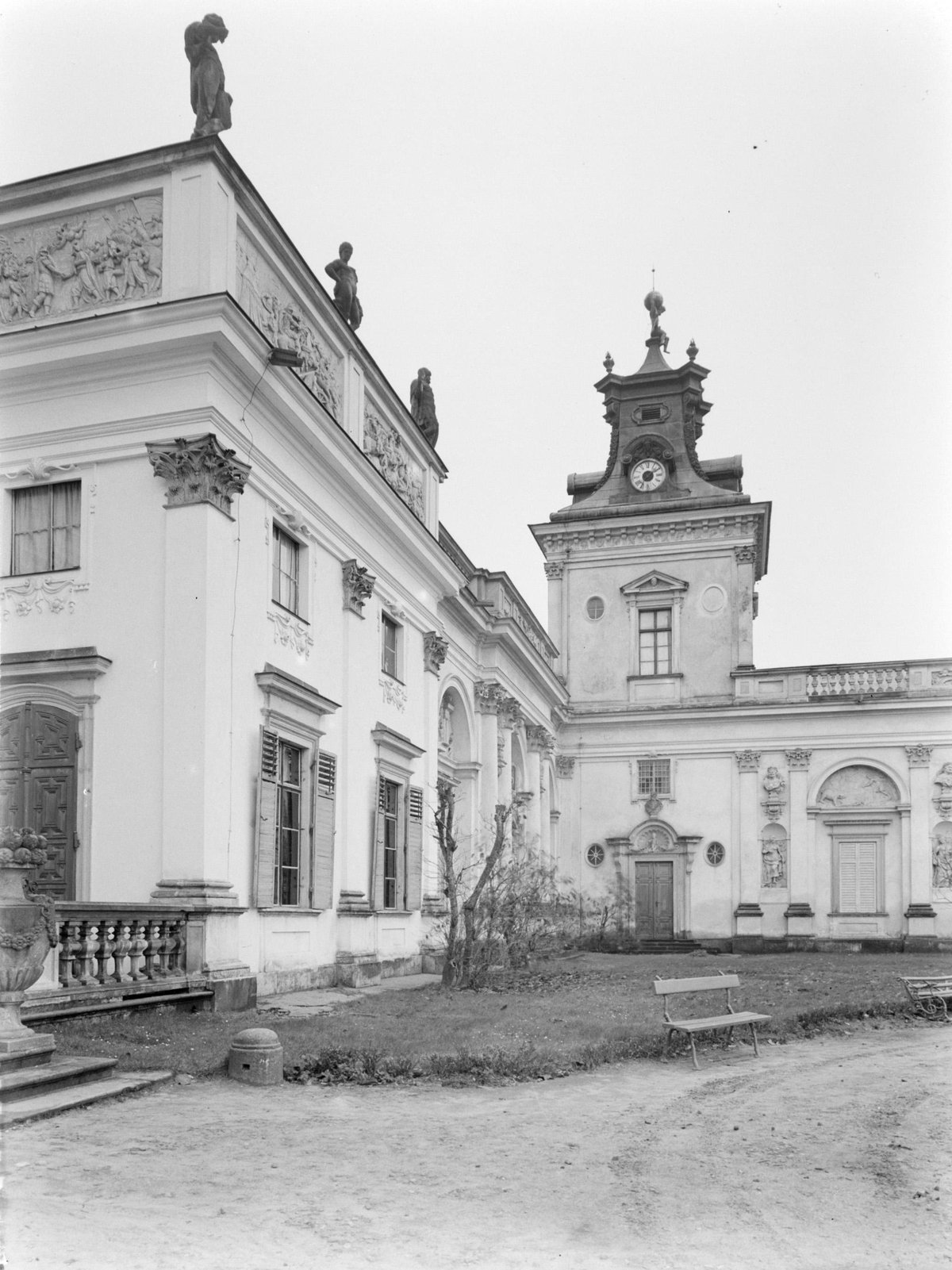
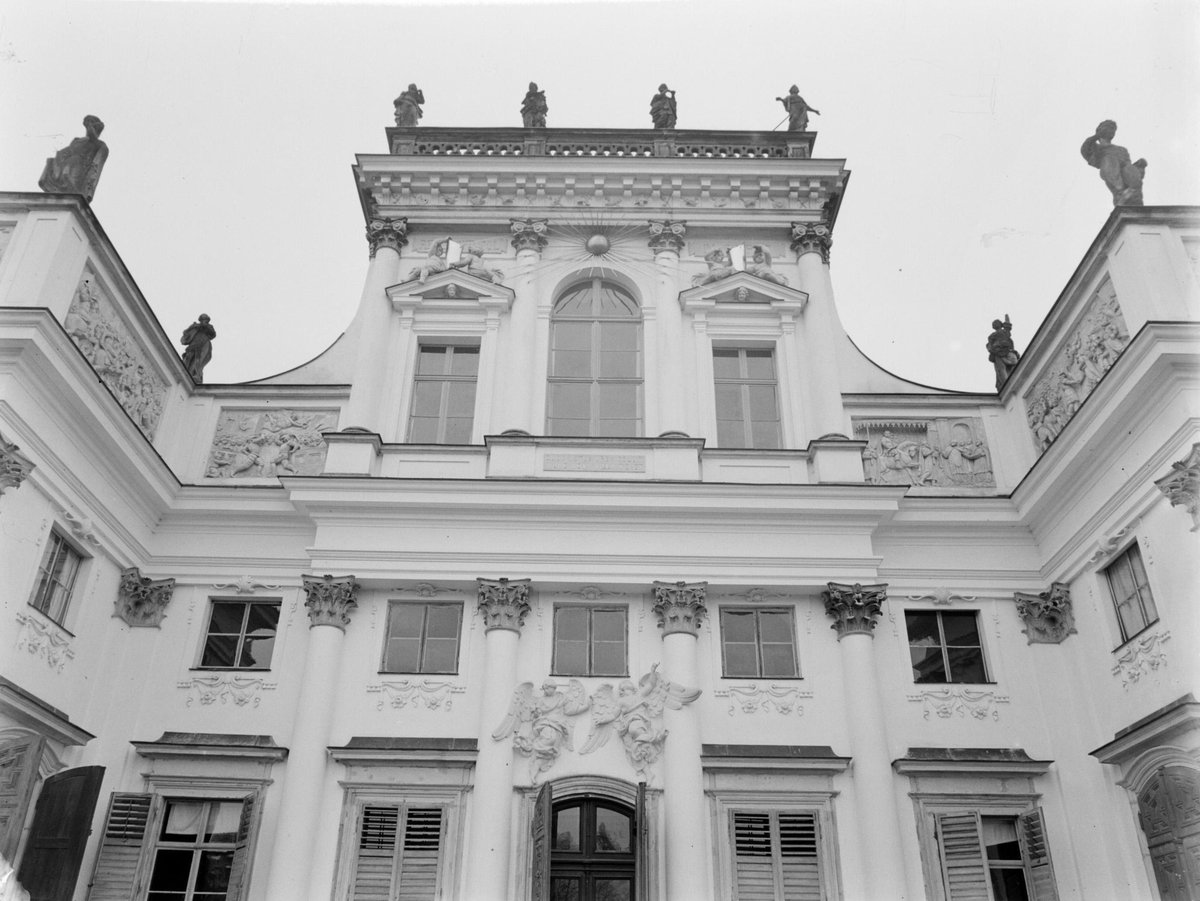
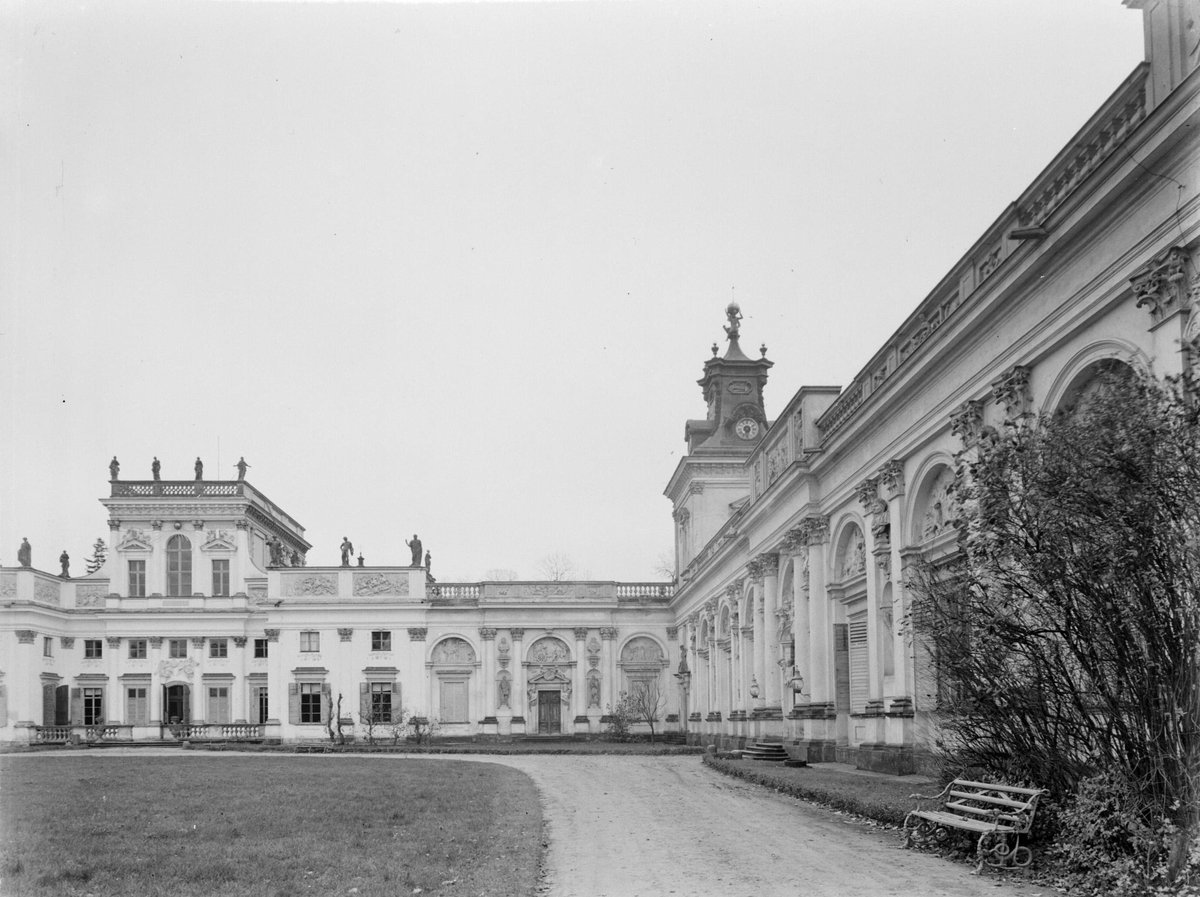
The palace’s façades are richly decorated with Baroque motifs, heraldic symbols, and inscriptions lauding the Sobieski family and Jan III’s achievements (The Unique Poland). The main building features a central corps de logis, flanked by two lower wings and a distinctive clock tower. Allegorical sculptures and reliefs on the exterior glorify virtues such as bravery and justice. The interiors boast lavishly decorated royal apartments, the White Hall, Queen’s Bedroom, the Dutch Cabinet, and themed rooms such as the Chinese and Hunting Rooms (Wilanów Palace Official).
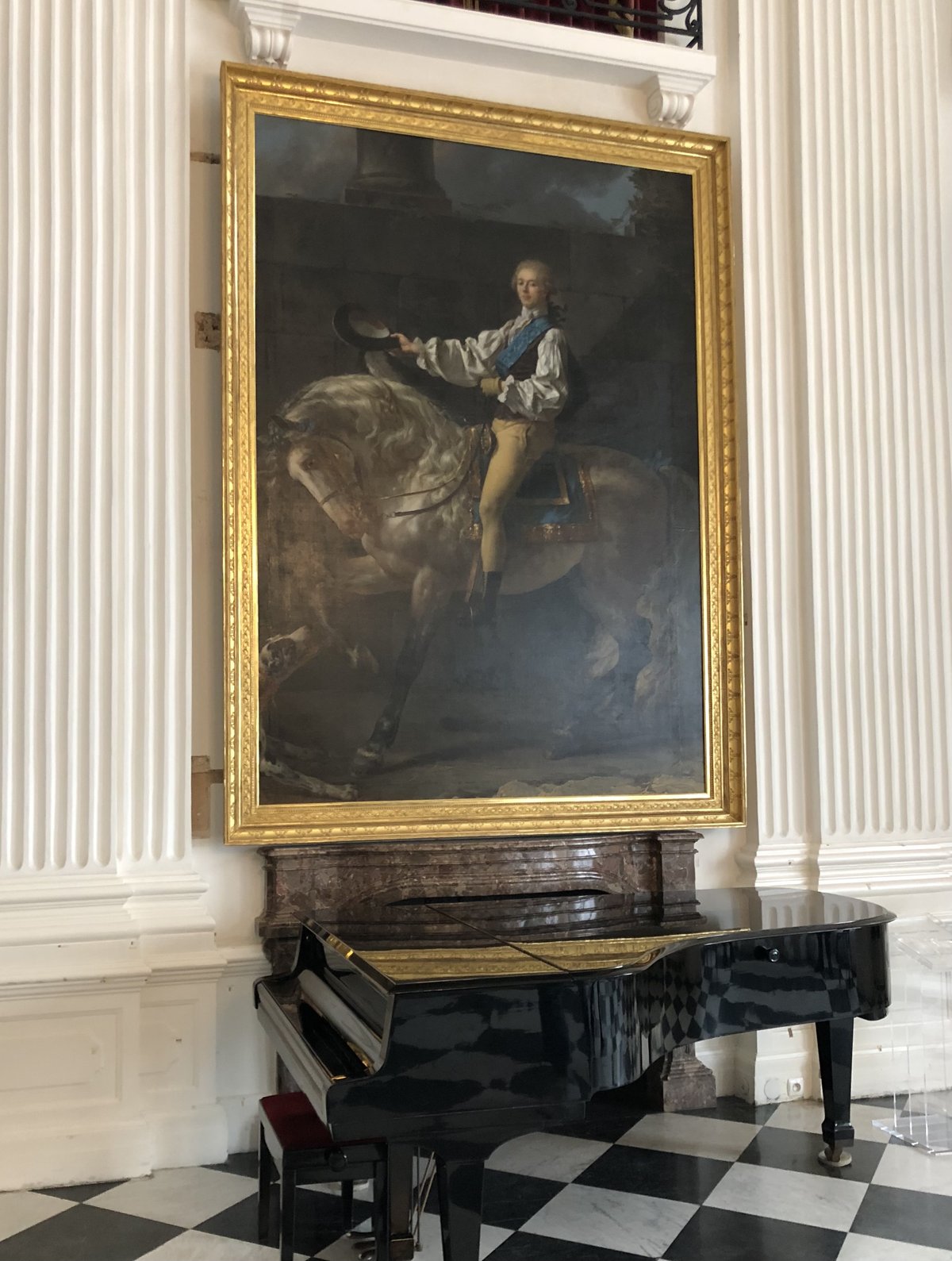
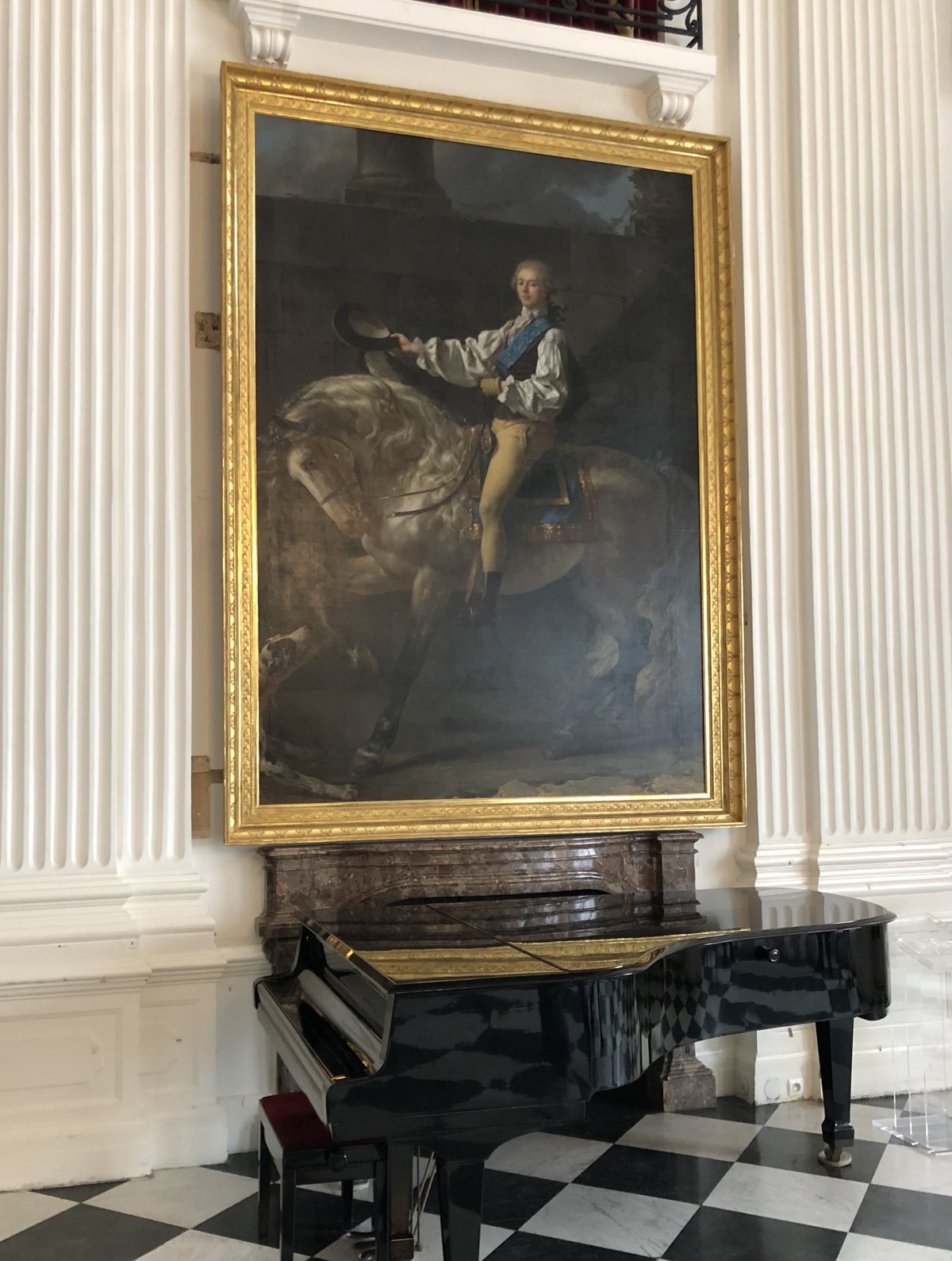
The White Hall, a two-story ceremonial space, houses portraits of Polish royalty and the valuable Equestrian Portrait of Stanisław Kostka Potocki by Jacques-Louis David (Finding Poland). The Queen’s Bedroom and Antechamber, with plafonds depicting the four seasons by Jerzy Eleuter Szymonowicz-Siemiginowski, stand out among Poland’s most exquisite Baroque interiors.
Noteworthy Artistic Contributions
Decorative works were commissioned from leading artists such as Józef Szymon Bellotti, Jerzy Siemiginowski-Eleuter, Michelangelo Palloni, and more (WhiteMAD). The artistic program is deeply symbolic, weaving classical allegories with references to Sobieski’s victories and Polish heraldry, creating a narrative that situates the monarchy within Europe’s grand traditions (Away to the City).
Later Modifications and Museum Transformation
Successive owners, including Princess Izabela Lubomirska and the Potocki family, introduced Classical and Neo-Renaissance elements while maintaining Baroque harmony (Finding Poland). In 1805, Stanisław Kostka Potocki and Aleksandra Potocka transformed the palace into one of Poland’s first public museums, inscribing “Cunctis patet ingressus” (“Free admission for all”) at its entrance (Wilanów Palace Official).
The Wilanów Gardens and Park
The palace is set within an 89-hectare park featuring French formal gardens, English landscape areas, and ornamental elements such as fountains, statues, and the picturesque Bacchus Mountain (The Unique Poland). The gardens extend the Baroque ideals of symmetry and harmony, and are the venue for seasonal events such as the Royal Garden of Light. Over centuries, the landscape has evolved but retains its historical essence, making it a favorite spot for both relaxation and photography (Go2Warsaw).
Survival and Preservation Through History
Wilanów Palace survived the partitions of Poland, foreign occupations, and the devastation of World War II with its structures and collections largely intact. Its preservation owes much to the care of private owners and the recognition of its cultural significance by subsequent governments. The palace’s transformation into a museum in the 19th century and ongoing restoration efforts post-World War II have ensured its continued legacy (Wilanów Palace Official Site).
Visiting Wilanów Palace: Hours, Tickets, and Accessibility
Opening Hours (as of June 2025)
- Palace Interior:
- Monday to Sunday: 10:00 a.m. – 4:00 p.m. (last entry 3:00 p.m.)
- Wednesdays: Extended hours until 6:00 p.m. (last entry 5:00 p.m.)
- Gardens and Courtyard:
- Monday to Sunday: 9:00 a.m. – 9:00 p.m. (last entry 8:30 p.m.)
Check the Wilanów Palace visiting hours page for the latest updates, especially during holidays or special events.
Ticket Prices
- Palace and Park Combined:
- Adults: 40 PLN
- Reduced (students, seniors): 30 PLN
- Children under 7: Free
- Park Only:
- Adults: 10 PLN
- Reduced: 5 PLN
- Special Exhibitions & Themed Tours: Prices vary; see the official website.
Free Admission: Thursdays (for permanent exhibitions, individual visitors). November is “Free November,” when royal residences offer complimentary access. Tickets can be purchased online or at the palace entrance; online booking is recommended during peak seasons.
Accessibility
Wilanów Palace is accessible to most visitors, with ramps, accessible restrooms, and wheelchairs available. Some historic interiors may have limited access. Audio guides, sign language interpretation, and multilingual information panels enhance the experience for all visitors (Wilanów Palace official website).
Special Events, Exhibitions, and Activities
Wilanów Palace hosts a vibrant calendar of events: art exhibitions, concerts, workshops, and educational programs for families. Seasonal highlights include outdoor concerts, the Royal Garden of Light in winter, and rotating exhibitions such as “Botanical Art Worldwide 2025” (Warsaw Insider). Guided tours in multiple languages and audio guides provide deeper insight into the palace’s history and collections.
Photographic Spots and Nearby Attractions
Popular photo locations include the palace’s Baroque façade, the formal gardens, interior highlights such as the White Hall, and unique features like the Saturn sundial. Nearby, visit the Poster Museum and scenic Vistula River walking paths. Other close attractions include Royal Łazienki Park and Warsaw’s Old Town, making Wilanów an ideal starting point for a full day of cultural discovery.
Frequently Asked Questions (FAQ)
Q: What are Wilanów Palace’s visiting hours?
A: The palace is open daily from 10:00 a.m. to 4:00 p.m. (Wednesdays until 6:00 p.m.), with the gardens open 9:00 a.m. to 9:00 p.m. Check the official website for updates.
Q: How can I buy tickets?
A: Tickets are available online or at the ticket office. Online booking is advised during busy periods.
Q: Are there free entry days?
A: Yes, Thursdays and the month of November offer free entry to permanent exhibitions.
Q: Is the palace accessible for wheelchair users?
A: Most public spaces are accessible; contact the museum ahead for specific accommodations.
Q: Are guided tours available in English?
A: Yes, guided tours are available in English and other languages.
Q: Can I take photographs inside the palace?
A: Non-flash photography is permitted in most areas; restrictions apply in some rooms.
Q: Are pets allowed?
A: Pets are not permitted in the palace or gardens.
Tickets & tours.
These are guided options from our partners — same price as booking direct.
Prices are indicative — final pricing and availability are confirmed at checkout. Audiala may earn a commission from bookings made through these links.
Listen to the full story in the app
The whole Palace Museum In Wilanów,
told well.
Audio guides for 1,100+ cities across 96 countries. History, stories, and local insight — offline ready.
Verified, and shown.
Researched and written by the Audiala editorial team from historical records, architectural archives, and local expertise.
Researched from Wikidata, Wikipedia & official sources · fact-checked · How we make our guides →