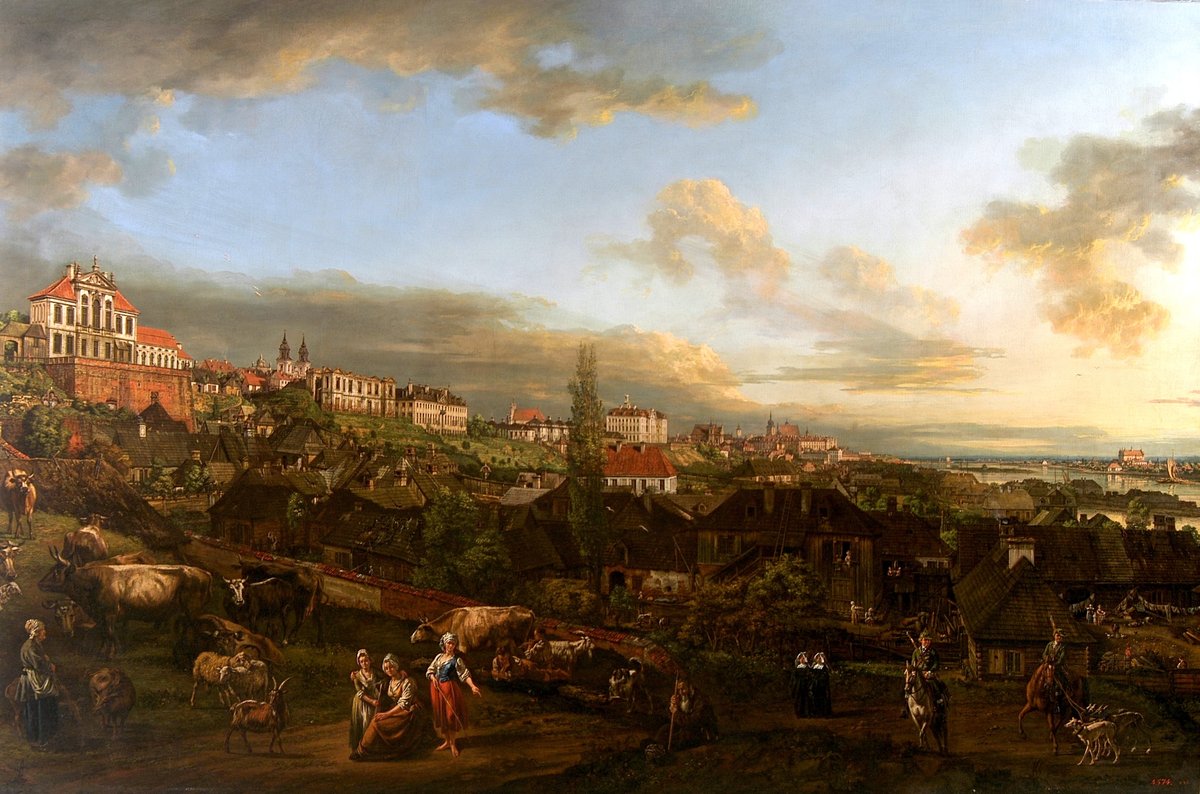
Plan and listen to Ostrogski Palace with Audiala.
Audio guide in your pocket, itinerary in your browser. Built for the way you actually visit.
Introduction
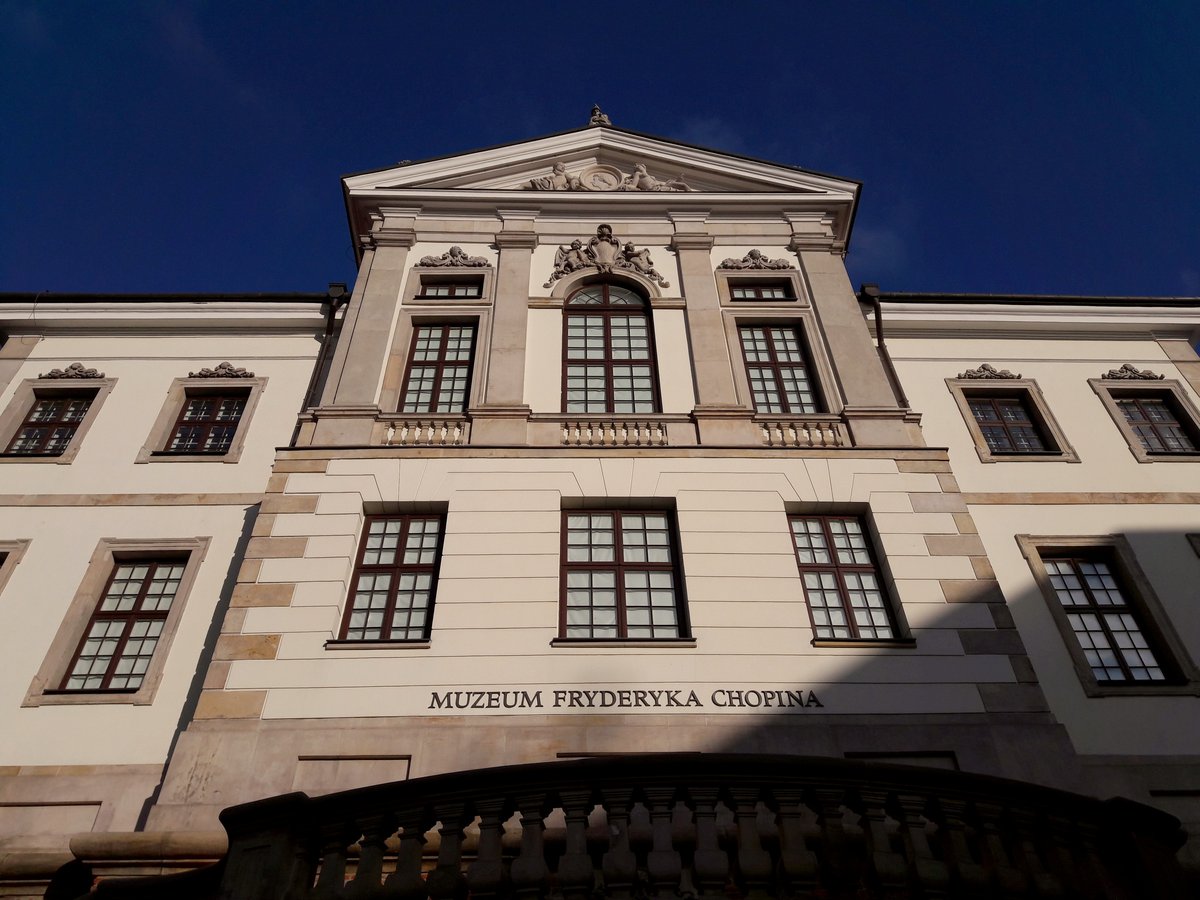
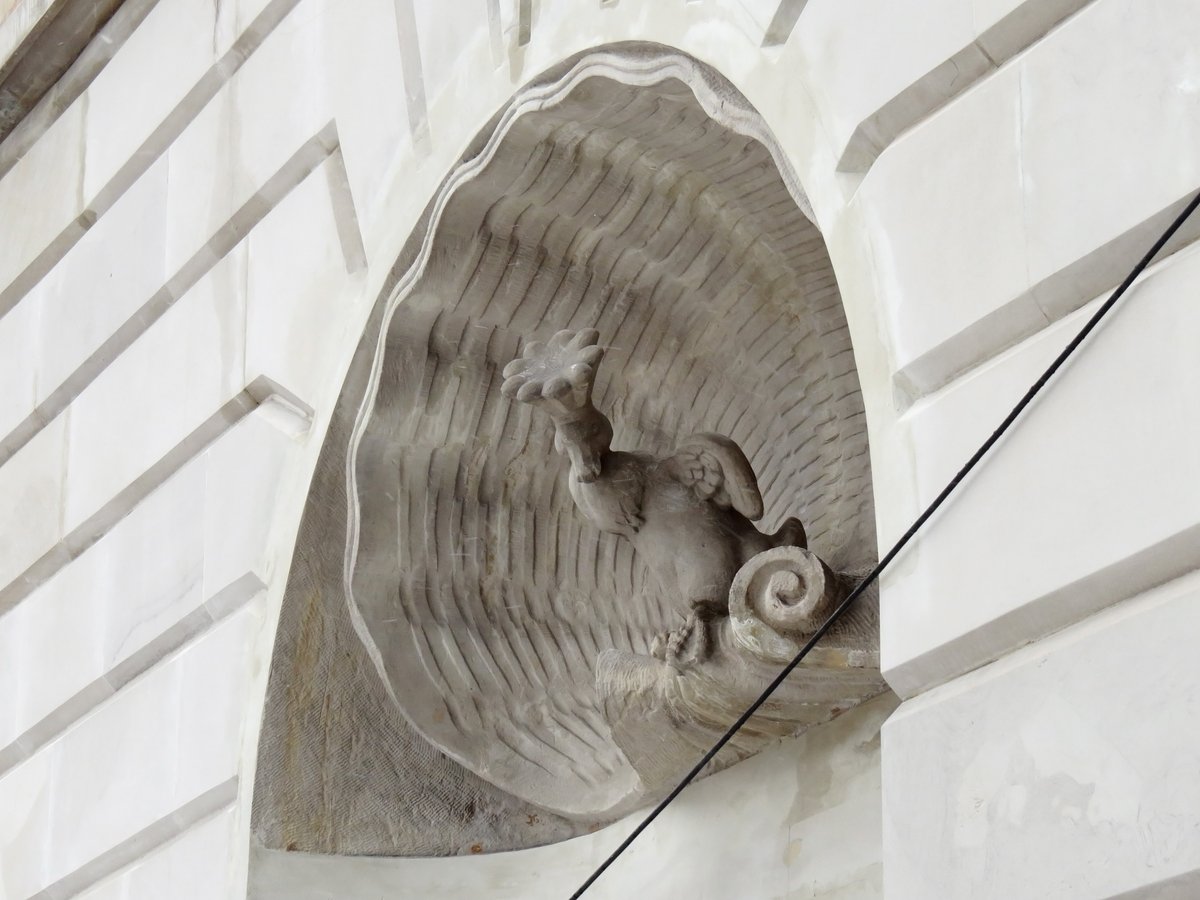
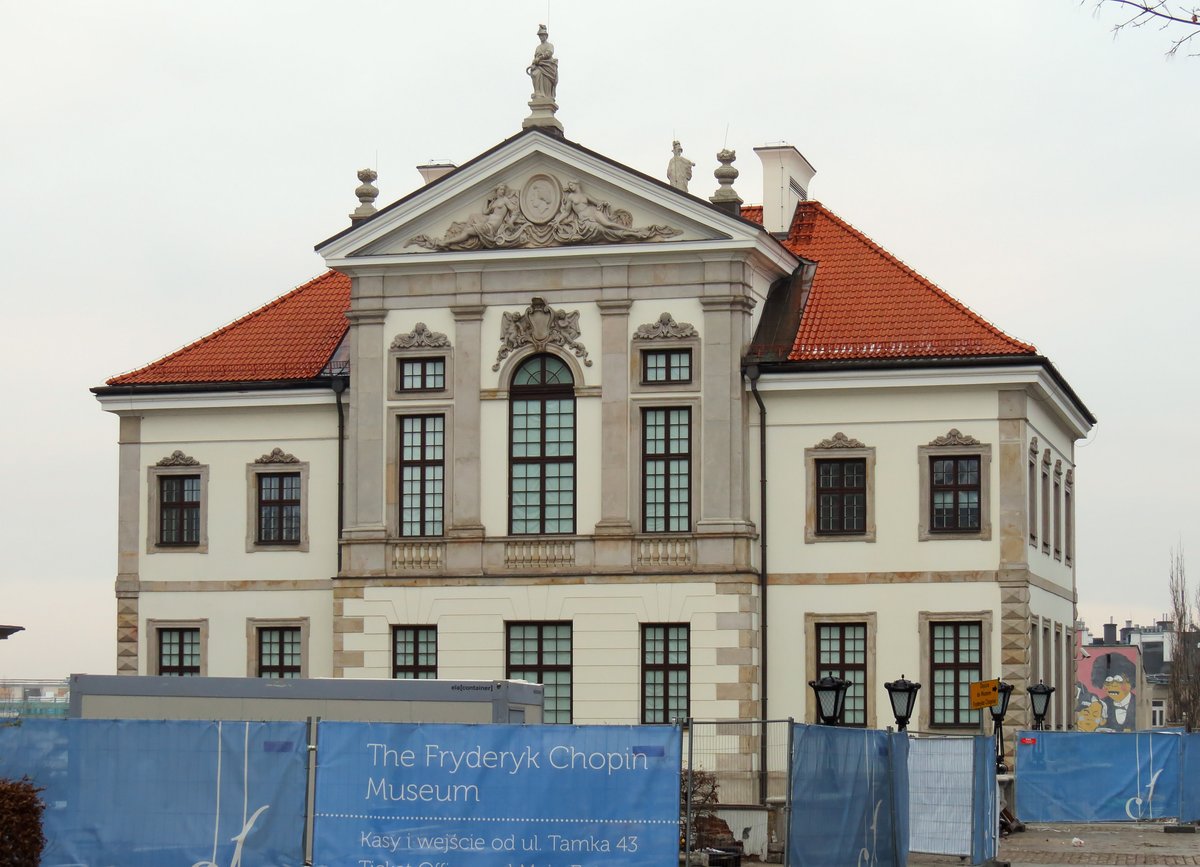
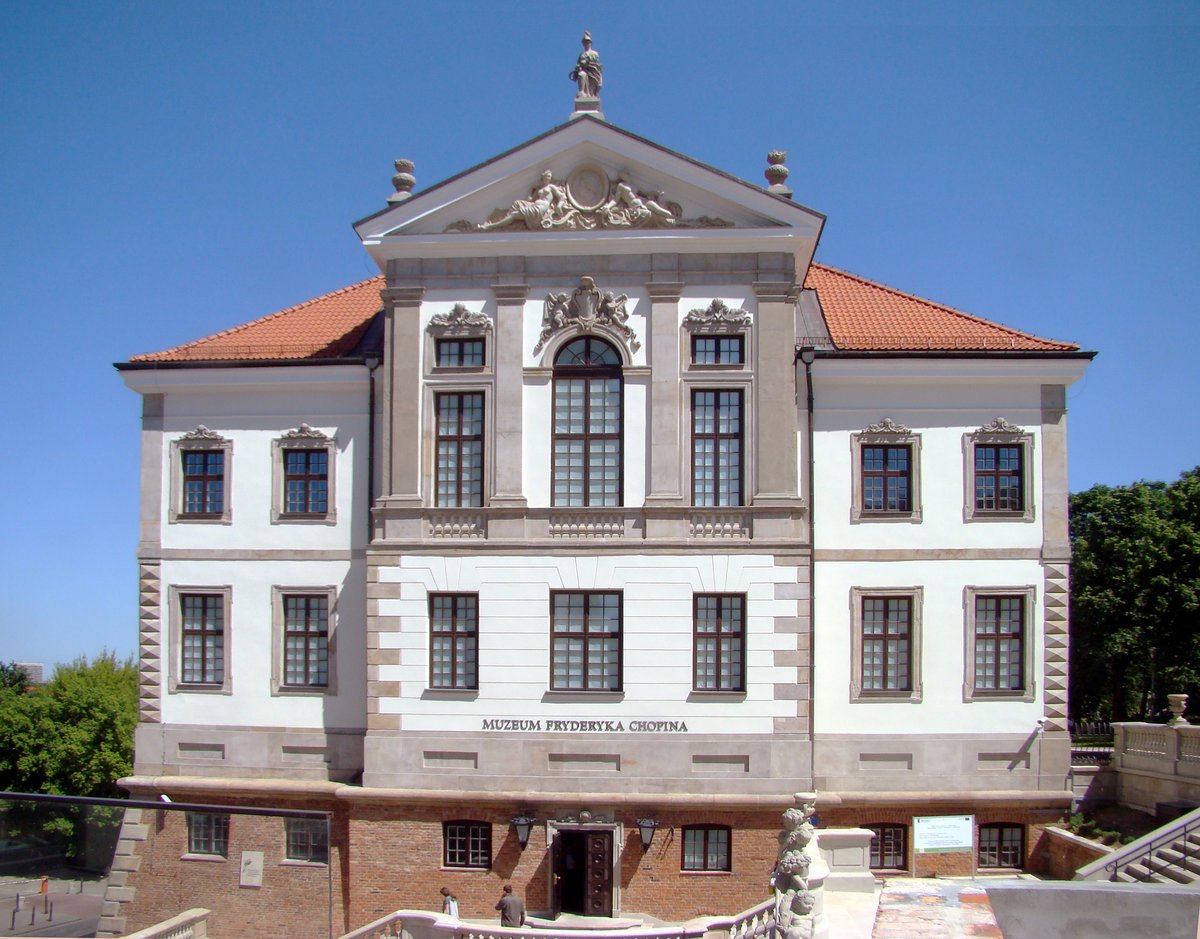
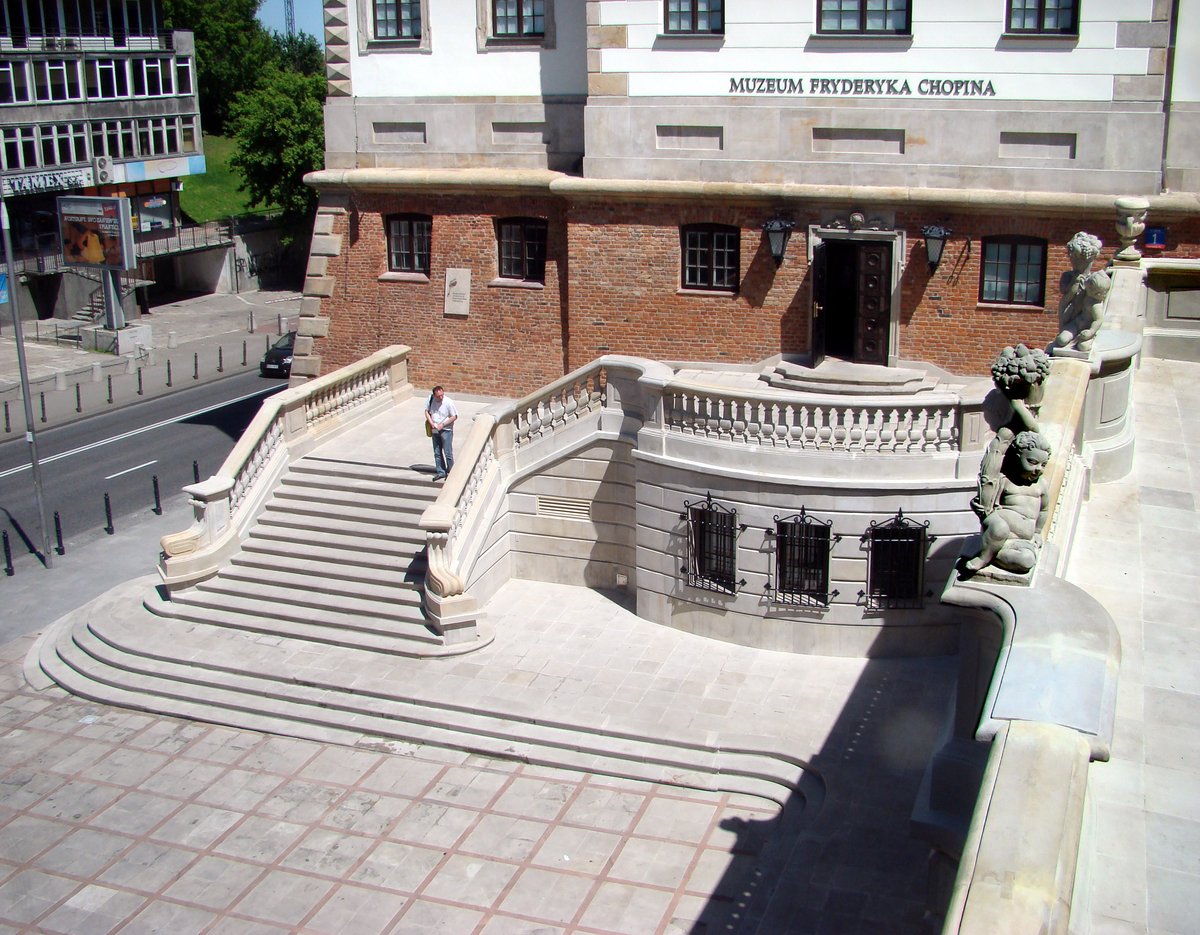
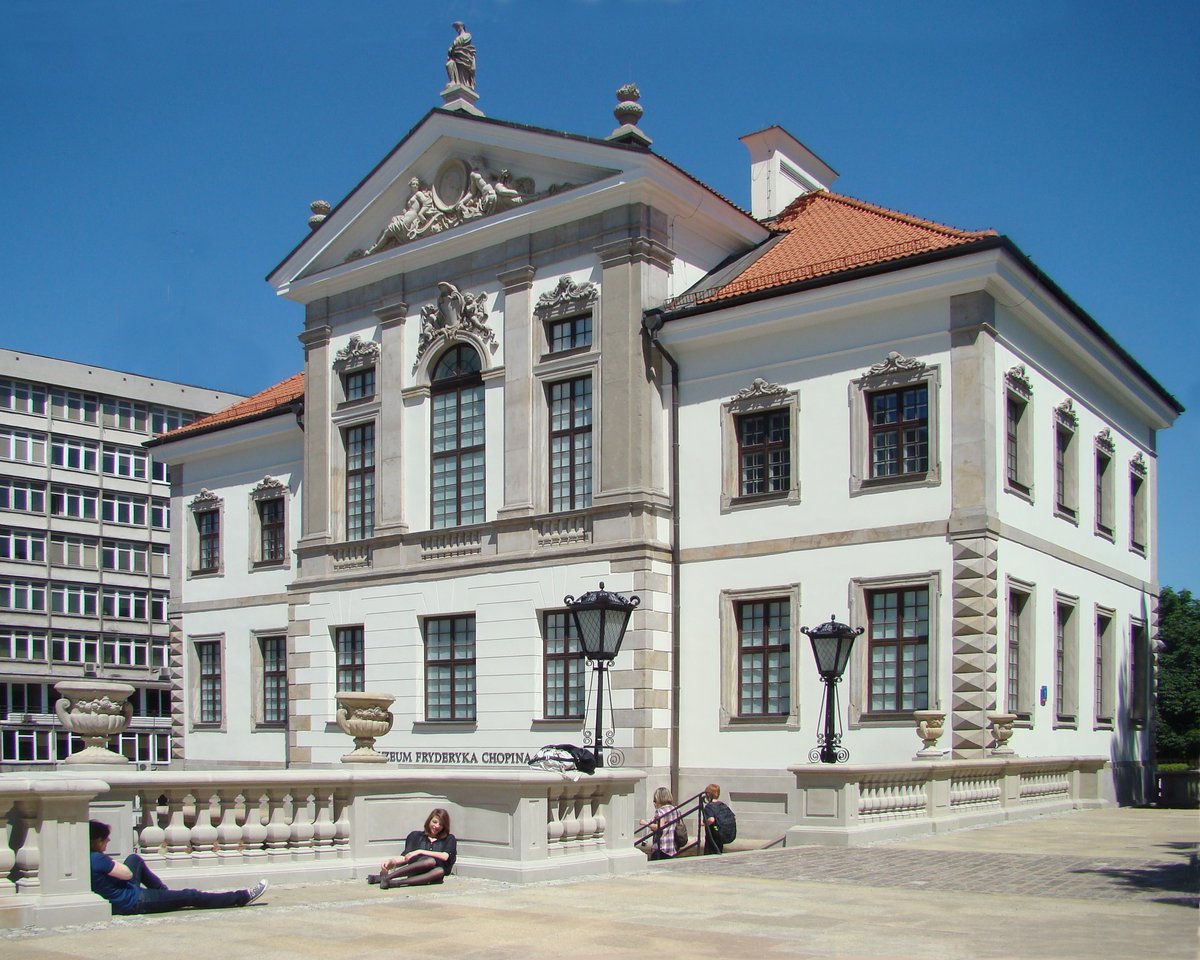
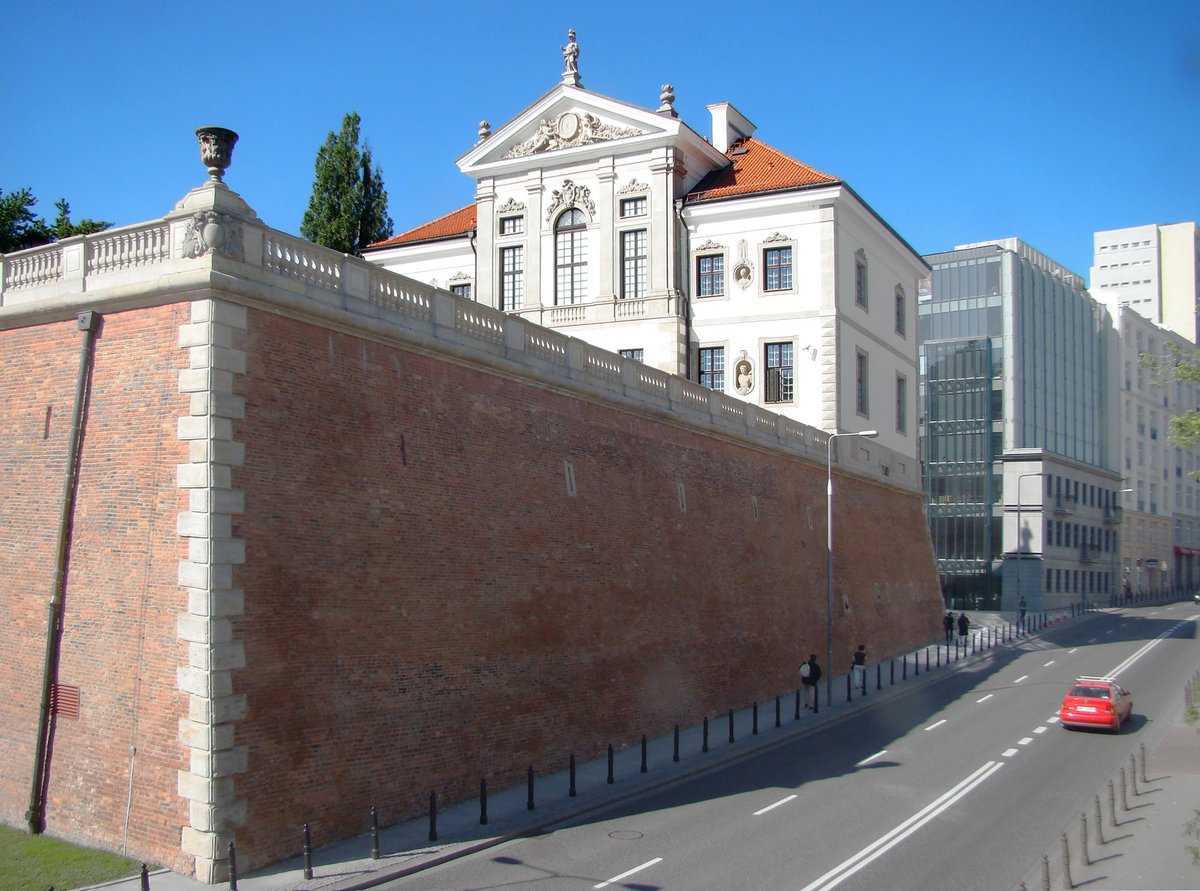
Ostrogski Palace, set in the heart of Warsaw, is an emblematic landmark that fuses Poland’s Baroque architectural heritage with its deep musical roots. Originally built for the Ostrogski noble family in the late 17th century and designed by Tylman van Gameren, the palace has evolved from aristocratic residence to military hospital, educational institution, and today, as the home of the world-renowned Fryderyk Chopin Museum. With meticulously restored interiors and cutting-edge multimedia exhibitions, Ostrogski Palace invites visitors to immerse themselves in the legacy of Poland’s greatest composer and the city’s resilient history. This guide provides all the essential information for your visit, including historical background, practical visitor details, accessibility, and tips for making the most of your experience (culture.pl; inyourpocket.com; Google Arts & Culture).

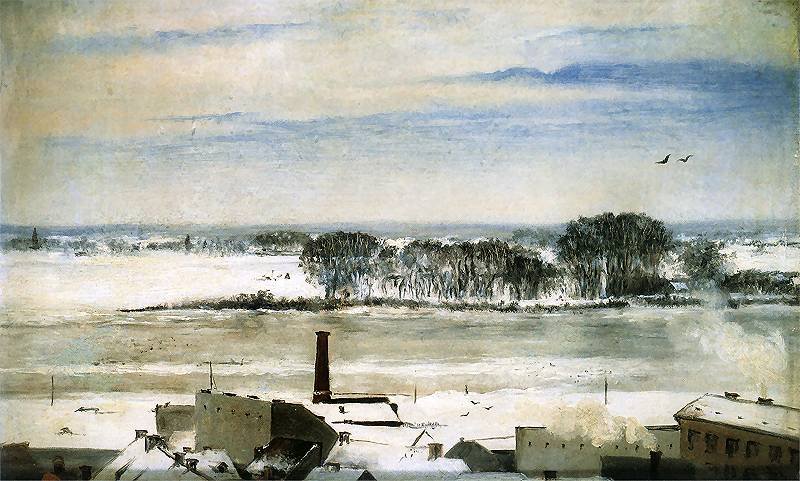
History and Architecture
Origins and Early History
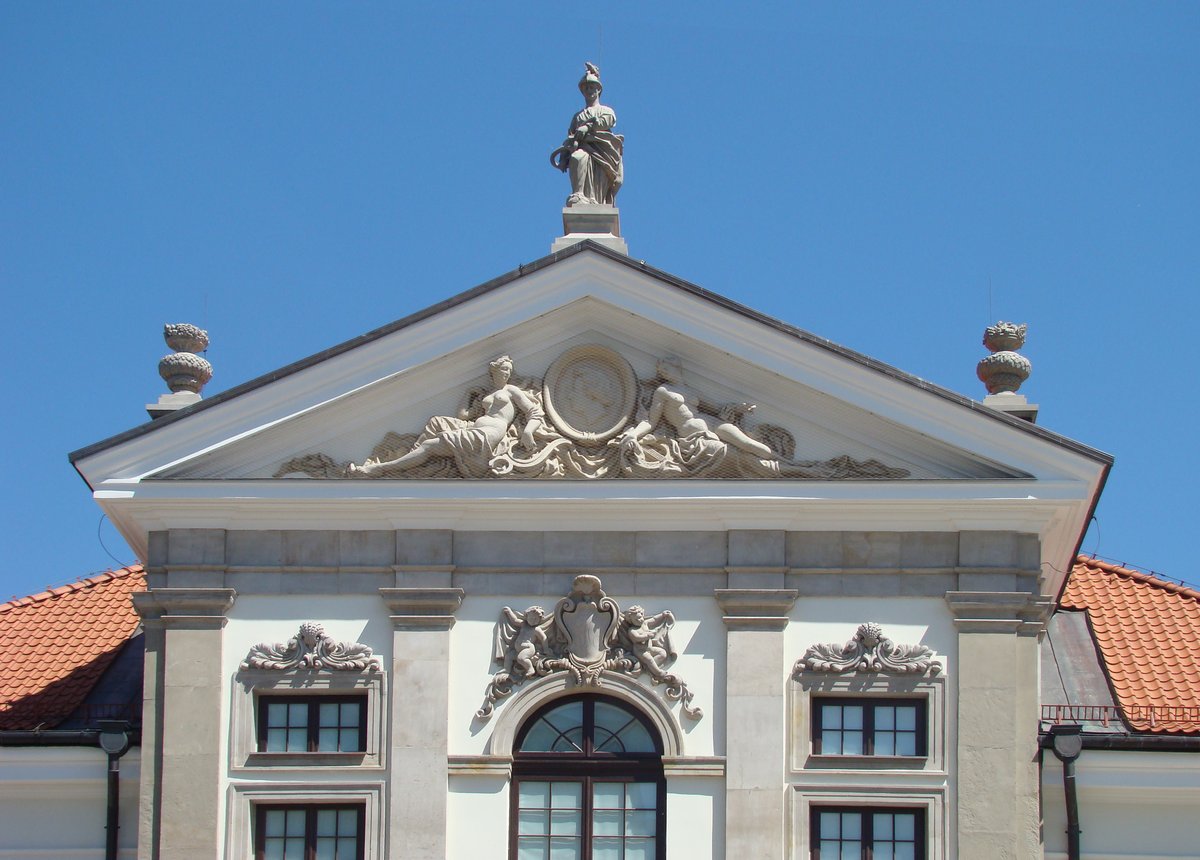
The story of Ostrogski Palace begins in the late 17th century, commissioned by the Ostrogski family and designed by Tylman van Gameren, a prominent architect of the era. While originally envisioned as a grand palatial complex, only a portion of van Gameren’s plans came to fruition. The palace’s Baroque architecture, with its distinctive spatial arrangement, became a defining feature of Warsaw’s urban landscape (culture.pl).
Transformations and Uses
Over the 18th and 19th centuries, the palace was adapted for multiple uses, including as a noble residence, educational facility, and Napoleonic-era military hospital. Local legend even attributes the palace’s catacombs as the mythical lair of the Golden Duck, adding an element of folklore to its history. In 1859, the palace became the site of the Music Institute, later known as the Conservatory, which continued the musical traditions of the Royal University of Warsaw.
Wartime Destruction and Reconstruction
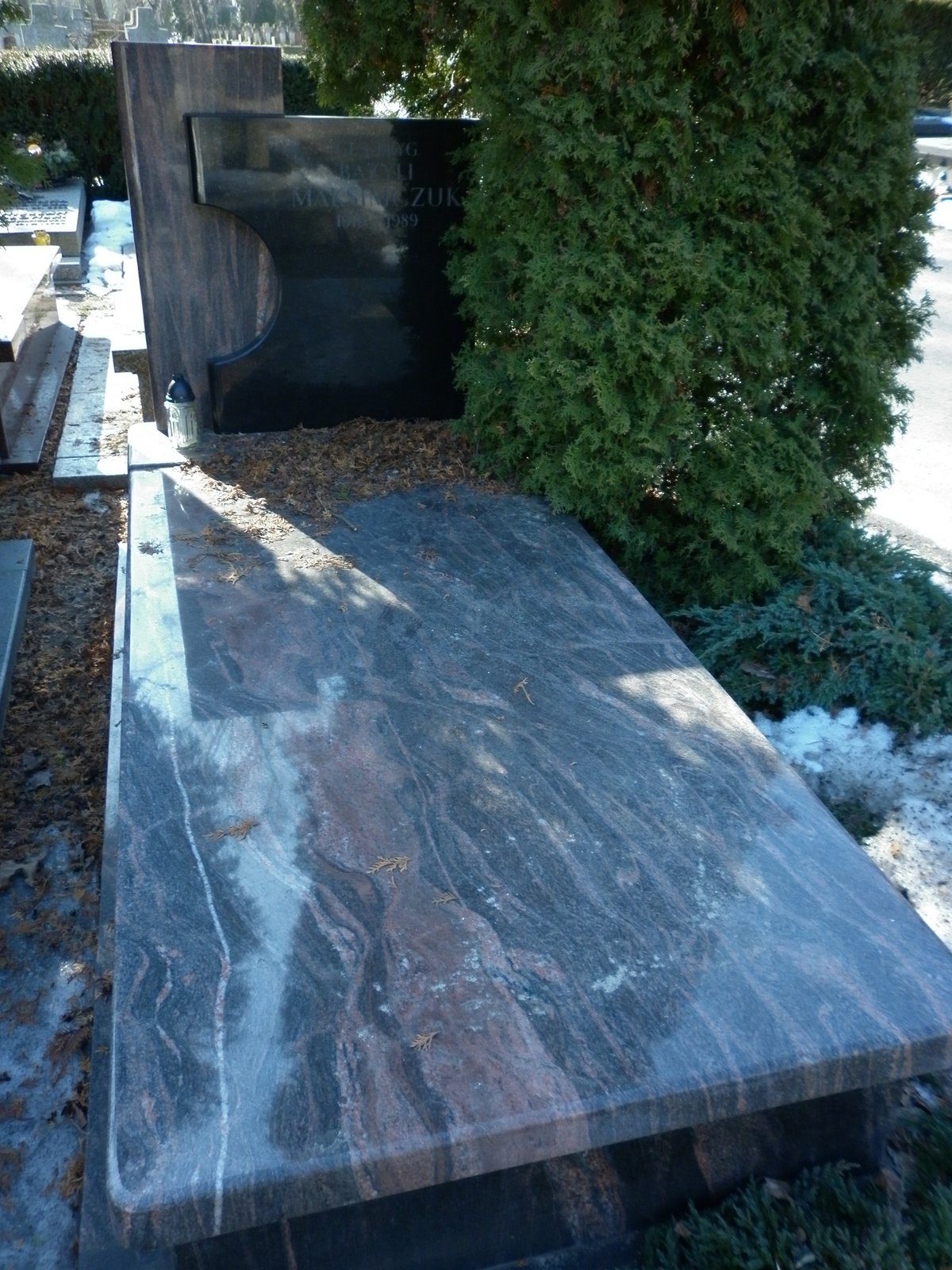
World War II brought devastation to Warsaw, and Ostrogski Palace was nearly destroyed in 1944. Post-war reconstruction (1949–1954), led by architect Mieczysław Kuzma, restored the palace’s former splendor, symbolizing the city’s resilience and dedication to preserving cultural heritage (culture.pl).
The Chopin Museum: Collections & Experience
Establishment and Growth
The Fryderyk Chopin Museum, managed by the Fryderyk Chopin Institute, was inaugurated in Ostrogski Palace in 1953. Its collection—now the largest of its kind—includes over 5,000 Chopin-related items: autographs, manuscripts, personal effects, letters, and rare editions (Google Arts & Culture).
Modernization and Multimedia
A major renovation in 2010, marking Chopin’s bicentenary, transformed the museum into one of Europe’s most technologically advanced biographical institutions. Thematic, interactive exhibitions span several floors, offering immersive experiences through music, visuals, and multimedia installations for visitors of all ages (inyourpocket.com).
Concerts and Educational Programs
Regular piano recitals (often on period instruments), family workshops, lectures, and temporary exhibitions make the museum a vibrant cultural hub. A dedicated children’s area and educational activities ensure engaging experiences for younger audiences.
Visiting Hours and Admission
-
Opening Hours:
Tuesday–Sunday: 11:00 AM – 6:00 PM
Closed on Mondays and select public holidays. Last entry 30 minutes before closing. -
Ticket Prices (2025):
- Adults: 30 PLN
- Students/Seniors (65+): 20 PLN
- Family ticket: 80 PLN
- Children under 7: Free
- Free admission on Wednesdays (limited capacity; arrive early)
(official ticket page)
-
Guided Tours:
Available in multiple languages by prior arrangement; booking ahead is recommended.
Accessibility and Getting There
Location:
Okólnik 1, 00-368 Warszawa, Poland
Public Transport:
- Metro: Line 2 – Nowy Świat – University station
- Bus: 111, 116, 180, 222, 503 (Ordynacka stop)
- Tram: Stops nearby; check local schedules
- On Foot: 10–15 minutes from Old Town or Royal Castle
By Car:
Limited paid parking nearby; public transport is highly recommended.
Accessibility Features:
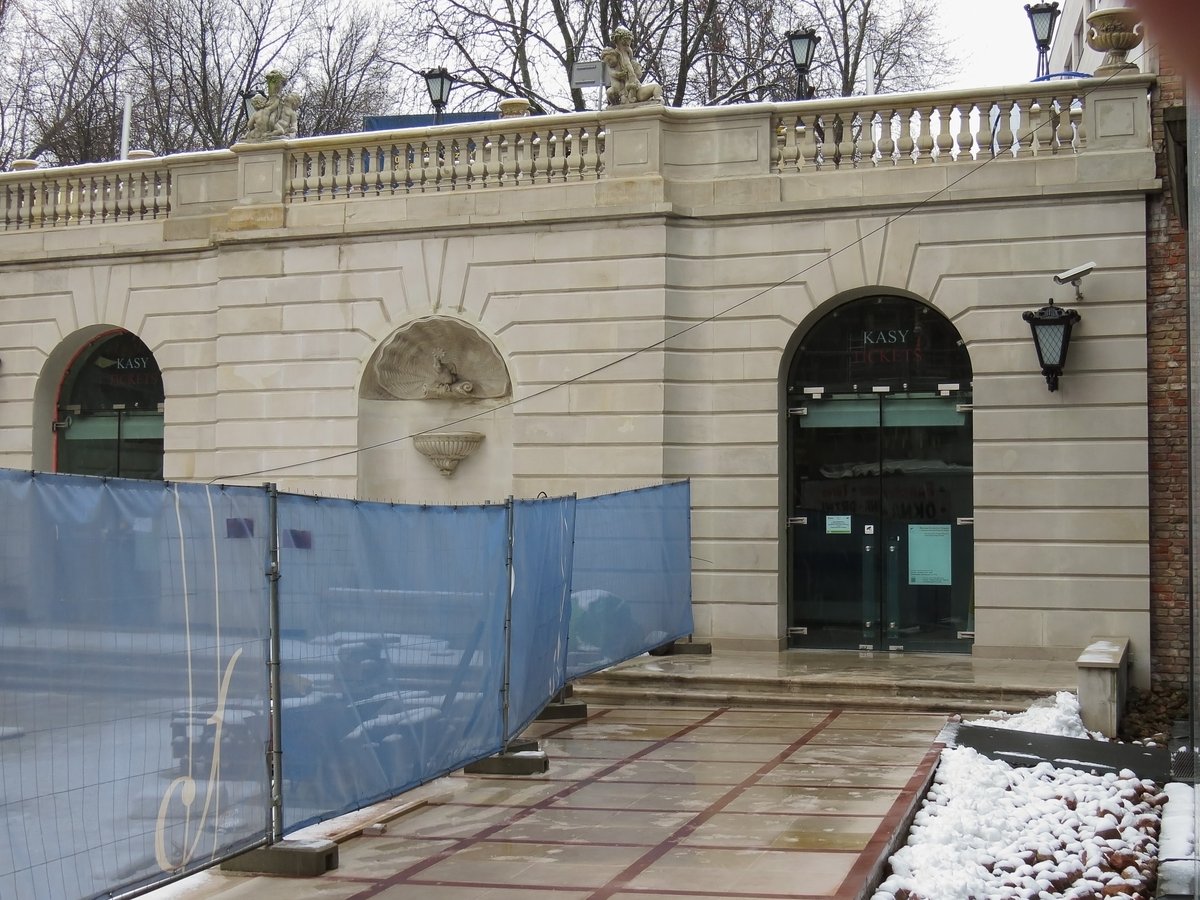
- Lifts and ramps for wheelchair access to all main areas
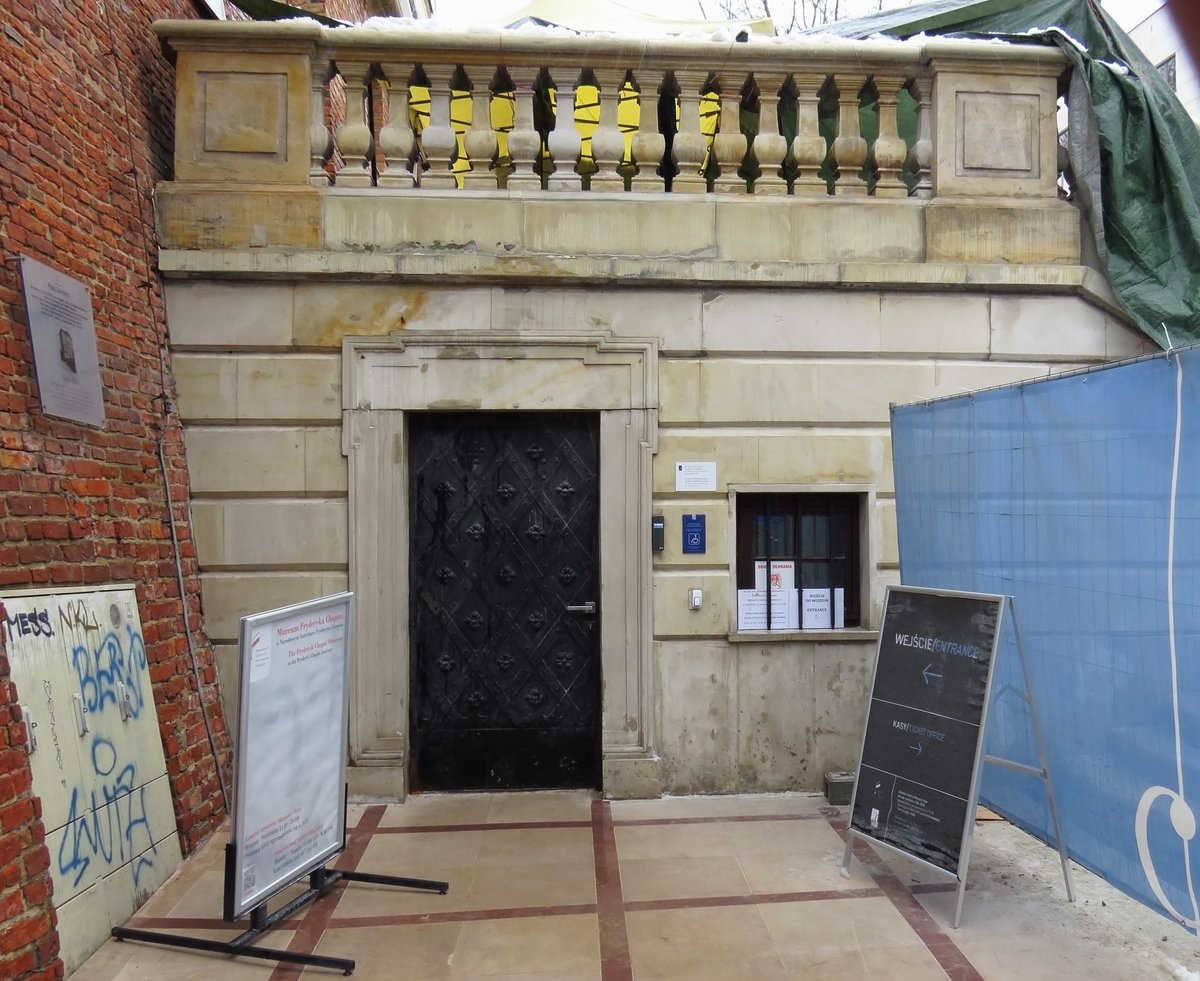
- Bell on Tamka Street connects to reception for assistance
- Contact the museum in advance for specific needs:
- Phone: +48 22 44 16 251/252
- Email: [email protected]
Facilities and Visitor Services
- Cloakroom and lockers for coats and bags
- Restrooms on all main floors, including accessible facilities
- Gift shop with Chopin-themed merchandise
- On-site café: Not available, but many options nearby
- Free Wi-Fi throughout the museum
Tips for Visitors & Best Times to Visit
- Book tickets online in advance, especially for free Wednesdays and weekends.
- Allocate 1.5–2 hours for a thorough visit.
- Arrive early or late afternoon to avoid peak crowds.
- Interactive exhibits and audio guides are available in Polish, English, and other languages.
- Non-flash photography permitted in most areas; check for restrictions.
- Live concerts (included with admission) are typically held on weekends.
- Family-friendly: The museum is engaging for children with interactive displays.
Nearby Attractions
- Warsaw National Museum (1 km)
- Polish Army Museum (1.1 km)
- Copernicus Science Center (2.2 km)
- Royal Castle and Old Town (short walk)
- Łazienki Park
For an extended cultural itinerary, combine your visit with these landmarks (Go2Warsaw).
Frequently Asked Questions (FAQ)
Q: What are the opening hours?
A: Tuesday–Sunday, 11:00 AM–6:00 PM. Closed Mondays.
Q: How much are tickets?
A: 30 PLN (adults), 20 PLN (students/seniors), free on Wednesdays.
Q: Is the museum wheelchair accessible?
A: Yes, with ramps, lifts, and staff assistance.
Q: Are guided tours available?
A: Yes, in multiple languages by advance booking.
Q: Can I take photos inside?
A: Non-flash photography is allowed in most areas.
Q: Is there parking?
A: Limited and paid; public transport is recommended.
Q: Is the museum child-friendly?
A: Yes; interactive and educational exhibits are suitable for children.
Summary and Final Recommendations
Ostrogski Palace is a must-see destination in Warsaw, blending Baroque majesty with the enduring legacy of Fryderyk Chopin. From its rich history and architectural splendor to immersive exhibitions and live music, it offers something for every visitor. Its central location, accessibility, and proximity to other attractions make it ideal for first-time and returning guests alike. For current information on schedules, tickets, and events, consult the official museum website or use the Audiala app for guided tours and expert tips. Experience the spirit of Warsaw and the genius of Chopin in this iconic palace (culture.pl; Go2Warsaw; Audiala).
Listen to the full story in the app
The whole Ostrogski Palace,
told well.
Audio guides for 1,100+ cities across 96 countries. History, stories, and local insight — offline ready.
Verified, and shown.
Researched and written by the Audiala editorial team from historical records, architectural archives, and local expertise.
Researched from Wikidata, Wikipedia & official sources · fact-checked · How we make our guides →