Plan and listen to Old Evangelical Cemetery (Warsaw) with Audiala.
Audio guide in your pocket, itinerary in your browser. Built for the way you actually visit.
Introduction
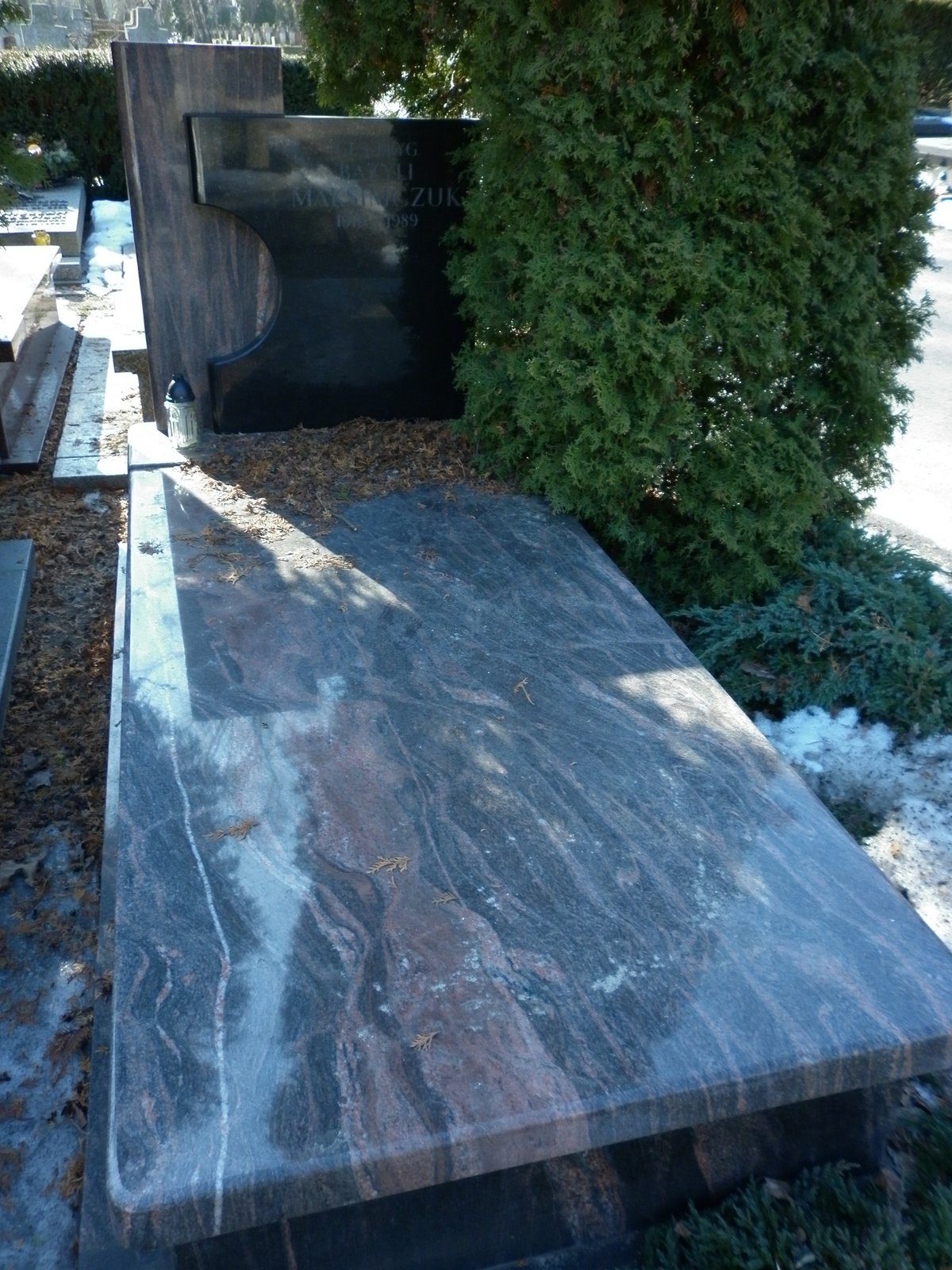
Warsaw’s Old Evangelical Cemetery, also known as the Evangelical Augsburg Cemetery (Cmentarz ewangelicko-augsburski w Warszawie), is a testament to the city’s vibrant Protestant heritage and multicultural history. Established in 1792 amid a period of religious diversification and urban expansion, the cemetery is situated in the historic Wola district. Designed by renowned architect Szymon Bogumił Zug, the site serves not only as a resting place for over 100,000 individuals but also as an open-air museum of funerary art, architecture, and the collective memory of Poland’s turbulent past. The cemetery’s monuments and chapels bear witness to pivotal moments in Polish history, including the Kościuszko Uprising, November Uprising, and the Warsaw Uprising of 1944.
This comprehensive guide explores the cemetery’s origins, architectural and artistic highlights, cultural significance, and provides practical information such as visiting hours, ticketing, accessibility, and transportation. Whether you are a history enthusiast, genealogist, or cultural traveler, this article will help you make the most of your visit and deepen your understanding of Warsaw’s religious and social landscape. For further context and itinerary planning, consider also exploring the nearby Evangelical Reformed Cemetery and Powązki Cemetery. For current visitor information and historical background, see resources like Stone and Dust, The Thorough Tripper, and the Warsaw Tourism Office.

Origins and Establishment
Consecrated on May 2, 1792, the Evangelical Augsburg Cemetery was designed by Szymon Bogumił Zug to serve Warsaw’s growing Lutheran (Augsburg Confession) community. Its establishment reflected the city’s developing religious diversity and was part of a larger movement towards public health and urban planning in the late 18th century. The cemetery, originally located outside the city limits, was created alongside other major cemeteries like Powązki and the Protestant Reformed Cemetery to accommodate the needs of a multicultural Warsaw (Stone and Dust).
Historical Events and Wartime Turmoil
The cemetery has witnessed and endured some of the most dramatic episodes in Warsaw’s history:
- Kościuszko Uprising (1794): The grounds were a site of fierce combat and provided refuge during the Polish insurrection.
- November Uprising (1830–1831): Many insurgents were buried here, cementing the cemetery’s role as a symbol of national struggle.
- World War II and Warsaw Uprising (1944): The cemetery suffered significant damage, with tombstones destroyed and the grounds scarred by conflict. Postwar restoration efforts have preserved much of the site, though visible reminders of its wartime past remain (Stone and Dust).
Architectural and Artistic Heritage
Layout and Design
Zug’s neoclassical design is evident in the cemetery’s orderly avenues and symmetrical family plots. The area spans several hectares and showcases a broad spectrum of tombs, from modest headstones to grand mausoleums and chapels. The cemetery’s tranquil, tree-lined paths offer visitors a contemplative atmosphere, enhanced by mature trees and carefully maintained greenery.
Notable Monuments and Chapels
Among the cemetery’s highlights is the Halpert family chapel, built in 1835 and reconstructed in 1975 after war damage. The monuments feature an array of artistic styles and inscriptions in several languages, reflecting the cosmopolitan nature of Warsaw’s Protestant community. Notable burials include influential clergy, artists, entrepreneurs, and participants in key historical events.
Social and Cultural Significance
As an ecumenical necropolis, the Old Evangelical Cemetery has welcomed various Protestant denominations, including Anglicans and Methodists. The site is invaluable for genealogical and historical research, with many records accessible through online platforms such as BillionGraves and Find A Grave. Annual fundraising events, particularly on All Saints’ Day, support ongoing preservation efforts and community engagement.
Practical Visitor Information
Visiting Hours
The Evangelical Augsburg Cemetery is generally open daily from 8:00 AM to 6:00 PM, with extended hours during summer and shorter hours in winter. It is advisable to verify current hours on the Warsaw Tourism Office website or contact the cemetery office directly before your visit.
Admission and Tickets
Entry is free for all visitors. Donations are encouraged to support maintenance and restoration.
Accessibility
Most main paths are paved and suitable for visitors with limited mobility, though some historic sections may feature uneven terrain. If assistance is needed, inquire at the entrance.
How to Get There
Located at Młynarska 54/56/58 in the Wola district, the cemetery is easily accessed via public transport:
- Tram: Lines 10, 26
- Bus: Lines 105, 171 Nearby stops include “Młynarska” and “Płocka.” Limited parking is available for drivers.
Guided Tours and Special Events
Guided tours are periodically offered by local historical societies and tourism agencies, focusing on the cemetery’s history, architecture, and notable burials. Special commemorative events are held on significant religious and historical dates.
Nearby Attractions
Combine your visit with other Wola district highlights, such as the Warsaw Uprising Museum, Powązki Cemetery, and the Jewish Cemetery. These sites together paint a comprehensive picture of Warsaw’s multicultural heritage.
Photography Tips
Photography is permitted, and the cemetery’s neoclassical chapels, historic tombstones, and peaceful avenues provide excellent subjects. Visit in the early morning or late afternoon for optimal lighting, and always respect the solemn atmosphere and privacy of mourners.
Media and Maps
Visitors can access maps and visual guides on the Warsaw Tourism Office website or through digital apps. High-quality images are available on several tourism and heritage platforms to help you plan your route and appreciate the cemetery’s artistic features.
Frequently Asked Questions (FAQ)
Q: What are the Evangelical Augsburg Cemetery’s visiting hours?
A: Open daily from 8:00 AM to 6:00 PM, with possible extended hours in summer and shorter hours in winter. Confirm before your visit.
Q: Is there an entrance fee?
A: No, entrance is free, but donations are appreciated.
Q: Is the cemetery accessible for visitors with disabilities?
A: Most main paths are accessible, though some older areas may be uneven.
Q: Are guided tours available?
A: Yes, but they must typically be arranged in advance through local tour operators or historical societies.
Q: How do I get there by public transport?
A: Take tram lines 10 or 26 or bus lines 105 or 171 to “Młynarska” or “Płocka” stops.
Q: Can I take photographs?
A: Yes, for personal use. Please avoid photographing ceremonies or mourners.
Discover More
For more detailed guides on Warsaw’s historical sites and to enhance your cultural explorations, download the Audiala app. Discover related posts, follow us on social media for updates, and share your experiences at the Evangelical Augsburg Cemetery with our community.
External Links
- Stone and Dust – Evangelical Augsburg Cemetery
- Stone and Dust – Evangelical Reformed Cemetery
- The Thorough Tripper – Visiting Warsaw, Poland
- Warsaw Tourism Office
- Find A Grave – Evangelical Augsburg Cemetery
- Polen Travel – Protestant Cemeteries in Warsaw
- Earth Trekkers – Best Things to Do in Warsaw
- BillionGraves – Evangelical Augsburg Cemetery
Internal Links
Audiala2024
Listen to the full story in the app
The whole Old Evangelical Cemetery (Warsaw),
told well.
Audio guides for 1,100+ cities across 96 countries. History, stories, and local insight — offline ready.
Verified, and shown.
Researched and written by the Audiala editorial team from historical records, architectural archives, and local expertise.
Researched from Wikidata, Wikipedia & official sources · fact-checked · How we make our guides →