Plan and listen to Nicolaus Copernicus Monument In Warsaw with Audiala.
Audio guide in your pocket, itinerary in your browser. Built for the way you actually visit.
Introduction
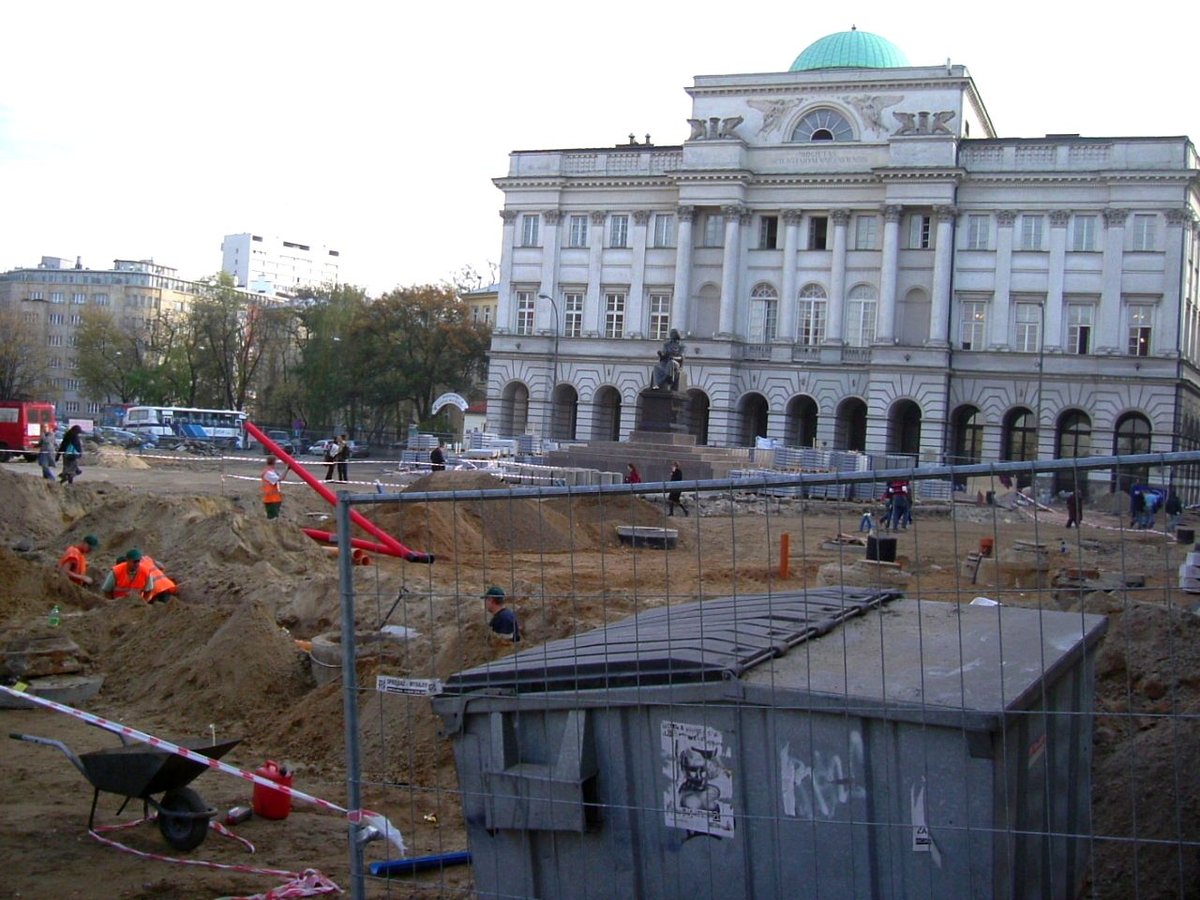
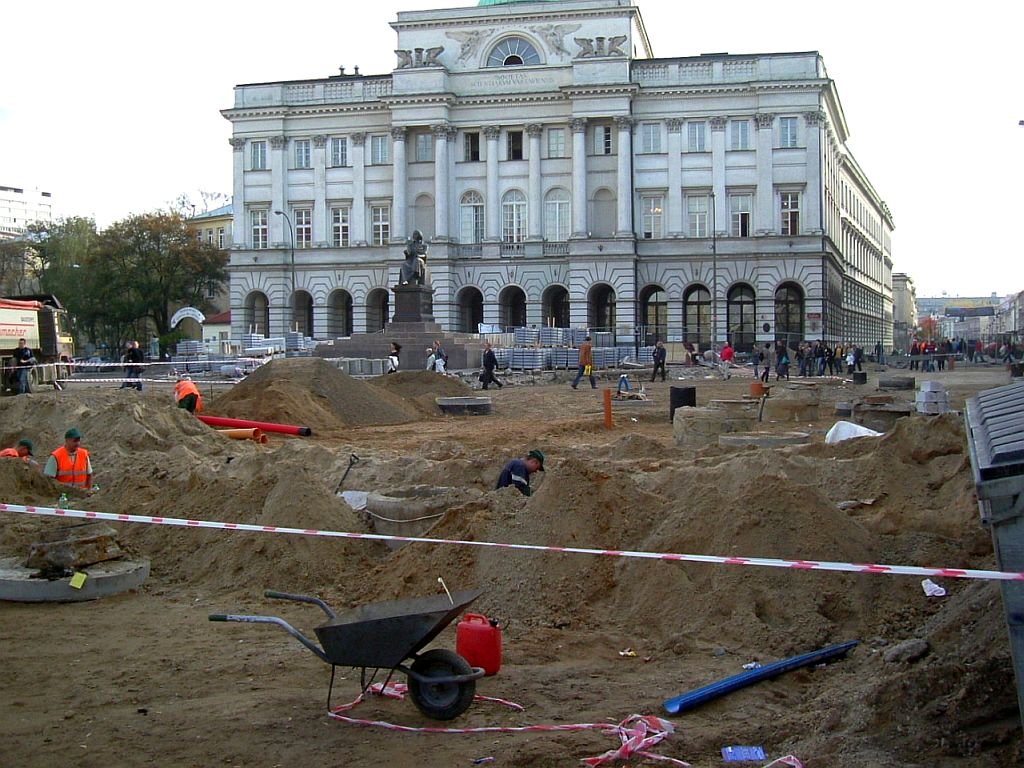
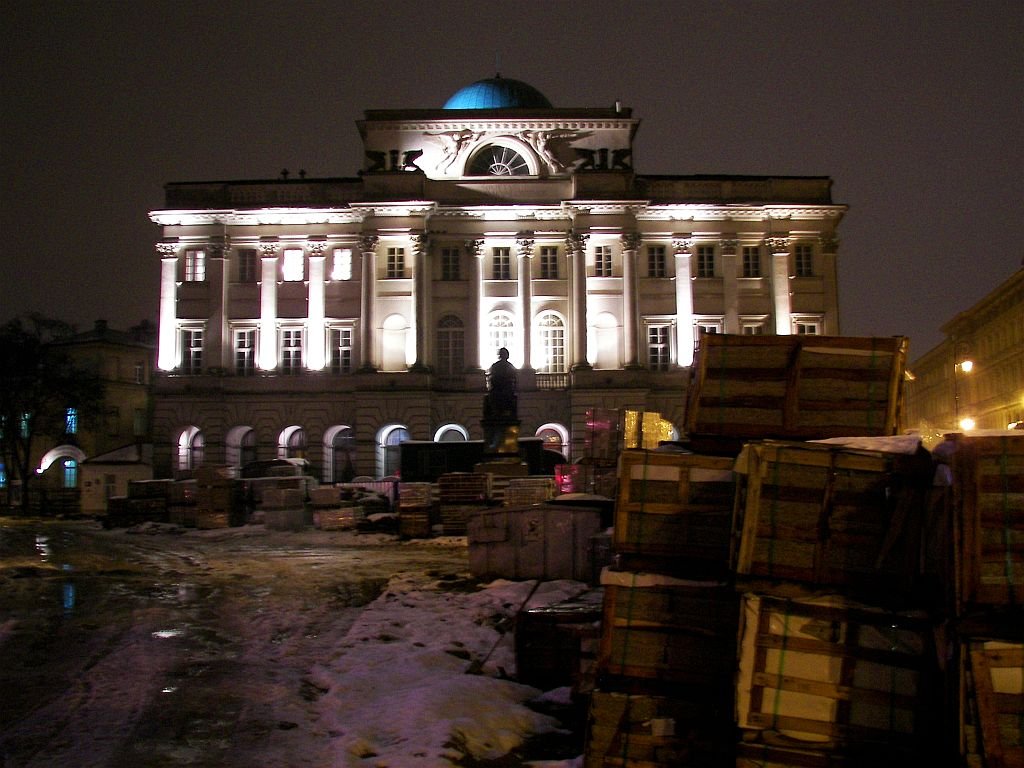
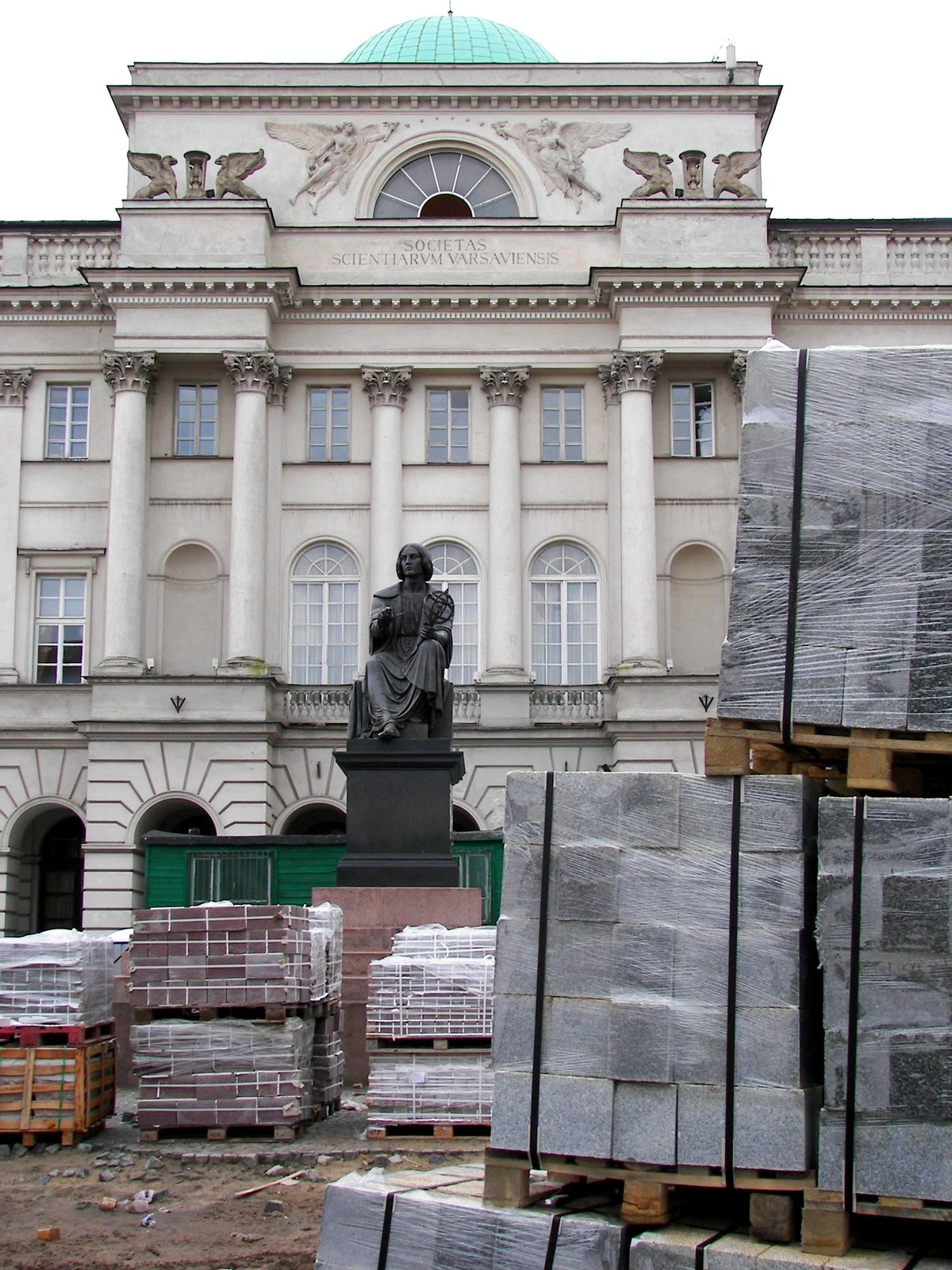
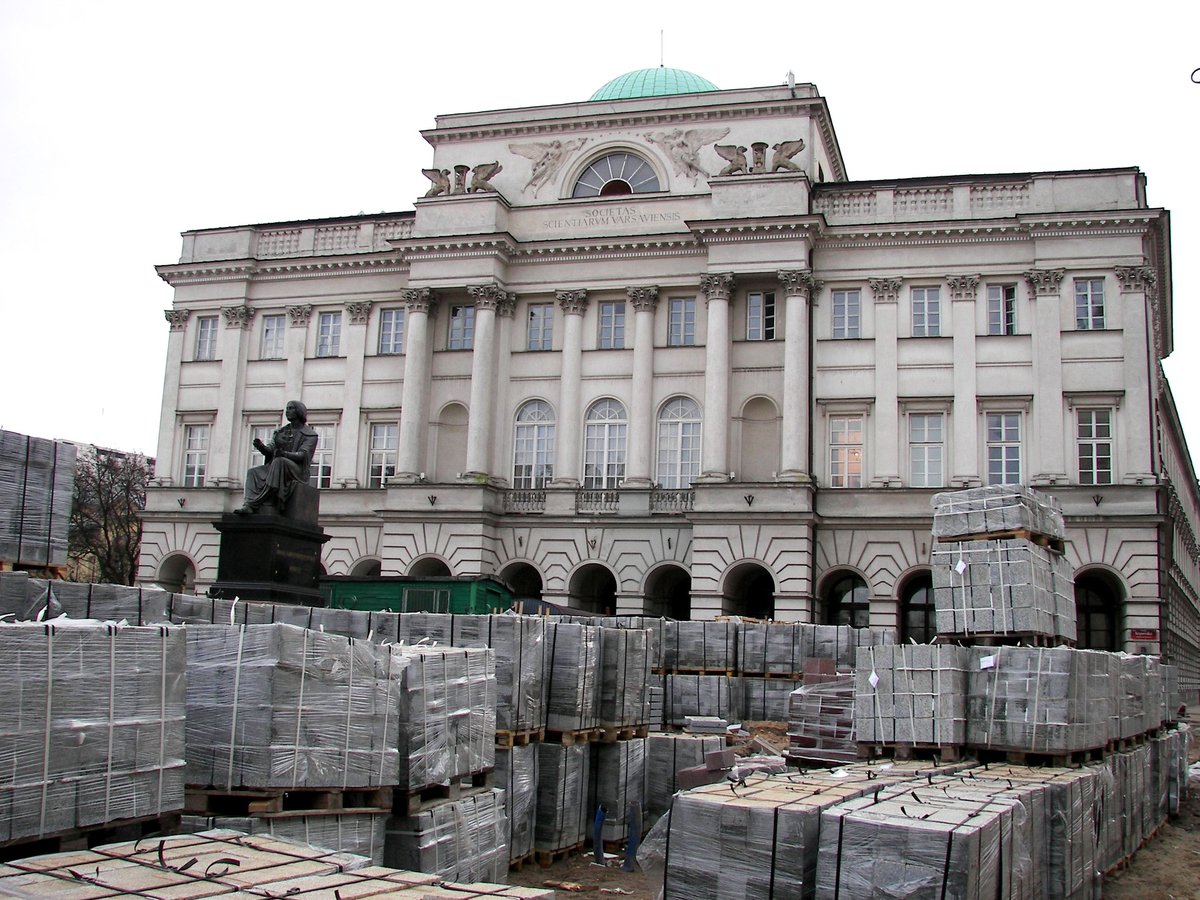
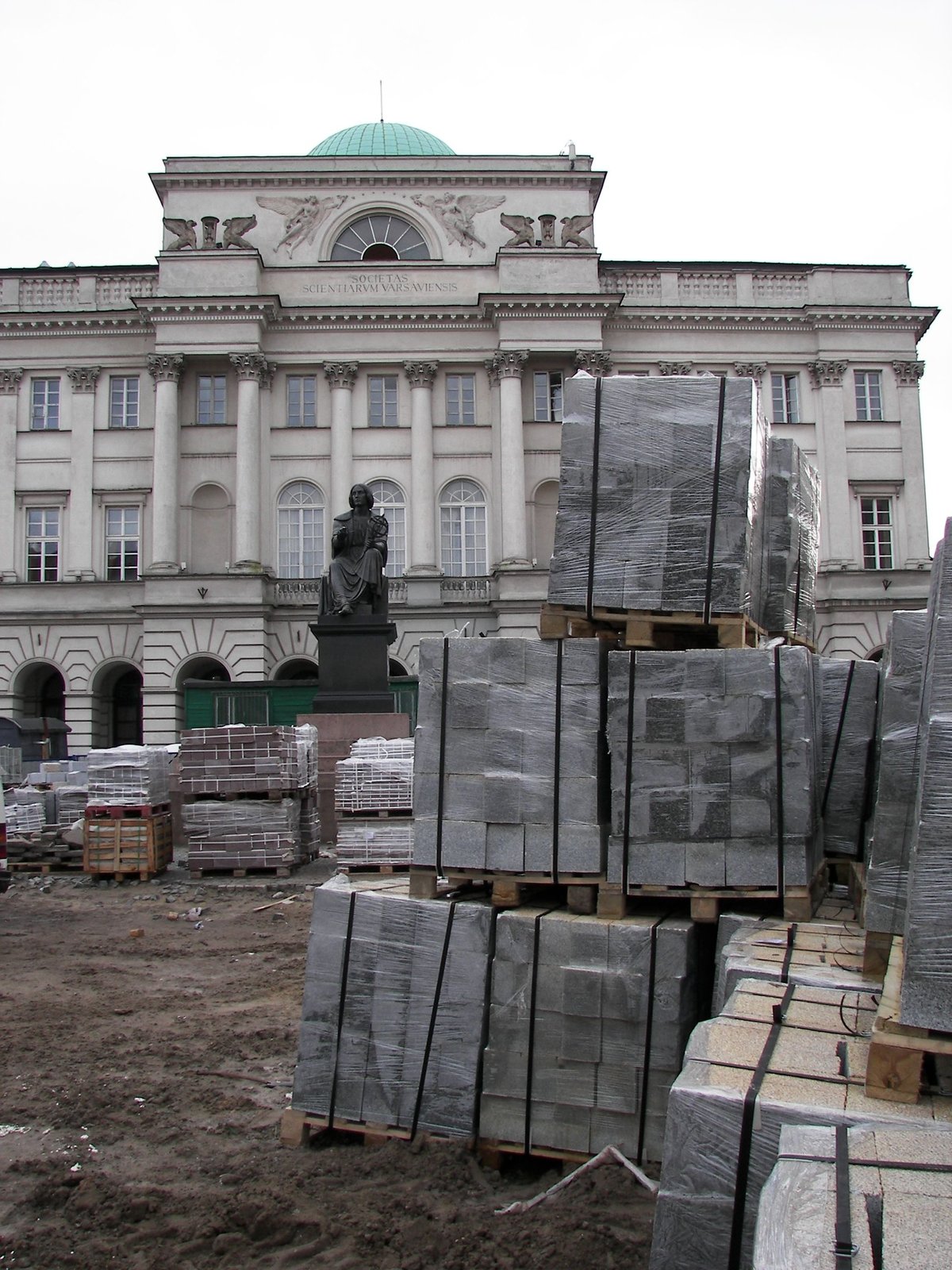
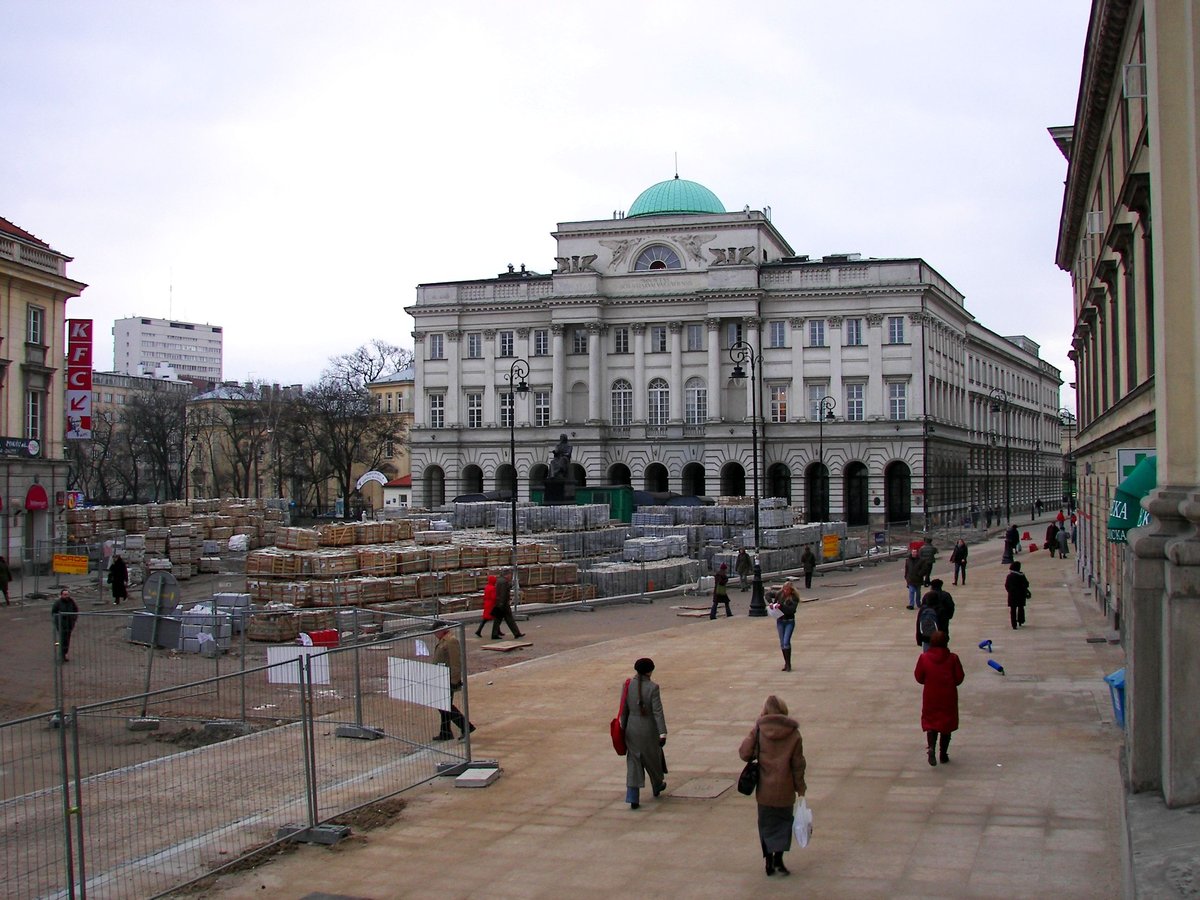
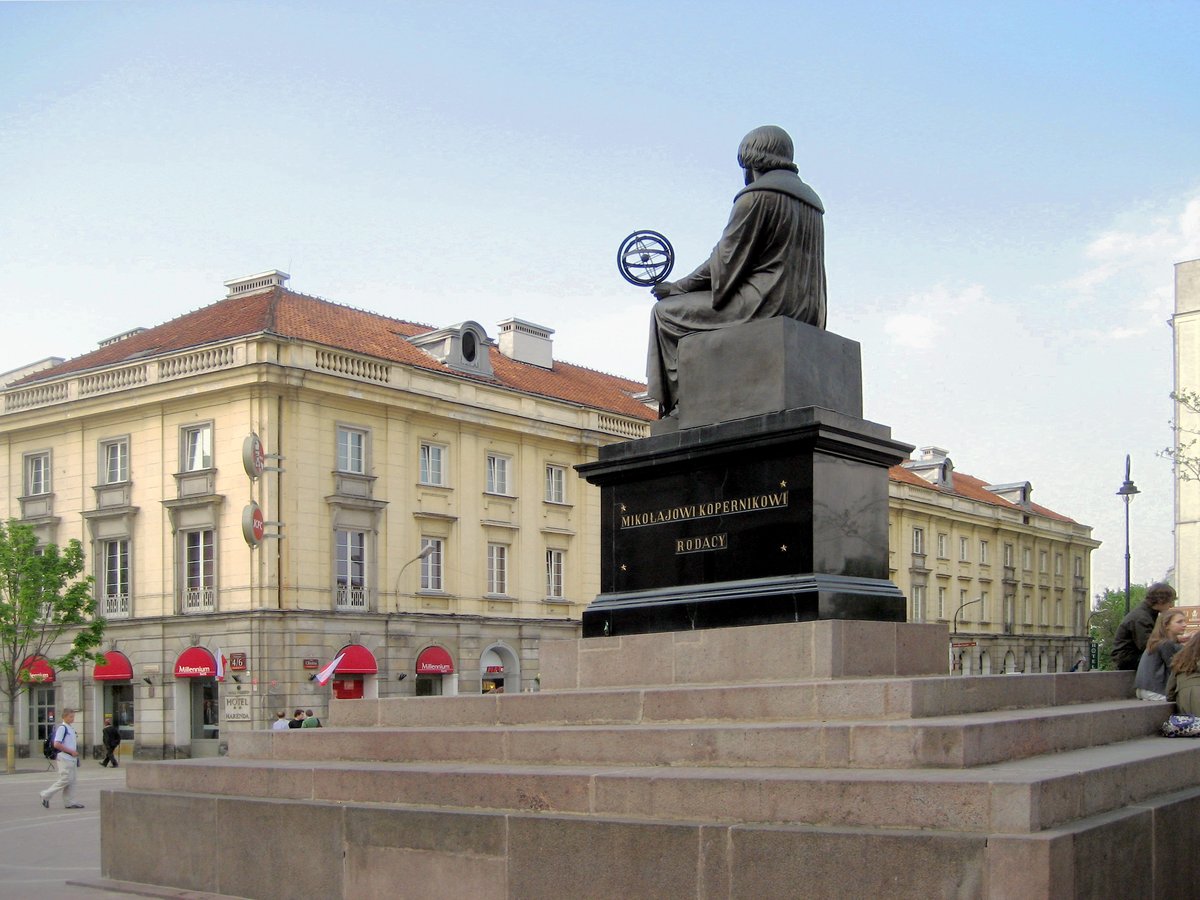
The Nicolaus Copernicus Monument in Warsaw is a profound symbol of Poland’s scientific heritage, national resilience, and cultural pride. Located on the historic Krakowskie Przedmieście, this neoclassical statue commemorates Nicolaus Copernicus, the revolutionary astronomer whose heliocentric theory dramatically changed humanity’s understanding of the cosmos. Designed by the renowned Danish sculptor Bertel Thorvaldsen and unveiled in 1830, the monument stands before the Staszic Palace, home of the Polish Academy of Sciences, highlighting its role as a beacon of intellectual achievement.
Surviving wars, political upheaval, and cultural suppression, the monument has become a resilient emblem of Polish identity and scientific progress. Its open, 24-hour accessibility makes it a must-see for tourists, science enthusiasts, and anyone exploring Warsaw’s historic core. This guide provides a comprehensive overview of the monument’s historical context, artistic features, practical visitor information, and travel tips to help you make the most of your visit.
(WarsawTour, Discover Walks, Wikipedia)

Historical Context
Origins and Commissioning
The idea to honor Nicolaus Copernicus (1473–1543) with a public monument emerged in the early 19th century—an era marked by Poland’s struggle for cultural survival under partition. Stanisław Staszic, a leading Polish scientist and reformer, spearheaded the project to commission a monument, recognizing Copernicus as a symbol of the nation's scientific heritage and intellectual resilience. The statue was funded by public donations and originally planned for Copernicus’s birthplace, Toruń, but was ultimately installed in Warsaw due to shifting political circumstances. Its placement in front of the Staszic Palace, then the seat of the Society of Friends of Science, underscored the connection between Polish scientific achievement and national identity.
(WarsawTour)
Artistic Significance and Design
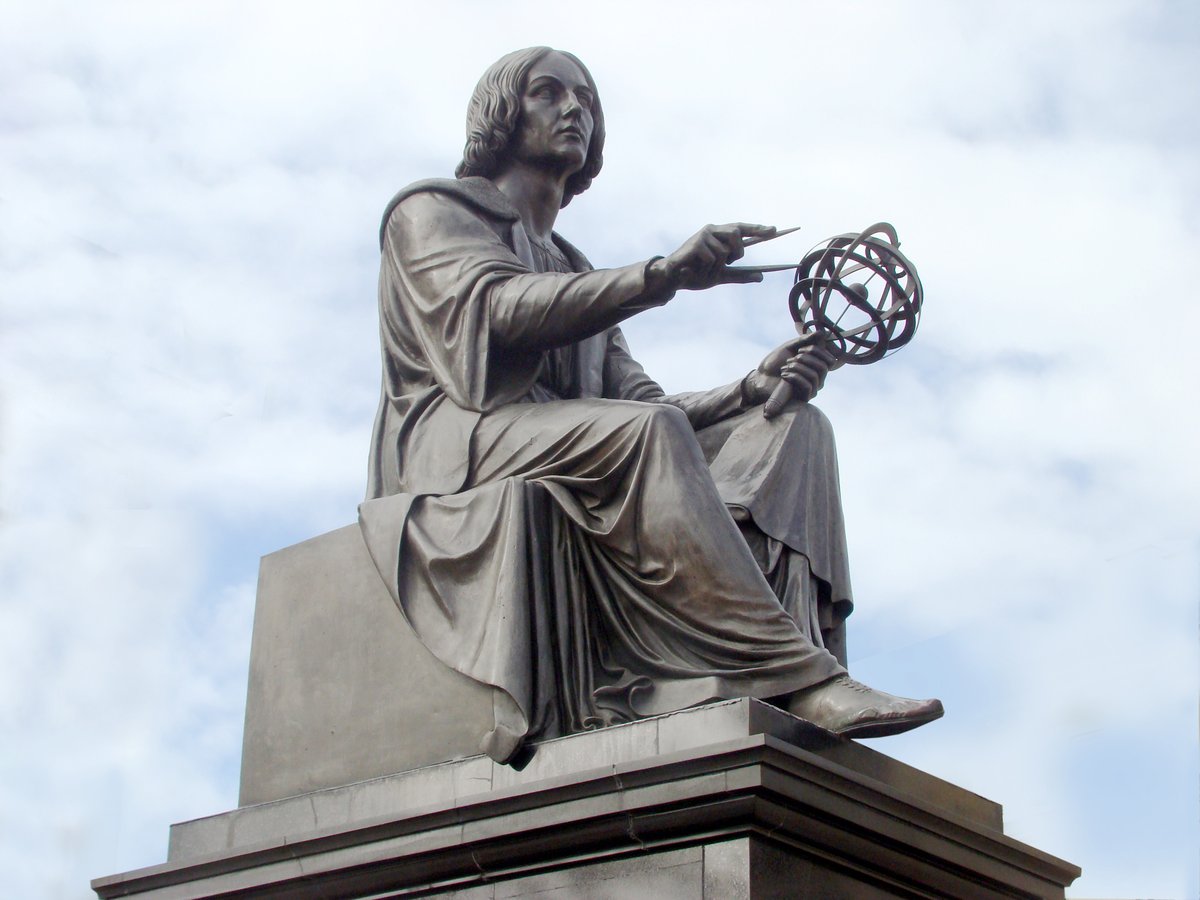
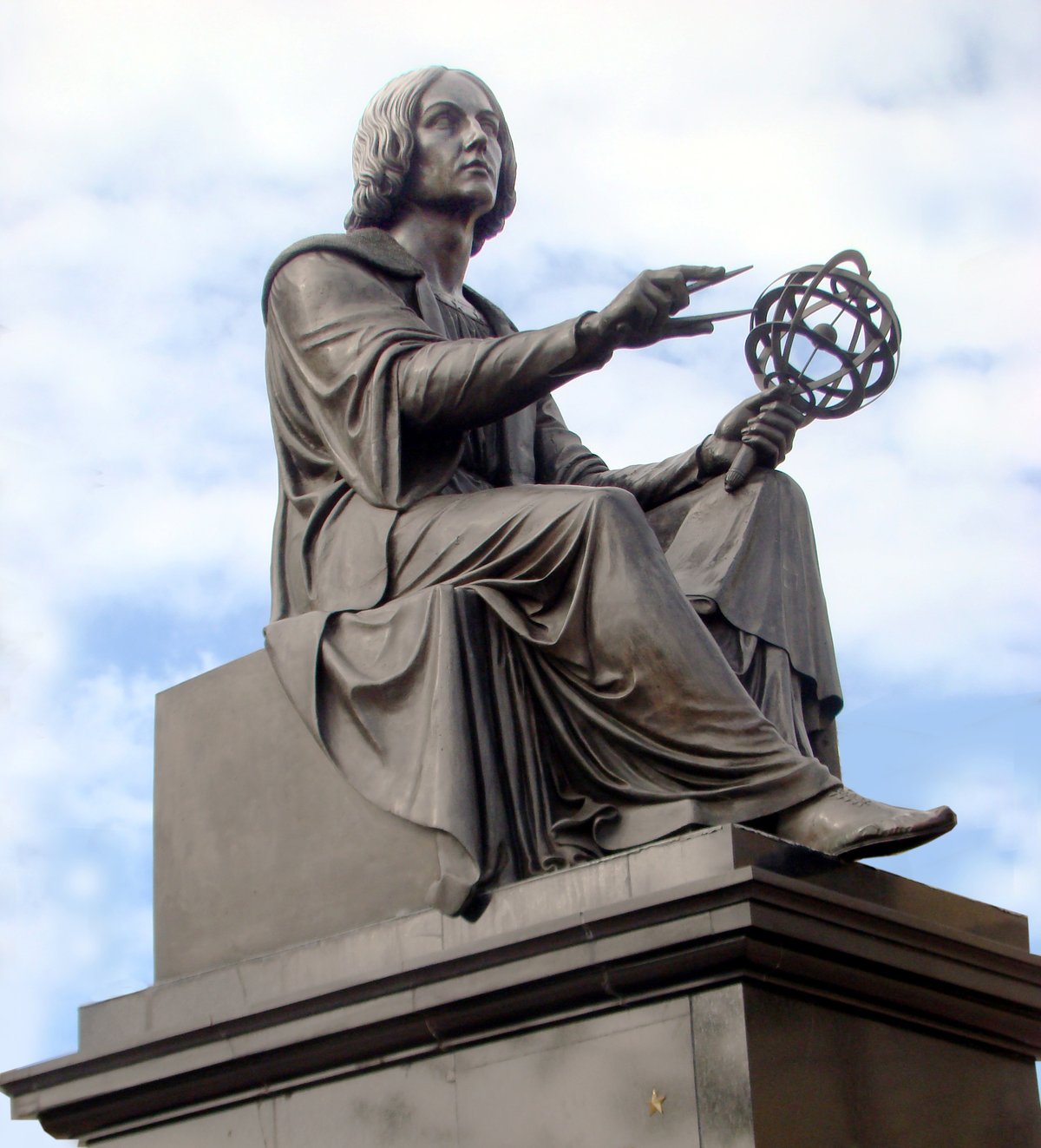
Bertel Thorvaldsen, a Danish neoclassical sculptor, was chosen to design the monument. His vision portrayed Copernicus seated in a Renaissance scholar’s robe, holding a compass and an armillary sphere—symbols of mathematical precision and astronomical inquiry. The statue stands 2.6 meters tall, cast in bronze, and rests on a granite pedestal. Inscriptions in both Latin and Polish honor Copernicus’s achievements, and Thorvaldsen’s idealized, serene style reflects the Enlightenment values of reason and progress. The original plaster model and a smaller study remain preserved in Copenhagen’s Thorvaldsen Museum.
(Culture.pl, Thorvaldsen Museum)
Unveiling and Reception
The unveiling ceremony on May 11, 1830, was a major public event, attended by leading figures in Polish science and culture. It occurred just months before the November Uprising against Russian rule, which lent the event additional national significance. The clergy notably boycotted the ceremony because the Catholic Church’s ban on Copernicus’s writings had only been lifted in 1758. Despite turbulent times, the monument quickly became a symbol of Polish intellectual perseverance.
(Wikipedia)
Wartime History and Restoration
During WWII, the Nazi occupiers removed the original Polish and Latin inscriptions and replaced them with a German plaque. In 1942, Polish underground activists, led by Maciej Aleksy Dawidowski, famously removed the German plaque in a bold act of resistance. The statue was later damaged and removed by the Nazis during the 1944 Warsaw Uprising, intended for destruction, but survived and was recovered after the war. The original inscriptions were restored, and the monument was re-erected in 1949, becoming a powerful symbol of national resilience.
(Warsaw Uprising Museum, Polish History Museum)
Role in Polish Identity
Throughout its existence, the monument has been a rallying point for Polish national pride, scientific achievement, and cultural memory. It serves as a venue for public gatherings, commemorations, science festivals, and peaceful demonstrations. Its proximity to both the Polish Academy of Sciences and the University of Warsaw reinforces its status as a center of intellectual life in the city.
(Polish Academy of Sciences)
Urban and Architectural Context
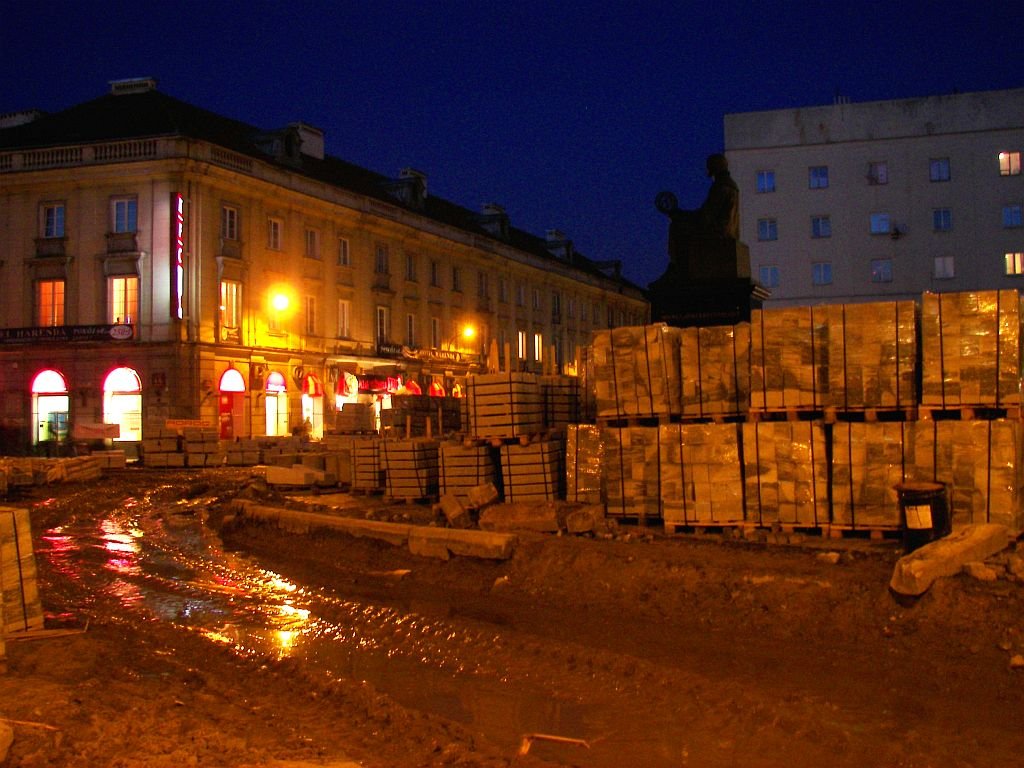
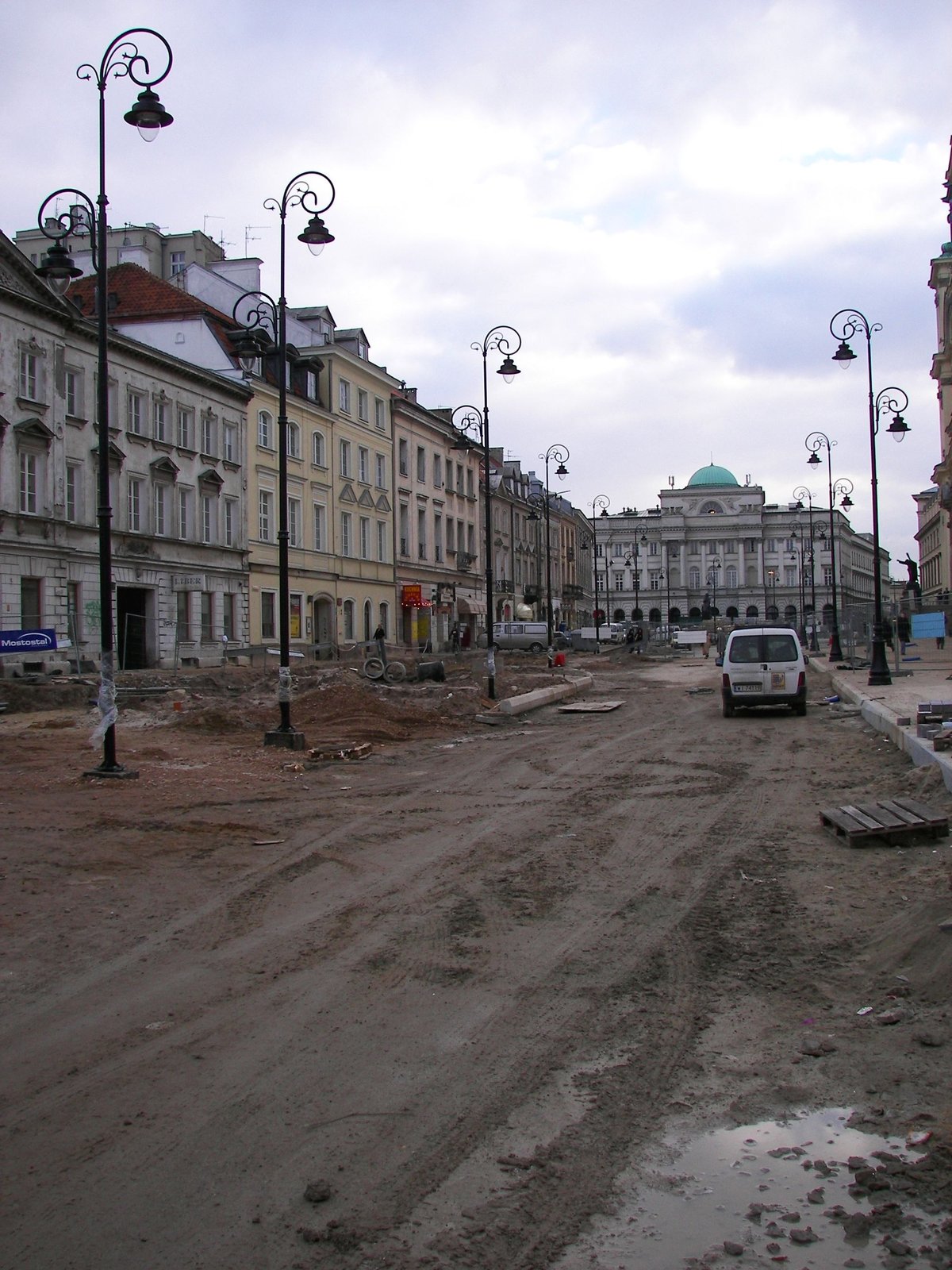
Set on Krakowskie Przedmieście, one of Warsaw’s most iconic streets, the monument is surrounded by historic architecture, prestigious educational institutions, and vibrant public spaces. Its location makes it a focal point in the capital’s urban fabric and a highlight of the UNESCO-listed Royal Route.
(Warsaw City Guide, UNESCO World Heritage)
Practical Visitor Information
Visiting Hours and Accessibility
- Visiting Hours: The Nicolaus Copernicus Monument is outdoors and accessible 24 hours a day, 7 days a week.
- Accessibility: The area around the monument is pedestrian-friendly and wheelchair accessible, with smooth pavements and nearby public transport stops.
Tickets and Entry
- Entry Fee: None. Visiting the monument is completely free—there are no tickets or permits required.
- Photography: Allowed and encouraged at all times.
Guided Tours and Events
- Guided Tours: Many walking tours of Warsaw’s Old Town and Royal Route include the monument. Self-guided options are available via mobile apps like GPSmyCity.
- Special Events: The monument is a focal point for scientific festivals, commemorations of Copernicus’s birthday, and other public gatherings. Check official city event calendars for updates.
Nearby Attractions and Tips
- Staszic Palace: The seat of the Polish Academy of Sciences, directly behind the monument.
- Holy Cross Church: Famous for housing the heart of Frédéric Chopin.
- University of Warsaw: A short walk north.
- Warsaw Old Town: A UNESCO World Heritage Site, about a kilometer away.
- Warsaw Multimedia Fountain Park: Popular for evening shows in summer.
Travel Tips:
- Visit early morning or late afternoon for optimal lighting and fewer crowds.
- The monument is centrally located—public transport is recommended due to limited parking.
- The area features numerous cafes, restaurants, and shops for refreshments.
FAQs
Q: What are the visiting hours for the Nicolaus Copernicus Monument?
A: The monument is accessible 24/7, as it is located outdoors.
Q: Is there an entry fee or ticket required?
A: No, visiting is entirely free.
Q: Is the monument wheelchair accessible?
A: Yes, with smooth pathways and easy public transport access.
Q: Are guided tours available?
A: Yes, both guided and self-guided walking tours include the monument.
Q: Can I take photos or videos at the monument?
A: Yes, photography and video are permitted and popular, especially at sunrise or sunset.
Visuals and Interactive Elements

For a virtual preview, explore 360-degree tours and high-quality images on official tourism platforms.
Listen to the full story in the app
The whole Nicolaus Copernicus Monument In Warsaw,
told well.
Audio guides for 1,100+ cities across 96 countries. History, stories, and local insight — offline ready.
Verified, and shown.
Researched and written by the Audiala editorial team from historical records, architectural archives, and local expertise.
Researched from Wikidata, Wikipedia & official sources · fact-checked · How we make our guides →