Plan and listen to National Museum Of Ethnography with Audiala.
Audio guide in your pocket, itinerary in your browser. Built for the way you actually visit.
Introduction
The National Museum of Ethnography in Warsaw (Państwowe Muzeum Etnograficzne w Warszawie) stands as one of Poland’s most significant cultural institutions, dedicated to preserving, studying, and presenting the diverse material and spiritual cultures of Poland and communities worldwide. Established in 1888, the museum has evolved into a vibrant center for ethnographic collections, education, and intercultural dialogue. Its extensive exhibits, ranging from Polish folk costumes to African ritual masks and immersive installations like a full-scale Korean hanok, offer visitors a unique opportunity to experience global heritage in the heart of Warsaw.
Conveniently located at Kredytowa 1, the museum is easily accessible by public transport and is within walking distance of major Warsaw attractions, such as the Old Town and Warsaw Uprising Museum. With thoughtfully curated permanent and temporary exhibitions, engaging educational programs, and family-friendly spaces like the Museum for Children, the National Museum of Ethnography appeals to a broad audience—from casual tourists to scholars and families.
This comprehensive guide covers everything you need to know for a rewarding visit: opening hours, ticket options, highlights, accessibility features, travel tips, and answers to frequently asked questions. For the most up-to-date information, always consult the official museum website.
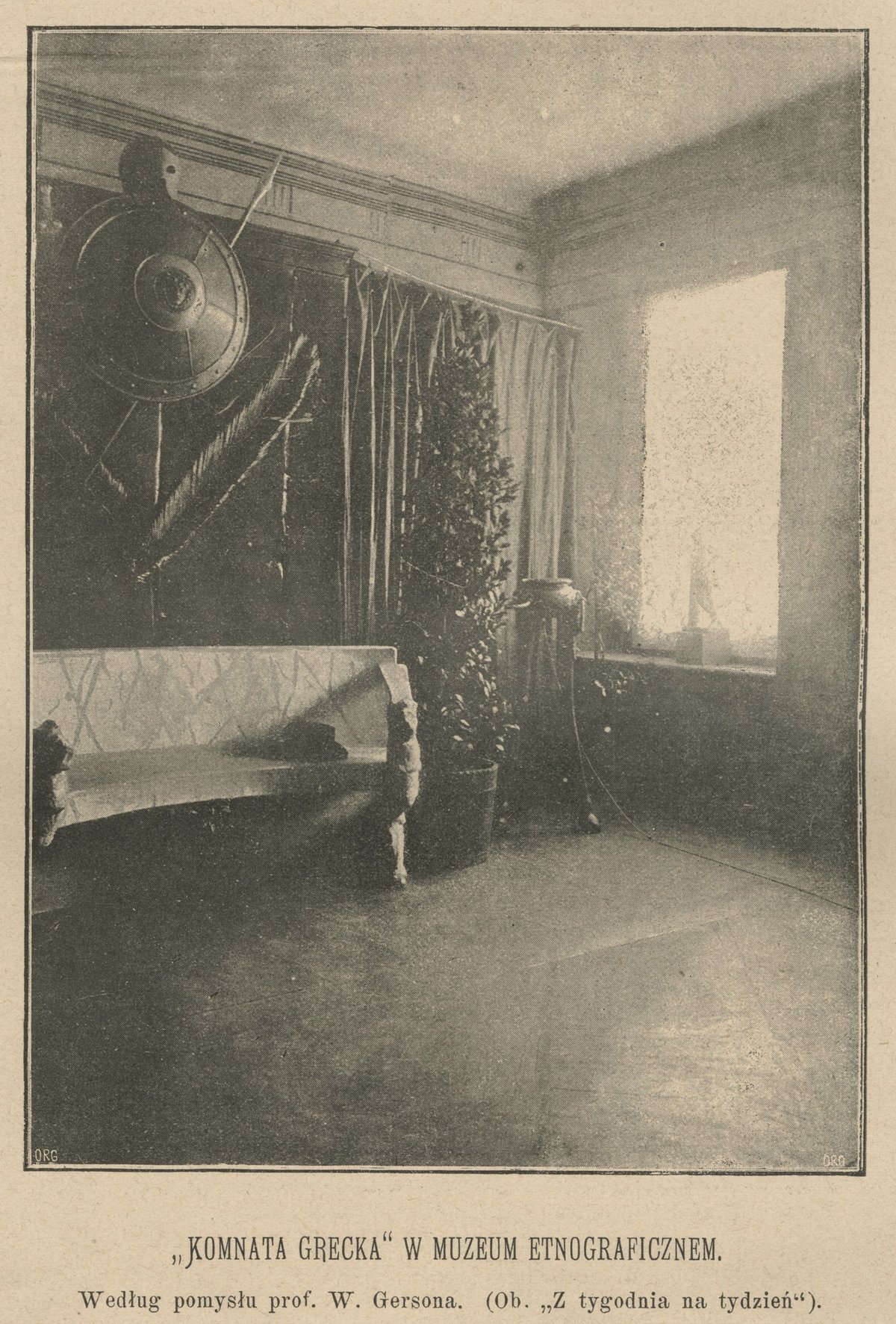
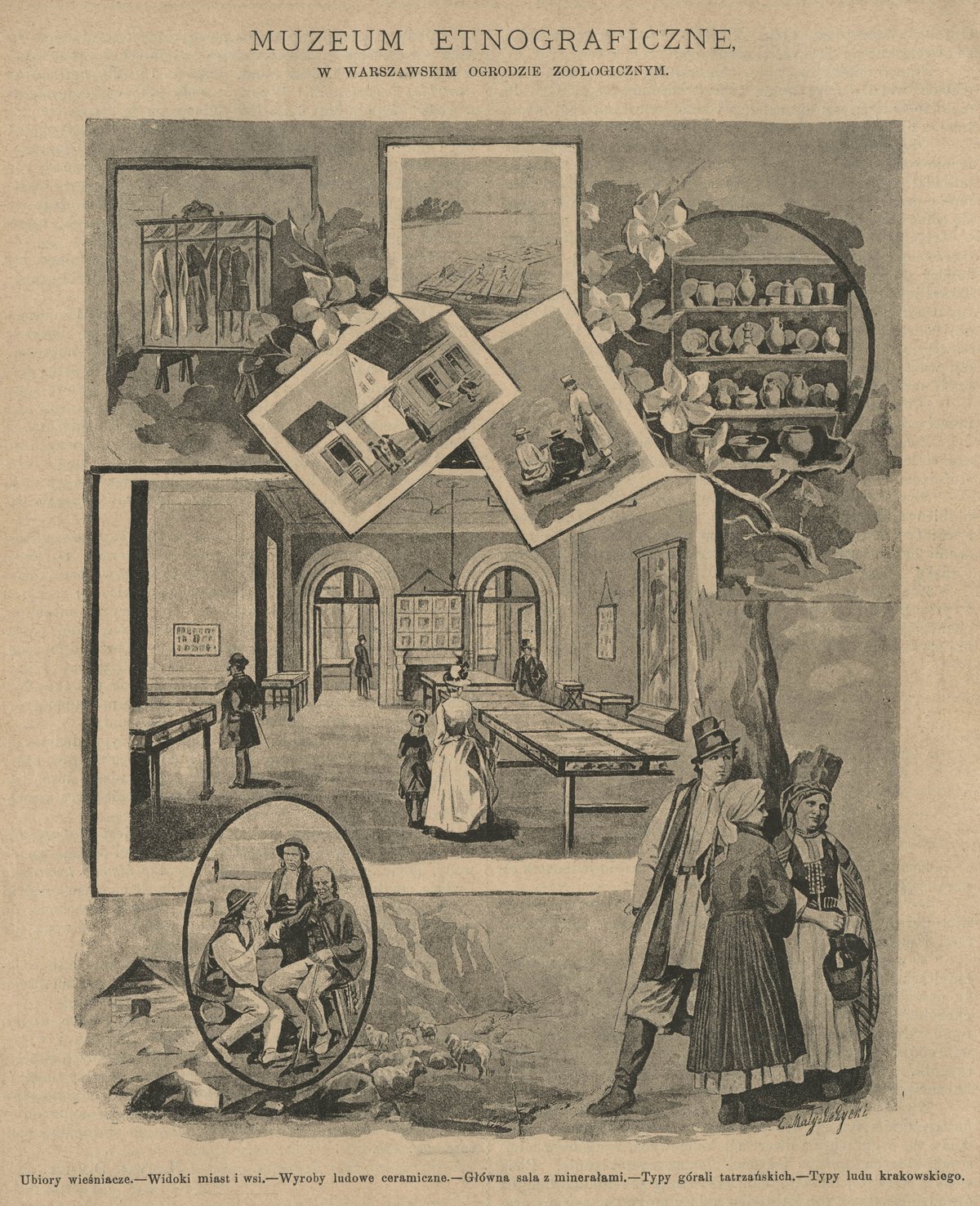
Founded in 1888, the National Museum of Ethnography originated from a mission to document and preserve the cultural diversity of Poland and neighboring regions. Initially housed in the neo-Renaissance Landlords’ Credit Society building, the museum’s collection survived significant wartime challenges, including near-destruction during World War II. After being reactivated in 1947, the institution underwent extensive modernization and adopted its current name in 1964 to reflect its expanded global focus (National Museum in Warsaw History).
Over the decades, the museum has grown through acquisitions, field research, and donations, evolving into a leading repository and research center for both Polish folk heritage and non-European cultures.

Museum Significance and Collections
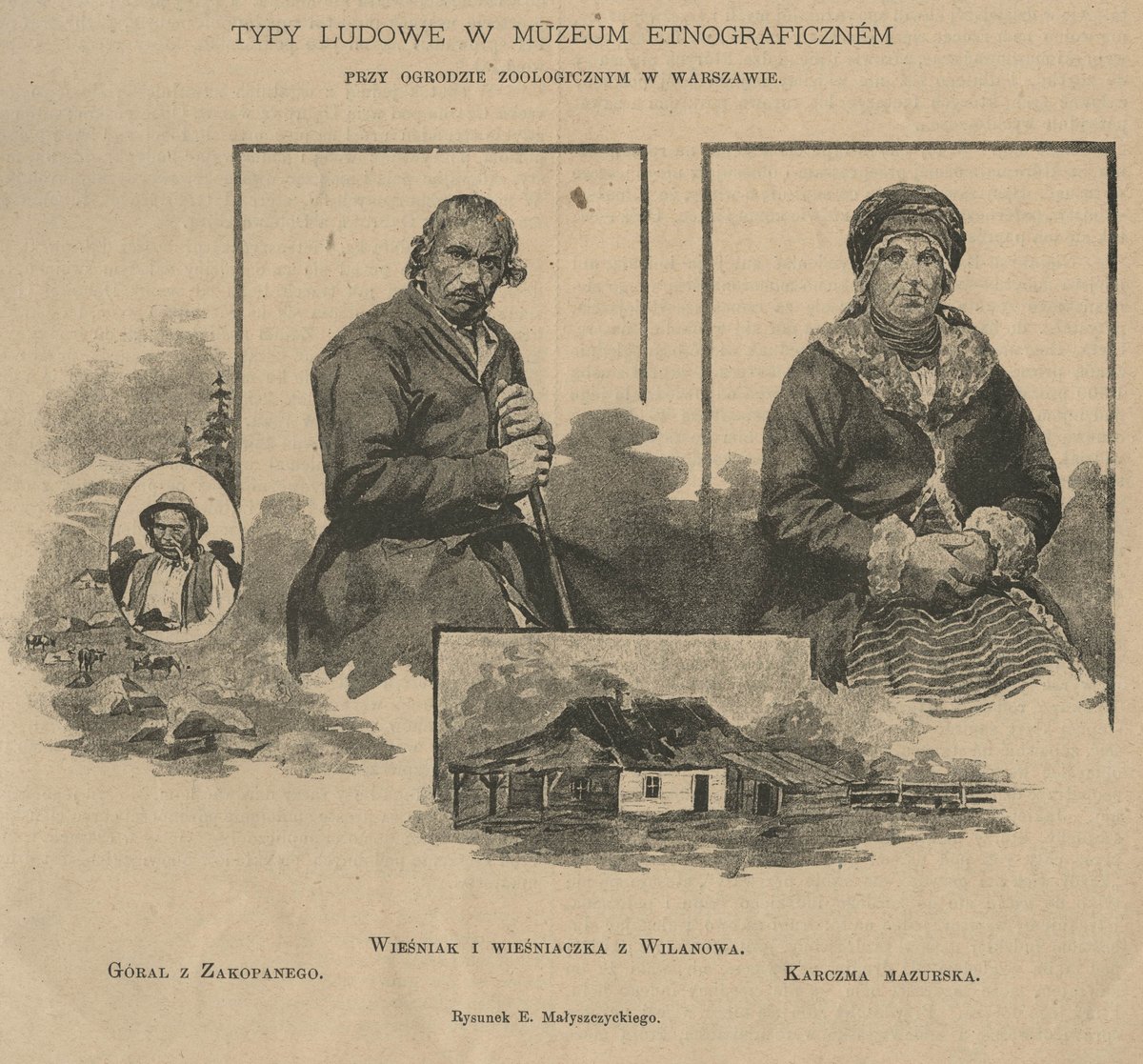
Custodian of Polish Folk Heritage
The museum’s collections are among the most comprehensive in Poland, offering:
- Traditional Costumes and Textiles: Regional attire, embroidery, woven sashes, and festive headpieces.
- Folk Art and Handicrafts: Woodcarvings, ceramics, painted Easter eggs (pisanki), and paper cuttings (wycinanki).
- Household Items and Tools: Spinning wheels, looms, agricultural implements, and kitchenware that illustrate everyday rural life.
- Religious and Ritual Objects: Nativity scenes, processional banners, and devotional paintings reflecting folk religious practices.
Global Ethnographic Collections
Beyond its Polish holdings, the museum showcases:
- African Artifacts: Ritual masks, sculptures, textiles, and jewelry, including items from Dr. Wacław Korabiewicz’s collection.
- Indigenous American Artifacts: Cultural objects from Latin and South America.
- Asian and Oceanic Collections: Edged weapons, ritual objects, and artifacts from Ethiopia, Australia, and Oceania.
- European Regional Collections: Items from Eastern and Southern Europe, highlighting cross-cultural exchanges.
The museum’s permanent collection includes over 80,000 artifacts, making it one of the largest ethnographic repositories in Central Europe (ethnomuseum.pl).
Permanent and Temporary Exhibitions
Permanent Exhibitions
- Polish Folk Culture: Displays of rural life, crafts, costumes, and rituals from the 19th century to today.
- Non-European Cultures: Dedicated galleries for Africa, Asia, Oceania, and the Americas, including immersive settings like the Korean hanok replica.
Thematic and Temporary Exhibitions
The museum regularly curates dynamic temporary exhibitions exploring topics such as:
- The evolution of childhood and toys in “Childhood”
- Outsider and visionary folk art in “Unreal, Yet Recognisable World”
- Contemporary indigenous art in “New Inuit Art”
These rotating exhibits ensure that repeat visitors always find something new and engaging.
Visitor Information: Hours, Tickets, and Accessibility
Opening Hours (as of June 2025)
- Tuesday to Sunday: 10:00 AM – 6:00 PM
- Monday: Closed
- Last Admission: 30 minutes before closing
Note: Always check the official website for updates and public holiday closures.
Admission Tickets
- Regular Ticket: 20 PLN
- Reduced Ticket (students, seniors, etc.): 12 PLN
- Family Ticket: 40 PLN (up to 2 adults and 2 children)
- Free Admission: Children under 7, persons with disabilities, and all visitors on Thursdays
Tickets can be purchased at the museum ticket office or online. Group tours and guided visits should be booked in advance, especially during peak seasons.
Accessibility
- Wheelchair accessible with ramps, elevators, and accessible restrooms
- Assistance dogs are welcome
- Multilingual resources and guided tours available
- Special accommodations can be arranged—contact the museum in advance
Museum Layout and Visitor Experience
The museum spans multiple floors, each featuring themed halls and galleries with clear signage in Polish and English. Upon entry, visitors receive a map and guide to navigate collections such as:
- Polish folk costumes and rural artifacts
- African masks and ritual objects
- Korean hanok replica and Asian textiles
- Interactive children’s spaces
Audio guides and guided tours in multiple languages (English, Polish, French, German) are available. On average, visitors spend 1.5 to 3 hours exploring the museum.
Special Features
- Museum for Children (Muzeum dla Dzieci): Hands-on workshops, mini-exhibits, and storytelling for young visitors
- Photographic and Film Records Studio: Visual documentation of traditional practices
- Library and Research Facilities: Over 26,000 volumes for scholarly use (by appointment)
Museum Shop and Café
- Books, folk art, handicrafts, and souvenirs available at the shop
- Café offers light refreshments and traditional Polish snacks
Educational Impact and Innovation
The museum delivers wide-ranging educational programs for schools, families, and adults, including:
- Workshops on folk crafts (paper cutting, weaving, pottery)
- Folk music and dance performances
- Lectures, family festivals, and community outreach programs
Supported by European funds, the museum has invested in digitization, modernized exhibits, and developed a robust online and social media presence to engage wider audiences.
Travel Tips and Nearby Attractions
- Best Time to Visit: Weekday mornings or late afternoons for a quieter experience; Thursdays (free admission) and weekends are busiest
- Nearby Attractions: Old Town Market Square, Saxon Garden, National Museum in Warsaw, Warsaw Uprising Museum
- Getting There: Closest metro station: Świętokrzyska; tram and bus lines nearby; limited parking—public transport recommended (Wanderlog)
- Family-Friendly: Stroller access, baby changing facilities, and children’s workshops
Frequently Asked Questions (FAQ)
How can I purchase National Museum of Ethnography tickets?
Tickets are available at the museum ticket office and online via the official website.
What are the museum’s visiting hours?
Tuesday–Sunday, 10:00 AM–6:00 PM; closed Mondays and select public holidays.
Is the museum accessible for visitors with disabilities?
Yes, it is wheelchair accessible and offers adapted facilities.
Are guided tours available?
Yes, in multiple languages. Book in advance for groups.
Are there activities for children?
Yes, the Museum for Children provides interactive exhibits and workshops.
When is the best time to visit?
Weekday mornings or late afternoons are less crowded; Thursdays (free admission) are busiest.
What is the average visit duration?
Plan for 1.5–3 hours, depending on your interests.
Listen to the full story in the app
The whole National Museum Of Ethnography,
told well.
Audio guides for 1,100+ cities across 96 countries. History, stories, and local insight — offline ready.
Verified, and shown.
Researched and written by the Audiala editorial team from historical records, architectural archives, and local expertise.
Researched from Wikidata, Wikipedia & official sources · fact-checked · How we make our guides →