Plan and listen to National Museum In Warsaw with Audiala.
Audio guide in your pocket, itinerary in your browser. Built for the way you actually visit.
Introduction
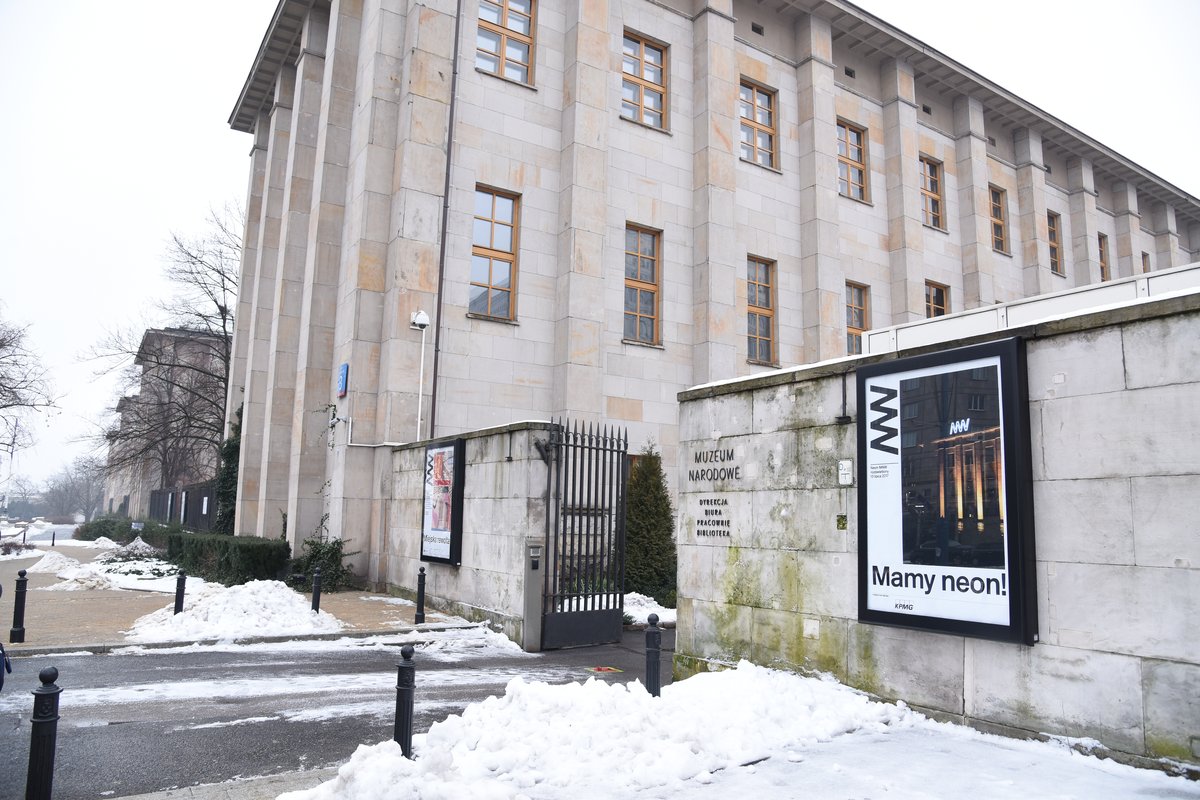
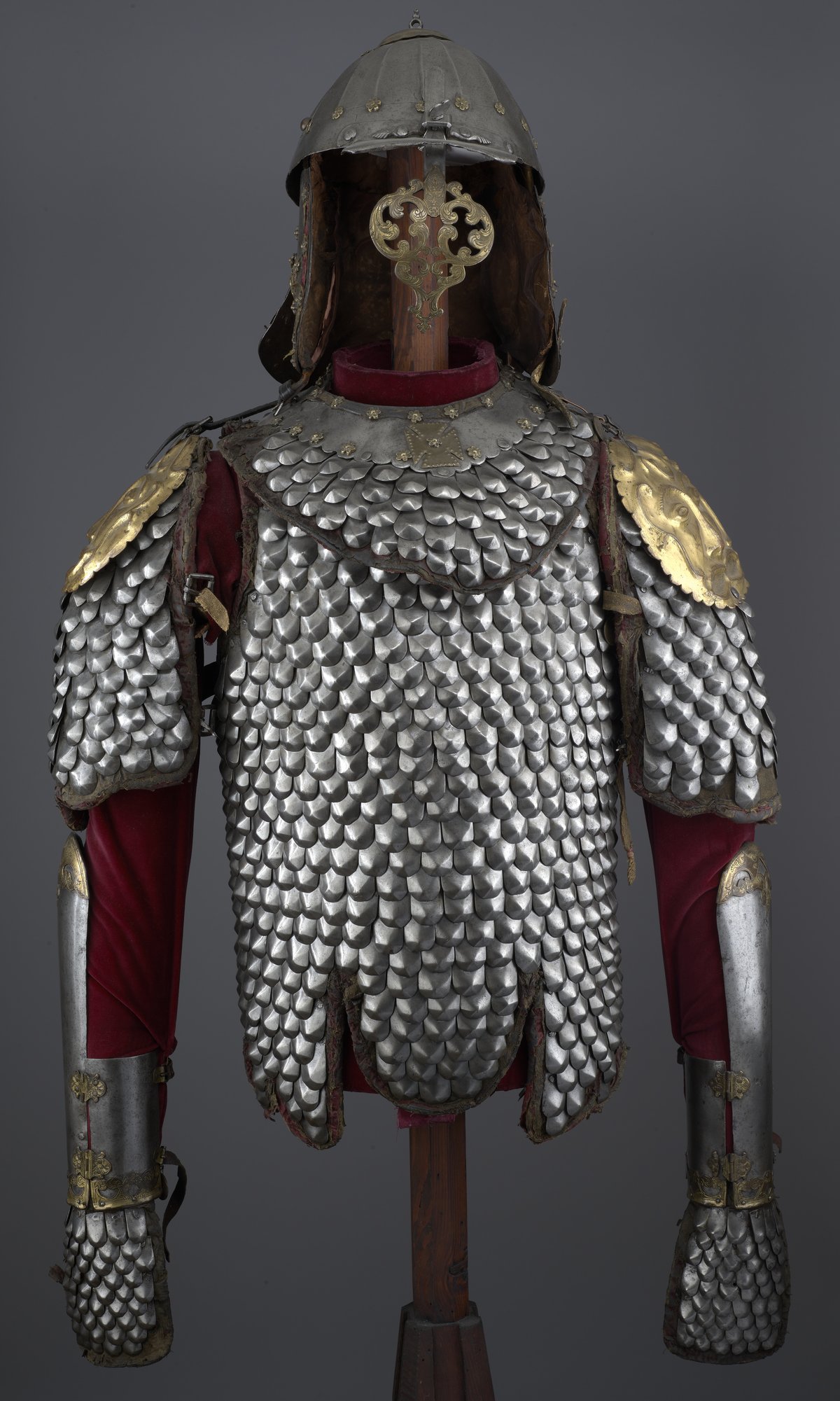
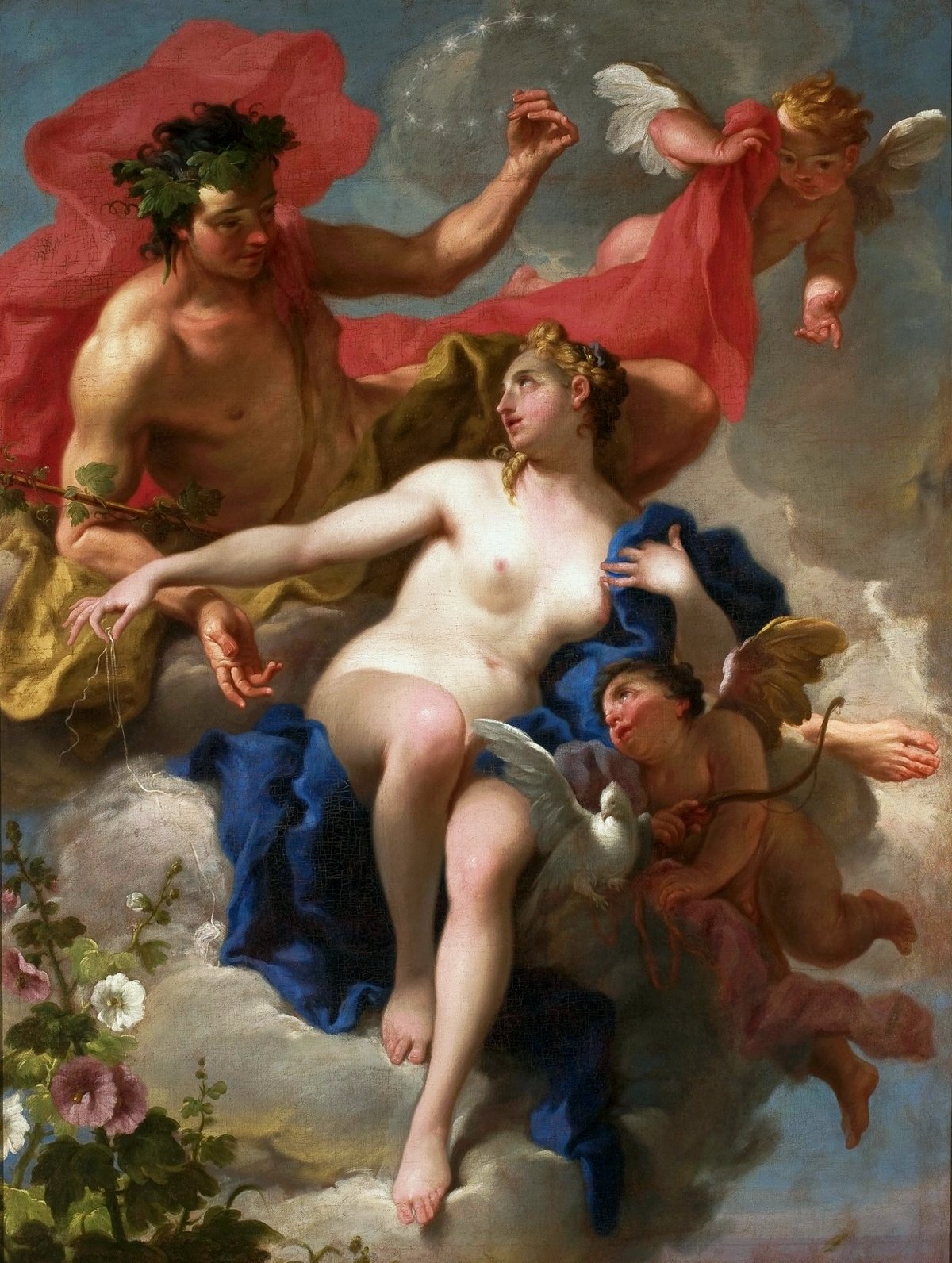
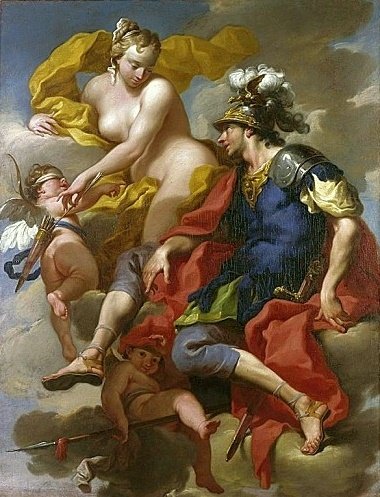
The National Museum in Warsaw (Muzeum Narodowe w Warszawie) stands as a cornerstone of Poland’s cultural heritage and artistic legacy. Established in 1862 and set in a striking modernist building at Aleje Jerozolimskie, it is one of Poland’s largest and most comprehensive art institutions, housing over 830,000 works that span from ancient Egyptian artifacts to contemporary Polish art. The museum is renowned not only for its collections—featuring masterpieces like Jan Matejko’s "The Battle of Grunwald," unique Nubian Christian frescoes in the Faras Gallery, and works by Rembrandt and Botticelli—but also for its role in preserving national identity through turbulent periods in Polish history.
This detailed guide will provide you with the essential information for visiting the National Museum in Warsaw, including its history and significance, practical details on visiting hours and ticketing, a breakdown of its most important collections, accessibility features, travel tips, and nearby attractions. Whether you are an art lover, history enthusiast, or a traveler in search of Warsaw’s premier historical sites, this resource will help you plan a memorable and enriching visit (culture.pl; mnw.art.pl; Google Arts & Culture).

Museum History and Significance
Origins and Early Development
Founded in 1862 as the Museum of Fine Arts, the National Museum in Warsaw initially grew from donations by the Library of the Government and the School of Fine Arts, as well as contributions from King Stanisław August’s collection (culture.pl). In 1916, it was officially named the National Museum and moved into its current modernist building, designed by Tadeusz Tołwiński and completed in 1938—a notable example of interwar Polish architecture.
Wartime Preservation and National Symbolism
The museum’s trajectory mirrors Poland’s tumultuous 20th-century history. During World War II, the museum was damaged and closed by occupying forces, but heroic staff efforts led by Professor Stanisław Lorenz saved invaluable works from destruction and looting. After the war, the museum was one of the first public institutions to reopen, symbolizing the nation’s resilience and cultural revival (culture.pl).
Cultural Importance
Beyond its collections, the museum embodies Polish national identity. Works like Matejko’s "The Battle of Grunwald" were created to inspire a sense of pride and unity, especially during times of foreign occupation and political upheaval. The museum’s galleries chart the evolution of Polish and European art, serving both as a repository of heritage and a dynamic center for cultural education (dailyartmagazine.com).
Collections and Must-See Galleries
Faras Gallery: Nubian Christian Art
A highlight unique to Warsaw, the Faras Gallery displays Europe’s largest collection of early Christian Nubian wall paintings and artifacts. These treasures, excavated from Sudan’s Faras Cathedral in the 1960s, offer a rare window into medieval Nubian culture and art. The vivid frescoes, icons, and architectural fragments date from the 8th to the 14th centuries and are presented in an immersive, atmospheric setting (Google Arts & Culture; Najlepszewwarszawie.com).
Ancient and Medieval Art
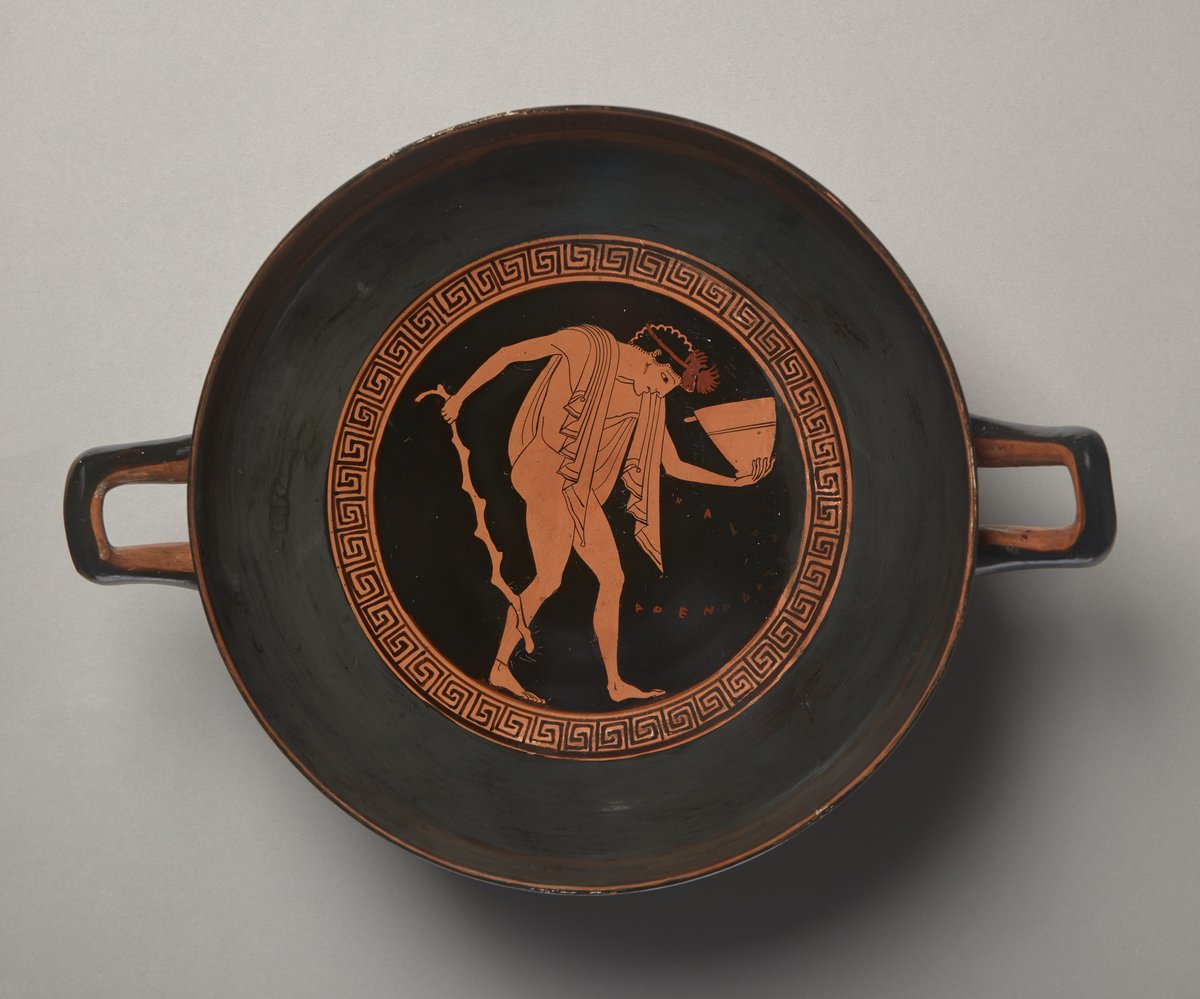
The Ancient Art Gallery features artifacts from Egypt, Greece, Rome, and the Near East, including papyri, sarcophagi, jewelry, and sculptures. The Medieval Art Gallery houses Poland’s most diverse collection from the period, with religious sculptures, paintings, and liturgical objects reflecting the spiritual and artistic life of the Middle Ages (Poland Insiders; Urtrips).
Polish Painting and European Masters
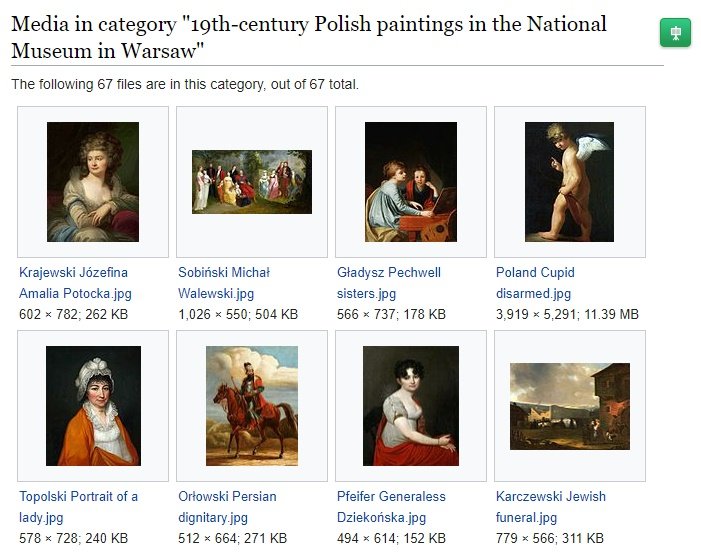
The museum’s galleries of Polish painting trace the nation’s artistic development from the Renaissance to the 20th century. Key highlights include:
- Jan Matejko’s Historical Paintings: Monumental works such as "The Battle of Grunwald" are central to Polish national consciousness.
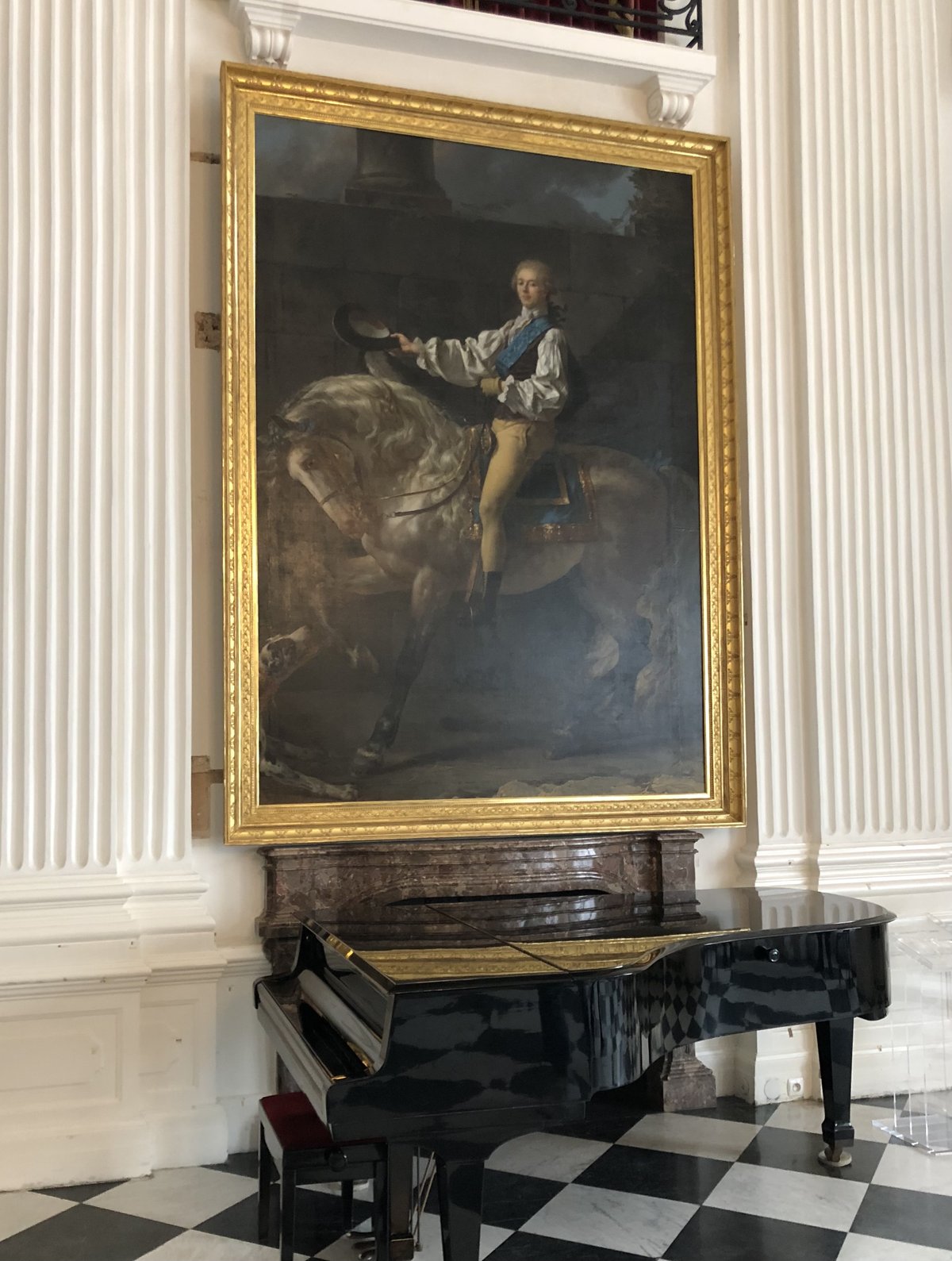
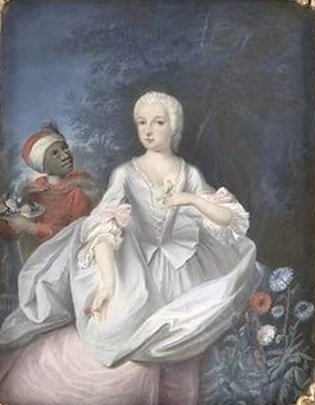
- Portraits by Marcello Bacciarelli: Capturing the Enlightenment elite.
- Symbolists and Modernists: Works by Jacek Malczewski, Stanisław Wyspiański, and Olga Boznańska.
The European Masters collection features paintings by Rembrandt, Botticelli, Cranach the Elder, Canaletto (Bellotto), and others. Rembrandt’s "Girl in a Picture Frame" and "Scholar at His Writing Table" are among the most prized (Najlepszewwarszawie.com).
Decorative, Applied, and Modern Art
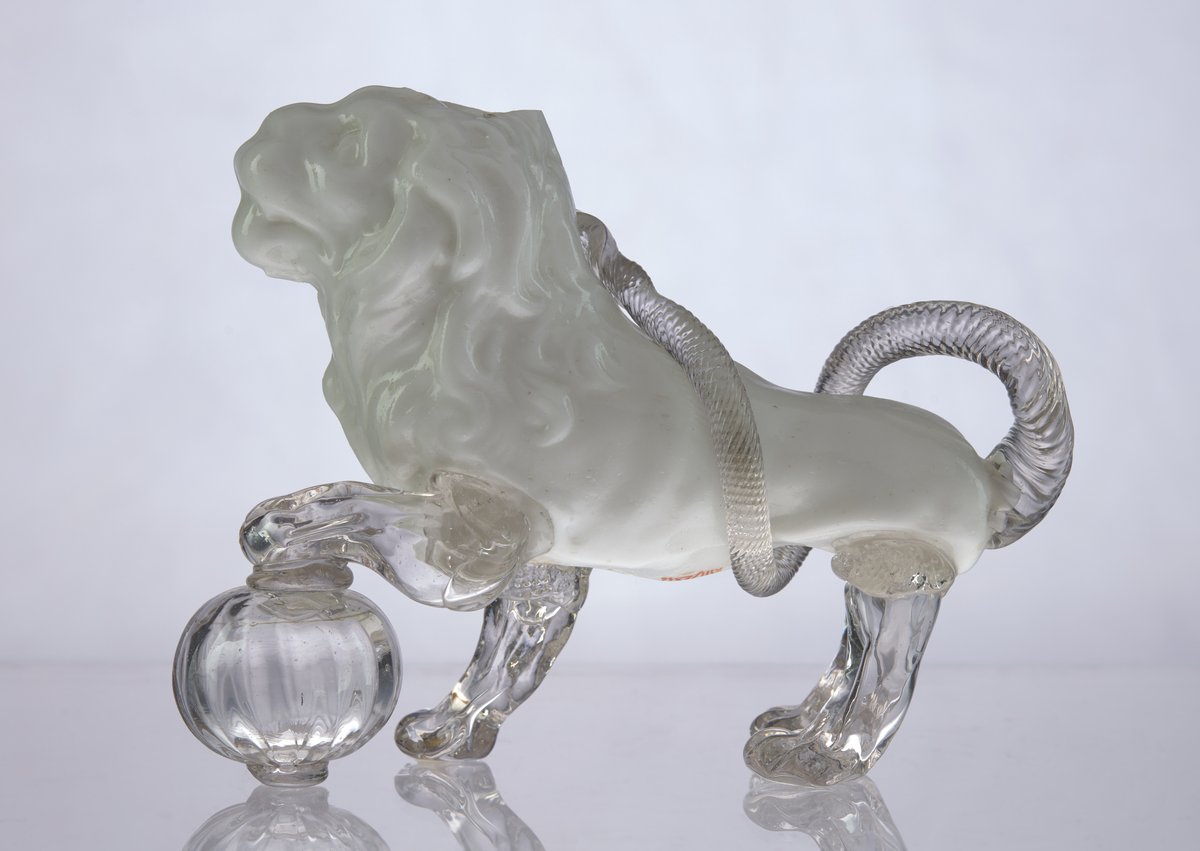
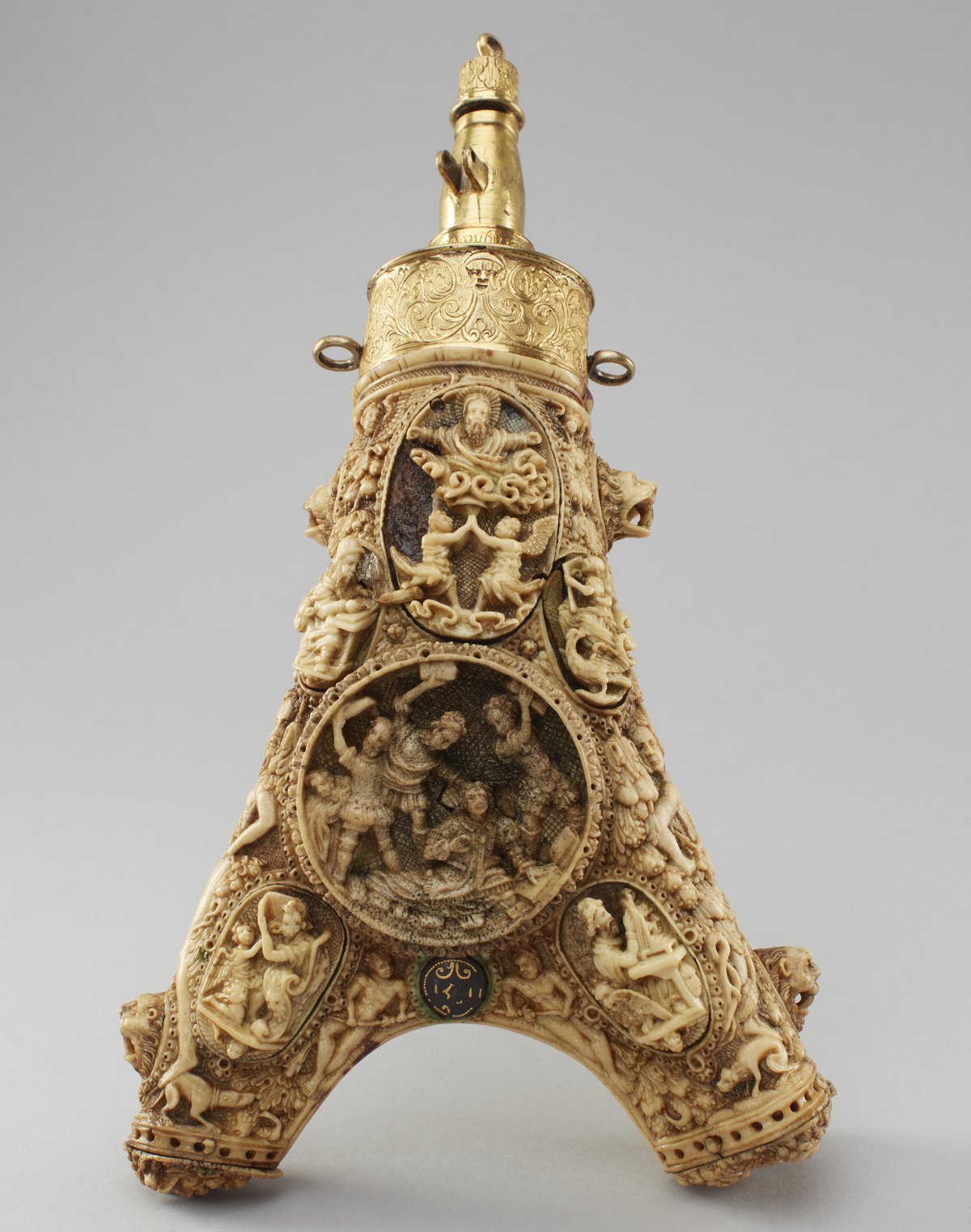
The museum’s decorative arts collection includes ceramics, glass, textiles, furniture, and metalwork from Poland and across Europe, including Limoges enamels and Meissen porcelain. The numismatics department features coins and medals, while the graphic arts collection holds works by Dürer and Goya. Modern and contemporary galleries showcase 20th- and 21st-century Polish art, with rotating temporary exhibitions highlighting current trends (Poland Insiders).
Visiting Information
Hours and Ticket Prices
- Opening Hours: Tuesday to Sunday: 10:00 AM–6:00 PM (Thursdays until 8:00 PM). Closed on Mondays.
- Ticket Prices: General admission: 25 PLN; reduced (students, seniors): 15 PLN; children under 7: free. Free entry to permanent exhibitions every Wednesday. Separate tickets may be required for temporary exhibitions.
- Tickets: Purchase online (official website) or at the entrance. Online booking is recommended, especially for special exhibitions (mnw.art.pl).
Accessibility
The National Museum is committed to accessibility, offering:
- Wheelchair access and elevators to all floors
- Clearly marked accessible restrooms
- Free audio guides and guided tours tailored for visitors with special needs
- Assistance upon request (mnw.art.pl)
Travel Tips
- Getting There: Located at Aleje Jerozolimskie 3, easily accessible by tram, bus, or a short walk from the Centrum metro station (warsawvisit.com).
- Parking: Limited street parking is available; public transport is recommended.
- Duration: Allocate at least 2–3 hours. Art lovers may wish to spend half a day.
- Peak Times: Weekends and free-admission days are busiest. Weekday mornings are quieter.
- Photography: Non-flash photography is allowed in permanent galleries; restrictions may apply in temporary exhibitions (whichmuseum.com).
Guided Tours and Special Events
- Guided Tours: Available in English, Polish, German, and Ukrainian; book in advance for groups.
- Audio Guides: Rentable at the entrance in multiple languages.
- Special Events: Regular temporary exhibitions, workshops, lectures, and cultural events are held throughout the year. Check the museum’s calendar for updates.
Practical Visitor Guidance
- Cloakroom and Lockers: Free near the entrance.
- Museum Shop: Offers art books, souvenirs, and exhibition catalogs.
- Café: Ideal for refreshments and breaks.
- Maps and Apps: Pick up a floor plan or use the museum’s app for navigation, as the layout can be complex (mnw.art.pl).
- Family-Friendly: Restrooms on every floor, baby-changing stations, and occasional children’s workshops.
Nearby Attractions
Located in Warsaw’s city center, the museum is close to:
- Łazienki Park
- Royal Castle
- Warsaw Uprising Museum
- POLIN Museum of the History of Polish Jews
- Old Town Market Square
The area offers diverse dining and accommodation options for all budgets (warsawvisit.com).
Frequently Asked Questions (FAQ)
Q: What are the National Museum in Warsaw visiting hours?
A: Tuesday to Sunday, 10:00 AM–6:00 PM (Thursdays until 8:00 PM). Closed on Mondays.
Q: How much do tickets cost?
A: General admission is 25 PLN; reduced rates for students and seniors; children under 7 free. Separate tickets may be needed for temporary exhibitions.
Q: Is the museum accessible for visitors with disabilities?
A: Yes, with elevators, ramps, and accessible restrooms throughout.
Q: Are guided tours available?
A: Yes, in multiple languages. Pre-booking is advised.
Q: Can I take photos inside?
A: Non-flash photography is permitted in permanent galleries; temporary exhibitions may restrict photography.
Q: What is the best way to get there?
A: Use tram, bus, or walk from the Centrum metro station; limited parking nearby.
Listen to the full story in the app
The whole National Museum In Warsaw,
told well.
Audio guides for 1,100+ cities across 96 countries. History, stories, and local insight — offline ready.
Verified, and shown.
Researched and written by the Audiala editorial team from historical records, architectural archives, and local expertise.
Researched from Wikidata, Wikipedia & official sources · fact-checked · How we make our guides →