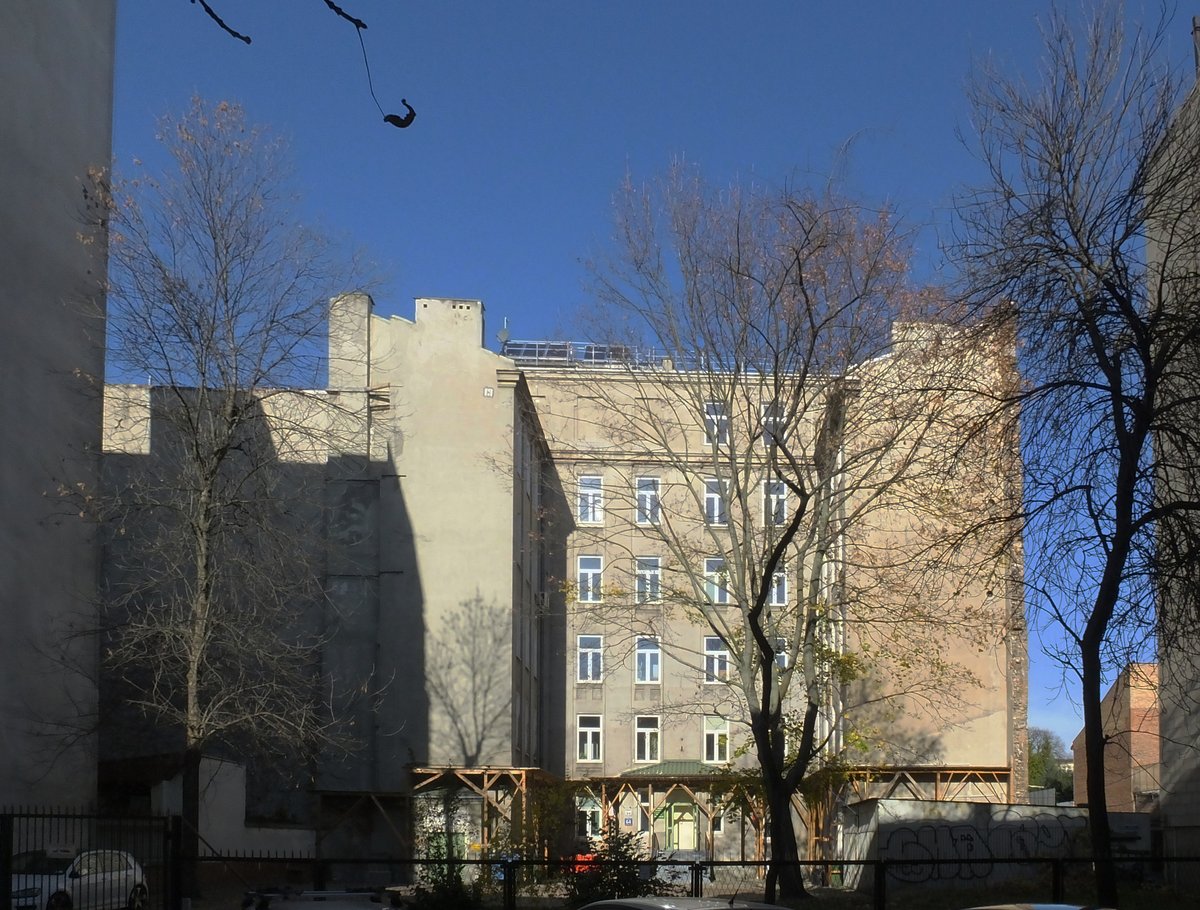
Plan and listen to Museum And Institute Of Zoology Of The Polish Academy Of Sciences with Audiala.
Audio guide in your pocket, itinerary in your browser. Built for the way you actually visit.
Introduction
Located in the vibrant heart of Warsaw, the Museum and Institute of Zoology of the Polish Academy of Sciences (MIZ PAN) is a cornerstone of zoological research, education, and cultural heritage in Poland. Established in 1819, it houses one of Europe’s most significant zoological collections, serving academics, students, and the general public alike. Visitors can expect immersive exhibitions, interactive learning opportunities, and access to millions of zoological specimens that highlight both Poland’s natural biodiversity and the global significance of zoological science (DiSSCo; RCIN).
This comprehensive guide provides detailed information on the museum’s historical significance, collections, research contributions, visiting hours, ticketing, accessibility, and tips for making the most of your visit. Whether you are a natural history enthusiast, a scholar, or a family seeking an educational outing, the Museum and Institute of Zoology offers a unique and enriching experience (MIZ PAN Official Website; PolandInsiders).

Historical Significance and Foundation
The origins of MIZ PAN trace back to 1819, beginning with Baron Sylwiusz Minckwitz’s private collection, which became the foundation for the Zoological Cabinet of the Royal University of Warsaw. Over the 19th and 20th centuries, this collection expanded significantly, particularly through support from the Branicki family, who sponsored global scientific expeditions. Despite the profound impact of World War II, during which part of the collection was lost, the museum was rebuilt and, in 1953, became part of the Polish Academy of Sciences (RCIN).
This longstanding institution not only preserves specimens of exceptional scientific value but also reflects Poland’s historical commitment to the advancement of natural sciences and public education.
Scope and Importance of the Collections
Today, the Museum and Institute of Zoology houses approximately 4.5 million specimens, making it the largest zoological repository in Poland and one of the most important in Central Europe. The collections include:
- Birds: One of the continent’s largest ornithological collections, including numerous type specimens.
- Molluscs and Arachnids: Extensive holdings crucial for ecological and taxonomic studies.
- Insects: A rebuilt and still expanding collection supporting research in biodiversity.
- Other Vertebrates: Significant mammal, reptile, amphibian, and fish specimens, many of which are rare or endangered.
The collections serve not only as a scientific archive but also as a reference for research in taxonomy, systematics, and conservation biology (DiSSCo).
Research and Academic Contributions
MIZ PAN is at the forefront of zoological research, with faculty conducting advanced studies in systematics, genetics, sociobiology, and evolution. The institution supports four internationally recognized periodicals: Annales Zoologici, Acta Ornithologica, Fragmenta Faunistica, and Memorabilia Zoologica (Acta Ornithologica).
The museum’s commitment to digitalization has resulted in roughly 30% of its collections being digitized, broadening access for researchers worldwide. New acquisitions are preserved under conditions suitable for molecular and genetic research, reflecting contemporary scientific standards (DiSSCo).
Educational Programs and Public Engagement
MIZ PAN engages diverse audiences, from primary school children to postgraduate researchers. Educational programs include guided tours, interactive exhibits, lectures, and workshops. The museum’s extensive library, with over 230,000 volumes and valuable archives, supports scholarly work and public learning (RCIN).
Collaboration with schools, universities, and cultural institutions enhances outreach and fosters scientific literacy among the broader public.
International Collaboration and Digitalization
The museum actively participates in international research networks, biodiversity documentation projects, and conservation initiatives. Its collections are shared with institutions worldwide for research and exhibitions, cementing MIZ PAN’s role as a global scientific partner (DiSSCo).
Visitor Information: Hours, Tickets, and Access
Location
- Address: ul. Wilcza 64, 00-679 Warsaw, Poland
- Directions: Accessible via tram lines 4, 10, 14, and bus lines 105, 116. The museum is close to Warsaw’s Old Town and other major attractions (PolandInsiders; MIZ PAN Official Website).
Visiting Hours
- Monday: Closed
- Tuesday to Friday: 10:00 AM – 4:00 PM
- Saturday and Sunday: 11:00 AM – 5:00 PM
- Please check the official website for holiday schedules or special closures.
Ticket Prices
- Adults: 15 PLN
- Students and Seniors: 10 PLN
- Children under 7: Free
- Family/Group tickets: Available
- Tickets can be purchased at the entrance or online via the official website.
Accessibility
- Wheelchair-accessible entrances and elevators
- Accessible restrooms
- Service animals welcome
- Contact the museum for additional assistance if needed
Facilities
- Restrooms, cloakroom, and small gift shop
- No café on site, but numerous eateries are nearby
Museum Layout and Key Exhibits
The museum’s thoughtfully designed exhibition spaces are organized to ensure an intuitive visitor flow. Signage is provided in both Polish and English.
Permanent Exhibitions
- Polish Fauna: Displays feature native species and Poland’s biodiversity.
- Exotic Species: Specimens from around the globe, including striking mammals and birds.
- Insect Collection: One of Central Europe’s most comprehensive, with thousands of butterflies, beetles, and other insects.
- Osteological Displays: Comparative anatomy exhibits showcasing various vertebrate skeletons.
Temporary Exhibitions
- Regularly changing exhibits cover themes such as conservation, animal behavior, and current research, often with interactive or multimedia elements.
Family-Friendly and Interactive Features
Families and school groups can enjoy:
- Interactive displays (touch screens, magnification stations)
- Activity corners and scavenger hunts
- Bilingual exhibit labels (Polish and English)
- Educational games and resources
Practical Visitor Tips
- Plan Ahead: Check the official website for updated hours, ticketing, and special exhibitions.
- Guided Tours: Available in Polish and English; book in advance for group or educational visits.
- Photography: Permitted without flash or tripods.
- Combine Visits: Pair your museum trip with a visit to nearby attractions like the Royal Castle, POLIN Museum, or Warsaw University Botanical Garden.
- Souvenirs: The gift shop offers educational toys, books, and zoology-themed items.
Nearby Attractions
- Warsaw University Botanical Garden
- Royal Łazienki Park
- Warsaw Uprising Museum
- Old Town and Royal Castle These attractions can be easily included in a day’s itinerary for a rich cultural experience.
Frequently Asked Questions (FAQ)
Q: What are the museum’s opening hours?
A: Tuesday to Friday, 10:00 AM – 4:00 PM; weekends, 11:00 AM – 5:00 PM; closed Mondays.
Q: How much are tickets?
A: Adults 15 PLN, students/seniors 10 PLN, children under 7 free.
Q: Is the museum accessible for visitors with disabilities?
A: Yes, there are ramps, elevators, and accessible restrooms.
Q: Are guided tours available?
A: Yes, in Polish and English by prior arrangement.
Q: Can I take photographs?
A: Yes, but no flash or tripods are allowed.
Listen to the full story in the app
The whole Museum And Institute Of Zoology Of The Polish Academy Of Sciences,
told well.
Audio guides for 1,100+ cities across 96 countries. History, stories, and local insight — offline ready.
Verified, and shown.
Researched and written by the Audiala editorial team from historical records, architectural archives, and local expertise.
Researched from Wikidata, Wikipedia & official sources · fact-checked · How we make our guides →