Plan and listen to Mdm Quarter with Audiala.
Audio guide in your pocket, itinerary in your browser. Built for the way you actually visit.
Introduction to MDM Quarter Warsaw: Essential Visitor Information
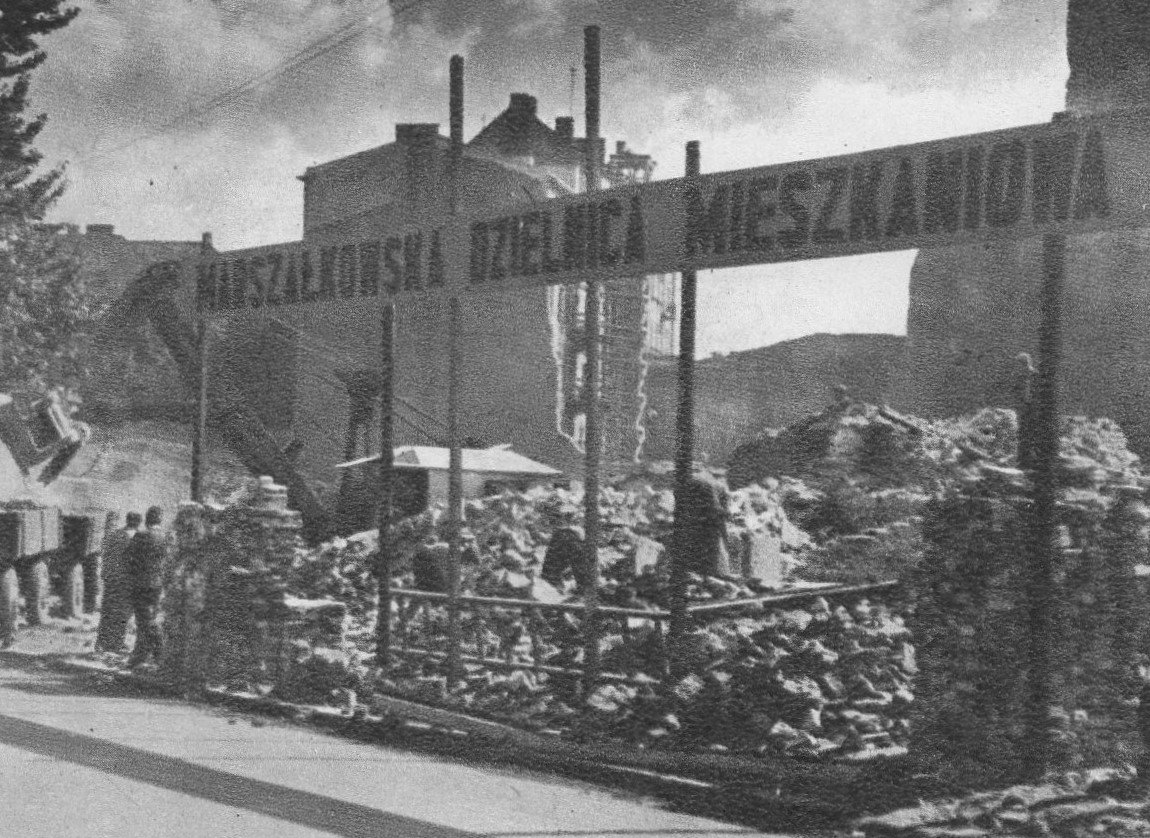
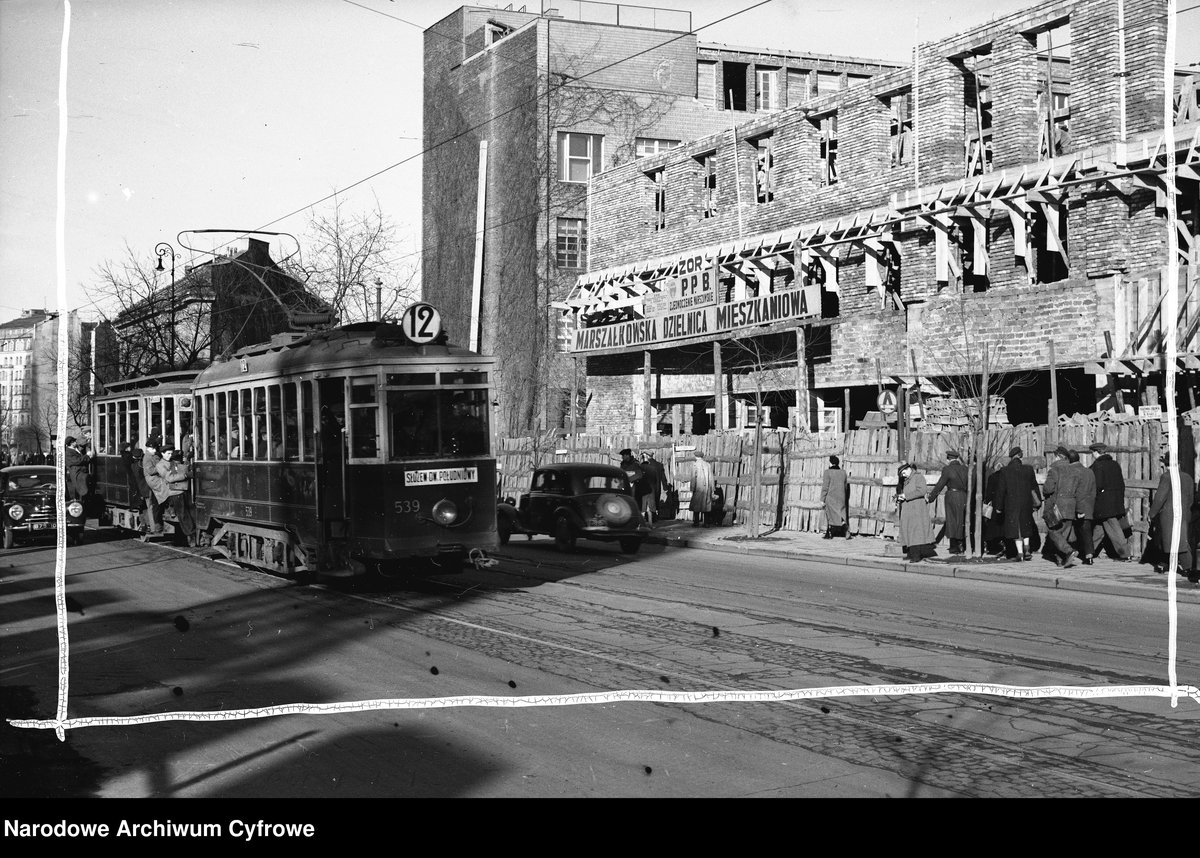
Located in the heart of Warsaw, the Marszałkowska Dzielnica Mieszkaniowa (MDM) Quarter is a striking symbol of Poland’s post-World War II rebirth and urban transformation. Built between 1950 and 1952, MDM exemplifies socialist realist architecture and urban planning, reflecting both the era’s ideological ambitions and the city’s need for large-scale reconstruction. As a living museum of postwar Warsaw, MDM offers visitors a chance to experience grand boulevards, monumental facades, and vibrant community spaces that have evolved into key cultural and social hubs.
This guide provides a detailed overview of MDM’s history, architectural highlights, practical visiting tips, and answers to common questions. Whether you’re interested in architecture, history, or Warsaw’s dynamic city life, MDM is a must-see destination. For updated information on opening hours, tickets, tours, and more, consult official tourism resources (Warsaw Tourism Official Site, Muzeum Warszawy, Architectuul).

Historical Context and Genesis of MDM
Postwar Reconstruction and Ideological Vision
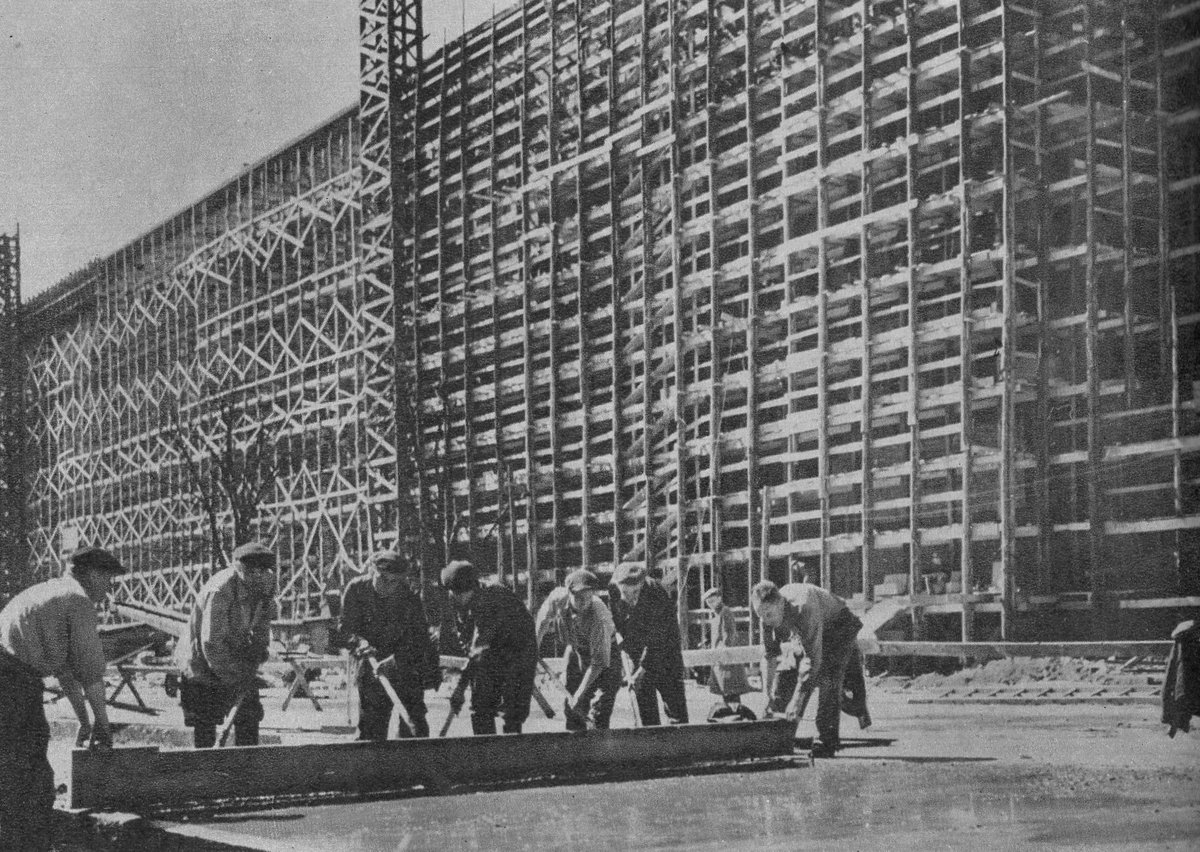
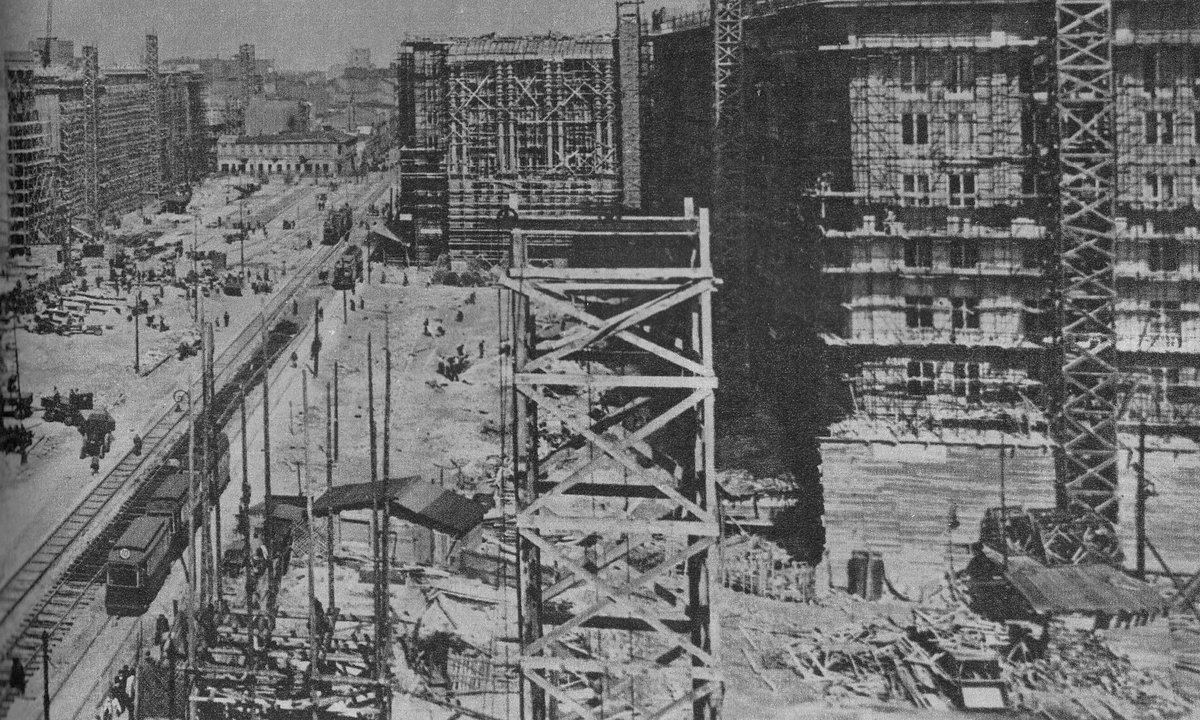
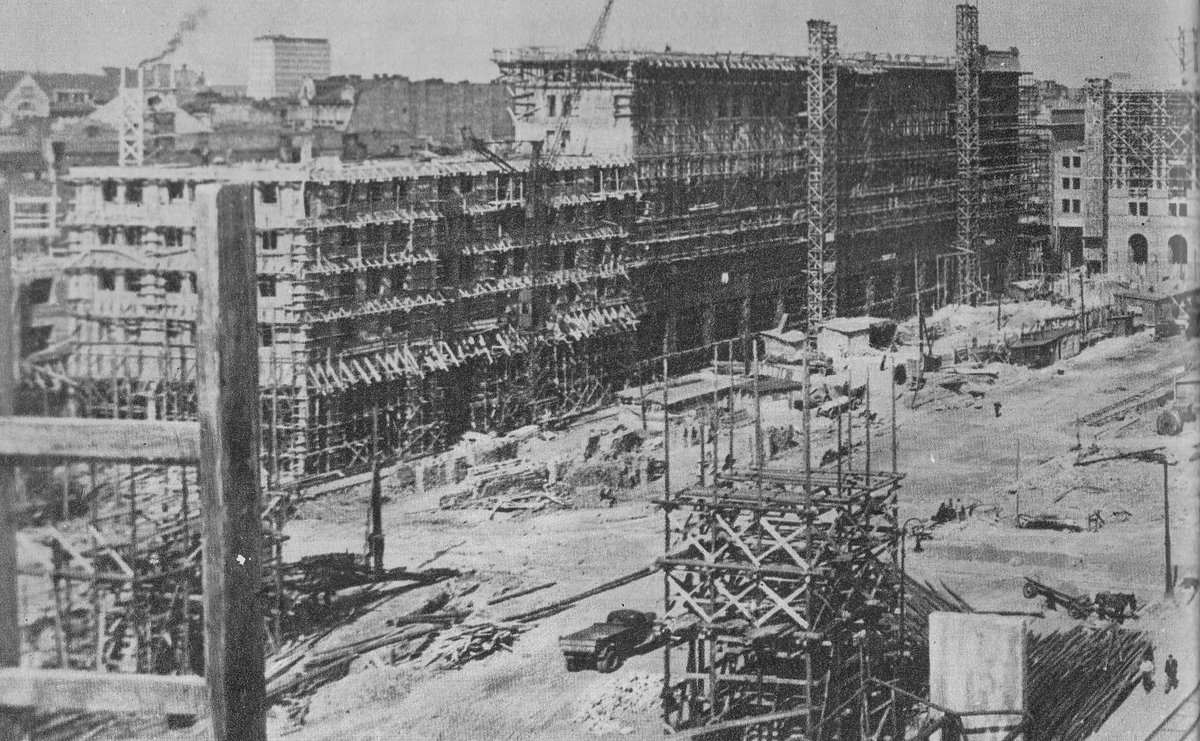
After the devastation of World War II, with over 80% of Warsaw destroyed, the Communist authorities initiated a massive rebuilding effort. MDM was conceived not just as a residential district, but as a flagship of socialist realist urbanism, embodying the vision of a "people’s city" and a model for the new socialist citizen (Warsaw Tourism Official Site). Inspired by Soviet examples, the project aimed to integrate working-class residents into the city’s core, symbolized by the creation of Constitution Square (Plac Konstytucji) and wide, ceremonial boulevards.
Planning, Design, and Construction
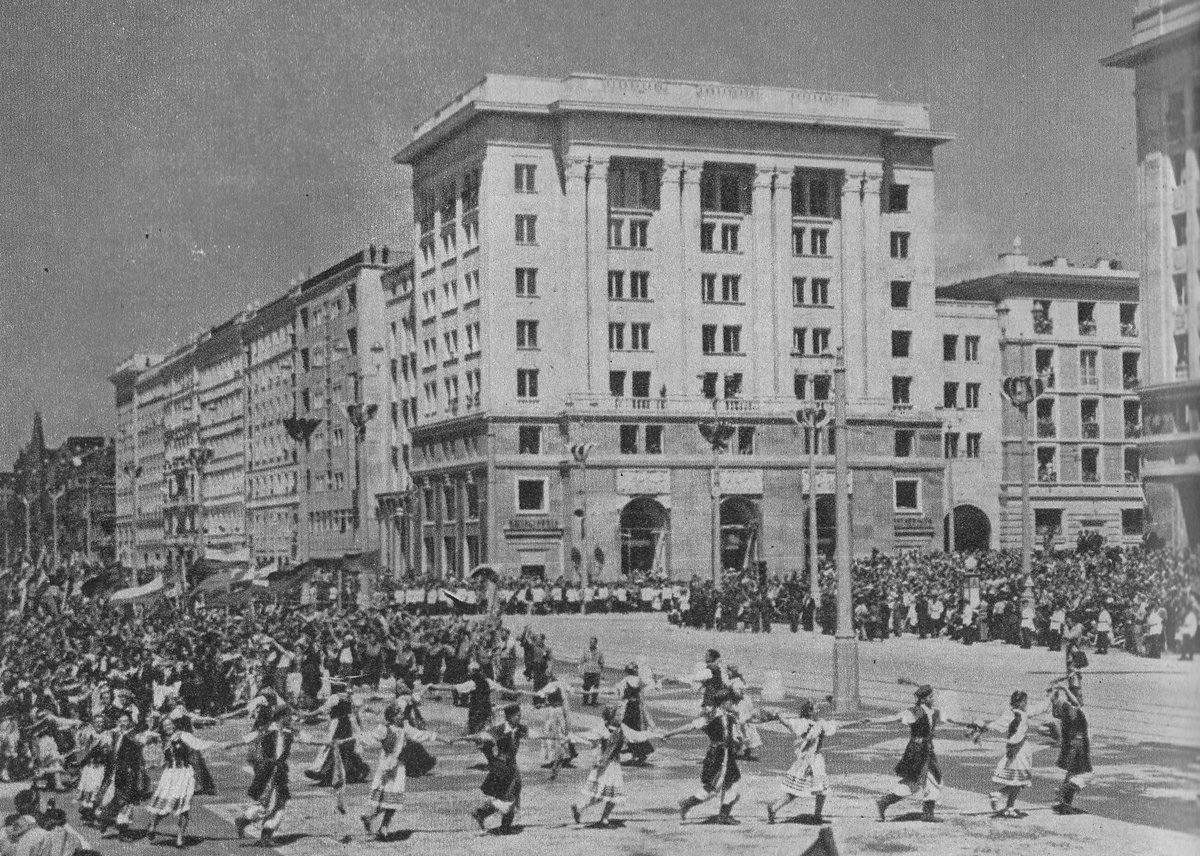
MDM was designed by leading architects including Józef Sigalin, Stanisław Jankowski, Jan Knothe, and Zygmunt Stępiński. Construction began in 1950 and the main section was completed by July 1952, inaugurated on the anniversary of the PKWN Manifesto (Muzeum Warszawy). MDM’s design features monumental facades, symmetrical layouts, and decorative elements such as bas-reliefs and sculptures that glorify workers and socialist ideals. The integration of the district with the pre-war street grid reflects a balance between new urban forms and historical continuity (European Investment Bank).
Architectural Features and Urban Design
Socialist Realism in Practice
MDM is a showcase of socialist realist architecture—massive cornices, stone cladding, arcaded ground floors for shops, and sculptural decorations depicting labor and family life. The main buildings along Marszałkowska Street and Constitution Square stand six to eight stories tall, emphasizing axial perspectives and urban grandeur (Muzeum Warszawy, Architectuul).
Key Elements
- Constitution Square (Plac Konstytucji): The visual and social heart of MDM, originally intended for public parades and gatherings.
- Arcades and Commercial Spaces: Sheltered walkways lined with cafes, shops, and services foster street life.
- Artistic Details: Sculptures, reliefs, and mosaics, such as those by Hanna Żuławska and Hanna Główczewska, enrich the architectural landscape.
Integration with the City
MDM’s planners carefully connected the new district with Warsaw’s existing street grid, widening Marszałkowska Street to create a ceremonial axis while maintaining links to surrounding neighborhoods (Muzeum Warszawy).
Visiting MDM: Hours, Tickets, and Guided Tours
Opening Hours and Entry
- Public Spaces: MDM is an open urban district, accessible 24/7 with no entrance fees.
- Museums and Cultural Venues: Nearby institutions, such as the Heritage Interpretation Centre, usually operate Tuesday–Sunday, 10:00 AM–6:00 PM. Always check official websites for current hours.
Tickets
- District Access: Free.
- Museums/Tours: Some exhibitions and guided tours may require tickets, available online or onsite.
Guided Tours and Events
- Architecture and History Tours: Local operators offer themed walks focusing on socialist realist architecture and the district’s history (The Thorough Tripper).
- Cultural Events: Constitution Square and surrounding streets regularly host exhibitions, concerts, and markets, especially during city festivals.
Key Attractions and Photographic Highlights
- Plac Konstytucji: Capture the symmetry of socialist realist design and monumental lamp posts.
- MDM Hotel: The first postwar hotel in Warsaw, featured in Andrzej Wajda’s “Innocent Sorcerers,” with its iconic rooftop neon sign (WhiteMAD).
- Mosaics and Reliefs: Artistic highlights include the mosaics in Constitution Square’s passageways and the decorative panels on building facades.
- Neon Heritage: Look for restored neon signs illuminated at dusk and visit the nearby Neon Museum for more.
- Local Cafés and Nightlife: Ground-floor arcades host historic and trendy venues, such as the celebrated Pod Kurantami café and Pod Kandelabrami club (Architectuul).
Accessibility and Visitor Amenities
- Transport: MDM is easily accessible via the Politechnika metro station (Line M1), trams, and buses along Marszałkowska Street (Mundo Maya Travel).
- Walking: Wide sidewalks and pedestrian zones make the area ideal for walking tours.
- Wheelchair Accessibility: Most public spaces and newer venues are accessible. Some older buildings may have limited access.
- Safety: The district is safe, well-lit, and lively throughout the day and evening. Standard precautions apply.
Practical Tips and Frequently Asked Questions (FAQ)
Q: Are there entrance fees to visit MDM?
A: No, the district is free to access. Tickets may be required for specific museums or guided tours.
Q: What are the best times to visit?
A: Spring through early autumn offers pleasant weather and festivals. Early mornings or late afternoons provide optimal photography conditions.
Q: Are guided tours available?
A: Yes, several operators and museums offer tours focusing on architecture and history.
Q: Is MDM family- and wheelchair-friendly?
A: Yes, MDM is suitable for families and most public areas are accessible. Some older entrances may have steps.
Q: How do I get to MDM?
A: Take the metro to Politechnika station or use city trams and buses.
Q: Where can I eat or stay in MDM?
A: Numerous cafes, restaurants, and the historic MDM Hotel offer diverse options for dining and accommodation.
Legacy and Contemporary Relevance
MDM stands as a model of postwar urban planning and is protected as a historic monument since 2015. Its architecture and public spaces continue to spark debate about the legacy of socialist realism, while revitalization projects have ensured its role as a vibrant, integrated part of Warsaw’s city center (European Investment Bank, Muzeum Warszawy).
Nearby Highlights
- Łazienki Park: Royal gardens and palaces within walking distance.
- The Royal Route: Historical avenue with museums and churches.
- Warsaw Old Town: Rebuilt UNESCO World Heritage site.
- Palace of Culture and Science: Iconic skyscraper with observation deck.
Summary: Highlights and Tips for Visiting MDM Quarter Warsaw
The MDM Quarter is an essential destination for anyone interested in Warsaw’s postwar history, urban planning, and vibrant city life. Its monumental architecture, rich cultural scene, and accessibility make it ideal for independent exploration, guided tours, and family visits. Free to access and centrally located, MDM offers a unique blend of historical depth and contemporary vibrancy. For an enhanced experience, download the Audiala app and follow official Warsaw tourism channels for event updates and travel tips (Warsaw Heritage Foundation, Warsaw Tourism Official Site, Muzeum Warszawy).
Listen to the full story in the app
The whole Mdm Quarter,
told well.
Audio guides for 1,100+ cities across 96 countries. History, stories, and local insight — offline ready.
Verified, and shown.
Researched and written by the Audiala editorial team from historical records, architectural archives, and local expertise.
Researched from Wikidata, Wikipedia & official sources · fact-checked · How we make our guides →