Plan and listen to Mazowiecka Street with Audiala.
Audio guide in your pocket, itinerary in your browser. Built for the way you actually visit.
Introduction to Mazowiecka Street in Warsaw
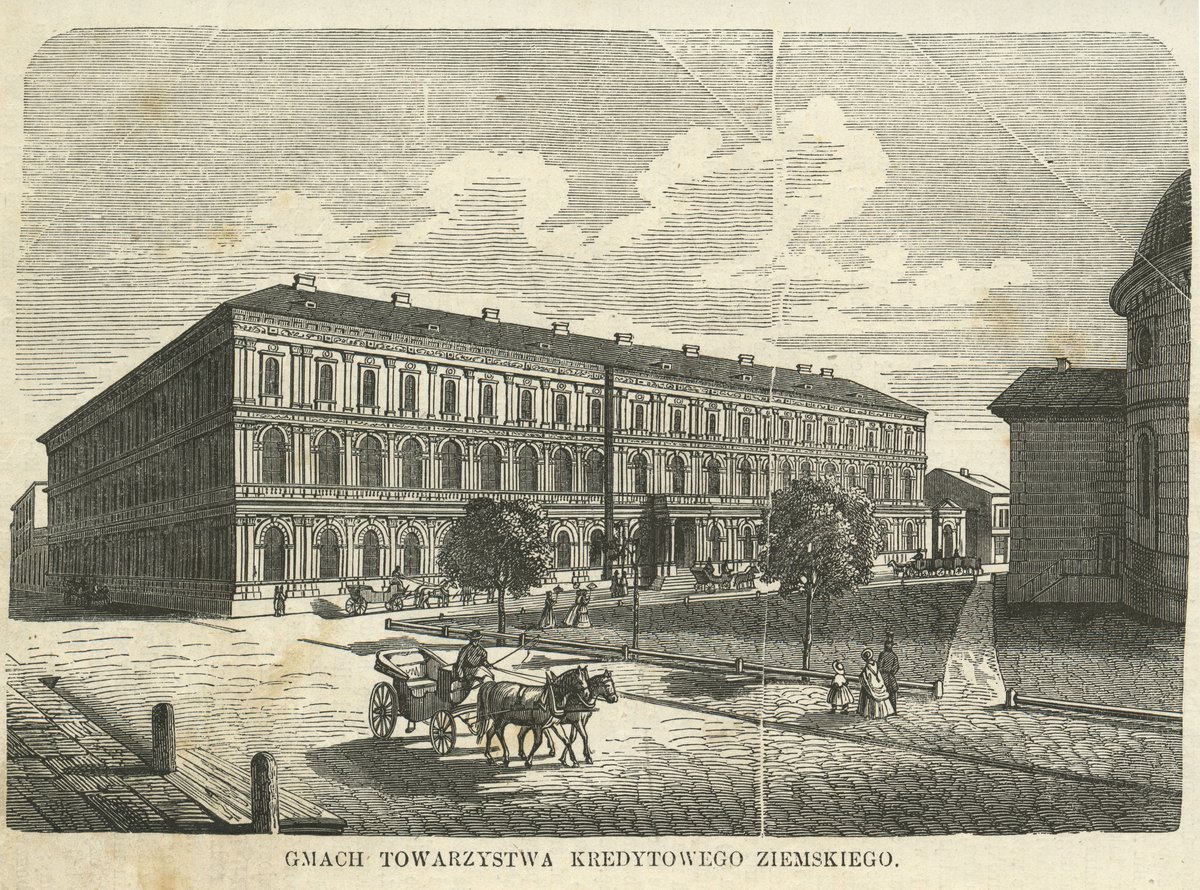
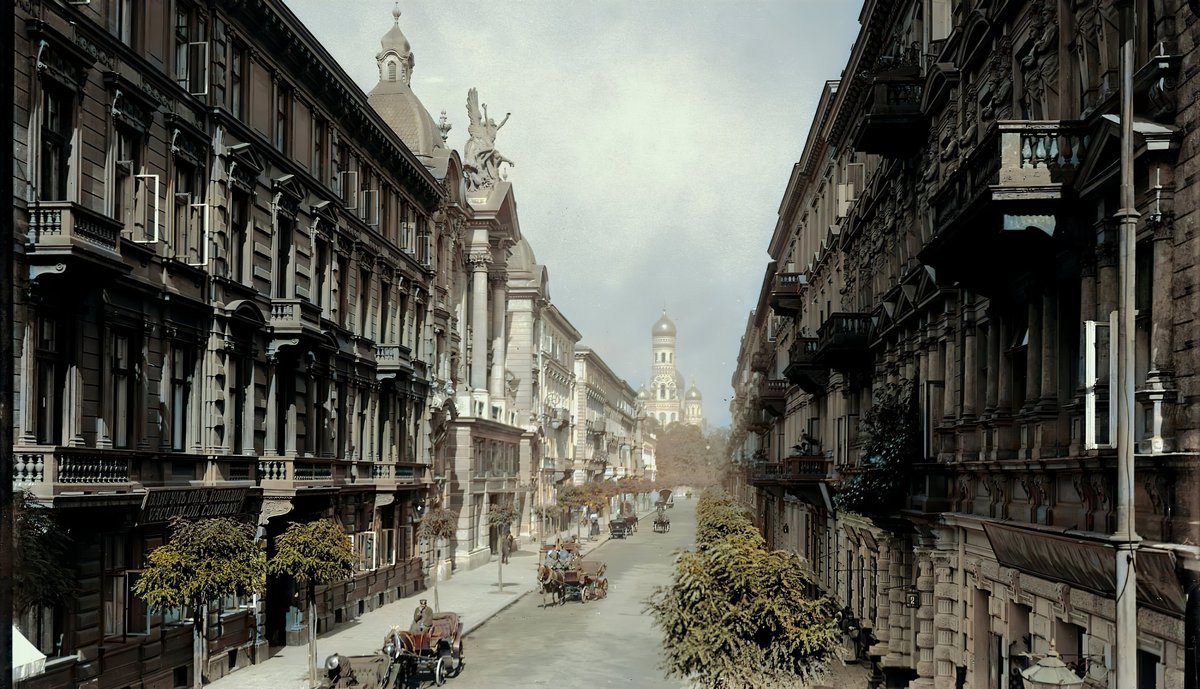
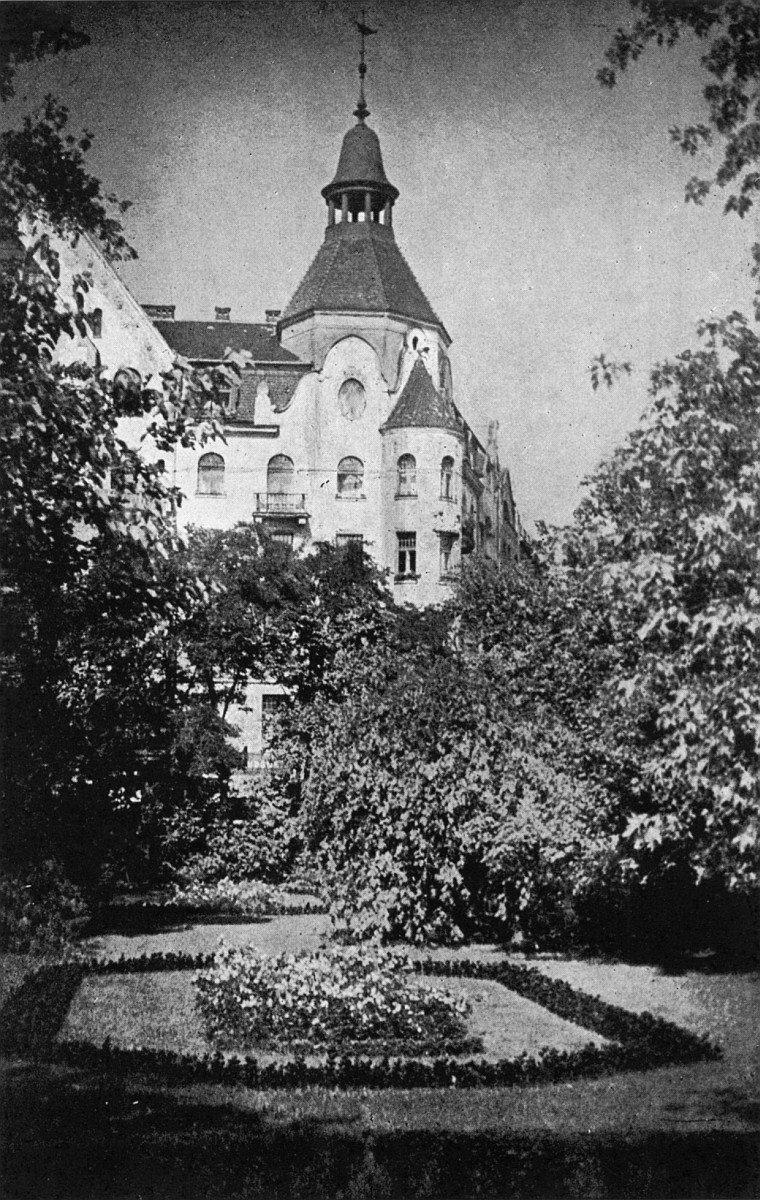
Mazowiecka Street, situated in the bustling Śródmieście district of Warsaw, is a vibrant thoroughfare that showcases the city’s resilience, historical richness, and modern spirit. Established during Warsaw’s urban expansion in the 18th and 19th centuries, Mazowiecka has transformed into a hub of architectural heritage, dynamic nightlife, and artistic innovation. Here, visitors encounter a street where preserved war-damaged sites like the Gate Memorial at 11a Mazowiecka stand side-by-side with trendy clubs, art galleries, and restaurants. Its visual tapestry—ranging from 19th-century eclecticism and early modernism to post-war reconstruction and contemporary design—reflects the city’s ongoing evolution (Architecture of Warsaw; From Past to Present: The Evolution of Warsaw, Poland’s Architecture).
Mazowiecka Street is more than just a collection of buildings; it is a living corridor of Warsaw’s cultural life. Renowned clubs such as Enklawa and Room 13, as well as the House of the Visual Artist, make the street a focal point for creativity, inclusivity, and celebration. Regular festivals, artistic events, and public gatherings keep its energy high throughout the year (nightlifepartyguide.com; InTravel; Warsaw’s Festivals and Events). Whether you’re exploring by day or soaking up its vibrant nightlife, Mazowiecka Street offers open access, guided tours, and proximity to iconic attractions such as the Old Town, Royal Route, and National Theatre (whitemad.pl; touropia.com; View Warsaw).

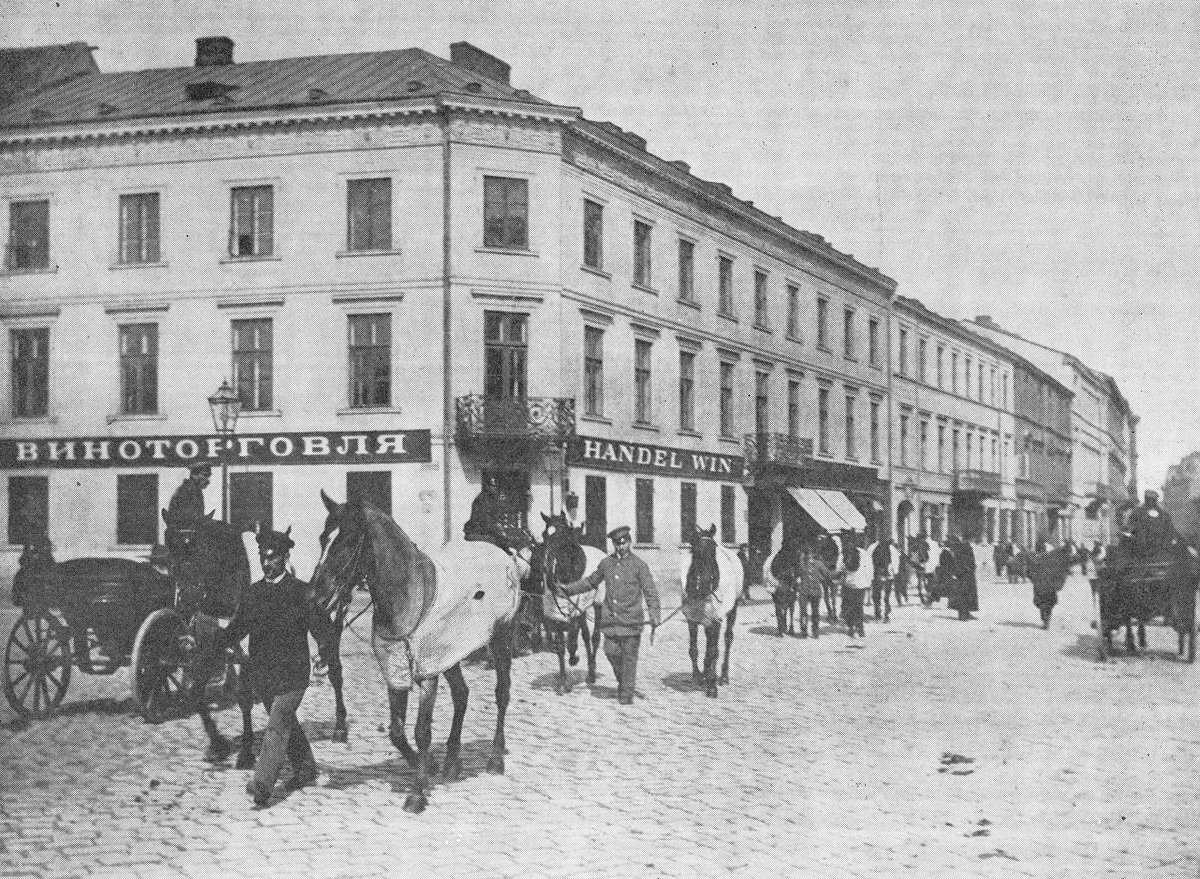
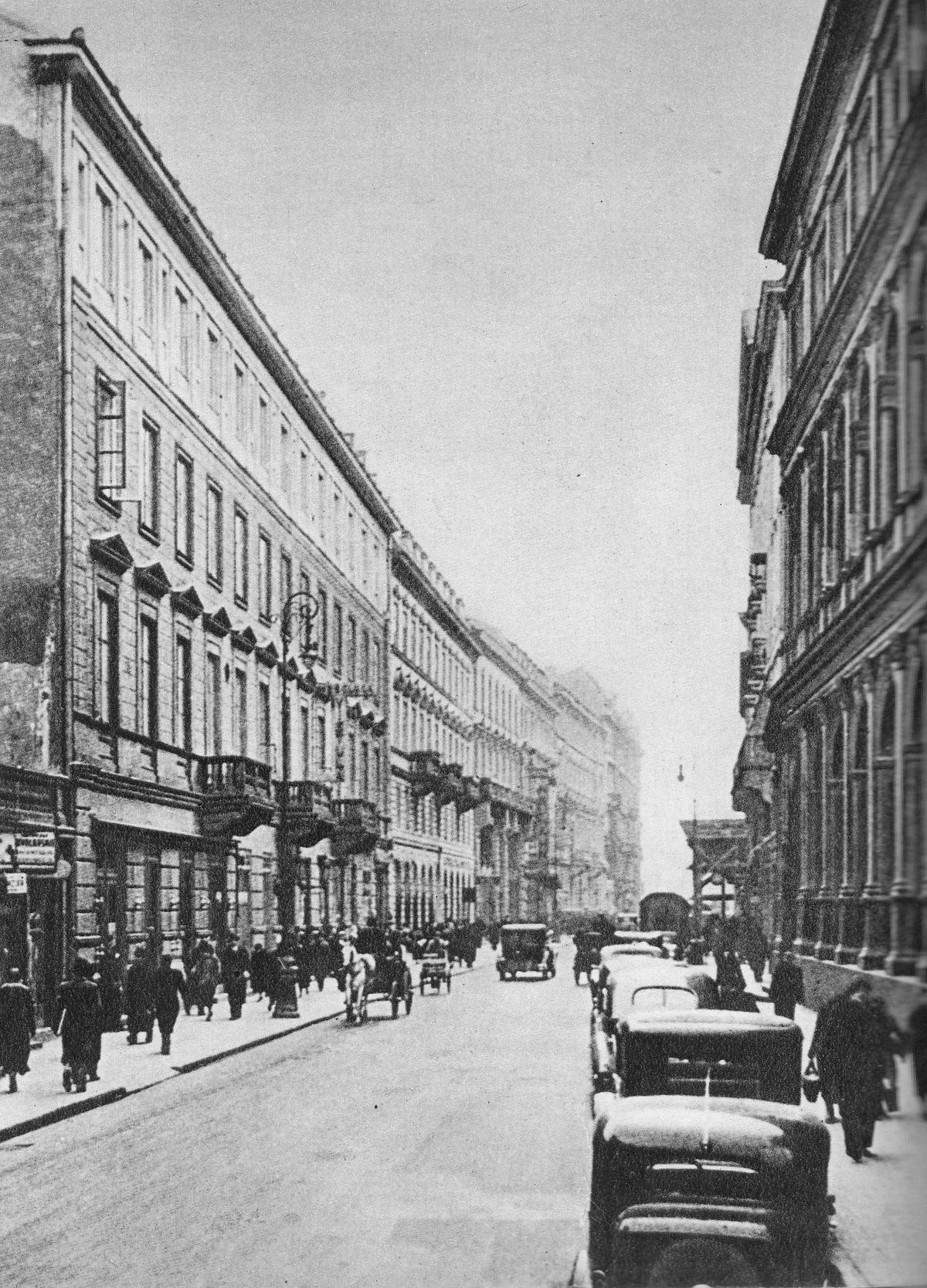
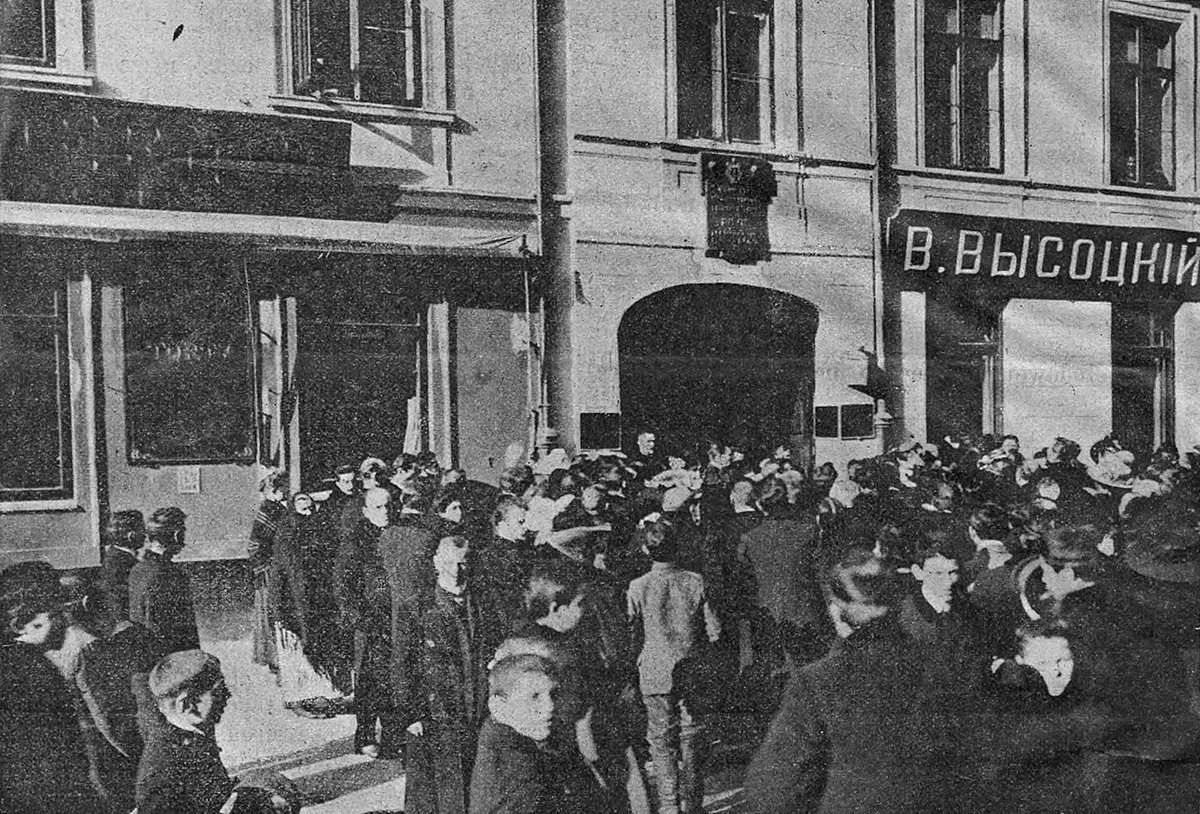
Origins and Early Development
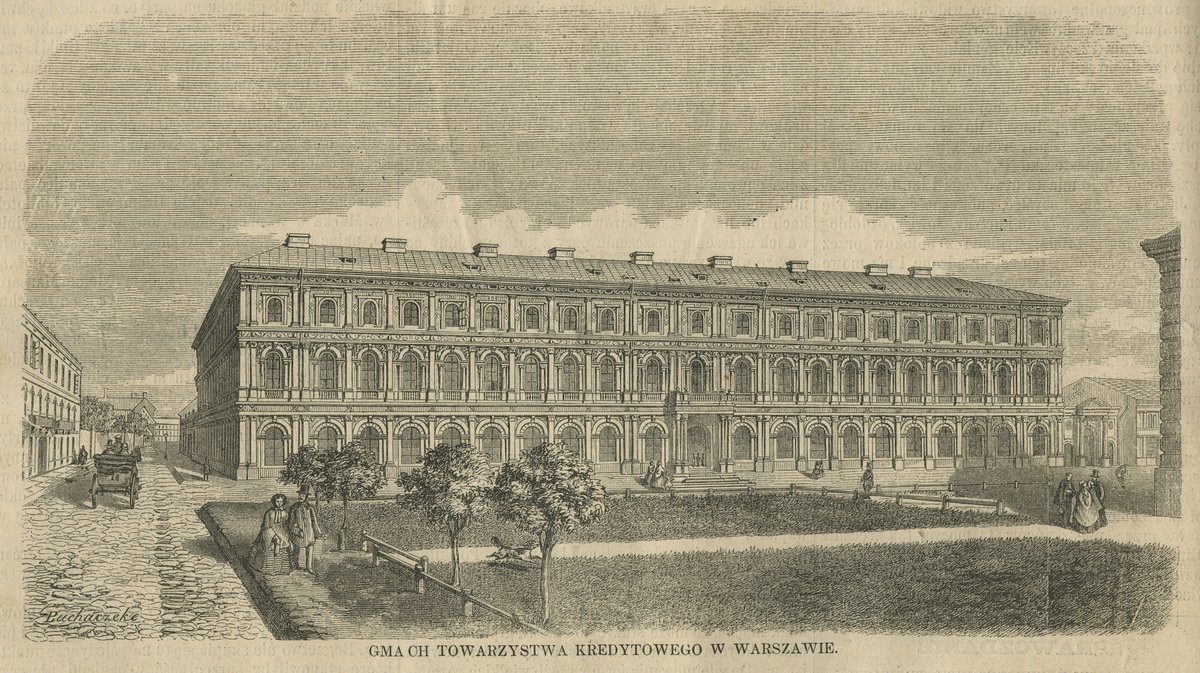
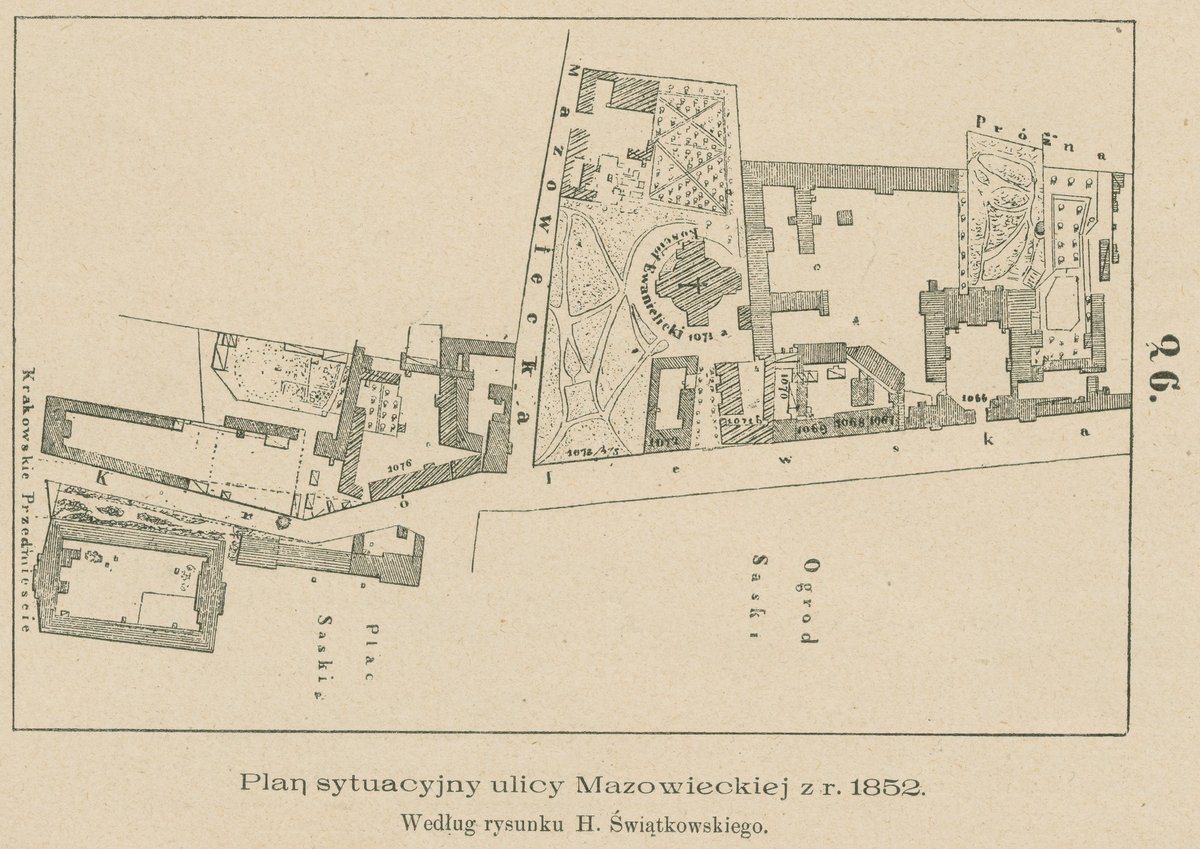
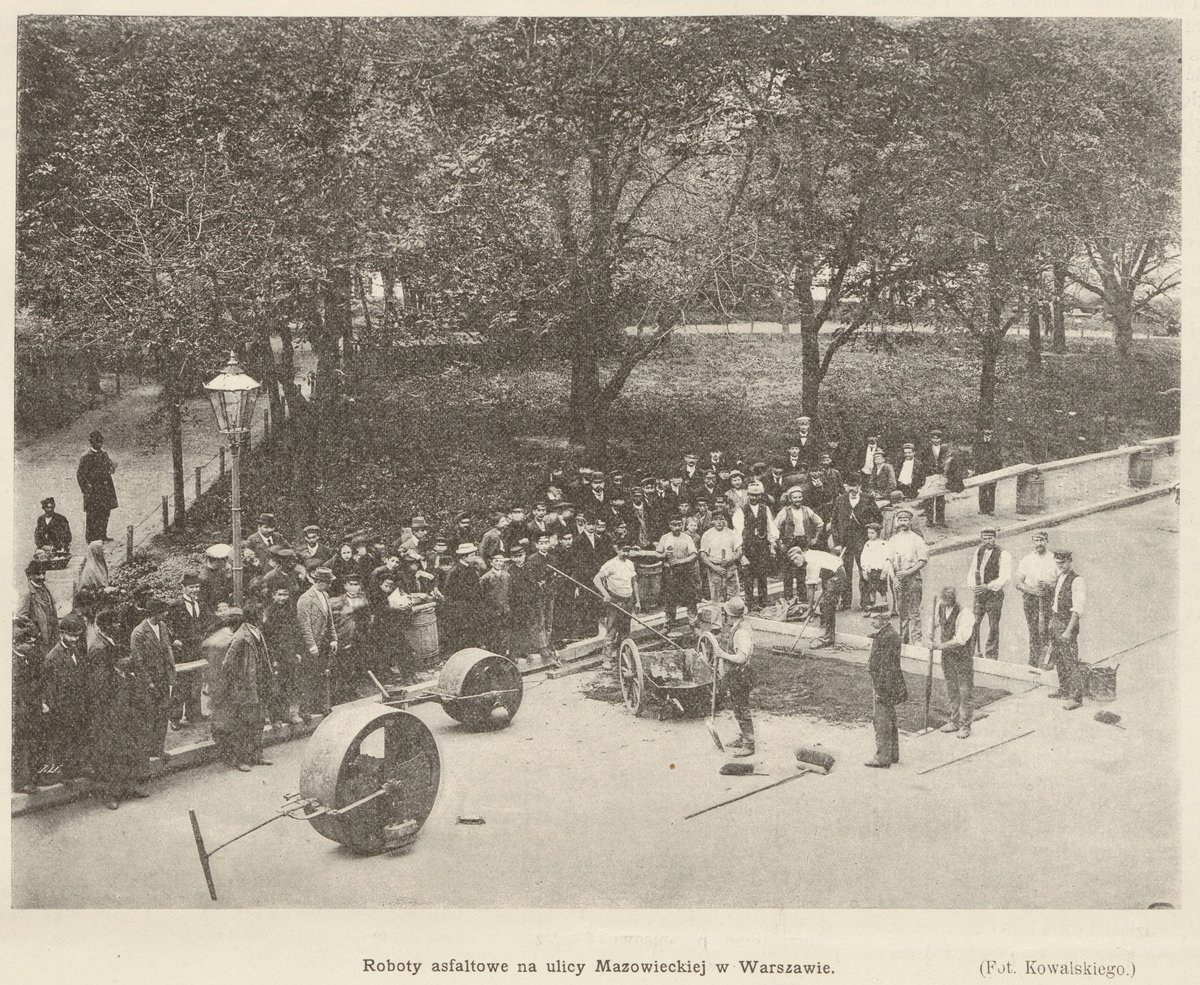
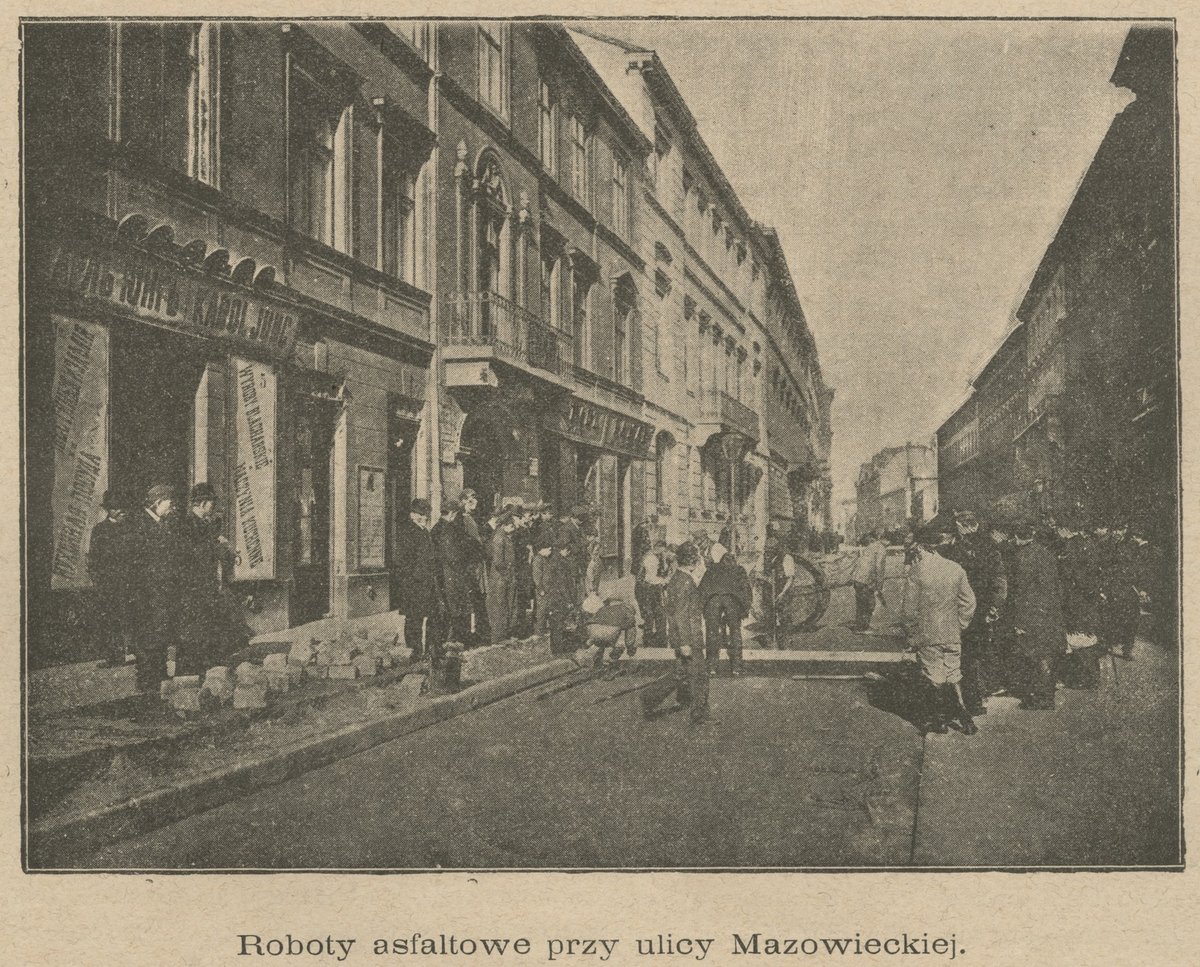
Mazowiecka Street’s origins are intertwined with Warsaw’s 18th and 19th-century expansion, serving as a crucial connector between the Old Town and emerging neighborhoods. Named after the Mazovia region, it quickly became a significant route for commerce, civic life, and residential development (Architecture of Warsaw). Its layout and growth mirrored Warsaw’s aspirations to become a modern European capital.
Architectural Evolution
19th Century: Eclecticism and Urban Growth
The 19th century ushered in a period of architectural diversity for Mazowiecka Street, with tenement houses and commercial buildings reflecting eclectic blends of neoclassical, neo-renaissance, and art nouveau styles. This era’s ornate facades and decorative details revealed the ambitions of Warsaw’s burgeoning middle class (From Past to Present: The Evolution of Warsaw, Poland’s Architecture).
Early 20th Century: Modernism and Functionalism
As modernist ideals took hold in the early 20th century, Mazowiecka Street embraced geometric forms and functional design. New buildings prioritized utility while still maintaining a vibrant urban atmosphere, making the street attractive for offices, shops, and cultural venues.
World War II and Post-War Reconstruction
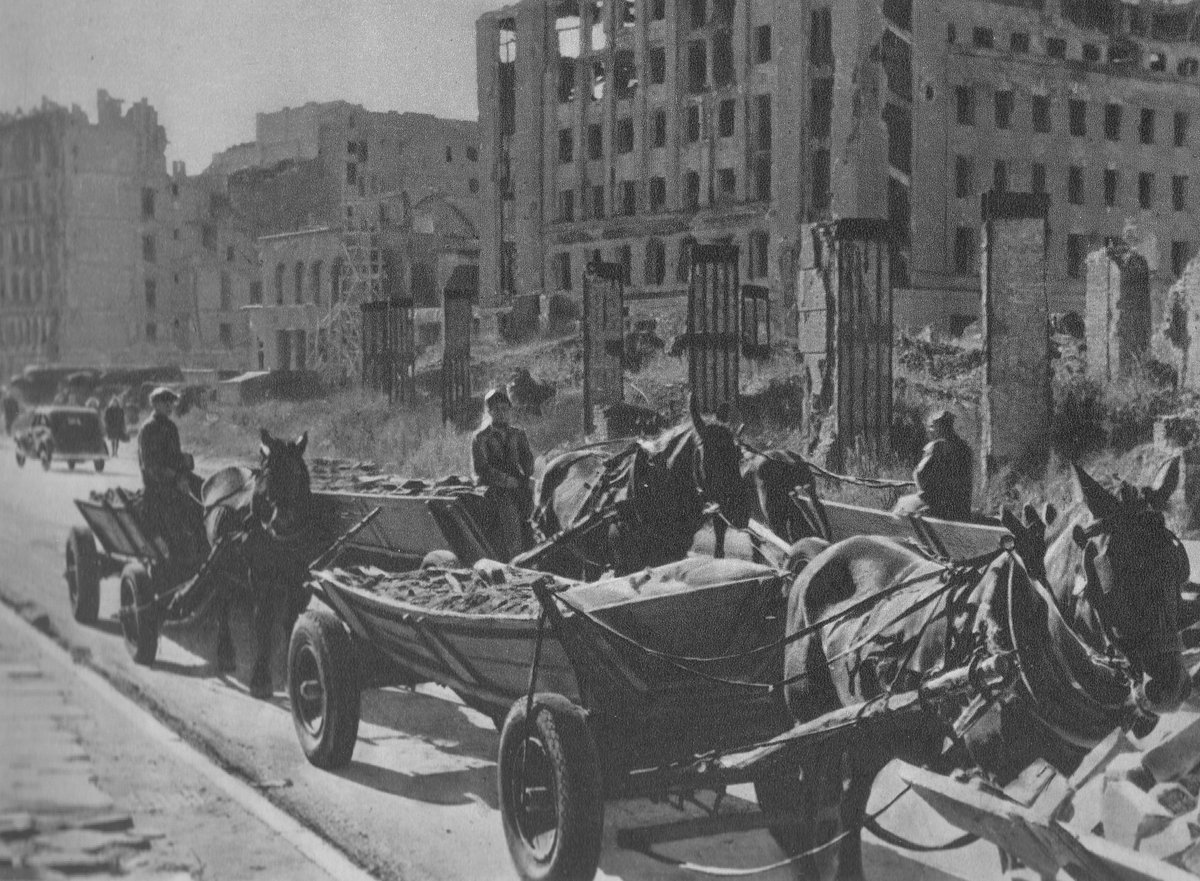
World War II devastated central Warsaw, and Mazowiecka was no exception. The Warsaw Uprising and subsequent destruction left the street in ruins. Post-war efforts focused on both restoration and adaptation: some facades were painstakingly rebuilt, while other structures were replaced by socialist realist architecture, resulting in a layered, resilient streetscape (Architecture of Warsaw).
Contemporary Renewal
In recent decades, Mazowiecka Street has seen renewed investment. Modern office spaces, restaurants, and entertainment venues now energize the area, juxtaposing sleek new buildings with restored historical features (From Past to Present: The Evolution of Warsaw, Poland’s Architecture).
Cultural Significance
Social and Artistic Life
Historically, Mazowiecka was a meeting ground for Warsaw’s intellectuals, artists, and writers, abetted by its proximity to cultural institutions like the National Theatre. Today, its galleries, exhibitions, and creative venues continue this tradition (Warsaw’s Festivals and Events).
Nightlife and Urban Identity
Mazowiecka is now synonymous with Warsaw’s nightlife. Clubs such as Enklawa, Ritual, and Room 13 draw diverse crowds and embody Warsaw’s cosmopolitan and inclusive spirit. Artistic expression is woven into the fabric of the street, with venues frequently showcasing local art, music, and installations (nightlifepartyguide.com; InTravel).
Festivals and Public Events
The street’s centrality ensures its involvement in major events—from marathons and parades to jazz festivals and art openings—cementing its role as a key site for public celebration (Warsaw’s Festivals and Events).
Visitor Information: Mazowiecka Street Visiting Hours, Tickets, and Travel Tips
Visiting Hours and Access
Mazowiecka Street is publicly accessible 24/7. No ticket is required for the street itself, though individual venues (clubs, galleries) may have specific hours and entry fees.
Guided Tours and Special Events
Several Warsaw walking tours feature Mazowiecka Street, often combining historical, architectural, and nightlife insights. Check with tour operators or official Warsaw tourism website for schedules.
Accessibility
The street is wheelchair-accessible, and public transport (metro, buses, trams) serves the area. Some venues may have steps or cobblestone entrances; it’s best to check accessibility in advance.
Travel Tips
- Daytime is ideal for exploring architecture and galleries; evenings are best for nightlife.
- Dress smart-casual for clubs.
- English is widely spoken, but learning basic Polish phrases is appreciated.
- Stay alert and travel in groups at night, as in any major city (The Unique Poland).
Notable Events and Historical Moments
Interwar Period
The years between the World Wars saw Mazowiecka Street flourish as a center of commerce and café culture, embodying Poland’s independence and cultural renaissance.
World War II and the Warsaw Uprising
The street suffered greatly during the Nazi occupation and Uprising. The Gate Memorial at 11a Mazowiecka is a poignant reminder, its war scars preserved as part of the “Wounds of Memory” project (whitemad.pl).
Post-Communist Revival
After 1989, liberalization and investment transformed Mazowiecka into a lively urban destination, reflecting Warsaw’s broader transformation.
Mazowiecka Street in Warsaw’s Urban Fabric
Mazowiecka Street’s central location connects it to historic arteries like Nowy Świat and the Royal Route, and it’s within walking distance of the Old Town and National Theatre. Its architectural diversity and vibrant street life make it essential to Warsaw’s urban identity (From Past to Present: The Evolution of Warsaw, Poland’s Architecture).
Nightlife and Dining Guide
Key Nightlife Venues
- Enklawa Art & Music Club (Mazowiecka 12): Themed parties, top DJs (InTravel).
- Ritual Club (Mazowiecka 12): Immersive themed experiences.
- La Pose Varsovie (Mazowiecka 6): Luxurious, exclusive events.
- Jazz Club Tygmont (Mazowiecka 6/8): Renowned live jazz (InTravel).
- Room 13 (Mazowiecka 13): Eclectic music, creative crowd.
- Mazo Bar (Mazowiecka 9): European and gluten-free cuisine.
Clubs typically open from 10 PM to 4 AM; restaurants open earlier, and many venues operate late into the night (View Warsaw).
Dining Highlights
Mazowiecka offers everything from traditional Polish food to international cuisine. Notable nearby options include Gościniec for pierogi, La Luce for Italian dishes, and Epoka for modern Polish fare (Najlepsze w Warszawie). Many establishments feature outdoor seating in summer.
Practical Tips
- Entry fees for clubs range from 10–50 PLN; check ahead for dress codes and reservations.
- The area is LGBTQ+ friendly and inclusive.
- Most venues accept card payments; tipping 10% is customary but not obligatory.
Frequently Asked Questions (FAQ)
Q: Are there any entrance fees to visit Mazowiecka Street?
A: No, the street itself is public and free to visit. Club entry fees may apply.
Q: What are the best times to visit?
A: Daytime for history and architecture, evenings and weekends for nightlife.
Q: Is Mazowiecka Street accessible by public transport?
A: Yes, the area is served by metro, trams, and buses.
Q: Are guided tours available?
A: Yes, many local operators include Mazowiecka in their routes.
Q: Is the street family-friendly?
A: Historical sites and galleries are suitable for all ages; the nightlife scene is best for adults.
Plan Your Visit and Explore More
Mazowiecka Street is a microcosm of Warsaw’s fusion of history and modernity. Whether you’re a history buff, art lover, foodie, or nightlife enthusiast, this street offers a window into the city’s soul.
For current events, guided tours, and the latest recommendations, visit the official Warsaw tourism website, and consider downloading the Audiala app for personalized guides and real-time updates.
Listen to the full story in the app
The whole Mazowiecka Street,
told well.
Audio guides for 1,100+ cities across 96 countries. History, stories, and local insight — offline ready.
Verified, and shown.
Researched and written by the Audiala editorial team from historical records, architectural archives, and local expertise.
Researched from Wikidata, Wikipedia & official sources · fact-checked · How we make our guides →