Plan and listen to Królikarnia with Audiala.
Audio guide in your pocket, itinerary in your browser. Built for the way you actually visit.
Introduction to Królikarnia Warsaw
Set in the picturesque Mokotów district, Królikarnia Palace stands as a remarkable example of neoclassical architecture and a symbol of Warsaw’s resilience and cultural dynamism. Originally conceived as a royal rabbit warren in the early 18th century for King Augustus II the Strong, Królikarnia evolved through centuries of ownership changes, fires, wartime destruction, and careful restoration. Today, it’s home to the Xawery Dunikowski Museum of Sculpture—a vibrant hub for art, history, and community events, beautifully framed by a romantic English landscape park. Whether you’re seeking architectural marvels, green spaces, or an immersion in Polish sculptural heritage, Królikarnia offers a multifaceted cultural experience. For the latest visiting hours, tickets, and event schedules, refer to the official Królikarnia Museum website and the Warsaw Tourism Board. (Wikipedia; Culture.pl; Zabytek.pl)

Origins and Early History
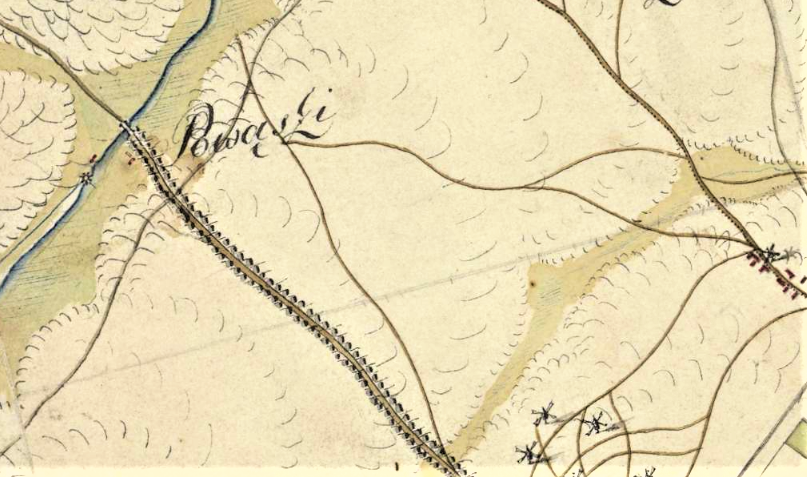
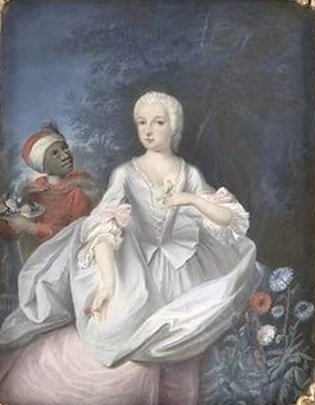
Królikarnia, meaning "The Rabbit House," began as a royal rabbit warren for King Augustus II the Strong in the early 18th century, reflecting the leisure pursuits of European aristocracy (Wikipedia). The property changed hands several times, notably coming under Count Heinrich von Brühl (minister to Augustus III) and later Duchess Marshal Izabela Lubomirska (Zabytek.pl).
Construction of the Palace
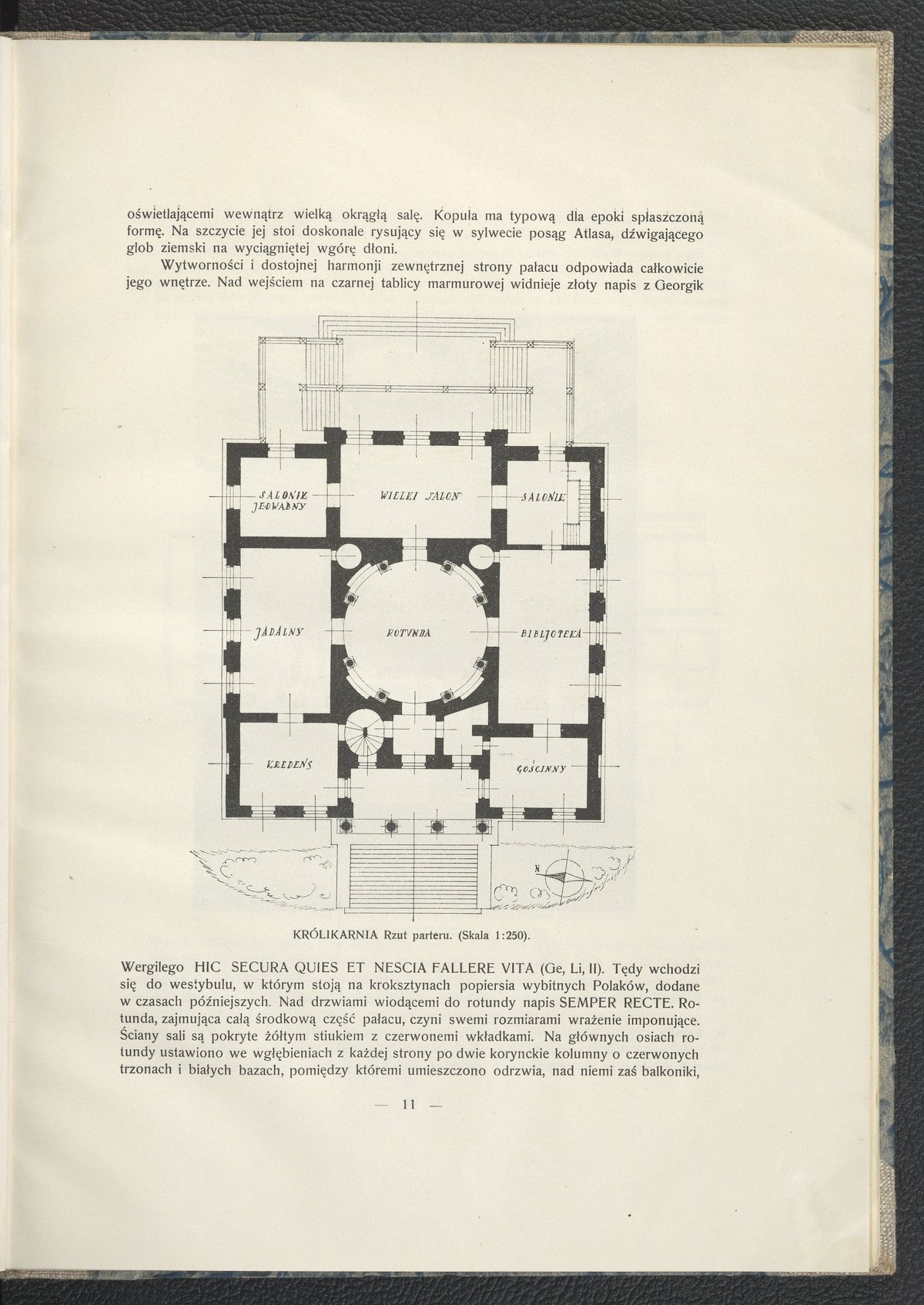
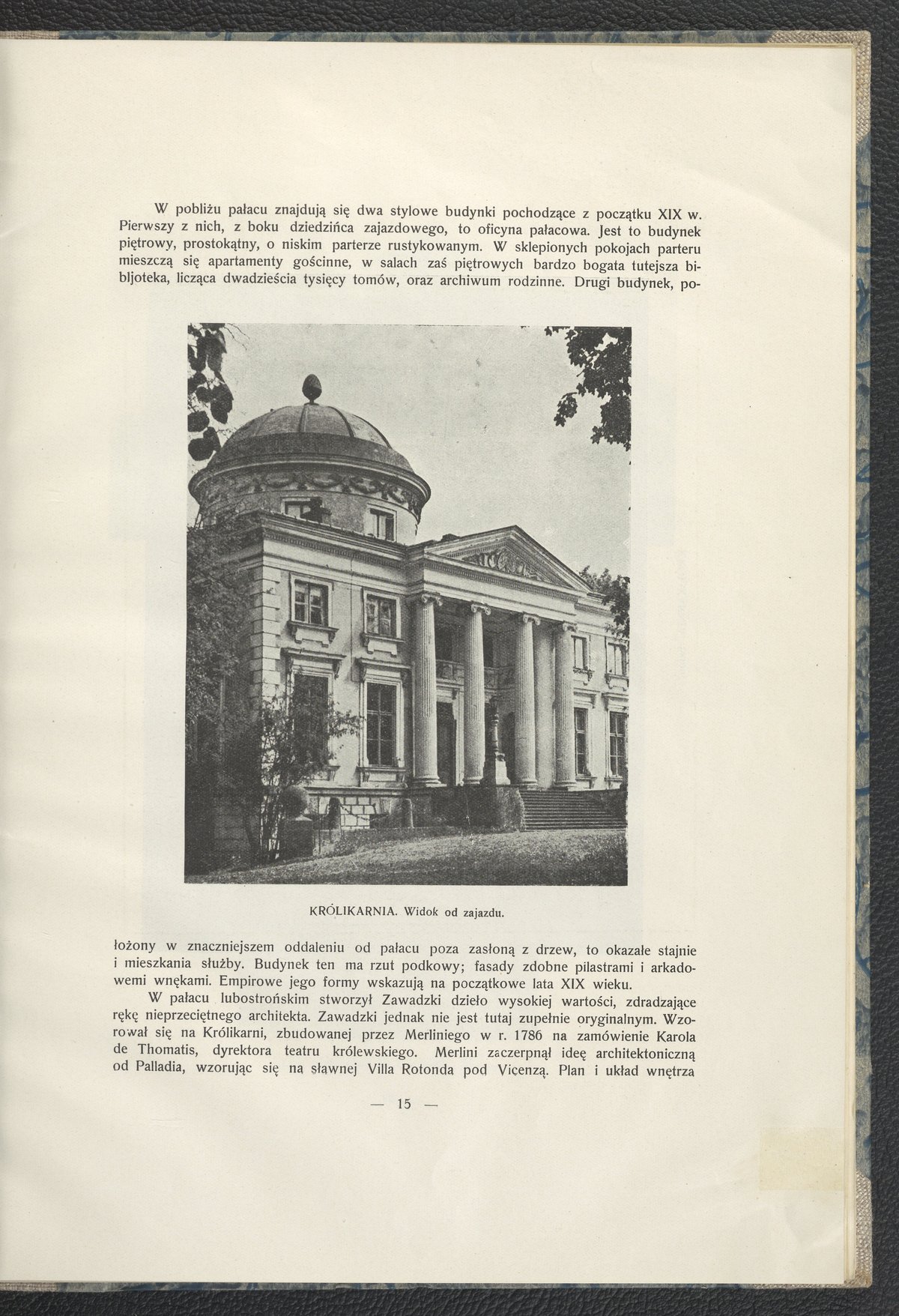
The transformation into a grand residence began under Count Charles Thomatis de Valéry in 1778, who commissioned royal architect Domenico Merlini. Drawing inspiration from Andrea Palladio’s Villa Rotonda, Merlini’s design (1782–1786) established Królikarnia as a pioneering work of Polish neoclassicism. Its compact, square plan, central rotunda, domed roof, and grand terrace overlooking Mokotów’s greenery remain defining features (Culture.pl).
19th Century: Changing Ownership and Restoration
Following Poland’s partitions, Królikarnia saw further ownership changes. In 1794, it briefly served as headquarters for Tadeusz Kościuszko during the Kościuszko Uprising (Wikipedia). Later, the Radziwiłł and Pusłowski families owned the palace, with the latter spearheading significant restoration after a devastating fire in 1879—an early example of Polish historic preservation (Zabytek.pl).
20th Century: War, Destruction, and Rebirth
World War II brought severe destruction to Królikarnia, particularly during the 1944 Warsaw Uprising. Postwar, the estate was nationalized and transformed into the Xawery Dunikowski Museum of Sculpture, reopening in 1965 after extensive restoration (Królikarnia Museum; Culture.pl).
Architectural Features and Landscape
Królikarnia’s neoclassical style is marked by symmetry and harmonious proportions. The palace has a central rotunda, dome with artichoke-shaped ornament, and a western portico with Ionic columns. It sits atop the Warsaw Escarpment, providing scenic views over Arkadia Park and the city. The landscaped grounds—originally a hunting park—are now dotted with sculptures and winding pathways (Zabytek.pl; Kids in the City).
Visitor Information: Hours, Tickets, and Access
- Museum Hours: Typically open Tuesday–Sunday, 10:00 AM–6:00 PM. Closed Mondays and public holidays. Always check the official website for updates.
- Tickets: Affordable general admission. Discounts for students, seniors, children (often under 7 free), and groups. Special exhibitions may require additional tickets.
- Guided Tours: Available in Polish and English; advance booking is recommended.
- Accessibility: Ramps and adapted restrooms ensure wheelchair access. Contact the museum for assistance if needed.
- Getting There: Located at ul. Puławska 113A, easily accessible by tram (lines 10, 14, 18, "Królikarnia" stop), metro (Wierzbno station, 10-minute walk), bus, or taxi. Limited parking is available.
- Visitor Tips: Wear comfortable shoes for exploring both the palace and park. Photography is allowed in most areas but check for specific restrictions.
Cultural Significance and Modern Role
As the Xawery Dunikowski Museum of Sculpture—Poland’s largest dedicated sculpture museum—Królikarnia is a cornerstone of Warsaw’s arts scene. The collection spans from the 15th century to contemporary works, with ongoing temporary exhibitions, performances, workshops, and community events in the palace and park (Królikarnia Museum). The site’s history of destruction and renewal mirrors Warsaw’s own, making Królikarnia a symbol of resilience and cultural continuity (Culture.pl).
Notable Historical Anecdotes
- Count Thomatis, early owner, was famed for his flamboyant lifestyle; his villa was reputed to be a “high-class brothel” in 18th-century Warsaw (Wikipedia).
- During the 1794 Kościuszko Uprising, Tadeusz Kościuszko used the palace as his headquarters.
- The post-WWII restoration of Królikarnia was among Poland’s first major conservation initiatives, influencing the preservation of other Warsaw landmarks (Królikarnia Museum).
Frequently Asked Questions (FAQ)
Q: What are Królikarnia’s visiting hours?
A: Tuesday–Sunday, 10:00 AM–6:00 PM; closed Mondays.
Q: How much are tickets?
A: General admission is affordable, with discounts for students and seniors; children under 7 often enter free. Special exhibitions may require additional fees.
Q: Are guided tours available?
A: Yes, in Polish and English. Book in advance.
Q: Is Królikarnia wheelchair accessible?
A: Yes, with ramps and accessible facilities.
Q: Can I take photos?
A: Yes, but flash and tripods may be restricted; check exhibition rules.
Q: How do I get there by public transport?
A: Trams (lines 10, 14, 18, stop "Królikarnia"), buses, and Metro Line M1 (Wierzbno station, 10-minute walk) serve the area.
Królikarnia in Warsaw’s Heritage
Królikarnia is recognized among Warsaw’s architectural gems, alongside Wilanów Palace and the Palace on the Isle in Łazienki Park (Culture.pl). Its Italianate neoclassicism, layered history, and ongoing cultural programming make it essential for understanding the city’s past and present.
Nearby Attractions
While visiting Królikarnia, consider nearby highlights such as Łazienki Park, Wilanów Palace, and Warsaw’s Royal Route (The Crazy Tourist). These sites offer further insight into Warsaw’s royal and artistic traditions.
Travel Tips and Summary
- Best Times: Visit in spring or autumn for pleasant weather and fewer crowds.
- Amenities: Enjoy the museum café, clean restrooms, and accessible grounds.
- Park Visits: Free entry, open daily; ideal for strolls, picnics, and art appreciation.
- Events: Watch for concerts, workshops, and temporary exhibitions—often requiring advance booking (ITS Poland).
- Planning: For up-to-date info, consult the official site and follow Królikarnia on social media.
Królikarnia stands as a testament to Warsaw’s enduring spirit, blending aristocratic heritage with a modern commitment to the arts. Its accessible location, inviting park, and diverse programming make it a must-visit for families, art lovers, and anyone seeking a window into Poland’s cultural soul.
Listen to the full story in the app
The whole Królikarnia,
told well.
Audio guides for 1,100+ cities across 96 countries. History, stories, and local insight — offline ready.
Verified, and shown.
Researched and written by the Audiala editorial team from historical records, architectural archives, and local expertise.
Muzeum Xawerego Dunikowskiego Warszawa, 2024, Zabytek.pl
Researched from Wikidata, Wikipedia & official sources · fact-checked · How we make our guides →