Plan and listen to Krasiński Square with Audiala.
Audio guide in your pocket, itinerary in your browser. Built for the way you actually visit.
Introduction to Krasiński Square and Its Significance in Warsaw
Krasiński Square (Plac Krasińskich), situated in the heart of Warsaw, is a powerful convergence point of Polish history, architectural splendor, and national memory. Originating in the late 17th century with the construction of the Baroque Krasiński Palace, the square has borne witness to defining moments such as the November Uprising, World War II, and the 1944 Warsaw Uprising. Today, it serves as a vibrant symbol of resilience and cultural identity, attracting visitors to its monumental architecture and deeply moving memorials, including the iconic Warsaw Uprising Monument (Visiting Krasiński Square in Warsaw: History, Tickets, and Travel Tips, Krasiński Square Visiting Hours, Tickets, and Warsaw Historical Sites Guide).
Beyond its historical gravitas, Krasiński Square is a dynamic public space fostering cultural events, community gatherings, and annual commemorations, especially related to the Warsaw Uprising. Its proximity to the Old Town, the National Library, and other landmarks makes it an essential stop for any visitor seeking a comprehensive understanding of Warsaw’s layered past and modern vibrancy. This guide offers a detailed exploration of Krasiński Square’s origins, evolution, visiting logistics, and cultural relevance.

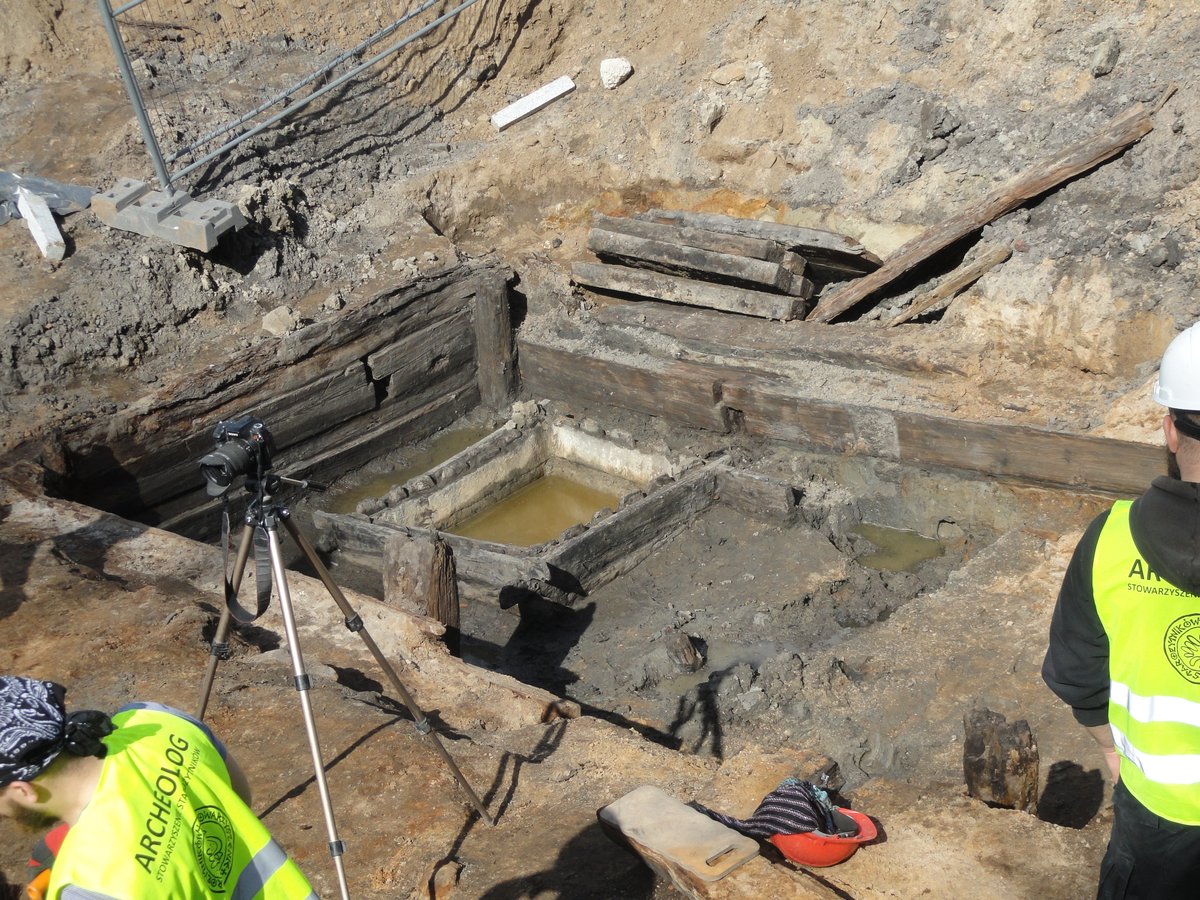
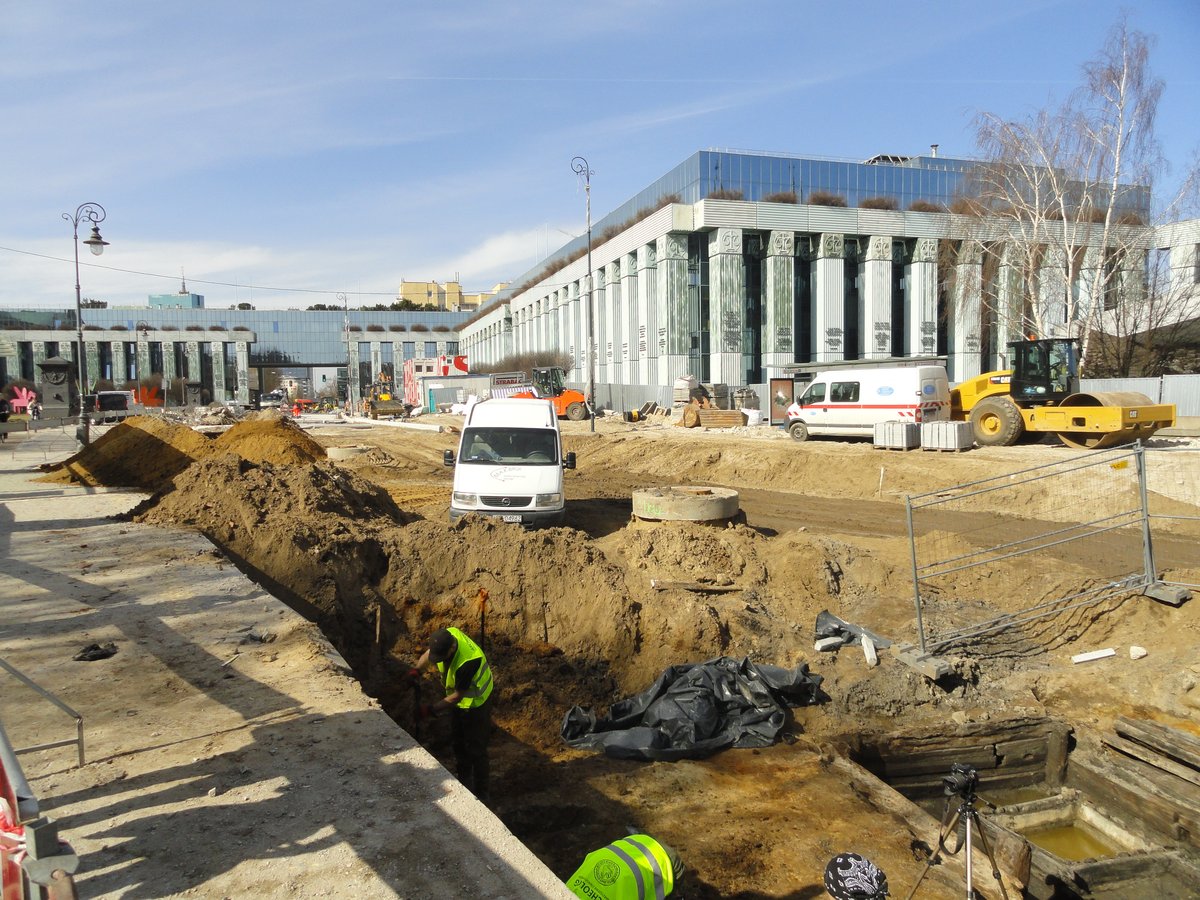
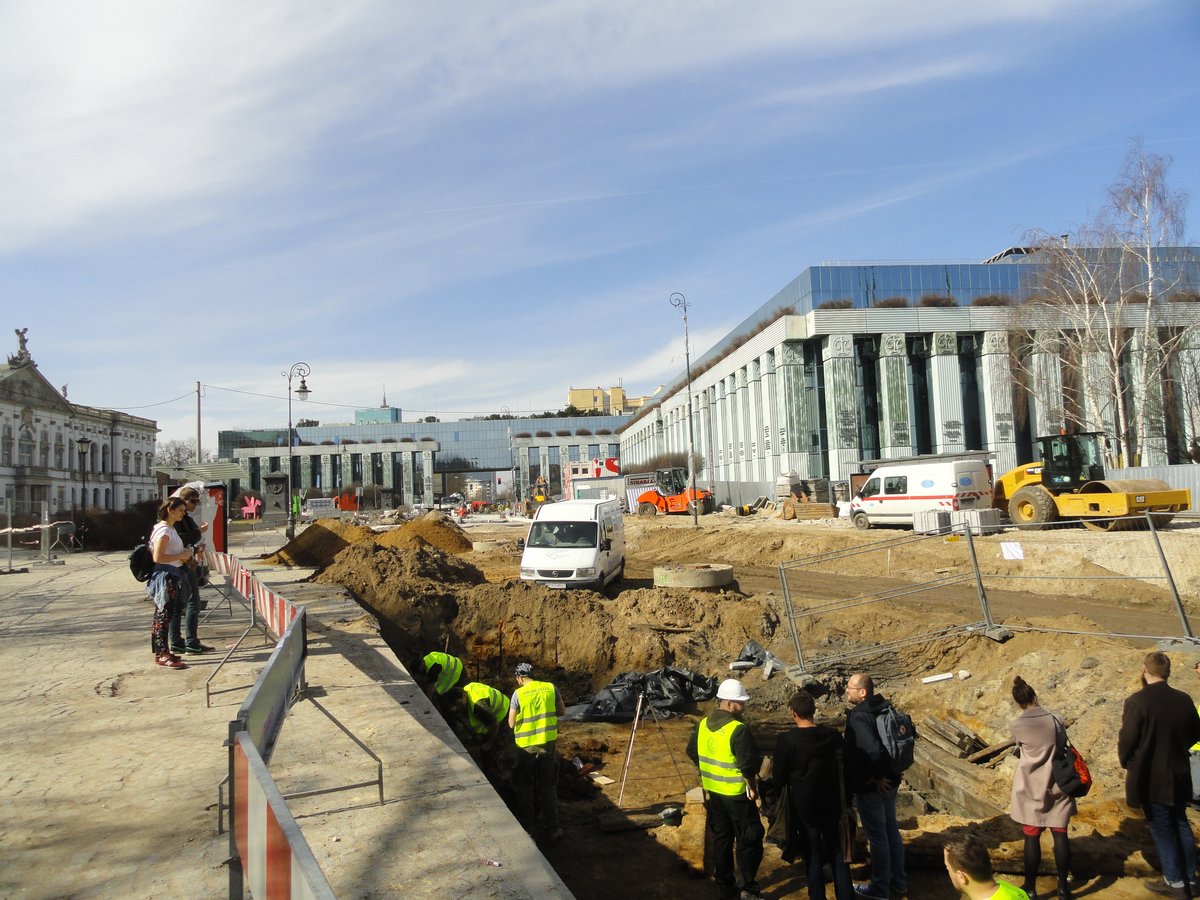
Origins and Early Development
Krasiński Square’s origins are rooted in the construction of Krasiński Palace (Pałac Krasińskich), commissioned by Jan Dobrogost Krasiński between 1677 and 1683. Designed by the renowned Dutch-Polish architect Tylman van Gameren, the palace exemplifies French-inspired Baroque, with an “entre cour et jardin” layout—courtyard at the front, geometrically arranged gardens at the rear. Its decorative program, including pediment reliefs by Andreas Schlüter, emphasizes the Krasiński family’s legendary Roman ancestry.
The palace replaced an earlier manor and soon became a focal point for Warsaw’s urban development. By the end of the 18th century, the former palace courtyard evolved into Krasiński Square, anchoring the city’s northwestern downtown and shaping its modern identity.
Architectural Evolution
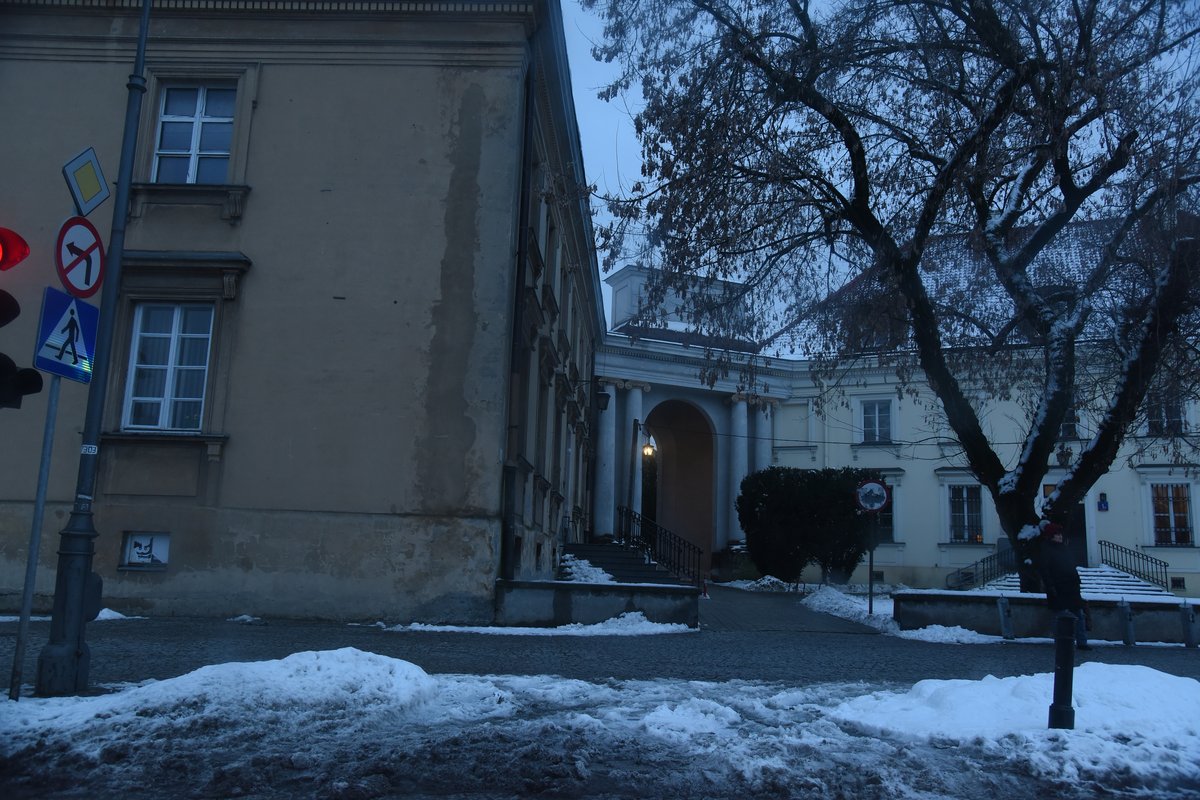
Following a fire in 1783, Italian architect Domenico Merlini remodeled the palace, blending neoclassical elements with the original Baroque style. Acquired by the Polish-Lithuanian Commonwealth in 1765, it served as the Crown Treasury Commission and later became known as the "Palace of the Republic.”
Throughout the 19th century, the square developed as a marketplace and civic hub, with the addition of features like iron wells (1823) and the Badeni Palace (1838). By the early 20th century, Krasiński Square had become Warsaw’s judicial district, home to the Supreme Court and the Court of Appeals, and was further modernized with the introduction of electric trams.
Key Historical Events
The November Uprising and 19th Century Upheavals
Krasiński Palace was damaged during the November Uprising (1830–1831) but was restored in 1835, continuing its central role in Polish civic life.
Interwar Period
From 1917 to 1939, the palace served as the Supreme Court’s seat, symbolizing Polish legal authority in the interwar years.
World War II and the Warsaw Uprising
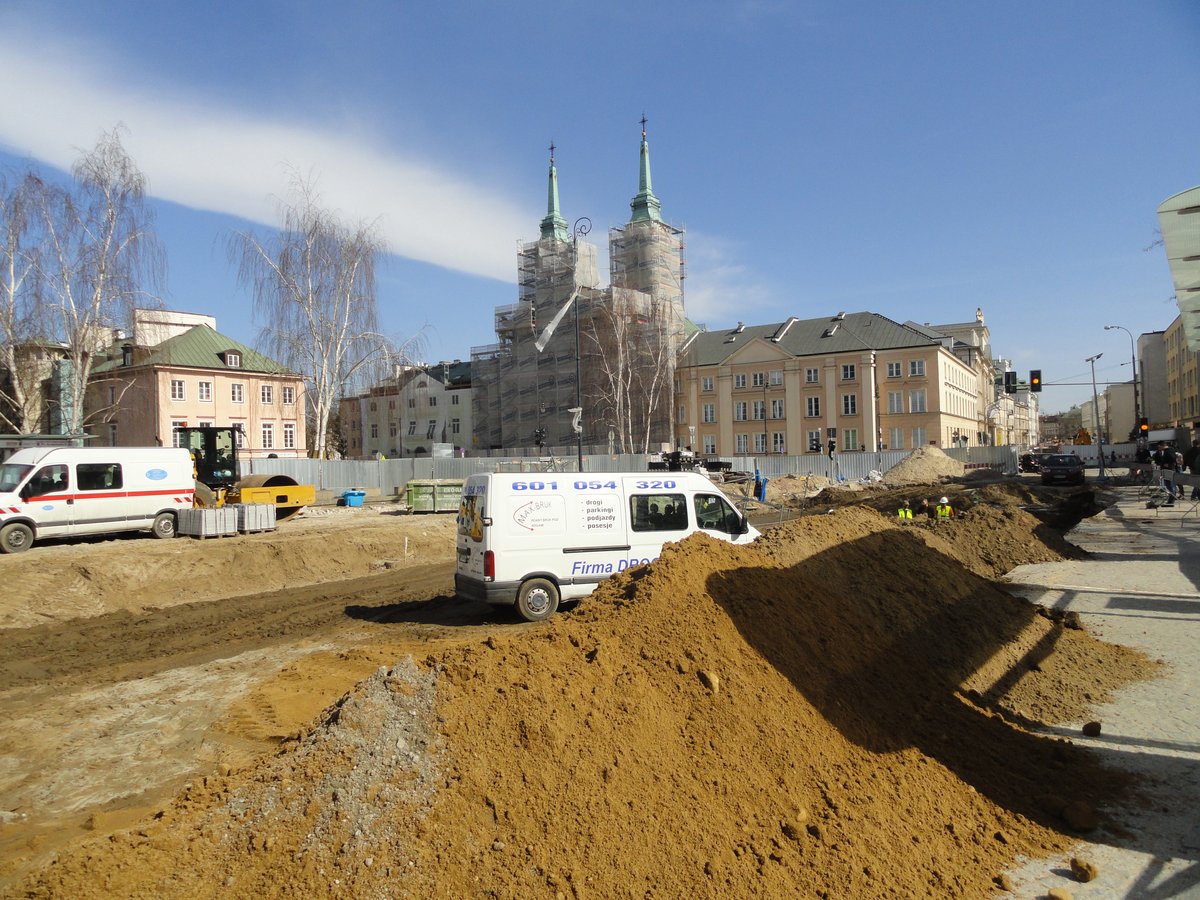
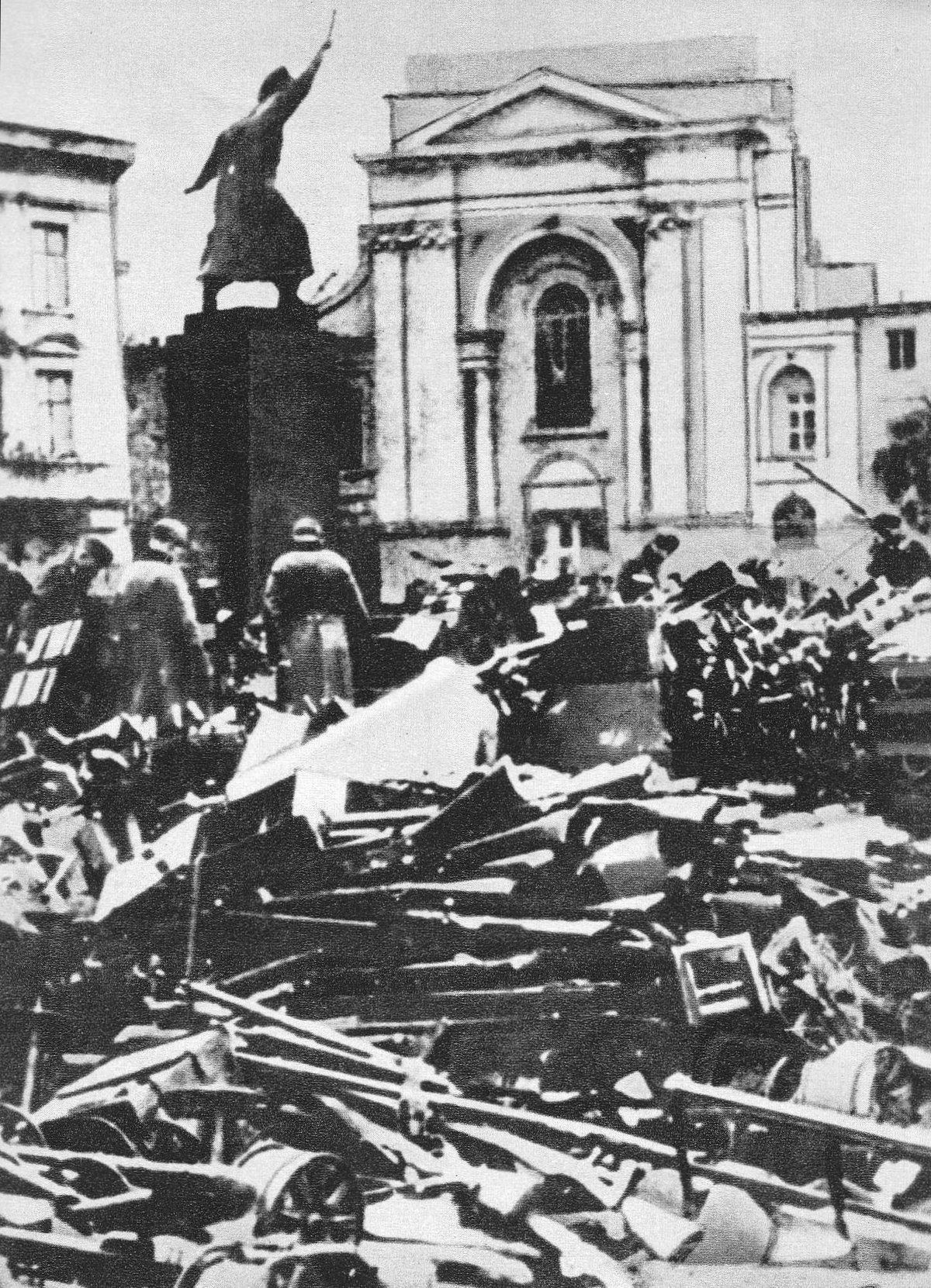
The palace and square were devastated during World War II. In 1944, Krasiński Square became a key battleground during the Warsaw Uprising. The palace was left 85% destroyed, and surrounding buildings were reduced to ruins, though the palace was eventually rebuilt.
Postwar Reconstruction and Memory
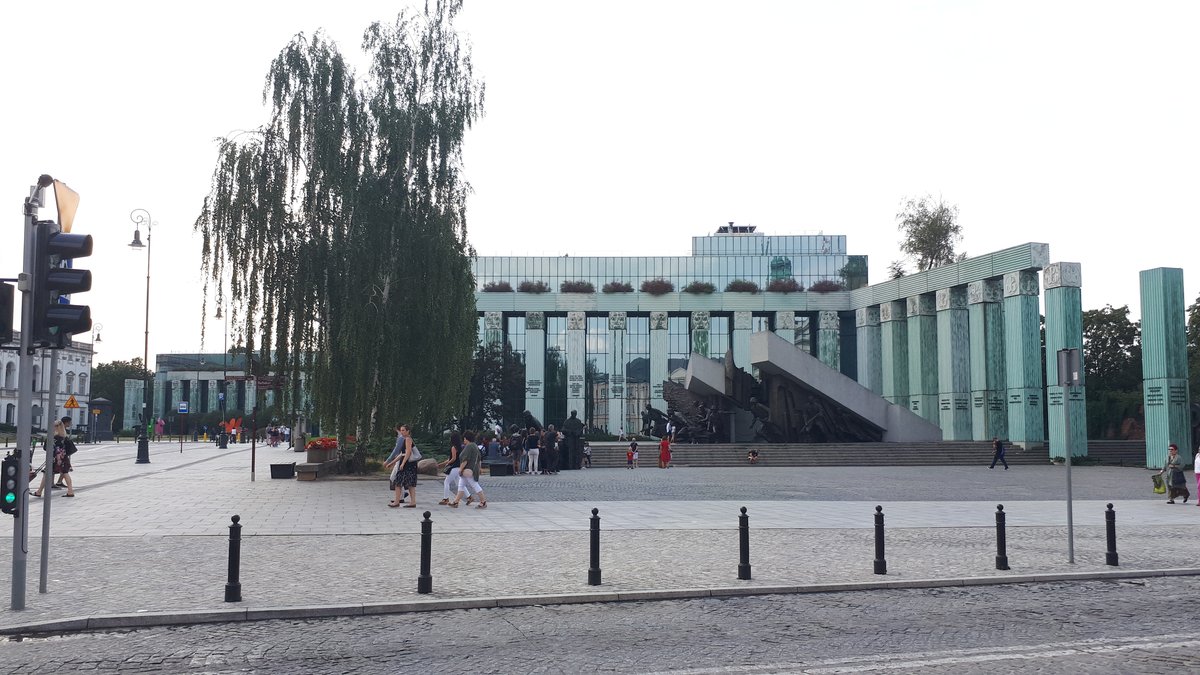
Restored by 1961, the palace now houses the National Library’s special collections. The Warsaw Uprising Monument, unveiled in 1989, stands as a powerful tribute to the struggle of Warsaw’s citizens. Designed by Jacek Budyn and sculpted by Wincenty Kućma, it depicts insurgents in combat and evacuation, capturing the heroism and tragedy of the 1944 events.
Visiting Krasiński Square: Practical Information
Visiting Hours
- Krasiński Square: Open to the public 24/7.
- Krasiński Palace: Not regularly open to the public; guided tours are available by appointment, especially during cultural events.
- Krasiński Gardens: Open daily from 7:00 AM to midnight (urtrips.com).
Tickets
- Square and Gardens: Free admission.
- Palace Tours: Typically free during special events, but require reservation (palacrzeczypospolitej.pl).
Accessibility
The square and gardens feature paved, wheelchair-accessible paths. The palace has ramps and accessible restrooms, though interior access depends on event schedules.
Guided Tours and Events
Guided tours of the palace are available during cultural occasions, with information and booking via the official website. The square frequently hosts commemorations, concerts, and open-air events.
Nearby Attractions
- Warsaw Uprising Monument: Central site for national remembrance.
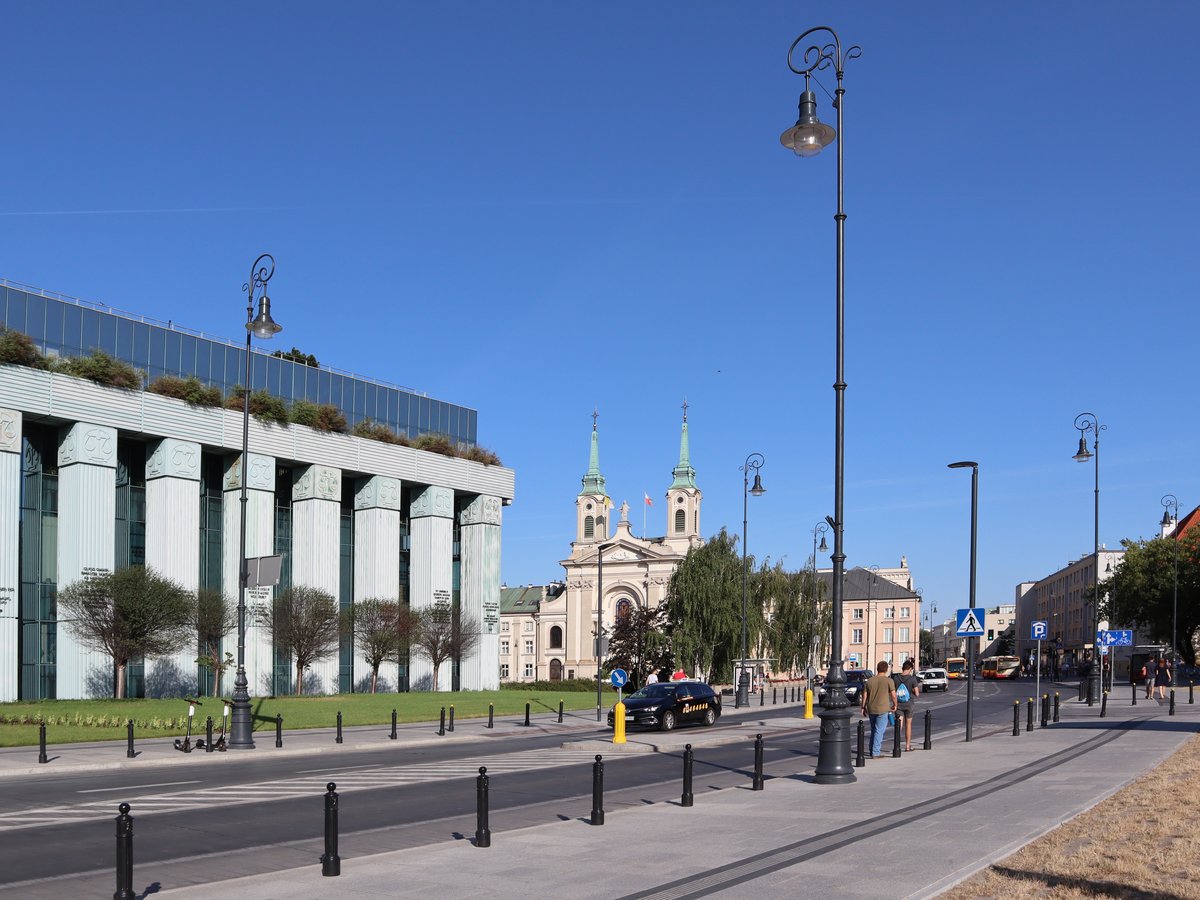
- Field Cathedral of the Polish Army: Military and spiritual landmark.
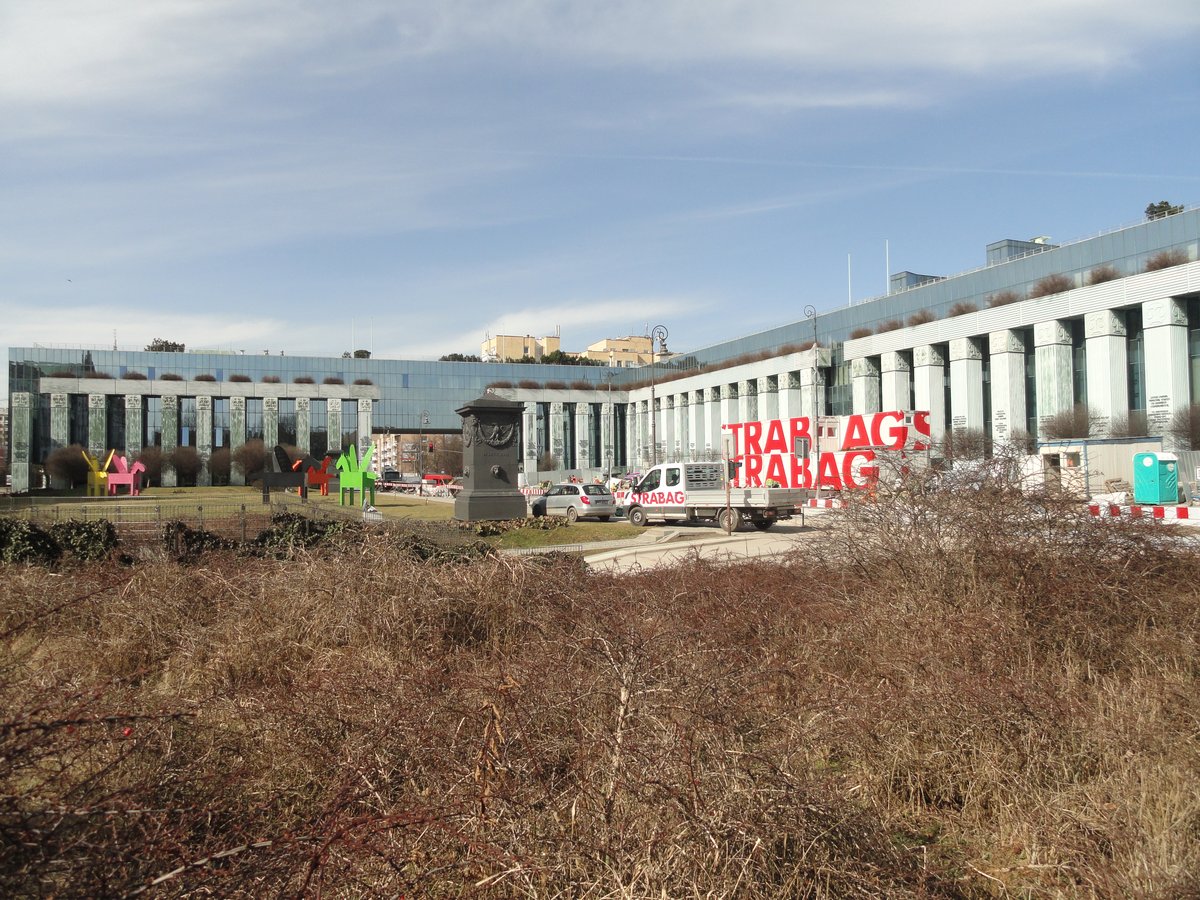
- Supreme Court Building: Contemporary architectural highlight.
- POLIN Museum of the History of Polish Jews: A 10-minute walk north.
- Old Town Market Square: Less than 700 meters away.
Travel Tips
- Getting There: Accessible by tram, bus, and metro (Ratusz Arsenał station).
- Best Time to Visit: Spring and autumn for pleasant weather and vibrant gardens.
- Combine Visits: Explore the Old Town, museums, and local restaurants during your trip.
Historical Context and National Identity
Krasiński Square is deeply woven into the fabric of Polish identity. Named after the influential Krasiński family, the square and its palace have played critical roles in the nation’s legal, political, and cultural life. Its proximity to reconstructed Old Town—painstakingly restored after World War II—further underscores its symbolism of national resilience (whileimyoung.com, destinationabroad.co.uk).
Architectural and Artistic Heritage
The Krasiński Palace is a masterpiece of Baroque design, featuring elaborate façades, grand staircases, and formal gardens. The palace’s interiors, though altered, retain echoes of their original opulence. The Warsaw Uprising Monument adds a modern layer, with its dynamic bronze figures serving as a focal point for commemoration (destinationabroad.co.uk).

National Commemoration and Memory
Krasiński Square is central to annual remembrance ceremonies, especially on August 1st, marking the Warsaw Uprising. The square’s monuments and proximity to the POLIN Museum and Supreme Court reinforce its role as a place of national reflection and dialogue (destinationabroad.co.uk).
Cultural Life and Community Engagement
More than a site of solemn memory, Krasiński Square is a lively public space. Krasiński Gardens, adjacent to the palace, offers residents and visitors a green oasis for relaxation, recreation, and cultural events. The square regularly hosts concerts, art installations, and festivals, integrating history with contemporary urban life (urtrips.com, whileimyoung.com).

Symbolism in the Urban Landscape
Krasiński Square links the reconstructed Old Town with modern Warsaw. Its blend of Baroque, Neoclassical, and contemporary architecture mirrors the city’s ongoing dialogue between past and present (destinationabroad.co.uk).
Educational Opportunities
Guided tours and educational programs provide context on the square’s history, architecture, and role in Polish civic life. Proximity to major museums allows for a deeper understanding of Warsaw’s layered narrative (warsawtour.pl, destinationabroad.co.uk). Interpretive signage and online resources are available for both Polish and international audiences.
Dining and Refreshments
Within walking distance, visitors will find:
- Gościniec Polskie Pierogi: Traditional Polish dumplings (wanderboat.ai).
- Podwale 25 Kompania Piwna: Beer hall with Polish and Bavarian fare (earthtrekkers.com).
- Bazyliszek Restaurant: Classic Polish cuisine.
- Zapiecek: Famous for pierogi (travelwithbender.com).
Practical Visitor Tips
- Language: English is widely spoken in tourist areas; learning basic Polish greetings is appreciated (thethoroughtripper.com).
- Safety: Warsaw is generally safe; standard precautions apply.
- Accessibility: The square and gardens have paved, accessible paths.
- Photography: Best in the early morning or late afternoon for optimal lighting.
- Free Maps: Downloadable from the Warsaw Tourist Office.
Suggested Itinerary
- Morning: Explore Krasiński Gardens and palace exterior.
- Midday: Join a guided palace tour if available.
- Afternoon: Visit the Warsaw Uprising Monument and nearby sites, then dine locally.
- Evening: Stroll through the Old Town or attend a cultural event.
Frequently Asked Questions (FAQ)
Q: What are the visiting hours for Krasiński Square and its gardens?
A: The square is open 24/7; the gardens are open daily from 7:00 AM–midnight.
Q: Is there an entrance fee?
A: The square and gardens are free. Palace tours during special events are generally free but require reservation.
Q: Are guided tours available?
A: Yes, during cultural events or by appointment. Check the official palace website.
Q: How do I get to Krasiński Square?
A: By tram, bus, or metro (Ratusz Arsenał station); the area is pedestrian-friendly.
Q: Is the area accessible for visitors with mobility needs?
A: Yes, with paved paths and accessible facilities.
Discover More
Plan your visit to Krasiński Square and delve into Warsaw’s rich heritage. For guided tours, digital resources, and up-to-date event information, download the Audiala app and follow us on social media. Explore related articles for more on Warsaw’s top attractions and cultural landmarks.
Listen to the full story in the app
The whole Krasiński Square,
told well.
Audio guides for 1,100+ cities across 96 countries. History, stories, and local insight — offline ready.
Verified, and shown.
Researched and written by the Audiala editorial team from historical records, architectural archives, and local expertise.
Researched from Wikidata, Wikipedia & official sources · fact-checked · How we make our guides →