Plan and listen to Krasiński Library In Warsaw with Audiala.
Audio guide in your pocket, itinerary in your browser. Built for the way you actually visit.
Introduction
Nestled in the heart of Warsaw, the Krasiński Library—housed within the resplendent Krasiński Palace—stands as a powerful emblem of Poland’s rich cultural and literary heritage. This Baroque masterpiece, originally commissioned in the late 17th century by Jan Dobrogost Krasiński and designed by Tylman van Gameren, reflects both architectural grandeur and centuries of Polish history, resilience, and intellectual achievement (polish-presidency.consilium.europa.eu).
Having evolved from a noble family’s private collection into a vital branch of the National Library of Poland, the Krasiński Library today safeguards priceless manuscripts, rare books, and artifacts that narrate the story of Poland’s national identity and its place within European culture. Despite devastating losses during World War II, the library’s surviving treasures—including illuminated medieval manuscripts and original music scores by Chopin—continue to captivate visitors (whitemad.pl, aroundus.com).
Following a major revitalization project completed in 2024, both the Krasiński Palace and Library have reopened, offering immersive experiences in restored Baroque interiors and climate-controlled exhibition spaces. Visitors can now explore rare works illuminating the cultural legacy of the Polish-Lithuanian Commonwealth, while also enjoying the adjacent Krasiński Gardens and nearby historic Warsaw landmarks (culture.pl, whitemad.pl).
This guide provides essential information on visiting hours, ticketing, accessibility, guided tours, and travel tips—enhancing the experience for anyone wishing to explore one of Warsaw’s most treasured historical sites.

Historical Background and Architectural Significance
Origins and Baroque Splendor
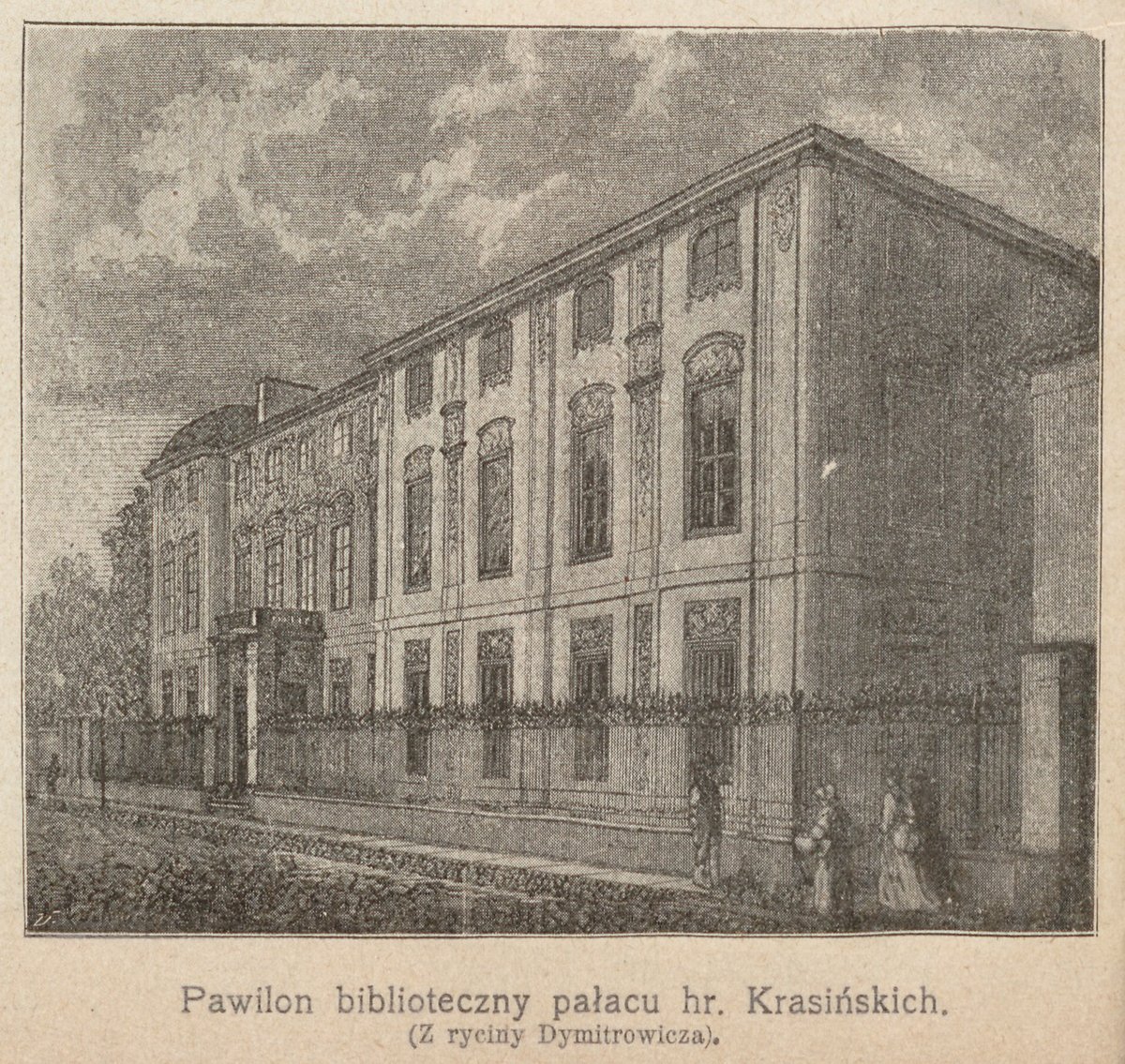
The Krasiński Palace (Pałac Krasińskich), also known as the Palace of the Commonwealth, is one of Warsaw’s most important Baroque monuments. Built between 1677 and 1683 for Jan Dobrogost Krasiński, it was designed by Tylman van Gameren and is adorned with intricate façades, grand staircases, and sculptures by Andreas Schlüter (culture.pl). Its decorative pediments depict scenes inspired by the Roman commander Marcus Valerius Corvinus, symbolizing the Krasiński family’s legendary ancestry.
The palace became a hub for aristocratic life in the 18th and 19th centuries and later hosted significant public institutions, including the Supreme Court of the Kingdom of Poland. The surrounding Krasiński Garden, opened to the public in 1766, further established the palace as a social and cultural landmark (polish-presidency.consilium.europa.eu).
Wartime Destruction and Restoration
World War II inflicted severe damage, leaving only the palace’s outer shell. Postwar reconstruction in the 1960s restored its Baroque splendor and adapted it for cultural use (whitemad.pl). The palace now houses the National Library’s Special Collections, preserving some of Poland’s most valuable literary treasures (National Library of Poland).
The Krasiński Library: Collections and Cultural Importance
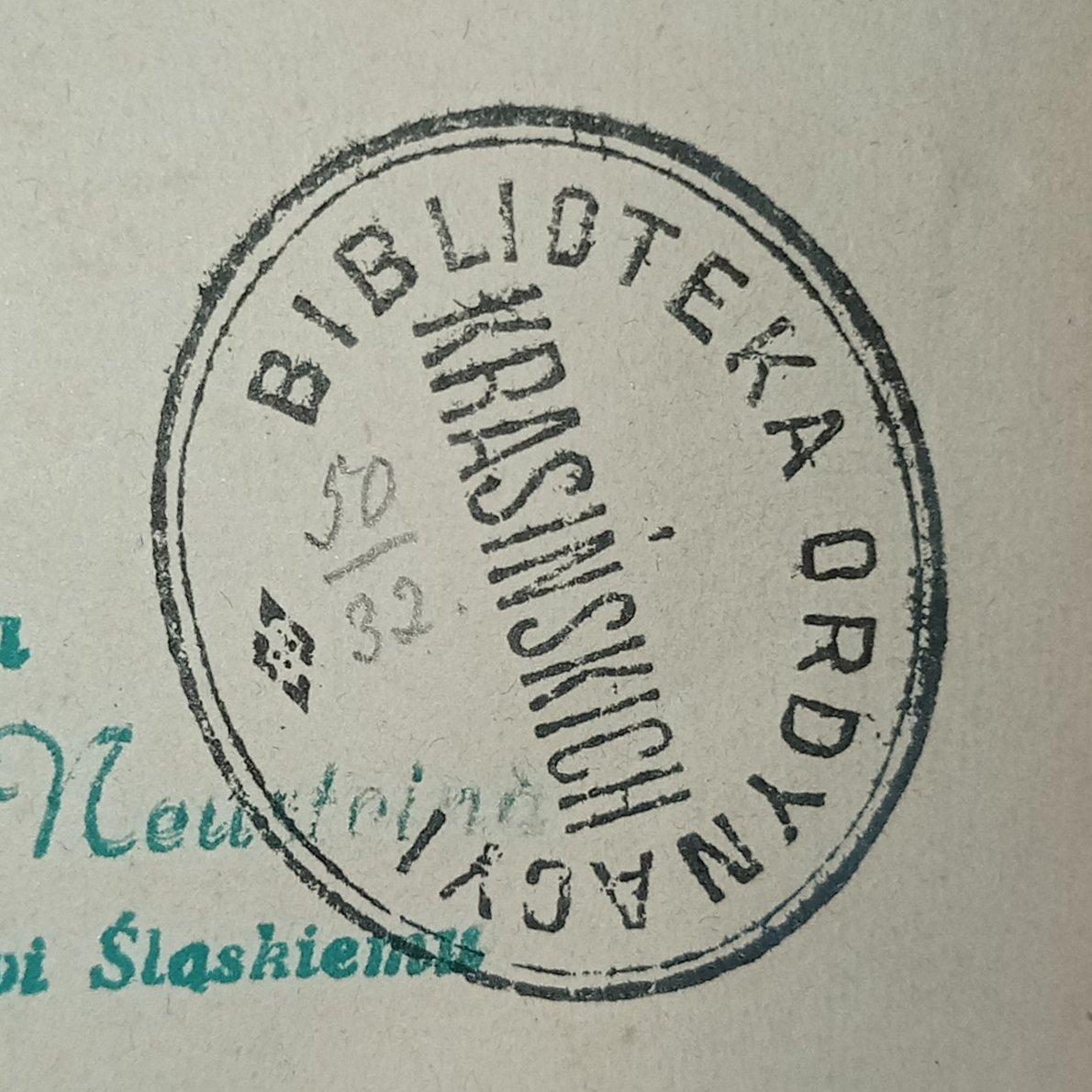
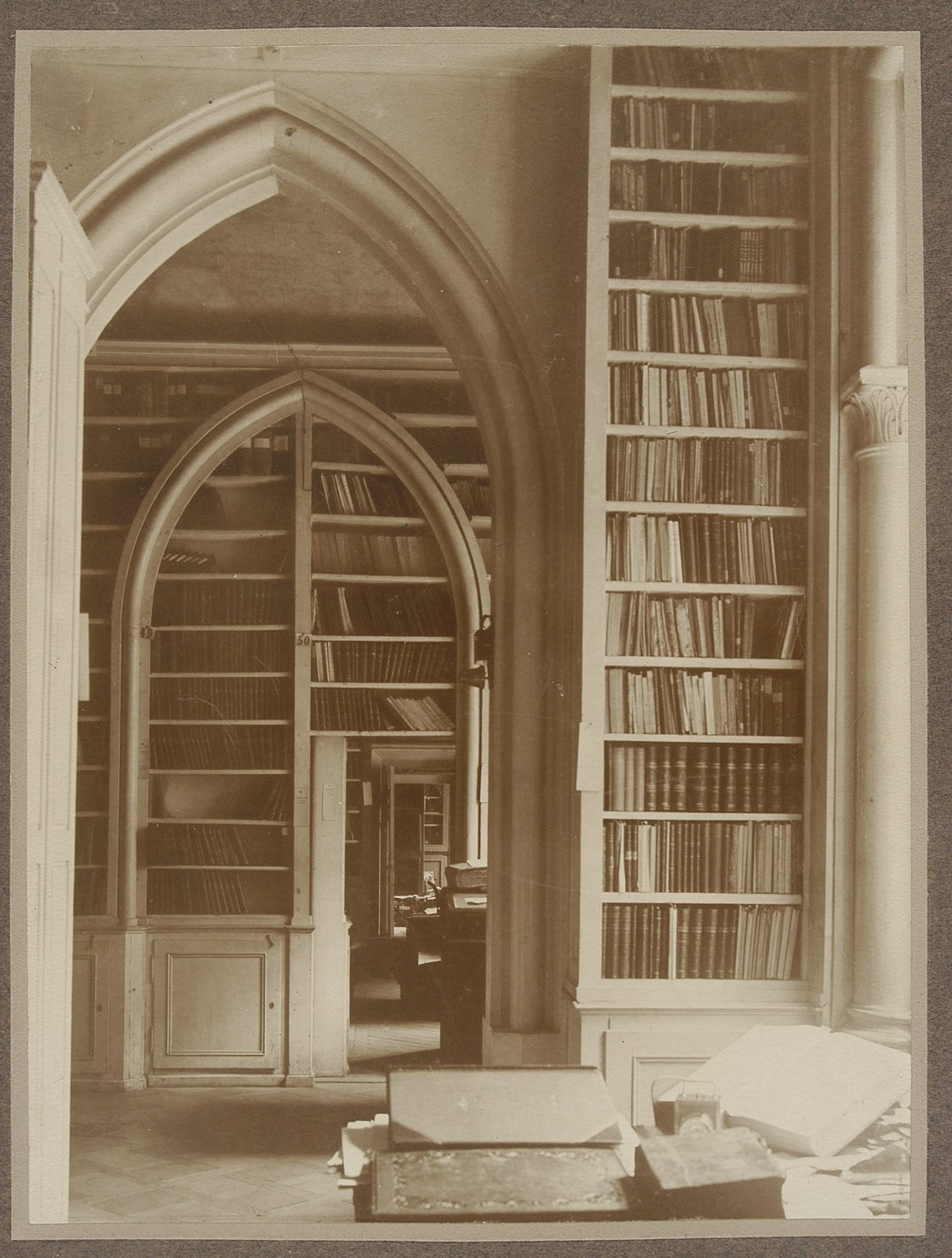
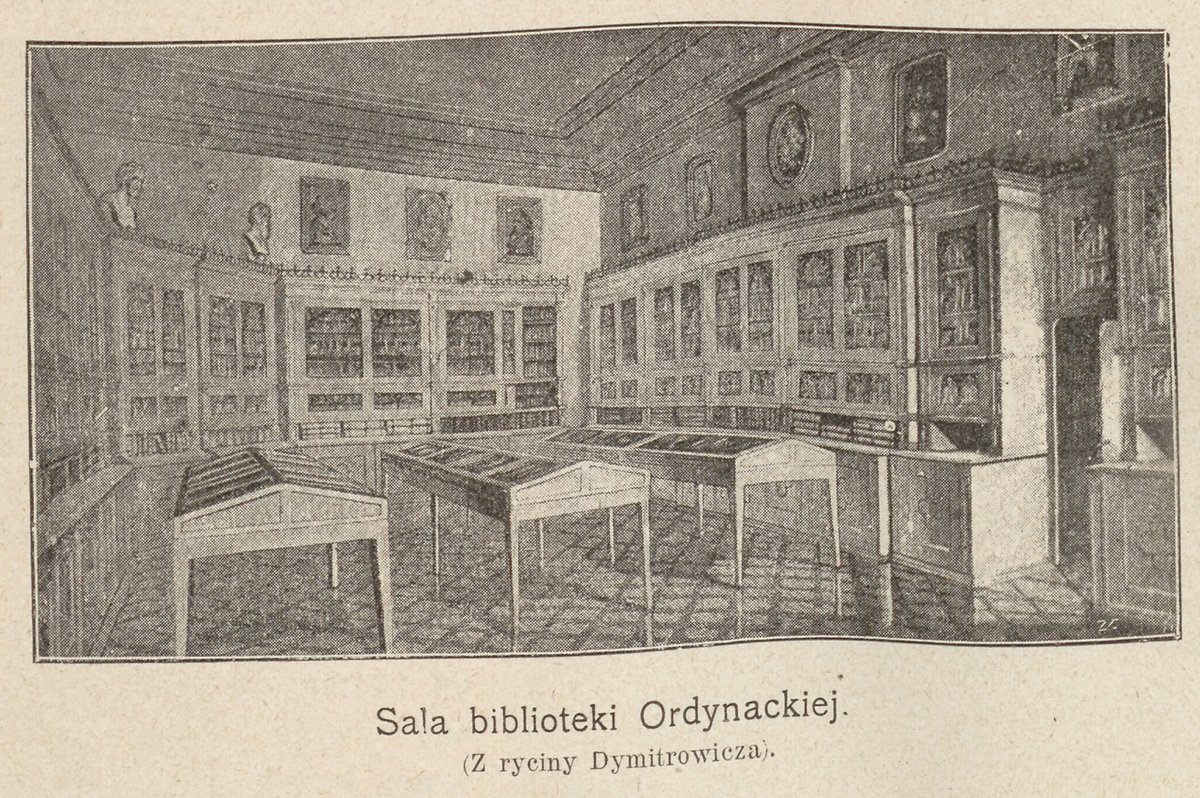
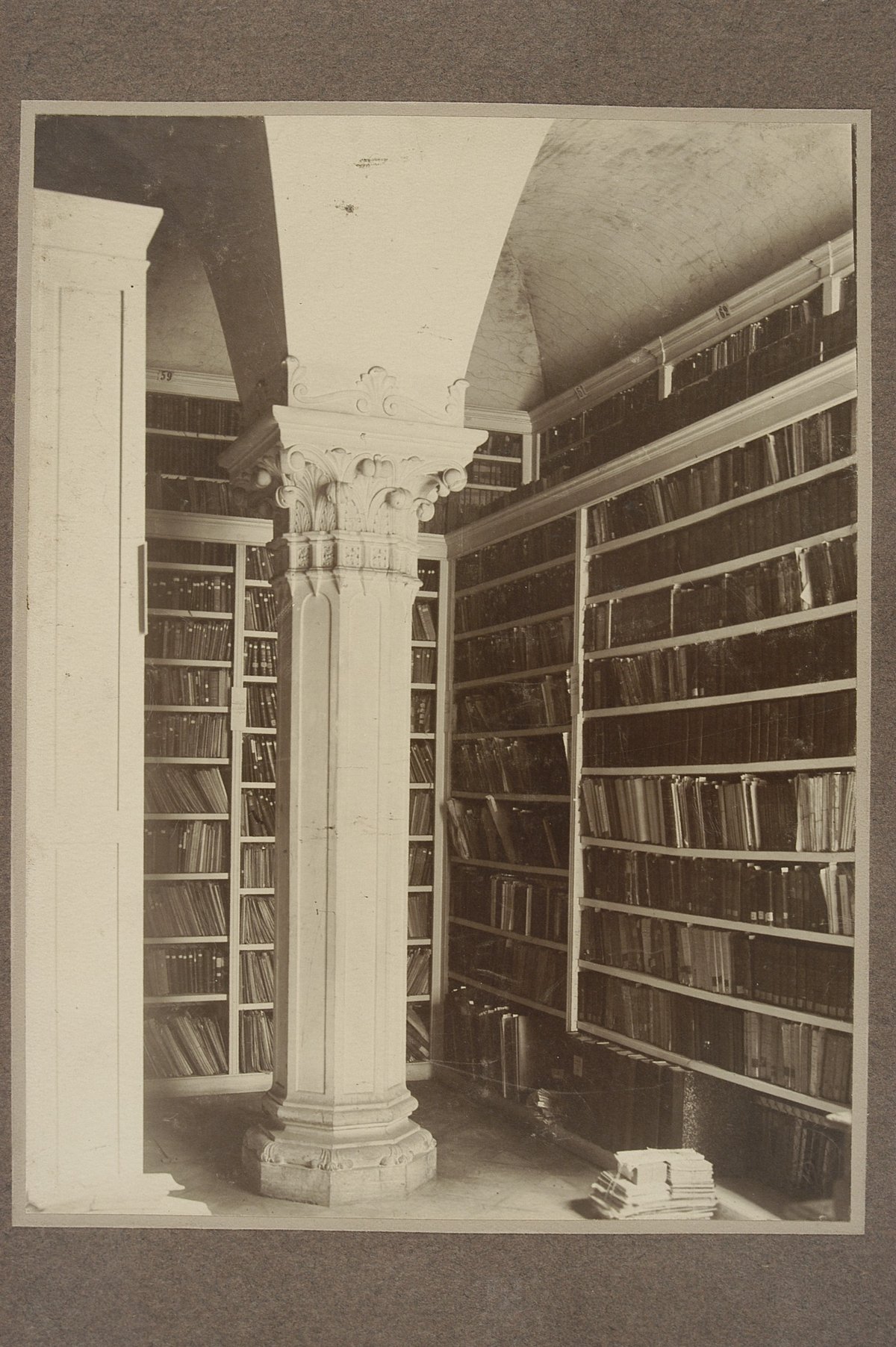
Formally established in 1844 by Count Wincenty Krasiński, the Krasiński Library began as a private collection and grew to become a key branch of the National Library of Poland. Its holdings include:
- Medieval and Renaissance illuminated manuscripts (e.g., the Sankt Florian Psalter, 14th century)
- Literary manuscripts of Jan Kochanowski, Adam Mickiewicz, Juliusz Słowacki, and Zygmunt Krasiński
- The world’s largest collection of Chopin’s music manuscripts
- Historic documents, maps, and rare prints
- The Codex Krasiński, a 15th-century manuscript of sacred and secular works (goldbergstiftung.org)
The library’s mission is underscored by the Latin motto above its entrance: “Amor Patriae Nostra Lex” (“Love of the homeland is our law”), reflecting its dedication to preserving Polish national identity (aroundus.com).
Despite losing the majority of its collection during World War II, the library’s surviving works remain among Poland’s most precious cultural assets (BN.org.pl).
Visiting Information: Hours, Tickets & Experience
Krasiński Palace Visiting Hours and Tickets
- Opening Days: Tuesday to Sunday, closed on Mondays
- Hours: 10:00 AM – 6:00 PM (last admission 30 minutes before closing)
- Admission: Free entry to permanent exhibitions
- Tickets: Not required for general admission; special events may require advance booking
- Guided Tours: Available Tuesday to Sunday at 11:00 AM, 1:00 PM, and 4:00 PM (advance booking recommended; Polish and English available)
Exploring the Palace Interiors
Visitors can explore restored Baroque halls such as the White Room, Kariatyd Hall, and Knights’ Hall, all featuring ornate stuccowork and historical insignia. Exhibitions display rare manuscripts and artifacts, supported by multimedia presentations for deeper engagement.
A highlight is the Wilanów Library, relocated to the east wing and preserved with original furnishings, offering a glimpse into a noble Polish library setting (whitemad.pl).
Krasiński Gardens
The adjacent Krasiński Garden provides a tranquil refuge with mature trees, lawns, and a picturesque pond. It is popular for leisurely walks, picnics, and even dog-friendly activities, including a designated dog playground (Walking Warsaw).
Nearby Warsaw Historical Sites
Within a short walking distance, visitors can explore:
- Warsaw Old Town and the Royal Castle
- Warsaw Barbican
- Warsaw Uprising Monument
- Maria Skłodowska-Curie Museum
- National Museum of Archaeology
- Mały Powstaniec Memorial
- Museum of Warsaw
Practical Information and Visitor Tips
Location and Access
- Address: plac Krasińskich 3/5, Śródmieście (Muranów), Warsaw 00-401, Poland
- Public Transport: Nearby stops include Ratusz Arsenał (Metro Line M1), tram lines 10 and 26, and bus lines 160 and 180
- Parking: Limited; public transport is recommended
Facilities and Accessibility
- Restrooms: Available in the palace and park during opening hours
- Cafés: None within the palace, but a seasonal coffee cart operates in the gardens; many options nearby
- Accessibility: The palace is equipped with ramps, elevators, and accessible restrooms; most areas are suitable for visitors with reduced mobility (warsawvisit.com)
Useful Tips
- Photography: Permitted in most public areas without flash; professional equipment requires permission
- Best Times to Visit: Early mornings and late afternoons for a quieter experience
- Pets: Dogs allowed in the garden (with a special playground)
- Events: Check the National Library’s website for seasonal exhibitions and cultural events
Frequently Asked Questions (FAQs)
What are the opening hours?
Tuesday to Sunday, 10:00 AM – 6:00 PM; closed Mondays.
Is there an admission fee?
No, entry to permanent exhibitions is free.
Are guided tours available?
Yes, in Polish and English; advance booking recommended.
Is the palace accessible?
Yes, with ramps, elevators, and accessible restrooms.
Can I take photos inside?
Yes, without flash in most areas; check for restrictions.
What are the nearby attractions?
Warsaw Old Town, Royal Castle, POLIN Museum, and more.
Cultural Significance
The Krasiński Library and Palace are more than architectural landmarks—they embody Poland’s centuries-long journey of resilience and cultural renewal. The survival of their collections, despite wartime devastation, is a testament to the nation’s commitment to preserving its literary and artistic heritage. The library’s recent revitalization and public opening transform it into a vibrant hub for education, culture, and community engagement (culture.pl, aroundus.com).
Discover More
To make the most of your experience:
- Plan ahead: Check official resources for hours and events.
- Book tours: For deeper insight, consider a guided tour.
- Enhance your visit: Download the Audiala app for guided audio tours and event updates.
- Follow us: Stay updated on cultural news and related Warsaw historical sites via our social media channels.
Listen to the full story in the app
The whole Krasiński Library In Warsaw,
told well.
Audio guides for 1,100+ cities across 96 countries. History, stories, and local insight — offline ready.
Verified, and shown.
Researched and written by the Audiala editorial team from historical records, architectural archives, and local expertise.
Researched from Wikidata, Wikipedia & official sources · fact-checked · How we make our guides →