Plan and listen to Kazimierz Palace with Audiala.
Audio guide in your pocket, itinerary in your browser. Built for the way you actually visit.
Introduction
Kazimierz Palace (Pałac Kazimierzowski) is one of Warsaw’s most distinguished historical landmarks, entwining royal heritage, architectural grandeur, and academic tradition. Situated on the celebrated Royal Route at Krakowskie Przedmieście, the palace has played many roles—from royal villa and Enlightenment military academy to the heart of the University of Warsaw (University of Warsaw Official Site; Warsaw Insider). This guide provides detailed information on visiting hours, ticketing, accessibility, and travel tips while highlighting the palace’s rich history and nearby attractions.

Early Origins and Royal Patronage
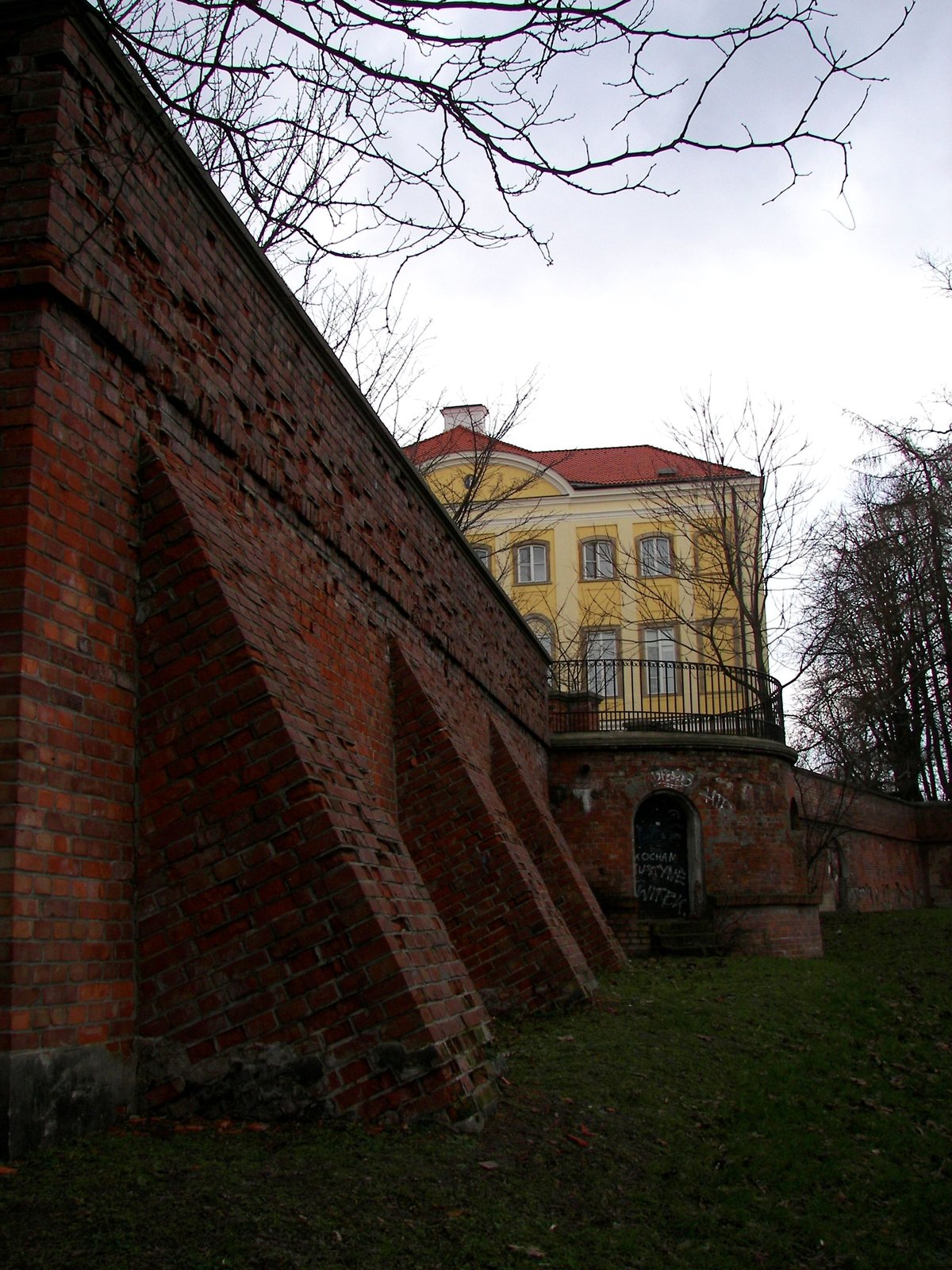
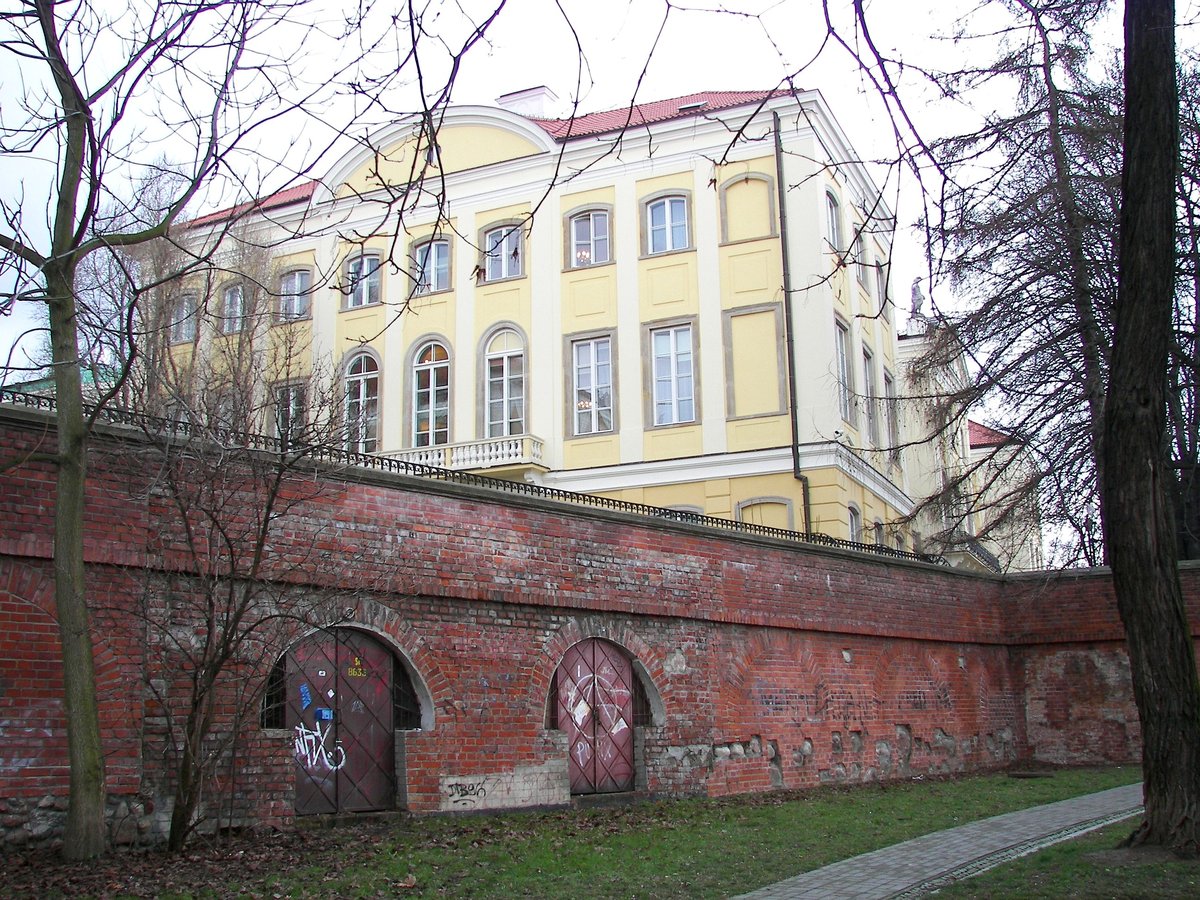
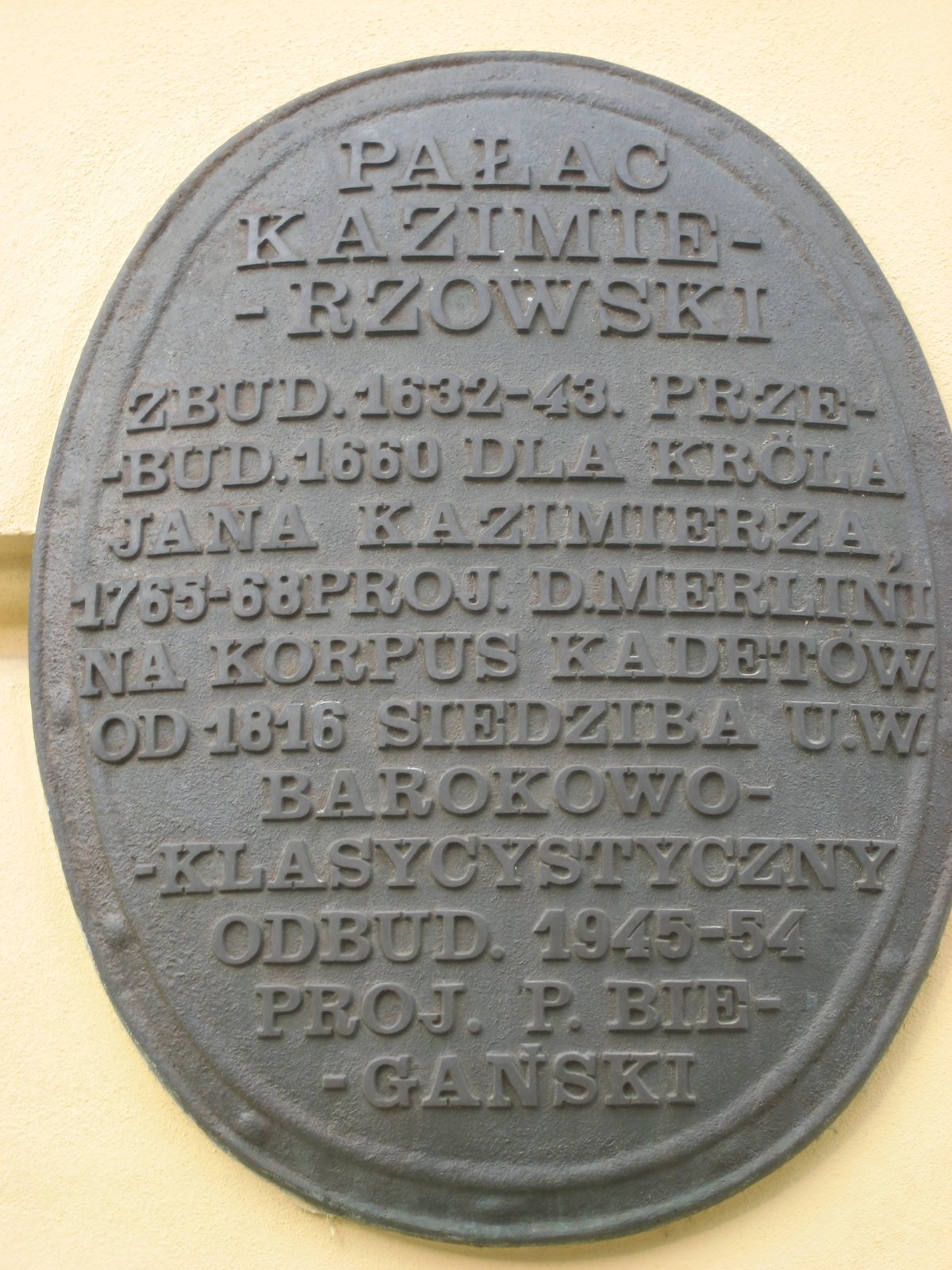
Kazimierz Palace was built between 1637 and 1641 as Villa Regia for King Władysław IV Vasa. Remodeled in 1660 for King John II Casimir (Jan II Kazimierz Waza), the palace became a royal residence embodying the stature of the Polish-Lithuanian Commonwealth (Wikipedia; warsawplreconstructed.wordpress.com).
Architectural Evolution
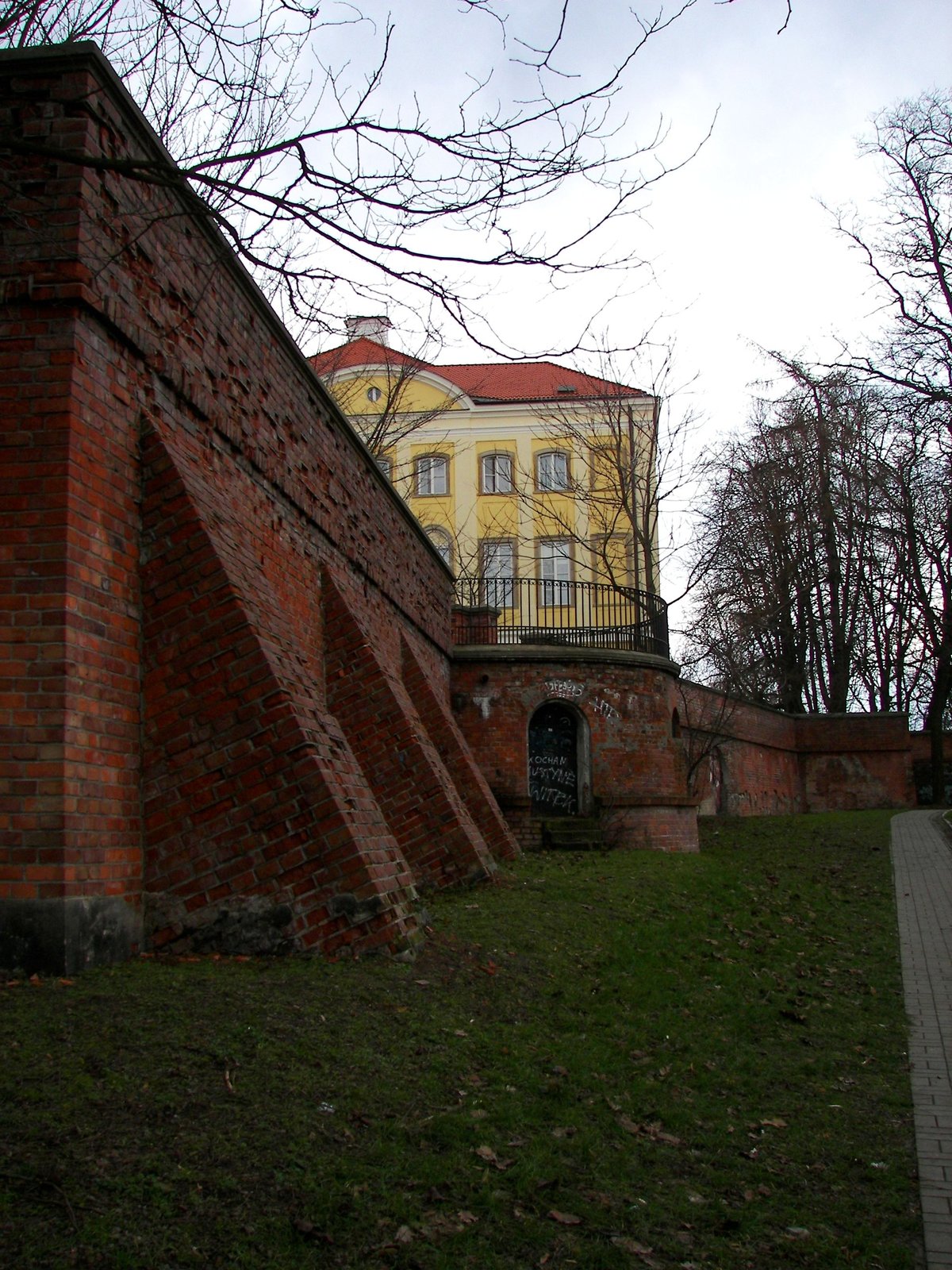
The palace underwent significant changes in the 18th century. King Augustus II introduced a gate and barracks, while Count Aleksander Józef Sułkowski’s Rococo updates included a mansard roof and decorative pavilions, attributed to architects Johann Sigmund Deybel and Joachim Daniel von Jauch (Wikipedia).
Enlightenment and Academic Legacy
Between 1765 and 1768, Domenico Merlini transformed the palace into the Corps of Cadets (Szkoła Rycerska), Poland’s first secular military academy, under King Stanisław II Augustus. This marked a pivotal shift from royal residence to a beacon of Enlightenment education and reform (Wikipedia).
University of Warsaw’s Birthplace
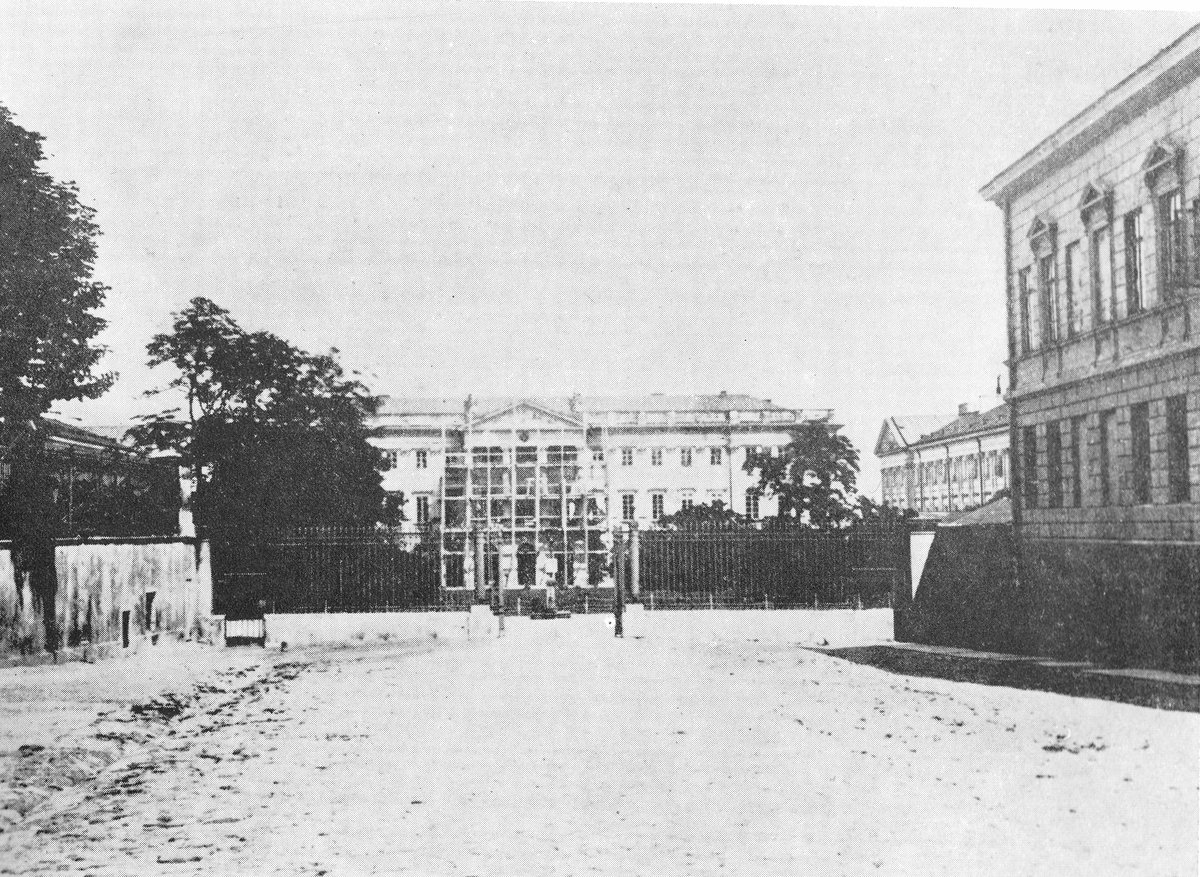
In 1816, Kazimierz Palace became the seat of the newly founded University of Warsaw, thanks to Tsar Alexander I. The palace complex expanded in the early 19th century with contributions from architects Michał Kado, Hilary Szpilowski, Wacław Ritschel, and Antonio Corazzi (en.uw.edu.pl; Wikipedia).
War, Destruction, and Restoration
The palace faced closure and conversion during the partitions and Russian occupation, and suffered extensive damage in World War II, losing about half its structure (Wikipedia). Restoration from 1945 to 1960, spearheaded by Piotr Biegański, returned Kazimierz Palace to its former prominence (warsawplreconstructed.wordpress.com).
Modern Role
Today, Kazimierz Palace houses the University of Warsaw’s rectorate and the Museum of the History of Warsaw University, standing as the university’s symbolic and administrative center. Its 2006 revitalization, supported by EU funds, underscores its enduring role in Poland’s cultural and academic landscape (Warsaw Insider; Wikipedia).
Practical Visitor Information
Visiting Hours
- Kazimierz Palace and Museum of the History of Warsaw University:
Open Tuesday to Sunday, 10:00 AM – 5:00 PM.
Closed on Mondays and public holidays.
Always verify current hours on the University of Warsaw official site or Warsaw Tourism Board in case of seasonal or event-related changes.
Tickets
- Admission: Free for both the palace and its museum.
- Guided Tours: Available upon request; advance booking recommended through the university’s visitor services.
Accessibility
- Wheelchair Access: Ramps and elevators are available.
- Restrooms: Accessible facilities are provided.
- Assistance: Visitors with special needs can contact administration in advance for tailored support.
Guided Tours & Special Events
- Guided Tours: Offer deep dives into the palace’s history and architecture; prior booking may be necessary.
- Events: The palace hosts temporary exhibitions, academic ceremonies, and public lectures.
Check the university’s events calendar or Warsaw Tourism Office for updates.
Getting There & Nearby Attractions
Location
Kazimierz Palace is located at Krakowskie Przedmieście 26/28, central Warsaw, on the historic Royal Route.
Transport
- Metro: Nowy Świat-Uniwersytet (Line M2), short walk to the palace.
- Tram/Bus: Lines stop at Uniwersytet or Krakowskie Przedmieście.
- Parking: Limited parking nearby; public transport is recommended.
Nearby Attractions
- St. Anne’s Church: Baroque church with panoramic tower, just north of the palace.
- Presidential Palace: Historic government residence on the Royal Route.
- Old Town Market Square: UNESCO-listed, vibrant with cafés and colorful architecture.
- University Library and Gardens: Modern rooftop gardens with Vistula River views.
- Fryderyk Chopin Museum: Celebrating the composer’s Warsaw legacy.
- Church of the Holy Cross: Site of Chopin’s heart interment.
Exploring these sites alongside Kazimierz Palace provides a rich, contextual experience of Warsaw’s historic heart (Lonely Planet).
Architectural Highlights
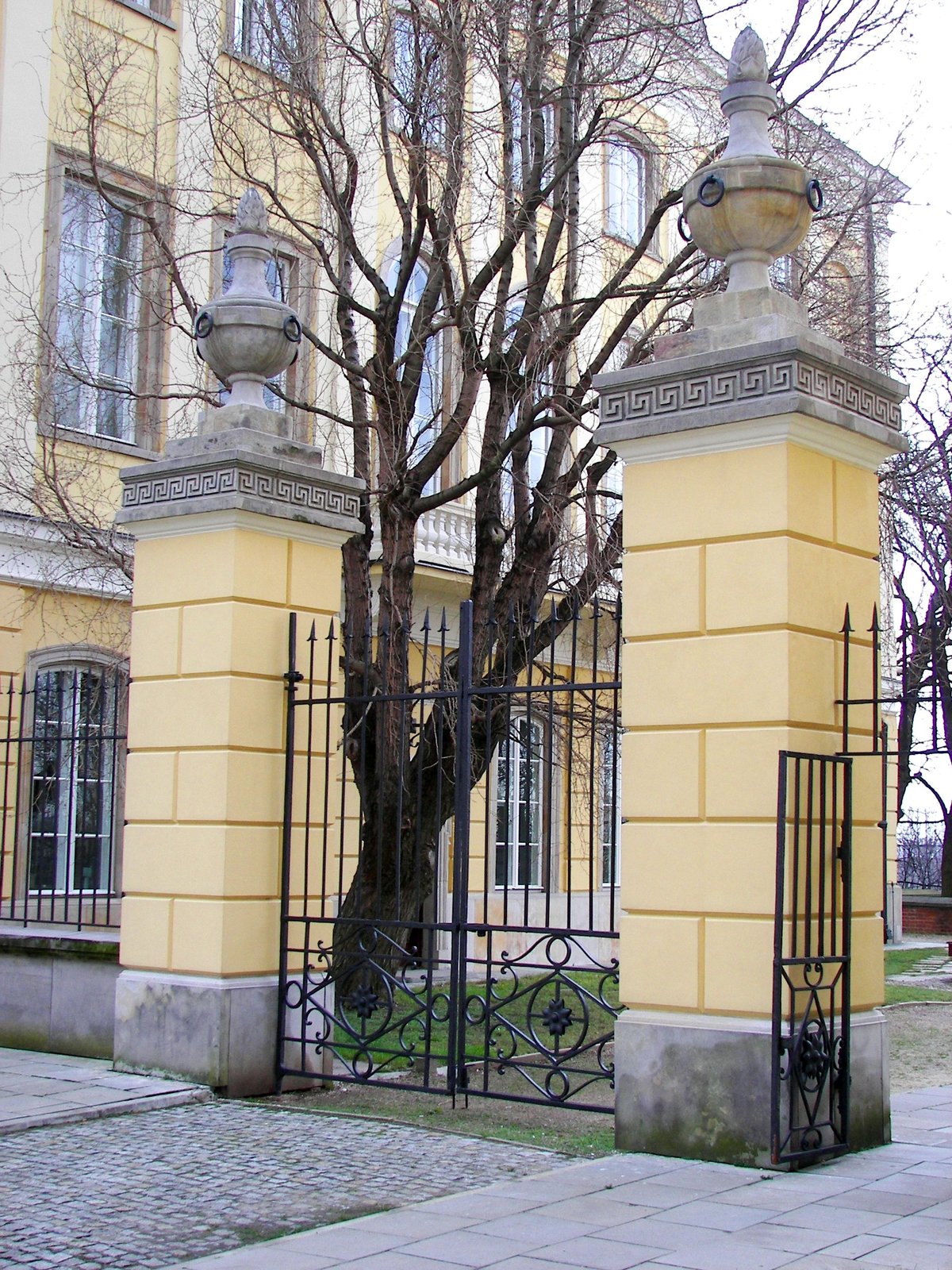
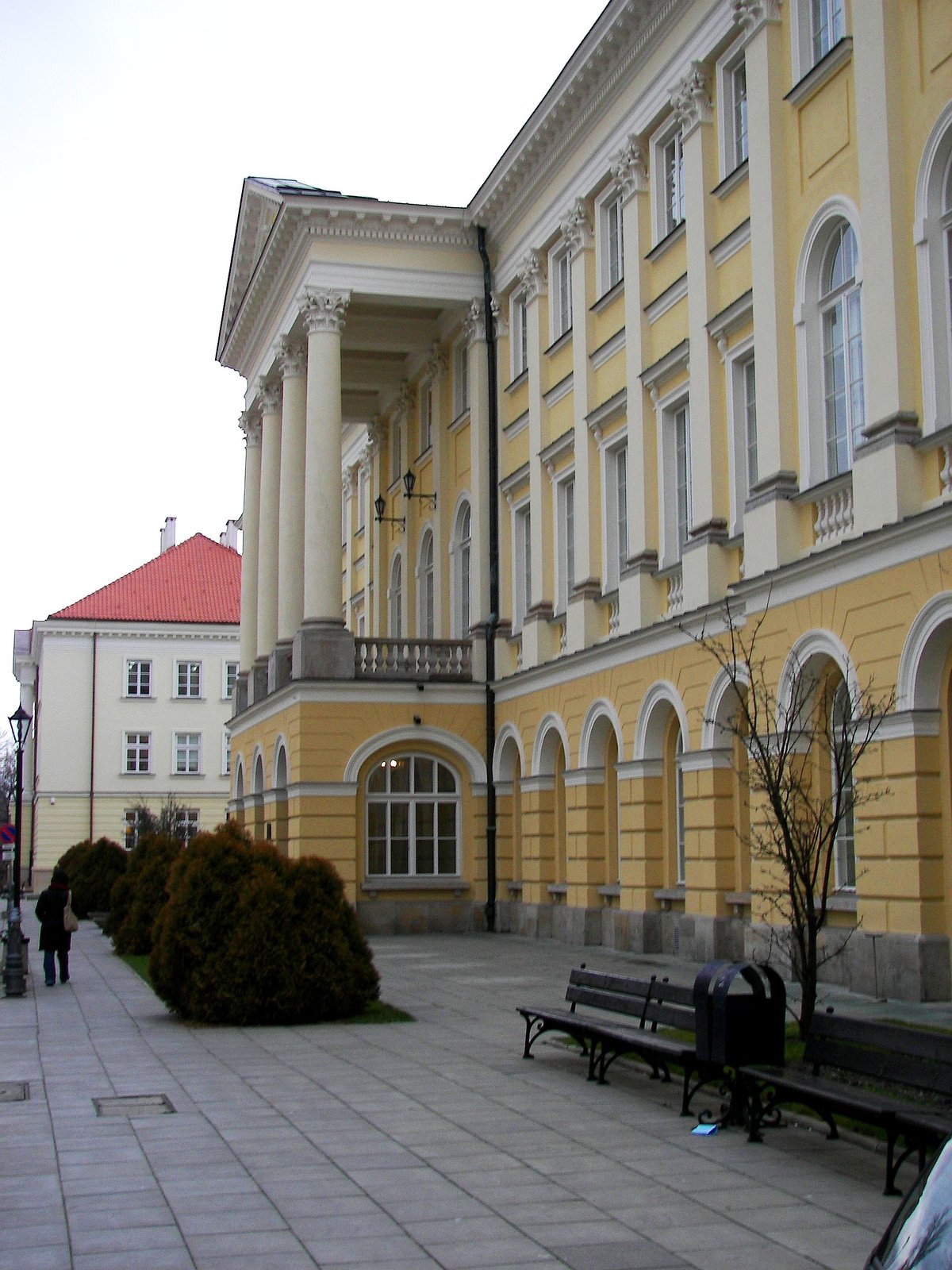
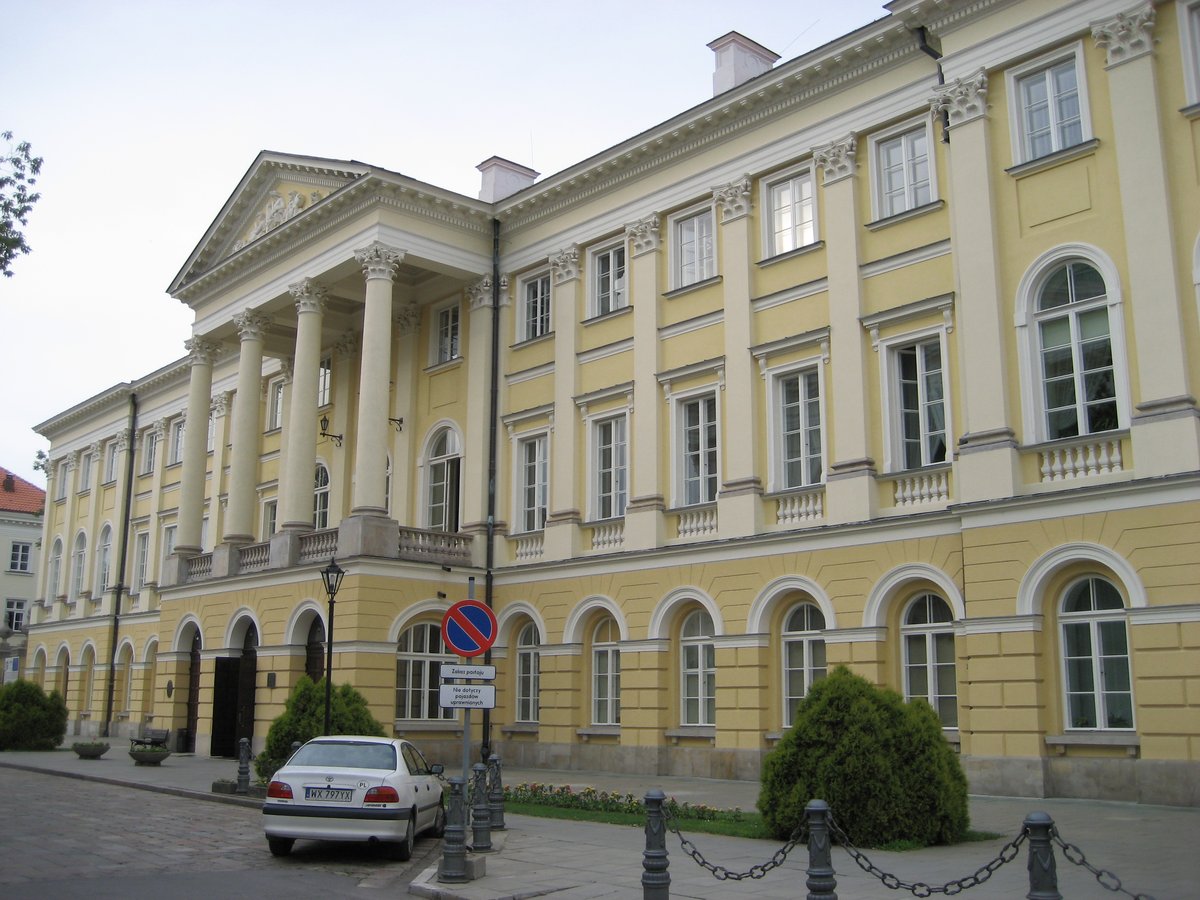
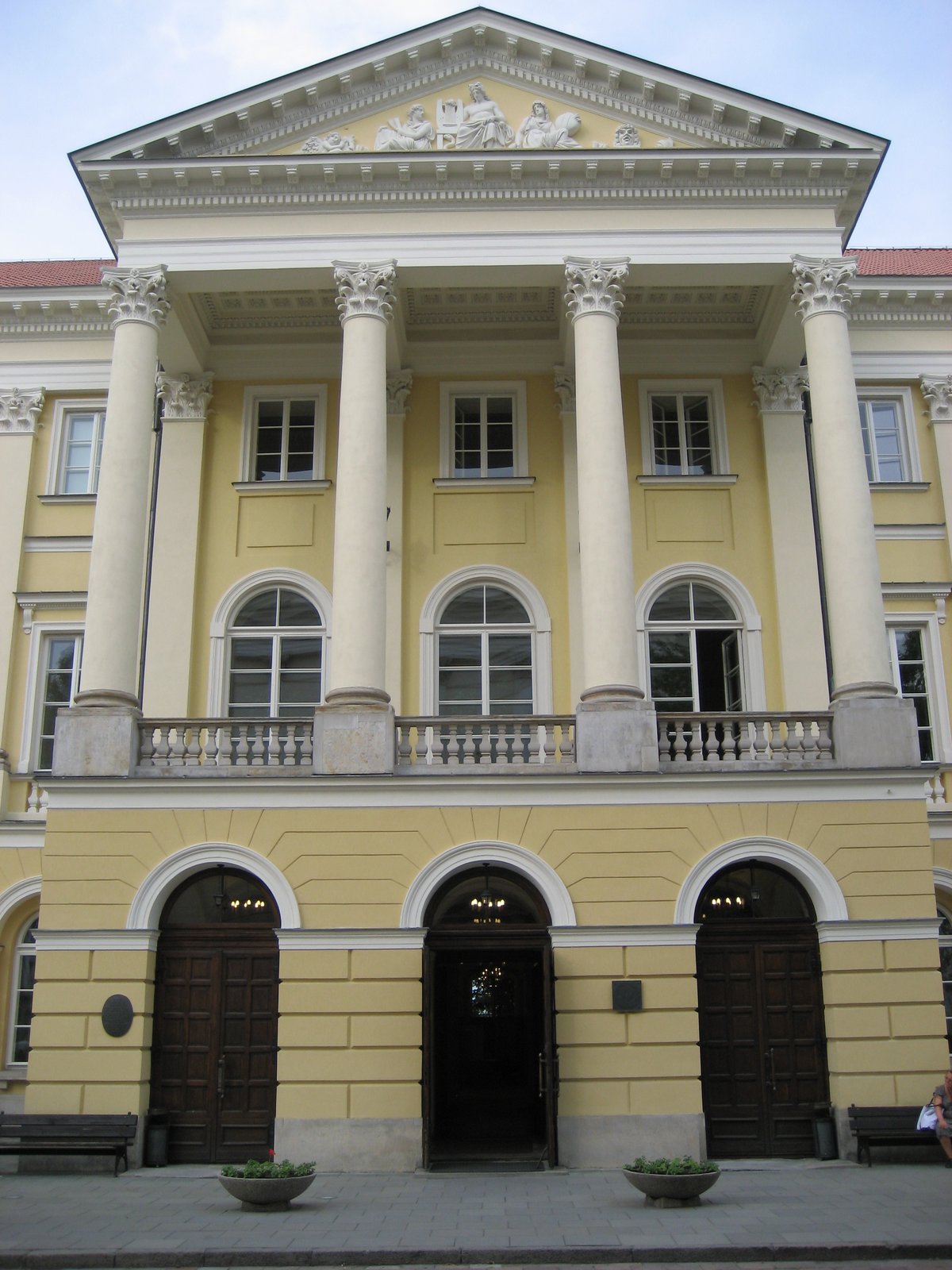
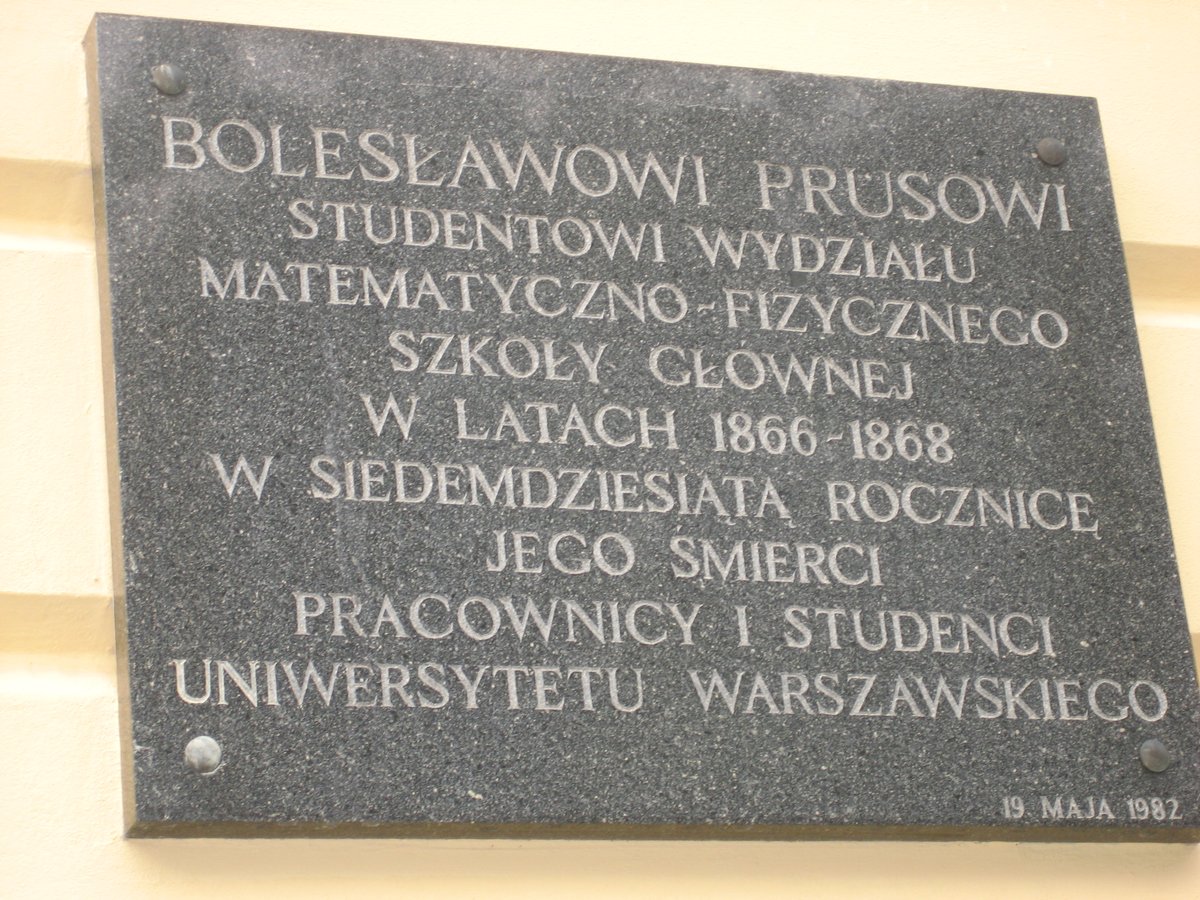
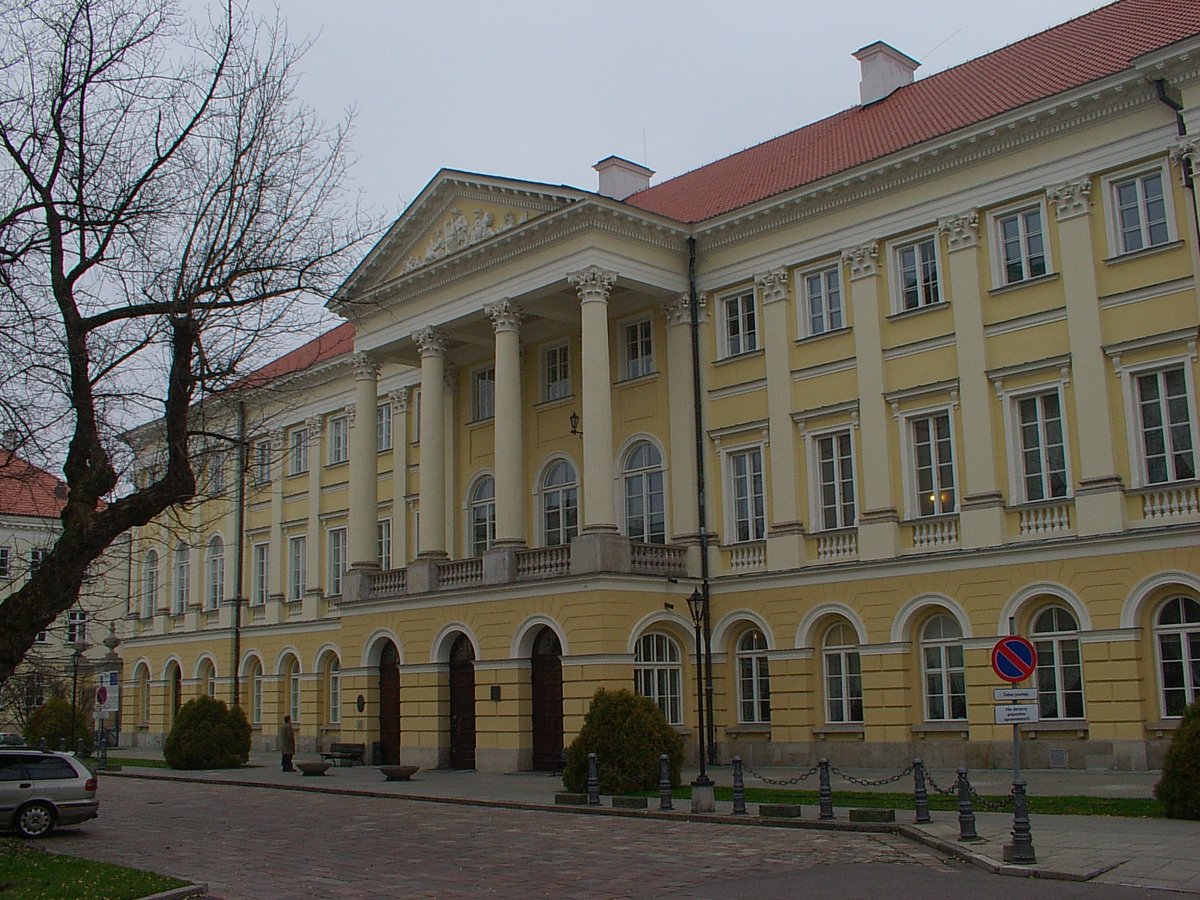
Kazimierz Palace exemplifies Polish neoclassical architecture, layered with Baroque and Rococo influences. Its symmetrical façade, mansard roof, and elegant columns reflect Enlightenment ideals. The palace includes a central block with two wings, a grand staircase, and commemorative plaques—some honoring the Chopin family, whose members were connected to the palace during its educational phase.
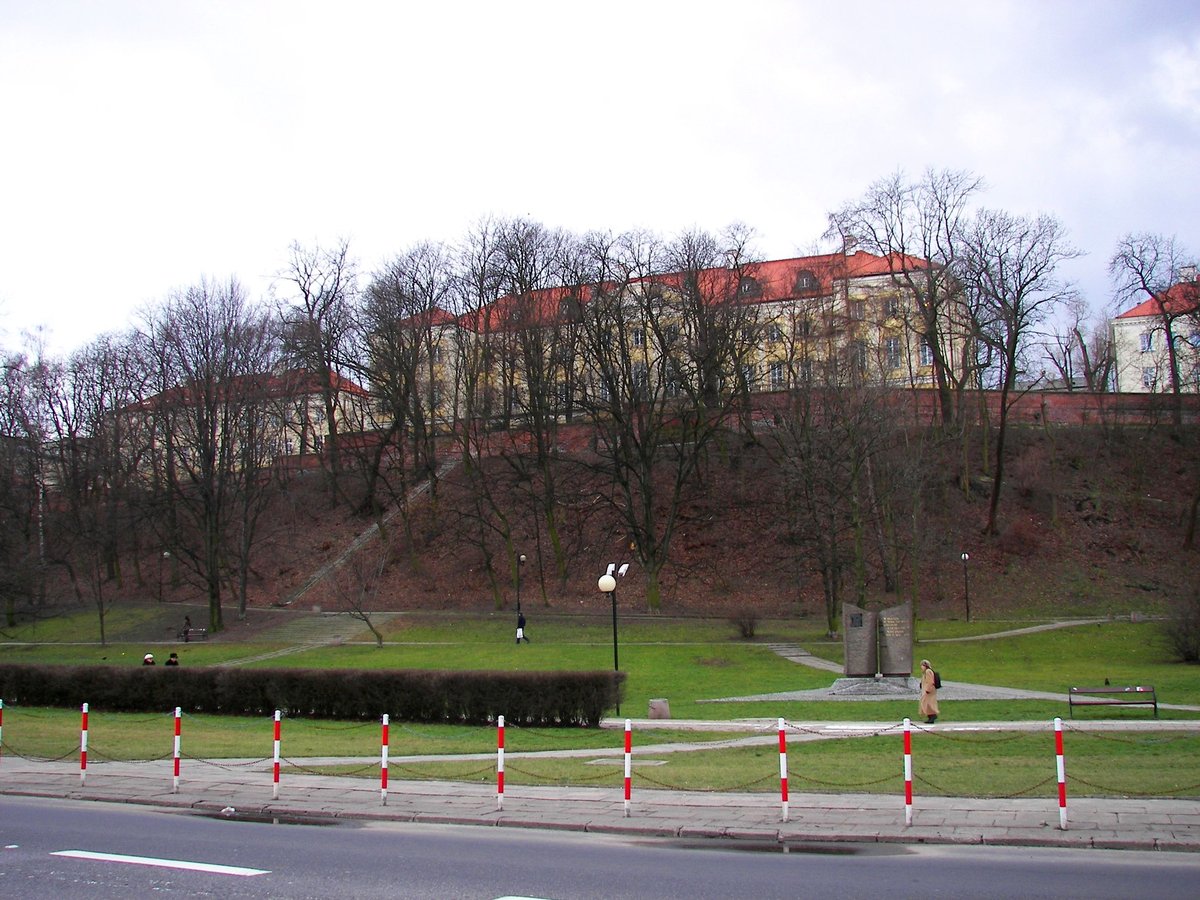
The palace is surrounded by the University of Warsaw’s main campus, forming a distinguished ensemble along Krakowskie Przedmieście (Wikipedia; Lonely Planet).
FAQs
Q: What are the visiting hours?
A: Tuesday–Sunday, 10:00 AM–5:00 PM; closed Mondays and holidays.
Q: Is there an entry fee?
A: Admission is free; some events or exhibitions may require a ticket.
Q: Are guided tours available?
A: Yes, upon advance booking via the university’s visitor services.
Q: Is Kazimierz Palace accessible for people with disabilities?
A: Yes, with ramps, elevators, and accessible facilities.
Q: Can I take photographs?
A: Photography is allowed in exterior and most public areas; restrictions may apply indoors.
Q: How do I get there by public transport?
A: Use Metro Line M2 (Nowy Świat-Uniwersytet), or trams/buses stopping at Uniwersytet.
Q: Where can I find updates on events?
A: Visit the University of Warsaw’s official website or Warsaw Tourism Office.
Key Historical Milestones
- 1637–1641: Built as Villa Regia for King Władysław IV Vasa.
- 1660: Remodeled for King John II Casimir.
- 1765–1768: Adapted for Corps of Cadets.
- 1816: University of Warsaw founded; palace becomes university seat.
- 1818–1824: Major expansions and renovations.
- 1869: University closed by Russian authorities; Imperial University established.
- 1915: Polish university restored.
- 1939–1944: Wartime damage.
- 1945–1960: Post-war reconstruction.
- 2006: Major revitalization.
Summary and Final Tips
Kazimierz Palace is a testament to Warsaw’s resilience, merging royal, academic, and cultural traditions in one site (University of Warsaw Official Site; Wikipedia). Enjoy free access to the palace and its museum, benefit from wheelchair-friendly facilities, and check for guided tours or special university events to enrich your visit.
Strategically located on Krakowskie Przedmieście, the palace is a convenient starting point for exploring the Royal Route and surrounding attractions (Warsaw Insider; Lonely Planet). Visit in spring or early autumn for pleasant weather, and use public transport for easy access.
For additional information, guided audio tours, and updates, download the Audiala app and connect with official university and tourism channels.
Kazimierz Palace embodies Poland’s enduring cultural and intellectual spirit—an essential destination for anyone seeking to understand Warsaw’s past and present (Warsaw Tourism Office; University of Warsaw).
Listen to the full story in the app
The whole Kazimierz Palace,
told well.
Audio guides for 1,100+ cities across 96 countries. History, stories, and local insight — offline ready.
Verified, and shown.
Researched and written by the Audiala editorial team from historical records, architectural archives, and local expertise.
Researched from Wikidata, Wikipedia & official sources · fact-checked · How we make our guides →