Plan and listen to Jewish Historical Institute with Audiala.
Audio guide in your pocket, itinerary in your browser. Built for the way you actually visit.
Introduction
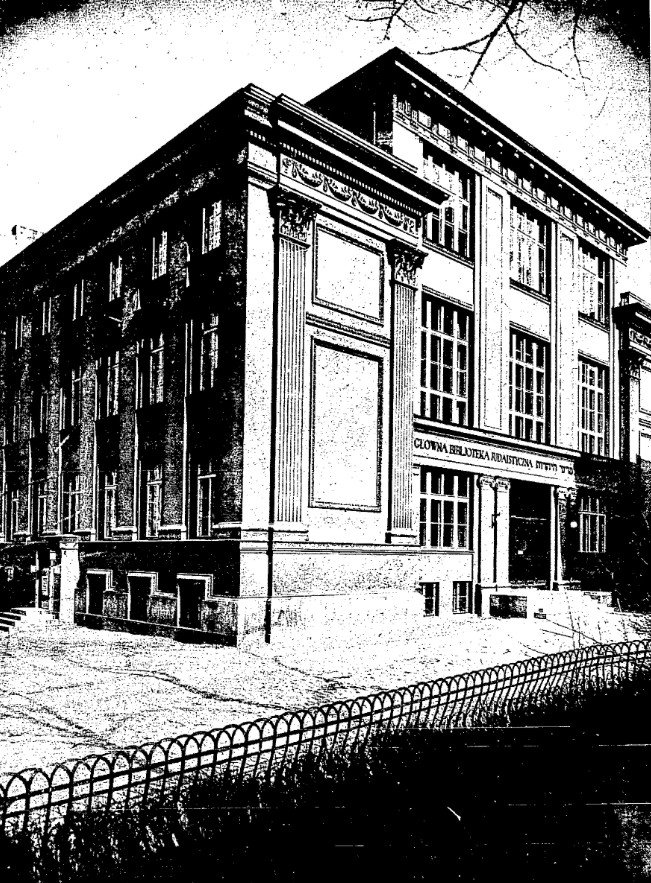
The Jewish Historical Institute (Żydowski Instytut Historyczny, ŻIH) in Warsaw is a leading center for Jewish cultural memory, scholarship, and education in Poland. Founded in 1947 and housed in the historic Main Judaic Library building, the Institute preserves one of the world’s most significant collections of Jewish archives—most notably the Ringelblum Archive, a clandestine record of life and resistance in the Warsaw Ghetto during the Holocaust. Recognized by UNESCO’s Memory of the World Register, the Institute remains a vital institution for understanding Jewish heritage, Holocaust history, and the enduring resilience of Jewish communities. Visitors can expect impactful exhibitions, research opportunities, educational programs, and accessible facilities, all set in the heart of Warsaw’s historic Jewish district (Jewish Historical Institute Official Website; UNESCO Memory of the World Register: Ringelblum Archive; USHMM).

Historical Background and Foundation
Origins and Early Development
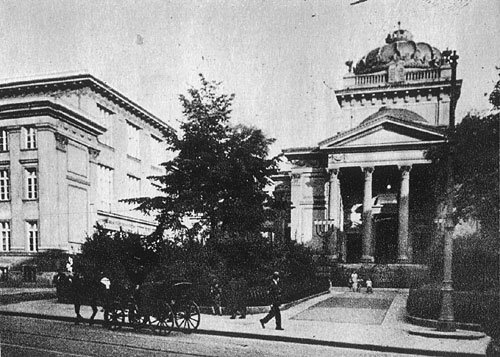
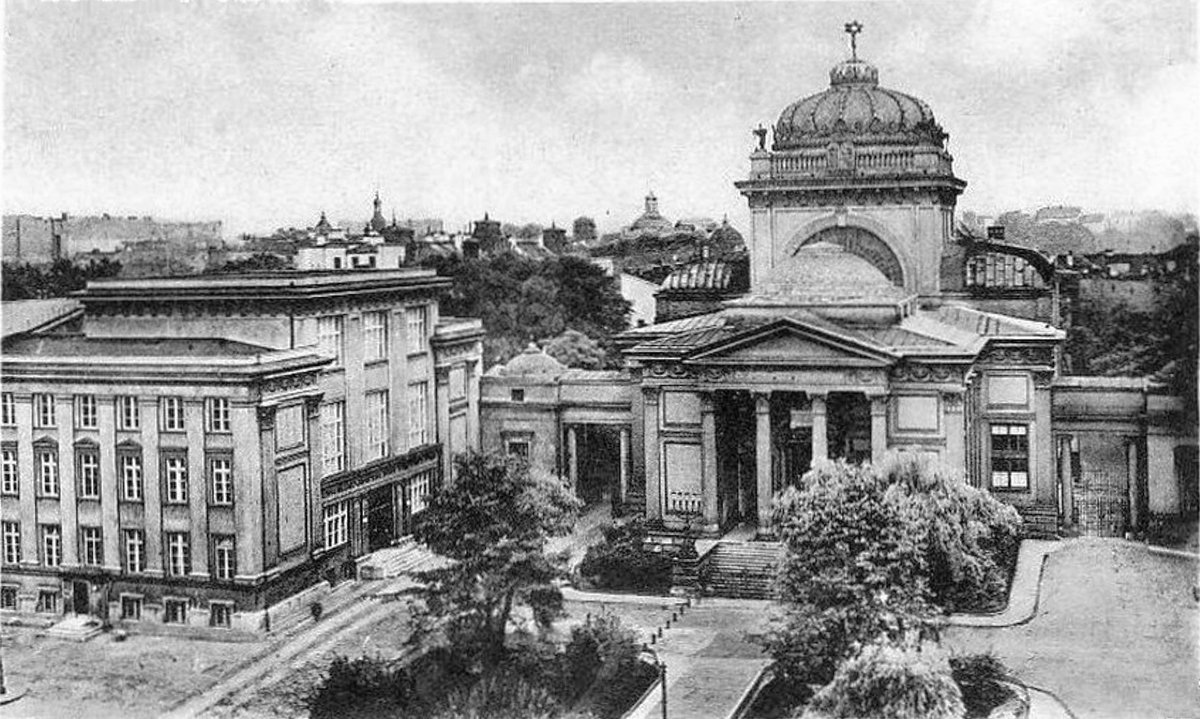
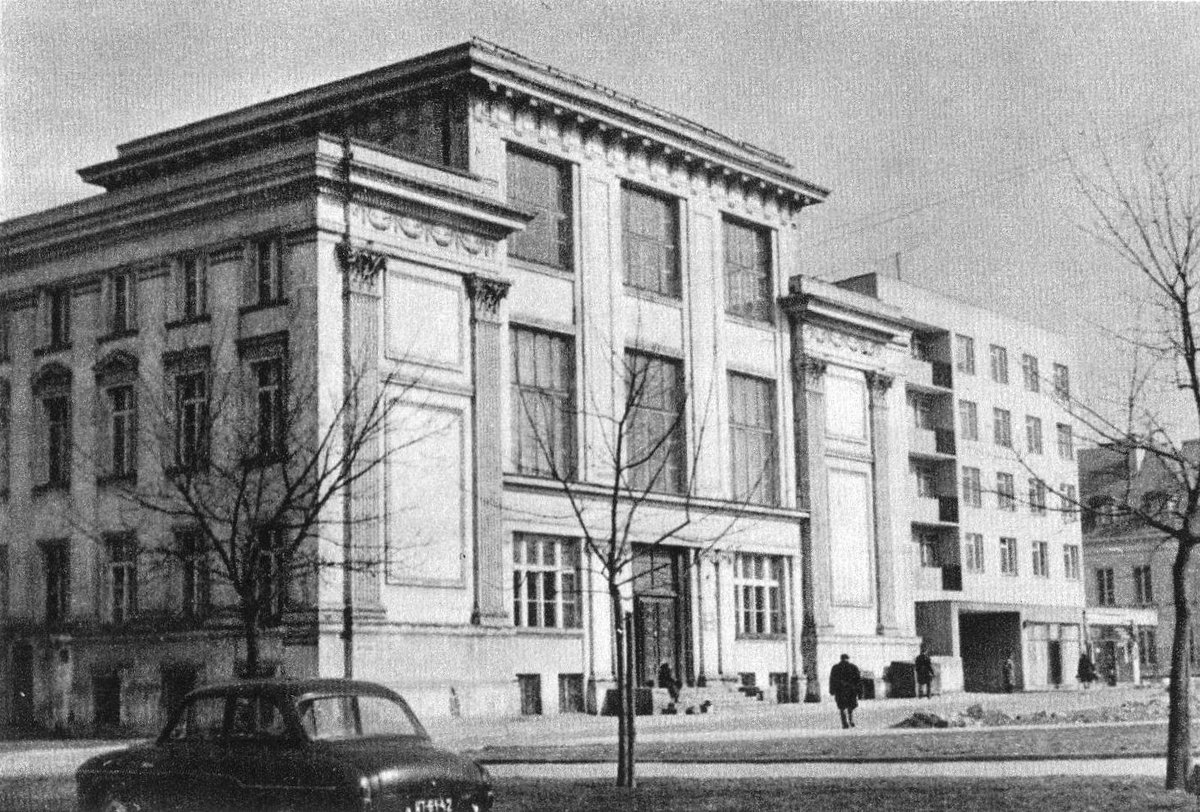
Before World War II, Warsaw was a hub for Jewish scholarship and culture. The Main Judaic Library, built between 1928 and 1936 next to the Great Synagogue on Tłomackie Street, symbolized Jewish learning and community. Remarkably, the building survived the war, becoming a rare remnant of prewar Jewish Warsaw.
Wartime Catastrophe and Documentation
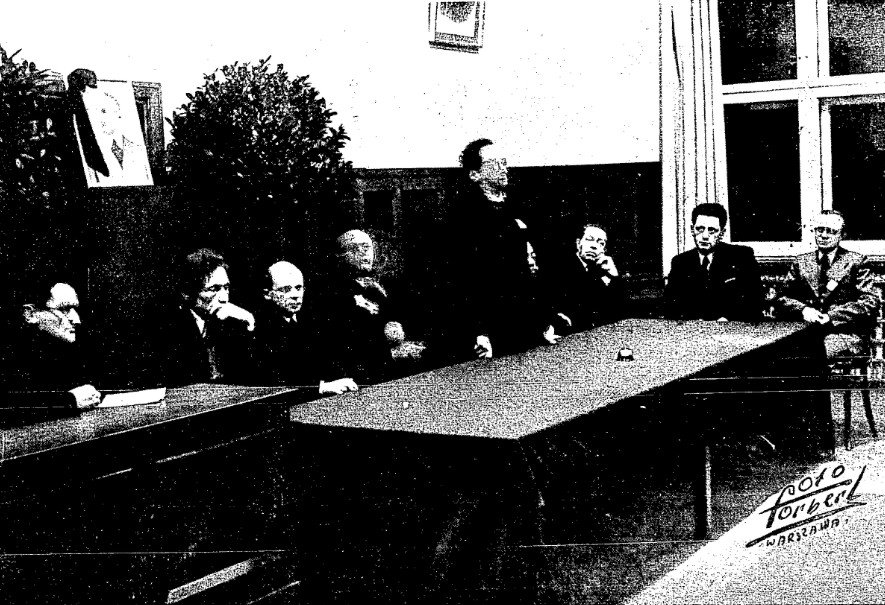
The devastation of the Holocaust and destruction of Warsaw’s Jewish community resulted in an urgent need to document Jewish lives and experiences. In 1944, the Central Jewish Historical Commission was established to collect evidence and testimonies from survivors. This initiative laid the groundwork for systematic preservation of Jewish history in Poland.
Establishment and Mission (1947)
In 1947, the Jewish Historical Institute was founded as the successor to the Commission, directly inheriting its mission: to document, preserve, and study the history and culture of Polish Jewry. The Institute’s core goals include:
- Archival preservation of documents, photographs, diaries, and artifacts from before, during, and after the Holocaust.
- Research and publication of scholarly works, including the Jewish History Quarterly and the Ringelblum Archive.
- Public education through exhibitions, conferences, and outreach programs.
The Ringelblum Archive
A defining part of the Institute’s collection is the Ringelblum Archive, a secret record compiled in the Warsaw Ghetto by Emanuel Ringelblum and colleagues. Concealed in milk cans and boxes, the archive contains thousands of documents—diaries, reports, photos, and more—offering an unparalleled portrait of Jewish life and resistance. Its discovery after the war and recognition by UNESCO underscore its global significance.
Institutional Evolution
The Institute, named after Ringelblum in 2009, continues to expand its archival, educational, and digital initiatives under expert leadership. It remains Poland’s principal center for Jewish research, memory, and cultural engagement.
Visiting the Jewish Historical Institute
Visiting Hours
- Museum Exhibitions: Tuesday–Sunday, 10:00 AM–5:00 PM
- Research Facilities: Monday–Friday, 10:00 AM–4:00 PM
- Closed: Mondays and national holidays
- Always check the official website for seasonal or holiday changes.
Tickets and Admission
- General Admission: 20 PLN
- Discounted: 10 PLN (students, seniors)
- Children under 7: Free
- Free Entry: Mondays
- Special Exhibitions & Tours: May require additional tickets or reservations
- Tickets: Available at the entrance or online (JHI Visit Us)
Guided Tours
- Available in Polish, English, and other languages by advance booking.
- Offer in-depth insights into permanent and temporary exhibitions.
- Recommended for all visitors seeking a comprehensive experience.
Accessibility
- Fully wheelchair accessible with ramps and elevators.
- Adapted restroom facilities.
- Visitors with special needs are encouraged to contact the Institute in advance for assistance.
Location and Travel Tips
- Address: Tłomackie 3/5, Warsaw, Poland (JHI Plan Your Visit)
- Public Transport:
- Metro: M1 Ratusz-Arsenał Station
- Buses & Trams: Multiple lines to Metro Ratusz-Arsenał stop
- Nearby Landmarks: Nożyk Synagogue, POLIN Museum, Warsaw Ghetto Memorial, Warsaw Old Town
Permanent and Temporary Exhibitions
"What We’ve Been Unable to Shout Out to the World" – The Ringelblum Archive
This permanent exhibition centers on the Ringelblum Archive, presenting original diaries, letters, photographs, and even the milk cans used to hide these documents. Multimedia installations and personal testimonies bring the realities of ghetto life to life (go2warsaw.pl; whichmuseum.com).
"Bejt tfila – House of Prayer"
An exploration of Jewish spiritual and communal life through synagogue furnishings, ritual objects, and explanations of religious traditions (go2warsaw.pl).
Temporary Exhibitions
Rotating exhibitions cover history, art, and memory. Notable examples include:
- "Capturing the Ghetto: Artistic Portrayals of Everyday Life in the Łódź Ghetto" (until March 16, 2025) (jguideeurope.org)
- "Minor Remnants from Solna Street. Isaac Celnikier and the Holocaust Experience" (until June 16, 2024)
- "1945. Not the End, Not the Beginning" (March 7 – September 15, 2025)
The Ringelblum Archive (Oneg Shabbat)
A UNESCO-listed collection of about 6,000 documents—diaries, essays, reports, photographs, and artifacts such as milk cans and boxes (go2warsaw.pl).
Library and Research Facilities
Resources include memoirs, organizational records, Judenräte documents, and genealogical materials, all available for on-site consultation (jhi.pl).
Art and Ritual Objects
Synagogue furnishings, ritual objects, and artworks that illuminate Jewish religious and artistic traditions.
Digital and Conservation Initiatives
Ongoing digitization and conservation projects make collections accessible online via cbj.jhi.pl and delet.jhi.pl.
Visitor Experience
Facilities and Languages
- English-language materials available; interactive displays are expanding.
- On-site bookstore with publications on Jewish history and culture.
Guided Tours, Educational Workshops
- Year-round guided tours for groups, educational institutions, and seniors (advance booking advised).
- Seasonal workshops (April–October) on Jewish history, culture, and genealogy.
Genealogy and Heritage Services
- Genealogy Department supports visitors tracing Jewish ancestry.
- Heritage Documentation Department provides information on Jewish heritage sites throughout Poland.
Highlights
- Plan for at least 2–3 hours to explore exhibitions and archives.
- Photography permitted in designated areas.
- Mandatory cloakroom for visitors.
Ringelblum Archive: Significance and Visitor Information
Historical Importance
The Ringelblum Archive, or Oneg Shabbat Archive, was a clandestine effort by Jewish intellectuals, led by Emanuel Ringelblum, to document life and resistance in the Warsaw Ghetto under Nazi occupation (USHMM; JHI). The archive, hidden in milk cans and metal boxes, was recovered after the war and remains a central pillar of Holocaust documentation worldwide (Yad Vashem).
Visiting the Archive
- Exhibition: "What We Could Not Shout Out to the World" (permanent)
- Location: Jewish Historical Institute, Tłomackie 3/5, Warsaw
- Hours: Monday–Friday, 10:00 AM–4:00 PM
- Admission: Free on Mondays; tickets otherwise required
- Accessibility: Accommodations available; advance contact recommended
- Research Access: Reading room by appointment; digital access online (JHI Plan Your Visit)
Special Events and Multimedia
- Regular lectures, guided tours, and special events focused on the Ringelblum Archive and Warsaw Ghetto history.
- Multimedia displays and virtual tours available on the Institute’s website.
Frequently Asked Questions (FAQ)
Q: What are the Jewish Historical Institute’s visiting hours?
A: Tuesday–Sunday, 10:00 AM–5:00 PM; research facilities open Monday–Friday, 10:00 AM–4:00 PM. Closed on Mondays and holidays.
Q: How much are tickets?
A: General admission 20 PLN; discounts for students/seniors; free entry on Mondays.
Q: Is the Institute wheelchair accessible?
A: Yes, with ramps, elevators, and adapted restrooms.
Q: Are guided tours available in English?
A: Yes, by advance reservation.
Q: Can I access the collections digitally?
A: Yes, via cbj.jhi.pl and delet.jhi.pl.
Q: What other attractions are nearby?
A: POLIN Museum, Nożyk Synagogue, Warsaw Ghetto Memorial, and Warsaw Old Town.
Listen to the full story in the app
The whole Jewish Historical Institute,
told well.
Audio guides for 1,100+ cities across 96 countries. History, stories, and local insight — offline ready.
Verified, and shown.
Researched and written by the Audiala editorial team from historical records, architectural archives, and local expertise.
Researched from Wikidata, Wikipedia & official sources · fact-checked · How we make our guides →