Plan and listen to Inwalidów Square In Warsaw with Audiala.
Audio guide in your pocket, itinerary in your browser. Built for the way you actually visit.
Introduction
Inwalidów Square (Plac Inwalidów), located in Warsaw’s Żoliborz district, is a fascinating convergence of history, architecture, and community spirit. Evolving from a 19th-century Russian fortification into a central urban plaza, the square today honors Polish war veterans and showcases some of the city’s finest interwar modernist architecture. With its open green spaces, historical monuments, vibrant cafés, and year-round accessibility, Inwalidów Square invites visitors to experience both the resilience of Warsaw and the everyday vibrancy of local life. This guide offers a comprehensive look at its history, visitor information, transport tips, and nearby attractions, ensuring a rewarding visit for history enthusiasts and casual explorers alike (Wikipedia, Go2Warsaw, StayPoland, Finding Poland).

History and Significance
Origins: Fort Gieorgija and Russian Rule
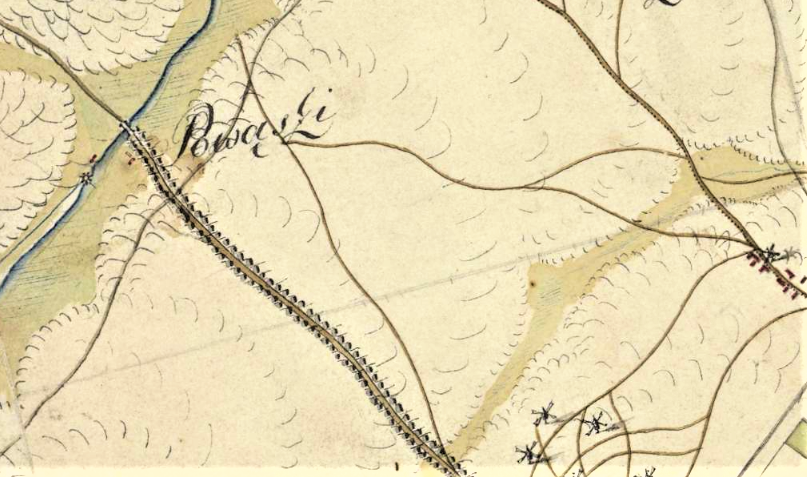
Inwalidów Square’s roots extend to the 1860s, when the Russian Imperial Army constructed Fort Gieorgija as part of the Warsaw Citadel’s defensive ring. This fortification, connected to the Citadel by an underground tunnel still present today, was intended to suppress Polish uprisings and maintain imperial control (Wikipedia). The fort was eventually demolished in the early 1920s, paving the way for the development of the Żoliborz district.
Urban Planning and Interwar Development
Designated as Inwalidów Square in 1923, the area became the centerpiece of a modern garden-city concept, with broad avenues, inviting pedestrian spaces, and communal housing. The first major building, Dom Oficerski (Officers’ House), opened in 1924, setting a precedent for quality residential architecture. The square’s naming in 1926 by the Warsaw City Council honored veterans wounded during World War I, reflecting Poland’s renewed independence and efforts to commemorate national sacrifice (Go2Warsaw).
Wartime and Postwar Context
During the 1944 Warsaw Uprising, Żoliborz and Inwalidów Square saw significant conflict, but much of the area’s modernist architecture survived. Postwar, the square became a symbol of both resilience and remembrance, with monuments and plaques commemorating military and civilian efforts. The architecture blends prewar modernism with postwar socialist influences, reflecting Warsaw’s layered history (StayPoland).
Commemorative Monuments
At the heart of the square stands the Monument to the Polish Soldiers and German Anti-Fascists (1968), designed by Kazimierz Danilewicz. This abstract memorial honors the joint struggle against Nazism during WWII. The square also features plaques and smaller memorials dedicated to various military and resistance groups, serving as a focal point for official ceremonies on Poland’s national holidays (OverYourPlace).
Architectural Features
Interwar Modernism
Inwalidów Square is flanked by elegant low-rise apartment blocks, exemplifying the modernist principles of the 1920s and 1930s: clean lines, functional layouts, minimal ornamentation, and an emphasis on health and light. Many buildings were designed by members of the Warsaw Housing Cooperative (WSM), highlighting the area’s cooperative social ideals (Academia.edu).
Green Urban Design
The square’s generous lawns, mature trees, benches, and flowerbeds are hallmarks of the garden city movement. Pathways, playgrounds, and outdoor cafés foster community interaction and offer relaxing settings for residents and visitors (Kids in the City).
Visiting Hours & Accessibility
- Open Access: Inwalidów Square is a public space open 24 hours a day, 7 days a week, year-round.
- Entrance Fees: There is no admission fee for the square or its monument.
- Accessibility: The square offers smooth pathways, ramps, and is wheelchair- and stroller-friendly. Benches and shaded areas provide comfort for all visitors.
- Facilities: Restrooms are available in nearby parks and cafés; free public Wi-Fi may be accessible in local venues.
Getting There
By Public Transport
- Tram: Lines 6, 15, and 17 serve stops adjacent to the square (Finding Poland).
- Bus: Lines 116 and 180 connect to major attractions and stop nearby.
- Metro: Plac Wilsona station (Line M1) is about a 10-minute walk away, linking the area to the city center (Warsaw.net).
- Tickets: Warsaw’s unified ticket system enables easy tram, bus, and metro transfers. A 20-minute ticket costs about 4.40 PLN.
By Taxi or Rideshare
Taxi and rideshare services like Uber and Bolt are widely available. Expect a 15–20 minute ride from the city center.
Parking
Limited paid on-street parking is available. Rates are generally 4.50 PLN/hour, free on Sundays and holidays (Finding Poland).
Navigating and Nearby Attractions
Layout
The square’s open, symmetrical design is easy to navigate, with wide pedestrian paths and green spaces surrounded by historic modernist buildings.
Points of Interest
- Żoliborz Modernist Architecture: Walk from the square to see iconic interwar residential buildings.
- Parks: Visit nearby Park Żeromskiego or Sady Żoliborskie for relaxation.
- Cafés & Bakeries: Enjoy local cuisine and coffee at venues facing the square (Rachel IRL).
- Żoliborz Town Hall: Hosts exhibitions and cultural events.
Visitor Tips
- Best Time to Visit: April–June and September–October for mild weather and seasonal events.
- Safety: Żoliborz is safe and peaceful, popular with families and joggers.
- Photography: The square’s architecture and green spaces make for excellent photos, especially at dawn or dusk.
- Language: Polish is official, but English is widely spoken in tourist venues. Basic Polish greetings are appreciated but not required (Then & Nows).
- Facilities: ATMs are nearby; most businesses accept cards.
Cultural Etiquette & Community Life
- Respect: Keep noise low and dispose of litter responsibly, honoring the neighborhood’s calm atmosphere.
- Events: The square hosts open-air concerts, markets, and ceremonies—especially during summer and national holidays.
- Guided Tours: Several operators include the square in walks highlighting Żoliborz’s history and architecture (Kids in the City, Go2Warsaw).
Frequently Asked Questions (FAQ)
Q: What are Inwalidów Square’s opening hours?
A: The square is a public outdoor space, open 24/7.
Q: Is there an entrance fee?
A: No, access is free.
Q: Are guided tours available?
A: Yes, local operators offer tours focusing on Żoliborz’s history and architecture.
Q: Is the square accessible for people with disabilities?
A: Yes, with smooth paths and ramps.
Q: Can I take photos?
A: Yes, but please respect residents’ privacy.
Plan Your Visit
- Suggested Itinerary: Start at Inwalidów Square, stroll through Żoliborz’s modernist streets, relax in a local park, and enjoy a coffee at a nearby café.
- Combine with: Warsaw Citadel, Old Town, Łazienki Park, or the Royal Route for a full day’s exploration (The Crazy Tourist).
Summary
Inwalidów Square is a vibrant and meaningful destination that weaves together Warsaw's complex history, architectural achievements, and thriving community life. Open around the clock and easily accessible, it is ideal for anyone interested in exploring Warsaw’s authentic urban heritage. Whether you are intrigued by its historical layers, enjoy modernist architecture, or simply seek a peaceful spot to relax, Inwalidów Square offers a rewarding experience. Enhance your visit with guided tours, public transport, and nearby attractions, and make use of digital resources like the Audiala app for maps and audio guides (Go2Warsaw, Warsaw Official Tourist Portal, StayPoland, Finding Poland).
Audiala2024
Listen to the full story in the app
The whole Inwalidów Square In Warsaw,
told well.
Audio guides for 1,100+ cities across 96 countries. History, stories, and local insight — offline ready.
Verified, and shown.
Researched and written by the Audiala editorial team from historical records, architectural archives, and local expertise.
Researched from Wikidata, Wikipedia & official sources · fact-checked · How we make our guides →