Plan and listen to Hotel Warszawa with Audiala.
Audio guide in your pocket, itinerary in your browser. Built for the way you actually visit.
Introduction
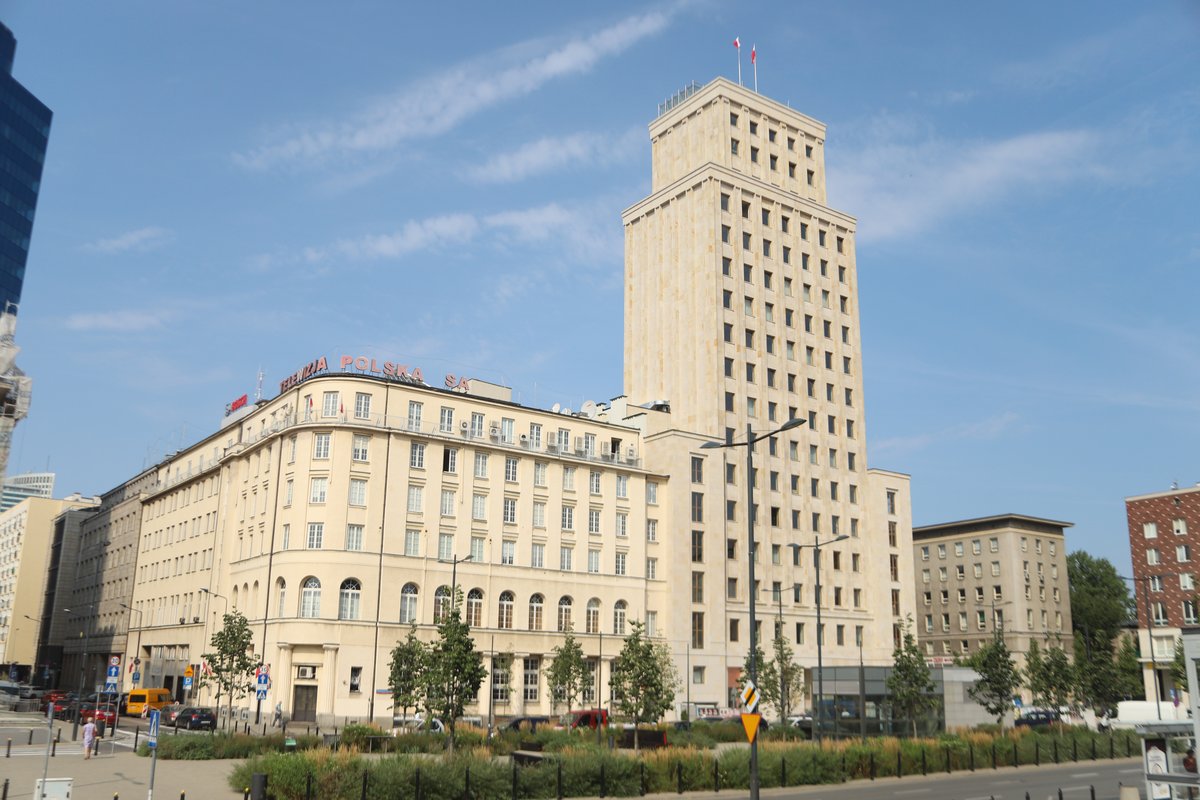
Hotel Warszawa, once known as the Prudential Building, is an enduring symbol of Warsaw’s resilience, innovation, and cultural richness. Its journey from an interwar skyscraper to a wartime survivor and, finally, to a contemporary luxury hotel mirrors the city’s own dramatic 20th-century history. Today, Hotel Warszawa is both a destination for world-class hospitality and a living monument to Warsaw’s architectural and cultural evolution (Warsaw Insider; Contemporary Lynx). Nestled at Powstańców Warszawy Square in the city center, the hotel offers guests a unique combination of historic grandeur and modern amenities, as well as access to some of Warsaw’s most important sights.

Early Origins and Construction (1931–1934)
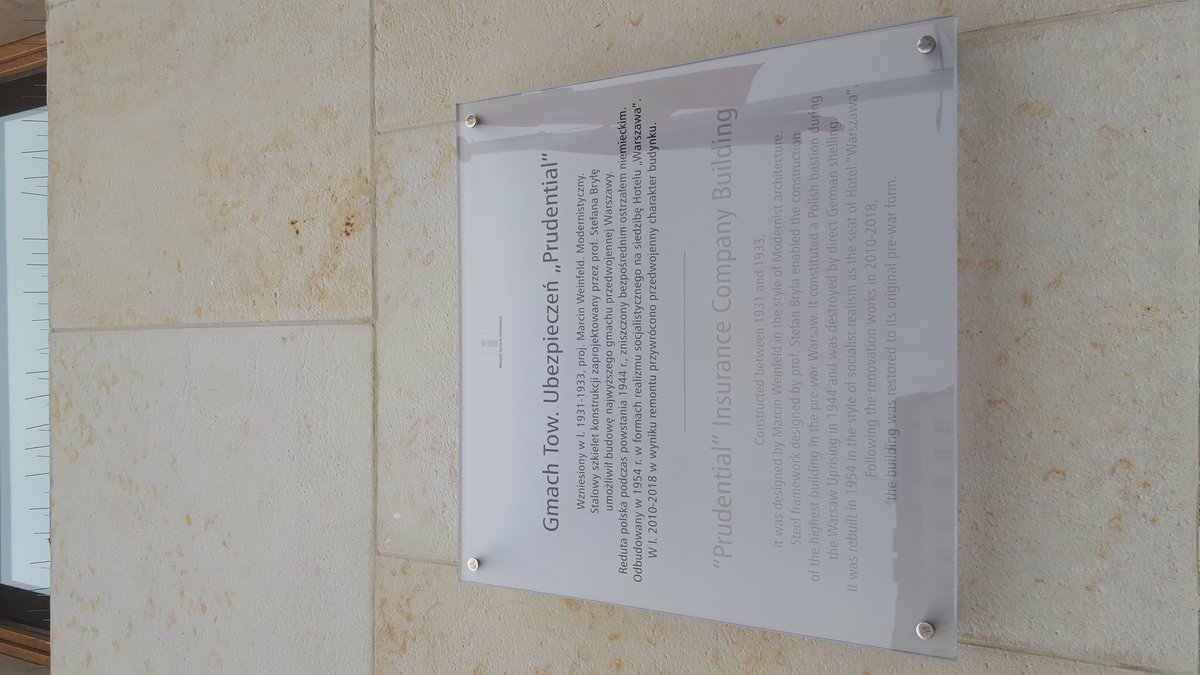
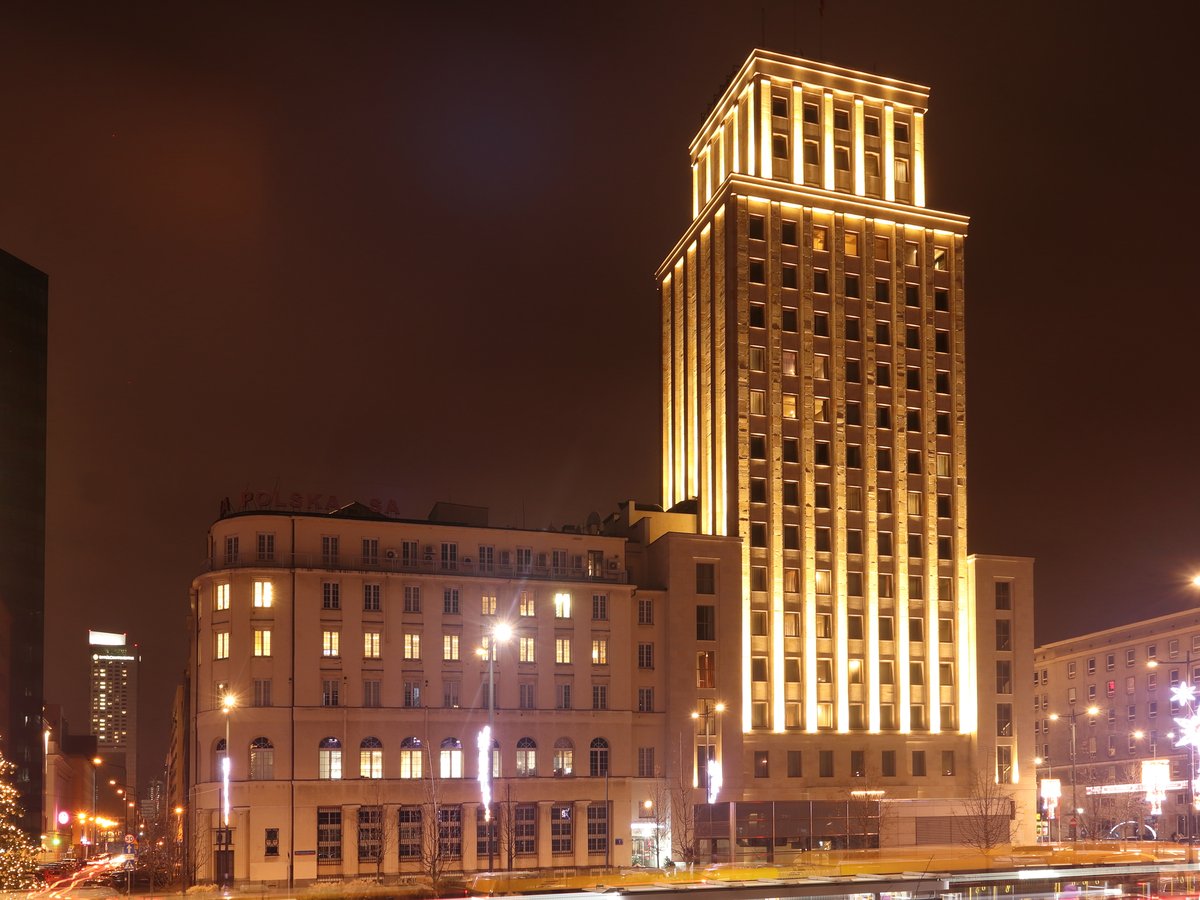
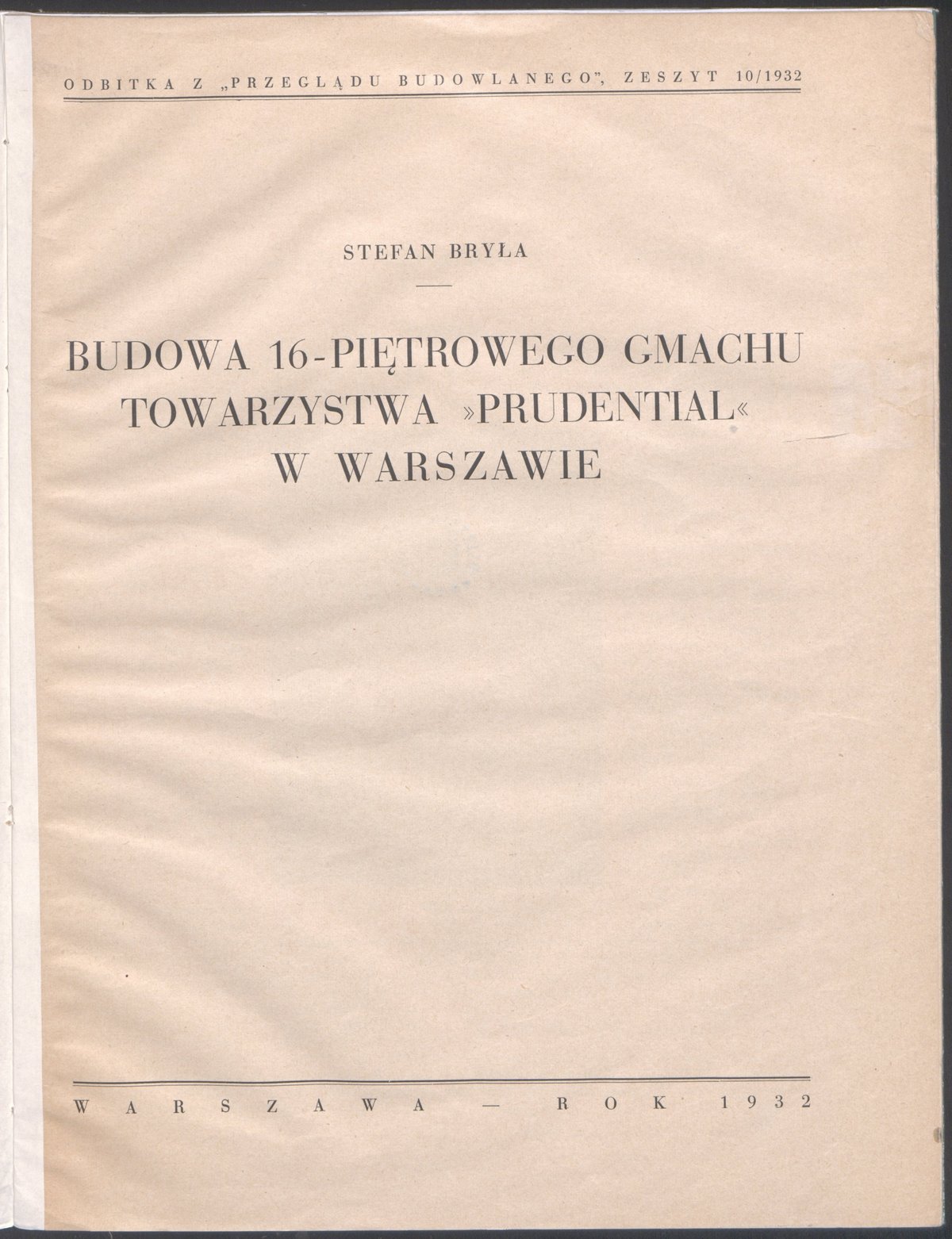
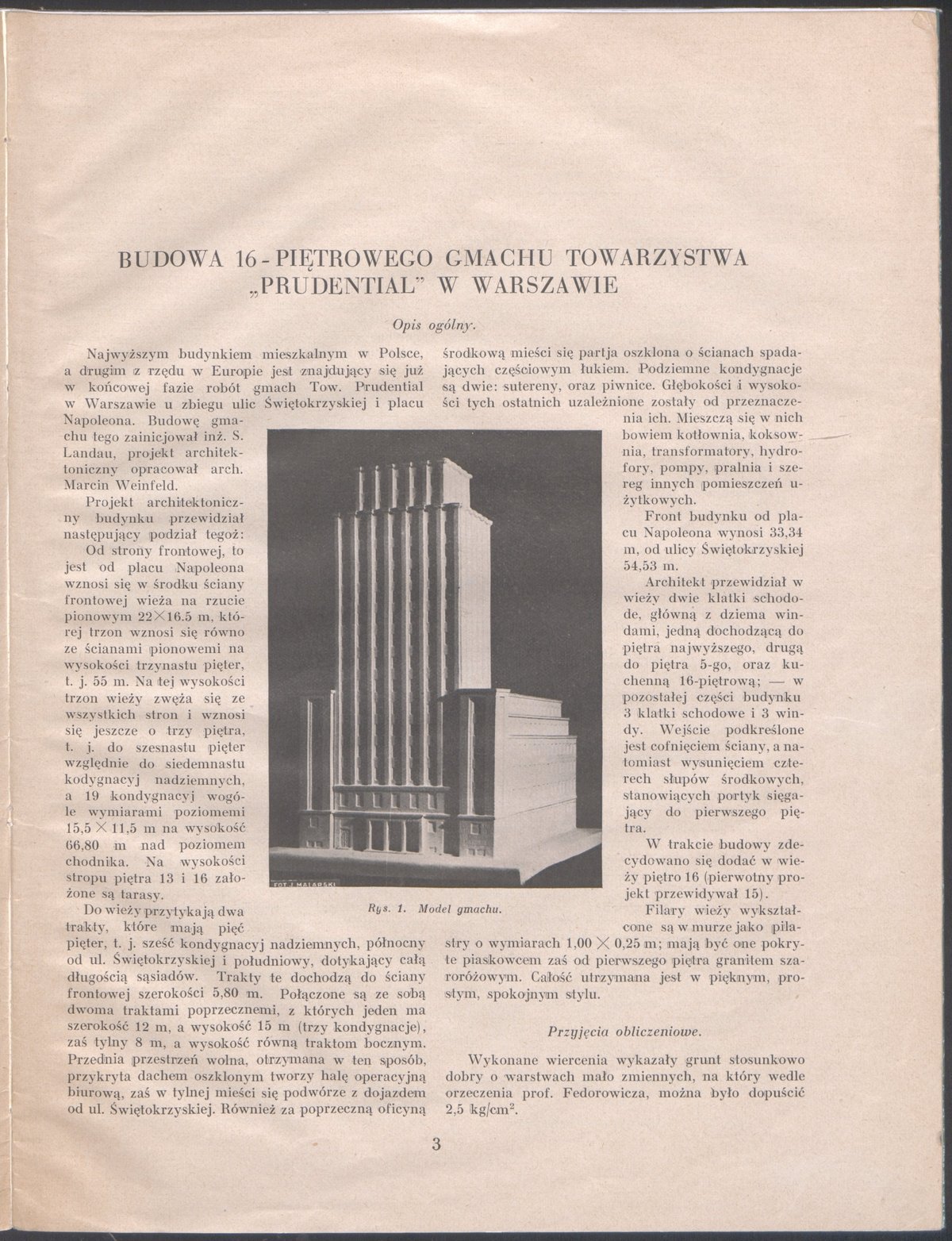
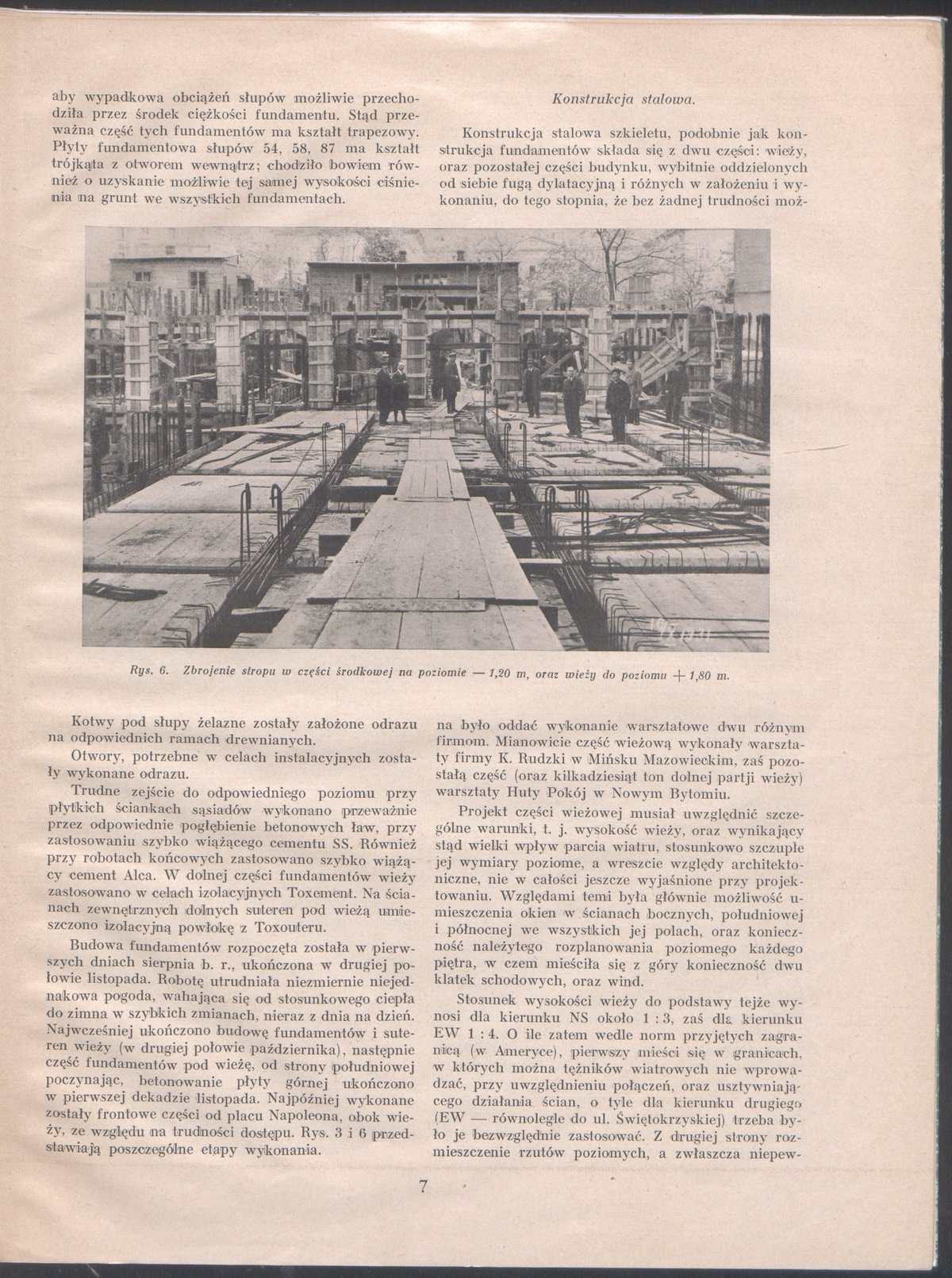
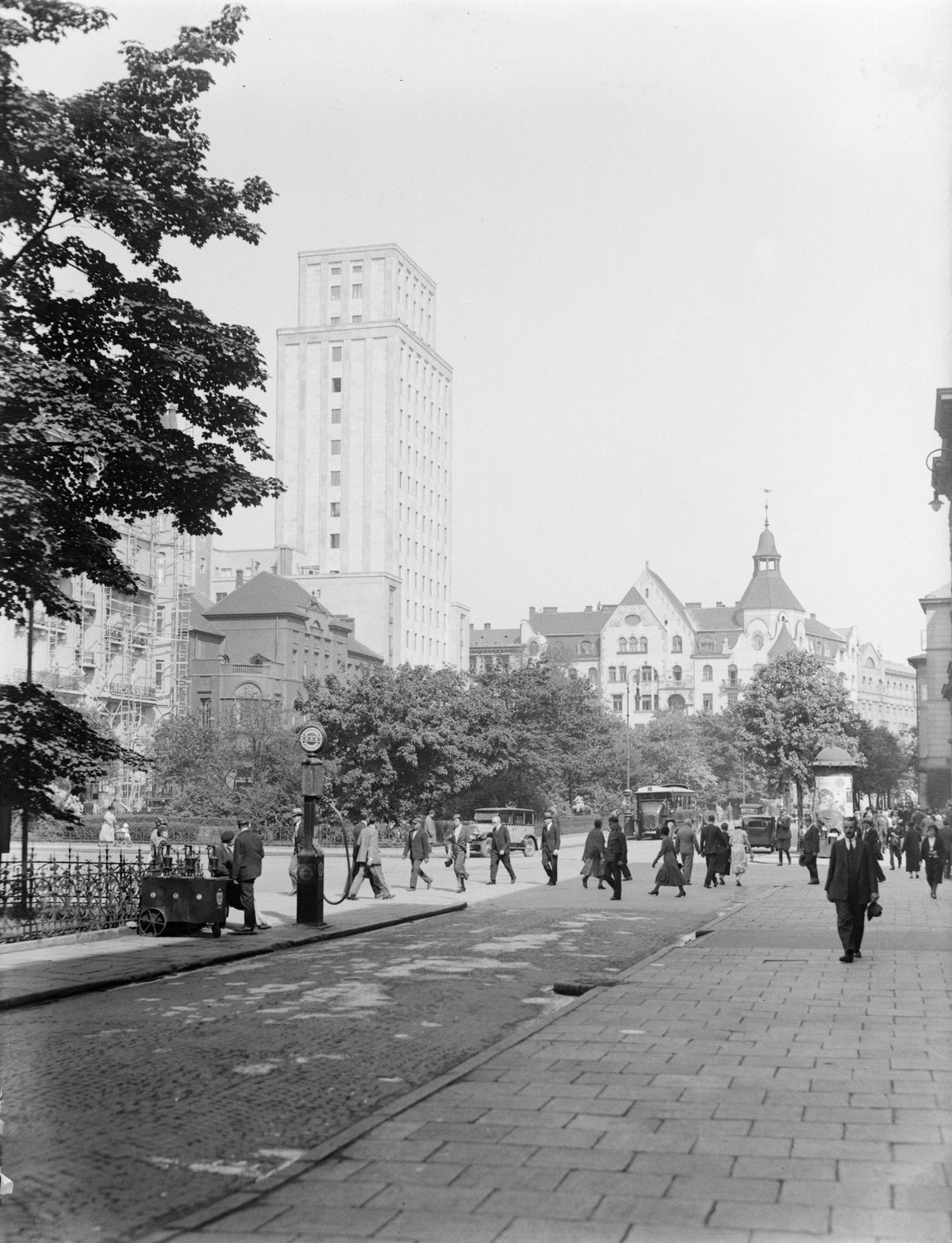
The building’s story began as the Prudential House, commissioned by the British Prudential Insurance Company. Construction started in 1931 and was completed in 1933, with the official opening in 1934. Architect Marcin Weinfeld and engineer Stefan Bryła designed the structure as a striking Art Deco skyscraper, inspired by the bold lines and steel frames of New York and Chicago’s early 20th-century towers. While initially planned as an 11-story building, the design was revised during construction to reach 16 stories, making it the tallest building in Poland and one of the tallest in Europe at 66 meters (Warsaw Insider; Wikipedia).
Interwar Symbolism and Social Life
The Prudential House quickly became a symbol of Warsaw’s cosmopolitan spirit. Its prominent position at Powstańców Warszawy Square and its modernist style made it an urban icon. The building hosted offices, luxury apartments, and event spaces, becoming a hub for business and social gatherings among Warsaw’s elite (GHOTW). Its rooftop, offering panoramic city views, was a favorite venue for black-tie balls and society events.
Wartime Destruction and Postwar Reconstruction
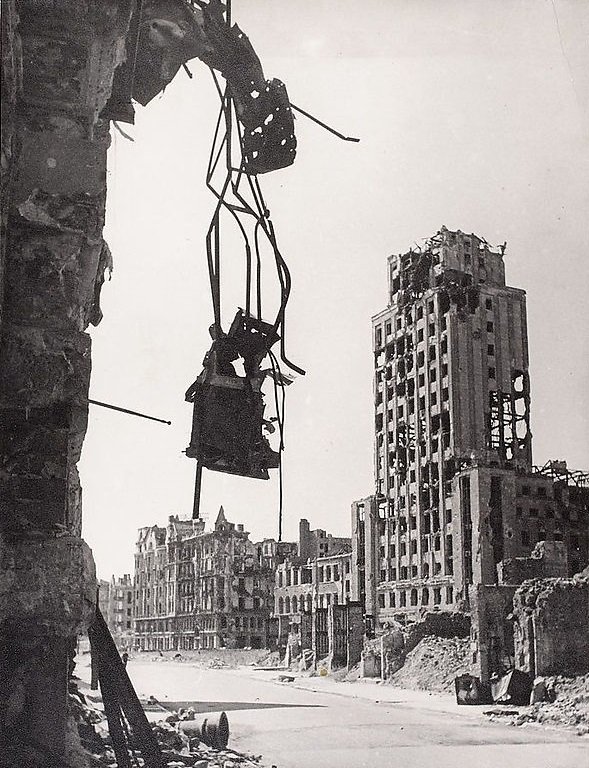
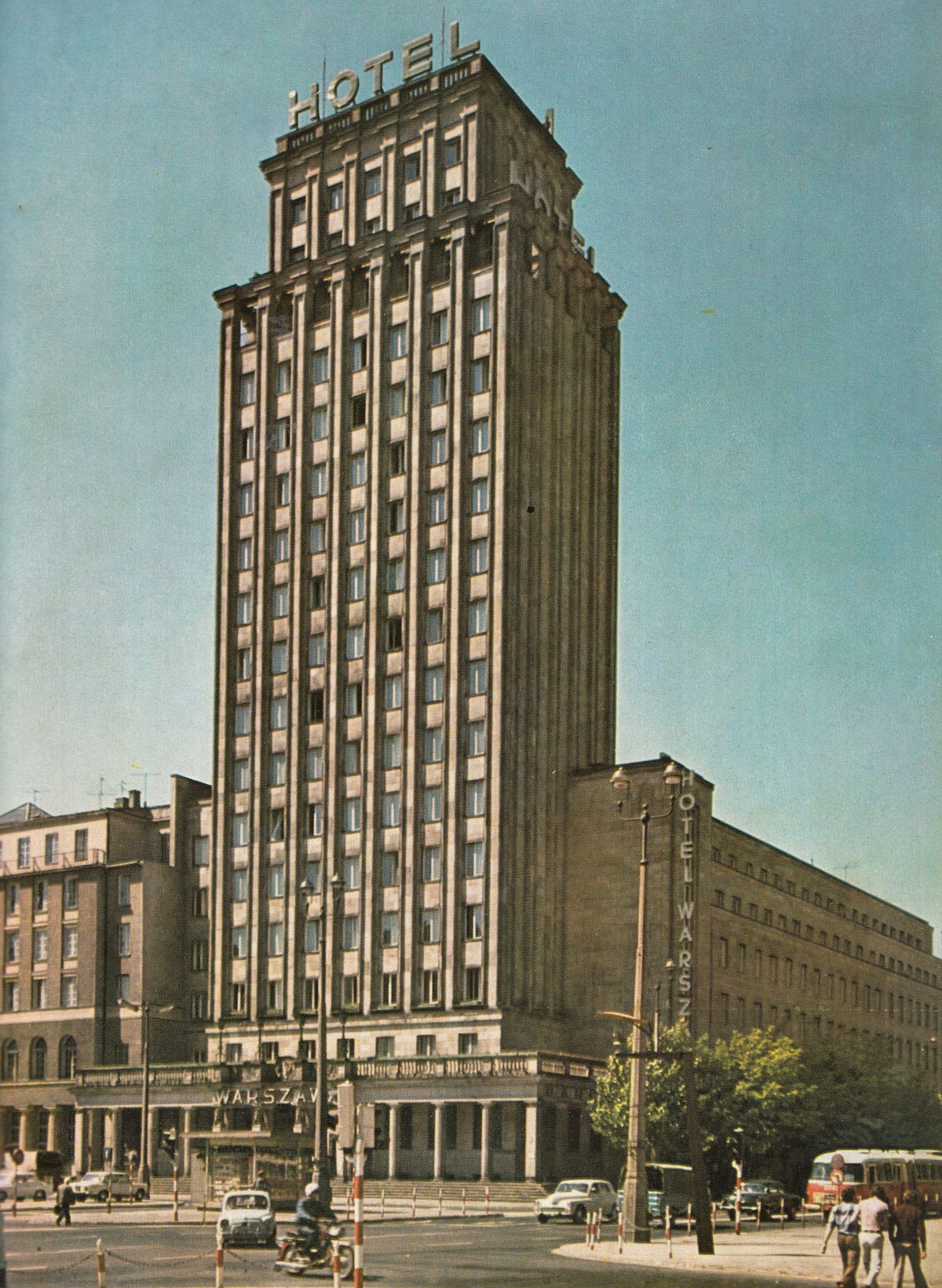
World War II brought devastation to Warsaw, and the Prudential House was not spared. It served as a strategic observation post during the 1944 Warsaw Uprising and became famous after surviving a direct hit from a two-ton German shell—a moment immortalized in photographs as a symbol of Warsaw’s unbreakable spirit (Wikipedia). After the war, the building’s steel skeleton enabled a postwar reconstruction, and by 1954 it was reborn as Hotel Warszawa, featuring a new Socialist Realist façade.
The PRL Era: Prestige and Decline
Reopened as a state-run luxury hotel, Hotel Warszawa became a symbol of modernity and internationalism in the Polish People’s Republic (PRL). The hotel hosted dignitaries, celebrities, and important events, but by the late 20th century, its facilities grew increasingly outdated. After decades of decline, the hotel closed in 2003 (Warsaw Insider).
Revival and Contemporary Transformation
In 2010, the Likus Hotel and Restaurant Group acquired the building, initiating an ambitious restoration to revive its Art Deco roots and update it for 21st-century luxury. The façade was restored to its historic look, while the interiors were entirely reimagined with minimalist aesthetics, natural materials, and bespoke furnishings. The hotel reopened in 2018 with 142 rooms, two restaurants, a bar, wellness center, and event spaces, and quickly became a model of heritage preservation and adaptive reuse (GHOTW; Contemporary Lynx).
Visitor Information
Visiting Hours and Tickets
- Public areas such as the lobby, restaurants, and bar are accessible daily, typically from 7:00 AM to 11:00 PM.
- Restaurants:
- Warszawska Restaurant: 12:00 PM – 11:00 PM
- Szóstka Restaurant: 12:00 PM – 10:00 PM
- Bar Warszawska: Open 24 hours
- Hotel guests have 24/7 access.
- Special events (e.g., art fairs, exhibitions): Check the Hotel Warszawa website for event-specific hours and ticketing.
- Tickets: General access to public spaces does not require a ticket. Some exhibitions or events may have entry fees, which are available for purchase online or at the hotel.
How to Get There
- Address: Plac Powstańców Warszawy 9, 00-039 Warsaw
- Metro: Rondo ONZ (Line M2), ~5-minute walk
- Tram & Bus: Multiple lines serve the area; check the city map for routes.
- Parking: Limited nearby; public transport is recommended.
Accessibility
Hotel Warszawa is fully accessible, with ramps, elevators, and adapted rooms for guests with mobility needs. For specific requirements, contact the hotel in advance.
Special Events and Cultural Highlights
Hotel Warszawa is a cultural hotspot, hosting events like the annual Hotel Warszawa Art Fair, which transforms rooms into temporary galleries for leading Polish and international artists (Hotel Warszawa Art Fair). The hotel regularly collaborates with local museums and art institutions for curated exhibitions and cultural programs.
Photographic Spots
- The restored Art Deco façade is especially photogenic at sunset.
- Rooftop and terrace views offer panoramic cityscapes.
- Interiors feature rotating contemporary art displays.
Architectural Significance
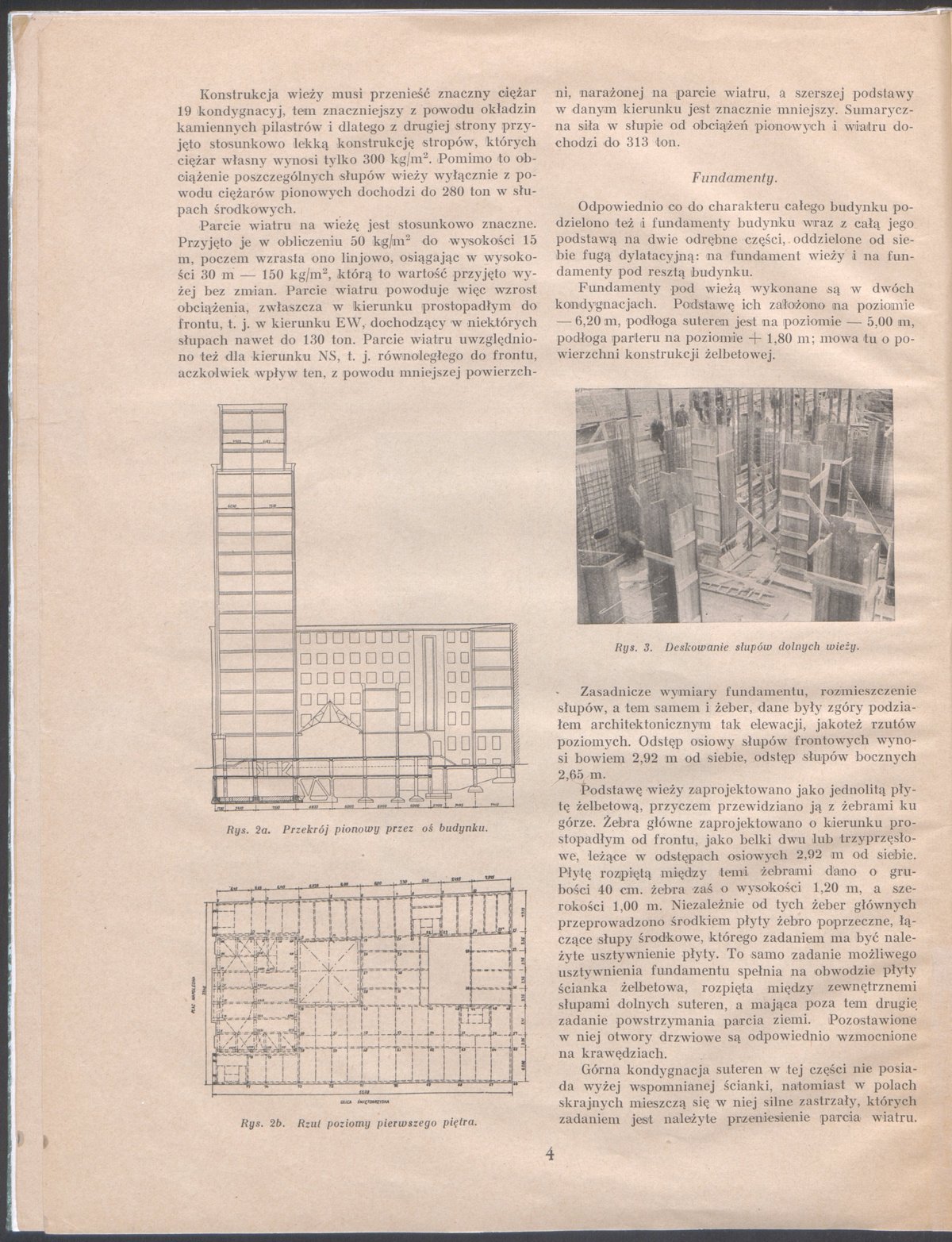
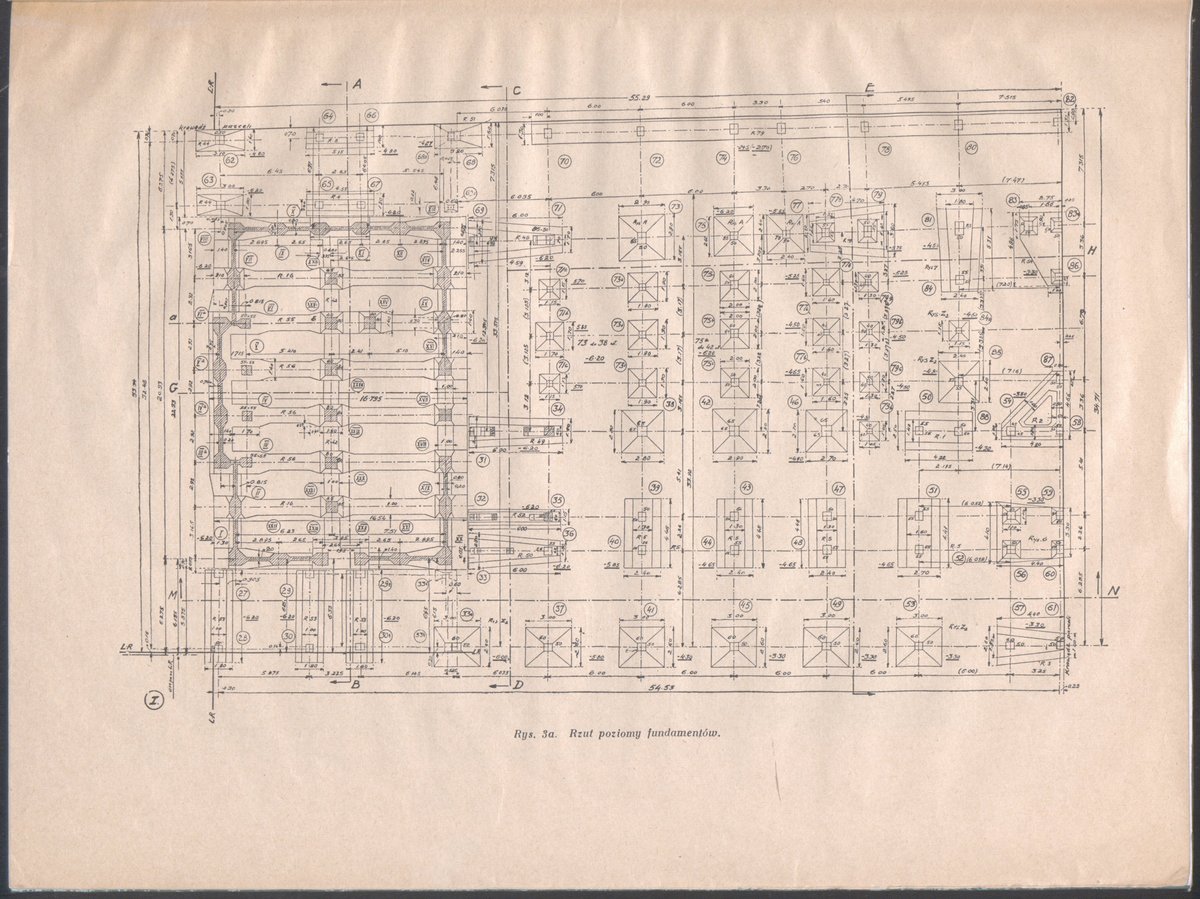
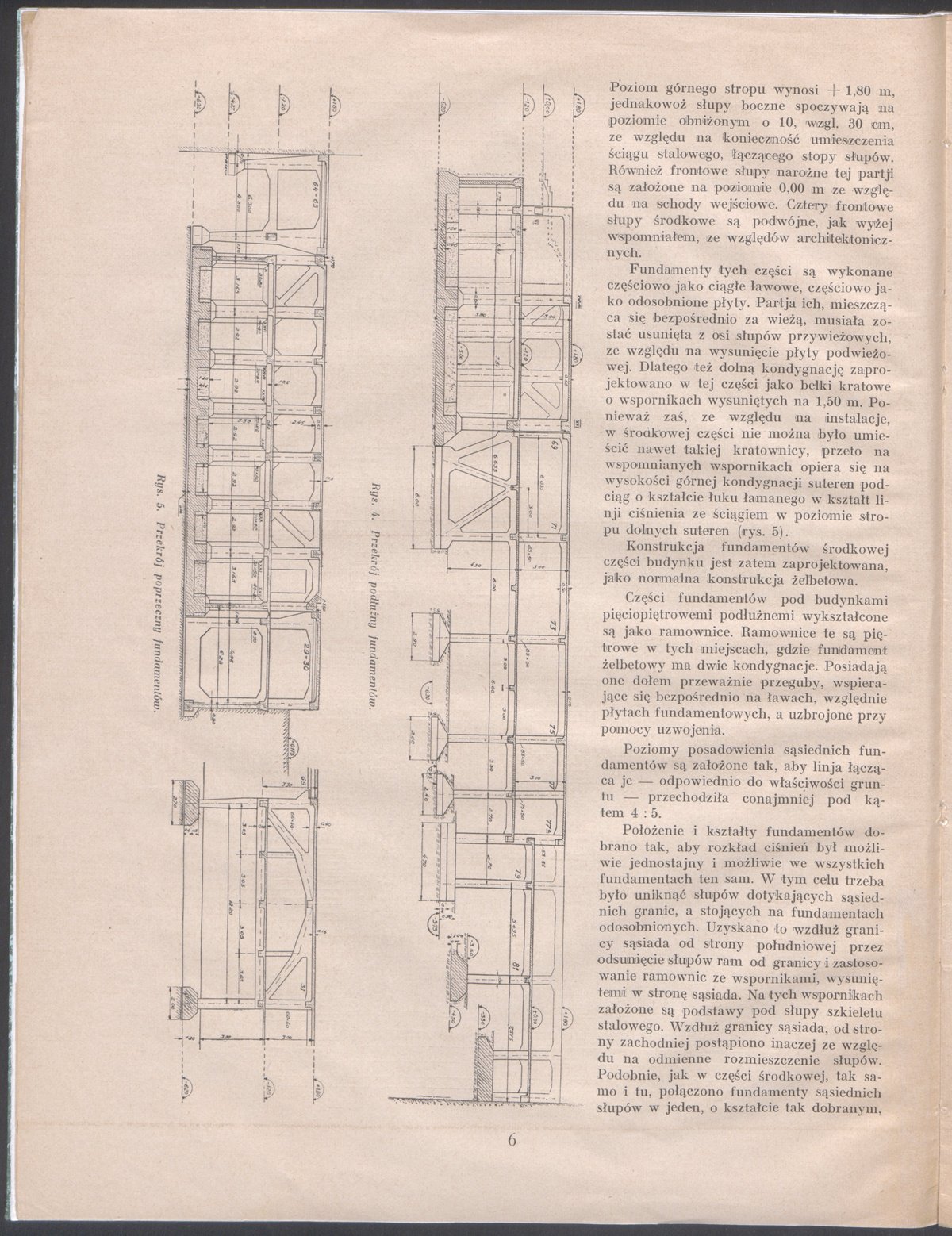
Hotel Warszawa is a landmark of early European skyscraper construction, notable for its steel frame and Art Deco styling—a sharp departure from Warsaw’s earlier architectural traditions. Its journey from Prudential House to Hotel Warszawa, through destruction and renewal, reflects the city’s own transformation and Warsaw’s broader commitment to preserving and reinterpreting its architectural heritage (Warsaw Insider; EAA). The sensitive restoration is recognized as a leading example of adaptive reuse in Poland (GHOTW).
Cultural and Social Role in Contemporary Warsaw
Hotel Warszawa is more than an accommodation—it’s a dynamic cultural venue. Events like the Hotel Warszawa Art Fair, collaborations with the Museum of Modern Art, and partnerships with the Starak Foundation make the hotel a focal point for Warsaw’s creative scene. Its blend of history and innovation inspires both locals and visitors, reinforcing Warsaw’s reputation as a center for art, architecture, and hospitality (Contemporary Lynx).
Frequently Asked Questions (FAQ)
Q: What are Hotel Warszawa’s visiting hours?
A: Public areas are accessible daily, generally from 7:00 AM to 11:00 PM. Event hours may vary—check the hotel website for updates.
Q: Are guided tours available?
A: Guided tours are offered during special events and by arrangement. Contact the hotel for details.
Q: Is the hotel accessible for people with disabilities?
A: Yes, with ramps, elevators, and adapted rooms.
Q: Are tickets required to visit?
A: No tickets are needed for general public spaces. Specific events or exhibitions may require tickets.
Q: What attractions are nearby?
A: The Warsaw Uprising Museum, Zacheta Art Museum, Chopin Museum, and Old Town are all within walking distance.
Key Dates and Milestones
- 1931–1933: Construction of Prudential House
- 1934: Official opening
- 1944: Major damage during Warsaw Uprising
- 1950–1954: Rebuilt as Hotel Warszawa
- 2003: Hotel closes
- 2010: Purchased by Likus Group
- 2018: Reopens as luxury hotel (Wikipedia; Warsaw Insider)
Discover More
Hotel Warszawa offers an immersive experience at the intersection of history, architecture, and modern luxury. Whether you’re attending a cultural event, dining in one of its acclaimed restaurants, or simply admiring the stunning Art Deco façade, the hotel is an essential part of Warsaw’s urban story.
Plan your visit by checking the official website for up-to-date information on hours, events, and ticketing. Download the Audiala app for curated guides and insider tips, and follow us on social media for news on Warsaw’s cultural and historical attractions.
Visuals and Media Recommendations
For a virtual preview, explore high-quality images, virtual tours, and interactive maps on the official Hotel Warszawa website. These resources will help you plan your visit and identify the best photographic angles.
Related Links
- Official Hotel Warszawa Website
- Warsaw Insider: Hidden History of Hotel Warszawa
- Hotel Warszawa Art Fair
- Contemporary Lynx: Hotel Warszawa Art Fair
- GHOTW: Hotel Features and Amenities
- Prudential House – Wikipedia
- Palace of Culture and Science
- Warsaw Tourist Information
Summary Table for Visitors
| Feature | Details |
|---|---|
| Address | Plac Powstańców Warszawy 9, 00-039 Warsaw |
| Public Area Hours | 7:00 AM – 11:00 PM |
| Restaurants | Warszawska: 12:00–23:00; Szóstka: 12:00–22:00 |
| Entry Fee | None for public areas; event fees as applicable |
| Accessibility | Fully accessible |
| Nearest Metro | Rondo ONZ (M2) |
| Nearby Attractions | Warsaw Uprising Museum, Zacheta Art Museum, Old Town |
| Official Website | hotelwarszawa.com |
Listen to the full story in the app
The whole Hotel Warszawa,
told well.
Audio guides for 1,100+ cities across 96 countries. History, stories, and local insight — offline ready.
Verified, and shown.
Researched and written by the Audiala editorial team from historical records, architectural archives, and local expertise.
Researched from Wikidata, Wikipedia & official sources · fact-checked · How we make our guides →