Plan and listen to Hotel Bristol with Audiala.
Audio guide in your pocket, itinerary in your browser. Built for the way you actually visit.
Introduction
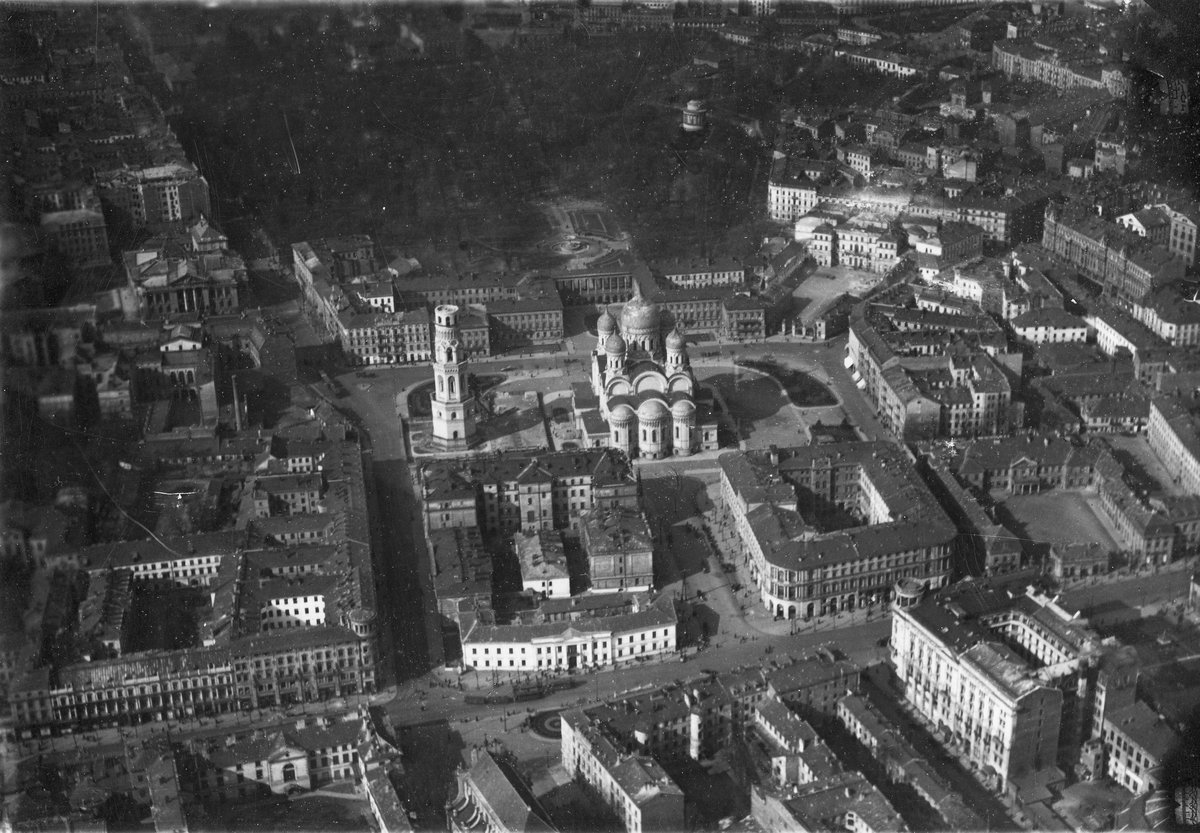
Hotel Bristol Warsaw stands as a majestic emblem of Warsaw’s rich cultural and historical tapestry, making it an essential destination for visitors interested in architecture, history, and the city’s vibrant heritage. Opened in 1901 under the direction of Ignacy Jan Paderewski—a renowned pianist, composer, and statesman—the hotel was envisioned as a symbol of sophistication for a modernizing Warsaw. Its prime location on Krakowskie Przedmieście, part of the prestigious Royal Route and next to the Presidential Palace, positions Hotel Bristol not only as a luxury accommodation but also as a living monument to Warsaw’s resilience and cosmopolitan aspirations (warsawcitytours.pl; spcc.pl).
This guide covers all aspects of visiting the Hotel Bristol, including hours, ticketing, accessibility, nearby attractions, and travel tips—ensuring a seamless and memorable experience at one of Warsaw’s premier historical sites.

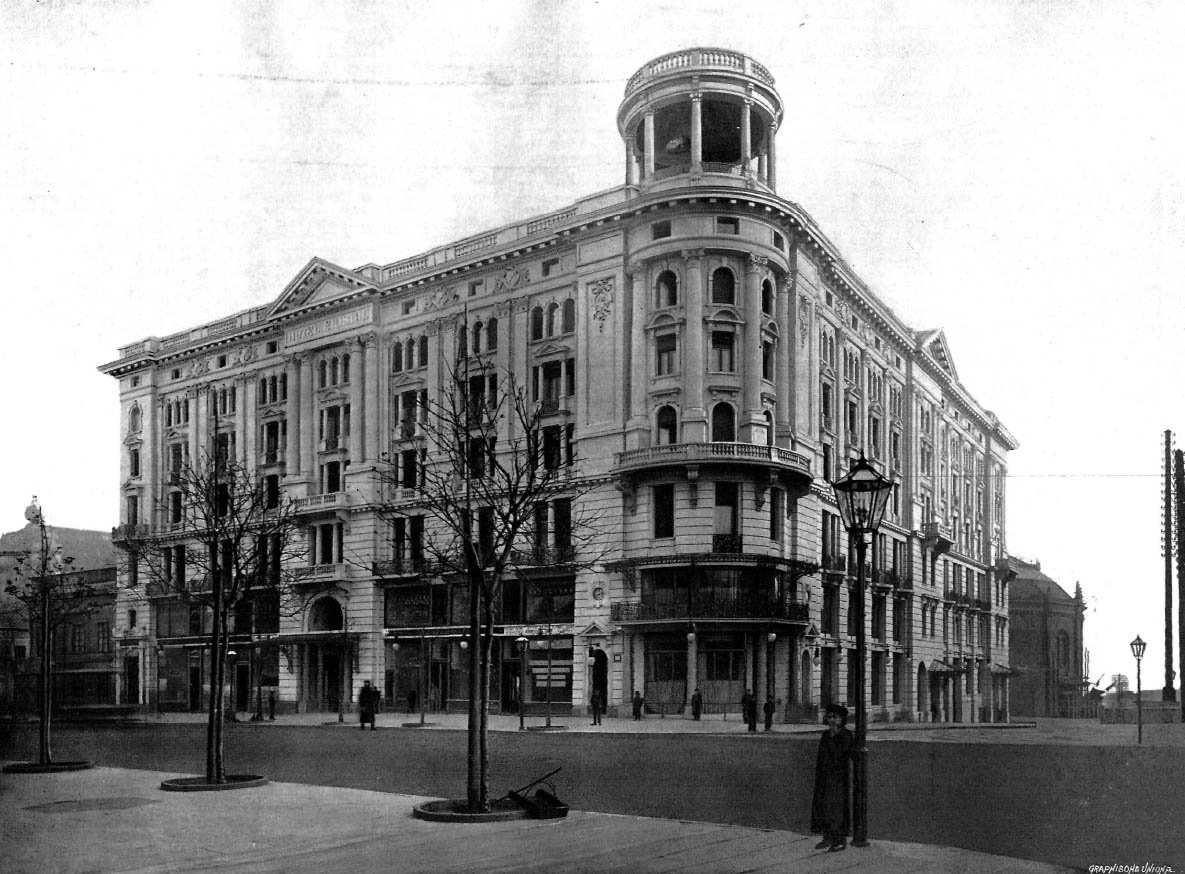
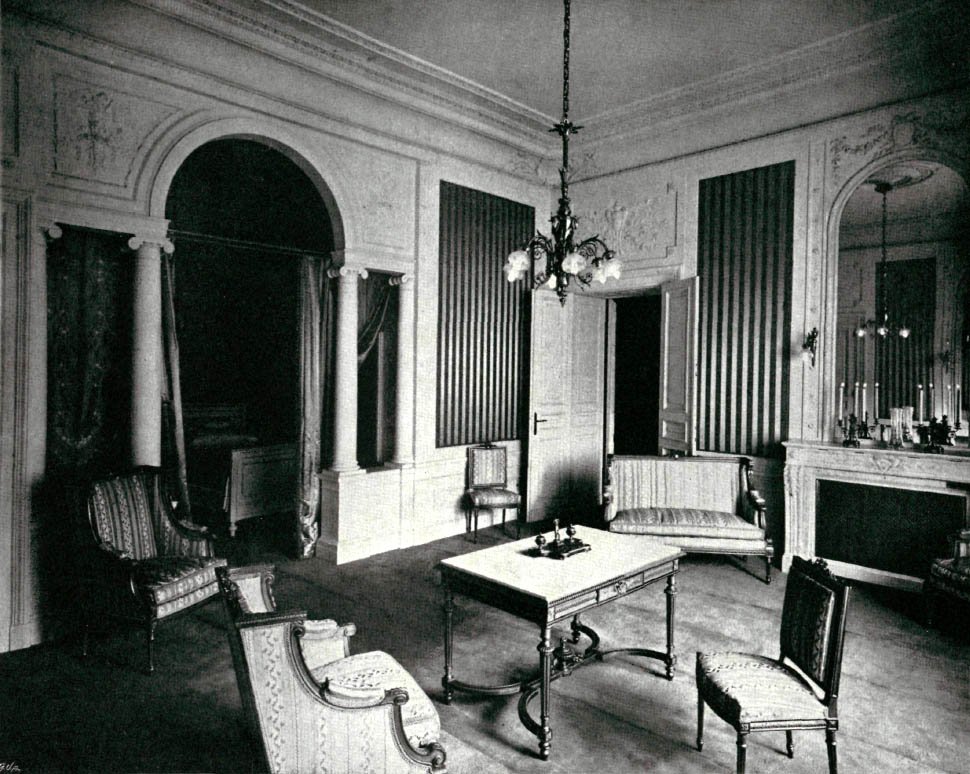
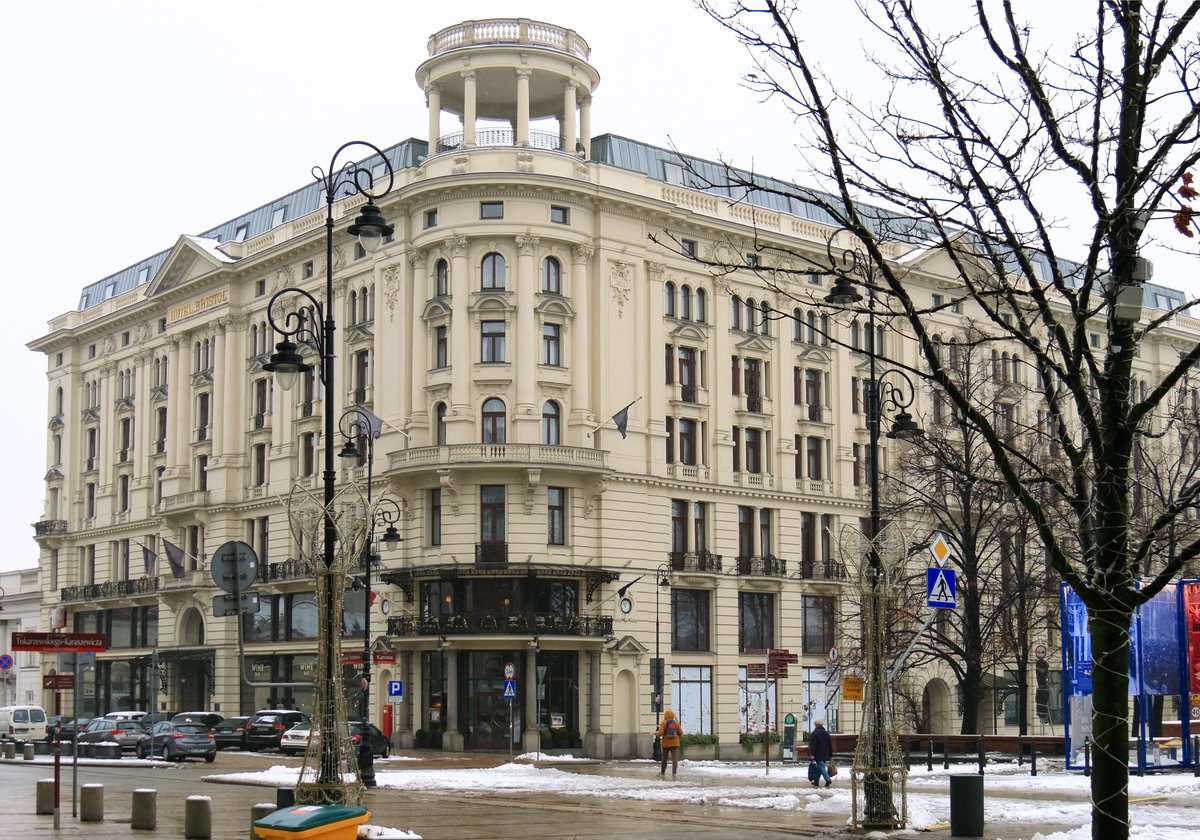
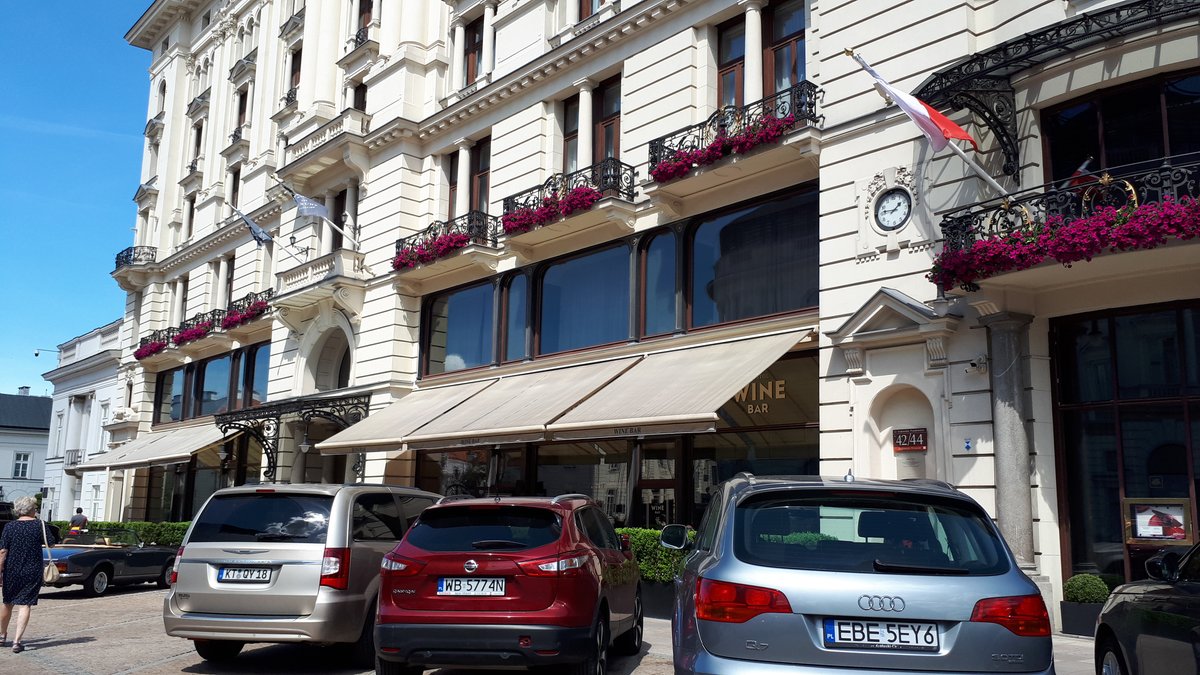
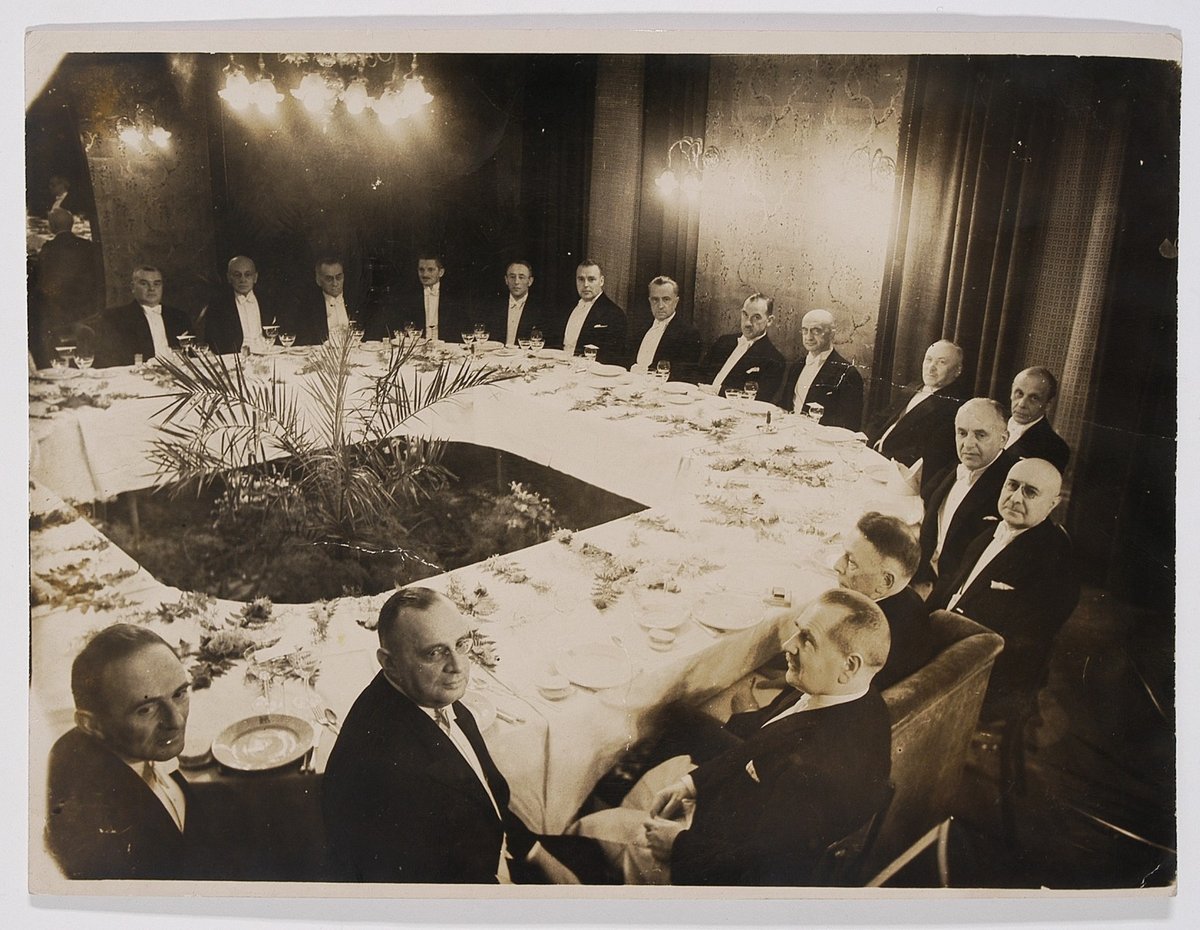
Origins and Vision
Conceived between 1898 and 1901, Hotel Bristol materialized from the vision of Ignacy Jan Paderewski, who sought to establish a grand hotel that would serve as Warsaw's cultural and social epicenter. The chosen site on Krakowskie Przedmieście positioned the hotel at the heart of Warsaw’s political and cultural life, adjacent to the Presidential Palace and bridging the city’s historical Old Town with its modern center (warsawcitytours.pl; spcc.pl; coolhotels.in).
Architectural Significance
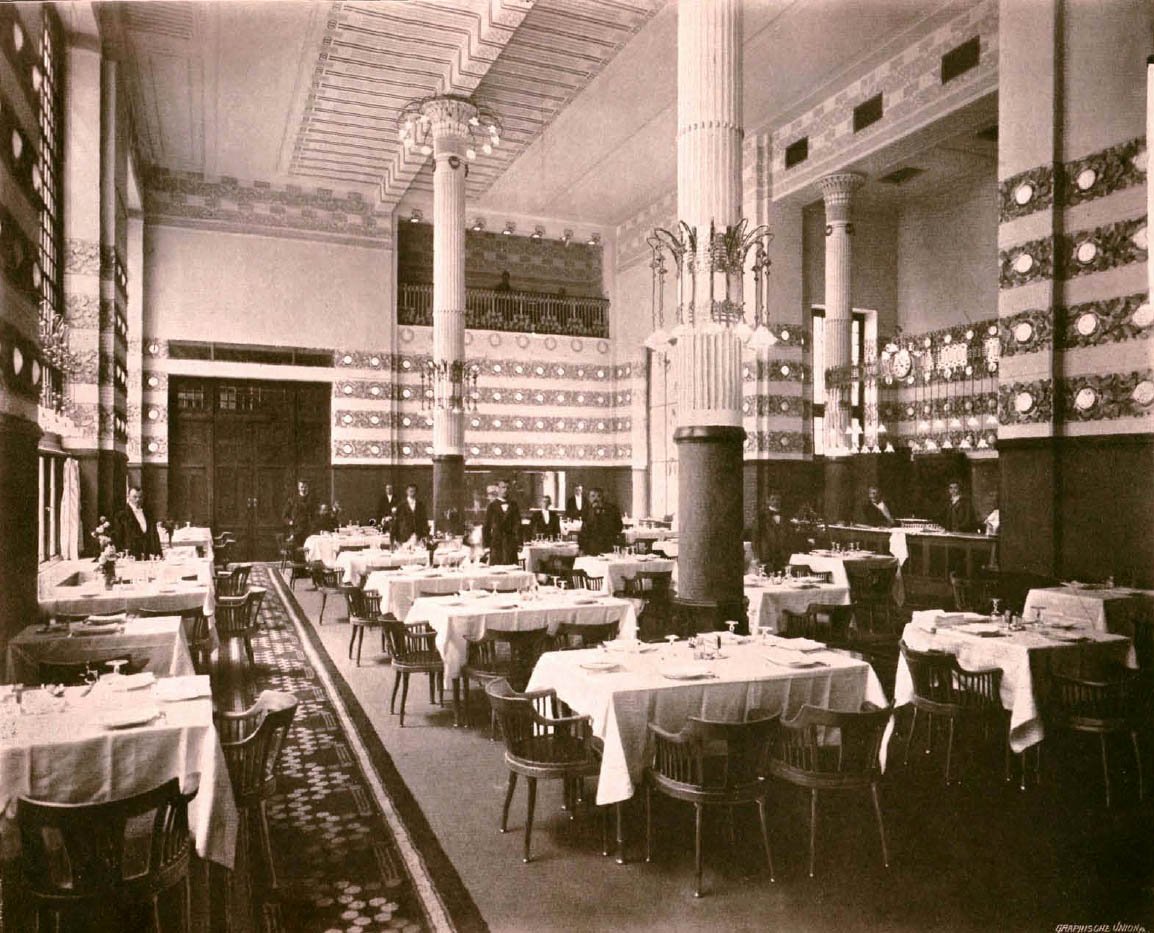
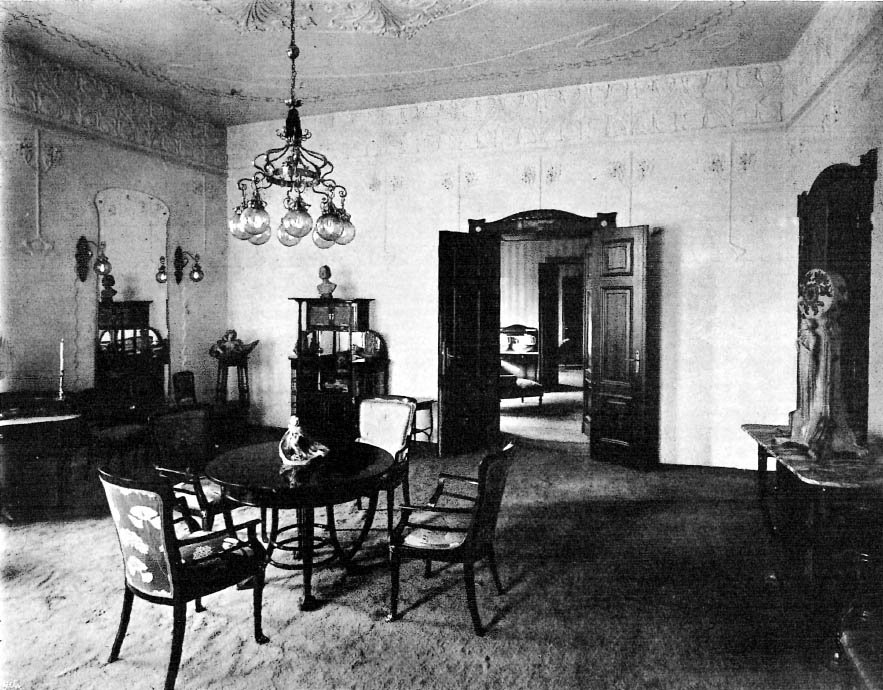
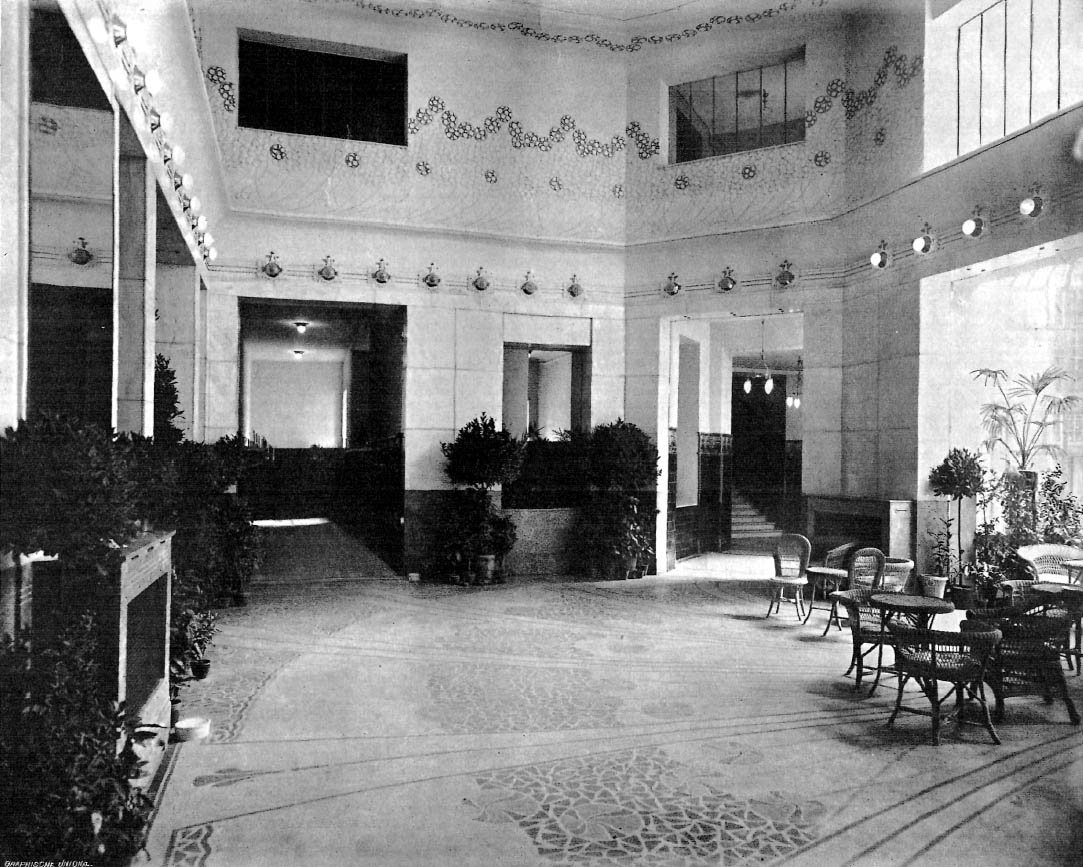
Hotel Bristol is celebrated for its harmonious blend of Neo-Renaissance and Art Nouveau styles. Designed by Władysław Marconi with interiors by Otto Wagner the Younger, the hotel’s façade features classical symmetry, ornate stonework, and grand columns, while the interiors showcase decorative motifs, intricate woodwork, and stained glass, especially evident in the historic Column Bar—Warsaw’s oldest cocktail bar (warsawcitytours.pl; hotelbristolwarsaw.pl).
Notable features include:
- Neo-Renaissance Facade: Elegant symmetry and detailed ornamentation.
- Art Nouveau Interiors: Flowing lines, rich materials, and restored period details.
- The Column Bar: An Art Nouveau masterpiece, restored in 2013, retaining its 1901 splendor (warsawcitytours.pl).
Key Historical Milestones
- Belle Époque and Interwar Years: Opened in 1901, Hotel Bristol became Warsaw’s social and artistic hub, hosting luminaries like Maria Skłodowska-Curie and Jan Kiepura. During the interwar period, it welcomed figures such as Queen Elizabeth II, John F. Kennedy, Pablo Picasso, and Marlene Dietrich (coolhotels.in).
- World War II: Remarkably, the hotel survived the war’s destruction, serving as quarters for German officers but maintaining its structure (warsawcitytours.pl).
- Communist Era: Nationalized and neglected, the hotel lost some of its former grandeur but remained a symbol of pre-war elegance.
- Restoration and Modern Renaissance: Major restorations since 1989 culminated in a 2013 renovation combining authenticity with luxury, reaffirming Hotel Bristol’s place among Warsaw’s most treasured sites (spcc.pl; inyourpocket.com).
Visiting Information
Hours and Tickets
- Public Areas: The lobby, Column Bar, and Café Bristol are open daily, typically from 7:00 AM to 11:00 PM.
- Tickets: Entry to public areas is free. Guided tours or special events may require prior booking or a fee; check the official website for current details.
Guided Tours
Guided tours highlighting the hotel’s history and architectural features are available by appointment, especially for groups. These tours offer an in-depth perspective on the hotel's role in Warsaw’s culture (inyourpocket.com).
Accessibility
Hotel Bristol is fully accessible, with ramps, elevators, and accessible restrooms, ensuring comfort for all visitors.
Travel Tips
- Best Time: Early morning or late afternoon for a quieter experience.
- Photography: Permitted in public areas; be mindful of guest privacy.
- Dining: Reservations recommended for Café Bristol and the Marconi Restaurant, especially during peak seasons.
- Nearby Transport: Well-served by buses, trams, and metro stations.
Special Events
Hotel Bristol regularly hosts galas, art exhibitions, and cultural events. Refer to the hotel’s event calendar for opportunities to participate in these gatherings.
Cultural and Social Role
From its inception, Hotel Bristol has served as a gathering place for artists, politicians, and intellectuals. Its Café Bristol and Column Bar remain vibrant venues for socializing and cultural exchange, while the Wall of Fame at the entrance pays homage to its distinguished guests (warsawcitytours.pl).
Preservation and Modern Adaptation
The comprehensive 2013 renovation, costing approximately 12 million euros, preserved the hotel’s historical character while introducing modern amenities. This restoration prioritized maintaining original architectural and artistic features, ensuring that Hotel Bristol continues to embody Warsaw’s Belle Époque charm and contemporary luxury (spcc.pl; Booking.com).
Nearby Attractions
Hotel Bristol’s central location offers easy access to:
- Presidential Palace: Next door, a neoclassical landmark (Official Presidential Website).
- Royal Castle: Museum and symbol of Polish monarchy (Royal Castle Official Site).
- Old Town Market Square: UNESCO World Heritage Site.
- Zacheta National Gallery of Art and University of Warsaw: Both within walking distance.
Public transport and pedestrian-friendly routes make exploring these sites convenient.
Frequently Asked Questions (FAQ)
Q: What are Hotel Bristol Warsaw's visiting hours?
A: Public areas are generally open from 7:00 AM to 11:00 PM daily. Check the official site for special event schedules.
Q: Do I need tickets to visit?
A: No tickets are required for public spaces. Reservations are suggested for dining or special tours.
Q: Are guided tours offered?
A: Yes, by appointment or during select events.
Q: Is Hotel Bristol accessible?
A: Yes, with ramps, elevators, and accessible restrooms.
Q: What attractions are nearby?
A: The Presidential Palace, Royal Castle, Old Town, and several museums are within a short walk.
Listen to the full story in the app
The whole Hotel Bristol,
told well.
Audio guides for 1,100+ cities across 96 countries. History, stories, and local insight — offline ready.
Verified, and shown.
Researched and written by the Audiala editorial team from historical records, architectural archives, and local expertise.
Researched from Wikidata, Wikipedia & official sources · fact-checked · How we make our guides →