Plan and listen to Holy Trinity Church, Warsaw with Audiala.
Audio guide in your pocket, itinerary in your browser. Built for the way you actually visit.
Introduction
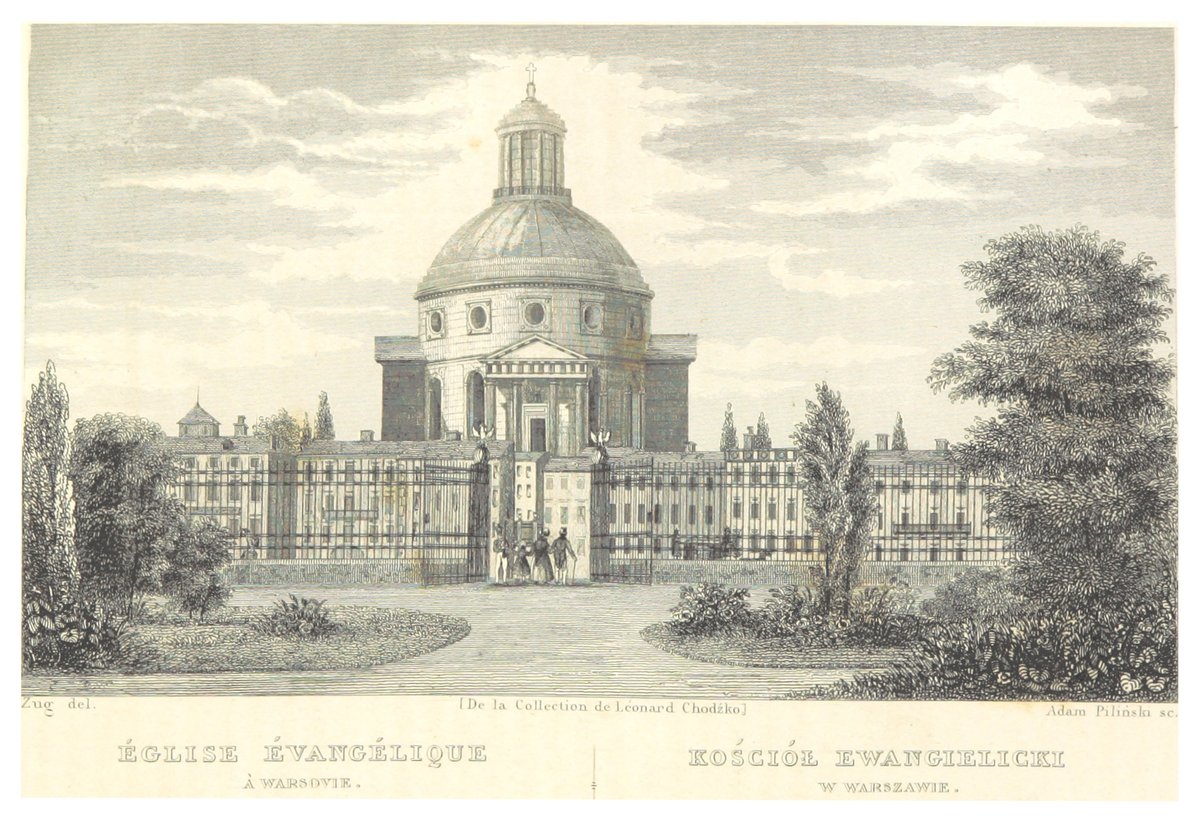
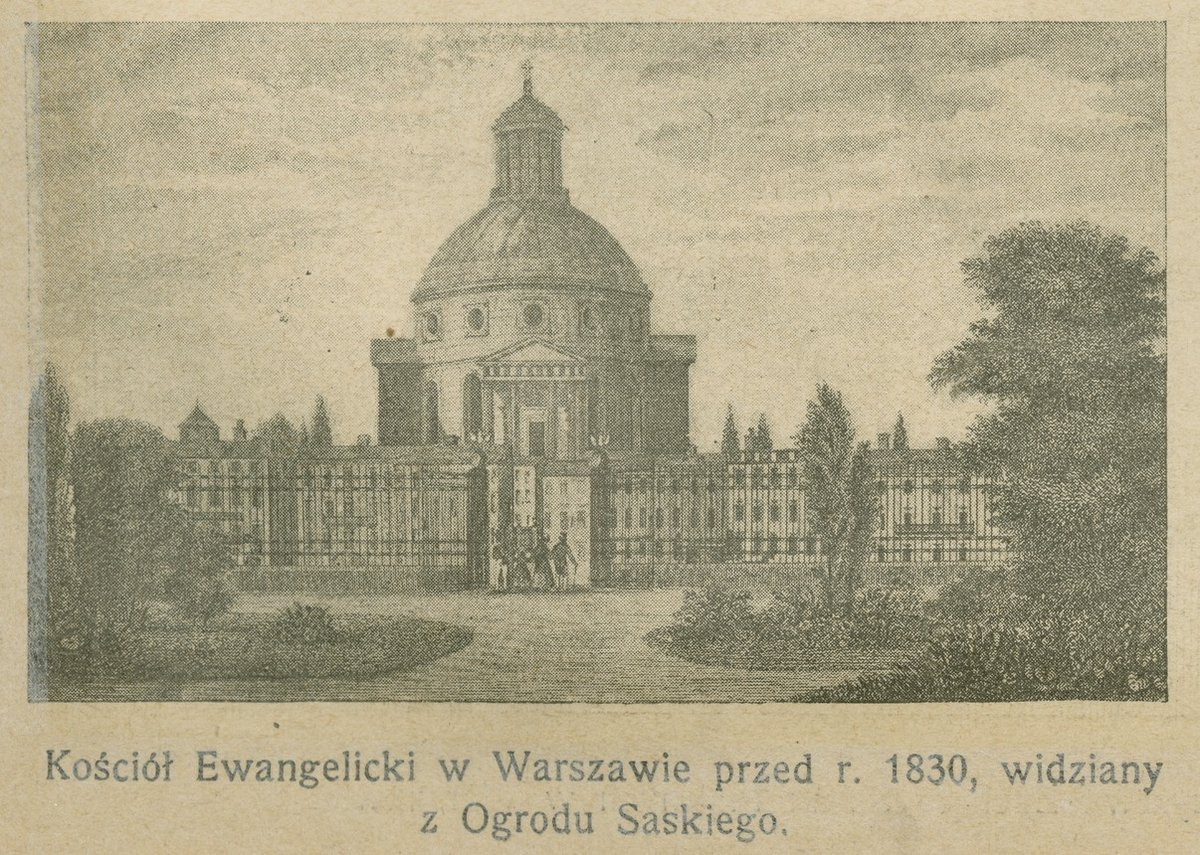
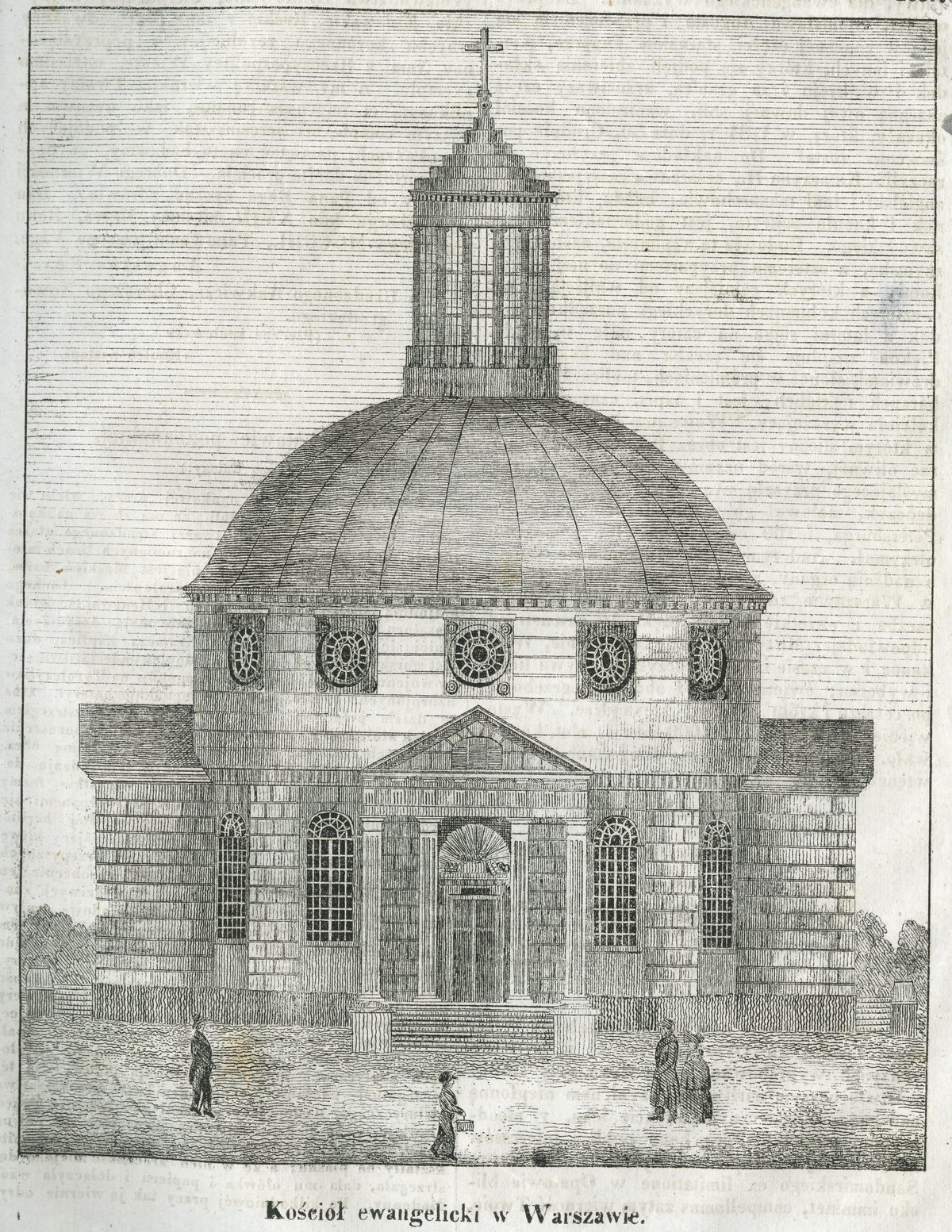
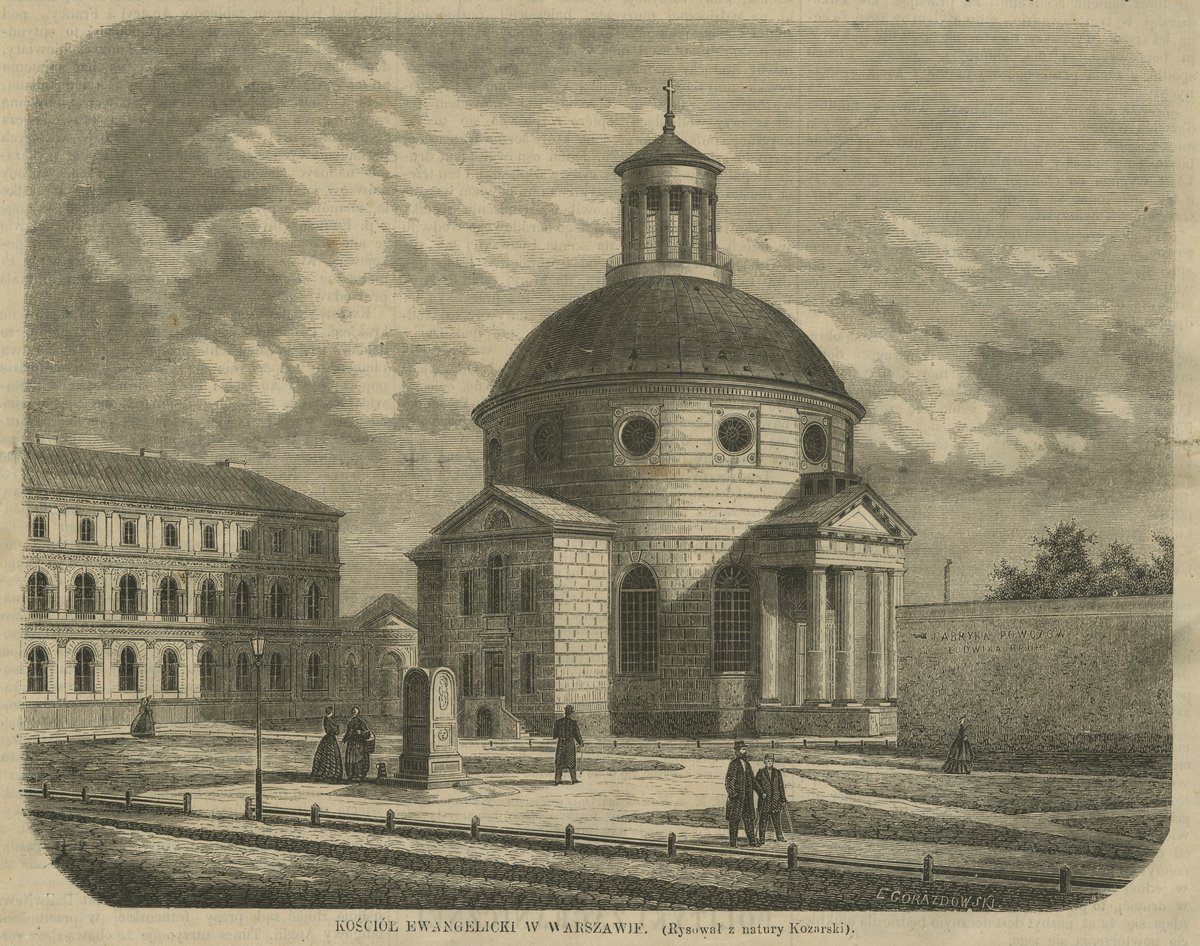
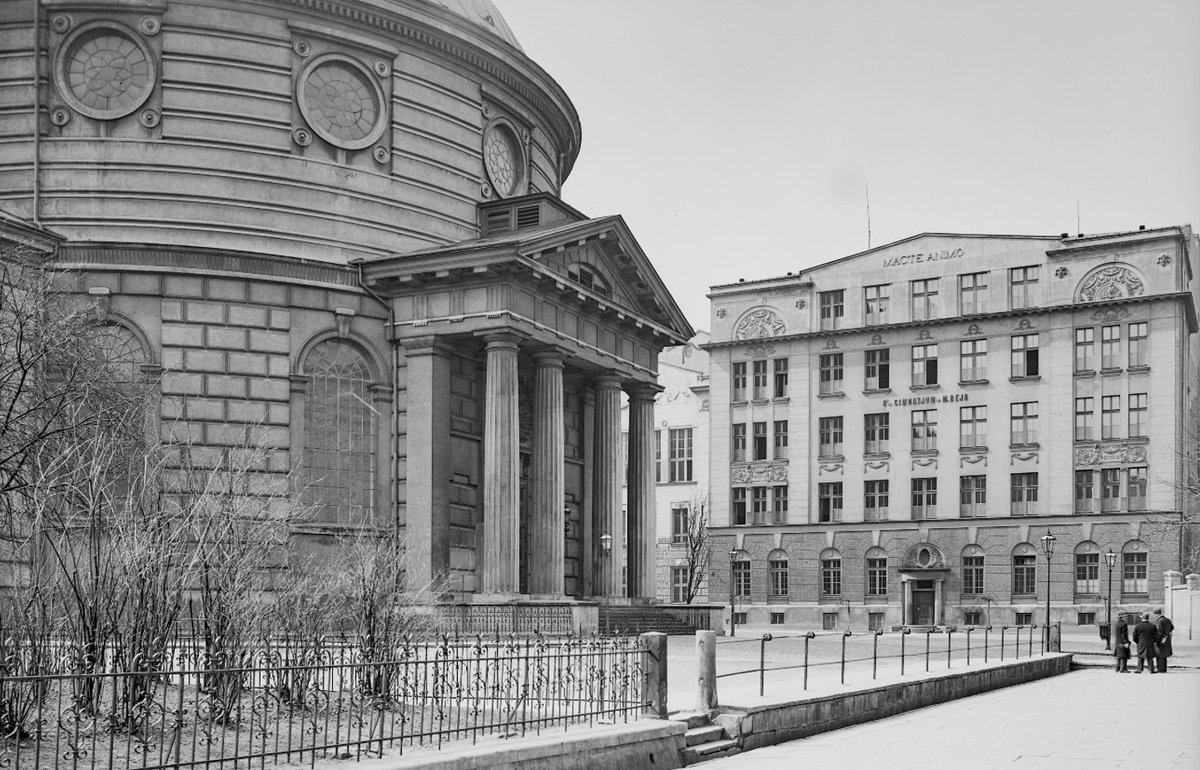
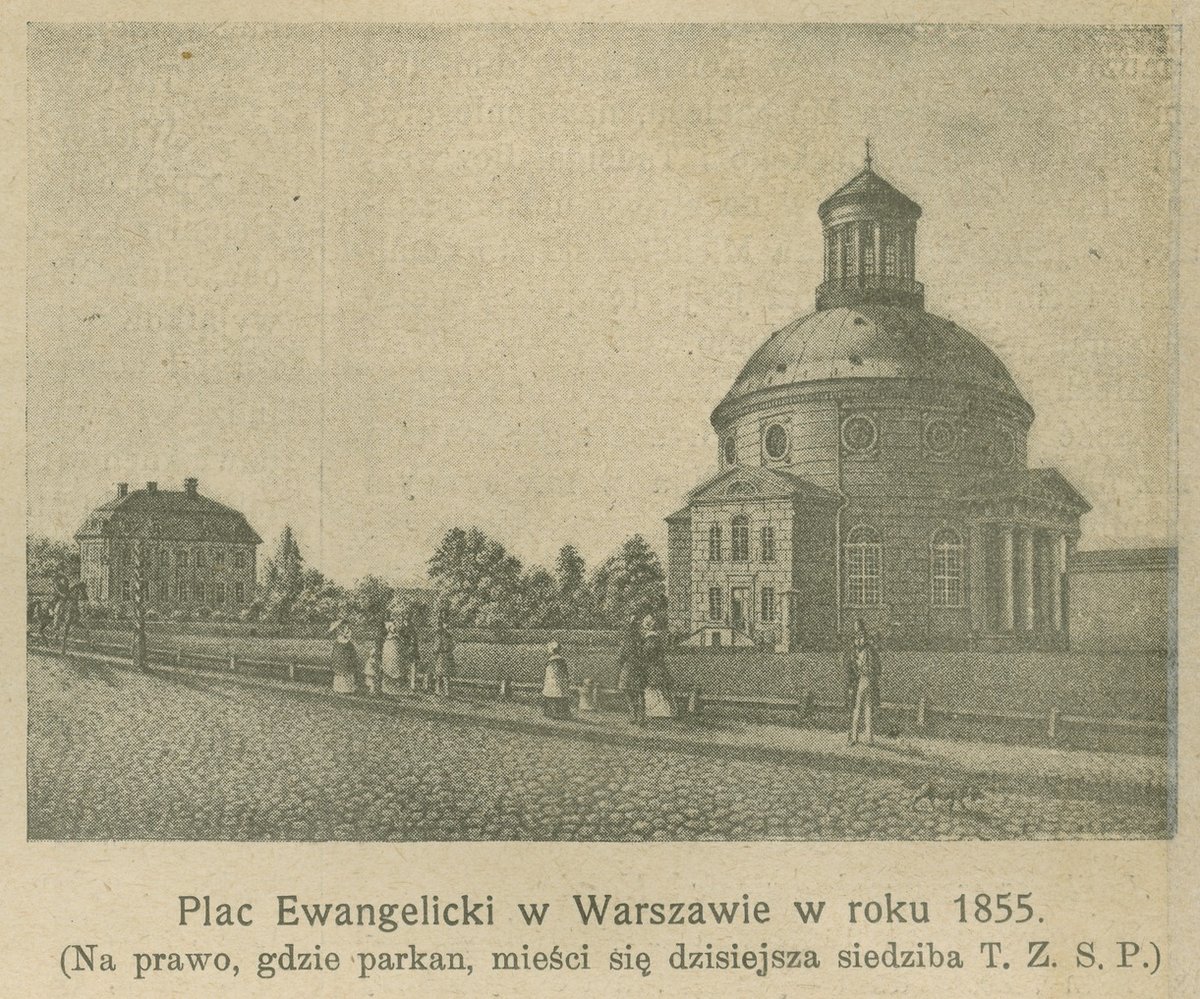
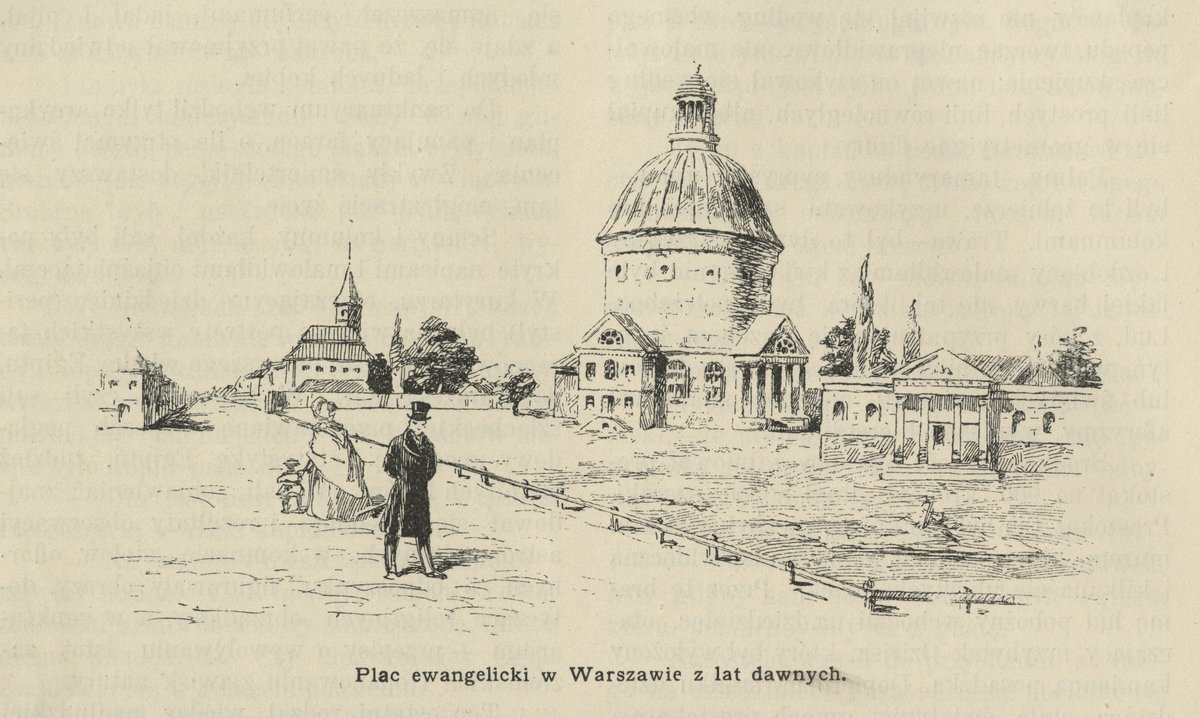
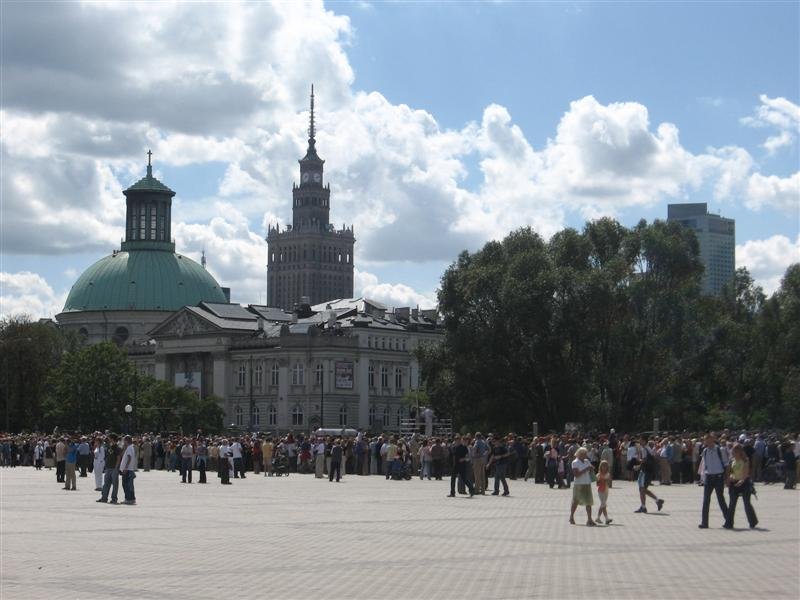
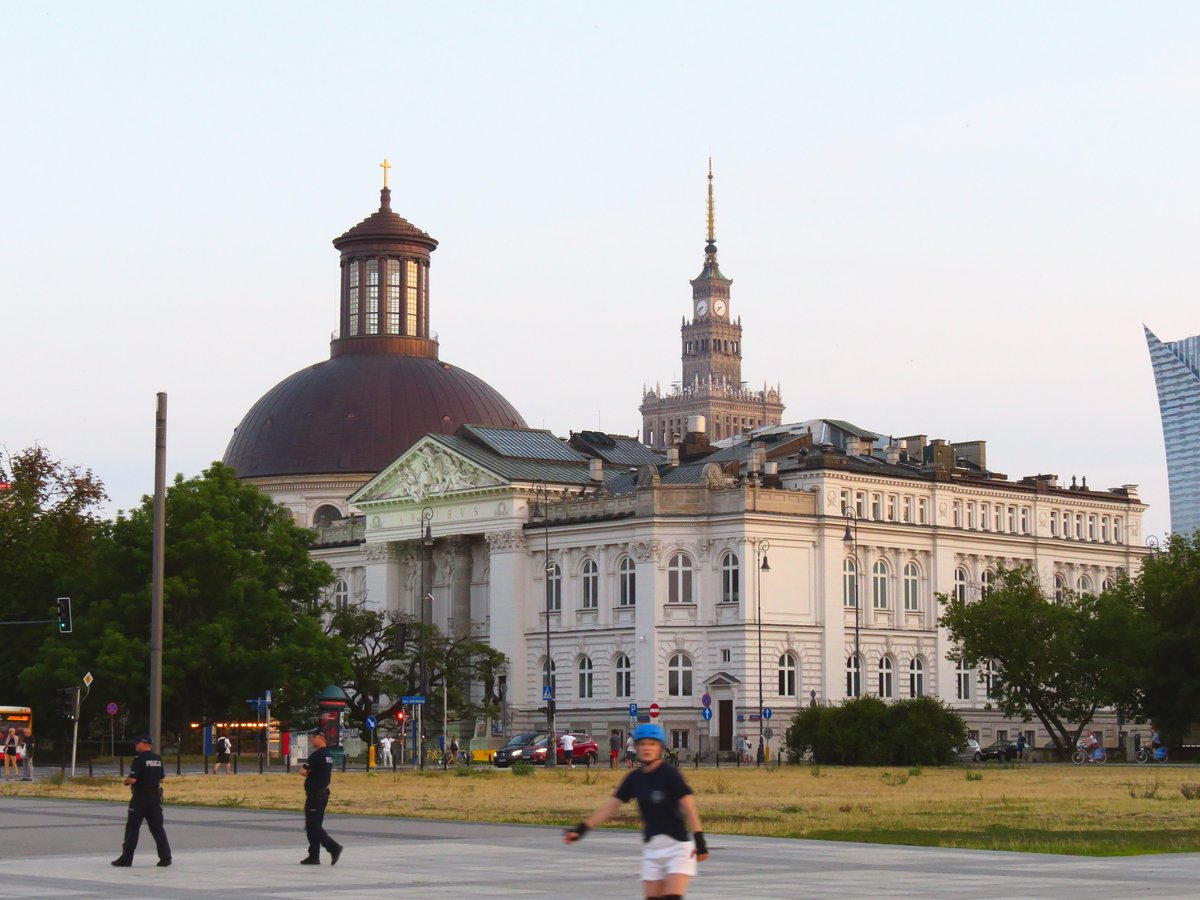
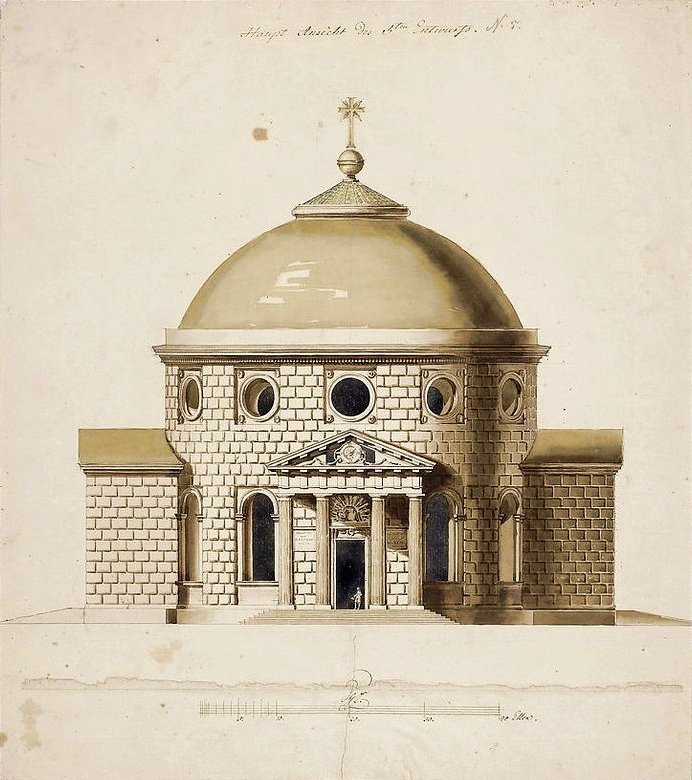
In the heart of Warsaw stands the Holy Trinity Church (Kościół Świętej Trójcy), a landmark of religious tolerance, architectural innovation, and cultural resilience. Commissioned during the Enlightenment and completed in 1782, this neoclassical rotunda, designed by Szymon Bogumił Zug, was the city’s first major Protestant church and remains a striking testament to Warsaw’s multicultural heritage. With its soaring dome inspired by the Roman Pantheon and elegant Corinthian columns, the church embodies Enlightenment ideals and has played a pivotal role in Warsaw’s spiritual and artistic life.
Today, Holy Trinity Church is not only a center of worship but also a celebrated venue for concerts and cultural events. Its accessible facilities, central location, and proximity to many of Warsaw’s most important historical attractions make it an essential stop for visitors seeking to experience the richness of the city’s past and present. For the most up-to-date information on opening hours, ticketing, and events, consult the Holy Trinity Church official website and the Warsaw tourism portal.
The establishment of Holy Trinity Church marked a new era of religious freedom for Warsaw’s Protestant community. Construction began in 1777 under King Stanisław August Poniatowski, reflecting the city’s growing openness to religious minorities after the Warsaw Confederation of 1573 and subsequent reforms. Zug’s design, completed in 1782, introduced neoclassical architecture to the city and created a spiritual home for the Evangelical Augsburg (Lutheran) congregation (Cambridge University Press).
Throughout its history, the church has mirrored the city’s turbulent past. It served as a military hospital during the Napoleonic Wars and was severely damaged during World War II, particularly in the 1944 Warsaw Uprising. Postwar restoration efforts, guided by original plans, preserved its historic character and ensured its continued place in Warsaw’s cultural landscape.

Architectural Significance
The Holy Trinity Church is a masterpiece of neoclassical design. Its circular nave spans 33 meters, surmounted by a 58-meter-high dome—one of the tallest in Warsaw at the time. Sixteen Corinthian columns support the dome, whose central lantern bathes the interior in natural light (Flickr image). The rotunda’s interior is enhanced by a double gallery, which not only increases seating capacity but also contributes to the church’s renowned acoustics—making it a favored venue for classical and choral concerts (Great Composers: Chopin Places).
The absence of towers, by royal decree, reinforced its Protestant character, while the harmonious proportions and symmetry embodied Enlightenment values. Innovative engineering, including a wooden frame clad in copper for the dome, ensured the structure’s durability through centuries of conflict and restoration (Warszawka.eu).
Notable Historical Events
Holy Trinity Church has played host to significant moments in Polish history. During the Napoleonic Wars, it functioned as a military hospital, and in the 19th century, it became a hub for the city’s Lutheran community. In 1825, a young Frédéric Chopin performed at the church, a milestone in Warsaw’s musical heritage (Wikipedia). The devastation of World War II, particularly during the Warsaw Uprising, destroyed much of the church, but postwar restoration returned it to its former glory.
Visiting Holy Trinity Church: Hours, Tickets, and Accessibility
Visiting Hours
- Monday to Saturday: 10:00 AM – 5:00 PM
- Sunday: 12:00 PM – 4:00 PM
- Hours may change during holidays and special events; always consult the official website for the latest schedule.
Tickets and Entry
- General admission is free.
- Donations are appreciated to support restoration and cultural programming.
- Tickets may be required for concerts, guided tours, or special exhibitions, with discounts available for students, seniors, and groups.
Accessibility
- The church is wheelchair accessible, with ramps and adapted restrooms.
- Assistance is available for visitors with mobility challenges—please inquire in advance.
Guided Tours and Events
- Guided tours are available on weekends and by prior arrangement, providing in-depth insight into the church’s architecture and history.
- The church regularly hosts concerts, including organ recitals and performances during the Warsaw Autumn International Festival of Contemporary Music.
- Check the event calendar for upcoming events and ticketing information.
Travel Tips and Nearby Attractions
Getting There
- Address: Plac Małachowskiego 1, 00-066 Warsaw, Poland
- Public Transport: Easily accessible by tram (lines 4, 10, 14) and bus (lines 116, 180).
- Nearest Metro: Świętokrzyska or Rondo ONZ (approx. 10 minutes’ walk).
Best Time to Visit
- Mornings and late afternoons on weekdays are typically quieter.
- Evening concert events offer a special acoustic experience.
Nearby Attractions
Take advantage of the church’s central location to explore:
- National Museum of Ethnography (2 min walk)
- Zachęta National Gallery of Art (2 min walk)
- Piłsudski Square and Tomb of the Unknown Soldier (5-6 min walk)
- Royal Castle and Warsaw Old Town
- Palace of Culture and Science
- Saxon Garden
(Trek Zone)
Photography and Etiquette
- Photography is allowed for personal use (no flash).
- Respect the sanctity of the space, especially during services and concerts.
- Modest attire and quiet behavior are recommended.
Frequently Asked Questions (FAQ)
Q: What are the visiting hours for Holy Trinity Church?
A: Generally 10:00 AM to 5:00 PM Mon–Sat, 12:00 PM to 4:00 PM on Sundays.
Q: Is there an entrance fee?
A: Admission is free; some events and tours may require tickets.
Q: Is the church wheelchair accessible?
A: Yes, with ramps and adapted restrooms.
Q: Are guided tours available?
A: Yes, on weekends and by arrangement; check the church’s website for details.
Q: Can I take photographs inside?
A: Yes, but avoid flash and be respectful during services.
Planning Your Visit
- Check the official website for the latest visiting hours and event information.
- Download the Audiala app for guided tours, event schedules, and cultural tips.
- Follow Holy Trinity Church and Warsaw’s tourism channels on social media for real-time updates and inspiration.
Listen to the full story in the app
The whole Holy Trinity Church, Warsaw,
told well.
Audio guides for 1,100+ cities across 96 countries. History, stories, and local insight — offline ready.
Verified, and shown.
Researched and written by the Audiala editorial team from historical records, architectural archives, and local expertise.
Researched from Wikidata, Wikipedia & official sources · fact-checked · How we make our guides →