Plan and listen to Hale Mirowskie with Audiala.
Audio guide in your pocket, itinerary in your browser. Built for the way you actually visit.
Introduction
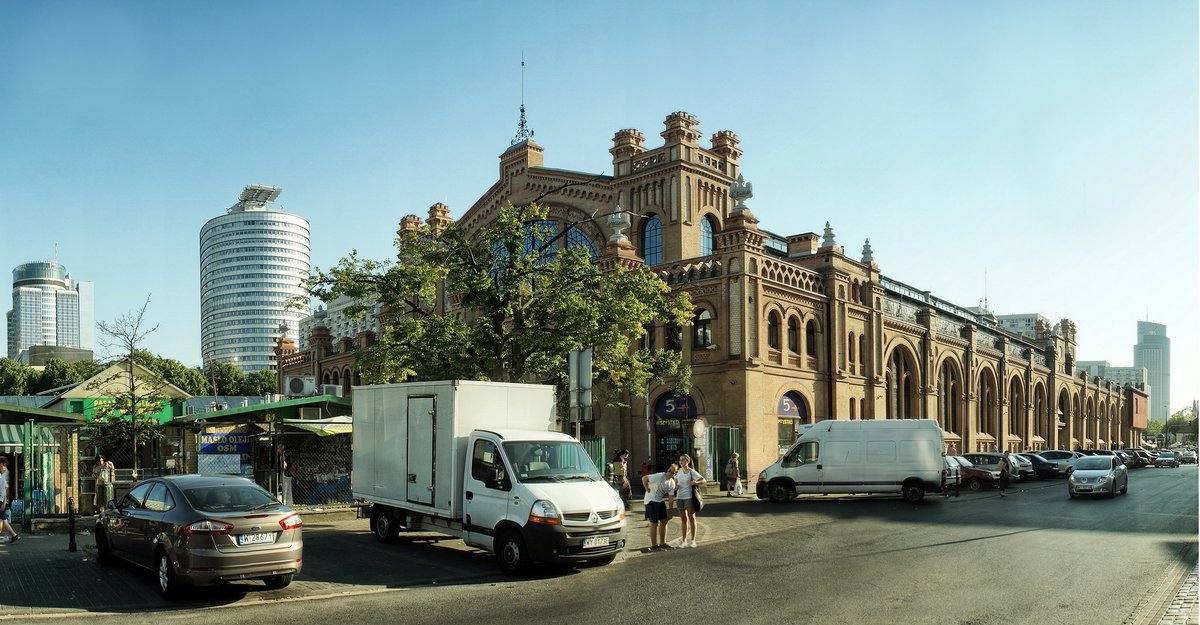
Hale Mirowskie, a pair of historic market halls at the heart of Warsaw, encapsulates over a century of the city’s commercial vigor, architectural innovation, and resilience through turbulent times. Constructed between 1899 and 1902 atop the former Mirowskie Barracks, these Neo-Romanesque halls—Hala Mirowska and Hala Gwardii—have weathered wars, urban transformation, and revival to become central nodes in both Warsaw’s daily life and its historical memory (treyst.pl, Wikipedia). This guide explores their rich past, architectural features, cultural significance, and provides essential visitor information, including Hale Mirowskie visiting hours, ticket details, accessibility, and practical tips.

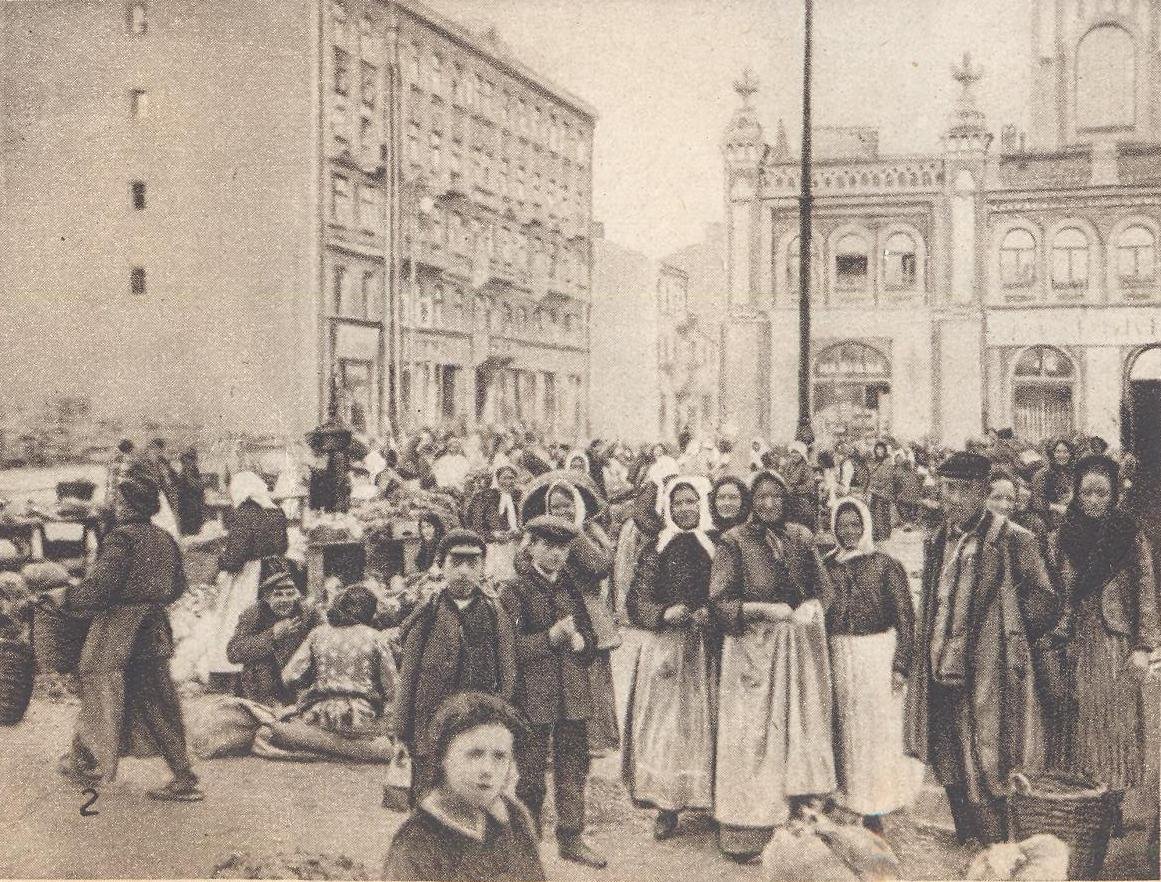
Origins and Early Development
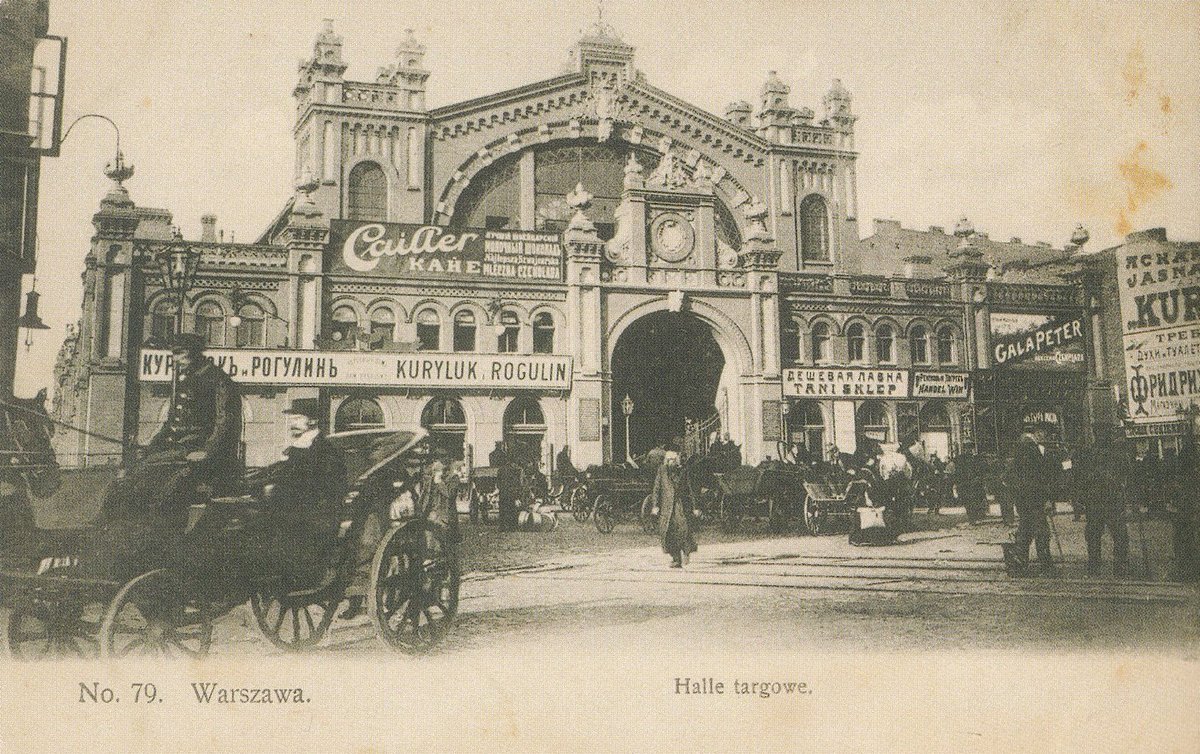
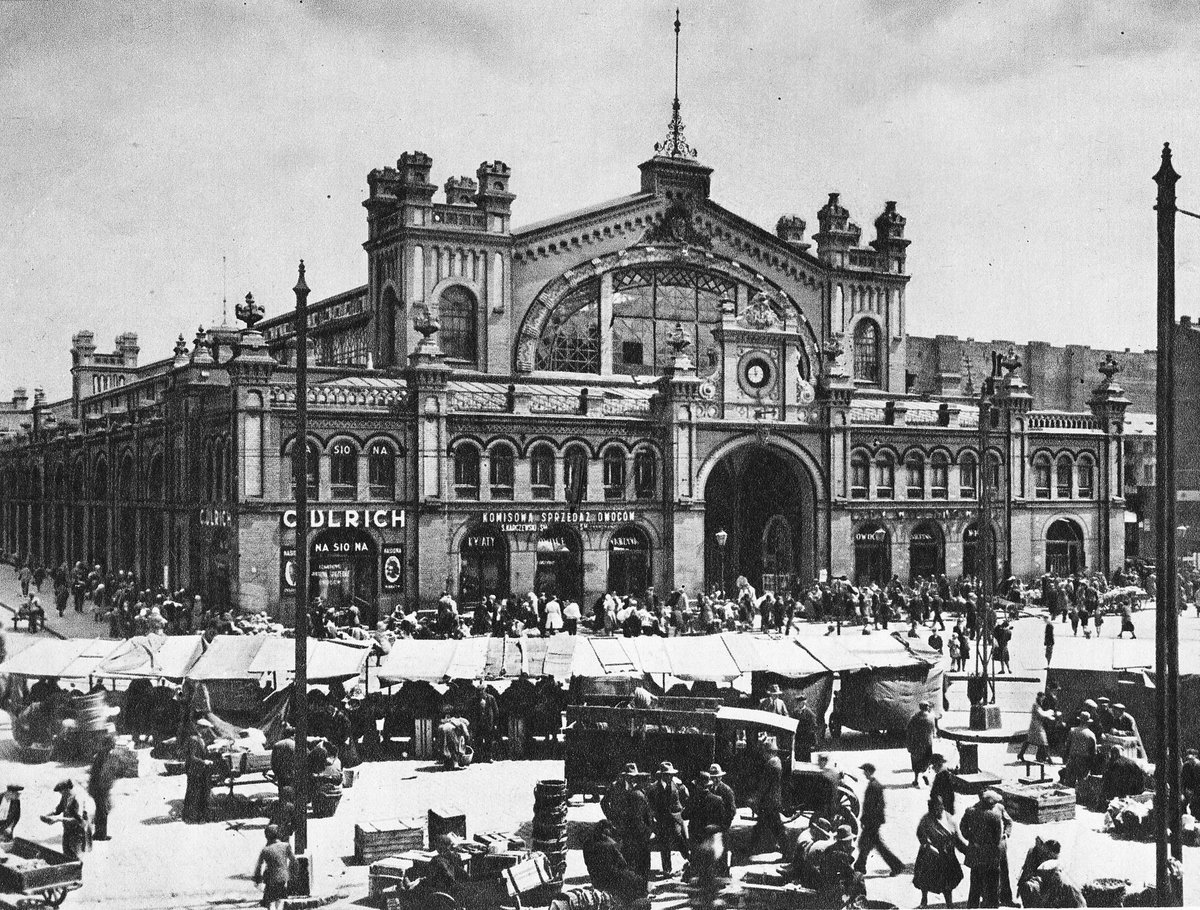
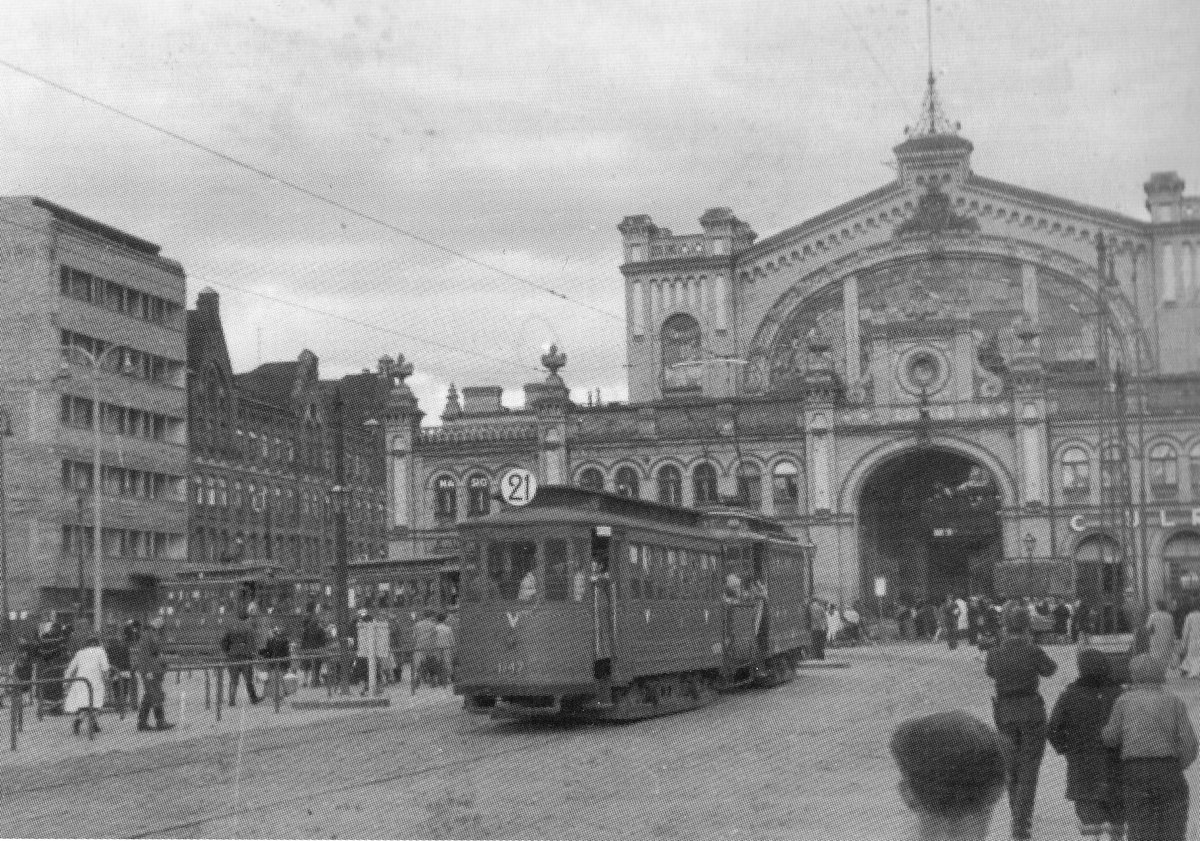
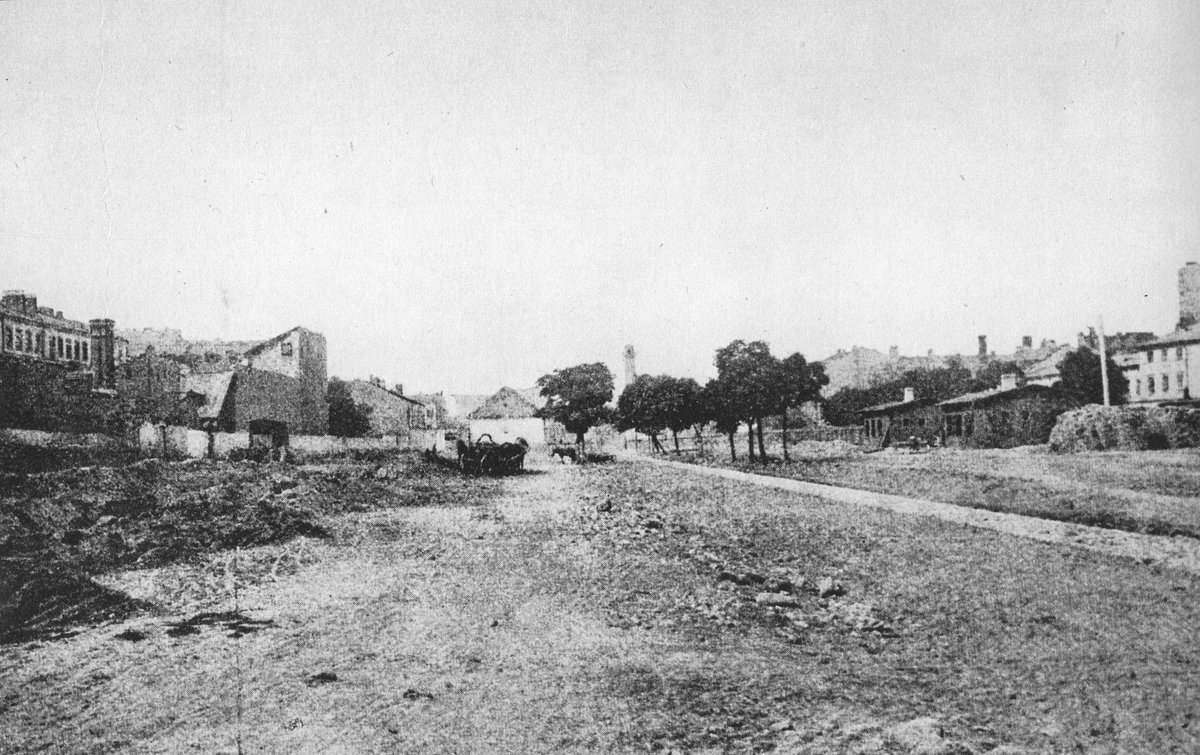
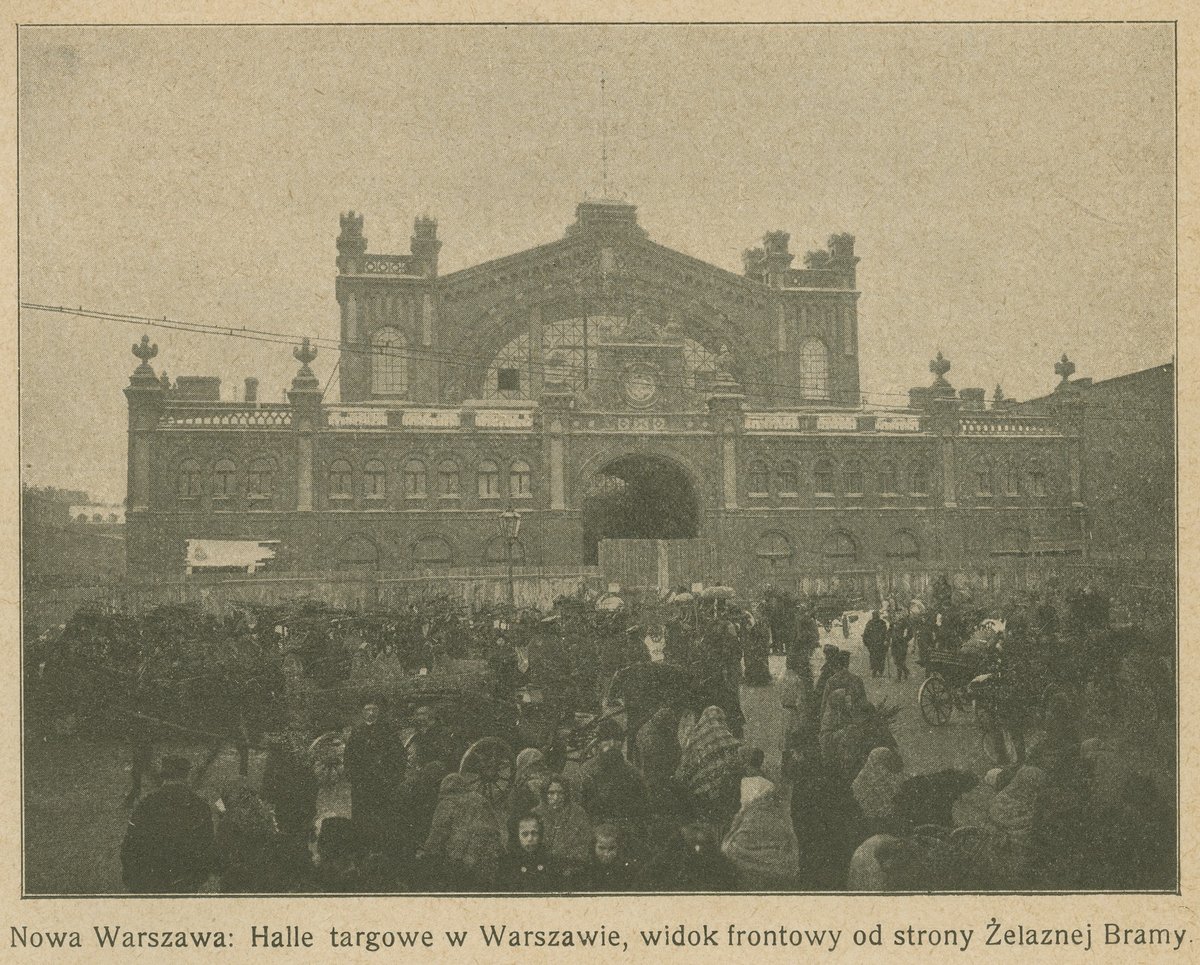
Hale Mirowskie stands on ground once occupied by the 18th-century Mirowskie Barracks, named for General Wilhelm Mier, a Polish army commander of Scottish descent (treyst.pl). By the late 19th century, Warsaw sought to modernize its commercial infrastructure. A major municipal investment—costing approximately 1.4 million rubles—led to the construction of twin halls, designed by Bolesław Miłkowski (structural design), Ludwik Panczakiewicz (facades), Apoloniusz Nieniewski, and Władysław Kozłowski (klimatwarszawy.pl). These halls, among the largest in Poland, symbolized Warsaw’s aspirations as a modern European city (czasnawnetrze.pl).
Architectural Design and Innovations
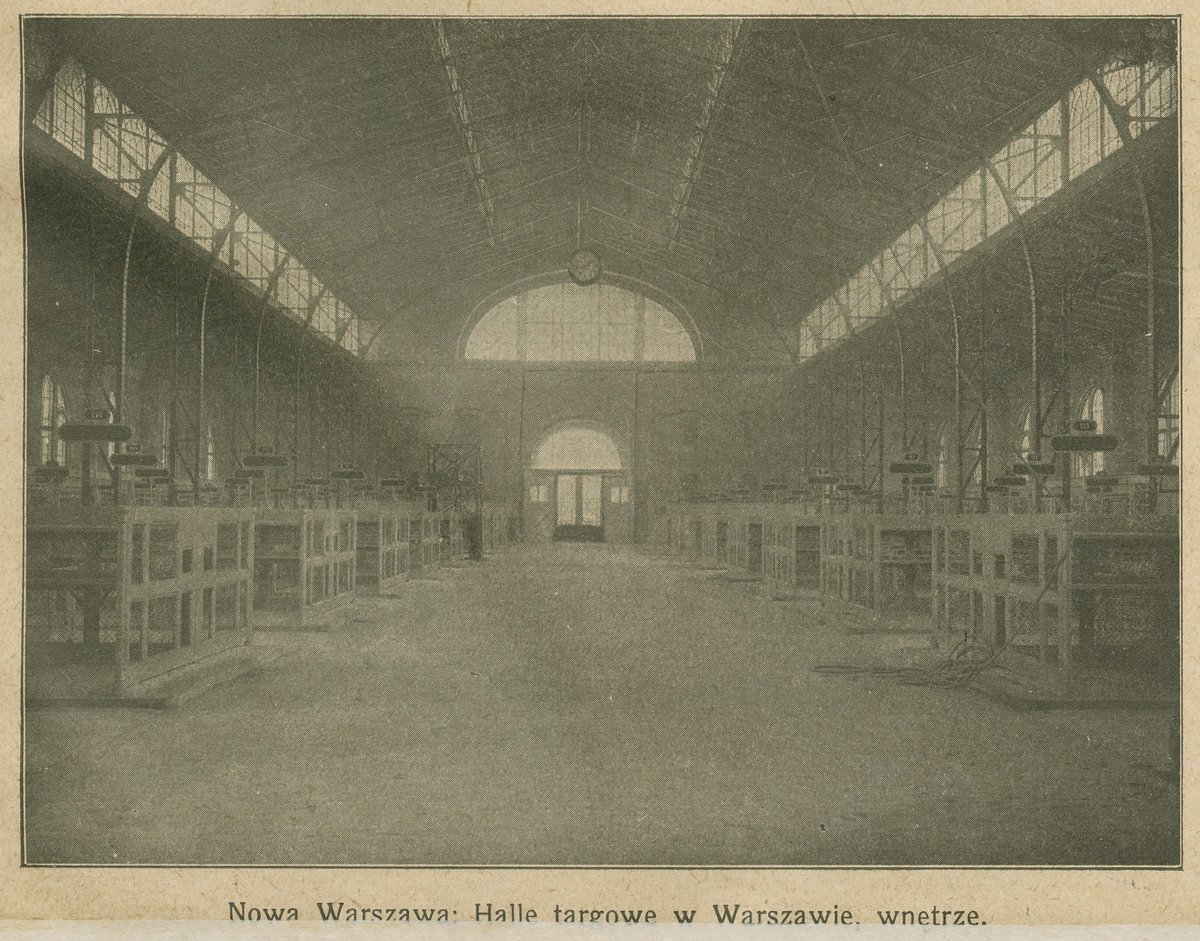
Hale Mirowskie’s design epitomizes late 19th-century industrial architecture, merging robust red-brick facades, elegant arched windows, and soaring iron frameworks. Decorative elements, such as zinc cartouches depicting the Warsaw Mermaid (Syrenka), reflect the city’s identity (Wikipedia). The halls were equipped with state-of-the-art amenities for their time: tiled meat stalls, cold storage, water supply, and sewage systems, all ensuring a hygienic environment (biznes.um.warszawa.pl). This set a new standard for urban markets in Poland, inspiring future developments like Hala Koszyki (biznes.um.warszawa.pl).
Wartime Legacy and Postwar Reconstruction
World War II and the Warsaw Uprising
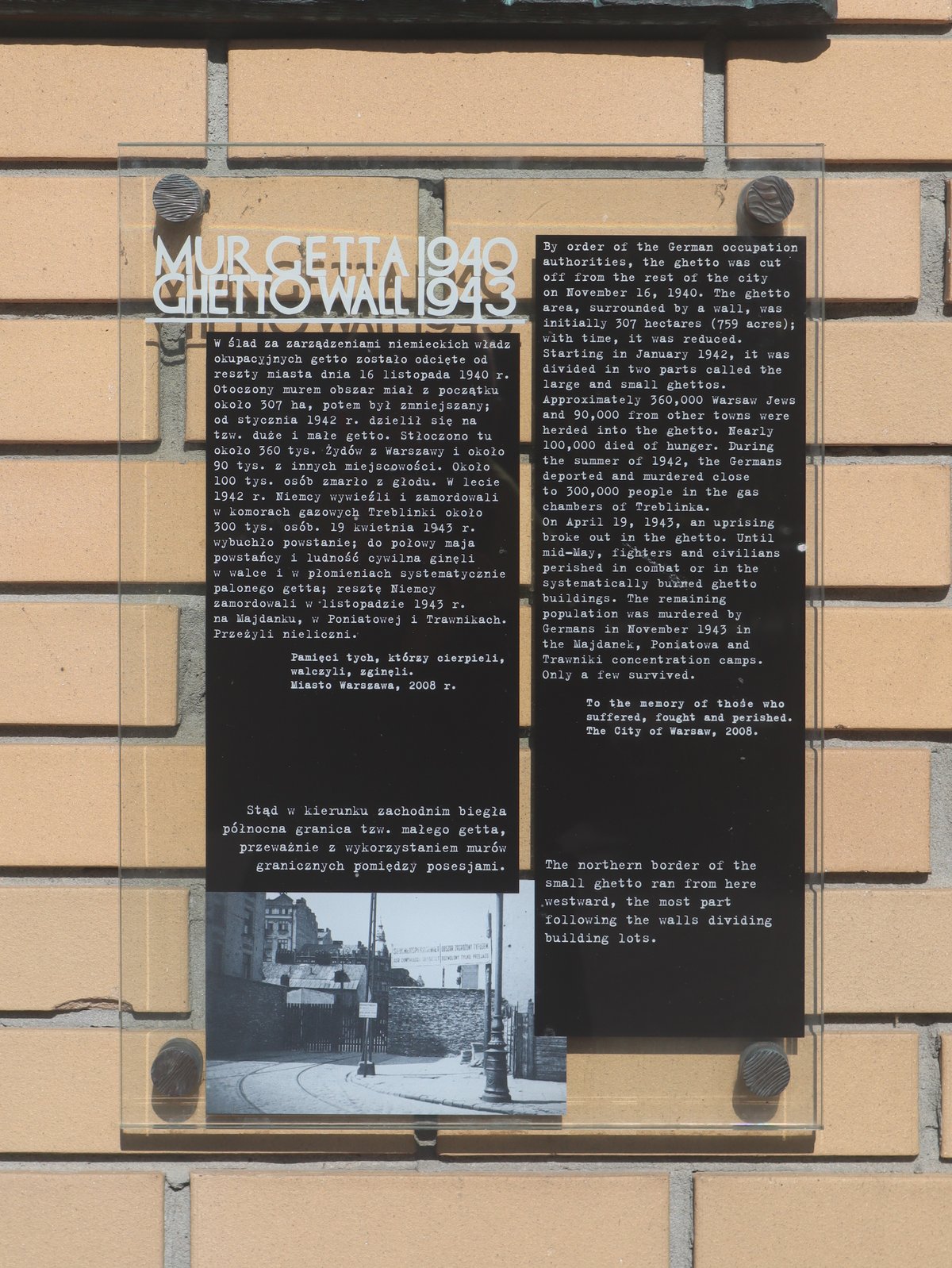
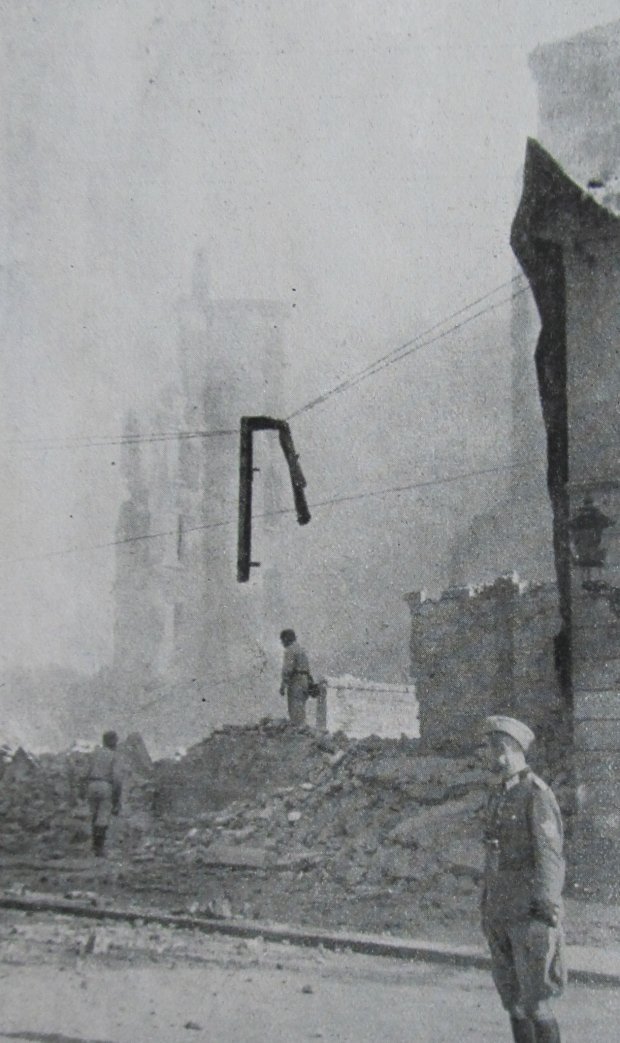
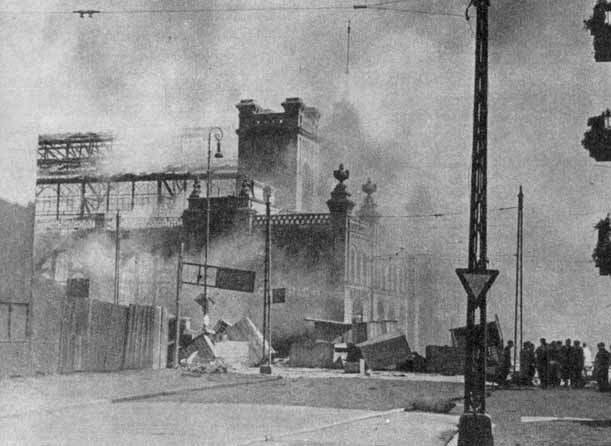
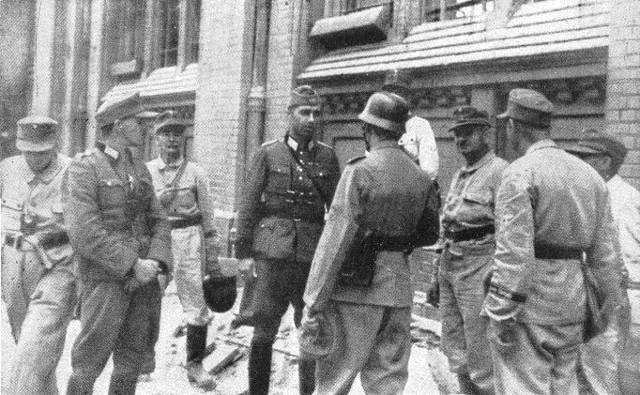
The halls survived the 1939 siege of Warsaw but became the site of tragedy during the 1944 Warsaw Uprising. Over two days in August, German forces executed around 510 civilians at the site (treyst.pl). The scarred northern facade of Hala Mirowska offers a somber reminder of this history.
Postwar Reconstruction
After the devastation of World War II, only the external walls of the halls remained. Instead of demolition, authorities opted for restoration, with Hala Mirowska reopening as a market in 1962 under architect Zbigniew Pawlak’s supervision. Modernist additions in the 1960s, while functional, created a visible contrast with the historic fabric (czasnawnetrze.pl). Today, preserved bullet holes and commemorative plaques anchor the site in Warsaw’s collective memory (Wikipedia).
Cultural and Contemporary Significance
Social Hub and Urban Icon
Historically dubbed “the belly of Warsaw,” Hale Mirowskie was—and remains—a bustling center of daily life (czasnawnetrze.pl). After serving temporarily as a transport depot and sports venue post-war, the halls returned to their original function. Today, Hala Mirowska remains a lively produce market, while Hala Gwardii has become a culinary destination, hosting organic food markets, pop-up restaurants, and cultural events (warsawcitytours.pl). The halls continue to symbolize Warsaw’s resilience and adaptability (Spotted by Locals).
Architectural Heritage and Preservation
Both halls are protected heritage sites, celebrated for their architectural and historical value. Ongoing discussions about modernization reflect their continuing importance in Warsaw’s urban landscape (nowawarszawa.pl).
Practical Visitor Guide
Location and Access
- Address: Plac Mirowski 1 (Hala Mirowska), Plac Żelaznej Bramy 1 (Hala Gwardii), 00-138 Warsaw, Poland
- Transport: Served by trams and buses; Rondo ONZ metro station is a 10-minute walk. Limited parking; public transport recommended (Trek Zone).
Visiting Hours and Entry
-
Hala Mirowska:
- Monday to Friday: 7:00–20:00
- Saturday: 7:00–16:00
- Closed Sundays and public holidays
- Some vendors (e.g., egg stall at Stand 4) open 24 hours with brief closures (Naszemiasto).
-
Hala Gwardii:
- Friday–Saturday: 9:00–01:00 (food market until 20:00)
- Sunday: 10:00–23:00 (warsawcitytours.pl)
-
Entry: Free; no tickets required.
Market Atmosphere and Vendors
- Hala Mirowska: Traditional market with over 100 stalls offering fresh produce, meats, cheeses, baked goods, and Poland’s best-known flower market (Naszemiasto).
- Hala Gwardii: Modern food stalls, pop-up restaurants, and cultural events (WhiteMAD).
- Outdoor Market: Additional vendors, flea market, and flower stalls that often remain open late.
Facilities and Accessibility
- Wheelchair-accessible entrances and wide aisles.
- On-site restrooms.
- ATMs and cafés nearby.
- Assistance dogs permitted.
Payment and Practicalities
- Most vendors accept cash (PLN); some accept cards at larger stalls (Poland Culinary Vacations).
- ATMs on site.
- Bring reusable bags; plastic discouraged.
Tips for Visitors
- Arrive early for the freshest produce and to avoid crowds.
- Bring cash for smaller vendors.
- Try local specialties such as eggs, cheeses, and bakery goods.
- Explore both halls for contrasting atmospheres—traditional vs. modern culinary.
- Photography: Ask vendors before photographing, especially at busy times.
- Check event schedules for pop-up markets and food festivals (WhiteMAD).
Frequently Asked Questions (FAQ)
Q: What are the Hale Mirowskie visiting hours?
A: Hala Mirowska is open Monday–Friday 7:00–20:00, Saturday 7:00–16:00. Hala Gwardii has extended hours on weekends. Both are closed Sundays and public holidays.
Q: Is there an entry fee or ticket required?
A: No, entry is free.
Q: Are tours available?
A: Guided historical tours are available via local operators; check Warsaw City Tours for updates.
Q: Is the market accessible for people with disabilities?
A: Yes, with step-free entrances and wide aisles.
Q: What payment methods are accepted?
A: Cash (PLN) is preferred; some larger vendors accept cards.
Q: Can I find vegetarian or gluten-free foods?
A: Some options are available, though not always labeled; ask vendors for details.
Nearby Attractions
- Saxon Garden (Ogród Saski): Warsaw’s oldest public park.
- Nożyk Synagogue: Historic Jewish landmark.
- Plac Bankowy & Palace of Culture and Science: Major urban sites.
- Warsaw Old Town: UNESCO World Heritage Site, walkable from the market (Trek Zone).
Further Exploration
- Official Hale Mirowskie Website
- Warsaw Tourist Information
- Warsaw Historical Sites Guide
- Hala Koszyki Market Hall
- Warsaw Old Town Historical Walking Tour
Listen to the full story in the app
The whole Hale Mirowskie,
told well.
Audio guides for 1,100+ cities across 96 countries. History, stories, and local insight — offline ready.
Verified, and shown.
Researched and written by the Audiala editorial team from historical records, architectural archives, and local expertise.
Researched from Wikidata, Wikipedia & official sources · fact-checked · How we make our guides →