Plan and listen to Greetings From Jerusalem Avenue with Audiala.
Audio guide in your pocket, itinerary in your browser. Built for the way you actually visit.
Introduction: History and Significance of Greetings From Jerusalem Avenue
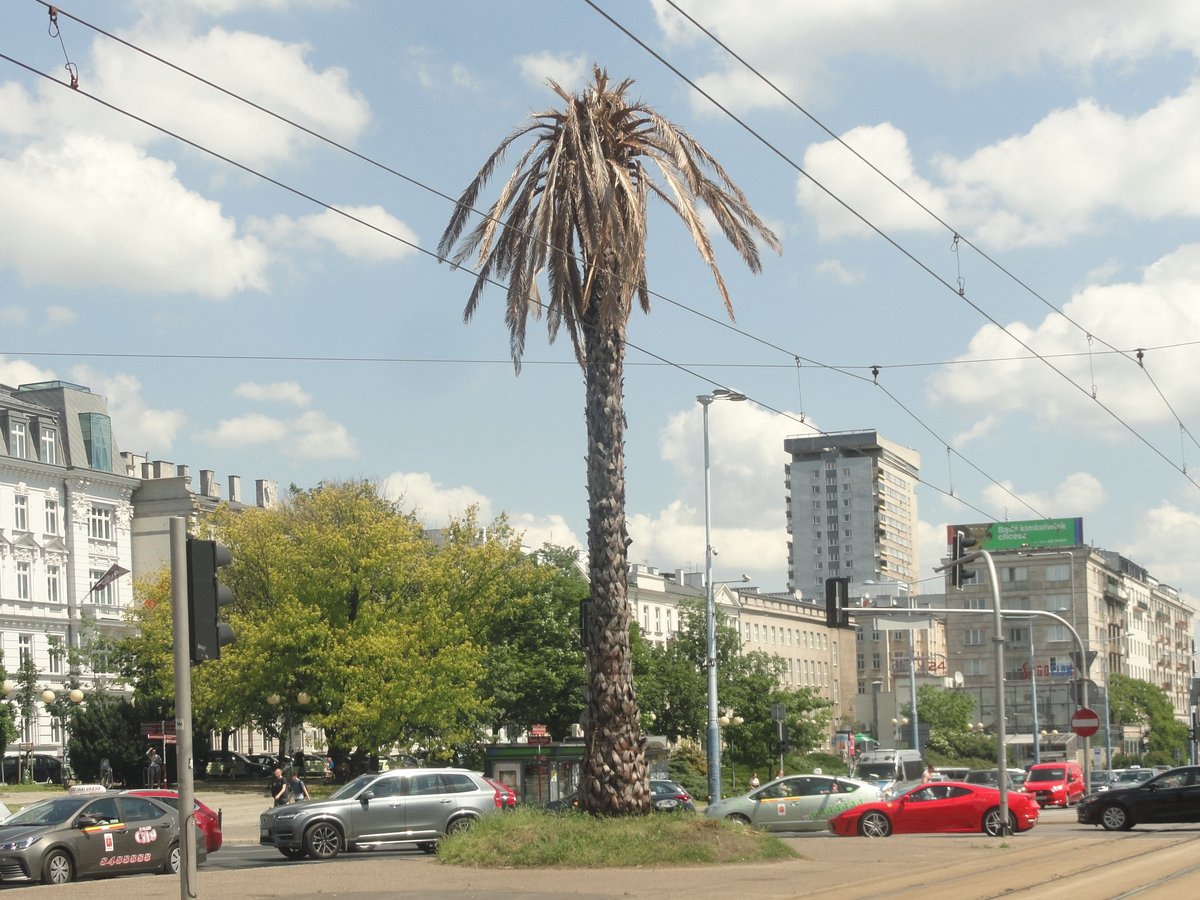
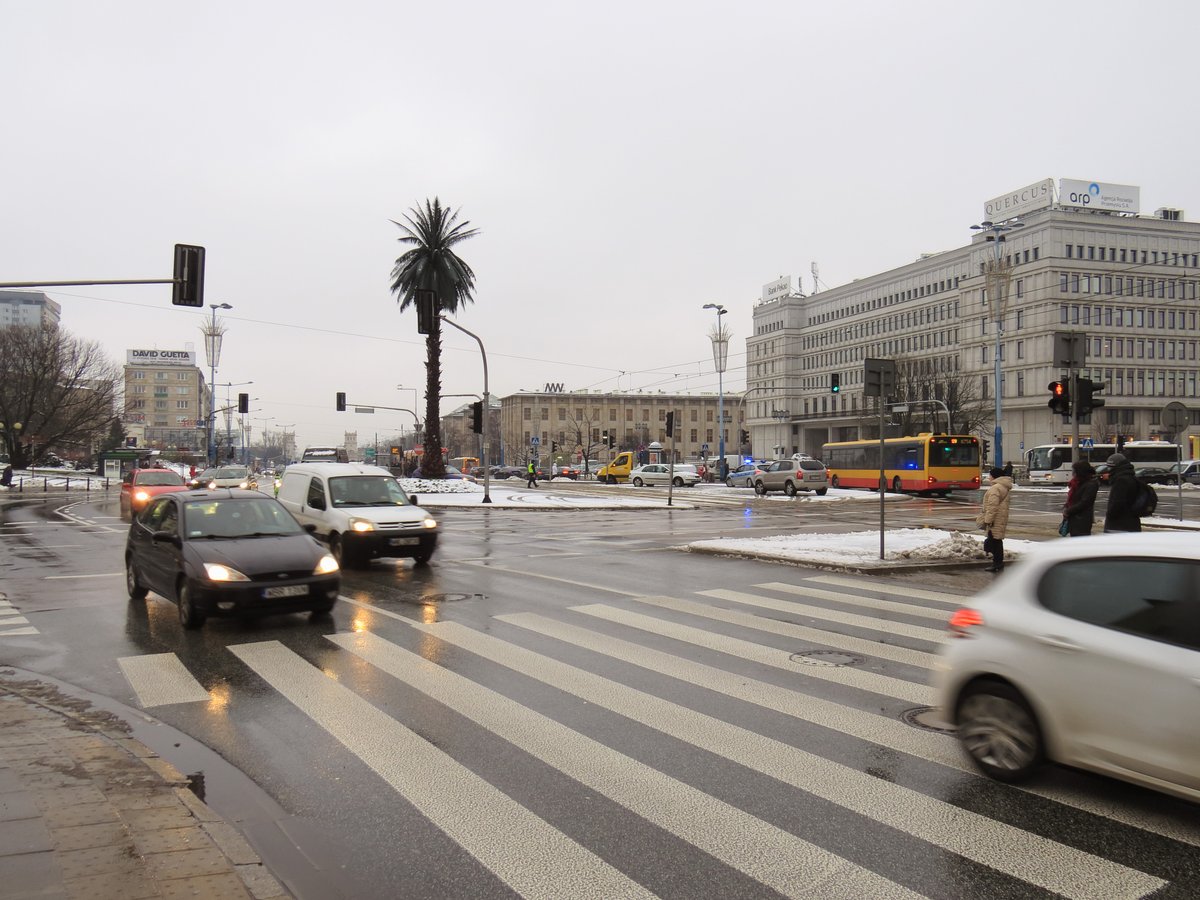
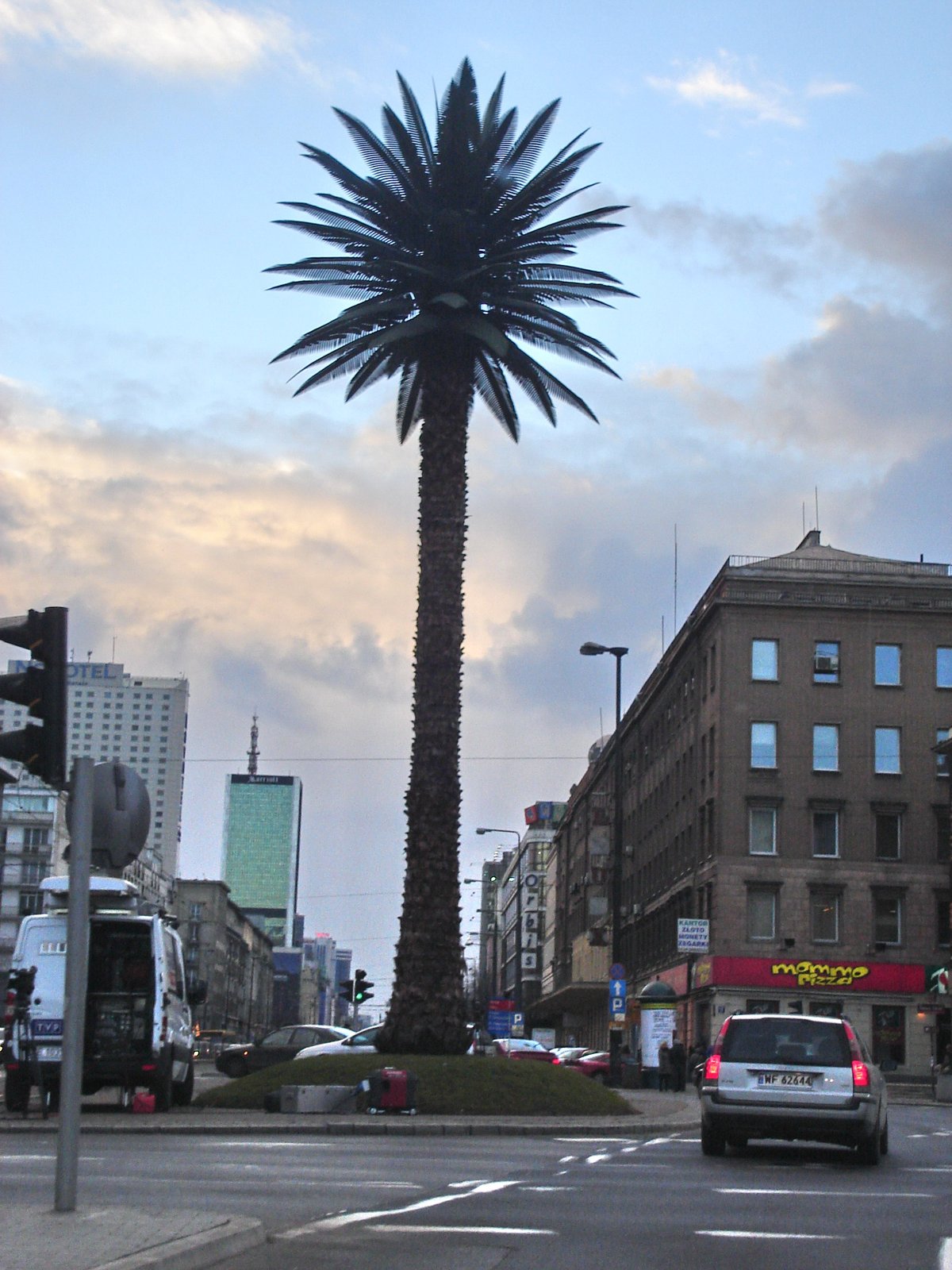
Jerusalem Avenue (Aleje Jerozolimskie) is one of Warsaw’s most significant and historically resonant thoroughfares, serving as a central artery that weaves together the city’s vibrant urban life and rich multicultural past. Its name commemorates the 18th-century Jewish settlement of Nowa Jerozolima, underscoring the enduring imprint of Jewish heritage on Warsaw’s landscape. At the core of this avenue stands "Greetings from Jerusalem Avenue," a striking 15-meter artificial palm tree conceived by artist Joanna Rajkowska in 2002. Positioned at the Charles de Gaulle roundabout, this thought-provoking installation bridges Warsaw's past and present, inviting both locals and visitors to reflect on themes of migration, memory, loss, and the dynamic transformation of the city’s identity.
Beyond the palm, Jerusalem Avenue offers proximity to important Jewish heritage sites, such as the POLIN Museum of the History of Polish Jews, the Nożyk Synagogue, and the Jewish Cemetery, each conveying powerful narratives of Jewish life, resilience, and the tragedies of the 20th century. With its central location, open access, and multifaceted cultural context, Jerusalem Avenue stands as a compelling destination for history enthusiasts, art lovers, and cultural travelers.
This guide combines historical context, practical visitor information, and expert travel tips to ensure a meaningful visit to both the avenue and the iconic palm tree installation. Whether you are planning your trip or seeking to deepen your understanding of Warsaw's heritage, this comprehensive resource connects you with essential insights and recommendations (rajkowska.com; wikipedia; culture.pl).

Origins of Jerusalem Avenue and Nowa Jerozolima
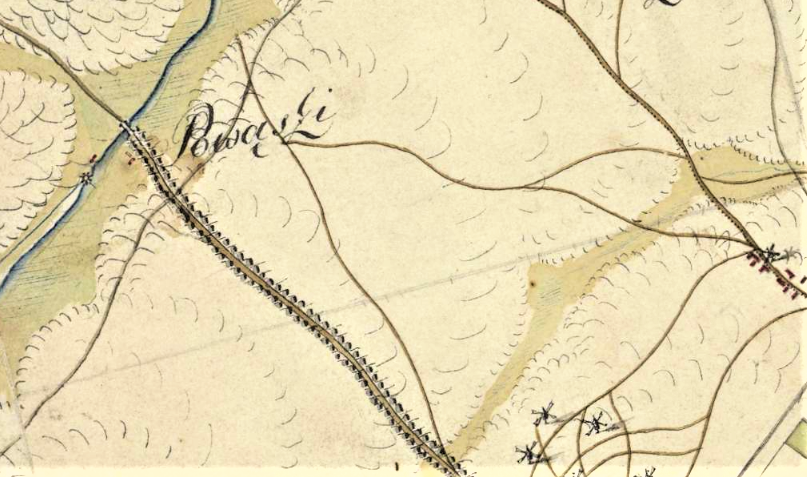
Jerusalem Avenue’s name derives from the 18th-century Jewish settlement of Nowa Jerozolima (New Jerusalem), established in 1774 by Prince August Sułkowski. Although laws at the time prohibited Jews from settling within two miles of Old Warsaw, Sułkowski founded this village for Jewish residents just outside the city. Legal disputes led to the settlement’s destruction in 1776, yet the avenue’s name endures, serving as a reminder of the city’s once-vibrant Jewish presence and the complexities of its multicultural past.
Jewish Life and Exclusion in Warsaw
Jews have been part of Warsaw’s history since at least the 15th century. The 1483 "privilegia de non tolerandis Judaeis" decree barred Jews from living within Warsaw’s city walls, but Jewish communities nonetheless flourished in neighboring areas. The 19th century, under Austrian and later Russian rule, witnessed a relaxation of these restrictions, enabling the growth of Jewish institutions, synagogues, and cultural life, especially as the city modernized.
The Flourishing and Tragedy of Jewish Warsaw
By the early 20th century, Warsaw was home to the largest Jewish community in Europe, making up more than 30% of the city’s population. The neighborhoods surrounding Jerusalem Avenue were bustling centers of Jewish life, producing notable figures like Isaac Bashevis Singer and Janusz Korczak. The devastation of the Holocaust, however, obliterated much of this community. The Nazis established the Warsaw Ghetto nearby, and postwar urban redevelopment erased many historical landmarks, leaving only fragments of prewar Jewish Warsaw.
Visiting Today: Hours, Accessibility, and Tickets
Jerusalem Avenue and the Palm Tree
Jerusalem Avenue is a central public street, accessible around the clock. The palm tree installation—"Greetings from Jerusalem Avenue"—stands at the Charles de Gaulle roundabout and is visible 24/7, requiring no ticket or reservation.
Nearby Jewish Heritage Sites
- POLIN Museum of the History of Polish Jews: Open Tuesday to Sunday, 10:00 AM – 6:00 PM (closed Mondays). Admission is approximately 30 PLN for adults; discounts for students and seniors. Advance booking is recommended, especially in peak season.
- Nożyk Synagogue: The only surviving prewar synagogue in Warsaw. Open weekdays during business hours. Entry is free, but donations are appreciated.
- Jewish Cemetery: Open daily from 9:00 AM to 5:00 PM. Visitors are requested to maintain respectful behavior when visiting.
Accessibility
The area is wheelchair accessible, with broad sidewalks, crosswalks, and convenient public transport connections. Most major museums and heritage sites, including POLIN, offer accessible facilities, ramps, elevators, and audio guides.
Travel Tips
- Getting There: Easily accessible via Warsaw’s tram, bus, and metro systems. The closest metro stations are Centrum and Świętokrzyska.
- Safety: The area is generally safe; standard precautions apply.
- Amenities: Numerous cafes, restaurants, and shops are located along Jerusalem Avenue and nearby Nowy Świat street.
The Palm Tree Installation: Artistic Symbolism
Installed in 2002, Joanna Rajkowska’s artificial palm tree is a site-specific intervention that juxtaposes the tropical with the Central European, highlighting both the avenue’s name and Warsaw’s layered history. The palm draws inspiration from Rajkowska’s visit to Israel and references the lost Jewish community, migration, and the city’s capacity for transformation. Its placement invites dialogue about memory, urban space, and cultural identity (rajkowska.com; wikipedia; culture.pl).
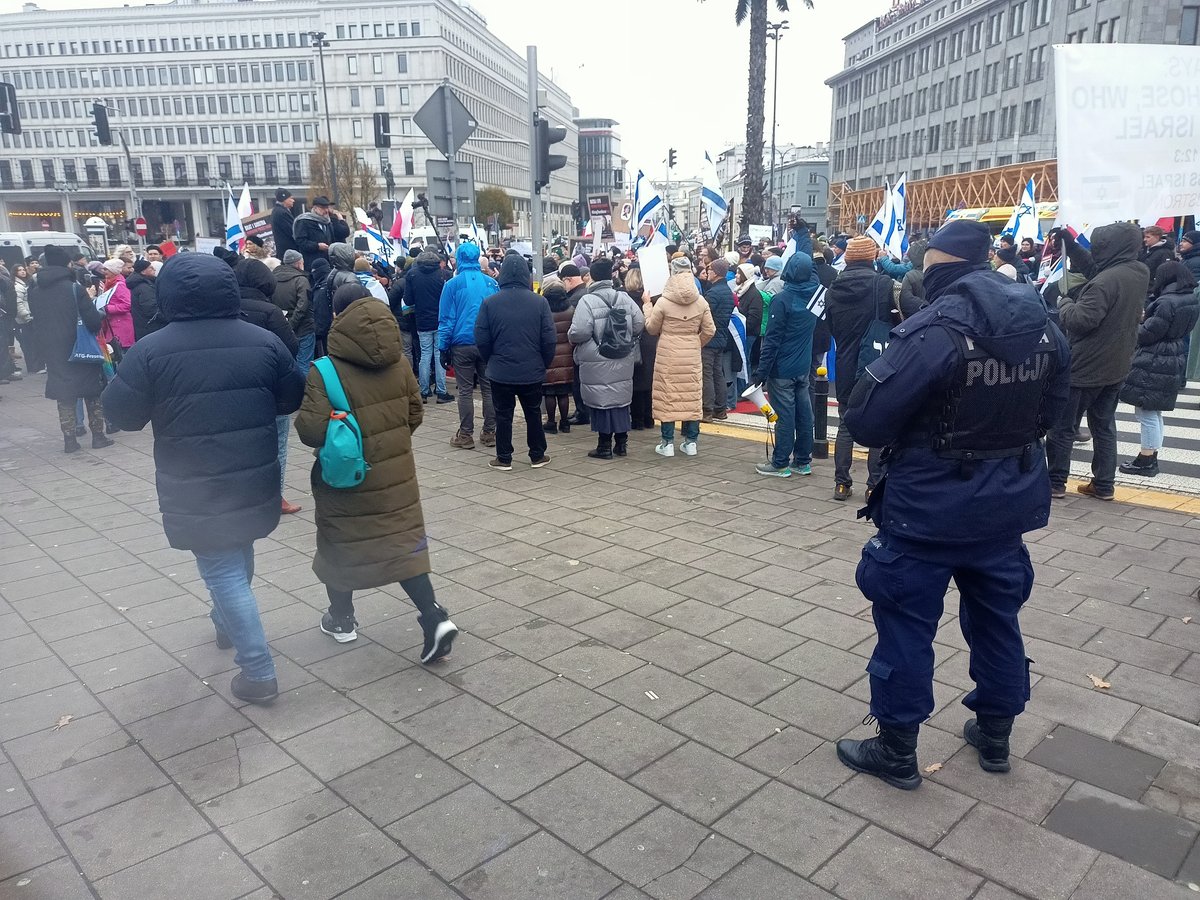
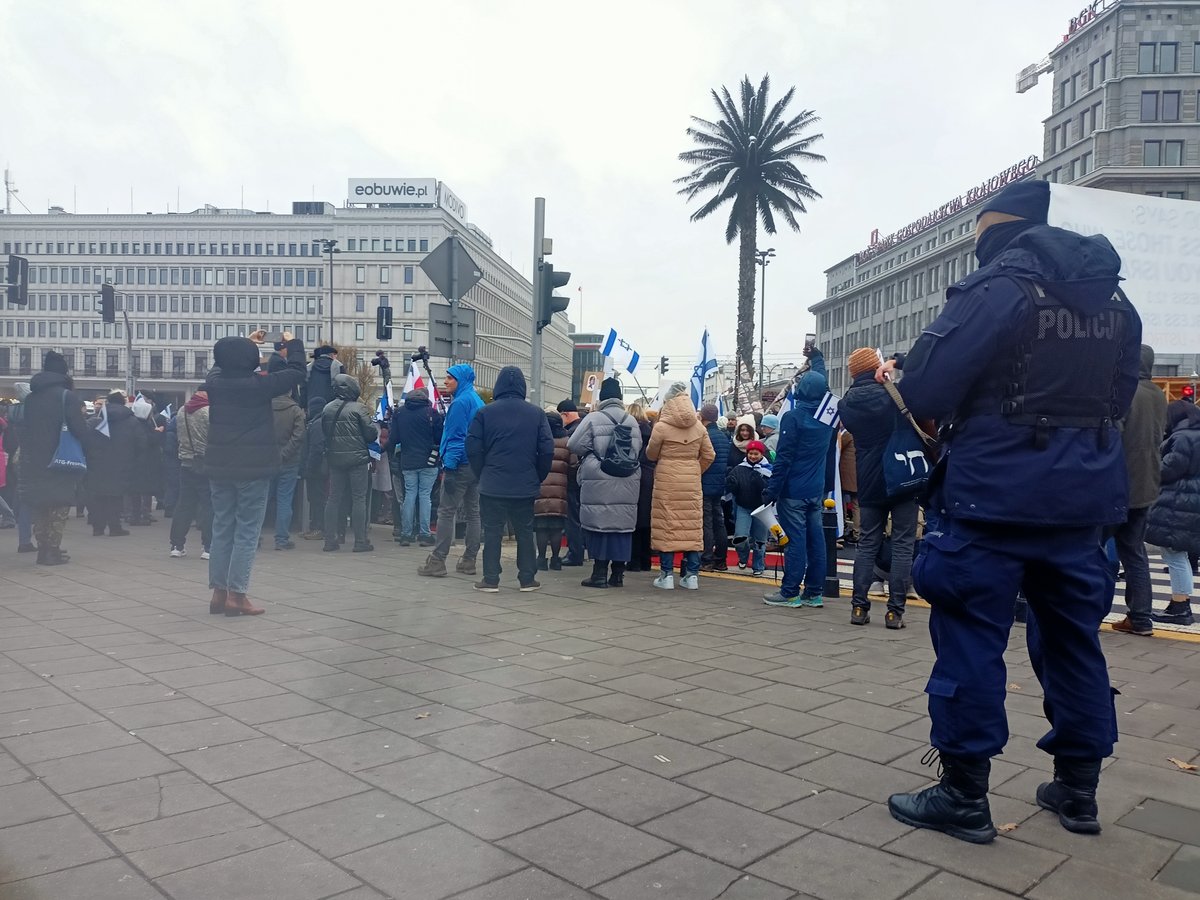
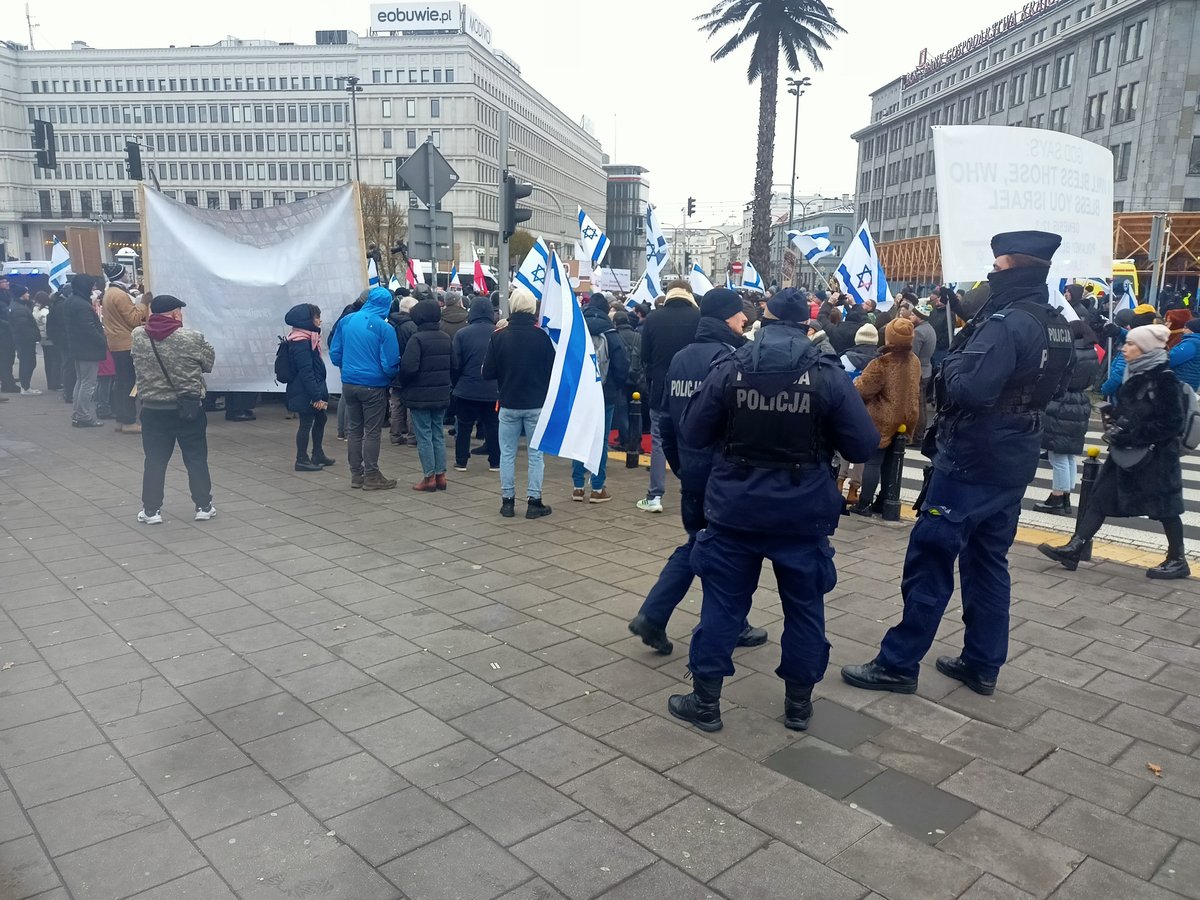
The palm has also become a platform for public discourse, serving as a backdrop for social activism and community gatherings, further embedding itself in Warsaw’s collective consciousness.
Additional Attractions Along Jerusalem Avenue
- Hotel Polonia Palace: A historic hotel with original prewar architecture.
- Warsaw Uprising Museum: Commemorating the 1944 uprising, located a short ride away.
- Złote Tarasy Shopping Center: A modern shopping and entertainment complex near the central train station.
- National Museum: Just steps away from the palm, featuring extensive Polish and European art collections.
Guided Tours and Events
Several local organizations and cultural institutions offer guided tours focusing on Jewish heritage, contemporary art, and Warsaw’s history, many of which include Jerusalem Avenue and the palm tree. Look for walking or cycling tours that provide deeper context and personal narratives. The palm is also a focal point for public events, demonstrations, and commemorations—check city listings for current schedules.
Frequently Asked Questions (FAQ)
Q: What are the visiting hours for Jerusalem Avenue and the palm tree?
A: Both are open 24/7; there are no restrictions.
Q: Is there a ticket required to visit the palm tree?
A: No, visiting the palm or the avenue is free of charge.
Q: What are the visiting hours and ticket prices for the POLIN Museum?
A: Open Tuesday to Sunday, 10:00 AM to 6:00 PM. Adult tickets are about 30 PLN, with discounts available.
Q: Is the site accessible for visitors with disabilities?
A: Yes, the avenue, palm tree, and major nearby attractions are wheelchair accessible.
Q: Are there guided tours that include the palm tree?
A: Yes, many walking and biking tours of Warsaw feature the palm and provide historical context.
- Internal Links:
- [Top Historical Sites in Warsaw]
- [Jewish Heritage Tours in Warsaw]
- [Visiting the POLIN Museum: A Complete Guide]
Listen to the full story in the app
The whole Greetings From Jerusalem Avenue,
told well.
Audio guides for 1,100+ cities across 96 countries. History, stories, and local insight — offline ready.
Verified, and shown.
Researched and written by the Audiala editorial team from historical records, architectural archives, and local expertise.
Researched from Wikidata, Wikipedia & official sources · fact-checked · How we make our guides →