Plan and listen to Fort Tscha with Audiala.
Audio guide in your pocket, itinerary in your browser. Built for the way you actually visit.
Introduction
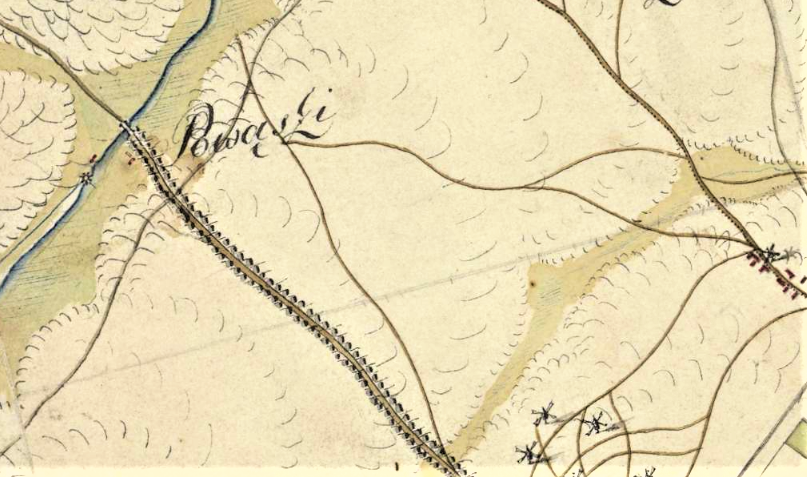
Fort Tscha (Fort Szczęśliwice), located in the Szczęśliwice district on Warsaw's western edge, stands as a compelling testament to Poland’s military and architectural heritage. Built in the late 19th century as part of the Warsaw Fortress system under Russian imperial rule, the fort was designed to defend the city from western threats and internal uprisings. Its polygonal design, fortified earthworks, and robust brick and concrete casemates exemplify the era’s evolving military engineering. Over its history, Fort Tscha witnessed pivotal moments—from the Russian Empire’s dominance and Poland’s struggle for independence, through the turmoil of World War II, to postwar abandonment. Despite preservation challenges and changes in ownership, Fort Tscha remains a powerful symbol of Warsaw’s turbulent past.
This guide provides essential information for prospective visitors, including the fort’s historical significance, architectural features, current accessibility, travel advice, and alternatives for exploring Warsaw’s fortress heritage. For updates on visiting conditions, consult resources such as TracesOfWar, Forty.waw.pl, and the Warsaw tourism website. The Audiala app is also recommended for guided audio tours and insider tips on Warsaw’s historical landmarks.
Historical Context and Significance
Origins and Construction
Fort Tscha was constructed between 1883 and 1890 as part of the Warsaw Fortress—a network of military fortifications erected after the November Uprising (1830–31) to cement Russian control over Congress Poland (Wikipedia: Warsaw Fortress, TracesOfWar). The fort's location on Warsaw’s vulnerable western approaches was strategic, enabling coordinated defense with neighboring forts and overlapping artillery fields of fire.
Obsolescence and Demolition
Advances in artillery and siege tactics rapidly outdated the fortress system. In 1909, the Russian Empire ordered the dismantling of Warsaw’s forts; Fort Tscha was partially demolished, with further destruction in 1913 (Wikipedia: Warsaw Fortress). During World War I, the fort was not fully engaged as Russian forces evacuated Warsaw.
20th-Century Roles
With Poland’s independence in 1918, Fort Tscha saw brief use by Polish forces during the Polish-Soviet War (1920), though its design was already outdated. In World War II, German troops captured the fort early in the 1939 invasion, and it saw limited fighting before being rendered militarily obsolete. Postwar, Fort Tscha was abandoned, its structures deteriorating over decades (TracesOfWar, Forty.waw.pl).
Architectural Features
Fort Tscha’s design reflects the transition from traditional masonry to earthwork fortifications. Its polygonal ground plan minimized blind spots, while thick brick and concrete casemates, deep dry moats, glacis slopes, and bastions maximized defensive capability. Interior spaces included barracks, magazines, command posts, and support facilities, all linked by wide corridors and protected from bombardment (totalmilitaryinsight.com).
Later adaptations added reinforced concrete shelters, machine gun positions, and improved communications, ensuring the fort remained serviceable into the early 20th century. Despite partial demolition, remnants of casemates, moats, and ramparts are still visible.
Current Condition and Accessibility (2025)
Status
As of 2025, Fort Tscha is closed to the public. The fort is under private ownership, and upcoming construction projects have resulted in the closure of the grounds. No official visiting hours, tickets, or guided tours are available (Forty.waw.pl).
Safety and Legal Considerations
Unauthorized entry is prohibited and hazardous. The site is an advanced ruin with unstable masonry, a flooded moat, overgrown terrain, and potential surveillance. Trespassing may result in legal consequences (Forty.waw.pl).
Location
Fort Tscha is situated at coordinates 52.206944, 20.95, in the western part of Warsaw near residential and allotment garden areas. There are no dedicated pathways, signage, or facilities at the site. Public transport serves nearby neighborhoods, but the fort itself is not directly accessible (tracesofwar.com).
Visitor Facilities and Alternatives
There are currently no visitor amenities at Fort Tscha—no restrooms, parking, ticket office, or information boards. For those interested in Warsaw’s military history, several accessible alternatives include:
- Warsaw Citadel (Cytadela Warszawska): Restored 19th-century fortress with museums, exhibits, and guided tours.
- Old Town Barbican and City Walls: Medieval fortifications in the heart of Warsaw.
- Other Warsaw Forts: Some forts in the historic ring offer partial access or organized tours—consult local heritage sites for details.
These sites provide safe, informative experiences and are open to the public (insiderfandom.com).
Frequently Asked Questions (FAQ)
Q: Can I visit Fort Tscha in 2025?
A: No, the site is closed due to private ownership and planned development.
Q: Are there guided tours?
A: No, official tours are not available while the site is closed.
Q: Is it legal to enter the grounds?
A: No, unauthorized access is prohibited and unsafe.
Q: What are the best alternatives nearby?
A: The Warsaw Citadel, Old Town Barbican, and other historic forts with public access.
Q: Are there any facilities or visitor services?
A: No, Fort Tscha currently offers none.
Preservation and Future Prospects
Fort Tscha’s future remains uncertain. Construction plans may alter or erase remaining historical features, and no official preservation initiatives are currently announced. Heritage advocates and interested visitors should monitor Forty.waw.pl and local government channels for updates.
For a safe and enriching exploration of Warsaw’s fortress legacy, focus on sites with established visitor programs, such as the Warsaw Citadel. Engaging with these sites supports preservation and offers immersive historical experiences.
Summary Table: Fort Tscha (Szczęśliwice) in 2025
| Aspect | Status (2025) |
|---|---|
| Physical Condition | Advanced ruin; partial casemates, earthworks, flooded moat, overgrown terrain |
| Public Access | Closed to visitors; private property; no official tours or tickets |
| Visiting Hours | None (site closed) |
| Safety | Unsafe; structural hazards; legal restrictions |
| Facilities | None; no restrooms, parking, signage, or services |
| Location | 52.206944, 20.95; western Warsaw; residential and allotment garden area |
| Future | Uncertain; possible redevelopment; no preservation plans announced |
Plan Your Visit and Stay Informed
To stay updated on Fort Tscha’s accessibility or possible reopening, check Forty.waw.pl, TracesOfWar, and the Warsaw tourism website. For guided audio tours and real-time updates on Warsaw’s historic sites, use the Audiala app.
While Fort Tscha may not be accessible, Warsaw’s fortress history is alive at other sites throughout the city—plan your visit accordingly for a safe and memorable experience.
Listen to the full story in the app
The whole Fort Tscha,
told well.
Audio guides for 1,100+ cities across 96 countries. History, stories, and local insight — offline ready.

Verified, and shown.
Researched and written by the Audiala editorial team from historical records, architectural archives, and local expertise.
Researched from Wikidata, Wikipedia & official sources · fact-checked · How we make our guides →