An introduction.
Researched by the Audiala editorial team from historical records, architectural archives, and local expertise.
TThe man who built Warsaw's most popular science museum died seven months before it opened — killed in a plane crash on his way to commemorate a Soviet massacre. The Copernicus Science Centre, perched on the Vistula riverbank in Poland's capital, draws over a million visitors a year with more than 450 interactive exhibits you're encouraged to touch, pull, spin, and argue with. It has no connection whatsoever to Nicolaus Copernicus, who never set foot in Warsaw.
The name is borrowed prestige. Copernicus was born in Toruń, educated in Kraków and Italy, and died in Frombork in 1543 — more than fifty years before Warsaw even became Poland's capital. The centre chose his name because it translates instantly across languages: science, revolution, Poland. Visitors expecting Copernican relics or Renaissance artifacts will find none. What they'll find instead is more interesting.
Opened in stages between November 2010 and late 2011, the building sits in Powiśle, a former working-class district on the low riverbank beneath Warsaw's city centre. The site was post-war wasteland and industrial scrub — nothing precious was demolished to build it. Today, the sloping green roof merges so seamlessly with the riverbank that many visitors walk across it without realizing they're standing on the building itself.
Inside, the philosophy is blunt: don't read about physics, feel it. Galleries cover everything from human-body mechanics to the roots of civilization, with a planetarium called the Heavens of Copernicus projecting fulldome shows onto a screen wider than a basketball court. Children scream with delight. Adults pretend they're supervising.
Exploring Copernicus Science Centre 🔬✨ #Shorts
Sergiusz01 What to see.
The Erosion Building and Its Crater Apertures
Heavens of Copernicus Planetarium
A Half-Day Route: Galleries, Park, and Riverbank
02 In pictures.


Watch & Explore Copernicus Science Centre.
Plan and listen to Copernicus Science Centre with Audiala.
Audio guide in your pocket, itinerary in your browser. Built for the way you actually visit.
03 Visitor logistics.
The practical scaffolding for a good visit — kept short.
Getting There
Take the M2 metro line to the stop literally named Centrum Nauki Kopernik — a 3-minute walk to the entrance. Bus lines 118, 127, and 105 stop at Biblioteka Uniwersytecka nearby. From Warsaw's Old Town, it's a 15–20 minute walk south along the Vistula riverbank, flat the entire way.
Opening Hours
As of 2026, CNK operates on timed-entry tickets — you book a specific slot online at bilety.copernicus.org.pl. Hours vary by day and season, so check kopernik.org.pl/en/visit/opening-hours directly before your visit. A major renovation that began in September 2024 is still completing in phases; some galleries (including 'The Future is Today') remain closed.
Time Needed
The centre itself says 2–3 hours, but locals laugh at that estimate. With roughly 200 interactive exhibits, a planetarium show, and the rooftop garden, plan 3–4 hours minimum. Families with young children easily spend a full day — the staff acknowledges it's impossible to see everything in one visit.
Tickets & Cost
As of 2026, adult tickets run 31 PLN on weekdays and 33 PLN on weekends (about €7–8) — reduced tickets for students, seniors, and children are 21–22 PLN. Children under 2 enter free. The planetarium requires a separate ticket. Book online — the on-site queue can stretch long on weekends, and slots do sell out.
04 Tips for visitors.
Small things that change the day.
Dodge the School Groups
Weekdays in May and June are overrun by Polish school trips — hundreds of children moving through galleries in packs. Visit on a weekday morning in autumn or winter for the calmest experience.
Eat at Elektrownia Powiśle
Skip the crowded in-house bistro and walk 5 minutes to Elektrownia Powiśle, a converted 1900s power station with a superb food hall — ramen, sushi, burgers, Thai, all mid-range. For budget street food in summer, the Vistula boulevard food trucks serve classic zapiekanka (open-face baguettes) right along the river.
Don't Miss the Roof
Many visitors leave without discovering the free rooftop garden, open roughly May through October. It offers wide views of the Vistula and the Old Town skyline — and the adjacent Warsaw University Library rooftop garden is equally spectacular and also free.
Pack Spare Clothes for Kids
The Bzzz! gallery for children under 6 includes water experiments that will soak small hands and sleeves. Bring a change of clothes. Entry is timed on the hour with limited capacity, so head there first.
Bring a 2 PLN Coin
Lockers require a 2 PLN coin deposit (returned after use) and are much faster than the cloakroom queue. There's no re-entry to the exhibitions once you leave, so stash bags and coats before you start.
Check What's Actually Open
The 2024–2025 renovation is completing in phases. As of mid-2025, the planetarium is back but some galleries remain closed. Before booking, check kopernik.org.pl/en/attractions-availability for the real-time list of what's running that day.
Where to Eat
Don't Leave Without Trying
The Fry
local favoriteOrder: The seasonal pierogi and their house-made kiełbasa—locals queue here because the execution is meticulous and the ingredients are sourced with care.
This is where Warsaw's food-conscious crowd actually eats, not tourists. The kitchen respects Polish tradition while keeping things fresh and unfussy.
Kimi Sushi
local favoriteOrder: Their nigiri selection showcases quality fish; the toro is buttery and worth every złoty. Skip the rolls and go straight for the sashimi if you want to taste their commitment.
In a neighborhood thick with dining options, Kimi has earned serious respect from regulars. The precision and consistency keep people coming back.
Wiem Cafe
quick biteOrder: Grab their coffee and a fresh pastry—this is a genuine neighborhood spot where locals actually sit and work, not a tourist photo op.
Positioned near the Copernicus Centre but feels worlds away from the crowds. Perfect for a real Warsaw morning coffee experience before or after exploring the science center.
Browth House
quick biteOrder: Their bar snacks and comfort food hits the spot late night—think honest, no-frills eats that pair well with a drink.
A rare 5-star gem with a tight-knit following. Open around the clock, so it's your safety net if you need food and company at odd hours.
Dining Tips
- check Warsaw has a vibrant food hall scene directly adjacent to major attractions like the Copernicus Science Centre, offering diverse culinary concepts and outdoor seating—ideal for groups wanting variety without committing to one restaurant.
- check Look for thin-dough pierogi at traditional spots; the dough quality separates good from great.
- check The area around Dobra Street has become a dining hub with multiple strong restaurants within steps of each other—worth exploring on foot.
Restaurant data powered by Google
05 The Building That Outlived Its Founder
The Copernicus Science Centre exists because one politician decided Warsaw needed more than reconstruction — it needed curiosity. The institution's path from a mayoral memo in 2004 to a riverbank landmark by 2010 tracks through an architectural upset, a travelling exhibition that built demand before a single wall went up, and a national tragedy that left the opening ceremony haunted by absence.
Every stage of its creation inverted the usual order. The exhibitions were designed before the building was contracted. The brand existed two years before construction began. And the founder was buried before the doors opened.
Lech Kaczyński and the Room He Never Entered
In early 2004, Warsaw Mayor Lech Kaczyński appointed a small internal team with a specific brief: create a world-class interactive science centre for a city still stitching itself together after decades of communist-era neglect. Kaczyński was staking municipal budget and political credibility on an institution that had no precedent in Poland. Warsaw already had museums. What it didn't have was a place where a twelve-year-old could grab a lever and feel centrifugal force in her wrists.
On 1 June 2005, the formal Agreement on Establishing the Copernicus Science Centre was signed — under Kaczyński's mayoralty, just months before he resigned to run for President of Poland. He won that race. Construction began in 2008. By early 2010, the building on the Vistula was approaching completion, and Kaczyński knew the opening was imminent.
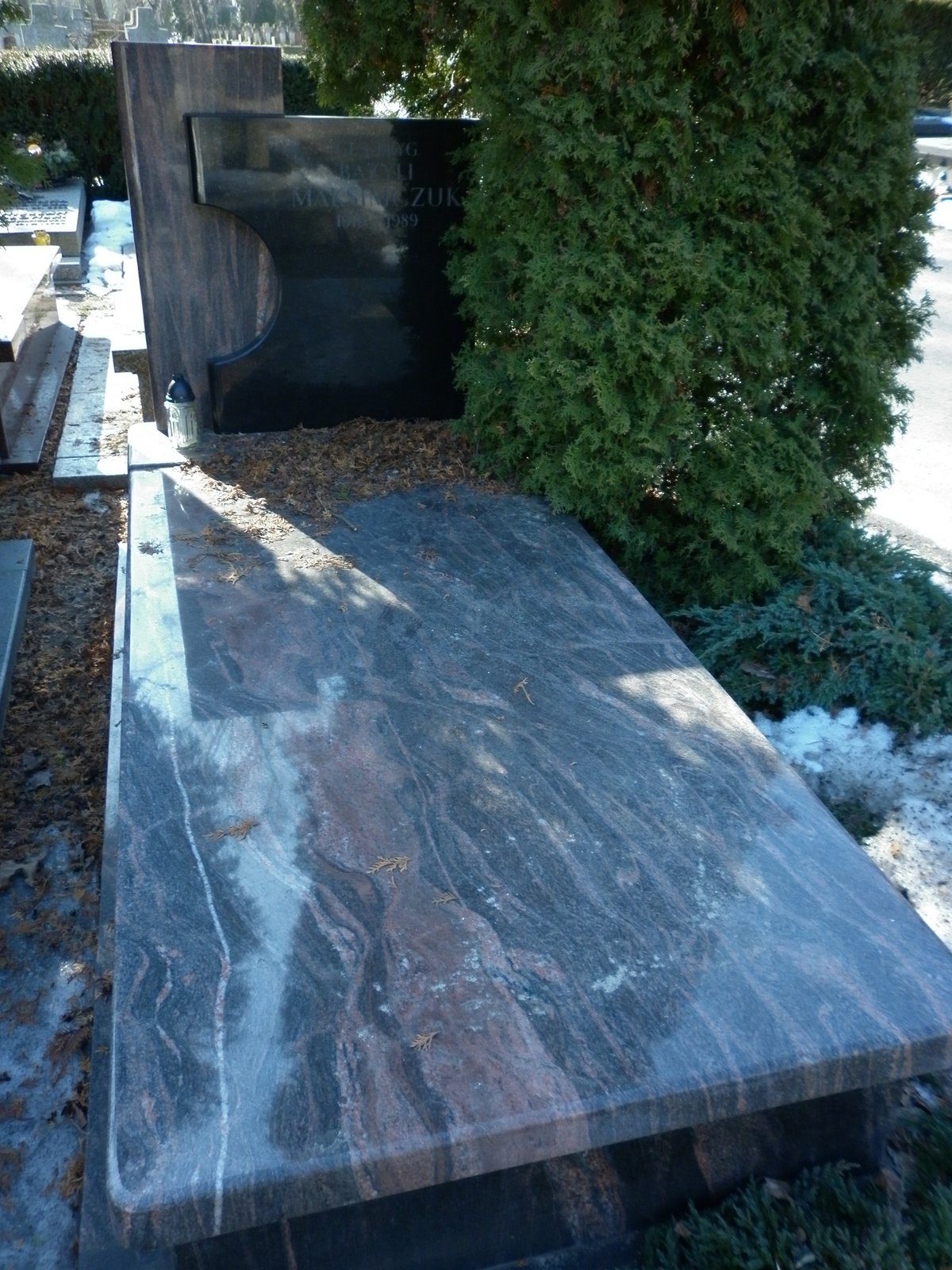
He never saw it. On 10 April 2010, a Polish Air Force Tu-154 carrying Kaczyński, his wife Maria, and 94 other officials crashed in fog near Smolensk, Russia. They had been flying to commemorate the 70th anniversary of the Katyń massacre — the Soviet execution of some 22,000 Polish officers and intellectuals. When the Copernicus Science Centre opened on 5 November 2010, its political founder had been dead for 209 days. No room, wing, or plaque inside bears his name. The institution he created carries the name of a 16th-century astronomer instead.
The Outsiders' Blueprint (2005–2008)
Opening and the Pandemic Anniversary (2010–2020)
The Exhibition Before the Building (2006–2008)
Listen to the full story in the app
The whole Copernicus Science Centre,
told well.
Listen to sourced travel stories with local history and practical context — ready offline.

06 Frequently asked.
The questions travellers send us most about Copernicus Science Centre.
Is Copernicus Science Centre in Warsaw worth visiting?
Yes — and not just if you have children. The 450-plus interactive exhibits cover physics, optics, robotics, and biology at a level that genuinely engages adults, and the planetarium's immersive dome screenings are among the best in central Europe. The building itself is an architectural statement: a low-slung landform with a walkable green roof overlooking the Vistula, designed by the Silesian firm RAr-2 to blur the line between science institution and riverbank landscape.
How long do you need at Copernicus Science Centre?
Plan for a minimum of 2–3 hours, and 4–5 if you include a planetarium show. Families with young children routinely spend a full day. The centre has over 450 interactive exhibits spread across multiple galleries with no fixed route, plus timed performances like the High Voltage Theatre and Robotic Theatre that require separate scheduling.
How do I get to Copernicus Science Centre from Warsaw city centre?
Take the M2 metro line to the stop literally named Centrum Nauki Kopernik — it's a 3-minute walk from there. Buses 118, 127, and 105 stop at Biblioteka Uniwersytecka nearby, and the centre is about a 10-minute walk south from the Nowy Świat area or 15–20 minutes along the river from Warsaw's Old Town.
What is the best time to visit Copernicus Science Centre?
Weekday mornings outside of May and June give you the fewest crowds — school groups dominate those spring months. Winter weekdays are the quietest of all, and the building runs warm enough to feel like a refuge from January cold. In summer, book planetarium tickets days in advance; they sell out fast in July and August.
Can you visit Copernicus Science Centre for free?
Children under 2 enter free, but everyone else pays — 31 PLN on weekdays, 33 PLN on weekends for adults, with reduced rates of 21–22 PLN for students under 26, seniors, and disabled visitors. The outdoor Discovery Park and the rooftop geological garden are free to access without an exhibition ticket. The annual Warsaw Science Picnic, usually held in May on the surrounding grounds, is also free and draws enormous crowds.
What should I not miss at Copernicus Science Centre?
Don't leave without going up to the rooftop geological garden — most visitors never find it, and the view west toward the Royal Castle escarpment is one of Warsaw's best from ground level. The High Voltage Theatre, where Tesla-coil demonstrations fill a darkened room with visible lightning arcs and the sharp smell of ozone, is the single most memorable live experience. Book the planetarium separately and in advance; the upgraded dome projection reopened in April 2025 with a quality that recent visitors have compared to watching the cosmos remastered.
Is Copernicus Science Centre good for adults without kids?
Absolutely — dismissing it as a children's attraction is the most common tourist mistake. The RE:generation gallery is designed specifically for teenagers and adults, with exhibits on AI, memory, and identity in a dimmer, more contemplative setting than the main floor. The planetarium, the architecture itself, and the Lightzone optics gallery all reward adult attention, and the Powiśle neighborhood surrounding the centre has some of Warsaw's best restaurants and bars for after your visit.
Is Copernicus Science Centre open after the 2024 renovation?
The centre reopened after its first major renovation since 2010, but as of mid-2025, some galleries remain closed in phases — the "Future is Today" exhibition and parts of the Education Laboratory were still unavailable. The planetarium reopened on April 11, 2025 with upgraded projection equipment. Check the official site at kopernik.org.pl before visiting to confirm which attractions are currently accessible.
Verified, and shown.
Researched and written by the Audiala editorial team from historical records, architectural archives, and local expertise.
Founding dates, construction timeline, gallery opening sequence, visitor statistics, architectural competition details, and Science Picnic history.
Current ticket prices, opening hours, attraction availability, renovation updates, visitor regulations, FAQ, and institutional history including 10th anniversary account.
Real-time ticket availability and booking system.
Architectural design details: erosion metaphor, crater perforations, embedded rock leitmotiv, living roof concept, and RAr-2 Laboratorium Architektury design philosophy.
Detailed local practical guide: metro access, parking costs and cash-only policy, locker coin requirements, no re-entry policy, crowd-avoidance strategies, and rooftop garden access.
Visitor reviews from 2025–2026 covering visit duration, planetarium language headsets, gallery atmosphere, acoustic environment, and nearby restaurant recommendations.
April 2025 reporting on planetarium reopening with upgraded projection system after renovation.
Local TV coverage of September–November 2024 renovation closure, including HVAC system failure as primary reason.
Trade travel press coverage of the 2024 renovation closure.
Recent visitor review with practical details on timed-entry ticketing system.
Indicative ticket pricing and estimated visit duration.
Personal travel blog with crowd-avoidance tips and temporary exhibition notes.
Polish family blogger assessment of exhibit quality and maintenance standards.
General visitor overview and positioning within Warsaw attractions.
Built from cited sources · see the method · How we make our guides →