Plan and listen to Constitution Square with Audiala.
Audio guide in your pocket, itinerary in your browser. Built for the way you actually visit.
Introduction
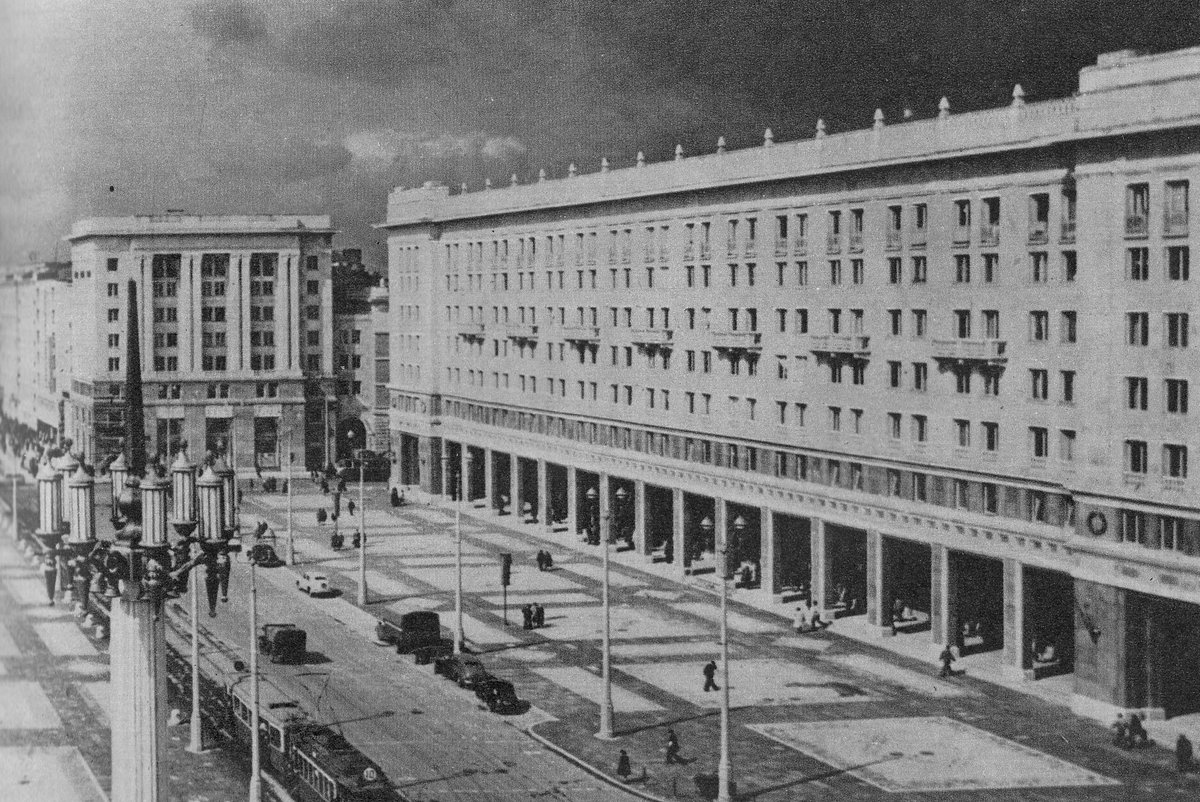
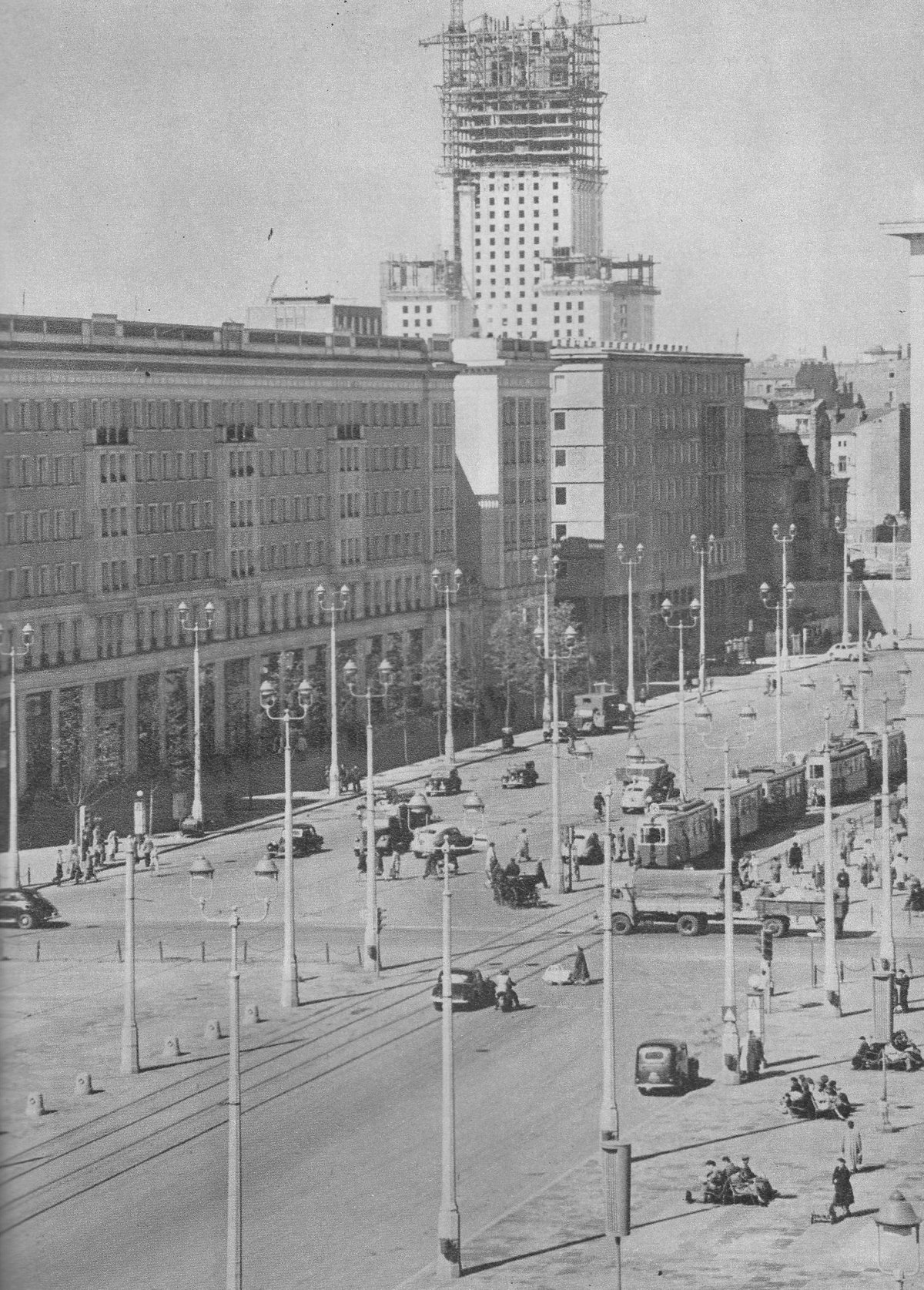
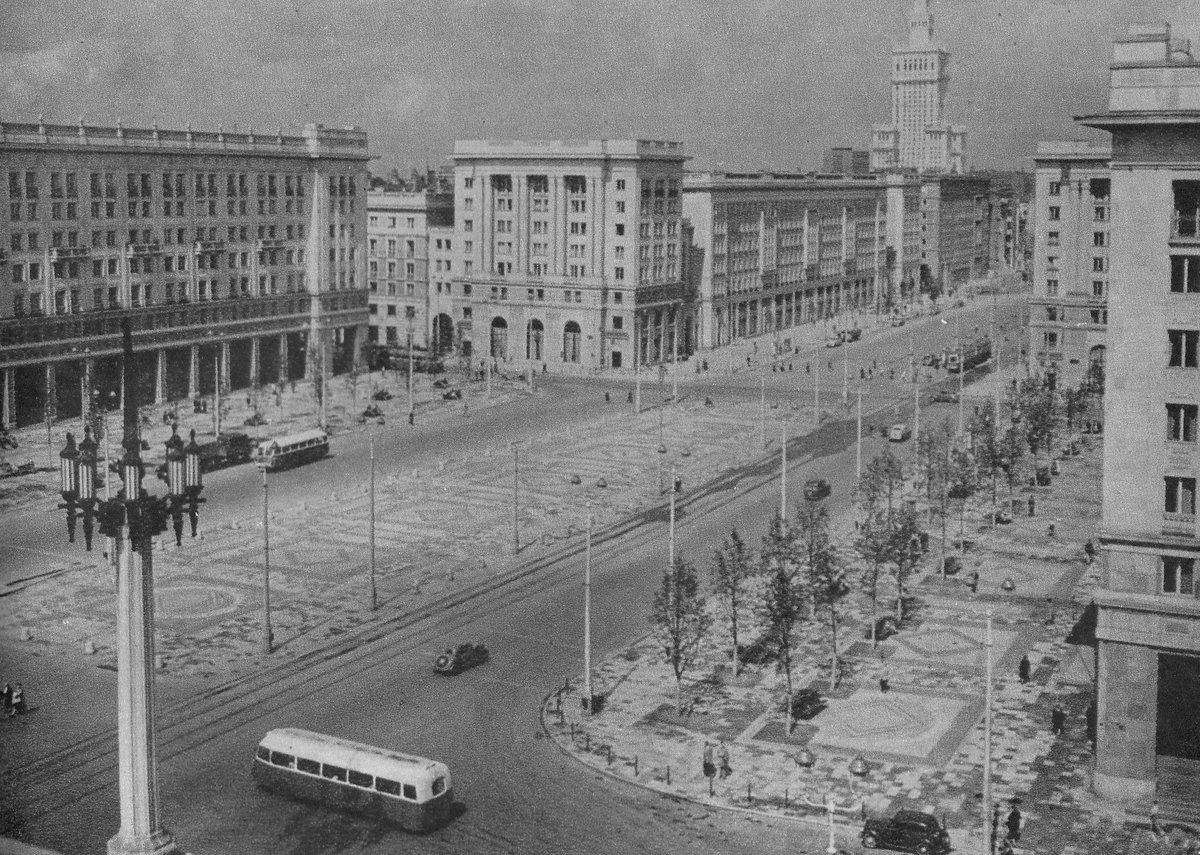
Constitution Square (Plac Konstytucji), located in the heart of Warsaw’s Śródmieście district, is a powerful symbol of the city’s post-war resilience and an outstanding example of socialist realist architecture. Conceived during the early 1950s as part of the Marszałkowska Residential District (MDM) project, the square was built not just to resolve Warsaw’s severe housing crisis after World War II, but also to showcase the ideals of socialist realism that shaped Poland’s politics and culture during the era. With its monumental facades, symmetrical layout, and decorative bas-reliefs, Constitution Square stands as a testament to the interplay between political ideology, urban planning, and societal renewal in post-war Poland (Warsaw City Official Website, Lonely Planet, Communications Unlimited).
This comprehensive guide explores Constitution Square’s rich history, its architectural and political significance, practical information for visitors—including hours, accessibility, and nearby attractions—as well as tips for making the most of your visit to this iconic Warsaw landmark.

Historical Background
Early Urban Development
Warsaw’s urban landscape has evolved over centuries, with significant growth occurring in the 18th and 19th centuries due to industrialization and migration. By the early 20th century, Warsaw was a vibrant European capital. However, the devastation of World War II left more than 85% of the city in ruins, necessitating a massive reconstruction effort that reshaped the city’s core, including the area where Constitution Square now stands.
Post-War Reconstruction
Constitution Square was conceived as part of the Marszałkowska Dzielnica Mieszkaniowa (MDM) project, an ambitious urban development plan initiated by the post-war Communist government. Construction began in 1950 and was completed in 1952. The project aimed to address Warsaw’s severe housing shortage and provide a visual representation of the new social order. The square’s design drew on the principles of socialist realism, emphasizing grandeur, order, and the collective spirit (SAH Blog).
Political Symbolism and Naming
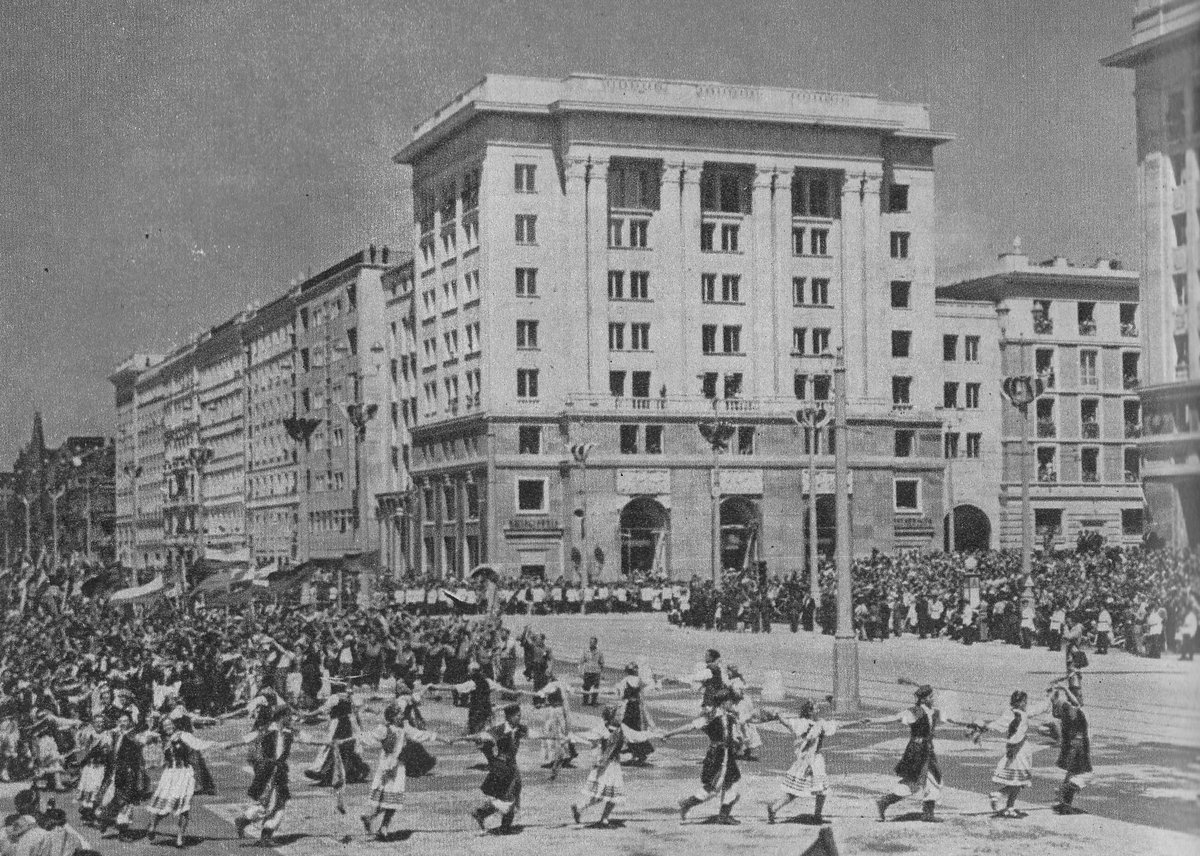
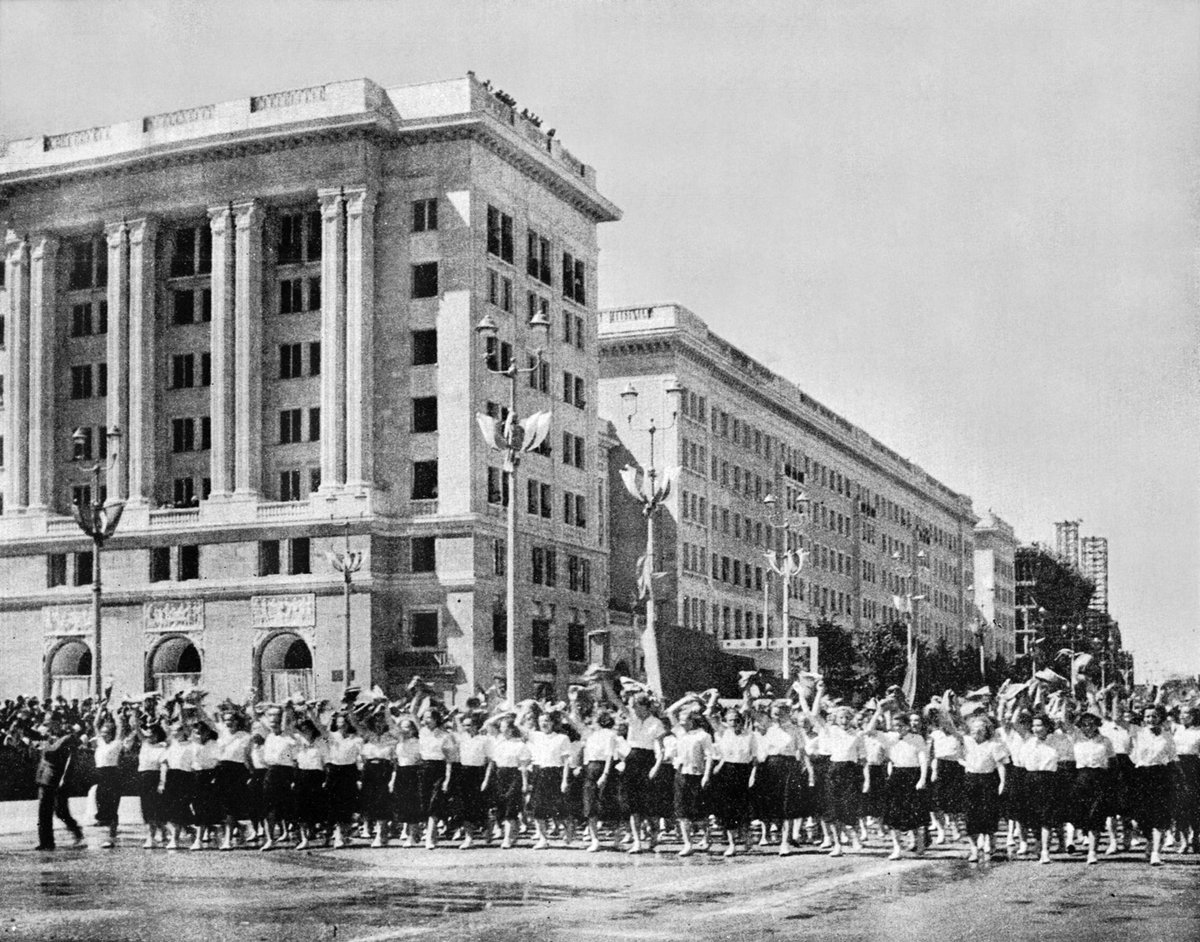
The square was named Plac Konstytucji to commemorate the 1952 Constitution of the Polish People’s Republic. Its wide avenues and open spaces were deliberately planned to accommodate mass gatherings, parades, and military processions—most notably the annual May Day parades, which showcased socialist unity and state power (Communications Unlimited).
Architectural Features and Urban Planning
Design and Construction
Led by architects including Józef Sigalin and Stanisław Jankowski, Constitution Square’s design exemplifies socialist realism. The square is flanked by six- to seven-story buildings with symmetrical facades, wide arcades, and grand entrances. The use of sandstone, granite, and reinforced concrete provided both durability and a monumental appearance (WhiteMAD).
Key features include:
- Monumental proportions and classical motifs, such as columns and pilasters, rendered in a simplified, modern style.
- Decorative bas-reliefs celebrating workers, engineers, and peasants.
- Wide boulevards and open spaces for civic gatherings.
Notable Structures and Artistic Elements
MDM Hotel
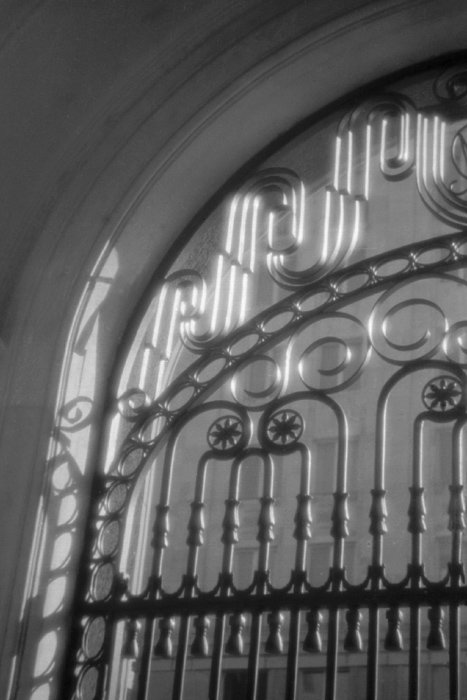
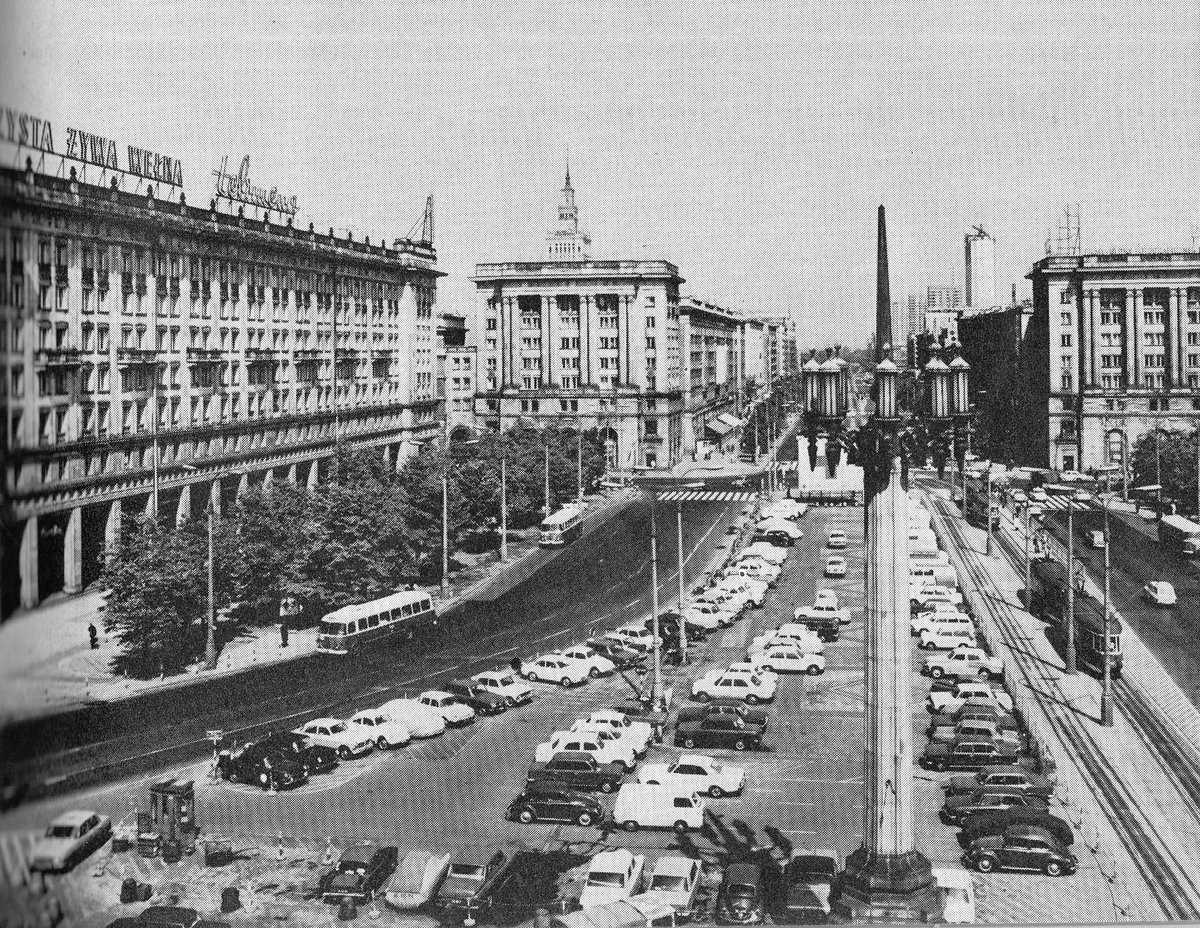
Situated at Plac Konstytucji 1, the MDM Hotel was the first hotel built in Warsaw after WWII. Designed by Józef Sigalin and his team, it features a grand facade, panoramic views, and signature neon signage, such as the iconic "Podróżuj Lotem" sign, symbolizing post-war optimism (WhiteMAD).
Residential and Commercial Buildings
Surrounding the square are residential buildings with ground-floor shops, cafes, and services, maintaining stylistic unity through consistent height and decorative reliefs.
Artistic Features
- Heroic Worker Reliefs: Stone and plaster bas-reliefs above entrances and upper floors.
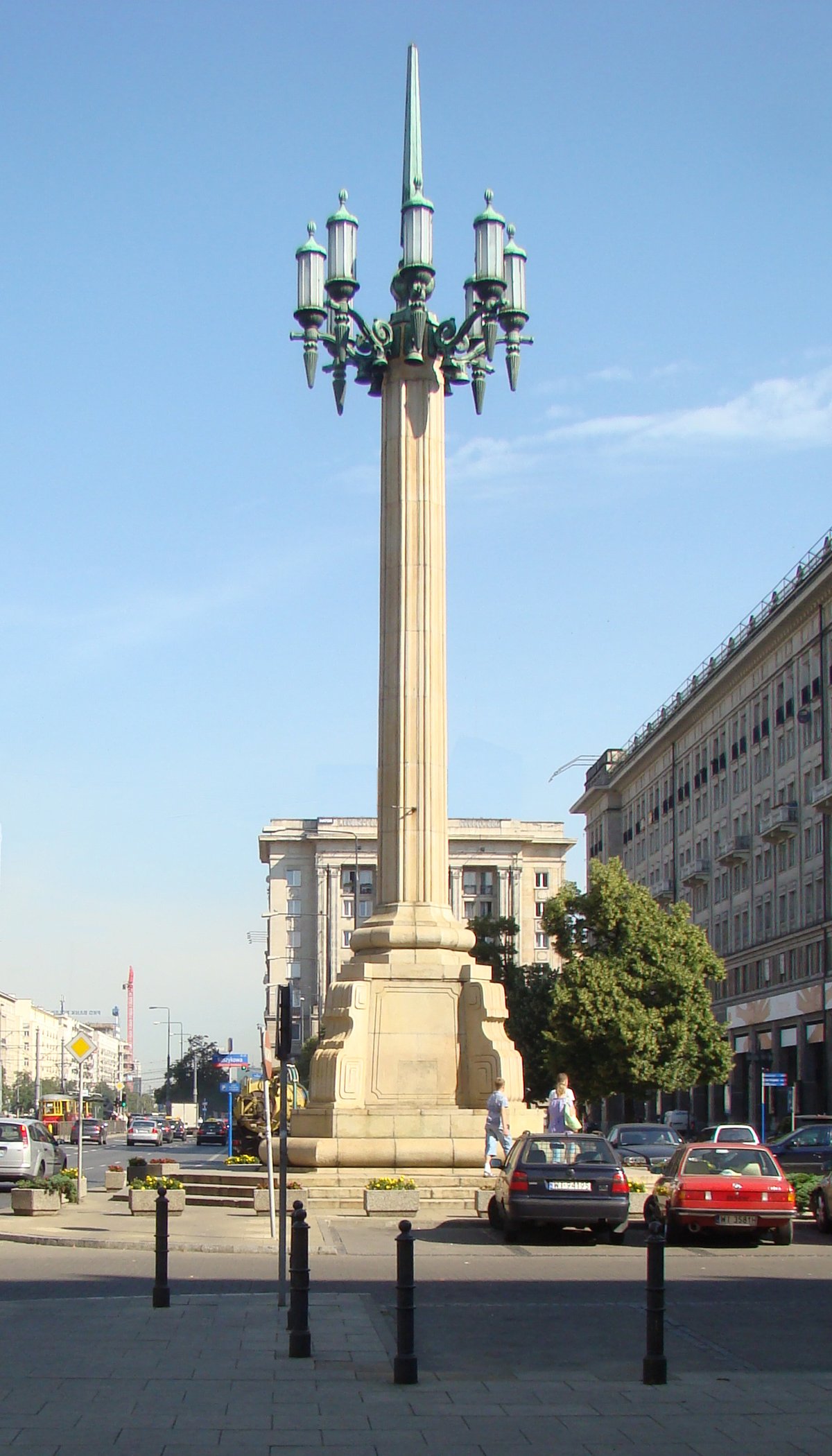
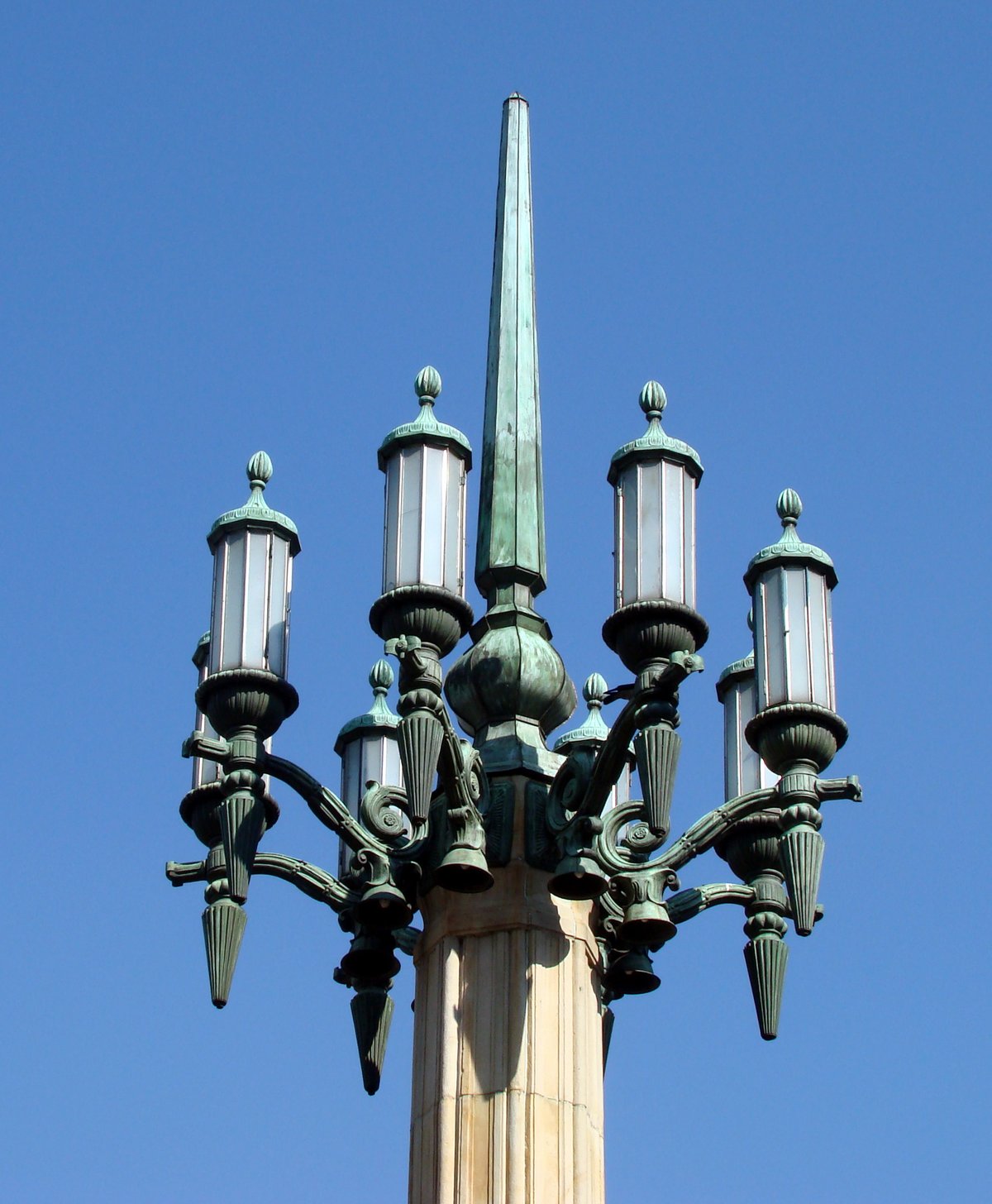
- Giant Lanterns (“Kandelabry”): Monumental lanterns at the southern end, a defining visual element.
- Neon Volleyball Player: Animated neon sign from 1960, a beloved piece of Warsaw’s urban heritage.
Neon Lights and Urban Life
The square became known for its colorful neon signs in the 1950s, which advertised everything from shops to airlines. These neon elements have become an integral part of Warsaw’s visual identity (Lonely Planet).
Visiting Constitution Square
Hours, Tickets, and Accessibility
- Visiting Hours: Constitution Square is open to the public 24/7.
- Tickets: No entrance fee is required.
- Accessibility: The square is wheelchair-friendly, with wide, smooth pavements and accessible public transit stops.
Getting There
- By Metro: The nearest stations are Metro Politechnika and Metro Centrum. The planned Plac Konstytucji station on the M1 line will further improve access.
- By Tram and Bus: Multiple lines run along Marszałkowska Street.
- On Foot or by Bike: The square is easily accessible from various points in central Warsaw.
Events and Activities
Constitution Square continues to serve as a venue for public events, open-air concerts, markets, and festivals. Its central location ensures frequent cultural happenings and seasonal celebrations (Evendo).
Nearby Attractions
- Palace of Culture and Science: Iconic Stalinist skyscraper with panoramic city views (Away to the City).
- Marszałkowska Street: Main artery of Warsaw, lined with shops and restaurants.
- Warsaw Uprising Museum: A short journey by public transport, this museum narrates the story of Warsaw’s WWII resistance.
- Free Speech Memorial: Commemorating Poland’s struggle for freedom of expression (In Your Pocket).
Social and Cultural Significance
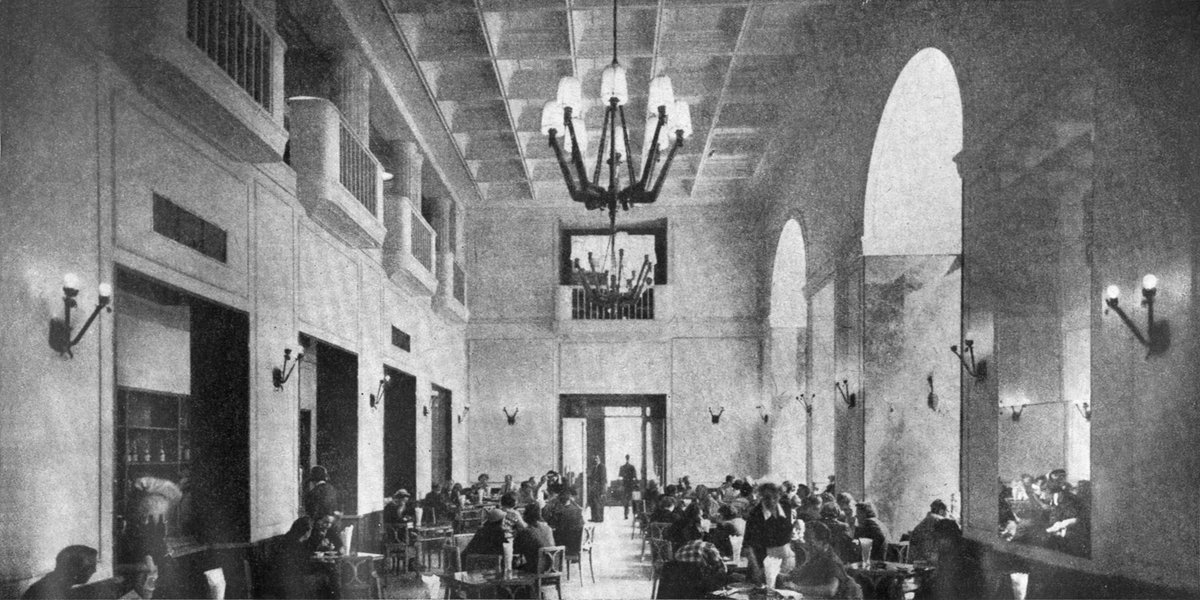
During the Communist era, Constitution Square was a focal point for political events, mass parades, and demonstrations. In the transformative year of 1989, the café Niespodzianka at 6 Constitution Square served as the headquarters for the Solidarity Citizens’ Committee, marking a pivotal moment in Poland’s democratic transition (Wikipedia). Today, the square is not only a site of remembrance but also a lively gathering place for locals and visitors, hosting cultural events and reflecting the city’s social diversity (Financial Times, Go2Warsaw).
Evolution in the Contemporary Era
Since the fall of communism, Constitution Square has been revitalized, blending its socialist realist heritage with contemporary urban vibrancy. Modern cafes, shops, and art installations now occupy its ground floors, while outdoor events and seasonal festivals draw a diverse crowd.
Preservation and Heritage
While many buildings have been modernized internally, the square’s facades, neon signs, and decorative details are preserved as historical and cultural heritage. Warsaw’s approach to post-war reconstruction, including the meticulous rebuilding of the Old Town, is recognized by UNESCO. Constitution Square stands as a monument to the ambitions and contradictions of the socialist era (SAH Blog).
Frequently Asked Questions (FAQ)
Q: What are the visiting hours for Constitution Square?
A: Constitution Square is open 24/7 and freely accessible year-round.
Q: Is there an entrance fee or do I need a ticket?
A: No, visiting Constitution Square is free.
Q: Is the square wheelchair accessible?
A: Yes, the square features wide, smooth pavements and accessible transport stops.
Q: Are guided tours available?
A: Yes, several Warsaw walking tours include Constitution Square, focusing on its history and architecture.
Q: What is the best time to visit for photography?
A: Early morning and late afternoon offer the most dramatic lighting.
Q: What attractions are near Constitution Square?
A: Palace of Culture and Science, Marszałkowska Street, Warsaw Uprising Museum, and Free Speech Memorial.
Summary and Visitor Tips
Constitution Square is a dynamic landmark at the heart of Warsaw, offering visitors a unique blend of architectural grandeur, political history, and contemporary urban culture. As a focal point of the city’s post-war reconstruction, it captures the ideals and complexities of its era while remaining a lively hub for cultural events, cafes, and community gatherings.
Visitor Tips:
- The square is accessible 24/7 with no entry fee.
- Arrive by metro, tram, or bus; the area is also very walkable.
- Visit during spring or autumn for pleasant weather and active street life.
- Take time to explore nearby attractions and enjoy Warsaw’s diverse culinary and cultural offerings.
- Guided tours and interactive maps are available to deepen your understanding of the square’s history and architecture.
Plan your trip to Constitution Square today and immerse yourself in Warsaw’s living history. For the latest updates and guided audio tours, download the Audiala app and connect with us on social media.

Listen to the full story in the app
The whole Constitution Square,
told well.
Audio guides for 1,100+ cities across 96 countries. History, stories, and local insight — offline ready.
Verified, and shown.
Researched and written by the Audiala editorial team from historical records, architectural archives, and local expertise.
Researched from Wikidata, Wikipedia & official sources · fact-checked · How we make our guides →