Plan and listen to Church Of St. Anthony Of Padua, Warsaw with Audiala.
Audio guide in your pocket, itinerary in your browser. Built for the way you actually visit.
Introduction
The Church of St. Anthony of Padua (Kościół św. Antoniego Padewskiego) in Warsaw stands as a distinguished monument of early Baroque architecture and a vibrant center of spiritual and cultural life. Located in the historic Wola district, this church has not only served the Catholic community since the late 17th century but also witnessed Poland’s turbulent history, from royal patronage to wartime destruction and postwar resilience. Today, it continues to welcome worshippers, pilgrims, and travelers drawn by its artistic beauty and storied past.
This guide provides an in-depth look at the church’s origins, architectural evolution, spiritual significance, practical visitor information, and tips to make the most of your visit. Whether you are an art lover, spiritual seeker, or history enthusiast, the Church of St. Anthony of Padua is an essential stop on any Warsaw itinerary.



Origins and Foundation
Commissioned by the Franciscan Order in the mid-17th century, the Church of St. Anthony of Padua was built to serve Warsaw’s growing Catholic population and promote devotion to St. Anthony, renowned for his theological wisdom and compassion. Completed in 1680, the church quickly became a focal point in the Wola district, then a burgeoning suburb, providing spiritual services to both residents and travelers (TracesOfWar.com).
Its establishment was supported by local nobility and the Franciscan community, cementing its early importance in Warsaw’s religious and cultural landscape.
Architectural Evolution and Highlights
Exterior and Façade
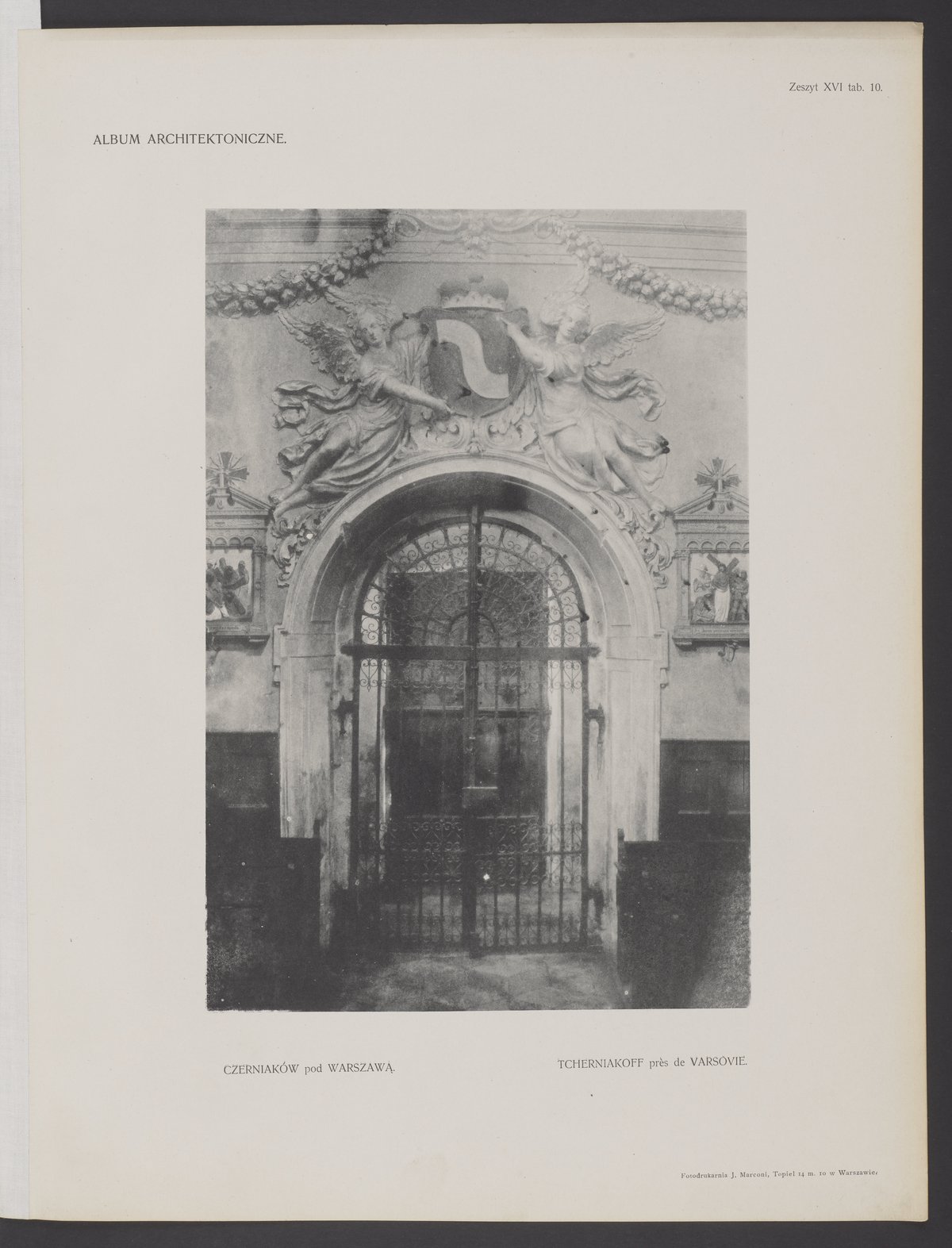
The church exemplifies early Baroque ecclesiastical architecture, featuring a restrained yet elegant façade. Its symmetrical exterior, with a rectangular plan and a single nave flanked by side chapels, is notable for the addition of a sculpted figure of the Virgin Mary by Antoni Messing (1851) and a painting adjacent to the tympanum from 1850. The modest porch leads into the nave through an 18th-century lattice grille, a rare surviving feature.
Interior and Artistic Treasures
Inside, the church’s main altar is dedicated to St. Anthony and adorned with works by artists such as Rafał Hadziewicz and Annibale Vinici. Side chapels house further artistic masterpieces, while galleries display epitaphs commemorating notable Polish cultural figures. Sculptural elements by Jan Jerzy Plersch and the distinctive lattice grille further enrich the space.
Later additions include the Chapel of the Virgin Mary (1767–1781), the cloister (1792, by Hilary Szpilowski), the Chapel of the Holy Family (1895, altar by Wincent Bogaczyk), and the Chapel of the Sacred Heart of Jesus (1907). These expansions blend seamlessly with the original Baroque structure.
Royal and Historic Ties
The church’s royal connections are significant—King John III Sobieski was a frequent visitor, and King Augustus III of Saxony commissioned a royal box near the chancel. The church also provided refuge to the adventurer Casanova in 1766, adding to its colorful history.
Wartime Destruction and Restoration
The Church of St. Anthony of Padua endured significant damage during World War II, particularly in the 1944 Warsaw Uprising when the Wola district became a battleground. After the war, architect Karol Szymański spearheaded a meticulous restoration (1950–1956) that revived the church’s Baroque features. The reconsecration of the main altar in 1969 by Cardinal Stefan Wyszyński marked its return as a spiritual and cultural beacon.
Spiritual and Cultural Significance
St. Anthony of Padua, revered for his compassion and miraculous intercessions, is a central figure in Catholic devotion. The church remains active in promoting his legacy:
- Feast Day (June 13): The church hosts Masses, processions, and the blessing of bread, drawing large crowds (thecatholicheroes.com).
- Novenas and Pilgrimage: Regular novenas and prayers, especially in “St. Anthony’s corner,” attract pilgrims seeking spiritual guidance and intercession.
- Artistic Depictions: Statues, paintings, and stained glass windows inside the church often portray St. Anthony holding the Child Jesus—a reference to his celebrated vision and a symbol of innocence and divine connection.
The church is also recognized for its role in charitable outreach, supporting food drives, educational initiatives, and aid for the needy, in keeping with St. Anthony’s legacy.
Visiting the Church: Hours, Tickets, and Accessibility
Visiting Hours
- Monday to Saturday: 7:00 AM – 7:00 PM
- Sunday: 8:00 AM – 8:00 PM
Hours may vary on religious holidays and during special events. For up-to-date information, consult the parish website or local tourism resources.
Admission and Tickets
- Entry: Free of charge for all visitors.
- Donations: Welcomed to support maintenance and outreach efforts.
Accessibility
- Wheelchair Access: Ramps at the main entrance and barrier-free access within the nave.
- Facilities: Accessible restrooms available; assistance can be requested from staff.
Guided Tours
- Tours focusing on history, architecture, and art are available by request, especially for groups.
- Informational leaflets (in Polish and English) and signage provide context for self-guided visits.
- Private tours can be arranged through local operators; many city walking tours include the church (Away to the City).
Events, Pilgrimage, and Community Life
Daily Masses are celebrated in Polish, with the schedule posted at the entrance and online. Even non-Polish speakers can participate in the universal Catholic liturgy. The annual feast of St. Anthony on June 13 is a major event, featuring processions, blessings, and community celebrations (National Catholic Register).
The church’s gift shop offers religious souvenirs, with proceeds supporting charitable activities and conservation projects.
Practical Visitor Tips and Nearby Attractions
- Location: Senatorska 31, Warsaw, within walking distance of the Old Town, Royal Castle, and Saxon Garden.
- Getting There: Easily accessible by public transport (trams, buses, metro); limited street parking available.
- Dress Code: Modest attire (shoulders and knees covered); hats removed inside.
- Photography: Allowed in most areas, but flash and tripods discouraged. Silence is expected during services.
- Nearby Sites: Explore the Warsaw Uprising Museum, Saxon Garden, Grand Theatre, and Nowy Świat street for a full cultural experience.
FAQs
Q: Do I need a ticket to visit?
A: No, entry is free; donations are appreciated.
Q: What are the opening hours?
A: Monday–Saturday, 7:00 AM–7:00 PM; Sunday, 8:00 AM–8:00 PM. Check for holiday variations.
Q: Is the church accessible to those with disabilities?
A: Yes, the main nave is barrier-free, with ramps and accessible restrooms.
Q: Are guided tours available?
A: Yes, contact the church or local tour operators to arrange.
Q: Can I take photographs?
A: Permitted in most areas, except during services and in designated spaces.
Q: Can I attend Mass?
A: Yes, regular Masses are held daily.
Listen to the full story in the app
The whole Church Of St. Anthony Of Padua, Warsaw,
told well.
Audio guides for 1,100+ cities across 96 countries. History, stories, and local insight — offline ready.
Verified, and shown.
Researched and written by the Audiala editorial team from historical records, architectural archives, and local expertise.
Anthony of Padua in Warsaw: A Historical and Visitor’s Guide to a Baroque Gem, 2025,
Anthony of Padua Warsaw: A Visitor’s Guide to History, Architecture, and Practical Information, 2025
Anthony of Padua in Warsaw: Hours, Tickets & Cultural Significance, 2025,
Anthony of Padua in Warsaw: Hours, Tickets, and Historical Insights, 2025,
Anthony of Padua in Warsaw: Hours, Tickets & Cultural Significance, 2025,
Researched from Wikidata, Wikipedia & official sources · fact-checked · How we make our guides →