Plan and listen to Cholera Epidemic Cemetery In Warsaw with Audiala.
Audio guide in your pocket, itinerary in your browser. Built for the way you actually visit.
Introduction
The Cholera Epidemic Cemetery in Warsaw, known locally as Cmentarz Choleryczny, stands as a humble yet powerful reminder of the city’s battles with deadly cholera outbreaks in the 19th century. Situated in the Praga district and marked by its secluded, natural setting, this cemetery offers visitors a chance to connect with Warsaw’s complex history of public health crises, urban development, and collective memory. This guide presents detailed information on the cemetery’s historical background, cultural significance, visiting hours, accessibility, and practical tips to help you make the most of your visit.
Historical Background
Origins and Context
The 19th century brought multiple waves of cholera to Europe, and Warsaw was particularly affected during major outbreaks in the 1830s, 1850s, and 1870s (biologyinsights.com). With limited sanitation and rapidly growing urban populations, cholera spread swiftly, leading to high mortality rates and urgent public health responses. The cemetery in Praga was established during the 1872 epidemic as a dedicated burial ground for victims, located outside the city center to minimize contagion (ekompas.pl).
Public Health Significance
The creation of the Cholera Cemetery reflects advances in epidemic management, even as the causes and transmission of cholera were still debated. It represents Warsaw’s transition from traditional burial customs toward more pragmatic, sanitary measures. The site stands today as a testament to the city’s early public health reforms and the enduring importance of hygiene improvements in urban environments.
Cultural and Memorial Value
Unlike Warsaw’s grand and ornate cemeteries, the Cholera Epidemic Cemetery is marked by its simplicity. Most graves are unadorned, and many original markers have been lost to time. The site’s understated character mirrors the marginalized status of cholera victims, who were often buried in haste and anonymity due to fear of infection (ekompas.pl). Despite its modest appearance, the cemetery holds deep cultural significance, offering a place for reflection on loss, resilience, and the evolution of public health responses in Warsaw.
Architectural and Environmental Features
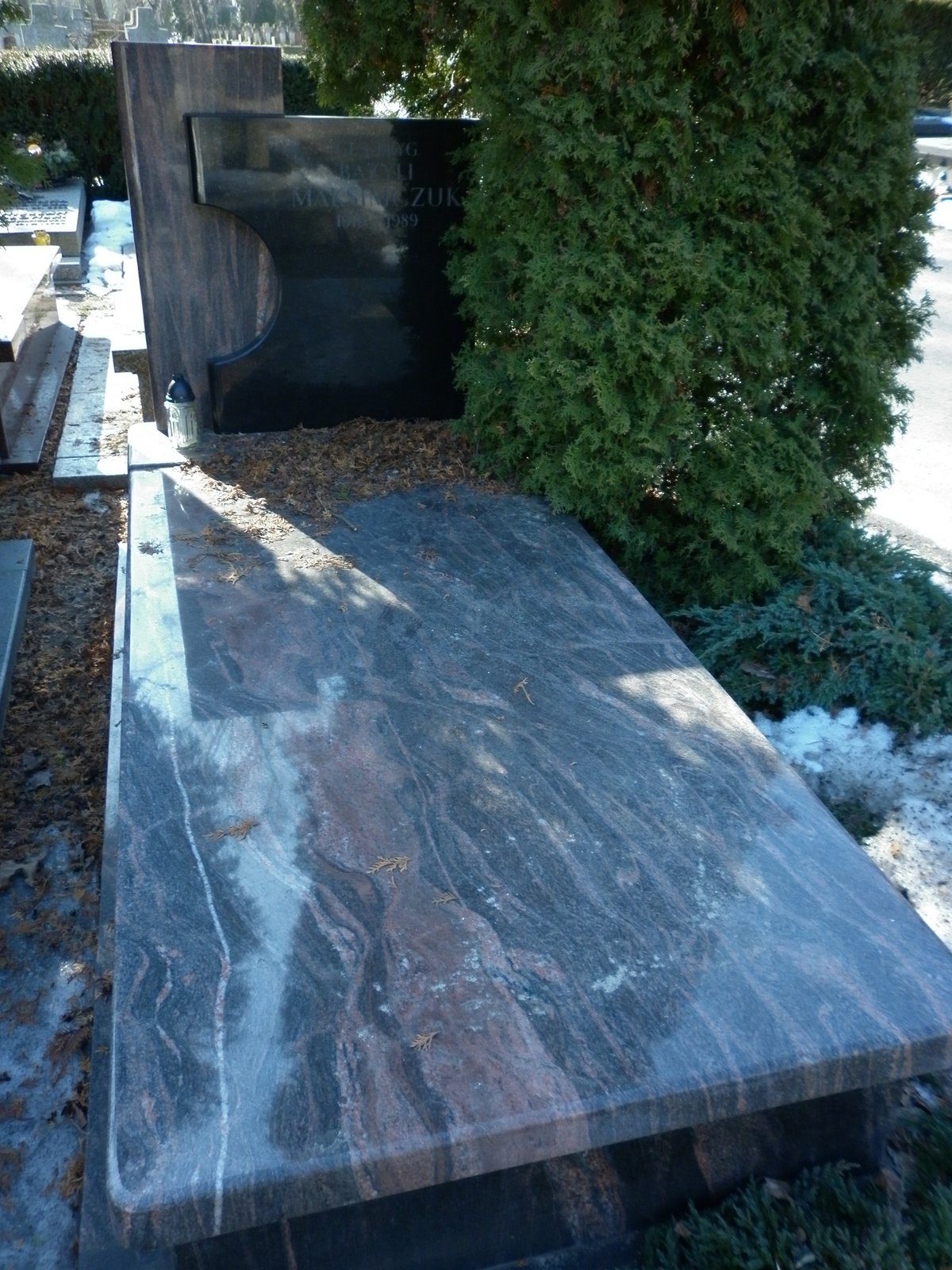
The cemetery’s landscape is defined by wild vegetation, overgrown paths, and a scattering of simple headstones and crosses. Surrounded by railway lines and shielded by mature trees, its isolation was both a practical measure and a symbolic boundary for epidemic victims. Recent efforts by local heritage groups have helped maintain the site and install informational plaques to preserve its memory (commons.wikimedia.org).
Visiting Information
Location and Access
- District: Praga (sometimes considered Targówek, depending on sources)
- Nearest Landmarks: Close to Warszawa Wschodnia train station and Bródno Cemetery (trek.zone)
- Public Transport: Tram lines 4, 17, 26, or 33 serve the area; bus stops and local maps assist with precise directions.
Visiting Hours
- Open: Daily from dawn until dusk (approximately 8:00 AM to 6:00 PM, but hours may vary seasonally)
- Admission: Free; no tickets required
Accessibility
- Paths: Uneven and often overgrown; main memorial area may be accessible with assistance, but wheelchair access is limited.
- Facilities: There are no restrooms, visitor centers, or cafes on site.
Visitor Etiquette
- Dress modestly and behave respectfully—this is a place of mourning.
- Photography is permitted, but avoid intrusive or loud behavior.
- On All Saints’ Day (November 1st), you may see local traditions, such as lighting candles or leaving flowers.
Nearby Attractions
- Bródno Cemetery: One of Europe’s largest cemeteries, with diverse monuments (trek.zone)
- Bródno Jewish Cemetery: Historic burial site representing Warsaw’s Jewish heritage
- Praga District: Known for its vibrant street art, local cafes, and the Warsaw Zoo
- Vistula River Banks: Scenic walks and green spaces nearby
Educational and Contemporary Relevance
The Cholera Epidemic Cemetery offers valuable insights into Warsaw’s public health history and the evolution of epidemic management. It highlights the journey from misunderstanding disease to adopting scientific and sanitary reforms (biologyinsights.com). While cholera is now rare in Poland, recent global outbreaks underscore the ongoing need for vigilance in public health (who.int).
Visitor Experience and Respectful Engagement
Visiting the Cholera Epidemic Cemetery is a quiet, contemplative experience. There are no regular guided tours, but some historical walking tours of Praga may include the site. Visitors are encouraged to research the cemetery’s history in advance or read available plaques on site to enrich their understanding (ekompas.pl).
Frequently Asked Questions (FAQ)
Q: What are the visiting hours?
A: The cemetery is open from dawn until dusk, typically 8:00 AM–6:00 PM, but check local sources for seasonal changes.
Q: Is there an entrance fee or tickets needed?
A: No, entry is free and no tickets are required.
Q: Is the cemetery wheelchair accessible?
A: The terrain is natural and uneven; wheelchair access is limited, though the main memorial area may be reachable with assistance.
Q: Are guided tours available?
A: Not regularly, but some city tours may include the cemetery as a stop.
Q: Can I take photographs?
A: Yes, photography is allowed, but visitors should be discreet and respectful.
Q: What public transport options are available?
A: Tram lines 4, 17, 26, or 33 provide convenient access. The cemetery is near Warszawa Wschodnia station and Bródno neighborhood.
Listen to the full story in the app
The whole Cholera Epidemic Cemetery In Warsaw,
told well.
Audio guides for 1,100+ cities across 96 countries. History, stories, and local insight — offline ready.

Verified, and shown.
Researched and written by the Audiala editorial team from historical records, architectural archives, and local expertise.
Researched from Wikidata, Wikipedia & official sources · fact-checked · How we make our guides →