Plan and listen to Chancellery Of Poland with Audiala.
Audio guide in your pocket, itinerary in your browser. Built for the way you actually visit.
Introduction
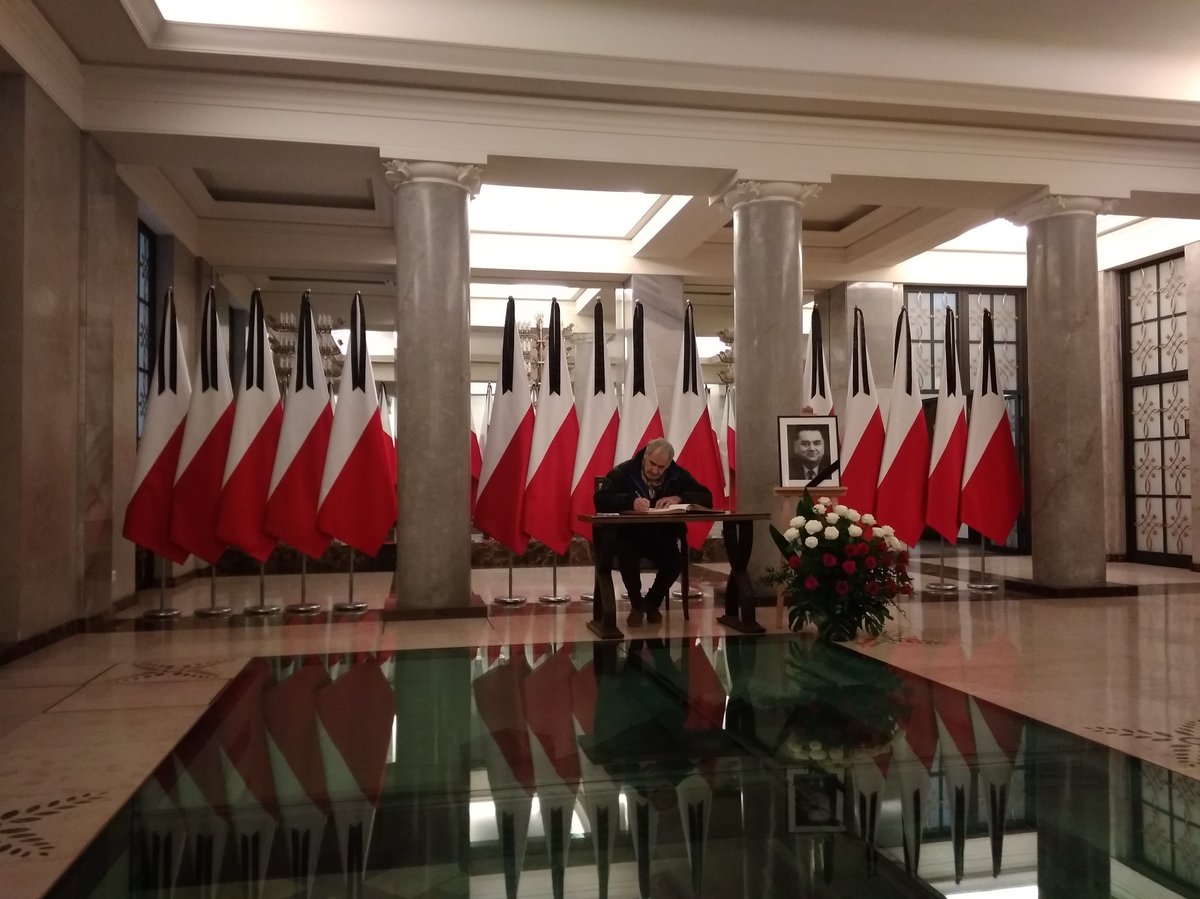
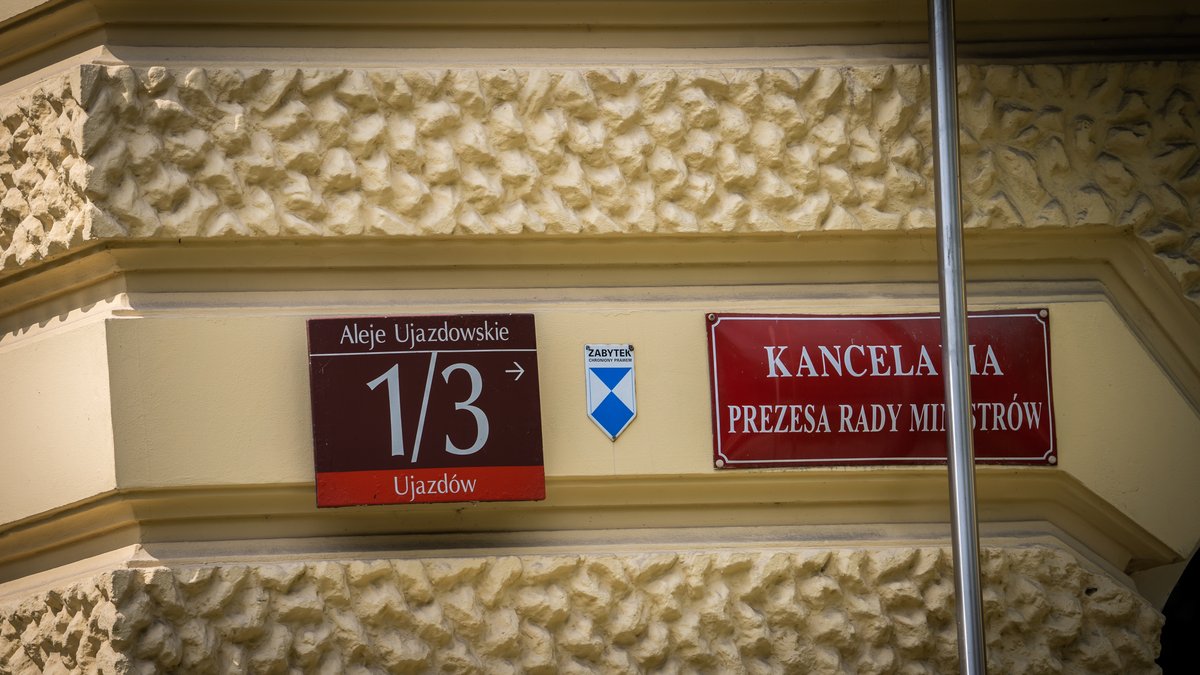
The Chancellery of the Prime Minister of Poland, located at Aleje Ujazdowskie 1/3 in Warsaw, is a symbol of the nation’s political evolution and architectural heritage. As the official seat of the Prime Minister and Council of Ministers, this neoclassical building embodies key moments in Polish history, from its origins as a Russian Imperial military academy to its central role in the country’s democratic transition. Although primarily a working government office, the Chancellery occasionally opens to the public during special events, offering visitors unique access to its historic interiors and ceremonial spaces. Its prestigious location along the Royal Route places it at the heart of Warsaw’s political and cultural landscape, near iconic sites like Łazienki Park and the Royal Castle (Wikipedia; Kurby Blog; gov.pl; theuniquepoland.com).
This guide comprehensively details the Chancellery’s history, its political and cultural significance, visitor information (including access, tickets, and security), and practical tips for making the most of your visit to this remarkable Warsaw landmark.

Historical Background and Architectural Evolution
Origins and Early History
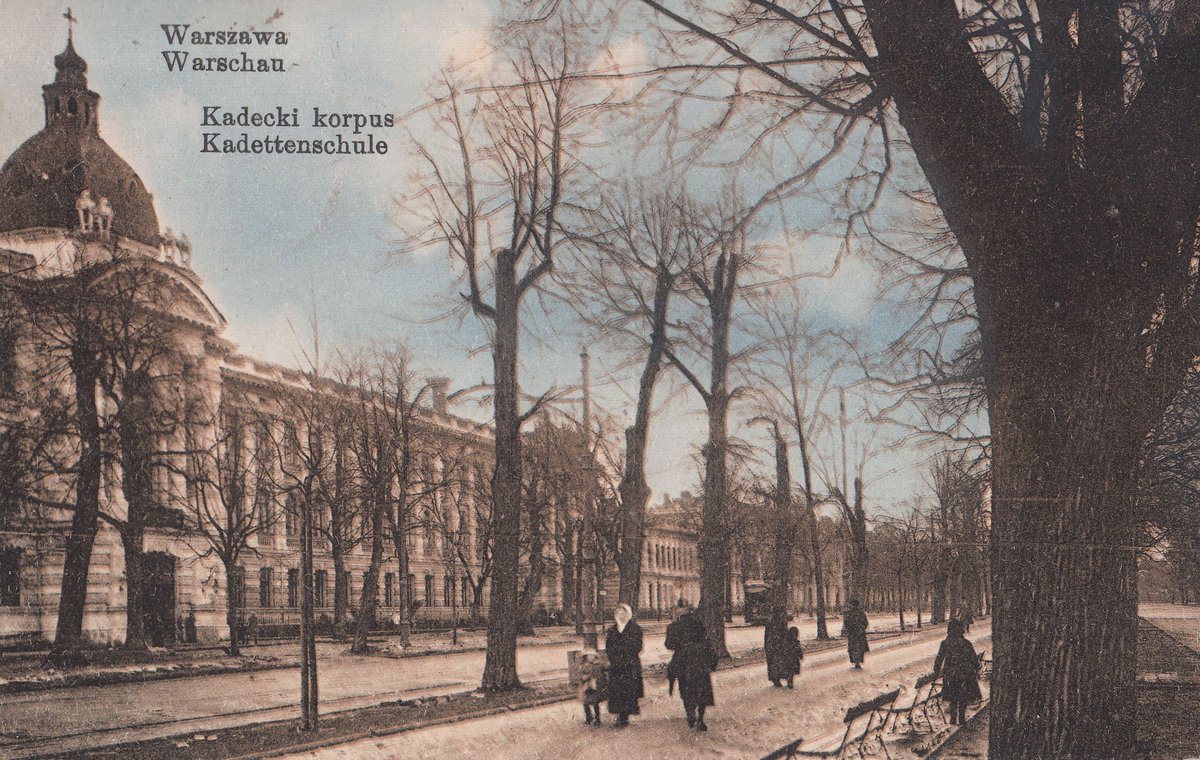
The Chancellery’s building dates to the late 19th century, originally constructed as the seat of the Russian Imperial Cadet Corps during Warsaw’s time under Russian rule. Its prominent placement along Aleje Ujazdowskie established it as a key site in Warsaw’s administrative district (Wikipedia).
Interwar Period and Transformation
With Poland regaining independence in 1918, the building transitioned to administrative use, symbolizing the newly restored state. It was adapted from Russian classicism to Polish neoclassicism, reflecting national identity during the Second Polish Republic (Wikipedia).
World War II and Postwar Reconstruction
World War II brought significant destruction, including damage from the Warsaw Uprising. The building was reconstructed between 1945 and 1948, with expansions for the communist government. Its architecture was updated with elements of socialist realism, emphasizing both monumentality and functionality (Wikipedia).
The Round Table Talks and Democratic Transition
In 1989, the Chancellery was the venue for the historic Round Table Talks, which marked Poland’s peaceful transition from communism to democracy. This event cemented its status as a symbol of political change (Wikipedia).
Architectural Evolution and Preservation
The building’s layers of neoclassical and socialist realist elements reflect Warsaw’s complex history. In 1995, the Chancellery was registered as a historic monument, ensuring the preservation of its distinctive façade and interiors (Wikipedia).
The Chancellery in Warsaw’s Urban Heritage
Situated on Aleje Ujazdowskie, the Chancellery is surrounded by embassies, government offices, and historical sites. Its architecture complements the avenue’s reputation as Warsaw’s administrative heart (Kurby Blog; EAA Guide).
Political and Cultural Significance
Seat of Executive Power
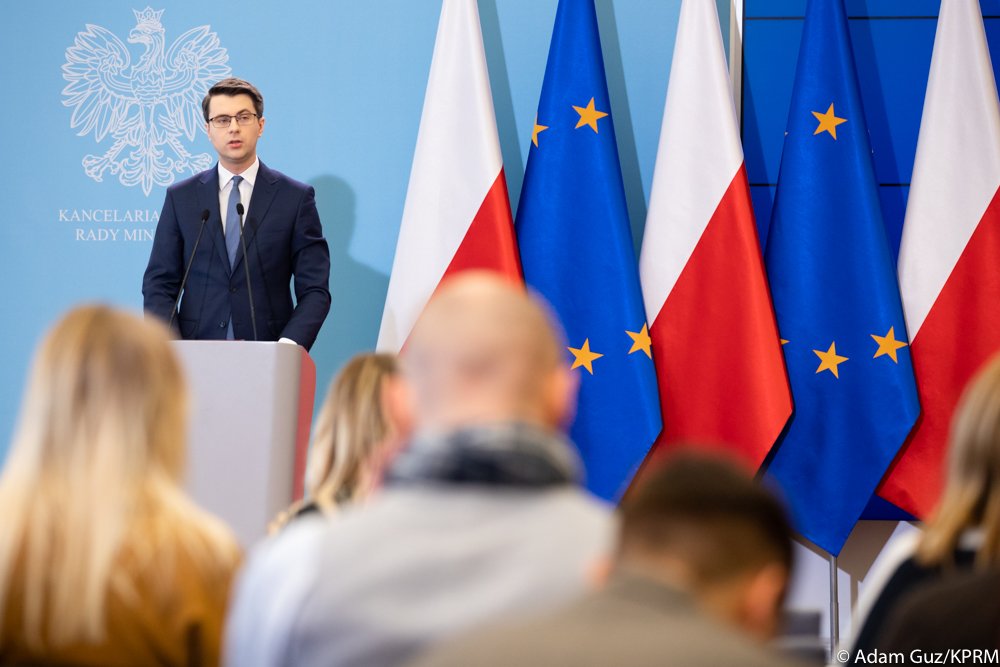
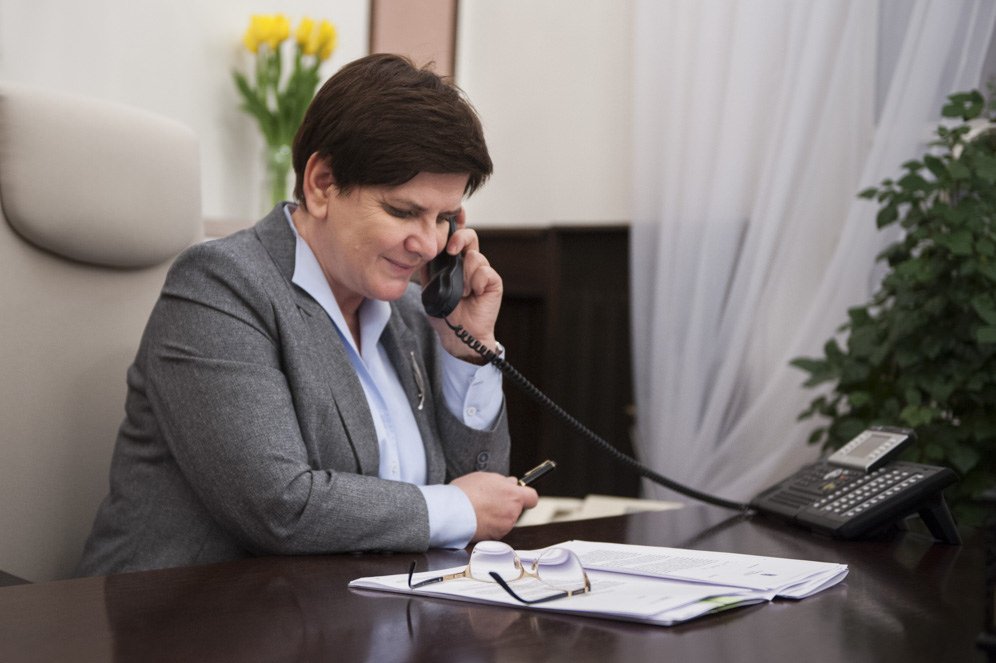
Since 1997, the Chancellery has been the operational center for the Prime Minister, hosting cabinet meetings and major state events. It is where crucial policy decisions are made, shaping Poland’s domestic and international trajectory (Wikipedia; gov.pl).
Symbol of Democratic Governance
The Chancellery embodies Poland’s commitment to democracy, transparency, and rule of law. It regularly hosts foreign dignitaries and important summits, reinforcing its role in both national and international affairs.
European and International Engagement
As Poland’s influence in the EU and NATO has grown, the Chancellery has become a hub for international diplomacy. It organizes high-profile meetings, including events during Poland’s EU Council Presidency (Eurasia Review; polish-presidency.consilium.europa.eu).
Civic and Cultural Importance
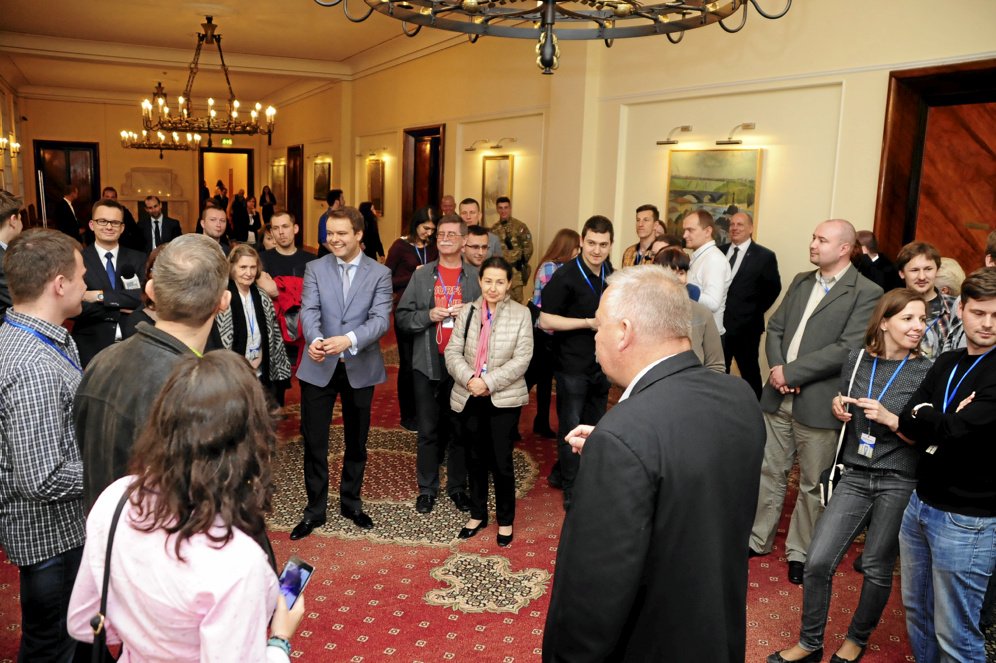
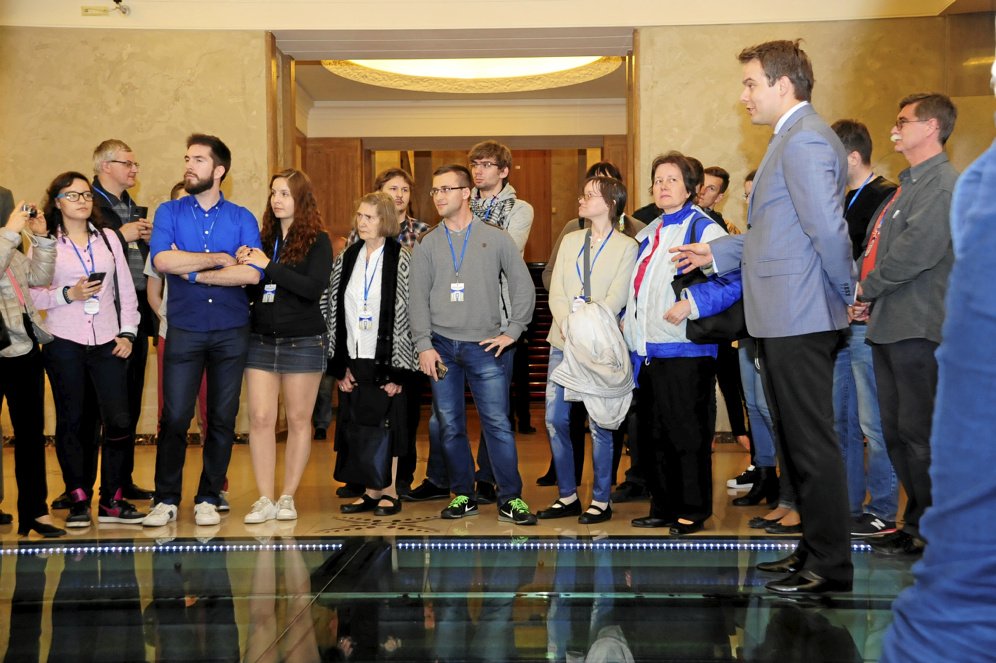
The Chancellery is not only a political institution but also a site of national memory and civic engagement. It participates in major public holidays, such as Independence Day and Constitution Day, and opens for special events like the “Open Day of the Chancellery,” allowing citizens to tour its interiors and learn about government operations (gov.pl).
Visiting the Chancellery: Practical Information
Visiting Hours and Tickets
The Chancellery is primarily a government office and not a standard tourist attraction. Public access is restricted, with no regular visiting hours or ticket sales. However, during special events such as Constitution Day (May 3rd) or annual open days, guided tours are offered. These tours are free but require advance registration, typically announced on the official Chancellery website and social media.
Guided Tours and Special Events
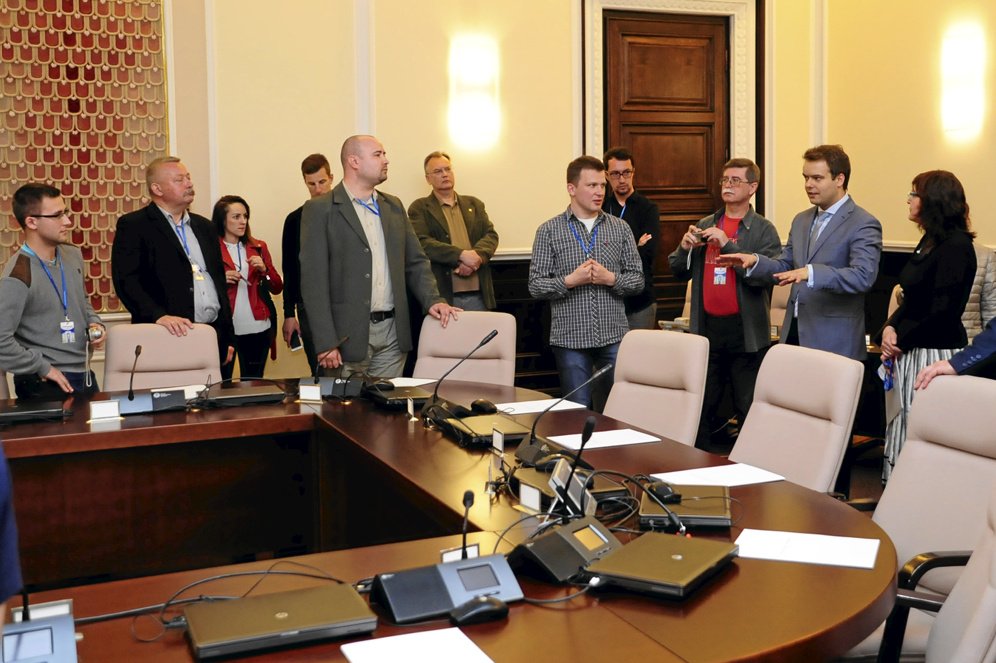
Guided tours during open days provide insight into the Chancellery’s architecture and history. Tours are usually available in Polish and English, and visitors can view ceremonial halls and historical exhibits. Due to limited capacity, early registration is strongly recommended.
Accessibility
The Chancellery strives to accommodate visitors with disabilities during open days, providing accessible entrances and facilities. The surrounding sidewalks are wide and equipped with ramps. For specific needs, contact the Chancellery in advance (gov.pl).
Security and Visitor Protocol
Visitors must present valid identification and pass security checks. Large bags and sharp objects are prohibited, and there are no cloakroom facilities. Arrive 15–30 minutes early for security screening. Photography is permitted outside; interior photography is allowed only during special events and under supervision.
Nearby Attractions and Travel Tips
The Chancellery’s central location places it near:
- Łazienki Park: Warsaw’s largest park and a cultural highlight (thecrazytourist.com).
- Sejm (Polish Parliament): The seat of the legislature.
- Ujazdowski Castle: Historic site and contemporary art center.
- Royal Route: A historic avenue ideal for walking tours (touropia.com).
Public transport is recommended; the nearest stops are “Plac Na Rozdrożu” and “Agrykola.” Limited street parking is available, but public transport or cycling is more convenient (theuniquepoland.com).
Frequently Asked Questions (FAQ)
Q: Can I visit the Chancellery of the Prime Minister?
A: Public access is only possible during special open days or national holidays. Check the official website for announcements.
Q: Are there tickets for entry?
A: There are no regular tickets; entry is free during open days but requires advance registration.
Q: Is the Chancellery accessible to people with disabilities?
A: Yes, accessible entrances and facilities are provided during open days.
Q: Is photography allowed?
A: Photography is allowed outside. Interior photography is permitted only during special events.
Q: How do I register for tours?
A: Registration details are announced on the official Chancellery website.
Summary and Visitor Tips
The Chancellery of the Prime Minister is a cornerstone of Warsaw’s historical and political landscape. While public access is limited, special open days offer rare opportunities to explore its grand interiors and learn about Poland’s governance. Plan your visit around these events, combine your trip with walks along the Royal Route, and use public transport for convenience. Always refer to the official website for up-to-date information on visiting hours, accessibility, and registration for events.
For further guidance and real-time updates, download the Audiala app and follow the Chancellery’s official social media channels.
Listen to the full story in the app
The whole Chancellery Of Poland,
told well.
Audio guides for 1,100+ cities across 96 countries. History, stories, and local insight — offline ready.
Verified, and shown.
Researched and written by the Audiala editorial team from historical records, architectural archives, and local expertise.
Researched from Wikidata, Wikipedia & official sources · fact-checked · How we make our guides →