Plan and listen to Cathedral Of St. Mary Magdalene with Audiala.
Audio guide in your pocket, itinerary in your browser. Built for the way you actually visit.
Introduction
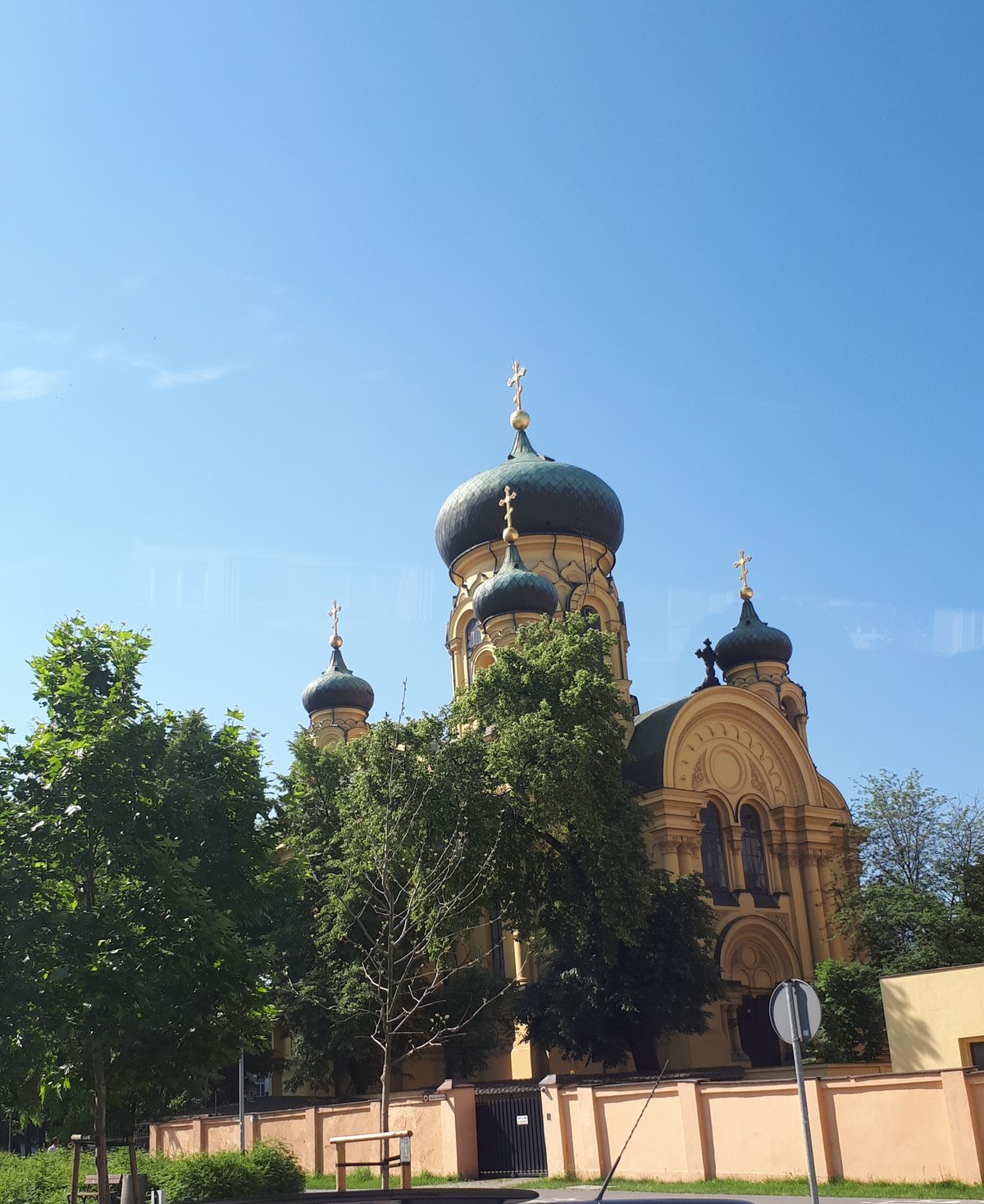
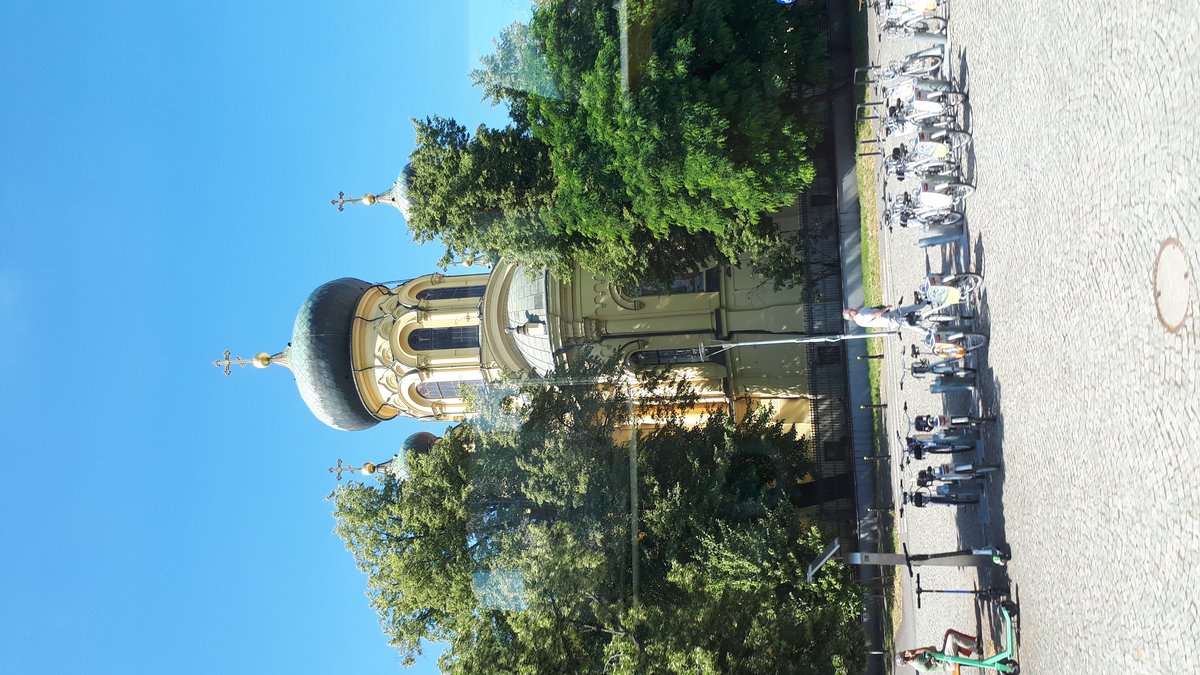
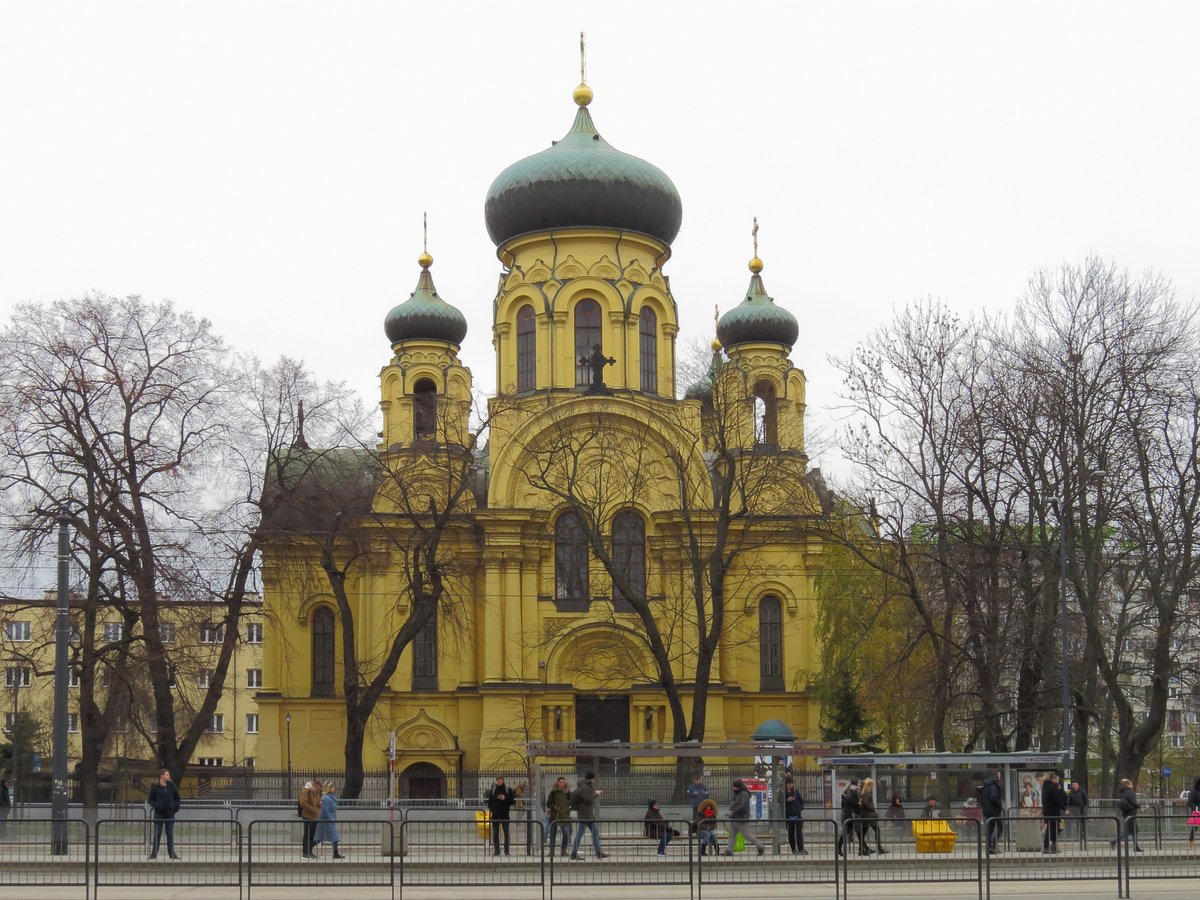
The Cathedral of St. Mary Magdalene is one of Warsaw’s most distinctive historical and religious landmarks. Situated in the vibrant Praga Północ district, this Russian Orthodox cathedral stands as a powerful symbol of the city’s multicultural heritage and resilient spirit. Offering a unique blend of architectural grandeur, spiritual tradition, and historical depth, the cathedral is a must-visit for architecture lovers, history enthusiasts, and cultural travelers alike (WarsawTour, Culture.pl).

Historical Background
Origins and Construction
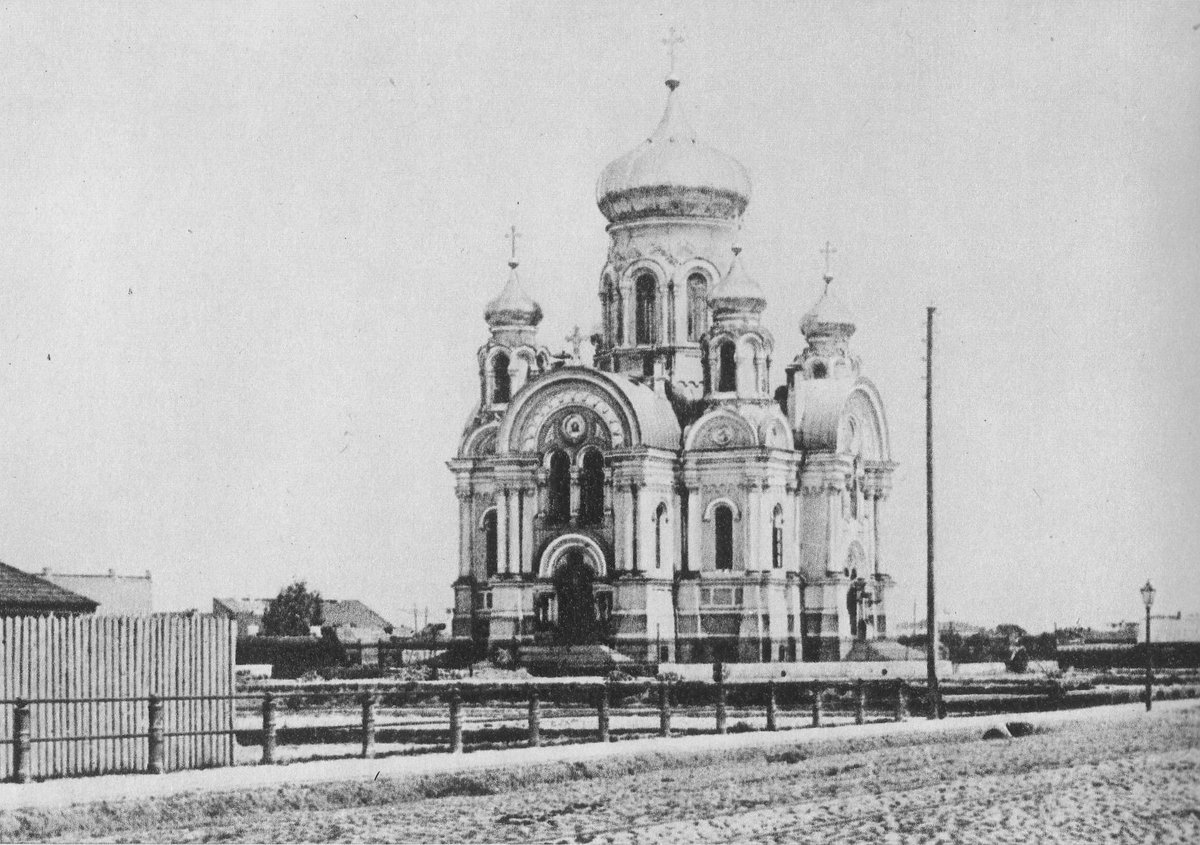
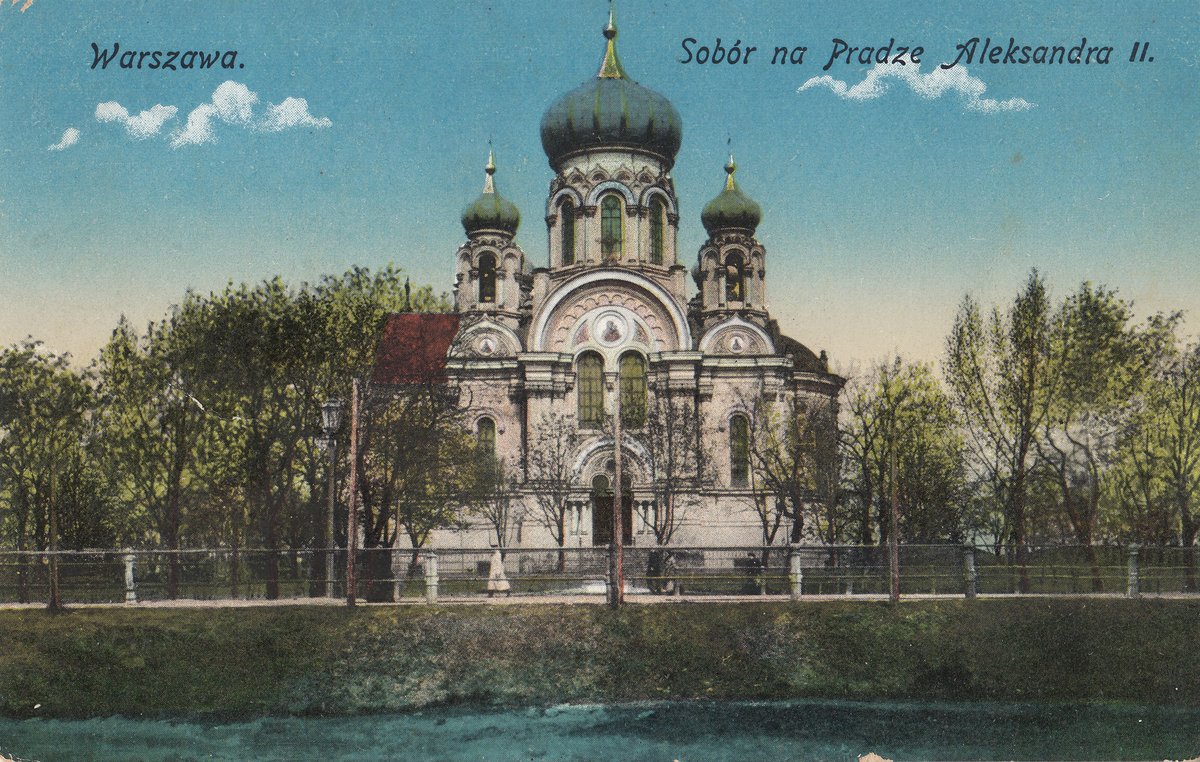
Built between 1867 and 1869 during the Russian Empire’s rule over Warsaw, the Cathedral of St. Mary Magdalene was designed by architect Nikolai Sychev (Mikołaj Syczew) as a place of worship for the Russian Orthodox community. Its construction was also a deliberate statement of imperial influence in a predominantly Catholic city (WarsawTour).
Architectural Style and Features
The cathedral features the Russian Revival style, characterized by five onion domes topped with gilded crosses, a central dome reaching 41 meters, and richly ornamented façades. Its striking appearance sets it apart from the city’s predominantly Gothic and Baroque churches. The exterior combines colorful brickwork, decorative arches, and stone detailing, while the interior boasts a magnificent iconostasis imported from St. Petersburg, vibrant frescoes, and stained glass windows (Culture.pl).
Historical Context
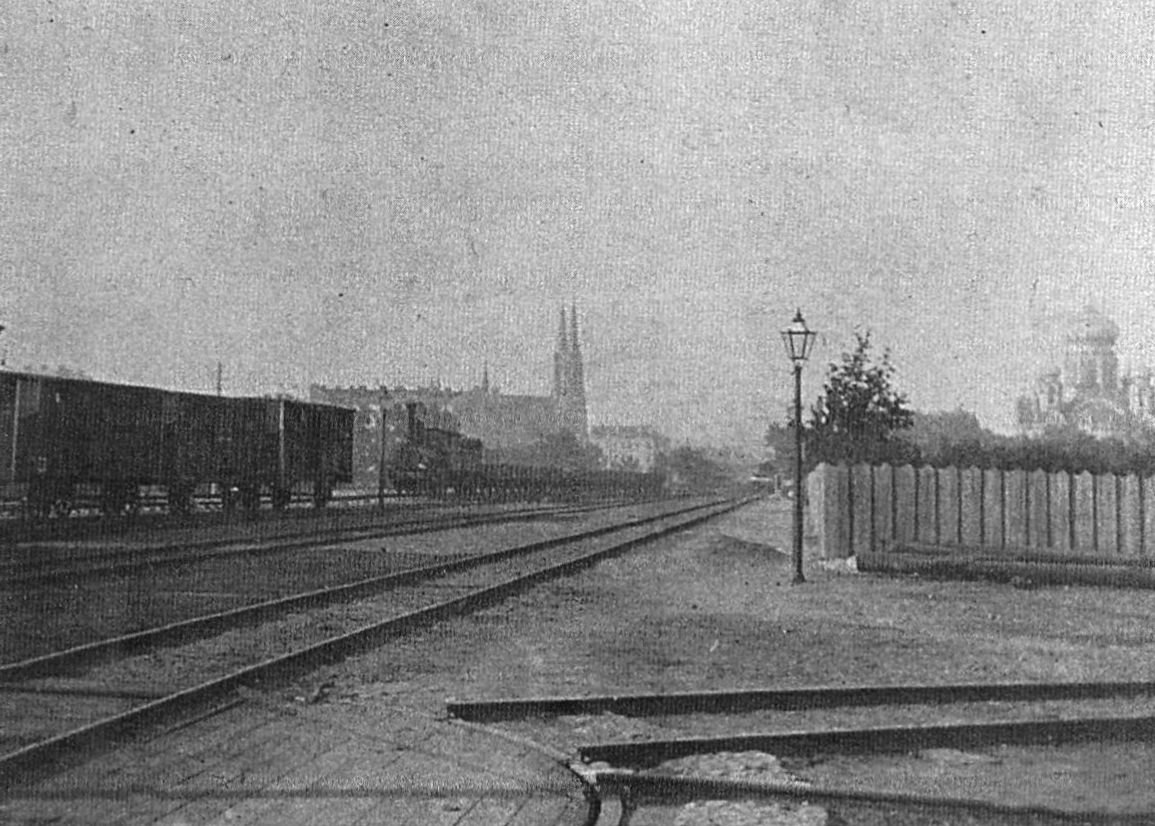
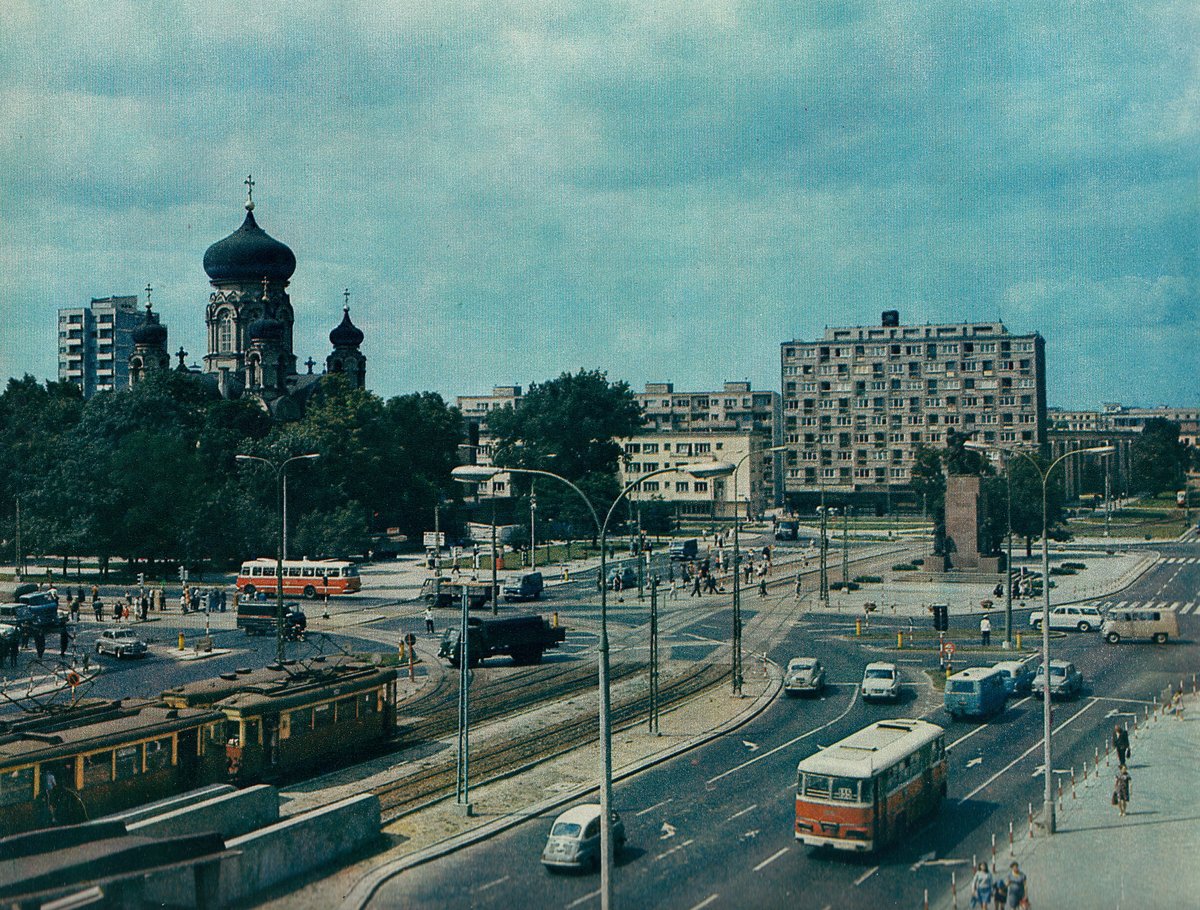
Standing near the Vistula River and the Warszawa Wileńska railway station, the cathedral was not only a spiritual center for Orthodox Christians but also a symbol of Russian political power in Warsaw (Encyclopedia Britannica). Throughout its existence, it has survived wars, regime changes, and religious tensions, ultimately becoming a symbol of religious perseverance and interfaith dialogue.
Religious and Cultural Significance
Today, the cathedral serves as the seat of the Orthodox Metropolitan of Warsaw and All Poland and is the principal church of the Polish Orthodox Church (Orthodox Church in Poland). It is central to the spiritual life of approximately 500,000 Orthodox Christians in Poland, hosting major liturgical celebrations, episcopal ordinations, and national religious events.
Over the years, the cathedral has also become a symbol of interfaith coexistence. In 1926, plans to demolish the building were abandoned, and an icon of the Black Madonna of Częstochowa was installed—an extraordinary gesture bridging Orthodox and Catholic traditions.
Architectural and Artistic Highlights
- Exterior: Five gilded onion domes symbolizing Christ and the Four Evangelists, decorative brickwork, polychromatic façades, and a wrought-iron fence with ornamental gates (OrthodoxWiki).
- Interior: Lavish iconostasis, frescoes depicting biblical scenes and saints, intricate mosaics, patterned marble floors, and stained glass windows by Adam Stalony-Dobrzański.
- Lighting: Tall arched windows and grand chandeliers create a mystical interplay of natural and artificial light.
- Symbolism: The cross-in-square plan and the iconography express themes of divine presence, intercession, and the intersection of heaven and earth.
Preservation and Restoration
Listed as a protected monument since 1965, the cathedral has undergone extensive restoration, especially after periods of war and neglect. Conservation efforts focus on preserving frescoes, iconostasis, and structural elements, ensuring future generations can appreciate its artistic and spiritual legacy (National Heritage Board of Poland).
Visiting Information
Location and Accessibility
- Address: al. Solidarności 52, Praga Północ, Warsaw (Wikipedia)
- Transport: Easily reached by Dworzec Wileński metro, and tram/bus lines. Limited parking available; public transit is recommended.
- Accessibility: The cathedral is wheelchair accessible via ramps; staff assistance is available if needed (In Your Pocket).
Opening Hours
- Monday to Saturday: 9:00 AM – 6:00 PM
- Sunday: 8:00 AM – 7:00 PM
Hours may vary on religious holidays; check the official website before visiting.
Admission and Tickets
- Entry: Free; donations welcomed to support preservation.
- Guided Tours: Available on request through the cathedral office or local tour providers; often offered in multiple languages.
Dress Code and Etiquette
- Modest clothing is required (shoulders and knees covered).
- Women may need to cover their heads during services.
- Hats should be removed upon entry.
- Maintain silence and avoid flash photography during services.
Photography
- Allowed in most areas, but flash and tripods are discouraged.
- Always ask for permission during services or when in doubt.
Sensory and Spiritual Experience
Visitors are often struck by the multisensory atmosphere: the interplay of light through stained glass, the aroma of incense, and the gentle chanting during services. The golden iconostasis and vibrant frescoes create a visually immersive experience, while the peaceful ambiance fosters reflection and spiritual calm (In Your Pocket).
Nearby Attractions
Enhance your visit by exploring Praga’s cultural sites:
- Museum of Praga: Local history and culture.
- Warsaw Zoo: Family-friendly attraction.
- Neon Museum: Cold War-era neon art.
- Local cafés and markets: Experience the authentic Praga atmosphere (Krista the Explorer).
Practical Tips
- Check hours: Verify opening times and service schedules before your visit.
- Dress appropriately: Bring a scarf or shawl; modest attire is essential.
- Respect the space: Observe silence, avoid disruptive behavior, and follow posted guidelines.
- Combine with Praga exploration: Discover street art, markets, and unique local eateries.
- Bring cash: Some local attractions and shops may not accept cards.
Frequently Asked Questions (FAQ)
What are the visiting hours of the Cathedral of St. Mary Magdalene?
Typically open Monday–Saturday 9:00 AM–6:00 PM, Sunday 8:00 AM–7:00 PM. Always check for special schedules during holidays.
Is there an entry fee?
Entry is free; donations are encouraged.
Are guided tours available?
Yes, by prior arrangement through the cathedral or local tourism offices.
Is the cathedral accessible for people with disabilities?
Yes, ramps and assistance are available.
Can I take photographs inside?
Photography is allowed in most areas; avoid flash and be respectful during services.
Summary
The Cathedral of St. Mary Magdalene is not only a masterpiece of Russian Revival architecture but also a living center of Orthodox Christian worship and a testament to Warsaw’s resilient, multicultural fabric. Its free admission, rich spiritual and artistic treasures, and strategic location in Praga make it a highlight of any visit to the Polish capital. By planning ahead and respecting the sacred environment, visitors can fully appreciate the cathedral’s profound beauty and significance (Culture.pl, Orthodox.pl, WarsawTour).
Listen to the full story in the app
The whole Cathedral Of St. Mary Magdalene,
told well.
Audio guides for 1,100+ cities across 96 countries. History, stories, and local insight — offline ready.
Verified, and shown.
Researched and written by the Audiala editorial team from historical records, architectural archives, and local expertise.
Mary Magdalene in Warsaw: History, Tickets, Hours & Tips, 2025, WarsawTour
Mary Magdalene in Warsaw, 2025, Culture.pl
Mary Magdalene, 2025, Wikipedia
Mary Magdalene, 2025, In Your Pocket
Researched from Wikidata, Wikipedia & official sources · fact-checked · How we make our guides →