Plan and listen to Castle Square with Audiala.
Audio guide in your pocket, itinerary in your browser. Built for the way you actually visit.
Introduction
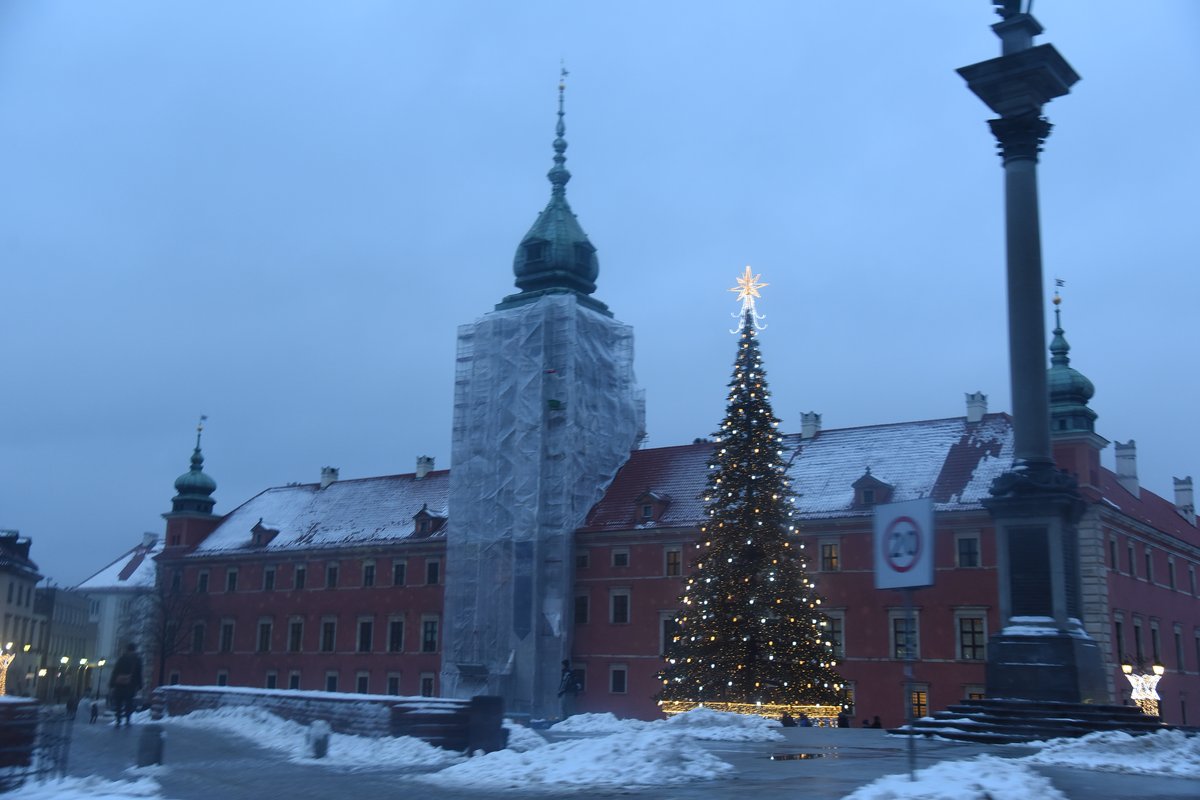
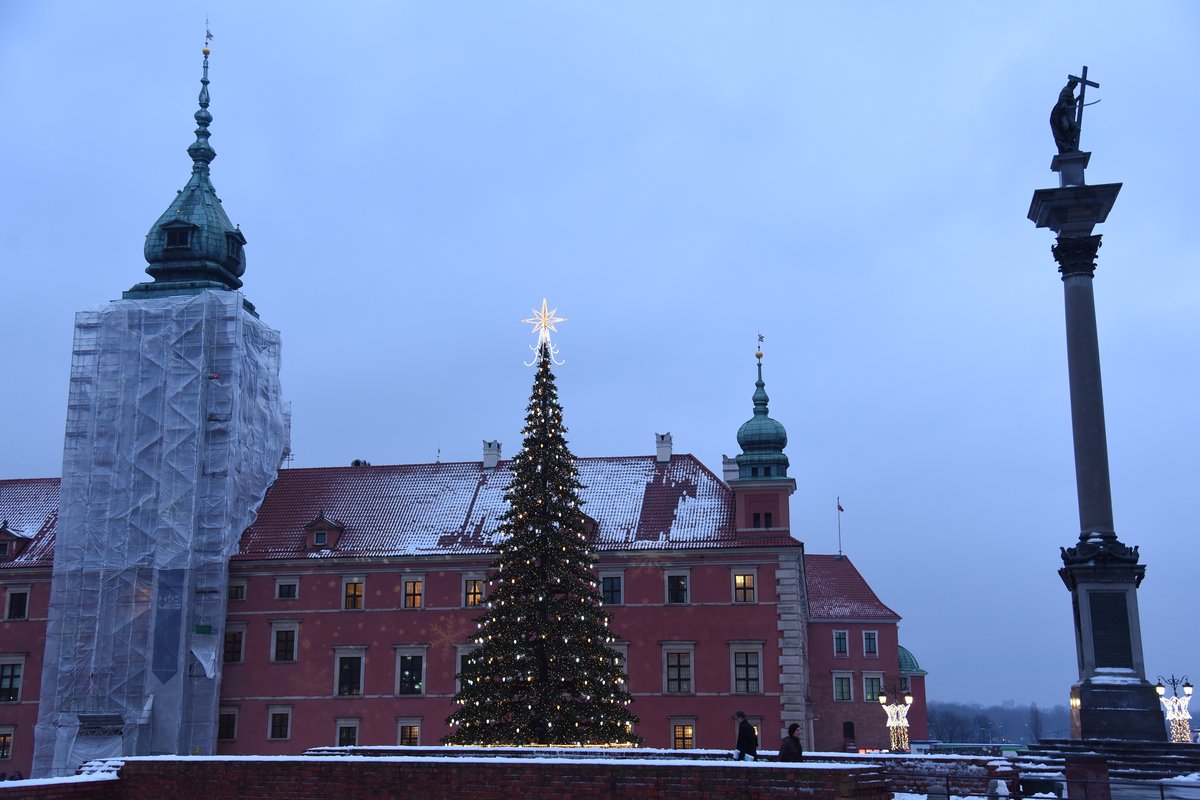
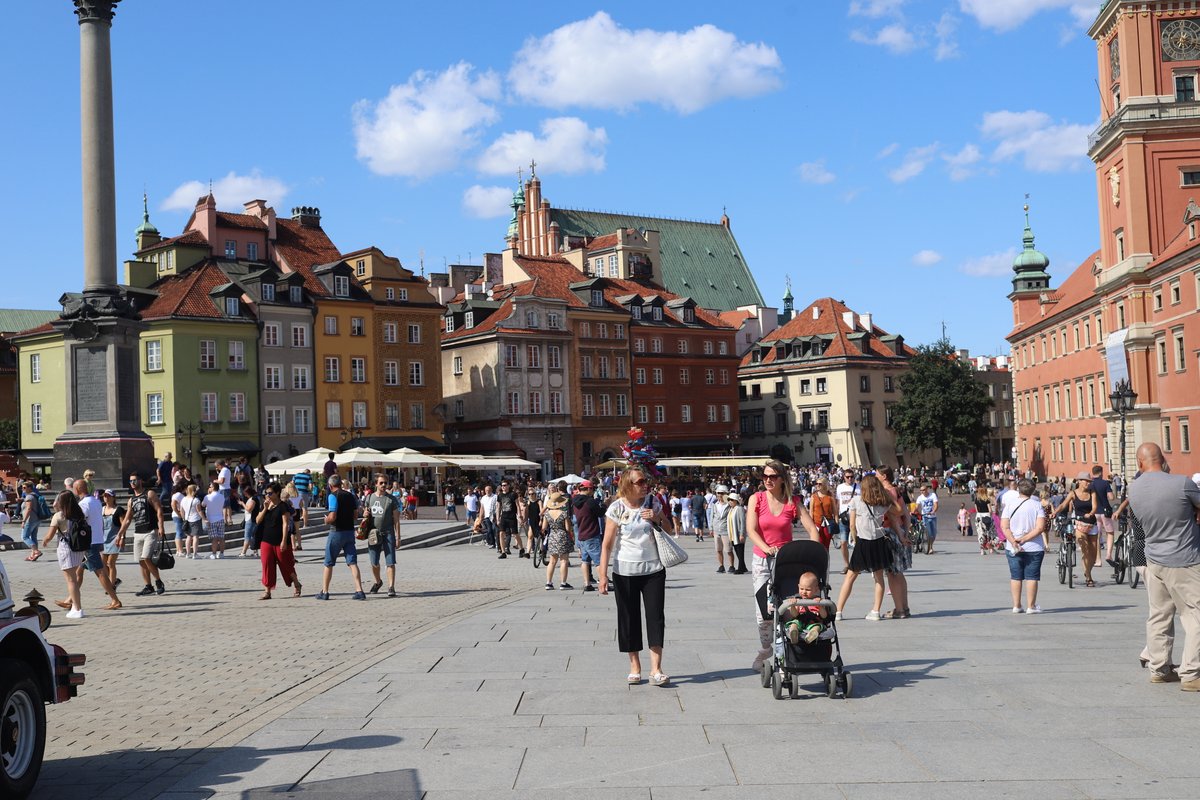
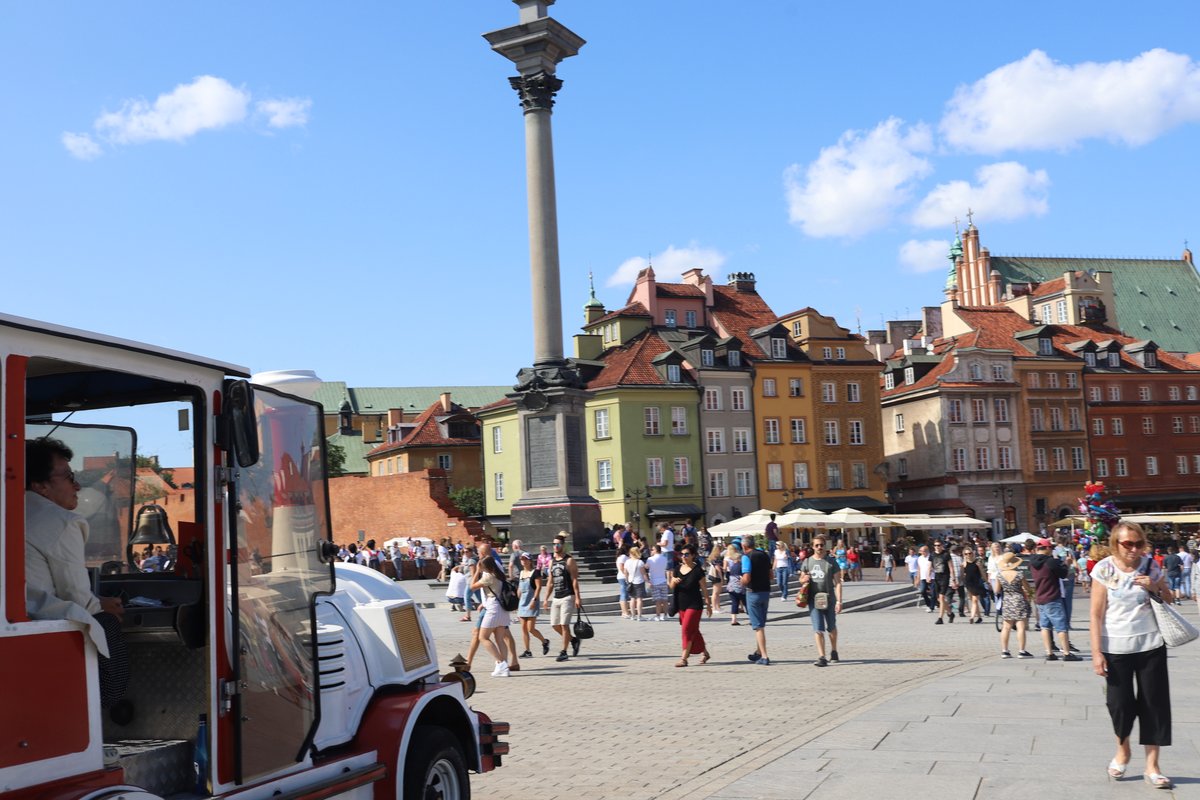
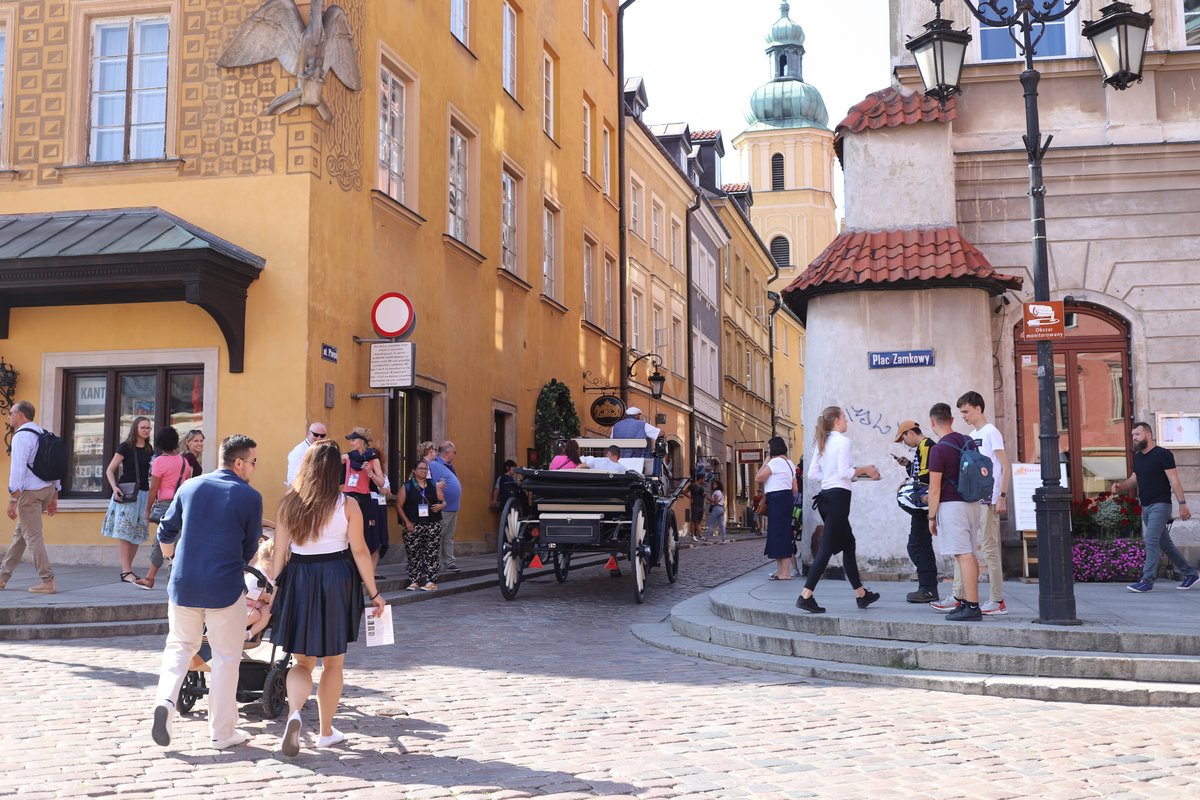
Castle Square (Plac Zamkowy) is the historic and cultural heart of Warsaw, Poland. Serving as the gateway to the UNESCO-listed Old Town, Castle Square is anchored by the majestic Royal Castle and surrounded by iconic landmarks such as Sigismund’s Column and St. Anne’s Church. This vibrant square has played a pivotal role in the city’s history, from medieval times through the Enlightenment, and remains a lively center for cultural events, festivals, and daily urban life.
This comprehensive guide provides up-to-date information on visiting hours, ticket options, accessibility, nearby attractions, and practical travel tips to help you plan your visit. Make the most of your experience by consulting the Royal Castle’s official website, and consider using audio guides via the Audiala app for an enriched tour. Whether you seek architectural marvels, historical context, or the lively ambiance of modern Warsaw, Castle Square is an essential stop in the Polish capital (holidify.com; warsawvisit.com; Very Hungry Nomads).
- Historical Overview
- Architectural Significance
- Visiting Information
- Nearby Attractions
- Cultural Life and Events
- Practical Tips
- Frequently Asked Questions
- Conclusion
- Sources

Medieval Origins and Growth
The history of Castle Square starts in the late 13th century, with its earliest roots as a wooden stronghold for the Dukes of Mazovia. By the 14th century, the Royal Castle began to take shape as a brick fortress, becoming a strategic and administrative center on the Vistula River (medievalheritage.eu).
Renaissance and Baroque Transformations
Castle Square flourished in the 16th and 17th centuries, reflecting Renaissance and Baroque influences. The relocation of Poland’s royal capital to Warsaw by King Sigismund III Vasa in 1596 elevated the square’s importance. Sigismund’s Column, erected in 1644, remains one of northern Europe’s oldest secular monuments (holidify.com).
Enlightenment and Political Significance
During the Enlightenment, Castle Square was the scene of key political milestones, including the passage of the Constitution of 3 May 1791—Europe’s first and the world’s second-oldest codified national constitution (wikipedia).
19th–20th Century Turmoil and Reconstruction
Wars and partitions led to a shift in the square’s role and appearance, including neoclassical redesigns. Devastated in World War II, Castle Square and the Royal Castle were meticulously rebuilt by the late 20th century, symbolizing Warsaw’s resilience (polandtraveltours.com).
Contemporary Role
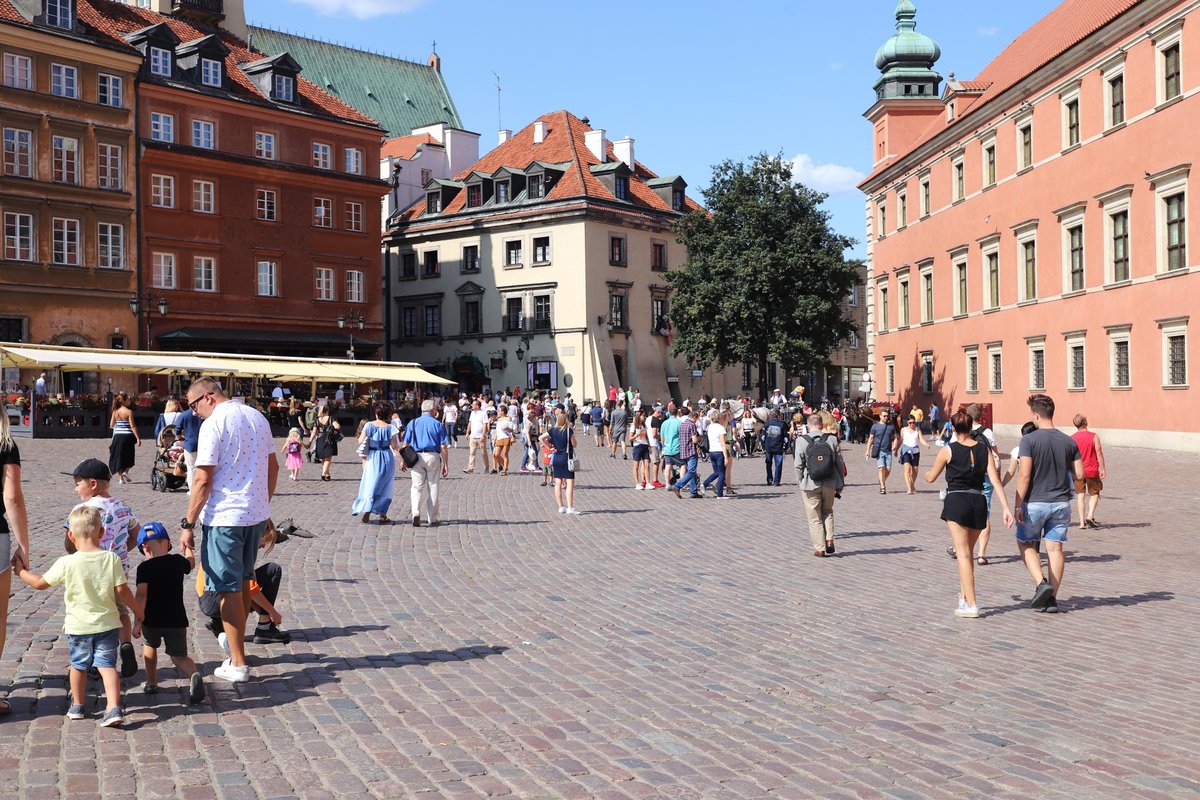
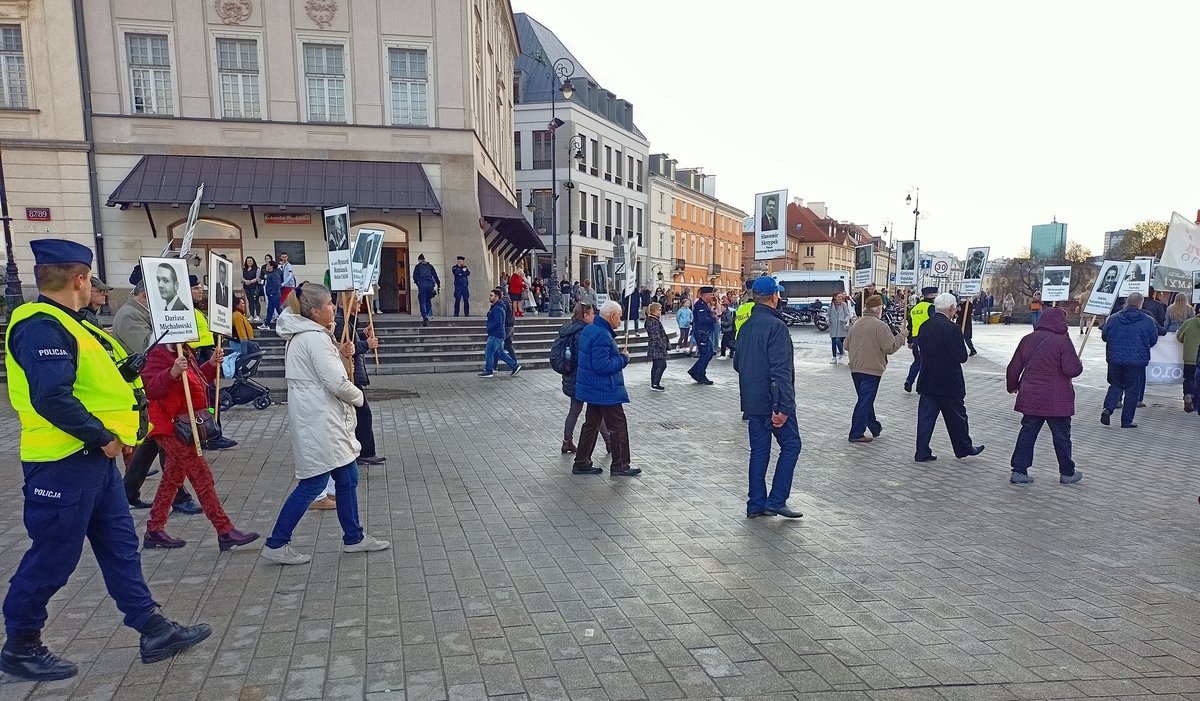
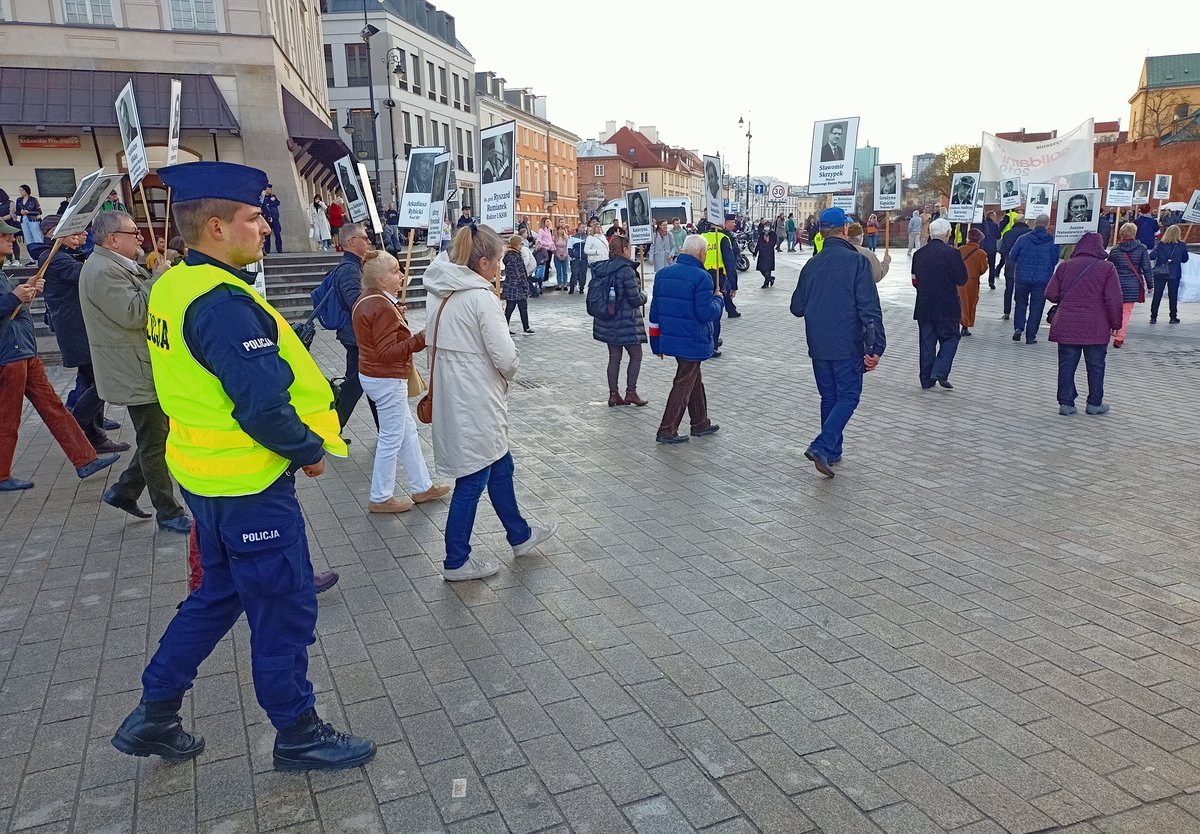
Today, Castle Square is a lively gathering place for both locals and tourists, hosting public events, festivals, and markets. The Royal Castle serves as a museum and cultural center, displaying priceless artworks and national treasures.
Architectural Significance
The Royal Castle
At the heart of Castle Square stands the Royal Castle (Zamek Królewski), a testament to centuries of Polish history and architectural evolution. Its current Baroque-Neoclassical appearance results from successive adaptations and a major reconstruction after WWII, using historical paintings and documents to ensure authenticity (e-a-a.com; polskakultura.com). Today, the castle’s interiors impress with grand halls, art collections, and period furnishings, and the site is on the UNESCO World Heritage List (awaytothecity.com).
Sigismund’s Column
Sigismund’s Column (Kolumna Zygmunta) rises 22 meters above the square and commemorates King Sigismund III Vasa. Designed by Clemente Molli in 1644, it set a precedent for public monuments in Europe and has been restored multiple times after damage during wars (warsawvisit.com; en.wikipedia.org; warsawinsider.pl).
Historic Townhouses
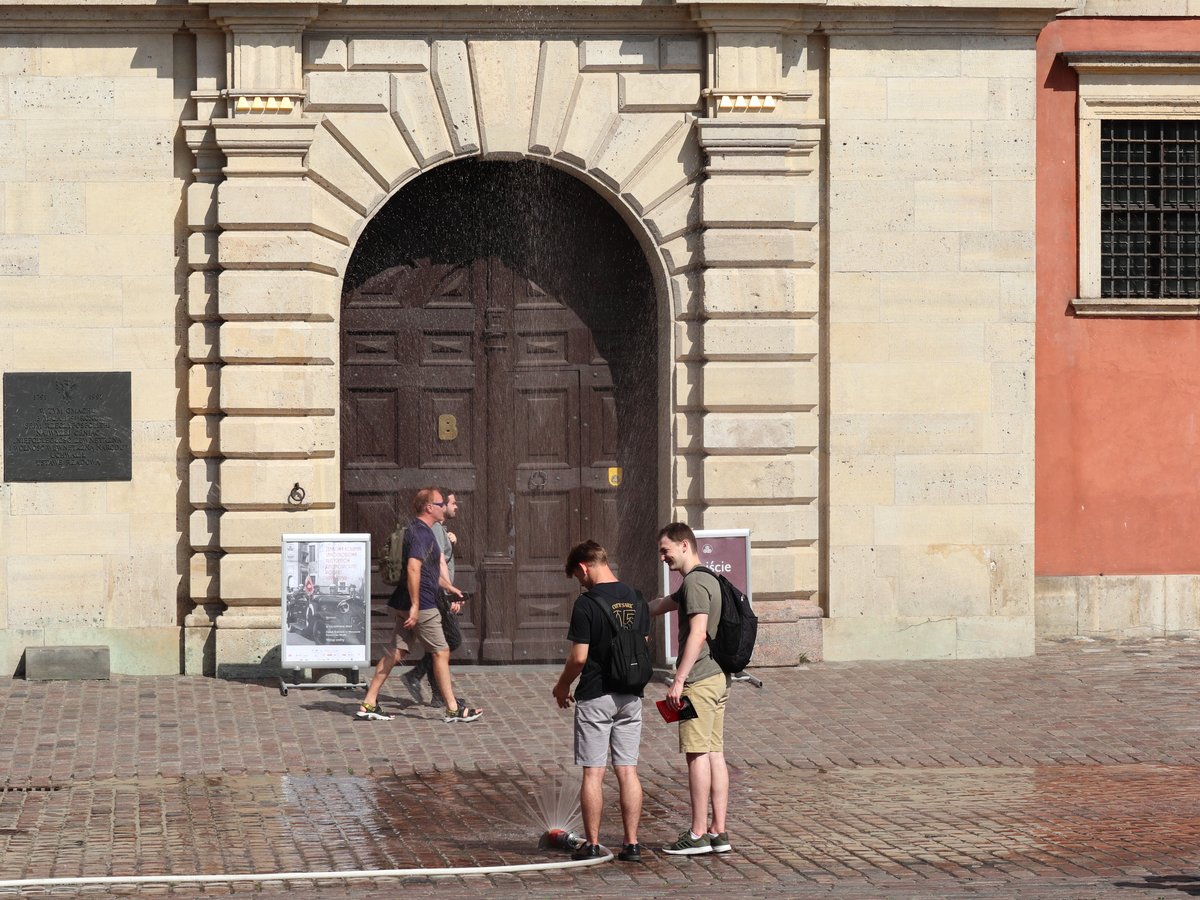
The square is surrounded by colorful townhouses reconstructed after WWII using pre-war photographs and Canaletto’s 18th-century paintings. These buildings reflect Gothic, Renaissance, and Baroque influences and create a harmonious urban landscape (e-a-a.com).
St. Anne’s Church and Bell Tower
Adjacent to Castle Square, St. Anne’s Church boasts a neoclassical façade and a panoramic bell tower offering 360° views over the city and the Vistula River (warsawinsider.pl).
Visiting Information
Castle Square and Royal Castle Hours
- Castle Square: Open public space, accessible 24/7.
- Royal Castle: Open Tuesday–Sunday, 10:00 AM – 6:00 PM; closed Mondays. Last admission one hour before closing. (Check the official website for updates.)
- St. Anne’s Church Bell Tower: Daily 10:00 AM – 5:00 PM.
Ticket Prices
- Royal Castle: Adults 30–50 PLN; students/seniors 20–30 PLN; children under 7 free. Free admission on selected days (e.g., International Museum Day, certain Wednesdays).
- St. Anne’s Observation Deck: ~10 PLN (cash only).
- Old Town and Castle Square: Free to visit.
Tickets can be bought online or at the ticket office. Booking ahead is advised in peak season.
Accessibility
- Castle Square is pedestrianized and wheelchair-friendly.
- The Royal Castle and most attractions provide wheelchair access and facilities for visitors with disabilities.
- Public transport (metro, trams, buses) is accessible and stops nearby.
Guided Tours & Audio Guides
- Guided tours of the Royal Castle and Old Town are available in multiple languages.
- Audio guides can be rented or accessed via the Audiala app for a self-paced experience (Very Hungry Nomads).
Nearby Attractions
- Old Town Market Square: Lively center with historic buildings and the Warsaw Mermaid statue.
- St. John’s Archcathedral: Historic church with impressive interiors.
- Barbican and City Walls: Medieval fortifications a short walk away.
- The Royal Route: Begins at Castle Square, leading to prominent landmarks like Łazienki Park and Wilanów Palace.
Cultural Life and Events
Castle Square is a living center of Polish identity, hosting:
- Jazz na Starówce: Summer jazz concerts (polskabee.com).
- Warsaw Christmas Markets: Festive stalls and lights in winter.
- National Celebrations: Official ceremonies and open-air performances.
The square is also a hub for street performers, artists, and seasonal markets, reflecting the vibrancy of Warsaw’s daily life (warsawinsider.pl; overyourplace.com).
Practical Tips
- Best Time to Visit: Late spring (May–June) and early autumn (September) for pleasant weather and moderate crowds (Travellers Worldwide; Best Time To).
- Getting There: Use public transport (metro, tram, bus) as parking is limited.
- Dining: Sample Polish cuisine at nearby restaurants—pierogi, bigos, and żurek are local favorites (Very Hungry Nomads).
- Accommodation: Stay in the Old Town or city center for easy access (Very Hungry Nomads).
- Safety: The area is safe, but watch for pickpockets during crowded events (AB Poland).
- Connectivity: Free public Wi-Fi is available in many nearby venues.
- Language: English is widely spoken in tourist areas; basic Polish is appreciated (What About Poland).
Frequently Asked Questions
Q: What are Castle Square’s visiting hours?
A: Castle Square is open 24/7. The Royal Castle is open Tuesday–Sunday, 10:00 AM–6:00 PM, and closed Mondays.
Q: How much are Royal Castle tickets?
A: Adult tickets are 30–50 PLN, with discounts for students, seniors, and free admission for children under 7 and on select days.
Q: Is Castle Square wheelchair accessible?
A: Yes, and the Royal Castle provides accessible facilities.
Q: When is the best time to visit?
A: Late spring and early autumn are ideal for weather and crowds.
Q: Can I take photos?
A: Yes, photography is allowed (no flash inside the castle).
Q: Are guided tours available?
A: Yes, in multiple languages—book online or at the visitor center.
Q: Where can I get more information?
A: Visit the tourist information center in Castle Square or the Royal Castle’s website.
Listen to the full story in the app
The whole Castle Square,
told well.
Audio guides for 1,100+ cities across 96 countries. History, stories, and local insight — offline ready.
Verified, and shown.
Researched and written by the Audiala editorial team from historical records, architectural archives, and local expertise.
Researched from Wikidata, Wikipedia & official sources · fact-checked · How we make our guides →