Plan and listen to Carmelite Church with Audiala.
Audio guide in your pocket, itinerary in your browser. Built for the way you actually visit.
Introduction
Nestled along the prestigious Krakowskie Przedmieście, the Carmelite Church in Warsaw—formally the Church of the Assumption of the Virgin Mary and of St. Joseph—stands as a testament to centuries of faith, artistry, and resilience. Founded by the Carmelite Order in the 17th century, this landmark has witnessed pivotal moments in Polish history, survived wars, and contributed immeasurably to Warsaw’s architectural and cultural landscape. Its striking neoclassical façade and ornate Baroque interiors invite visitors to explore an extraordinary blend of religious symbolism and artistic achievement.
Today, the Carmelite Church remains an active parish and a significant monument on Warsaw’s Royal Route, offering free admission, guided tours, and a vibrant program of concerts. Its accessibility, central location, and cultural richness make it an essential stop for travelers eager to experience the heart of Warsaw. This guide provides comprehensive insights into the church’s history, architecture, visitor information, and practical tips to ensure a memorable visit. For official details and visitor resources, refer to WarsawTour, Culture.pl, Poland.pl, and Walking Warsaw.



Origins and Early Development
The Carmelite Order arrived in Warsaw in 1643, invited by Queen Cecilia Renata. The original wooden church, built between 1643 and 1651, was destroyed during the Swedish Deluge (1655–1660). The present stone edifice was constructed from 1661 to 1681 under the patronage of Michał Kazimierz Pac, with designs by Italian architect Józef Szymon Bellotti.
Architectural Flourishing and Neoclassical Façade
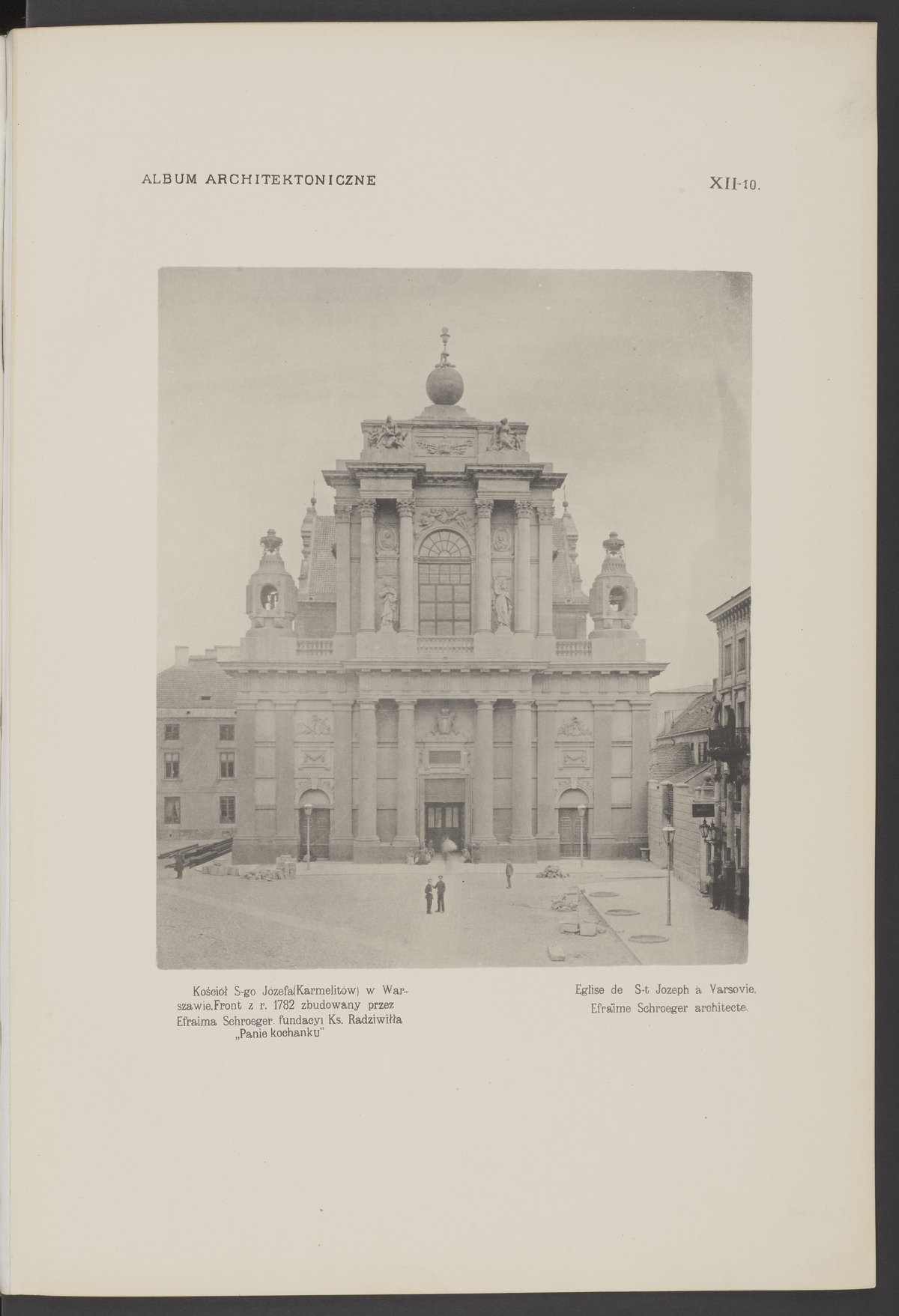
The church’s most iconic feature—its neoclassical façade—was completed between 1761 and 1783 by Efraim Szreger. This façade, the first classical stone façade in the Polish-Lithuanian Commonwealth, is characterized by twin towers shaped like censers and Corinthian columns, marking a departure from the Baroque style of its interior. The church’s architectural evolution reflects broader European trends and Poland’s artistic ambitions.
Royal Connections and Historical Significance
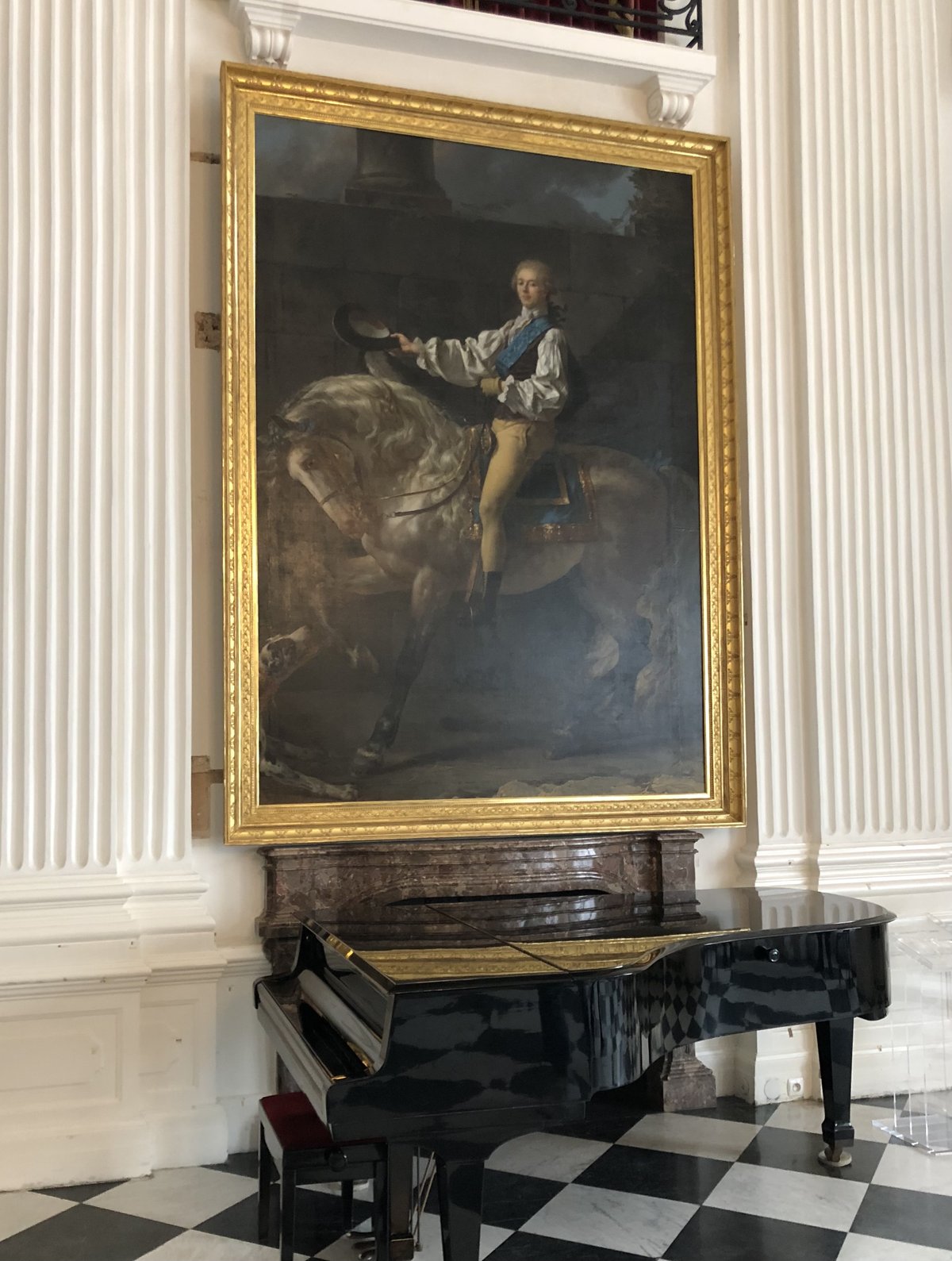
Due to its proximity to the Royal Castle, the Carmelite Church played a ceremonial role in Polish history, including hosting King Stanisław August Poniatowski’s oath in 1764. Remarkably, the church survived World War II largely intact, serving as a sanctuary during national upheavals and symbolizing the city’s resilience.
Architectural and Artistic Highlights
Façade and Belfries
- Neoclassical Façade: Designed by Efraim Szreger, the façade’s harmonious symmetry, stone construction, and classical detailing distinguish it among Warsaw’s religious monuments.
- Twin Belfries: Shaped like censers, these towers evoke the symbolism of prayer and the ascent of incense, reinforcing the church’s spiritual mission.
Interior Artistry
- Baroque Layout: The interior preserves its original Baroque grandeur, featuring intricate stucco, gilded altars, and frescoes. The basilica layout includes a central nave flanked by side aisles and chapels.
- Altars and Artworks: The main altar, dedicated to the Assumption of the Virgin Mary and St. Joseph, showcases elaborate carvings and religious iconography. Side chapels house paintings and sculptures of saints and biblical scenes.
- Historic Organ: The late 18th-century pipe organ—famed for hosting Chopin’s first public recital—remains central to liturgical celebrations and concert events.
Visitor Information
Visiting Hours and Admission
- Monday to Saturday: 9:00 AM – 6:00 PM
- Sunday: 8:00 AM – 7:00 PM (some resources note Sunday hours may start at noon—always verify before your visit)
- Entrance Fee: Free (donations appreciated)
Note: Hours may vary on public holidays or during special events. For current information, consult the official church website (in Polish) or tourism portals.
Accessibility
The church offers wheelchair-accessible entrances and level flooring in the main sanctuary. Assistance is available by request.
Guided Tours and Events
- Guided Tours: Available daily at 11:00 AM and 3:00 PM (advance booking recommended), offering insights into the church’s history and artistic heritage.
- Concerts: The church regularly hosts organ concerts, especially during summer festivals. Check schedules on the official website or local tourism platforms.
Travel and Location
- Address: Krakowskie Przedmieście 52/54, adjacent to the Presidential Palace.
- Public Transport: Accessible via Nowy Świat-Uniwersytet Metro Station (Line M2) and tram/bus stops on Krakowskie Przedmieście.
- Nearby Attractions: Royal Castle, University of Warsaw, Adam Mickiewicz monument, Warsaw University Library Garden, Museum of Caricature and Cartoon Art.
Atmosphere and Visitor Etiquette
- Dress Code: Modest attire is requested; cover shoulders and knees, especially during services.
- Photography: Permitted in most areas, but prohibited during services or special ceremonies—always check posted signs.
- Quiet Reflection: Maintain respectful silence, particularly during Mass or prayer times.
- Facilities: Limited on-site; nearby cafes and restrooms are available along the Royal Route.
Cultural and Spiritual Significance
The Carmelite Church plays a vital role in Warsaw’s religious and civic life. As an active Roman Catholic parish, it hosts daily Masses, confessions, and religious festivals, drawing worshippers and pilgrims. The church is also a center for cultural events, from classical music concerts to community outreach programs, reflecting the Carmelite tradition of contemplation and service.
Its strategic location along the Royal Route has made it a witness to royal processions, state ceremonies, and moments of national solidarity. The church’s enduring presence and artistic treasures symbolize Warsaw’s resilience, faith, and creative spirit.
Interfaith and Community Engagement
The Carmelite Church embraces ecumenical dialogue and community initiatives, offering joint prayer services, cultural exchanges, and charitable programs. Its open-door policy and multilingual resources welcome visitors from all backgrounds, making it both a spiritual refuge and a hub for civic engagement.
Frequently Asked Questions (FAQ)
Q: What are the Carmelite Church Warsaw visiting hours?
A: Typically Monday to Saturday, 9:00 AM – 6:00 PM; Sunday, 8:00 AM – 7:00 PM (verify before visiting).
Q: Is there an entrance fee or ticket required?
A: Admission is free; donations are welcome.
Q: Are guided tours available?
A: Yes, offered daily at set times; booking in advance is recommended.
Q: Is the church wheelchair accessible?
A: Yes, with ramps and accessible facilities.
Q: Can I take photos inside?
A: Photography is usually allowed except during services or special events.
Practical Tips for Visitors
- Best Time to Visit: Early mornings or late afternoons for a quiet atmosphere.
- Combine with Nearby Sights: Plan visits to the Royal Castle, University of Warsaw, and other historic churches along the Royal Route.
- Audio Guides and Apps: Download the Audiala app for audio tours and insider tips.
- Check Event Schedules: Concerts and special events enhance the visitor experience—see the official website for details.
Summary and Recommendations
The Carmelite Church Warsaw exemplifies the harmonious convergence of history, art, and spirituality. Its 17th-century origins, masterful Baroque and neoclassical architecture, and survival through wars render it a powerful symbol of Polish identity and resilience. Free entry and accessible facilities ensure all visitors can enjoy its serene sanctuary, magnificent altars, and storied musical tradition.
Incorporate the Carmelite Church into your Warsaw itinerary for an enriching encounter with the city’s faith, culture, and enduring beauty. For more detailed guides and updates, consult WarsawTour, Culture.pl, Poland.pl, and Walking Warsaw.
Listen to the full story in the app
The whole Carmelite Church,
told well.
Audio guides for 1,100+ cities across 96 countries. History, stories, and local insight — offline ready.
Verified, and shown.
Researched and written by the Audiala editorial team from historical records, architectural archives, and local expertise.
Researched from Wikidata, Wikipedia & official sources · fact-checked · How we make our guides →