Plan and listen to Building Of Polish Ministry Of National Education with Audiala.
Audio guide in your pocket, itinerary in your browser. Built for the way you actually visit.
Introduction
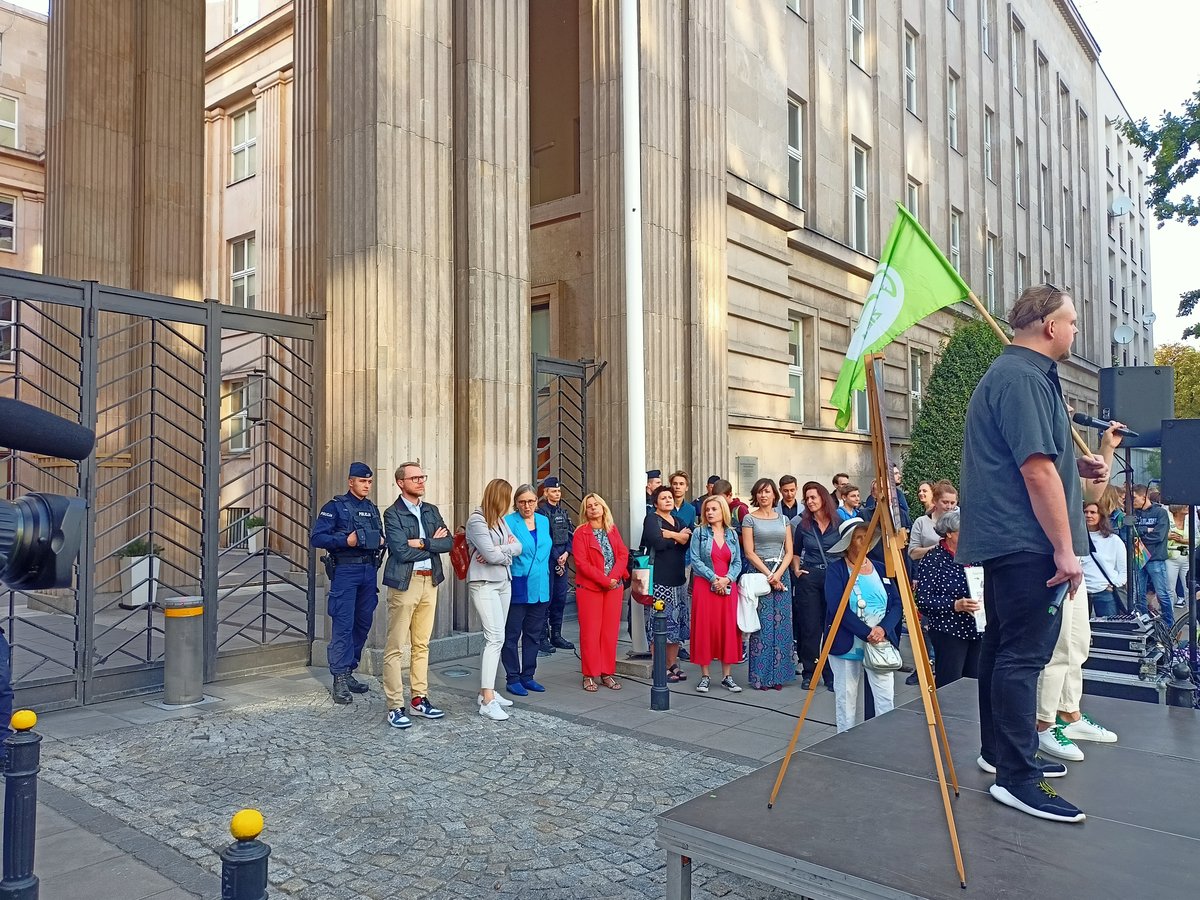
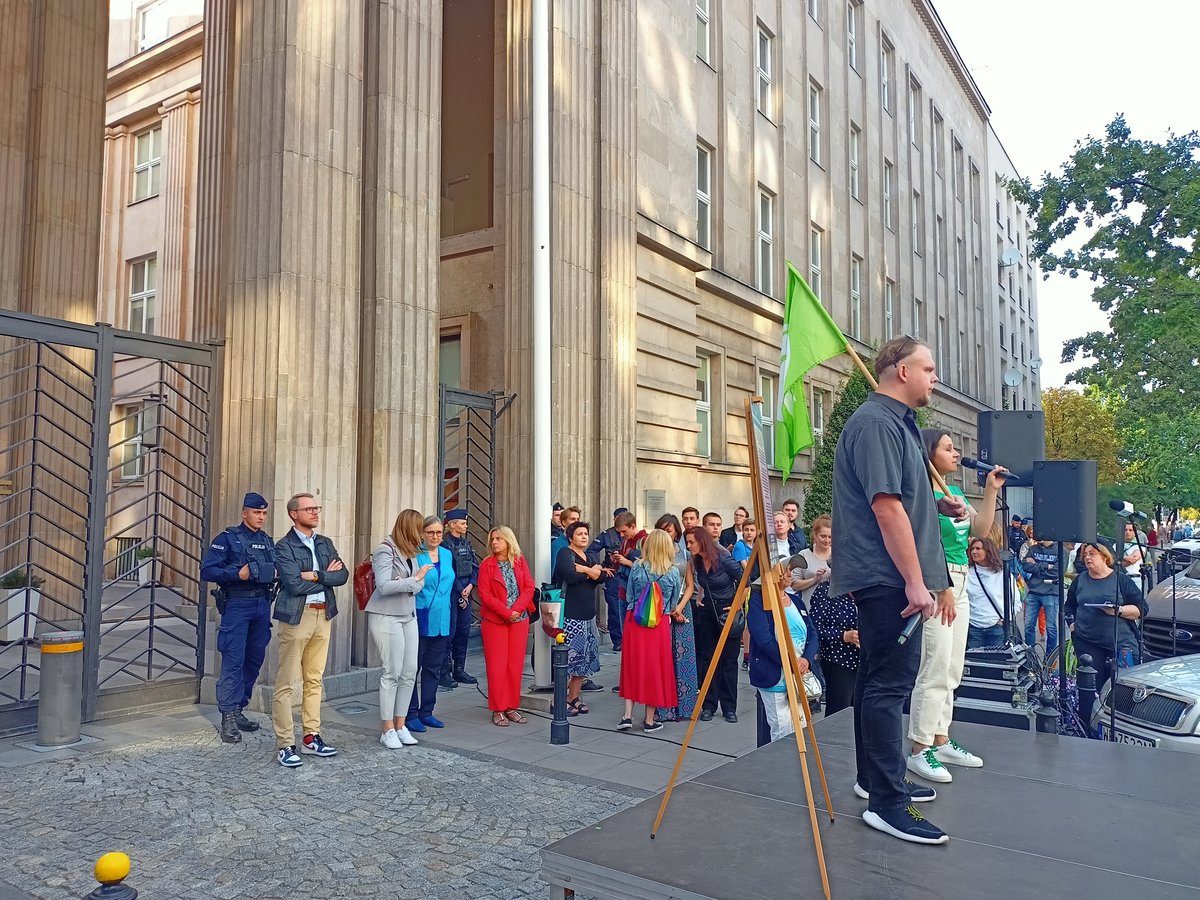
The Building of the Polish Ministry of National Education in Warsaw is a historic and architectural landmark that reflects Poland’s commitment to education and its turbulent 20th-century history. While primarily serving as a government office, this building stands as a symbol of national resilience and educational progress. This comprehensive guide explores the building’s origins, architectural features, historical significance, visitor information—including hours, accessibility, and travel tips—and highlights nearby attractions to ensure a well-rounded experience in Warsaw’s governmental district.

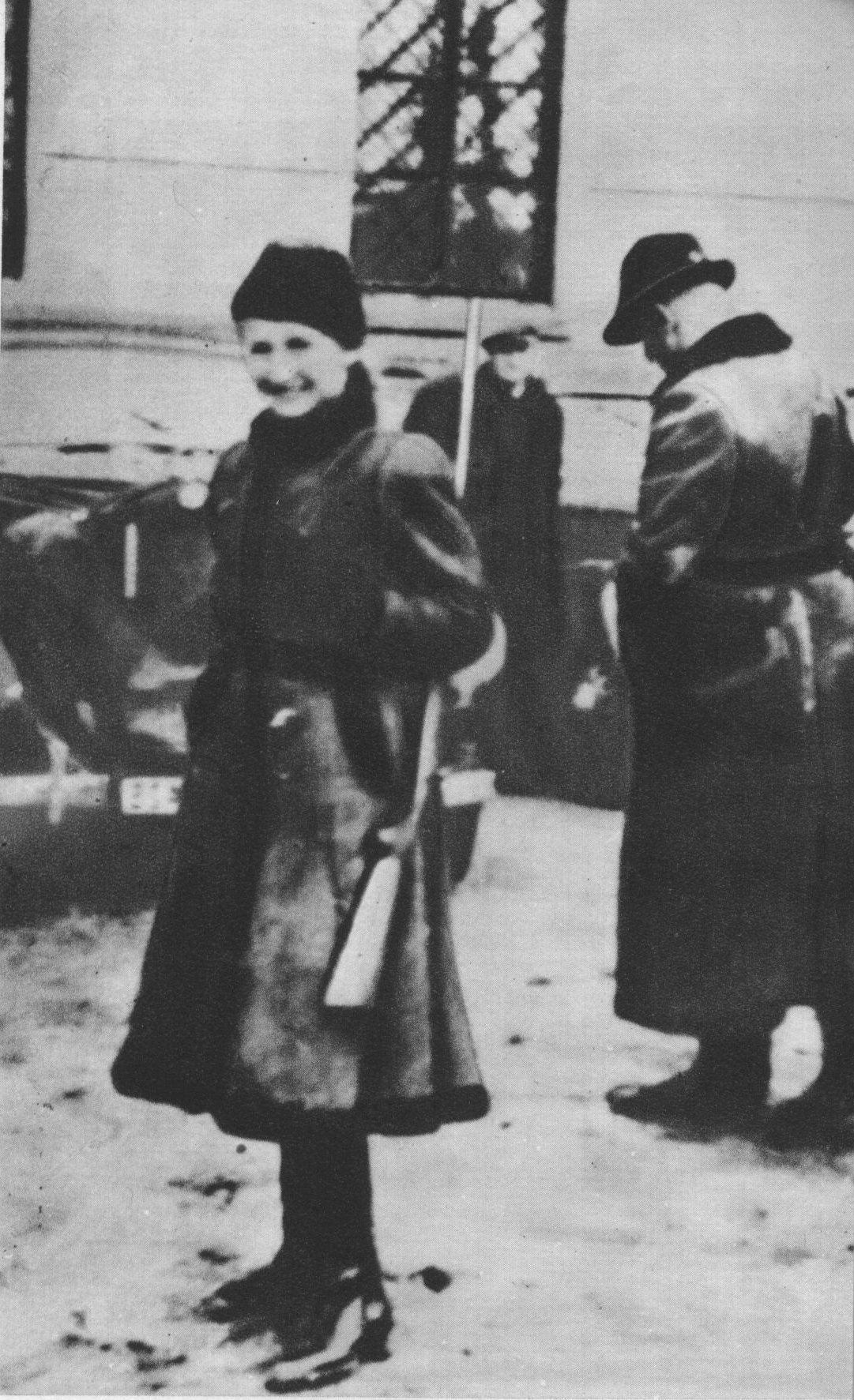
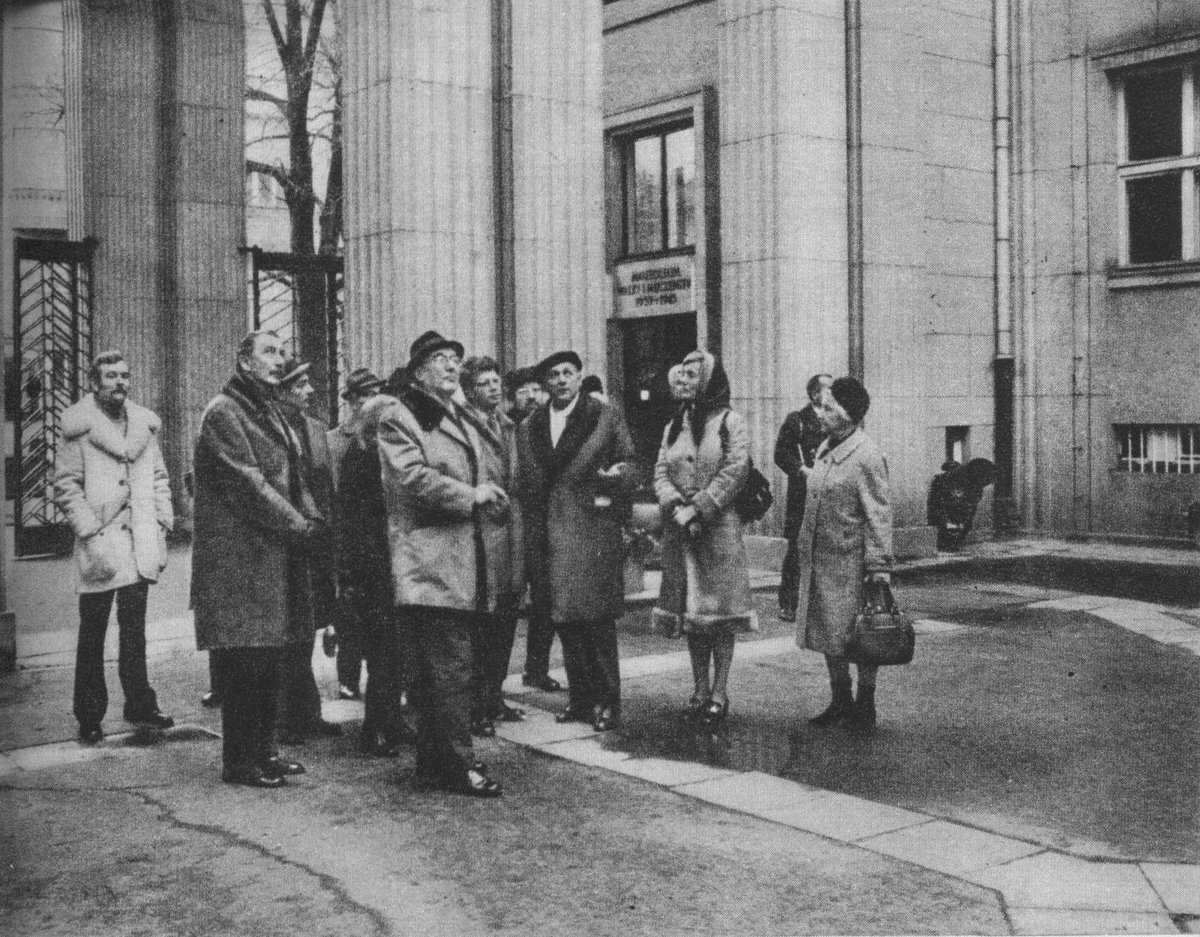
Origins and Architectural Background
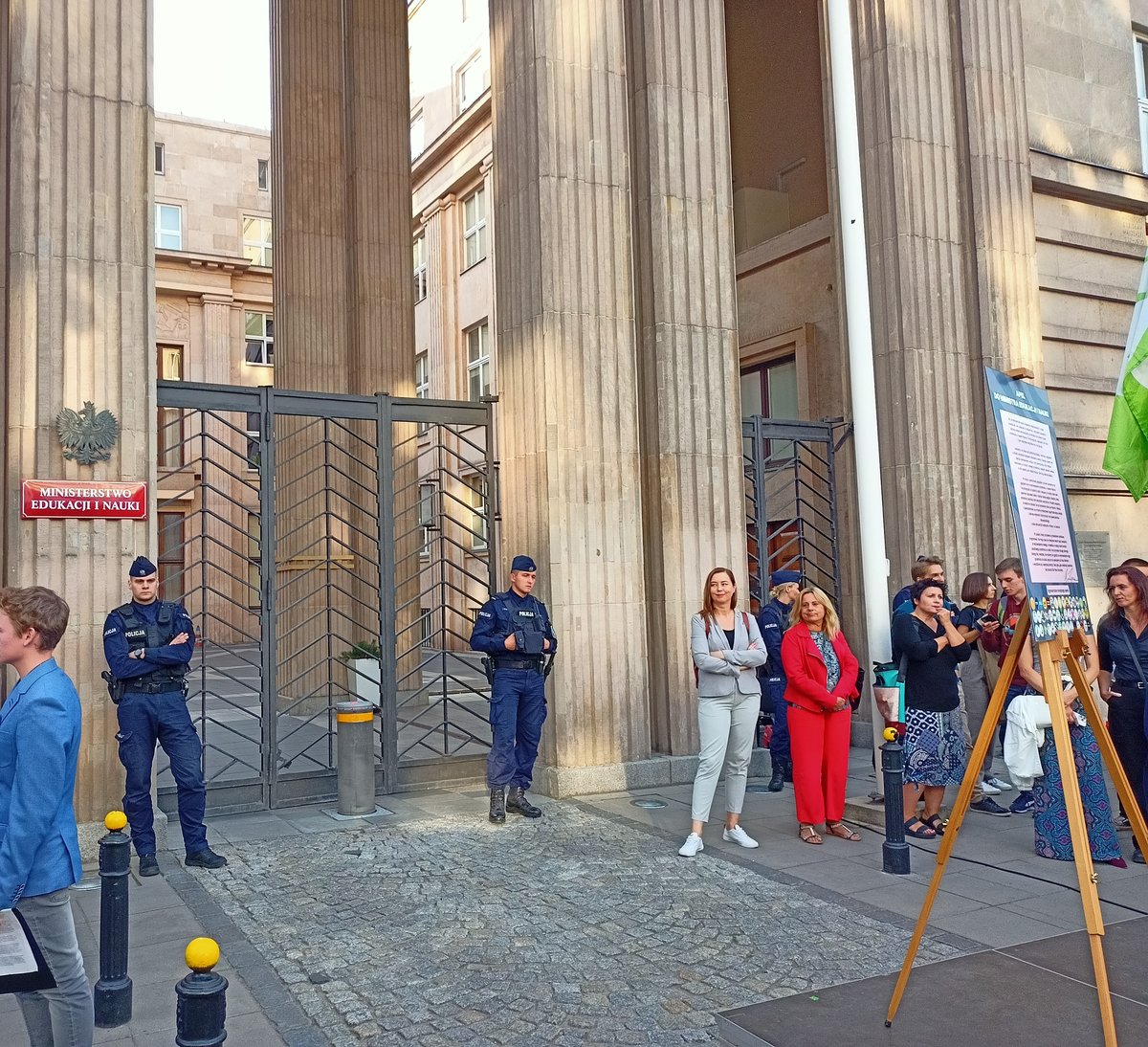
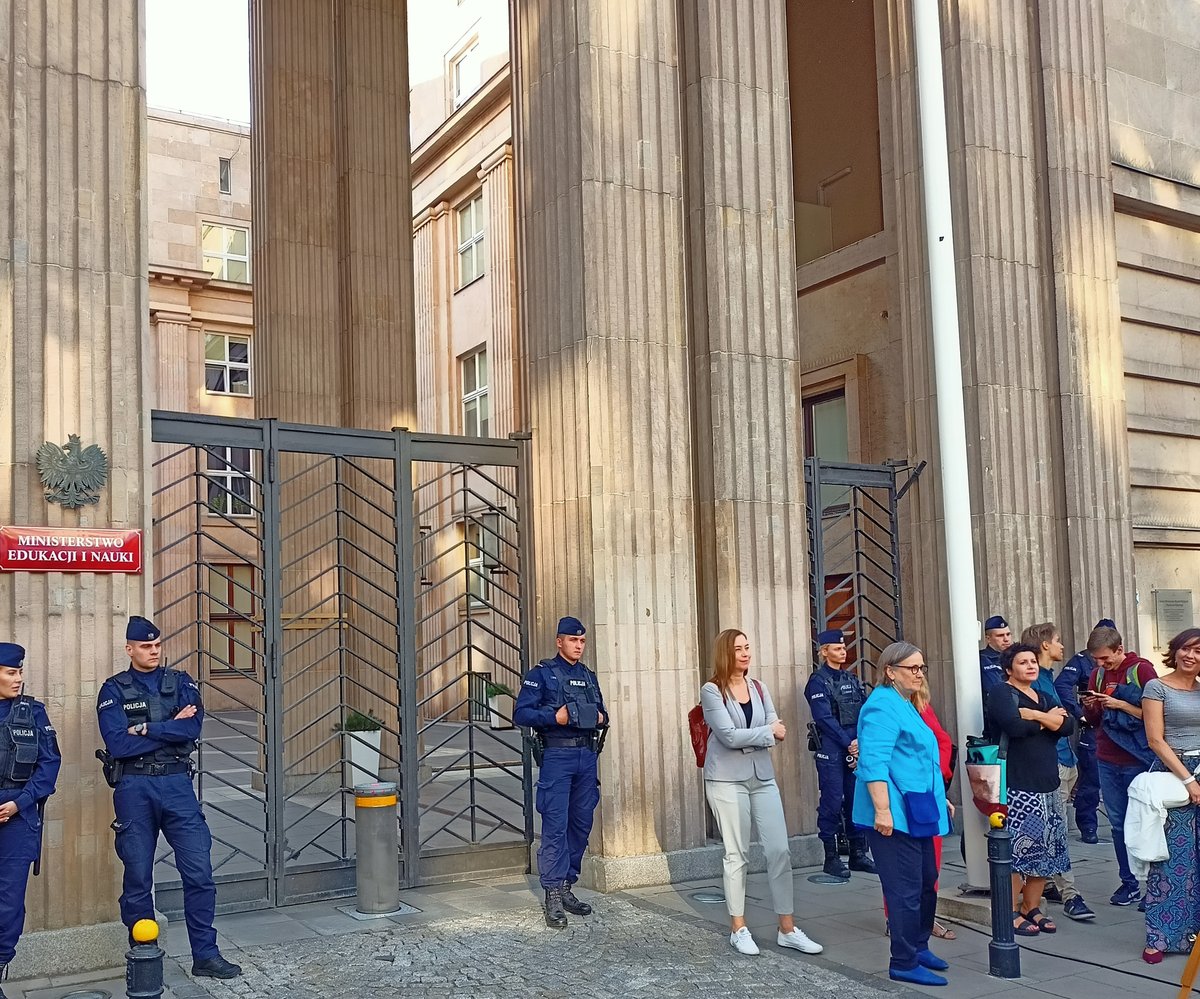
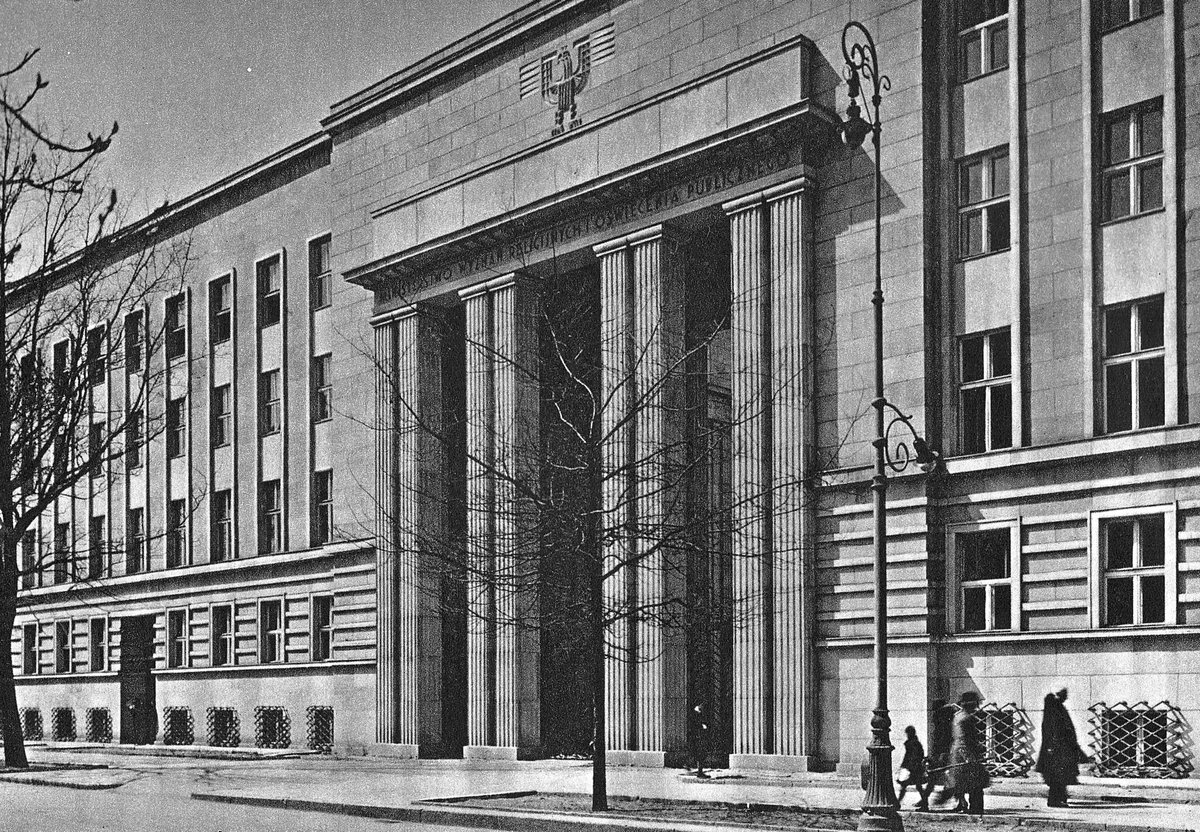
Constructed in 1925 as the seat of the Ministry for Religious Denominations and Public Enlightenment, the Ministry’s building was the first purpose-built government ministry of the Second Polish Republic. Designed by Zdzisław Mączeński, it exemplifies reduced classicism—a style marked by simplified classical motifs such as porticos, columns, and representative staircases, but interpreted with restraint and functionality. The building’s art deco interiors, created by Wojciech Jastrzębowski, underscore the optimism and forward-looking spirit of 1920s Poland (culture.pl).
Historical Significance
The building’s role in Poland’s educational history is profound. It continues a tradition dating back to the 18th century, when the Commission of National Education—the world’s first state education ministry—was established (polskakultura.com). Its construction signaled Poland’s renewed commitment to modern governance and intellectual development after regaining independence in 1918. The building survived the devastation of World War II and has since remained a symbol of resilience and progress.
Evolution and Adaptation Over Time
After World War II, the building’s function was adapted to serve the new Ministry of National Education. Despite the political transformations and the expansion of its administrative role, the structure has retained its original architectural integrity. Careful expansions in the 1950s ensured stylistic coherence, preserving its monumental and dignified appearance (culture.pl). Today, it continues to house the Ministry, reflecting both continuity and adaptation.
Architectural Features and Artistic Elements
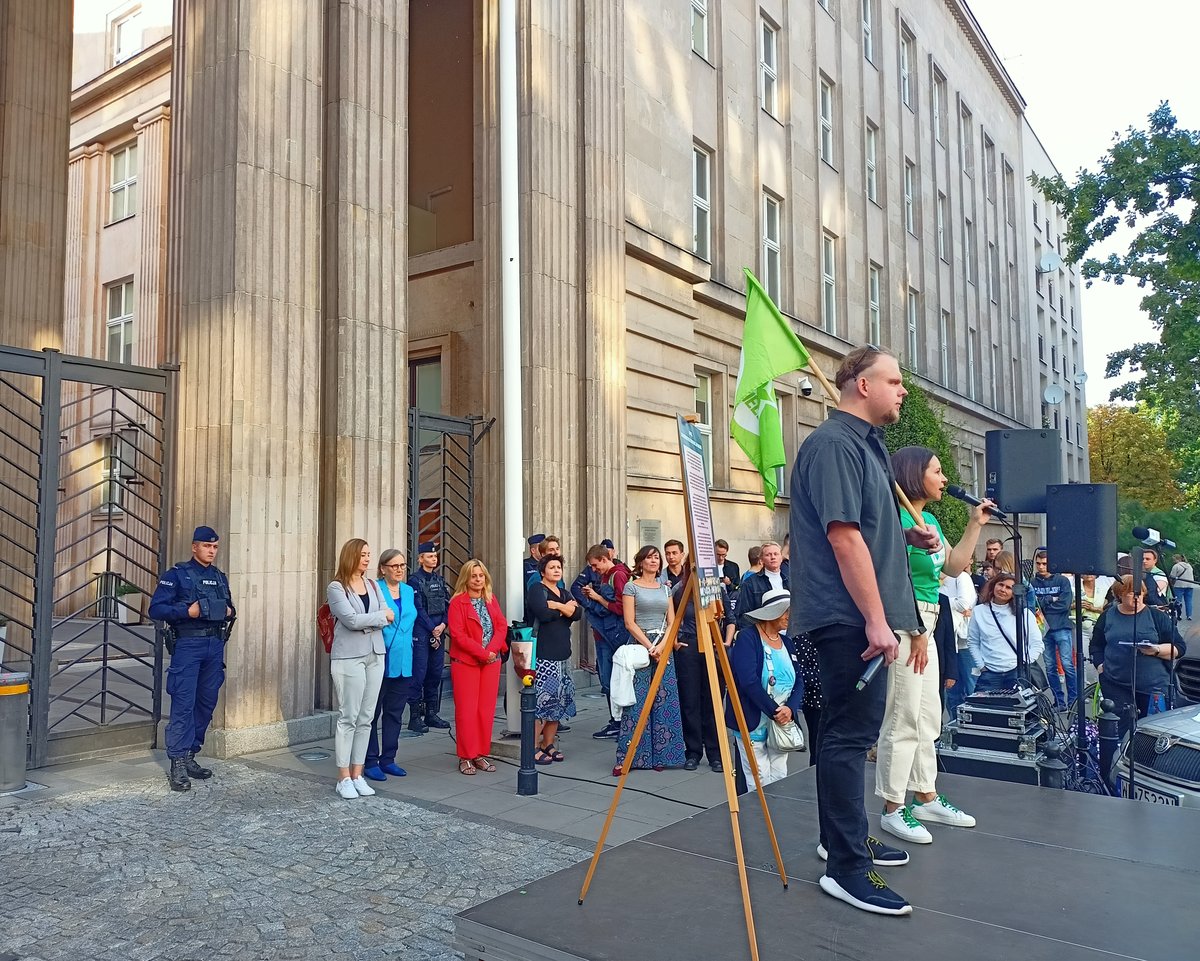
The building’s exterior is defined by its austere façade, supported portico, and unadorned walls, embodying the ethos of interwar modernist classicism. The absence of excessive ornamentation, along with unframed windows and smooth surfaces, defines its dignified presence. Inside, art deco influences prevail in the geometric patterns, stylized lighting, and elegant finishes—elements meticulously preserved to offer a glimpse into the design values of 1920s Poland (culture.pl).
Role in Contemporary Polish Education
Today, the Ministry of National Education is the nerve center for shaping and implementing education policy for primary and secondary education in Poland (MEN official site). The building is the venue for key policy discussions, educational reforms, and international conferences, such as the 2025 EU Flagship Presidency Conference on Inclusive Education. Its continued administrative use underscores its importance in the ongoing story of Polish education (polskakultura.com).
Visitor Information: Visiting Hours, Tickets, and Accessibility
- Visiting Hours: The building primarily functions as a government office and is not open for regular public tours. Its exterior can be viewed at any time.
- Tickets: No tickets are required to view the exterior. For special events or open days, details are announced on the official website.
- Guided Tours: Typically not available, but the building is included as an exterior highlight in some walking tours of Warsaw’s governmental district.
- Accessibility: The area around the building is wheelchair accessible, with nearby public transport, including the Politechnika metro station and several tram/bus lines.
- Photography: Exterior photography is allowed; visitors should respect security protocols and avoid restricted areas.
Travel Tips for Visitors
- Visit during daylight hours for the best view and photography of the building’s architectural details.
- Dress appropriately, especially if attending a public event or open day.
- Plan your trip around special events for possible limited interior access.
- Download the Audiala app for guided audio tours and additional historical context.
- Combine your visit with nearby attractions such as Łazienki Park, Ujazdowski Park, the Sejm (Polish Parliament), and Warsaw Old Town.
Preservation and Public Perception
The building’s preservation is a testament to Poland’s respect for architectural heritage. Its understated grandeur and historic significance receive recognition from both architectural historians and the general public (culture.pl). Recent modernization efforts aim to maintain historical authenticity while improving accessibility and energy efficiency.
Notable Events and Milestones
Over the decades, the building has hosted crucial educational policy decisions and international conferences. It has played a role in significant reforms, such as the reduction of illiteracy and the expansion of educational access in Poland (polskakultura.com). Events like the 2025 Inclusive Education Conference highlight its continued importance on the European stage.
FAQ
Q: Can I visit the interior of the Ministry building?
A: General public access is not permitted, except during occasional open days or special events.
Q: What are the building’s visiting hours?
A: The exterior is viewable at any time; interior access is restricted.
Q: Are guided tours available?
A: No regular guided tours are offered, but some city walking tours include the building as an exterior highlight.
Q: Is the building accessible by public transport?
A: Yes, it is near the Politechnika metro station and several tram/bus stops.
Q: Is the building accessible for visitors with disabilities?
A: The exterior and surrounding area are accessible; interior accessibility may be limited due to its government function.
Q: Can I take photographs?
A: Exterior photography is permitted; avoid restricted or sensitive areas.
Listen to the full story in the app
The whole Building Of Polish Ministry Of National Education,
told well.
Audio guides for 1,100+ cities across 96 countries. History, stories, and local insight — offline ready.
Verified, and shown.
Researched and written by the Audiala editorial team from historical records, architectural archives, and local expertise.
Researched from Wikidata, Wikipedia & official sources · fact-checked · How we make our guides →