Plan and listen to Brühl Palace, Warsaw with Audiala.
Audio guide in your pocket, itinerary in your browser. Built for the way you actually visit.
Introduction: Brühl Palace Warsaw – History & Significance
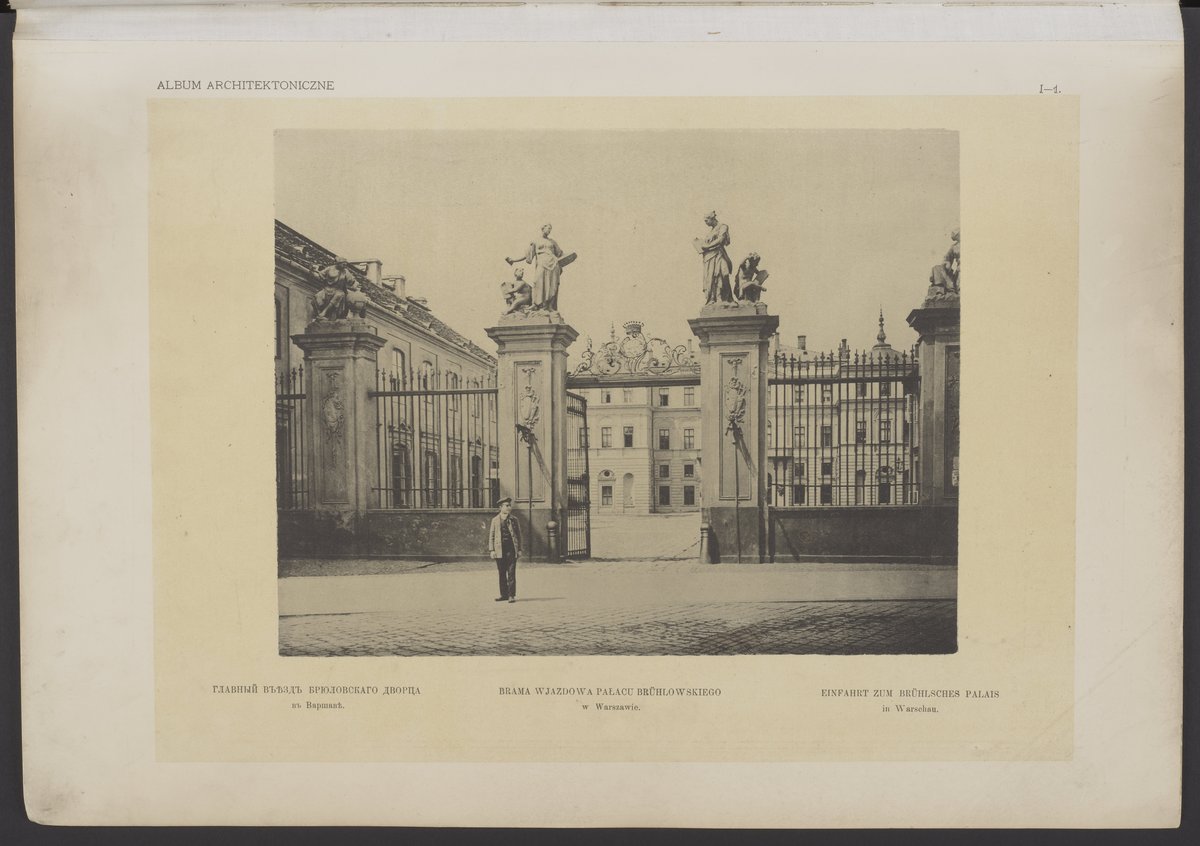
Brühl Palace (Pałac Brühla) in Warsaw stands as a powerful symbol of Poland’s aristocratic heritage, architectural elegance, and enduring resilience. Originally constructed in the 17th century and later reimagined in the Rococo style, the palace was a site of diplomatic activity, cultural gatherings, and political milestones until its tragic destruction during World War II.
Today, Brühl Palace is at the heart of an ambitious reconstruction initiative, representing the restoration of Poland’s historic identity and urban fabric. Although the palace’s interiors remain closed due to ongoing archaeological work and rebuilding, the site offers visitors a unique opportunity to witness history in the making. Observation points, interpretive displays, and the broader context of Piłsudski Square invite exploration and reflection.
This guide offers essential information for visitors—current and future—covering visiting hours, ticketing, accessibility, travel tips, and a detailed historical overview. Whether you are a history enthusiast, architecture lover, or cultural traveler, Brühl Palace is a compelling destination at the crossroads of Poland’s past and future.
For the latest updates on visiting hours, ticketing, and project progress, consult the official Brühl Palace project site (palacsaski.pl) and Warsaw Tourism. Additional context is available at trek.zone and architekturaibiznes.pl.



Quick Visitor Information
Visiting Hours
- Observation Area: Open daily during daylight hours (site perimeter and interpretive panels).
- Interior Visits: Not available as of 2025 due to ongoing reconstruction.
- Future Opening: Upon completion (anticipated by 2030), regular visiting hours are expected (likely 10:00 AM–6:00 PM; details to be confirmed).
Tickets and Admission
- Current Status: No tickets are required to access the observation areas.
- Future Admission: Ticketing for interior visits, guided tours, and exhibitions will be announced closer to reopening.
Guided Tours & Special Exhibitions
- During Reconstruction: No guided tours inside the palace; however, walking tours of the surrounding historic area often include the site and its story.
- Post-Reconstruction: Extensive educational programs and guided tours are planned.
Accessibility
- The observation area and Piłsudski Square are wheelchair accessible. Modern accessibility features will be integrated into the rebuilt palace.
How to Get There
- Address: Piłsudski Square, Śródmieście Północne, Warsaw, Poland
- Public Transport: Served by trams and buses; nearest metro stations are Świętokrzyska and Centrum, both within a 10-minute walk.
- By Car: Limited parking nearby; public garages recommended.
- Nearby Attractions: Tomb of the Unknown Soldier, Saxon Garden, Presidential Palace, Royal Castle, National Museum of Ethnography.
17th Century Origins
Constructed for Jerzy Ossoliński, the palace began as a Baroque residence with distinctive towers and formal gardens.
18th Century Rococo Transformation
Under Heinrich von Brühl’s ownership, the palace was transformed into a Rococo masterpiece by architects Joachim Daniel Jauch and Johann Friedrich Knöbel, becoming a focal point of aristocratic and diplomatic life.
Diplomatic Role and Political Significance
Brühl Palace served as the Russian embassy in 1787—a unique arrangement that supported the Polish army. In the interwar period, it housed the Ministry of Foreign Affairs, influencing the design of other diplomatic missions (palacsaski.pl).
Wartime Destruction and Postwar Period
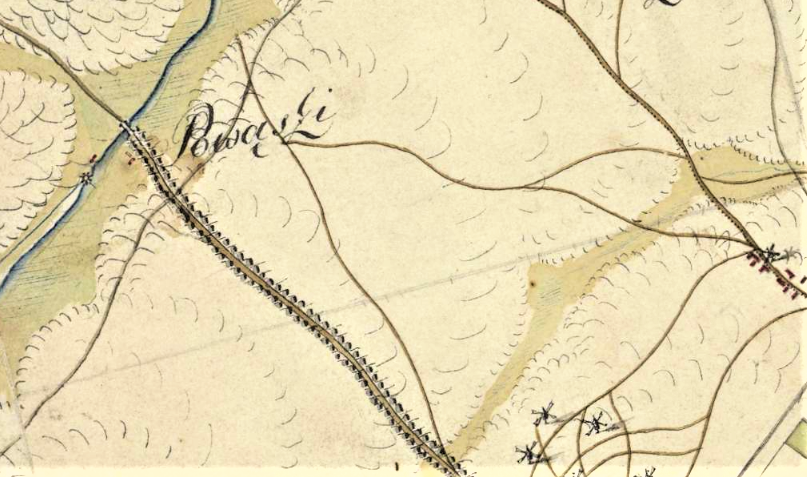
On December 18–19, 1944, German forces demolished the palace following the Warsaw Uprising, erasing a vital landmark (wikipedia). The vacant site became a symbol of loss and resilience.
The Reconstruction Movement
Postwar debates culminated in the early 21st century with legislative support and a two-stage architectural competition. The WXCA studio’s winning design aims to restore the palace’s 1939 appearance, incorporating modern ecological standards (architekturaibiznes.pl).
Brühl Palace Reconstruction: Vision and Progress
- Project Scope: Restoration of Brühl and Saxon Palaces, plus historic Królewska Street townhouses.
- Winning Design: WXCA studio, announced in 2023.
- Uses: The palace will house the Senate Chancellery, Mazovian Provincial Office, and cultural exhibition spaces. Ground-floor commercial spaces will revive Królewska Street’s historic vibrancy (whitemad.pl).
- Timeline: Archaeological work began in 2023; main construction starts in 2025; completion anticipated by 2030 (civil engineering magazine).
- Budget: Approx. PLN 2.45 billion (€540 million as of 2025).
- Design Philosophy: Includes an "In Memoriam" break in the structure, exposing the Tomb of the Unknown Soldier and honoring wartime losses.
Current Visitor Experience
Observation Points
Visitors can walk around Piłsudski Square, view the palace site from designated spots, and explore educational displays detailing the palace’s history and reconstruction process.
Archaeological Discoveries
Ongoing excavations have revealed remarkable finds, such as a fragment of the Royal Castle’s stone plaque in the palace’s cellars (whitemad.pl). These discoveries are occasionally exhibited or transferred to nearby museums.
Photography and Tips
- Best Photo Opportunities: The palace site, Tomb of the Unknown Soldier, Saxon Garden, and Piłsudski Square.
- Recommended Visit Duration: 1–2 hours to explore observation points and nearby landmarks.
- Amenities: On-site facilities are limited during reconstruction, but nearby cafés and restrooms are available.
Cultural and Symbolic Importance
Brühl Palace is a linchpin of Warsaw’s architectural and historical landscape. Its restoration is a profound act of cultural memory and national pride, reconnecting the city’s pre-war urban axis and commemorating both loss and renewal (britishpoles.uk).
Frequently Asked Questions (FAQ)
Q: Can I visit inside Brühl Palace now?
A: No, the palace is closed for reconstruction. Observation points around the site are accessible.
Q: Are guided tours available?
A: Walking tours of the surrounding area often include information on the palace. Interior tours will commence after reopening.
Q: What are the visiting hours?
A: Observation areas are accessible during daylight; interior hours will be set post-reconstruction.
Q: Are tickets required?
A: No tickets are currently needed. Details for future ticketing will be announced.
Q: Is the site wheelchair accessible?
A: Yes, the square and observation areas are accessible.
Q: What else can I see nearby?
A: Tomb of the Unknown Soldier, Saxon Garden, Royal Castle, Presidential Palace, and Warsaw Old Town.
Travel Tips and Recommendations
- Combine your visit to Brühl Palace with a stroll through Saxon Garden and Piłsudski Square.
- Check the official project website for updates on events and reconstruction milestones.
- Consider joining city walking tours for deeper historical context.
- Respect all posted safety and site access guidelines.
Summary: Key Points & Final Thoughts
Brühl Palace is more than an architectural landmark—it encapsulates Poland’s journey through grandeur, adversity, and renewal. Its reconstruction reflects a commitment to historical authenticity, accessibility, and public engagement. While the palace’s interiors remain closed, visitors can engage with Warsaw’s complex past and its optimistic future by exploring the site, neighboring monuments, and educational displays.
Stay informed on progress and plan your future visit via the official sources:
Brühl Palace invites all to witness the revival of a city’s heart, where history, culture, and civic life converge.
Listen to the full story in the app
The whole Brühl Palace, Warsaw,
told well.
Audio guides for 1,100+ cities across 96 countries. History, stories, and local insight — offline ready.
Verified, and shown.
Researched and written by the Audiala editorial team from historical records, architectural archives, and local expertise.
Researched from Wikidata, Wikipedia & official sources · fact-checked · How we make our guides →