Plan and listen to Bródno Jewish Cemetery with Audiala.
Audio guide in your pocket, itinerary in your browser. Built for the way you actually visit.
Introduction
The Bródno Jewish Cemetery is the oldest surviving Jewish burial ground in Warsaw and a powerful testament to centuries of Jewish life, loss, and resilience in Poland’s capital. Established in 1780, the cemetery has witnessed the city’s Jewish community flourish, endure unimaginable devastation during the Holocaust, and experience renewed efforts at remembrance and preservation in the 21st century. This guide provides a comprehensive overview of the cemetery’s historical significance, architectural features, restoration projects, and practical visitor information, including hours, tickets, accessibility, and tips for a respectful and meaningful visit (Jewish Heritage Europe; WarsawTour; Folkways Today).
Establishment and Growth (1780–19th Century)
Founded in 1780 in Warsaw’s Praga district (15 św. Wincentego Street), the Bródno Jewish Cemetery was established to serve the burial needs of a rapidly expanding Jewish community, which by the 19th century had become one of Europe’s largest. Initially modest in size, the cemetery was repeatedly expanded as the city’s Jewish population grew, eventually covering over 12 hectares and accommodating more than 250,000 interments (Jewish Heritage Europe). Bródno became the primary burial ground for the city’s poorer Jews, while wealthier families often chose the Okopowa Street Jewish Cemetery.
20th Century Challenges and Wartime Destruction
By the early 20th century, Bródno was already showing signs of decline as burial practices shifted and the Okopowa Street Cemetery grew in prominence. The outbreak of World War II brought catastrophic loss. Under Nazi occupation, the cemetery suffered severe desecration—headstones were uprooted and used as building materials, and the grounds became overgrown and neglected. The postwar Communist regime showed little interest in Jewish heritage, leading to further decay and loss (Jewish Heritage Europe; Folkways Today).
Postwar Neglect and Recent Restoration
After the Holocaust, with the Jewish community decimated, the cemetery languished for decades. Many headstones vanished, boundaries were breached, and the site became overgrown. A turning point came in 2012, when ownership was returned to the Jewish Community of Warsaw. Significant financial investment and restoration followed: perimeter fences and gates were restored, the Bet Almin visitor center was created, and documentation of surviving gravestones began (WarsawTour; Jewish Community of Warsaw).
Architectural and Cultural Features
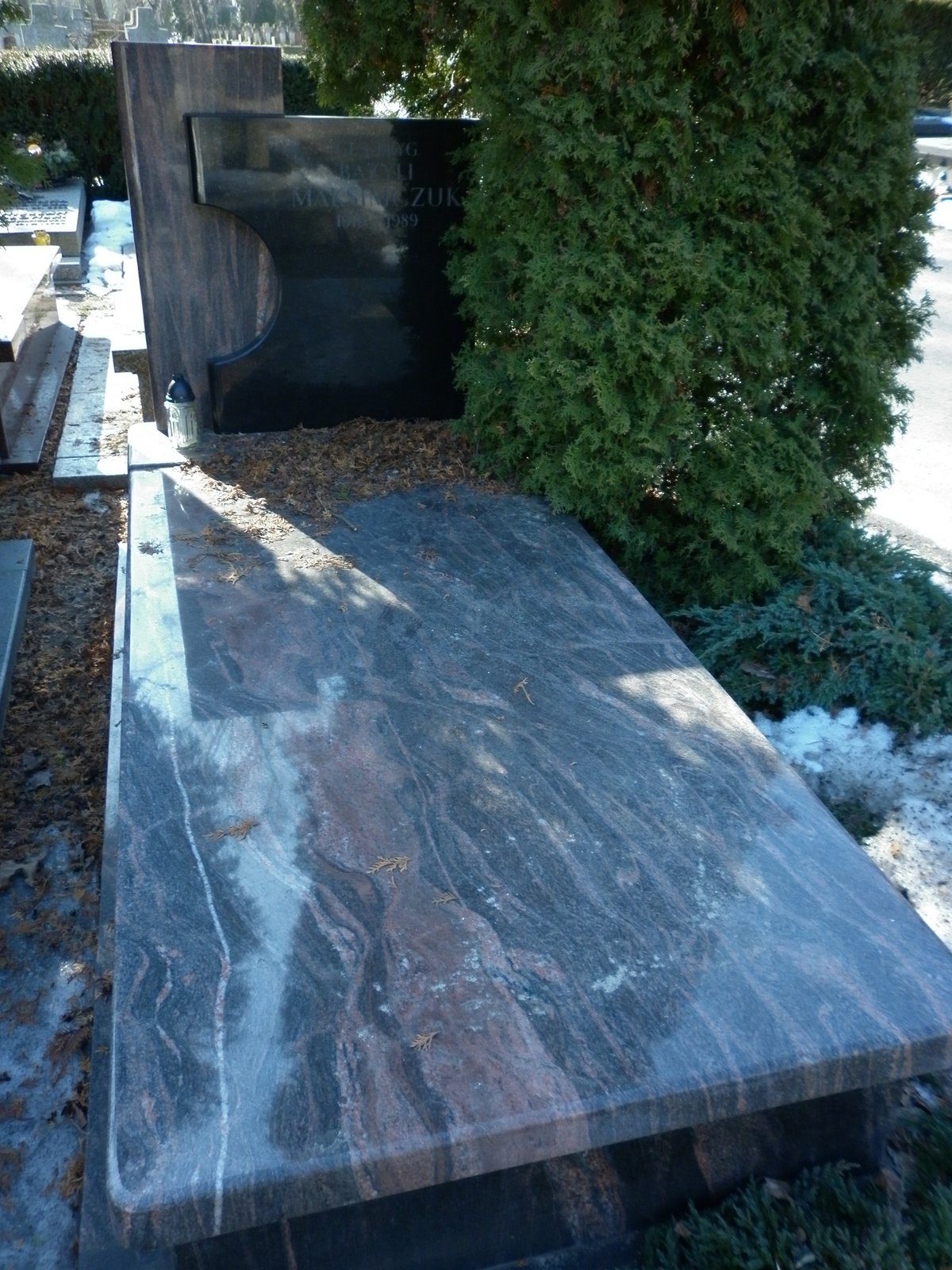
Bródno’s gravestones (matzevot) date from the 18th and 19th centuries and reflect a range of Jewish artistic traditions. Most are simple and upright, with Hebrew, Yiddish, or Polish inscriptions. Some bear symbolic carvings: hands (for priests), broken candles (lives cut short), lions (the tribe of Judah), and more. The cemetery contains ohels (small mausoleums) for prominent rabbis and communal leaders, and separate sections for children or religious societies. Although many stones are now missing or unreadable, the site remains a “forest of memory” and a testament to the diversity of Warsaw’s Jewish community (Jewish Heritage Europe).
The Bet Almin Visitor Center
Opened in 2018, the Bet Almin (House of Eternity) visitor center and permanent exhibition serves as the cemetery’s educational hub. The center presents Jewish funerary traditions and the history of Bródno through text, photographs, and maps, in both Polish and English. It marks a crucial step in reclaiming the cemetery as a space for memory and public education (Jewish Heritage Europe).
Visiting Information
Location & Directions
- Address: 15 św. Wincentego Street, Praga district, Warsaw.
- Public transport: Accessible via tram and bus lines, with nearby stops at Św. Wincentego, Targowa, Bródno, and Kondratowicza. Limited parking is available for drivers.
Opening Hours
- Standard hours: Typically open Tuesday to Friday, 9:00 AM – 4:00 PM, and Sundays, 10:00 AM – 3:00 PM.
- Closed: Saturdays (Shabbat) and Jewish holidays.
- Note: Hours may vary due to restoration or special events—always verify on the Jewish Community of Warsaw website or official Facebook page before visiting.
Admission & Tickets
- Admission: Free of charge for individual visitors; donations are encouraged to support restoration.
- Group visits & tours: May require advance booking and a nominal fee; check with the Jewish Community of Warsaw.
Accessibility
- The cemetery’s terrain is uneven and overgrown in places, making access challenging for those with mobility impairments.
- Some pathways are paved; assistance can be arranged by contacting the visitor center in advance.
Guided Tours
- Guided tours are available by prior arrangement through the Jewish Community of Warsaw or local Jewish heritage organizations.
- Tours offer in-depth historical context and highlight notable burials and cultural features.
Site Conditions and Visitor Tips
- Wear sturdy footwear: Expect uneven and sometimes muddy ground.
- Prepare for minimal facilities: No on-site restrooms or refreshments; bring water and essentials.
- Dress respectfully: Modest dress is recommended; men should cover their heads in accordance with Jewish tradition.
- Photography: Permitted, but should be done respectfully and discreetly.
- Navigation: Many gravestones are difficult to read; signage is limited—pre-visit research is helpful.
Safety and Respectful Conduct
- Safety: Visit during daylight hours and consider coming with a companion.
- Respect: Do not disturb graves, remove objects, or litter. Avoid bringing pets.
- Security: While restoration has improved conditions, occasional reports of vandalism or inappropriate activity persist—remain vigilant and respectful (Folkways Today).
Preservation Efforts and Future Prospects
Despite restoration milestones, Bródno still faces challenges: overgrown areas, incomplete documentation, and limited funding. The Jewish Community of Warsaw, supported by organizations like the Nissenbaum Family Foundation, continues to work on cataloguing gravestones, maintaining the grounds, and expanding educational outreach. Visitors can support these efforts through donations and by spreading awareness (Jewish Heritage Europe; Jewish Community of Warsaw).
Frequently Asked Questions (FAQ)
Q: What are the current opening hours?
A: Tuesday–Friday, 9:00 AM – 4:00 PM; Sunday, 10:00 AM – 3:00 PM. Closed Saturdays and Jewish holidays. Hours may change—verify before visiting.
Q: Is there an entrance fee?
A: Admission is free; donations are appreciated.
Q: Are guided tours available?
A: Yes, by advance arrangement with the Jewish Community of Warsaw or partner organizations.
Q: Is the cemetery wheelchair accessible?
A: Only partially. Terrain is uneven; contact in advance to discuss accessibility options.
Q: Can I take photographs?
A: Yes, but please do so respectfully.
Q: How do I get there by public transport?
A: Use trams or buses to Św. Wincentego, Targowa, Bródno, or Kondratowicza stops.
Q: Are there restrooms or other amenities?
A: No on-site facilities; plan accordingly.
Listen to the full story in the app
The whole Bródno Jewish Cemetery,
told well.
Audio guides for 1,100+ cities across 96 countries. History, stories, and local insight — offline ready.

Verified, and shown.
Researched and written by the Audiala editorial team from historical records, architectural archives, and local expertise.
Researched from Wikidata, Wikipedia & official sources · fact-checked · How we make our guides →