Plan and listen to Bem'S Fort with Audiala.
Audio guide in your pocket, itinerary in your browser. Built for the way you actually visit.
Introduction to Bem’s Fort
Bem’s Fort, also known as Fort Bema, stands as a unique symbol of Warsaw’s layered history and adaptive urban development. Built in the late 19th century as part of the Warsaw Fortress system under Russian rule, it was designed to defend the city against external threats. Named after General Józef Bem, a revered Polish national hero, the fort is an outstanding example of 19th-century military architecture, featuring earthworks, moats, casemates, and underground tunnels. Over time, this formidable fortress has transformed into a beloved public park and cultural landmark, blending Warsaw’s historic past with a vibrant present.
Whether you are a history enthusiast, a family seeking outdoor recreation, or a casual visitor interested in Warsaw’s evolving landscape, Bem’s Fort offers a compelling mix of historical intrigue, green space, and community amenities. Below, you’ll find a comprehensive guide to its history, architectural features, visiting hours, ticketing, accessibility, nearby attractions, and practical tips for planning your visit.
For more historical context, see Warsaw Fortress - Wikipedia and an academic exploration of the site’s urban reintegration (Protection and reintegration of Warsaw Fortress in terms of intensive urban development).

Origins and Construction
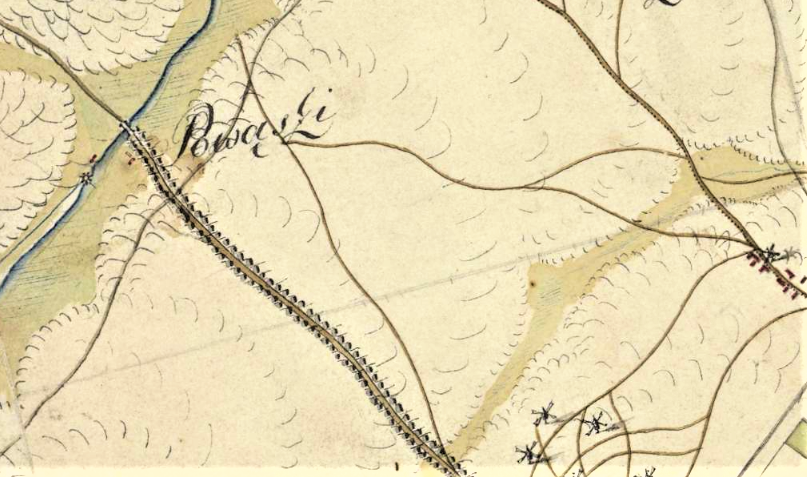
Bem’s Fort was constructed between 1883 and 1890 as Fort Parysów, a key element of the Warsaw Fortress’s second defensive ring. Built by the Russian Empire, its strategic location in the Bemowo district helped guard western approaches to the city. The fort’s polygonal structure, robust earthworks, brick casemates, and moats illustrate late 19th-century advances in military engineering (Fort Bema - Wikipedia).
Naming and Evolution
After Poland regained independence in 1918, the fort was renamed in 1921 after General Józef Bem, a national hero renowned for his role in the November Uprising. Over the decades, the fort’s military role faded due to changing warfare technology. During World War II, it served as a German military depot, and after the war, it was used by the Polish Army before being decommissioned and gradually integrated into the urban environment as a public park.
Cultural and Historical Significance
The fort’s association with Polish independence and resilience, alongside its rare surviving military structures, makes it an important cultural and educational site. Its transformation into a recreational park exemplifies adaptive reuse, offering both a tangible link to Warsaw’s turbulent history and a vibrant space for community life (Warsaw's Culture, Traditions, History, Customs & Festivals).
Architectural Features and Conservation
Fortification Design
- Central Redoubt: The fort’s heart, protected by thick embankments.
- Moat System: Defensive ditches, some still visible today.
- Casemates and Magazines: Brick structures for ammunition and shelter.
- Poterne: Underground tunnels for movement and defense.
Much of this military infrastructure remains, though some sections—particularly interiors—are inaccessible for safety reasons.
Adaptive Urban Integration
Since the early 2000s, Bem’s Fort has undergone revitalization to become a green oasis within Warsaw. Restoration efforts cleared overgrown moats, improved pathways, and integrated surrounding residential and recreational developments. The fort is now a model of how historic military sites can serve contemporary urban communities (Protection and reintegration of Warsaw Fortress in terms of intensive urban development).
Conservation Challenges
While many original features remain, ongoing challenges include balancing urban development with preservation and expanding safe public access, especially to interior chambers and tunnels.
Visiting Bem’s Fort: Practical Information
Location
- Address: ul. Waldorffa, Bemowo district, Warsaw, Poland
- Getting There:
- Public Transport: Bus lines 122, 171, 201, and tram stops “Fort Bema” or “Obrońców Tobruku” are nearby.
- Car: Parking available at ul. Waldorffa (free, but can be limited on weekends) (Mikrowyprawy z Warszawy).
- Bicycle: Connected to Warsaw’s city bike network.
Visiting Hours
- The park and fort grounds are open year-round, 24 hours a day. There are no gates or fences.
- Best visited during daylight for safety and to enjoy all amenities.
Tickets and Admission
- General Admission: Free for all visitors; no ticket required for park and fort exterior access (Pineqone: Bem’s Fort Attraction Page).
- Guided Tours: Occasional paid tours are offered by local organizations—check the Bemowo District Official Website for schedules.
Accessibility and Facilities
- Paths: Main routes are paved and wheelchair accessible; some earthwork areas are uneven.
- Restrooms: Available near the playground and main entrances; equipped for disabled visitors.
- Parking: Street and lot parking at ul. Waldorffa; accessible parking varies (Go2Warsaw).
- Dog Policy: Dogs are welcome on leashes; waste bins provided.
Amenities
- Playground: Large, fort-themed, and family-friendly.
- Sports: Football fields, basketball courts, and a skatepark.
- Picnic Areas: Benches, tables, and green lawns; barbecuing in designated areas only.
- Café: Seasonal, near playground; other dining options nearby.
What to See and Do
- Explore Fort Remnants: Walk the preserved moats, ramparts, and brick structures. Informational plaques offer historical details.
- Enjoy the Park: 60 hectares of meadows, gardens, and mature trees ideal for relaxation, cycling, or jogging.
- Family Activities: The playground is one of Warsaw’s largest, with climbing walls, slides, and rope bridges.
- Nature and Wildlife: Birdwatching and scenic walks in a surprisingly biodiverse urban setting.
- Photography: The star-shaped fort layout, moats, and playground are photogenic—especially at sunrise or sunset.
Guided Tours and Events
- Self-Guided Visits: English and Polish signage is present.
- Guided Tours: Organized periodically by local groups—see Bemowo District Official Website.
- Events: Open-air concerts, festivals, and historical reenactments are held seasonally; check local schedules.
Nearby Attractions
- Warsaw Citadel: Explore the city’s central fortress (Warsaw Citadel - Wikipedia).
- Powązki Military Cemetery: A major historical and cultural site.
- Warsaw Uprising Museum: Learn about the city’s WWII resistance (Warsaw Uprising Museum - Wikipedia).
- Other Parks: Additional forts and green spaces in Bemowo and broader Warsaw.
Frequently Asked Questions (FAQ)
Q: What are Bem’s Fort visiting hours?
A: The park and fort grounds are open 24/7 year-round; daylight visits are recommended.
Q: Is there an entry fee?
A: No, entry is free for all visitors.
Q: Are guided tours available?
A: Yes, but only occasionally—check Bemowo District Official Website for dates and information.
Q: Is Bem’s Fort accessible for wheelchair users?
A: Main paths are accessible, but some historic zones are uneven.
Q: Can I bring my dog?
A: Yes, leashed dogs are welcome.
Q: Is photography allowed?
A: Yes, for personal use. Drones may be subject to aviation regulations.
Visitor Tips
- Best Season: Late spring to early autumn for pleasant weather and lush scenery.
- What to Bring: Comfortable shoes, weather-appropriate clothing, water/snacks, and a camera.
- Safety: Supervise children near embankments and historic structures.
- Crowds: Weekends are busiest, especially at the playground.
- Signage: Mainly in Polish; basic English is commonly spoken in the area.
For further trip-planning tips, see Where and When: Best Time for Warsaw.
Summary
Bem’s Fort is an exceptional destination that fuses Warsaw’s military history with modern community life. Free, year-round access, diverse amenities, and proximity to other attractions make it ideal for history buffs, families, and urban explorers alike. Plan your visit during daylight, explore its unique features, and check the Bemowo District Official Website for updates on guided tours and special events.
Enhance your experience with an audio guide from Audiala and consider extending your exploration to Warsaw’s other historic and cultural sites.
Listen to the full story in the app
The whole Bem'S Fort,
told well.
Audio guides for 1,100+ cities across 96 countries. History, stories, and local insight — offline ready.
Verified, and shown.
Researched and written by the Audiala editorial team from historical records, architectural archives, and local expertise.
Researched from Wikidata, Wikipedia & official sources · fact-checked · How we make our guides →