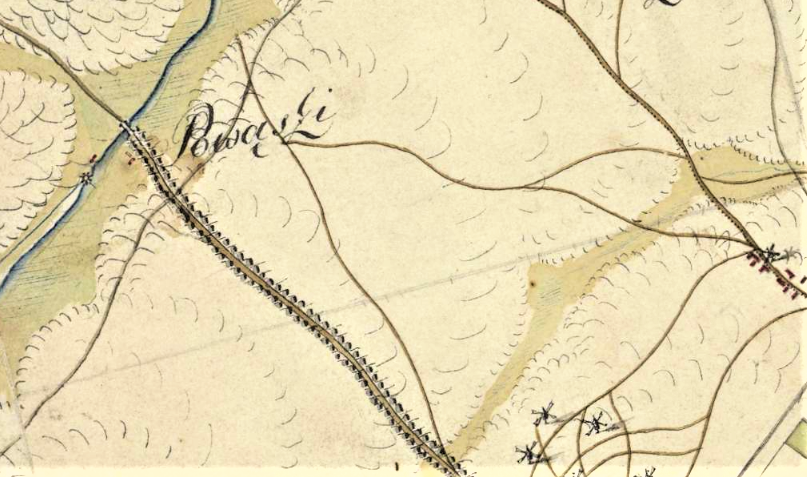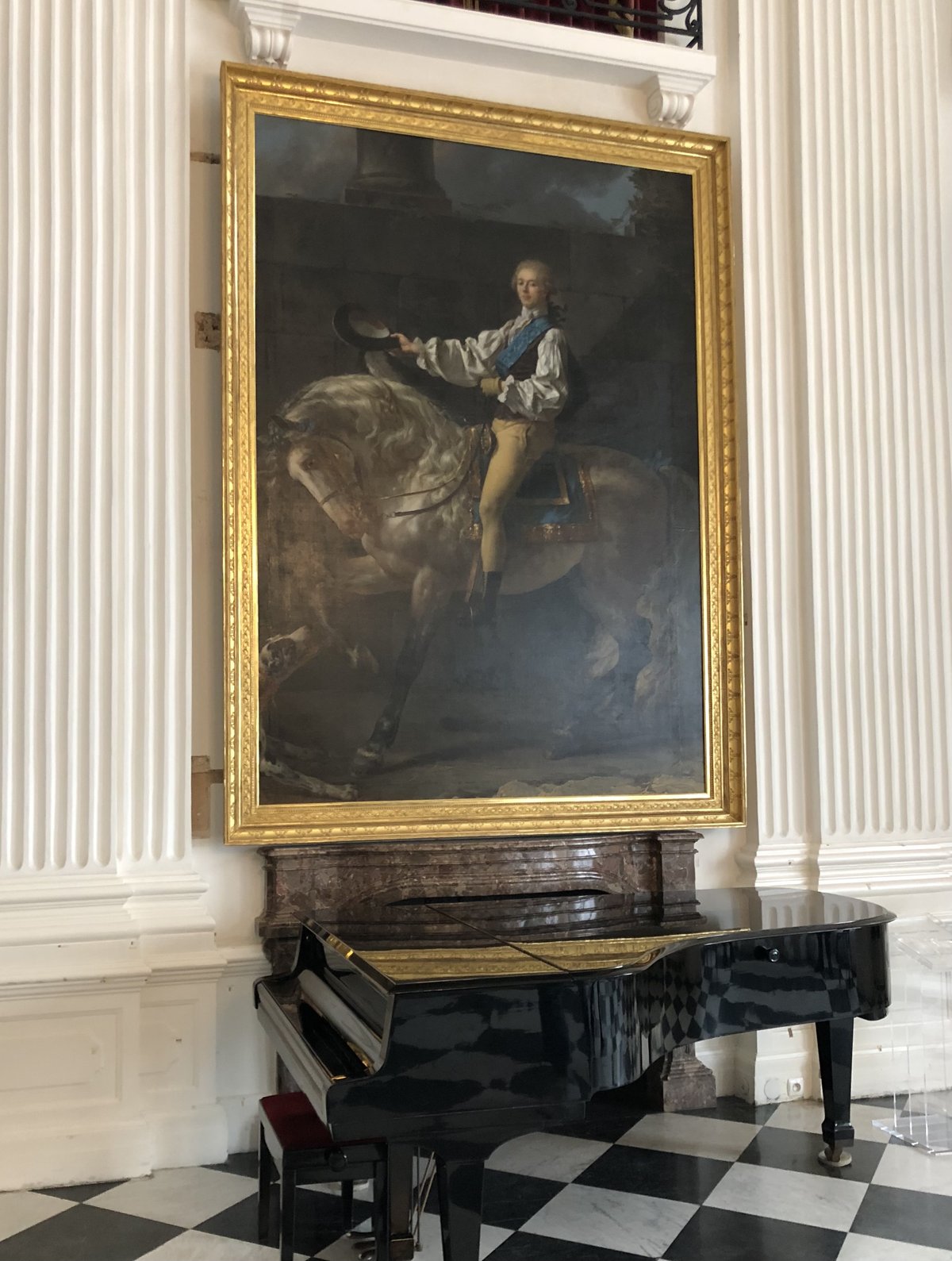
Plan and listen to Belweder with Audiala.
Audio guide in your pocket, itinerary in your browser. Built for the way you actually visit.
Introduction
Belweder Palace in Warsaw, Poland, stands as a powerful symbol of Polish history, political heritage, and architectural elegance. Perched on an escarpment overlooking the verdant Łazienki Park, its name—taken from the Italian “bel vedere” (meaning “beautiful view”)—reflects both its scenic prominence and its lasting cultural significance. Constructed in the early 19th century on the foundations of earlier residences, Belweder has been home to royalty, viceroys, and presidents. It has witnessed Poland’s partitions, uprisings, occupations, and rebirth, making it one of the most important historical sites in Warsaw.
This guide provides a thorough overview of Belweder Palace’s history, architecture, visitor information, ticketing, accessibility, and practical tips. Whether you are a history enthusiast or a curious traveler, use this resource to plan your visit and deepen your appreciation for this iconic landmark. For further historical context, see Accidentally Wes Anderson, Traces of War, and The Unique Poland.
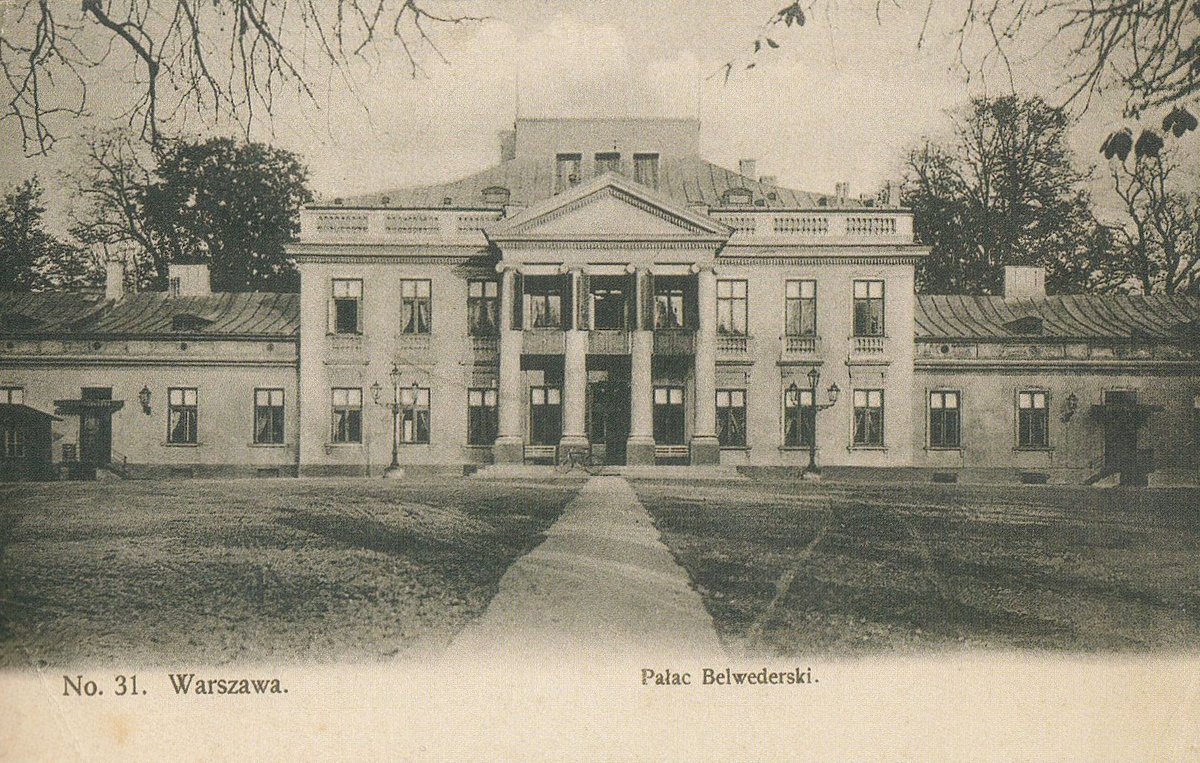
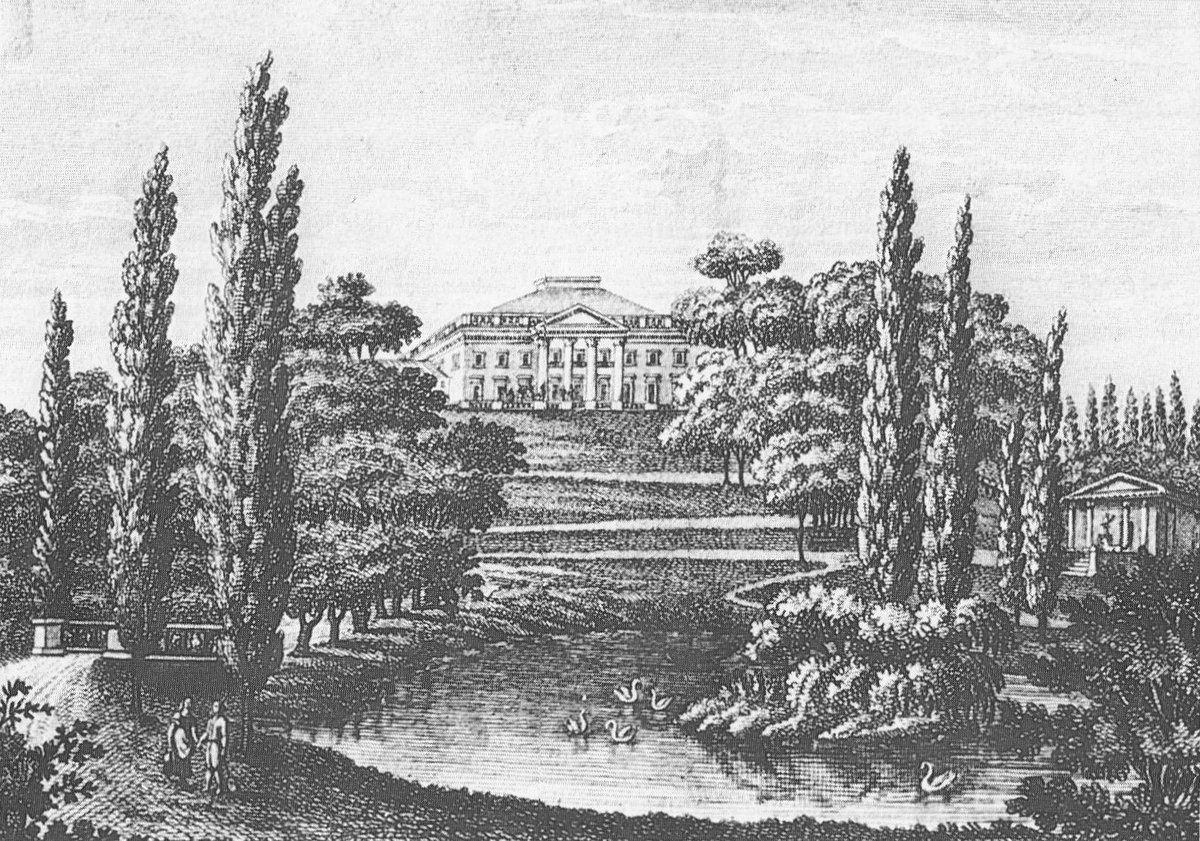
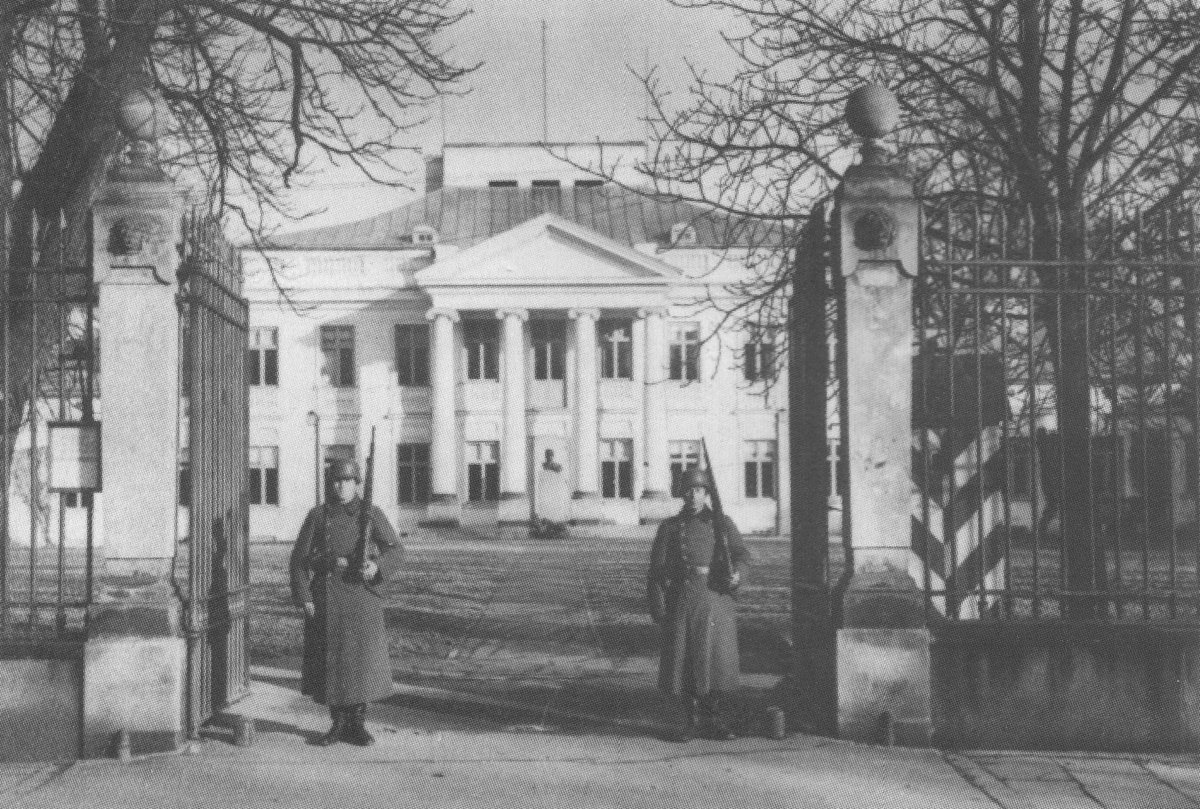
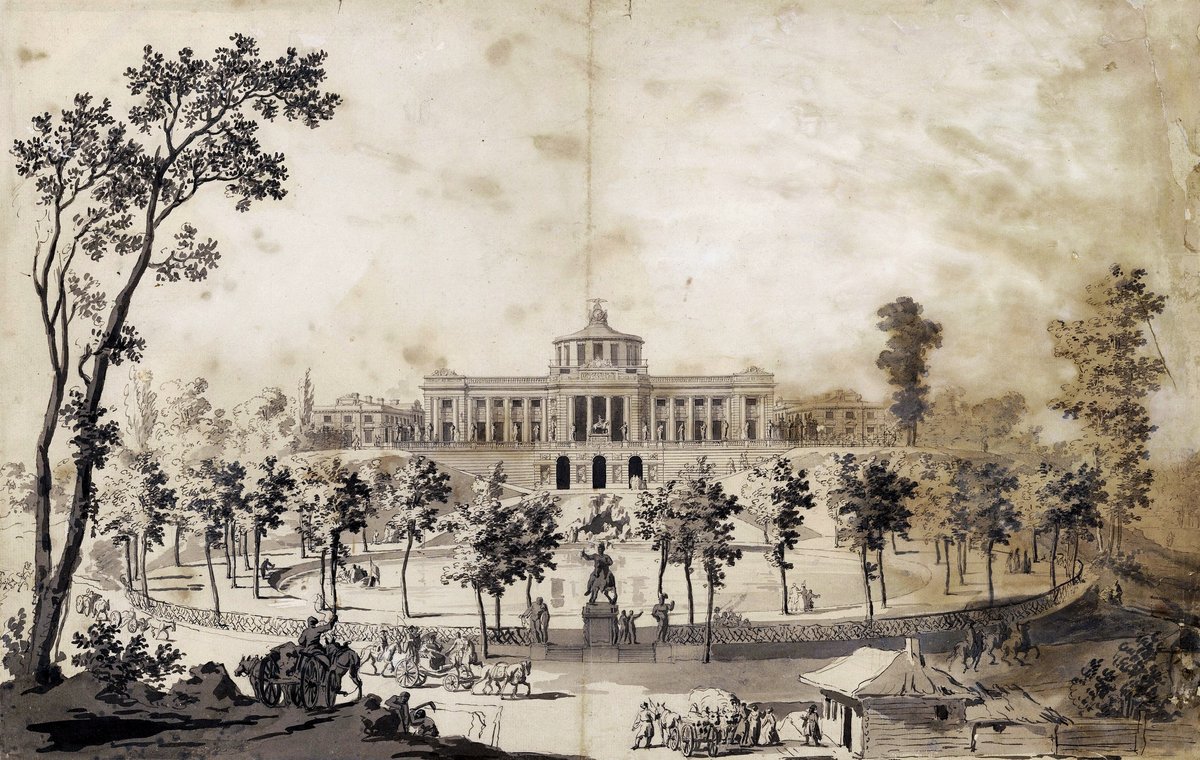
Origins and Early History
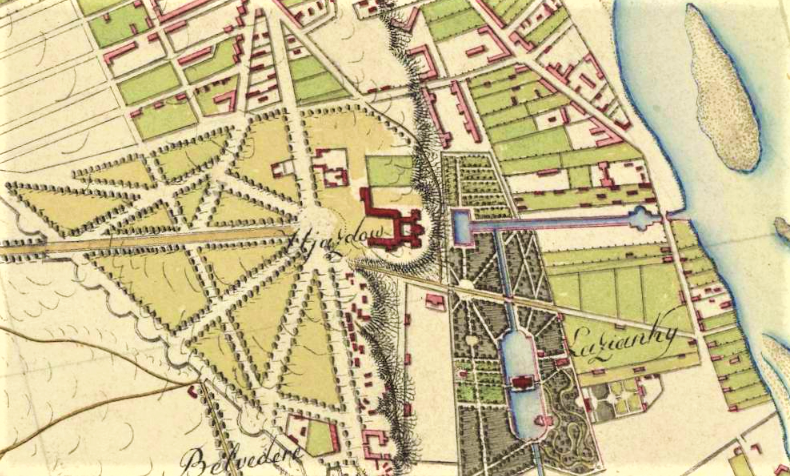
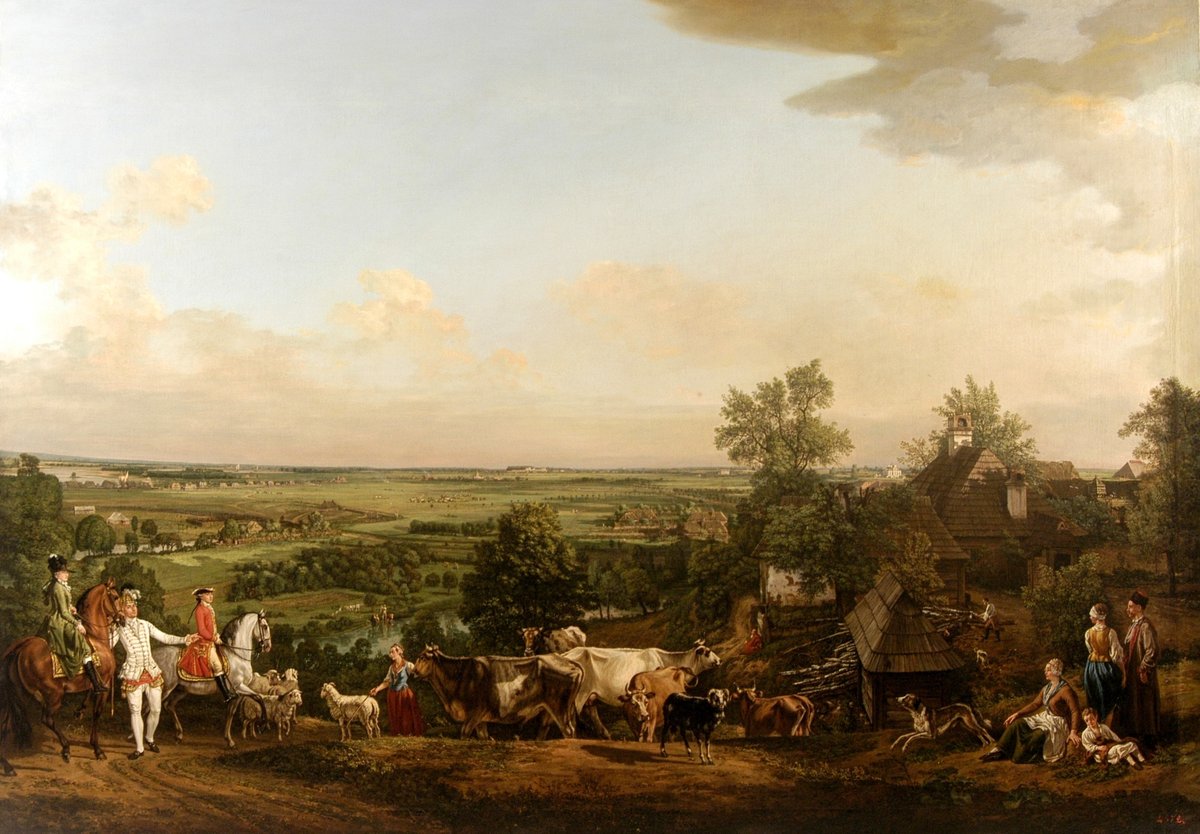
Belweder Palace’s origins trace back to the 16th century, when a manor existed on the site. The name “Belweder” indicates its “beautiful view” over the Royal Łazienki Park (Accidentally Wes Anderson). By the late 18th century, the last Polish king, Stanisław August Poniatowski, incorporated Belweder into his summer residence complex, repurposing it as a porcelain factory—a reflection of Enlightenment interest in the fine arts (Accidentally Wes Anderson).
The current neoclassical form of the palace was conceived between 1819 and 1822 by architect Jakub Kubicki. The palace’s architectural development reflects the tastes of Poland’s nobility and the changing fortunes of the nation.
Architectural Evolution
Belweder Palace is a prime example of neoclassical architecture in Poland. The main façade features Ionic porticoes supported by slender columns, a symmetrical layout, and restrained decorative elements—hallmarks of the classicist movement (Culture.pl). The palace is set atop a 25-meter-high escarpment, affording panoramic views of Łazienki Park and the city.
Key features include:
- Symmetrical façade with central and rear porticoes
- Elegant white plaster exterior and balanced proportions
- Manicured gardens and terraces blending seamlessly into the park
- Minimalist ornamentation emphasizing architectural purity
The palace’s interior, though mostly inaccessible to the public, retains its classicist character with high ceilings, marble fireplaces, decorative plasterwork, and period furnishings.
Political and Cultural Significance
Belweder has been at the epicenter of Polish politics for over two centuries. After its acquisition by the Polish government in 1818, it became the residence of Grand Duke Constantine, Russian viceroy of the Kingdom of Poland. The palace played a dramatic role during the November Uprising of 1830, when Polish cadets attempted to seize Constantine, who famously escaped through a secret passage (Accidentally Wes Anderson).
In the early 20th century, following Poland’s independence in 1918, Belweder became the official residence of Marshal Józef Piłsudski. The palace’s association with Piłsudski cemented its status as a symbol of Polish sovereignty and resilience (The Unique Poland).
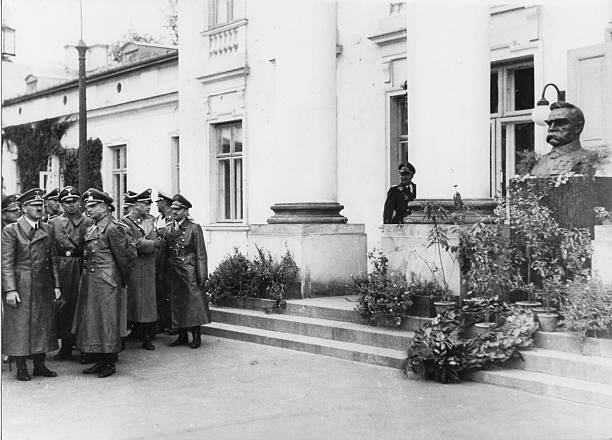
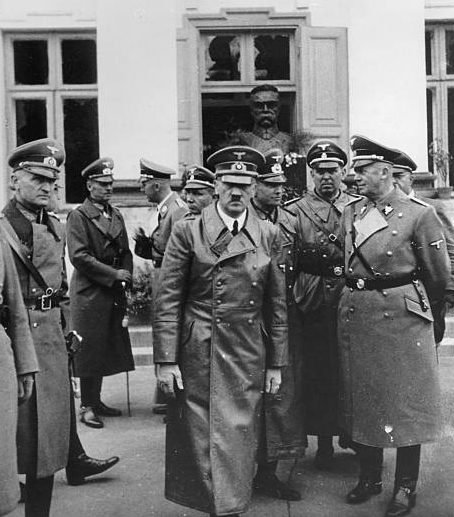
During the Nazi occupation of Warsaw in World War II, the palace was remodeled for Hans Frank, the Nazi Governor-General, and even visited by Adolf Hitler (Traces of War). After the war, Belweder served as the seat of the Council of State during the communist era and returned to prominence as the residence of Polish presidents in the Third Republic.
Today, Belweder remains a venue for state ceremonies, receptions, and official events, highlighting its enduring role in Polish political and cultural life.
Notable Events and Residents
- Grand Duke Constantine Pavlovich: Russian viceroy and a central figure during the November Uprising.
- Marshal Józef Piłsudski: Chief of State and national hero, whose residence at Belweder is commemorated through exhibitions and memorials.
- Hans Frank: Nazi Governor-General, whose wartime occupation of the palace marks one of the darkest chapters in its history.
- Postwar Leaders: The palace has hosted presidents, dignitaries, and important state events throughout the modern era (Accidentally Wes Anderson; Traces of War).
Visiting Belweder Palace
Visiting Hours and Tickets
Belweder Palace is not open for daily public visits due to its ongoing governmental role. However, guided tours are available for organized groups (minimum 15 people) by prior arrangement, typically Monday to Friday from 9:00 AM to 3:00 PM (In Your Pocket). Individual visitors can admire the palace exterior and gardens at any time; the surrounding park is open daily.
- Admission: There is no fee for group tours, but advance booking is required via email at [email protected] (Presidential Palace).
- Current policies: Always check the official website for up-to-date visitor information and potential special openings.
Accessibility
- Exterior and Gardens: Fully accessible, with paved paths in Łazienki Park suitable for wheelchairs and strollers.
- Interior: Accessibility is limited and depends on tour arrangements. Contact the palace in advance for specific needs (In Your Pocket).
Guided Tours and Special Events
- Group tours: Include highlights such as the Marshal Józef Piłsudski exhibition, the Blessed Virgin Mary Chapel, and the Virtuti Militari Cabinet (SpottingHistory; The Unique Poland).
- Special openings: Occasionally, the palace may open for national holidays or cultural events—check the official site for announcements.
Photography and Visitor Tips
- Photography: Allowed in the gardens and exterior. For interiors, follow your guide’s instructions.
- Best time to visit: Early mornings or evenings for optimal lighting and fewer crowds. The palace is beautifully illuminated at night (The Unique Poland).
- Travel: Easily accessible by tram, bus, or a walk through Łazienki Park. Parking is limited.
Nearby Attractions
- Łazienki Park: Warsaw’s largest park, home to palaces, pavilions, and the Chopin Monument.
- Ujazdów Castle: Historic castle and cultural center located nearby.
- Royal Route: Prestigious avenue lined with palaces and historic sites (The Unique Poland).
Preservation and Contemporary Role
Belweder Palace has undergone meticulous restorations following periods of war and political upheaval. Today, the palace is both an operational venue for state functions and a symbol of Poland’s national heritage. While access is limited, its presence in Poland’s cultural consciousness remains strong, and its gardens and park setting make it a popular spot for both locals and tourists.
Frequently Asked Questions (FAQ)
Q: Can individual tourists visit the interior of Belweder Palace?
A: Interior access is limited to organized groups (minimum 15 people) with prior booking. Individual visitors can explore the gardens and exterior.
Q: How do I book a group tour?
A: Email the palace at [email protected]. Book well in advance.
Q: Is the palace accessible for people with disabilities?
A: The park and gardens are accessible. Interior access may be limited; inquire when booking (In Your Pocket).
Q: Are there entrance fees?
A: Group tours are free, but prior booking is required.
Q: Can I take photos?
A: Yes, in public areas. For interiors, follow guide instructions.
Q: What are other nearby sites to visit?
A: Łazienki Park, Ujazdów Castle, and the Royal Route are recommended.
Listen to the full story in the app
The whole Belweder,
told well.
Audio guides for 1,100+ cities across 96 countries. History, stories, and local insight — offline ready.

Verified, and shown.
Researched and written by the Audiala editorial team from historical records, architectural archives, and local expertise.
Researched from Wikidata, Wikipedia & official sources · fact-checked · How we make our guides →