Plan and listen to Bank Square with Audiala.
Audio guide in your pocket, itinerary in your browser. Built for the way you actually visit.
Introduction
Bank Square (Plac Bankowy) is a cornerstone of Warsaw’s historic and cultural landscape. Located in the heart of Poland’s capital, the square offers a compelling mix of neoclassical architecture, modern urban renewal, and deep-rooted historical significance. From its 18th-century origins as part of the grand Saxon Axis to its role in Poland’s political milestones and ongoing transformation, Bank Square stands as a testament to Warsaw’s resilience and evolving identity. This guide provides a detailed overview of Bank Square’s history, key attractions, visiting tips, and practical information to ensure an enriching visit—whether you’re a history enthusiast, cultural explorer, or first-time traveler to Warsaw.
For the latest updates and official details, refer to resources like the Warsaw Tourism website, Plac Bankowy 1, and In Your Pocket.

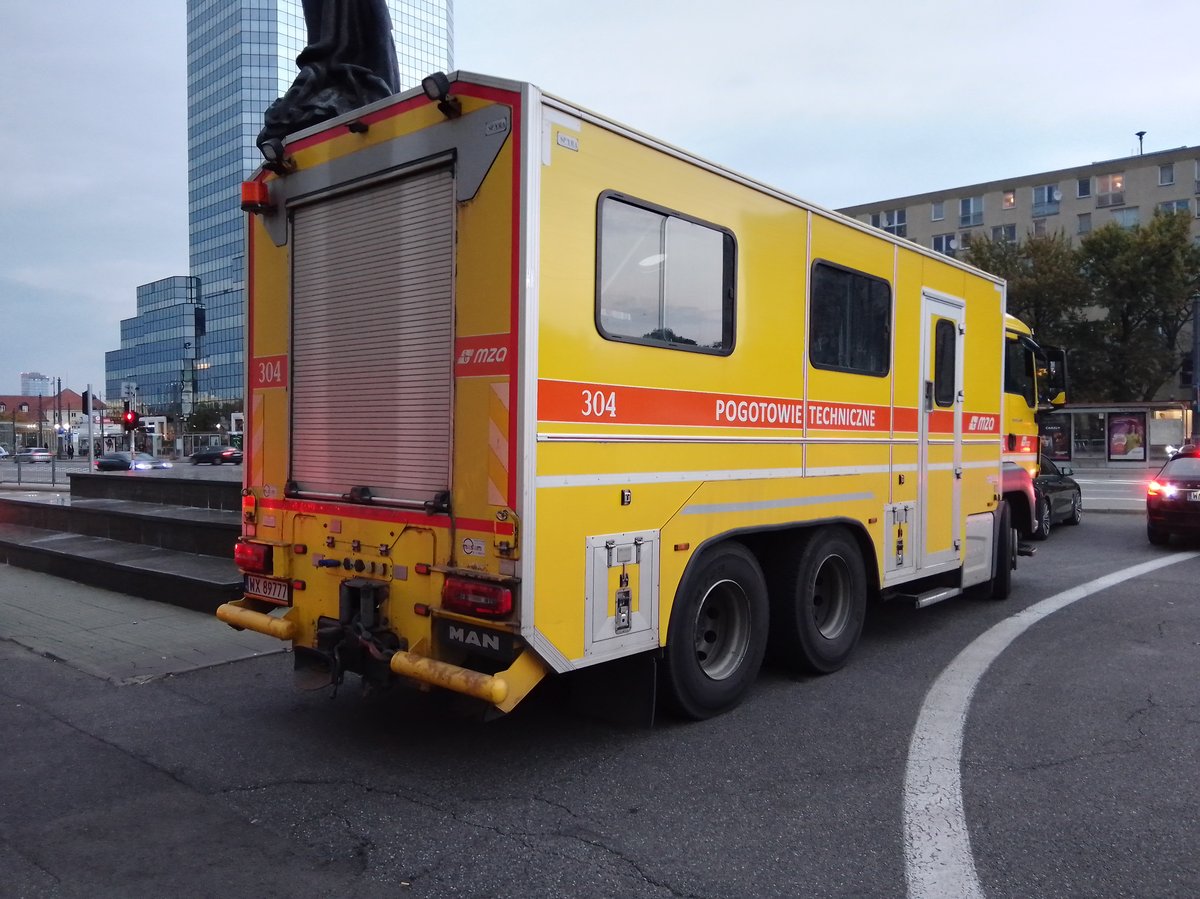
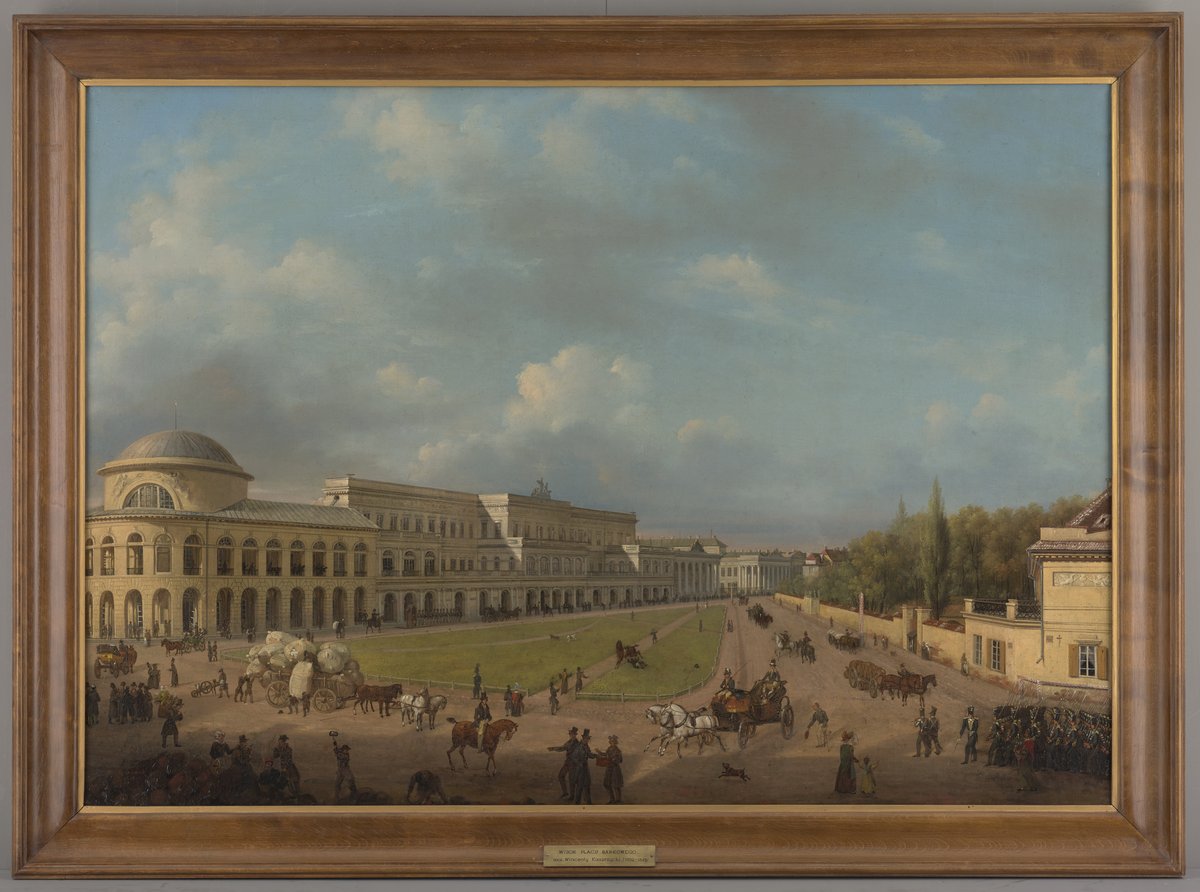
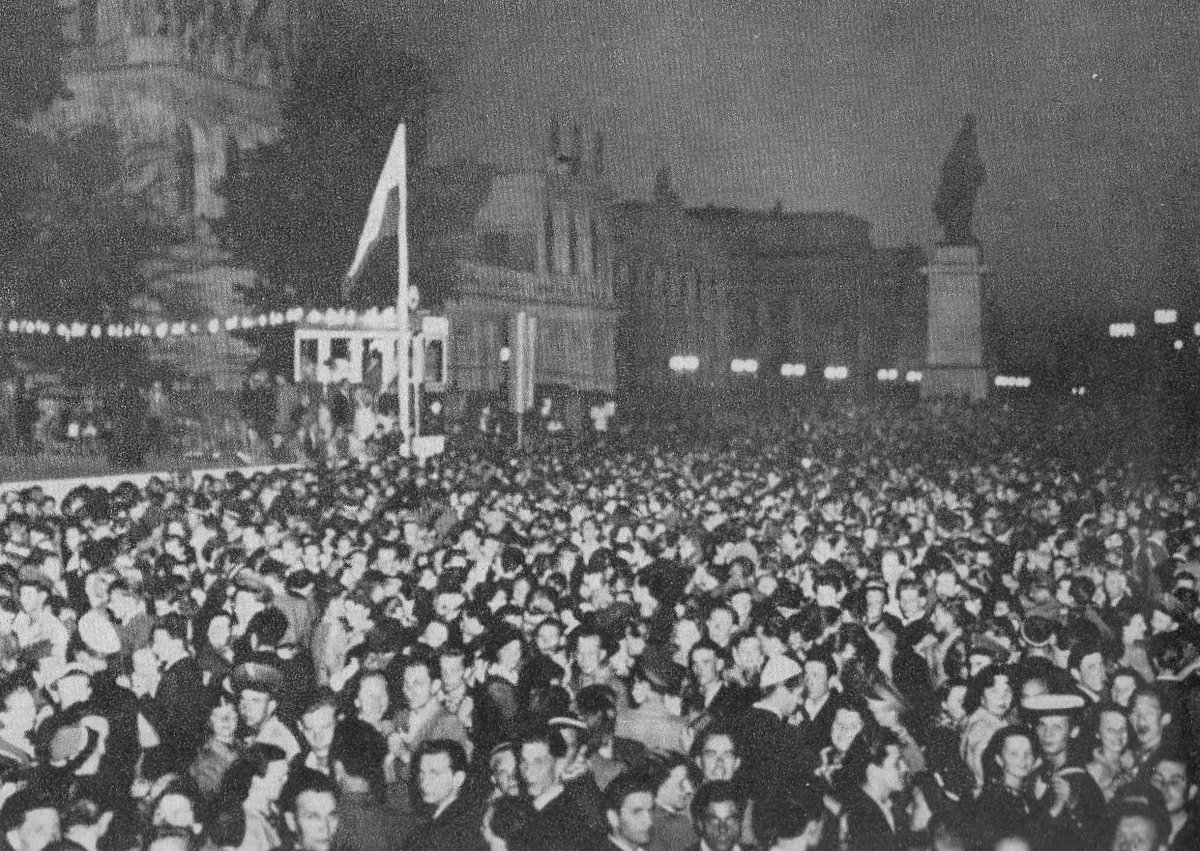
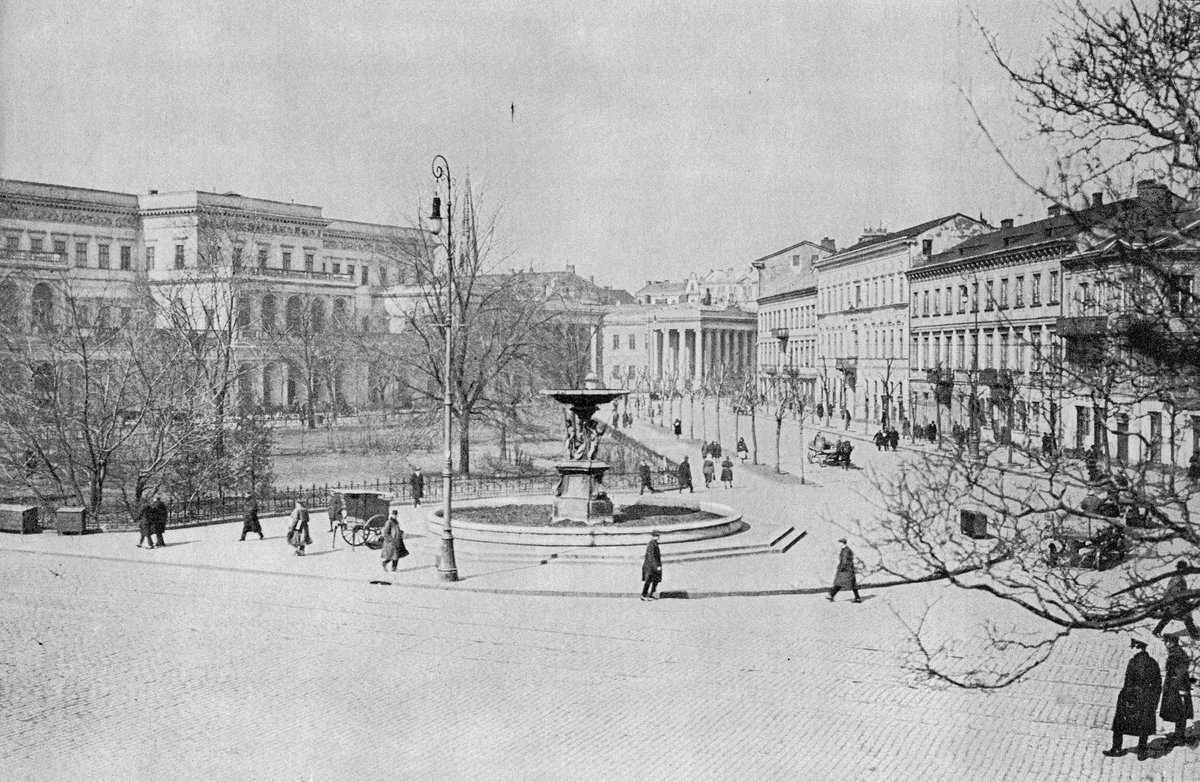
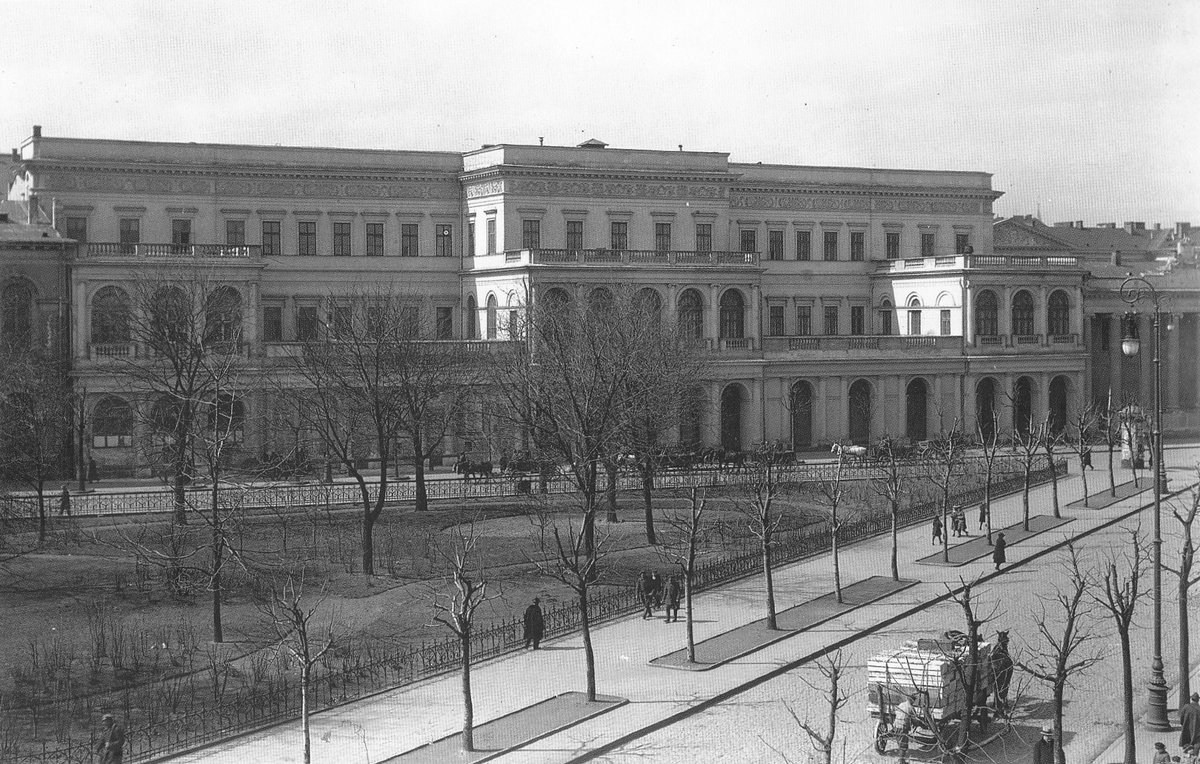
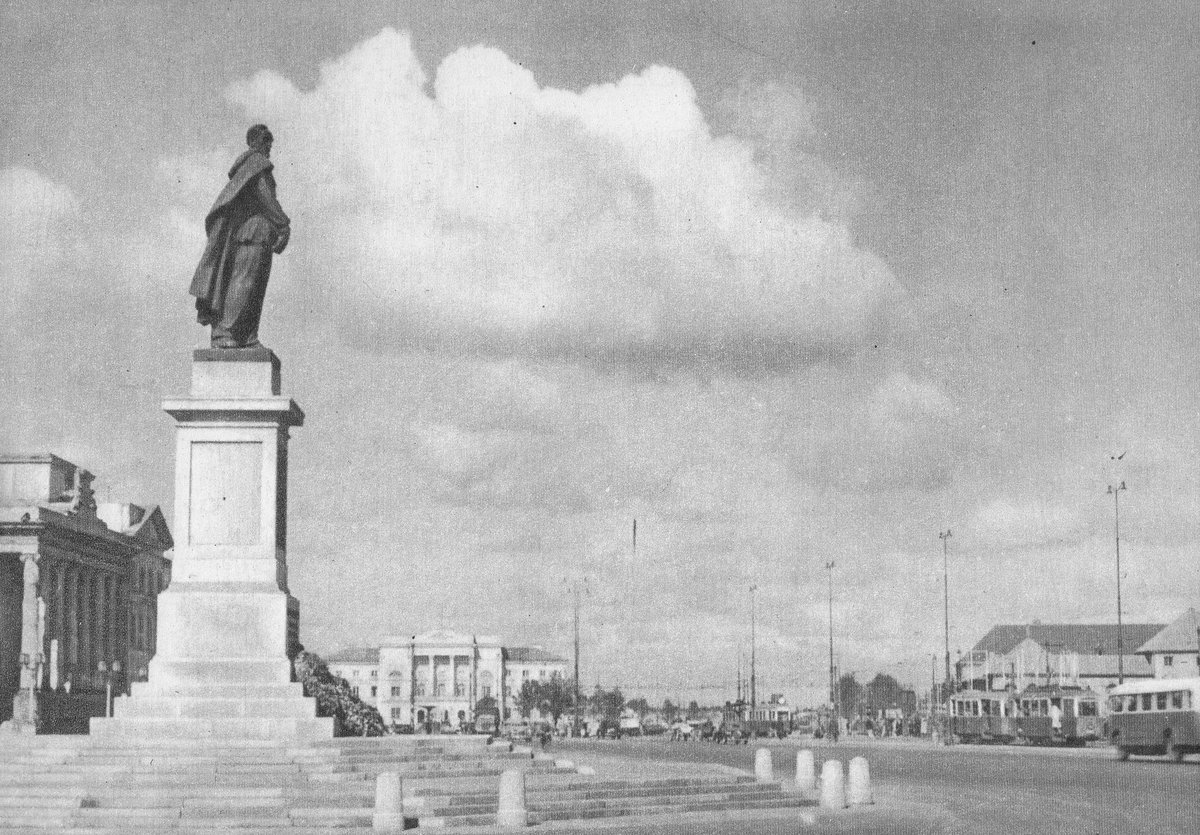
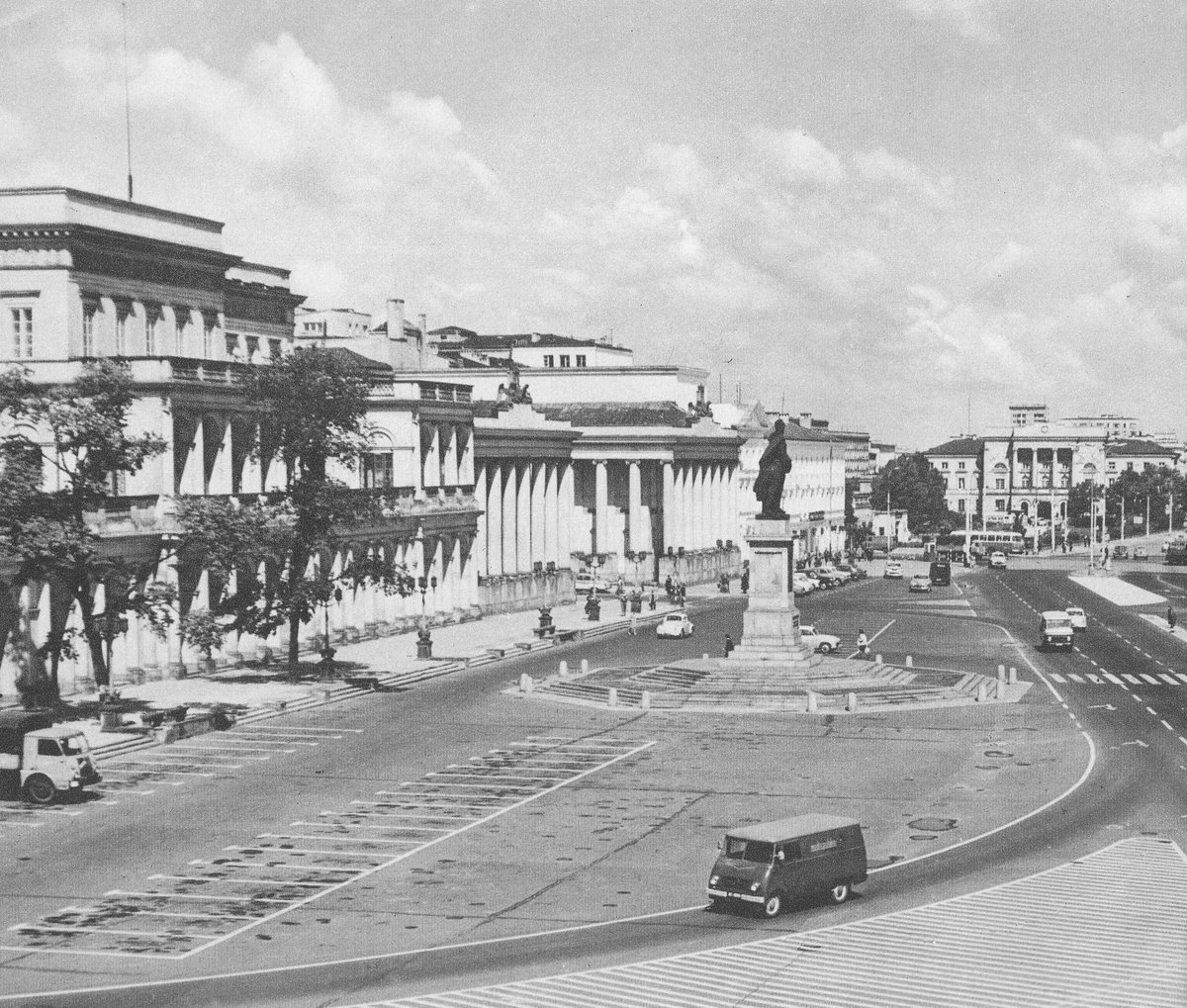
Historical Background and Urban Development
Origins and Early Growth
Bank Square was conceived in the early 18th century as part of the Saxon Axis—a visionary urban planning project centered around the Saxon Palace and gardens (placbankowy1.com). The square evolved rapidly, becoming a key node in Warsaw’s city grid.
19th Century: Financial and Administrative Hub
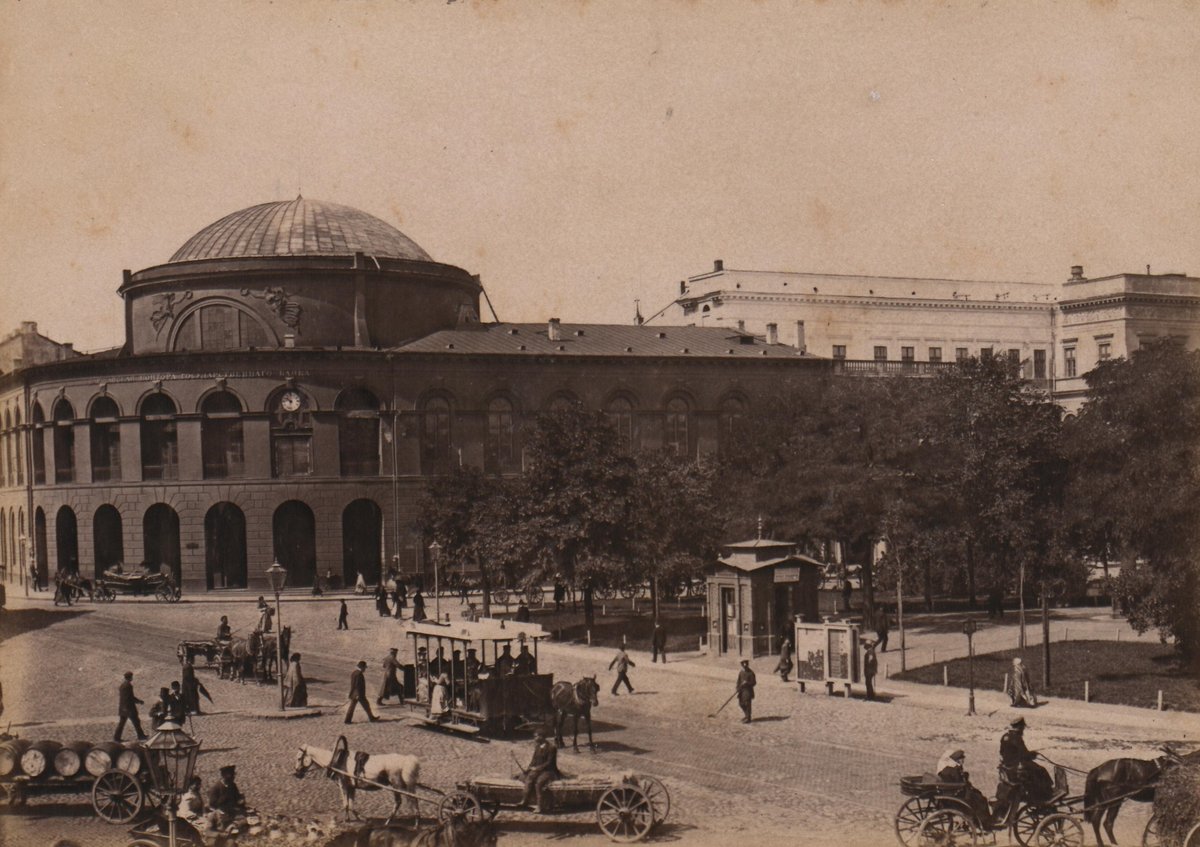
Between 1826 and 1828, under the guidance of Italian architect Antonio Corazzi, Bank Square was purposefully designed to house major financial and governmental institutions, including the Bank of Poland and the Palace of the Ministry of Revenues and Treasury. Corazzi’s neoclassical vision imparted an air of grandeur and civic pride to the area, making it a focal point for commerce and administration (en.um.warszawa.pl).
World War II and Postwar Reconstruction
The devastation of World War II left Bank Square in ruins, mirroring the destruction faced by much of Warsaw. Approximately 85% of the city’s buildings were destroyed, and the square was largely reduced to rubble (culture.pl). Reconstruction efforts began in the late 1940s, with the area rebuilt in the style of socialist realism, reflecting the postwar political climate (en.um.warszawa.pl). Despite these changes, Bank Square reclaimed its status as an administrative and business center, adapting to Warsaw’s shifting urban needs.
Political Significance and Modernization
Bank Square has served as the stage for pivotal events in Polish history, including the 1955 signing of the Warsaw Pact and the 1989 Round Table Talks heralding democratic reforms. The post-communist era brought further modernization, with new office complexes and the integration of contemporary architecture blending with historical structures (placbankowy1.com).
Architectural and Cultural Landmarks
Palace of the Ministry of Revenues and Treasury (Warsaw City Hall)
A neoclassical masterpiece by Antonio Corazzi, this grand building originally housed the Russian imperial administration. Today, it serves as Warsaw’s city hall, symbolizing the city’s governmental and architectural legacy (In Your Pocket).
Former Bank of Poland Building
Constructed in the 1820s and partially restored after wartime damage, this building is emblematic of Warsaw’s financial aspirations in the 19th century.
Blue Skyscraper (Błękitny Wieżowiec)
Standing on the site of the former Great Synagogue, the Blue Skyscraper’s reflective glass façade is a striking symbol of Warsaw’s post-communist transformation and economic resurgence (In Your Pocket).
Juliusz Słowacki Monument
This monument honors one of Poland’s most celebrated Romantic poets and serves as a popular meeting spot and focal point for public gatherings.
Modernization and Urban Renewal
Recent years have seen Bank Square reimagined as a greener, more pedestrian-friendly space. Tree-lined promenades, landscaped zones, and traffic reorganization have enhanced accessibility, while the removal of parking near key monuments has improved the square’s aesthetic appeal. Urban renewal projects, such as the transformation of the historic Hotel Saski into a modern office complex, reflect the square’s ongoing evolution (placbankowy1.com).
Visiting Information
Hours and Tickets
- Bank Square: Open public space, accessible 24/7, free of charge.
- Nearby attractions: Some, like museums and theaters, have specific hours and may require tickets. Check individual sites for details.
Accessibility and Transport
- Metro: Ratusz Arsenał (M1) is the nearest station.
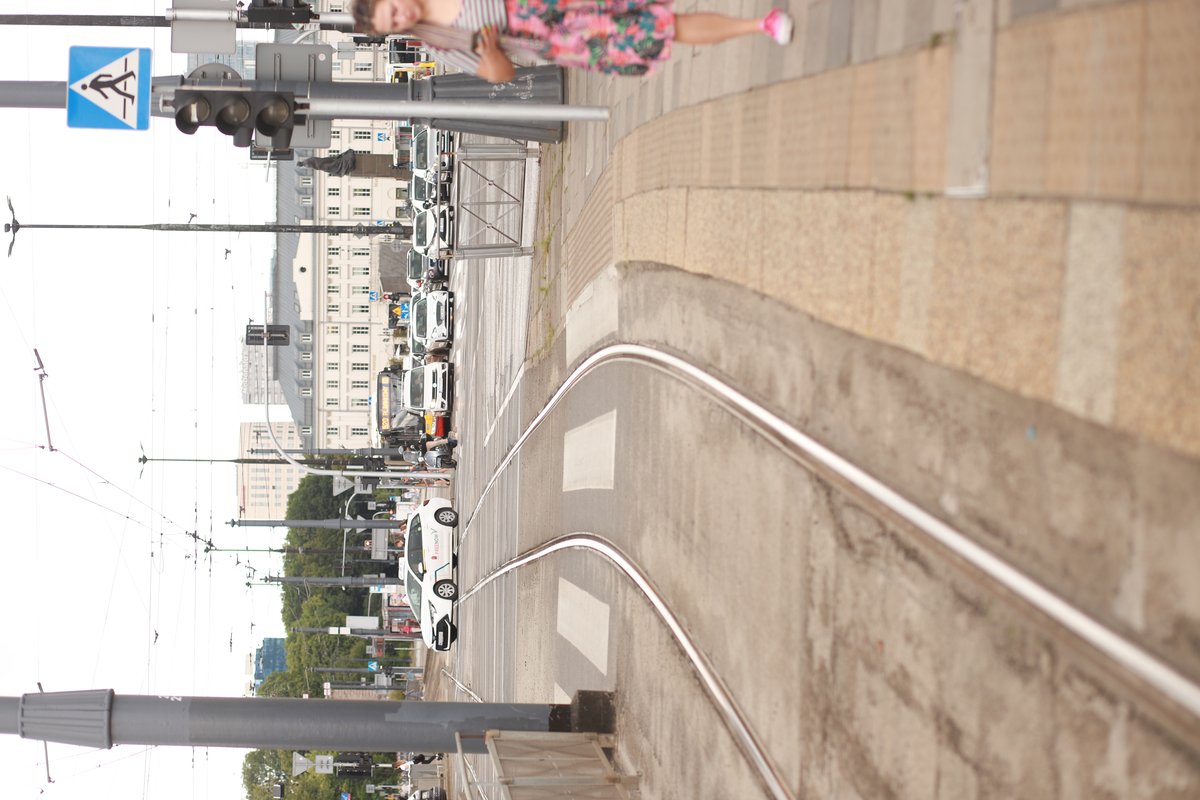
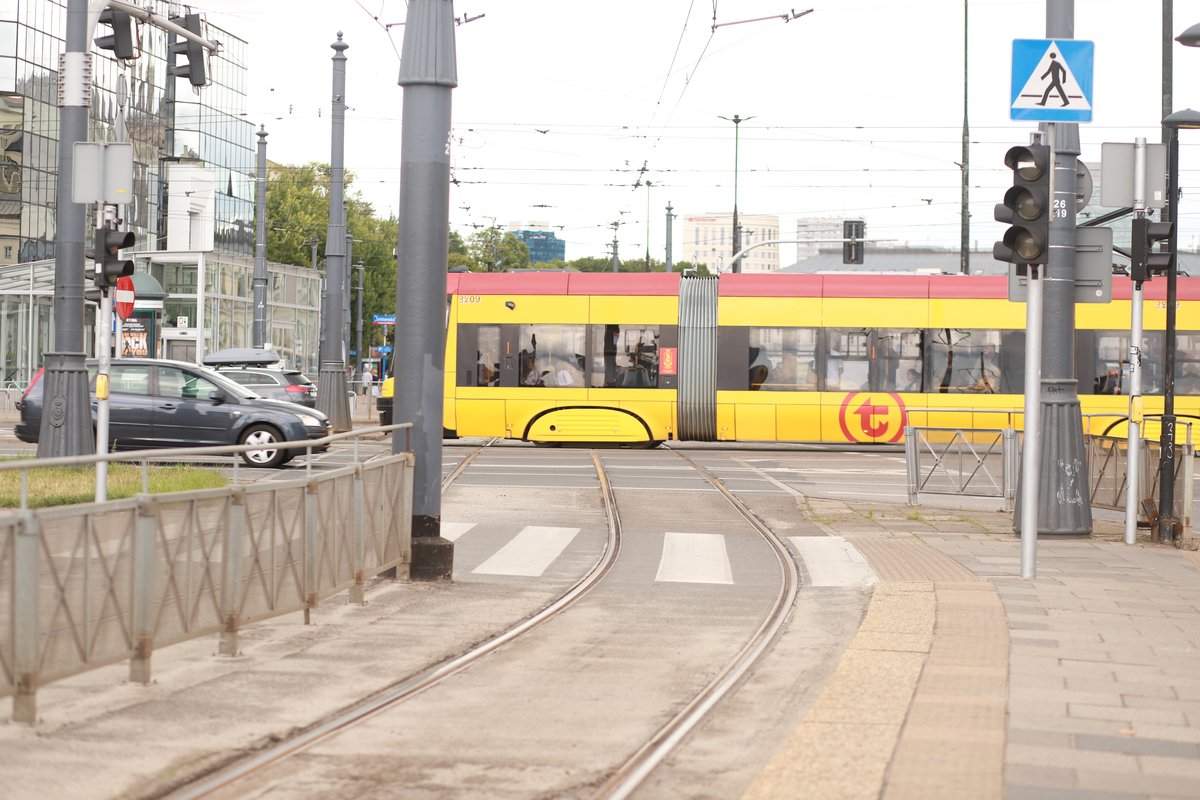
- Trams and Buses: Multiple lines stop at or near Bank Square, making it easy to reach from anywhere in Warsaw.
- Pedestrian Access: The square and surrounding sidewalks are wheelchair accessible with ramps and smooth surfaces.
- Cycling: Bike lanes and Warsaw’s city bike rental system (Veturilo) make cycling a convenient option (go2warsaw.pl).
Best Time to Visit
- Spring and Summer (May–September): Pleasant weather, outdoor events, and vibrant greenery.
- Early mornings or late afternoons: Optimal for photography and a more relaxed atmosphere (whereandwhen.net).
Nearby Attractions and Cultural Venues
- Saxon Garden (Ogród Saski): Historic park with baroque sculptures and fountains.
- Jewish Historical Institute: Exhibits on Polish Jewish history.
- Kino Muranów: Art-house cinema.
- Capitol Theatre: Venue for musicals and concerts.
- Grand Theatre–National Opera: Guided tours and performances.
- POLIN Museum of the History of Polish Jews: Award-winning museum with interactive exhibits.
- Warsaw Old Town: UNESCO World Heritage Site within walking distance.
Dining and Social Scene
Bank Square is surrounded by diverse dining options, from elegant restaurants to cozy cafés:
- Der Elefant: International cuisine with a focus on seafood and steak.
- Si Ristorante & Cocktail Bar: Italian dishes and creative cocktails.
- THAISTY: Contemporary Thai flavors.
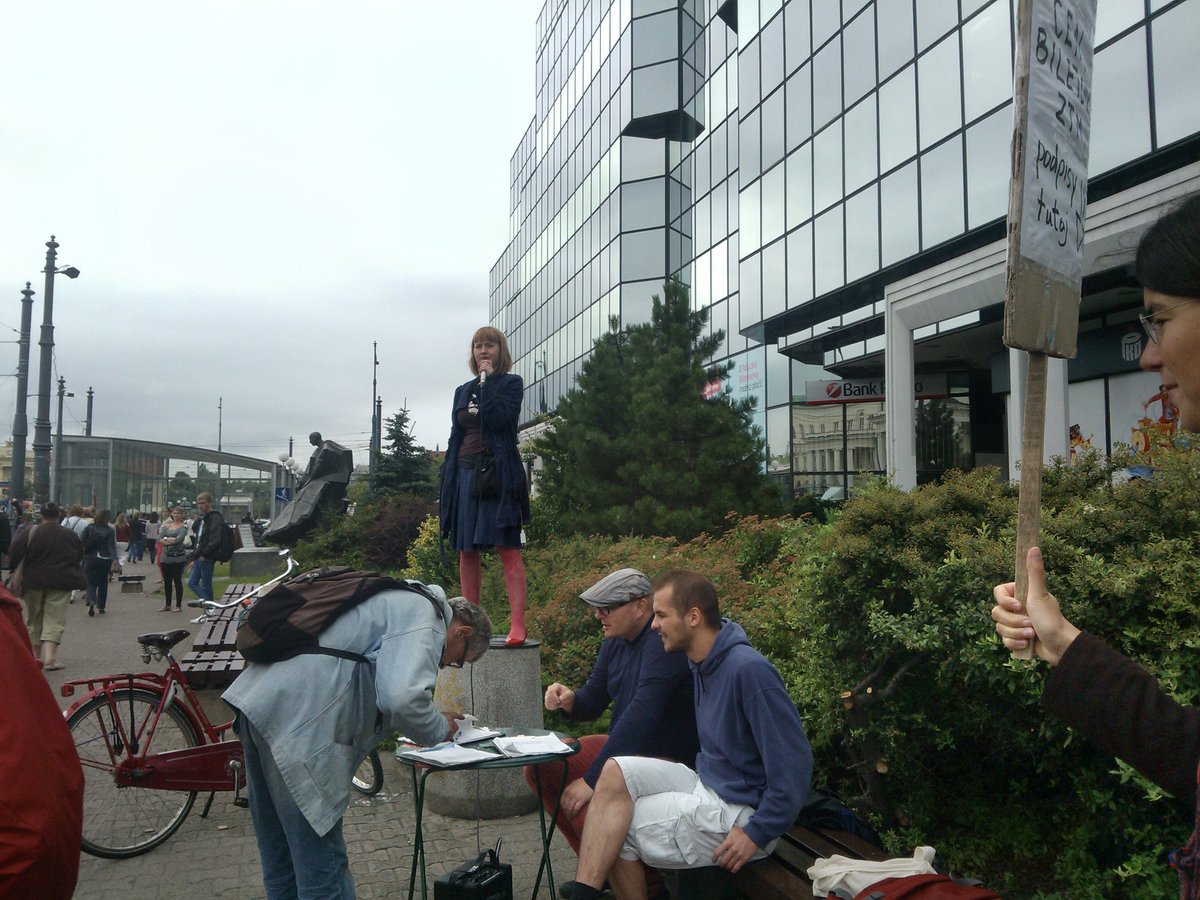
The area is also a hotspot for public events, festivals, and open-air concerts, such as the annual Warszawskie Święto Rowerowe (Warsaw Bicycle Festival) (All Events).
Safety and Visitor Tips
- Safety: The area is generally safe and well-policed, but remain vigilant for pickpockets during crowded events or on public transport (The Unique Poland).
- Restrooms: Available in nearby metro stations and public buildings.
- Wi-Fi: Free in some public areas and many cafés.
- ATMs and Currency Exchange: Plentiful; use those inside banks or shopping centers for added security (nomadicmatt.com).
- Weather: Bring an umbrella in spring and autumn due to sudden showers.
- Travel Insurance: Strongly recommended for all visitors (warsawvisit.com).
Photography Highlights
- Best spots: Blue Skyscraper, Juliusz Słowacki Monument, City Hall’s neoclassical façade.
- Lighting: Early morning and late afternoon provide optimal natural light.
Accommodation
A wide range of hotels and guesthouses can be found within walking distance, providing convenient access to major attractions and public transport (The Thorough Tripper).
Frequently Asked Questions (FAQ)
Is Bank Square free to visit?
Yes, it is open to the public 24/7 with no entrance fee.
What are the nearest metro stations?
Ratusz Arsenał (M1) is adjacent to the square.
Are guided tours available?
Yes, multiple operators offer walking tours that include Bank Square.
Is the square accessible for people with disabilities?
Yes, it is wheelchair-friendly and well-adapted for those with mobility needs.
What’s the best way to get there?
Public transport (metro, trams, buses) is the most convenient; walking and cycling are also great options.
Listen to the full story in the app
The whole Bank Square,
told well.
Audio guides for 1,100+ cities across 96 countries. History, stories, and local insight — offline ready.
Verified, and shown.
Researched and written by the Audiala editorial team from historical records, architectural archives, and local expertise.
Researched from Wikidata, Wikipedia & official sources · fact-checked · How we make our guides →