Plan and listen to Ateneum Theatre with Audiala.
Audio guide in your pocket, itinerary in your browser. Built for the way you actually visit.
Introduction
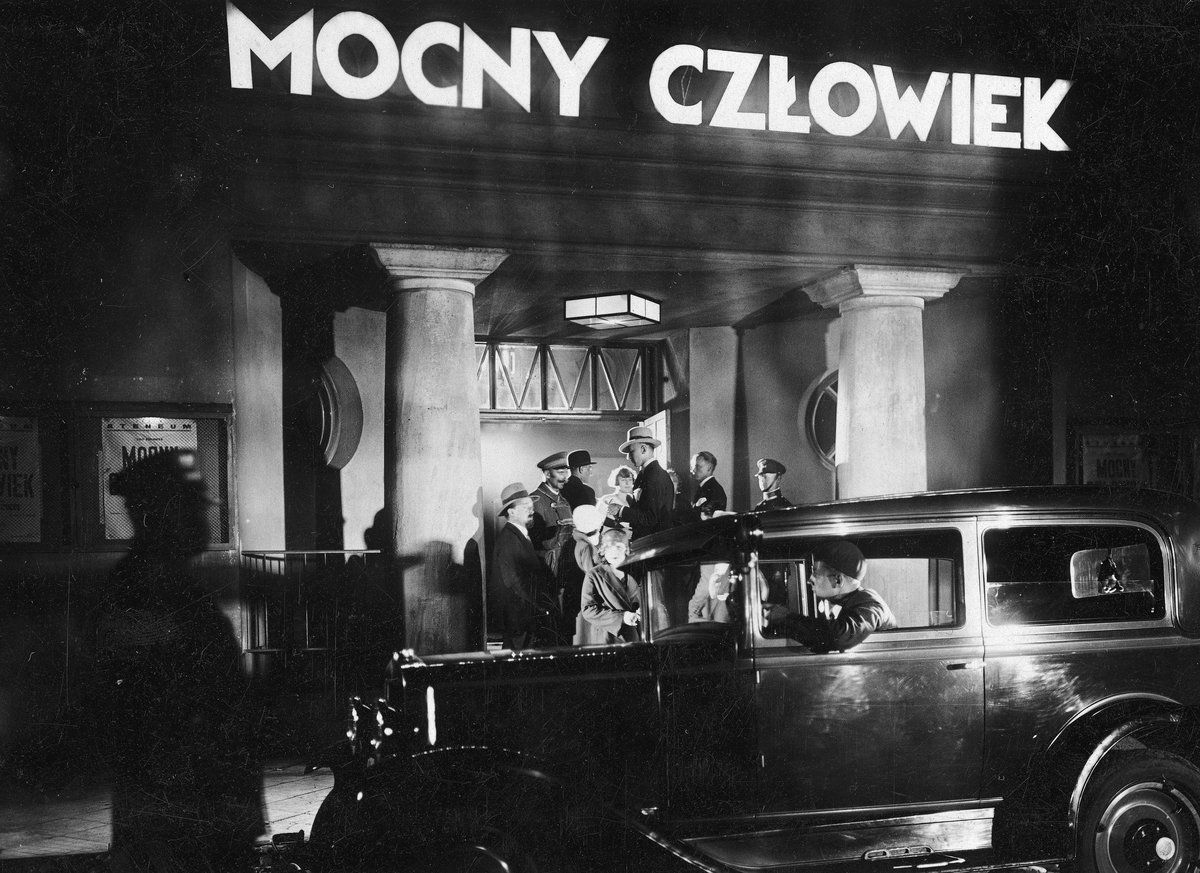
Nestled in Warsaw’s lively Powiśle district, the Ateneum Theatre (Teatr Ateneum im. Stefana Jaracza) stands as a remarkable testament to Poland’s theatrical heritage and cultural resilience. Since its founding in 1928, the theatre has evolved from an experimental stage for the working class into a leading institution famed for its artistic innovation, social engagement, and stunning architecture. Today, it offers audiences a diverse repertoire—ranging from Polish classics to pioneering international works—while its distinctive Art Deco and cubist building continues to capture the imagination of visitors. This guide provides comprehensive information on the theatre’s history, visiting hours, ticketing, accessibility, architectural highlights, nearby attractions, and essential travel tips, ensuring an enriching experience for all.

History of the Ateneum Theatre
Origins and Early Years (1928–1939)
The Ateneum Theatre was established in 1928 within a building originally constructed in 1927 to serve as the headquarters for the Railway Workers’ Trade Union (Wikiwand; Local Life). Its first phase, as "Placówka Żywego Słowa" (The Outpost of Spoken Word), was marked by an experimental, socially conscious repertoire, catering to the neighborhood’s working-class population.
Under the guidance of legendary actor and director Stefan Jaracz—joined by collaborators like Leon Schiller and Karol Adwentowicz—the theatre gained acclaim for avant-garde, politically engaged productions. Notable early performances included The Street Scene by Elmer Rice and Danton’s Death by Georg Büchner, solidifying the Ateneum’s reputation as a stage for progressive ideas.
Wartime Destruction and Postwar Reconstruction (1939–1951)
World War II brought a devastating halt to the theatre’s activities. The building suffered almost total destruction during the 1944 Warsaw Uprising (Wikiwand). In the immediate postwar years, architect Wiktor Ballogh spearheaded a careful restoration, maintaining the theatre’s original character. The Ateneum triumphantly reopened in 1951 with Lev Slavin’s "Intervention," navigating the challenges of state-imposed socialist realism during the Stalinist era.
The Janusz Warmiński Era (1952–1996)
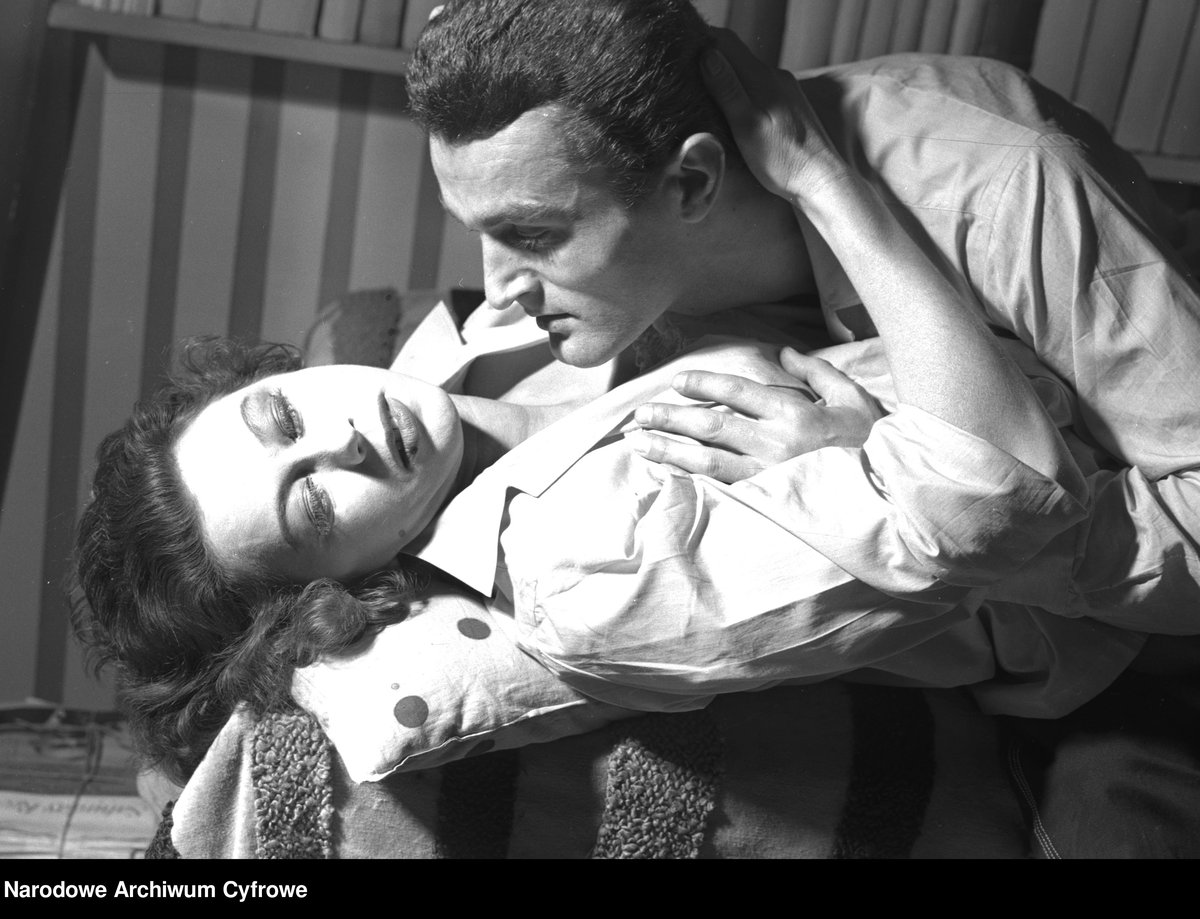
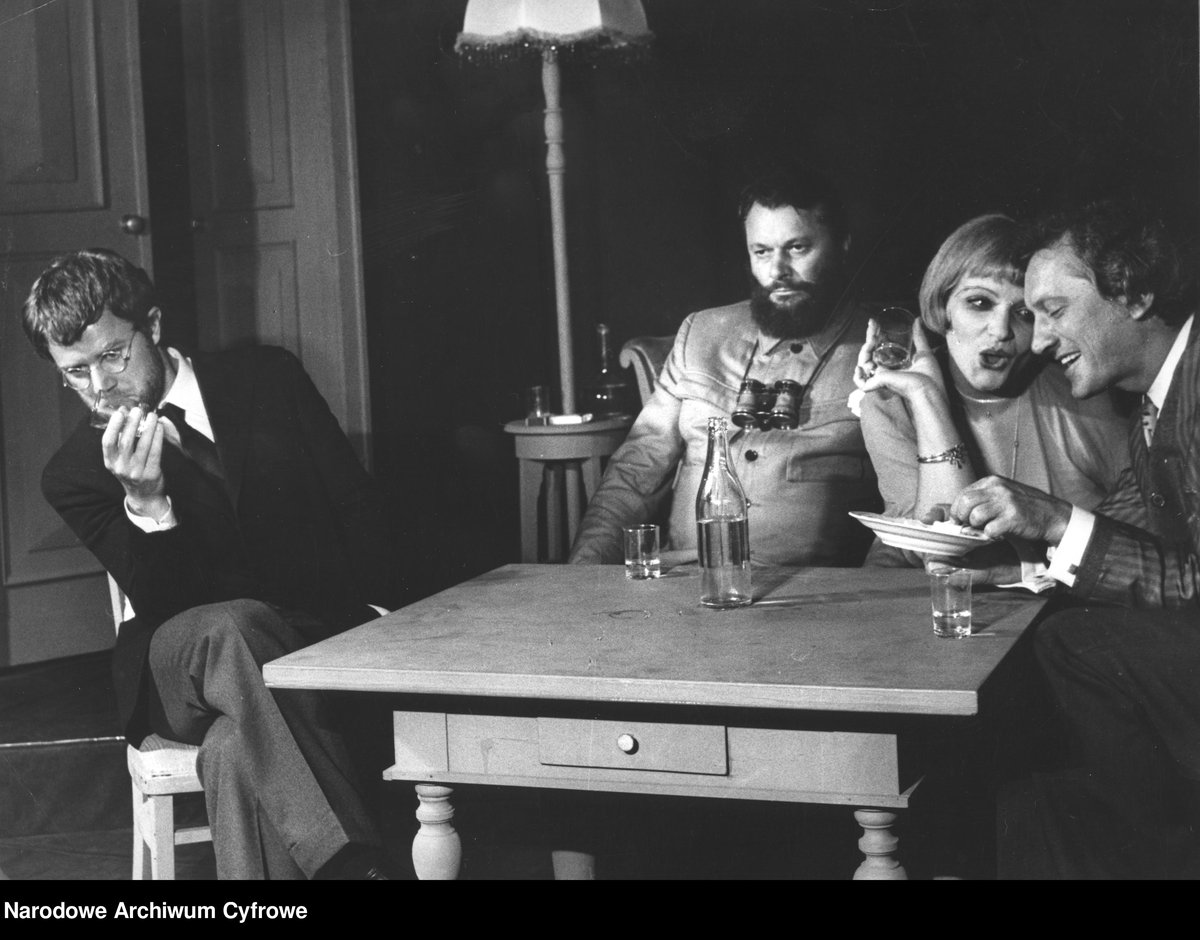
Janusz Warmiński’s directorship, spanning over four decades, ushered in a period of artistic excellence and innovation. Despite political censorship, the theatre presented modern and classical works exploring existential and social themes. It became a magnet for Poland’s leading actors, including Jadwiga Andrzejewska and Zbigniew Cybulski, and garnered a loyal audience (Local Life).
Post-Communist Transformation and Contemporary Developments (1996–Present)
With the fall of communism, the Ateneum embraced broader artistic freedom. Its program now spans Polish and global classics, contemporary drama, and experimental forms. The opening of the new "Scena 20" stage in 2020 expanded its capacity for innovative programming (Kultura Warszawa). Recent highlights include productions such as Witkacy’s "Matka," Marian Opania’s "Para Nasycona," and Agatha Christie’s "The Mousetrap" (Teatr Ateneum Events).
Architectural Style and Design Influences
The Ateneum Theatre’s building is a rare Polish example of interwar Art Deco fused with cubist elements (theatre-architecture.eu). Designed by Romuald Miller and completed in 1927, the exterior features geometric patterns and understated elegance. The interior, crafted with input from professors at the Warsaw Academy of Fine Arts, boasts white surfaces, ash wood paneling, and stylized columns—creating a harmonious blend of decorative richness and functional modernity (bibliotekanauki.pl).
Key features include:
- Façade: Geometric motifs and balanced symmetry reflecting Art Deco and cubist styles.
- Auditorium: Postwar renovations seat 512, with the more intimate Stage 61 accommodating 150.
- Vestibule and Details: Original 1920s elements such as doors, wall lamps, and balustrades.
- Scena 20: A modern addition opened in 2020, complementing the theatre’s historic character (pl.wikipedia.org).
The theatre’s successful restoration after WWII highlights Warsaw’s commitment to preserving its architectural and cultural legacy (theatre-architecture.eu).
Visiting the Ateneum Theatre
Visiting Hours
- Box Office: Monday–Friday: 12:00 PM – 7:00 PM; Saturday: 12:00 PM – 5:00 PM. Closed Sundays except for special events.
- Performances: Usually evenings, with weekend matinees and special events.
- Guided Tours: Offered occasionally; advance booking recommended.
For the latest schedules and holiday openings, always confirm on the official Ateneum Theatre website.
Ticket Information
- Where to Buy:
- Official website
- Box office at ul. Jaracza 2, Warsaw
- Authorized resellers (GoOut, Kicket)
- Prices: Typically 30–120 PLN depending on the show, seat, and concessions. Discounts are available for students, seniors, and groups.
- Recommendations: Book early for popular performances.
Accessibility
The Ateneum Theatre is fully accessible:
- Ramps, elevators, and dedicated seating areas for wheelchair users.
- Accessible restrooms and assistance services upon request.
- Hearing-impaired support available; contact the theatre for arrangements.
Directions and Travel Tips
- Address: ul. Jaracza 2, 00-372 Warsaw, Poland
- Public Transport:
- Metro: Centrum Nauki Kopernik (10-minute walk)
- Trams: 7, 9, 22
- Buses: 116, 180
- Parking: Limited; public transport recommended.
- Dress Code: Smart casual is suggested, especially for evening performances.
Guided Tours and Special Events
Occasional guided tours reveal the theatre’s history, architecture, and stagecraft. Special programming includes post-show discussions, workshops, and artist meetings (Teatr Ateneum Events).
Photography Guidelines
Photography is permitted in public areas before or after performances but is prohibited during shows. Capture the Art Deco façade from Jaracza Street for memorable images.
Nearby Attractions
Combine your visit with these nearby Warsaw highlights:
- Copernicus Science Centre
- Vistula River Boulevards
- Warsaw University Library and Garden
- Fryderyk Chopin Museum
- POLIN Museum of the History of Polish Jews
- Nowy Świat Street—cafés, shops, and vibrant city life
Artistic Legacy and Repertoire
Innovative Productions and Notable Performances
The Ateneum Theatre is renowned for blending tradition with experimentation. Its repertoire includes:
- Polish classics by Wyspiański, Słowacki, and Mrożek
- International works by Shakespeare, Chekhov, Ibsen, Brecht
- Modern reinterpretations and avant-garde productions
- Musical theatre and cabaret traditions—especially works celebrating Agnieszka Osiecka
Recent acclaimed productions include modern stagings of “Król Edyp” (Oedipus Rex), “Moralność pani Dulskiej,” and “Cudzoziemka,” directed by leading figures like Janusz Warmiński and Izabella Cywińska.
Educational Programs and Community Engagement
Theatre workshops, lectures, and post-show discussions are regularly offered. Special programs for schools and students foster a new generation’s appreciation for theatre (teatrateneum.pl).
Frequently Asked Questions (FAQ)
Q: What are the Ateneum Theatre visiting hours?
A: Typically, Tuesday to Sunday from 12:00 PM to 8:00 PM, with performances in the evenings. The box office is closed on Sundays except for special events.
Q: How can I buy tickets?
A: Online through the official website, at the box office, or via authorized platforms like GoOut and Kicket.
Q: Is the theatre wheelchair accessible?
A: Yes, the venue is fully accessible with ramps, elevators, and adapted restrooms.
Q: Are guided tours available?
A: Yes, but only occasionally. Book in advance through the theatre’s website or box office.
Q: Are there English-language surtitles or program notes?
A: Many productions offer English surtitles or notes for international guests.
Q: What are some nearby attractions?
A: Copernicus Science Centre, Vistula Boulevards, Warsaw University Library Garden, Fryderyk Chopin Museum.
Listen to the full story in the app
The whole Ateneum Theatre,
told well.
Audio guides for 1,100+ cities across 96 countries. History, stories, and local insight — offline ready.
Verified, and shown.
Researched and written by the Audiala editorial team from historical records, architectural archives, and local expertise.
Researched from Wikidata, Wikipedia & official sources · fact-checked · How we make our guides →