Plan and listen to Artur Zawisza Square, Warsaw with Audiala.
Audio guide in your pocket, itinerary in your browser. Built for the way you actually visit.
Introduction
Artur Zawisza Square (Plac Artura Zawiszy) stands as a significant urban landmark in Warsaw, Poland, seamlessly blending a rich historical legacy with the pulse of a modern metropolis. Positioned at the intersection of Aleje Jerozolimskie and Grójecka Street in the Ochota district, it is a crucial transport hub connecting the city center to western neighborhoods. Named after Artur Zawisza—a Polish revolutionary executed at this site in 1833 during the November Uprising—the square is imbued with patriotic and cultural significance, symbolizing Poland’s enduring struggle for independence (wikiwand, dbpedia).
Evolving from its origins as the Jerusalem Toll-house in the late 18th century, this area has witnessed pivotal historical events, wartime devastation, and postwar renewal. Today, it thrives as a public space accessible 24/7, central to Warsaw’s public transportation network and surrounded by contemporary architecture, shopping centers, and cultural sites (wiki-gateway). This guide offers detailed insights into visiting Artur Zawisza Square—its history, visitor information, accessibility, nearby attractions, and practical travel tips.


Early Origins and Jerusalem Toll-house
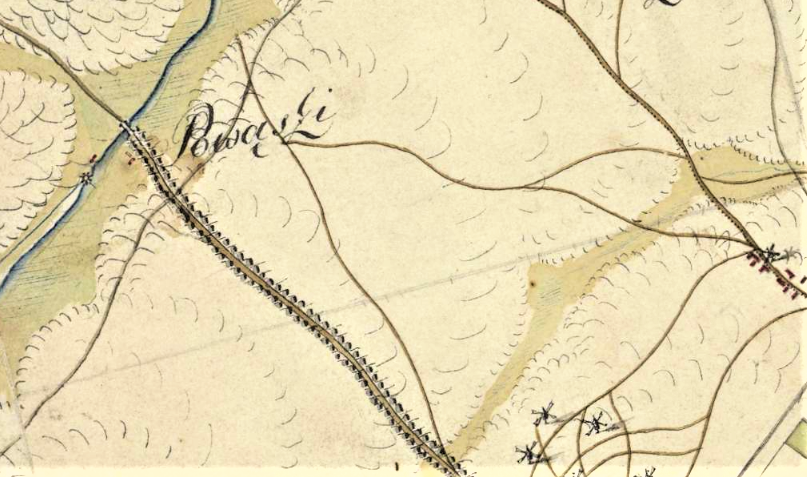
Dating to 1770, the area began as the Jerusalem Toll-house (Rogatki Jerozolimskie), a checkpoint at the city's edge, marking the road to Nowa Jerozolima (“New Jerusalem”) and Kraków. Architect Jakub Kubicki later designed classicist toll-house buildings between 1816–1818, setting the architectural tone for the area (wikiwand, wiki-gateway). Officially designated as a square in 1823, it transitioned from a defensive outpost to a developing urban node.
19th Century: Uprising and Urban Expansion
The square was a battleground during the Battle of Warsaw (1831) in the November Uprising. Artur Zawisza, a national hero, was executed here in 1833, giving the square its name and lasting symbolism (dbpedia). The late 19th century saw the dismantling of city fortifications and suburban expansion, with wooden houses gradually giving way to robust urban development. The arrival of the tramway in 1909 further integrated the square into the city’s fabric (wikiwand).
World War II and Postwar Changes
During World War II, the German occupation led to the demolition of the historic toll-houses in 1942. The square, like much of Warsaw, suffered severe damage during the 1944 Uprising and postwar destruction (wiki-gateway). Reconstruction in the late 20th and early 21st centuries introduced modern office complexes, shopping centers (like Millennium Plaza), and improved transportation infrastructure, reestablishing the square as a central commercial and transit hub.
Visitor Information
Visiting Hours and Tickets
Artur Zawisza Square is a public urban space accessible at all times—24 hours a day, 7 days a week—with no entry fees or ticket requirements.
Accessibility
The square is fully accessible by public transportation, served by numerous tram and bus routes. The Warszawa Ochota railway station is within easy walking distance, connecting to regional and national trains. Pedestrian infrastructure, including ramps and wide sidewalks, ensures accessibility for visitors with mobility impairments.
Guided Tours and Tips
There are no dedicated visitor centers or official tours focused solely on the square, but it is often featured in broader walking tours of Warsaw or the Ochota district. For those interested in urban history, joining such a tour can offer valuable context.
- Photography: The square offers striking urban views, particularly at sunset when modern office buildings and historical elements create a compelling backdrop.
- Best Visiting Time: Daytime hours are ideal for exploring and capturing the local atmosphere.
Urban and Architectural Features
Artur Zawisza Square is defined by its role as a transportation hub and by its surrounding architectural diversity. Modern office towers such as Millennium Plaza and Atlas Tower dominate the skyline, while nearby, the Warszawa Ochota railway station stands as a fine example of modernist architecture (trek.zone). The area’s urban landscape is characterized by busy thoroughfares, transit stops, and a lively blend of old and new buildings.
Recent urban planning initiatives aim to enhance the square’s green spaces and pedestrian zones, reflecting Warsaw’s ongoing commitment to creating more livable public environments (urbanplanningpw.wordpress.com).
Connectivity and Transportation
The square is a vital interchange for trams and buses, providing swift access to:
- Warsaw city center
- Warszawa Ochota and Warszawa Zachodnia railway stations
- Western districts and suburbs
Bicycle lanes and pedestrian crossings make the area navigable for non-motorized travelers as well.
Nearby Attractions
- Warsaw Water Filters: Explore 19th-century water filtration technology (trek.zone).
- Church of the Immaculate Conception of the Blessed Virgin Mary: Notable for its early 20th-century architecture.
- Ochota Park: A relaxing green space nearby.
- Warsaw Uprising Museum: About a 23-minute walk, detailing the city's WWII history.
- Warsaw Railway Museum: A 13-minute walk, showcasing rail history.
- Plac Narutowicza: A historic square named after Poland’s first president, just minutes away.
- Atlas Tower: A landmark high-rise adjacent to the square (trek.zone).
Cultural Significance and Events
Artur Zawisza Square is closely linked to Poland’s independence movement and national identity, commemorating the revolutionary Artur Zawisza. While not a site for major public festivals, it occasionally hosts commemorative events, particularly on anniversaries related to Polish history (dbpedia).
Visitor Experience and Practical Tips
- Dining and Shopping: Millennium Plaza and nearby streets offer a variety of restaurants, cafes, and shops.
- Accommodation: Numerous hotels, including Radisson Blu Sobieski and others, are within walking distance.
- Safety: The area is well-lit and generally safe, but as in any major city, remain alert, especially during peak hours and at night.
- Amenities: Public restrooms and ATMs are available in adjacent commercial buildings.
Frequently Asked Questions (FAQ)
Q: Are there any entry fees or tickets required to visit Artur Zawisza Square?
A: No, the square is a public space open 24/7 and free to access.
Q: How do I reach the square from the city center?
A: Multiple tram and bus lines connect the city center directly to Artur Zawisza Square. It is also walkable (approximately 15–20 minutes).
Q: Is the area wheelchair accessible?
A: Yes, the square and surrounding infrastructure are accessible to visitors with mobility challenges.
Q: Can I join a guided tour?
A: While there are no tours dedicated solely to the square, many general Warsaw historical tours include it as a stop.
Q: Are there events or markets at the square?
A: The square occasionally hosts commemorative or community events; check local listings for updates.
Summary and Recommendations
Artur Zawisza Square epitomizes Warsaw’s resilience and transformation, serving as a bridge between its historical past and modern present. Once a city gate and site of patriotic sacrifice, the square now anchors a bustling urban landscape filled with commercial activity, transportation, and cultural memory (wikiwand, dbpedia). Its excellent connectivity, accessibility, and proximity to key Warsaw attractions make it an ideal point for exploration.
Recommendations:
- Visit during the day to observe local life and architecture.
- Pair your visit with nearby cultural or historical sites for a deeper understanding of Warsaw’s evolution.
- Check broader city tours that include the square for enhanced historical context.
- Use the Audiala app for guided audio tours and up-to-date information.
Listen to the full story in the app
The whole Artur Zawisza Square, Warsaw,
told well.
Audio guides for 1,100+ cities across 96 countries. History, stories, and local insight — offline ready.
Verified, and shown.
Researched and written by the Audiala editorial team from historical records, architectural archives, and local expertise.
Researched from Wikidata, Wikipedia & official sources · fact-checked · How we make our guides →