Plan and listen to Alexander Nevsky Cathedral with Audiala.
Audio guide in your pocket, itinerary in your browser. Built for the way you actually visit.
Introduction
The Alexander Nevsky Cathedral in Warsaw, though demolished nearly a century ago, endures as a powerful symbol of the city’s turbulent history. Once a monumental expression of Russian imperial power and Orthodox faith, the cathedral’s legacy is intertwined with Warsaw’s struggles for national identity and urban transformation. Today, while the cathedral no longer graces the skyline, its former site at Piłsudski Square and surviving artifacts continue to attract visitors and historians seeking to understand the complex narratives of occupation, resistance, and remembrance that have shaped modern Warsaw (Culture.pl; WarsawTour; OrthodoxWiki; Taylor & Francis).
- Introduction
- Origins and Construction of the Alexander Nevsky Cathedral
- Political and Social Controversy
- The Cathedral During World War I and Polish Independence
- Demolition and Enduring Legacy
- Historical Significance and Cultural Memory
- Frequently Asked Questions (FAQs)
- Conclusion
- References




Origins and Construction of the Alexander Nevsky Cathedral
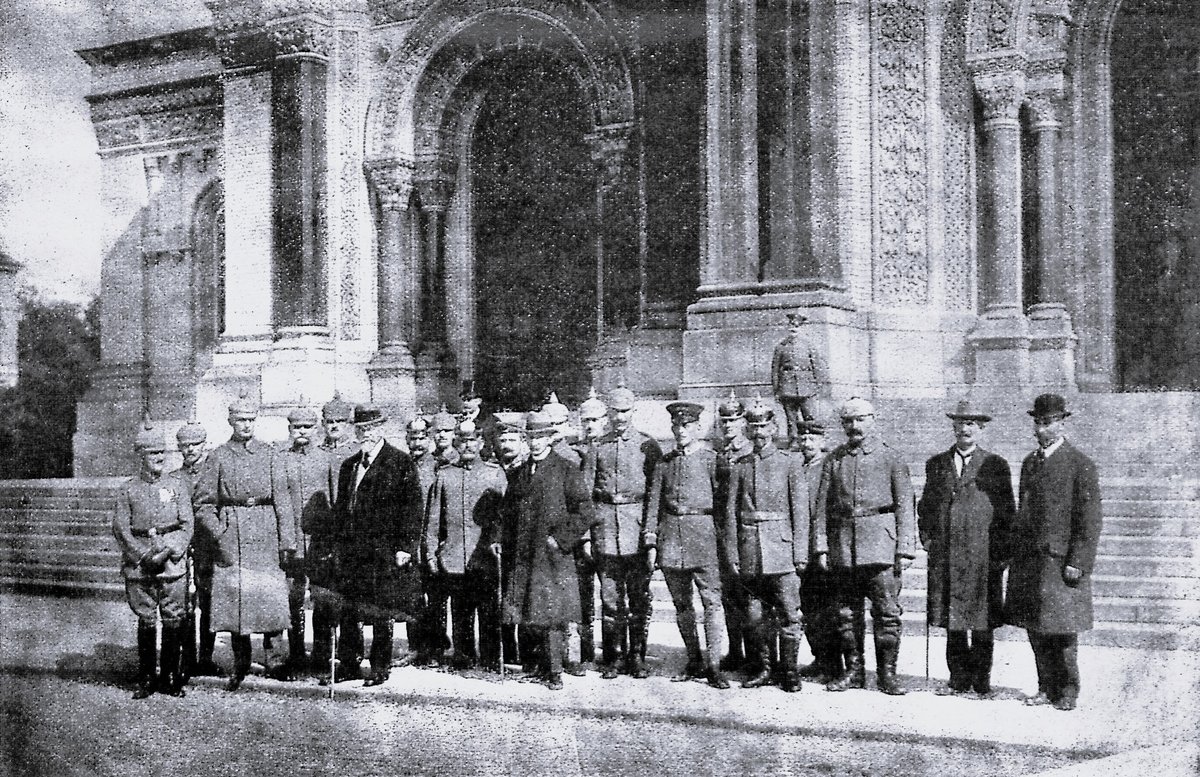
The Alexander Nevsky Cathedral was conceived during a period of heightened Russification following the failed January Uprising of 1863–1864. Seeking to assert imperial dominance over Warsaw, the Russian authorities initiated the construction of a grand Orthodox cathedral at the heart of the city, on Saxon Square—now Piłsudski Square. This prominent location was chosen to maximize visibility and symbolism (Culture.pl; OrthodoxWiki).
Approved in 1893 and funded by the Russian Empire and Orthodox Church, construction began in 1894 under the direction of architect Leon Benois. The Neo-Byzantine design featured a cross-in-square plan, five domes, and a bell tower that made the cathedral the tallest building in Warsaw at the time, rising 70 meters above the city (WarsawTour). The building could accommodate over 5,000 worshippers and was noted for its lavish use of marble, mosaics, and precious stones.
Architectural Features and Artistic Significance
The cathedral’s exterior was clad in white and light-colored stone, richly decorated with arches, friezes, and intricate carvings. The domes, topped with gilded Orthodox crosses, dominated the skyline. Mosaic icons, including a prominent depiction of St. Alexander Nevsky, adorned the façade (ForgottenWarsaw.com). The bell tower housed 14 bells, with the largest among the heaviest in the Russian Empire.
Inside, the cathedral dazzled with marble floors, frescoes by renowned Russian artists such as Viktor Vasnetsov, and a gold-adorned iconostasis. Stained glass windows and massive chandeliers illuminated the sanctuary. The use of jasper columns and extensive gold leaf reflected imperial opulence (Tsar Nicholas).
Political and Social Controversy
From its inception, the cathedral was a source of tension. For many Poles, it was a blatant instrument of Russification and a physical reminder of foreign occupation, particularly as it replaced part of the historic Saxon Palace gardens (Culture.pl). While the Orthodox community used it as a center for worship and cultural life, the wider population viewed the cathedral with resentment. Debates over its symbolism and place in Warsaw’s urban fabric persisted throughout its existence.
The Cathedral During World War I and Polish Independence
World War I shifted Warsaw’s political landscape. With the withdrawal of Russian forces in 1915 and Poland’s return to independence in 1918, the cathedral’s future became uncertain. For many, the building stood as a lingering vestige of Russian domination. Debates raged over whether to preserve it as an architectural landmark or remove it as an act of national retribution (WarsawTour; Taylor & Francis).
Demolition and Enduring Legacy
The Polish government ultimately decided to demolish the cathedral between 1924 and 1926. The process was technically challenging, given the building’s massive scale and solid construction. Some elements were salvaged: bells and icons found new homes in other Orthodox churches, and fragments of the iconostasis and mosaics are now preserved in museums and the Orthodox Church of St. Mary Magdalene in Warsaw (ForgottenWarsaw.com; OrthodoxWiki).
Visiting Piłsudski Square and Nearby Attractions
While the cathedral itself no longer stands, Piłsudski Square remains a focal point of Warsaw’s public life and historical memory. Key attractions nearby include:
- Tomb of the Unknown Soldier: A central national monument and ceremonial site.
- Saxon Garden: One of Warsaw’s oldest parks, adjacent to the square.
- Museum of Warsaw: Offers exhibits on the city’s transformation, including archival photos of the cathedral.
- Orthodox Church of St. Mary Magdalene: Home to salvaged relics and mosaics from the Alexander Nevsky Cathedral (located at 21 Chełmska Street; open Tues–Sun, 10:00 AM–6:00 PM; free admission).
Guided historical tours often include Piłsudski Square and reference the cathedral’s history, sometimes using augmented reality to visualize the original structure (Taylor & Francis).
Practical Visiting Tips
- Location: Piłsudski Square, central Warsaw
- Access: Open year-round, free of charge
- Nearby Public Transport: Metro Świętokrzyska (M1, M2), trams, and buses
- Recommended: Combine your visit with a stroll through Saxon Garden and a visit to adjacent museums
- Guided Tours: Book through local agencies or inquire at the Museum of Warsaw
Historical Significance and Cultural Memory
The Alexander Nevsky Cathedral’s story is emblematic of Warsaw’s layered history—illustrating the interplay between architecture, politics, and identity. Its demolition reflected the desire to reclaim Polish sovereignty and erase symbols of foreign rule, but also sparked debate over the loss of a unique work of art (Culture.pl).
Today, the cathedral is referenced in literature, art, and scholarship as both a symbol of oppression and a case study in the politics of memory. The open expanse of Piłsudski Square serves as a site of reflection on Warsaw’s resilience and evolving urban landscape.
Frequently Asked Questions (FAQs)
Q: Can I visit the Alexander Nevsky Cathedral today?
A: No, the cathedral was demolished in the 1920s. However, you can visit Piłsudski Square, the site where it once stood, and view artifacts at the Orthodox Church of St. Mary Magdalene.
Q: Are there remnants of the cathedral in Warsaw?
A: Yes. Salvaged bells and mosaics are housed in the Orthodox Church of St. Mary Magdalene, and fragments are displayed in local museums.
Q: Are guided tours available?
A: Several Warsaw historical walking tours include Piłsudski Square and discuss the cathedral’s history. Some use archival photos or augmented reality for visualization.
Q: Is there an entrance fee or specific visiting hours for the site?
A: Piłsudski Square is open to the public at all times and is free to access. The Orthodox Church of St. Mary Magdalene is open Tuesday–Sunday, 10:00 AM–6:00 PM, with free admission.
Q: What other attractions are near the former cathedral site?
A: The Tomb of the Unknown Soldier, Saxon Garden, the Grand Theatre–National Opera, and the Warsaw Uprising Museum are all nearby.
Listen to the full story in the app
The whole Alexander Nevsky Cathedral,
told well.
Audio guides for 1,100+ cities across 96 countries. History, stories, and local insight — offline ready.
Verified, and shown.
Researched and written by the Audiala editorial team from historical records, architectural archives, and local expertise.
Researched from Wikidata, Wikipedia & official sources · fact-checked · How we make our guides →