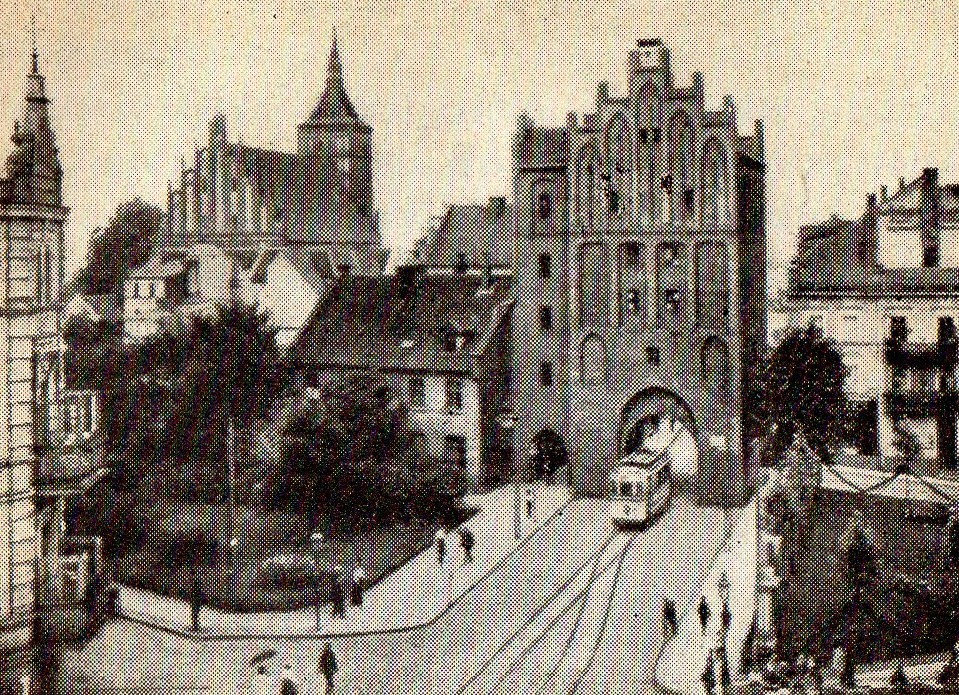
Introduction: Żuławy Wiślane—Where History, Culture, and Nature Converge
Located in the northern reaches of Poland’s Warmian-Masurian Voivodeship, Żuławy Wiślane (the Vistula Delta) is an extraordinary landscape shaped by centuries of human endeavor and rich multicultural heritage. Famed for its intricate system of dikes, canals, and pumping stations, the region owes much of its unique character to Dutch and Mennonite settlers, whose engineering prowess transformed flood-prone wetlands into fertile fields. Żuławy Wiślane’s legacy is reflected in its array of historical landmarks, such as the world-renowned Malbork Castle—a UNESCO World Heritage Site and the largest brick fortress in the world—and the distinctive timber arcade farmhouses that dot the countryside.
This guide provides comprehensive information on visiting hours, tickets, historical highlights, natural attractions, and cultural experiences, ensuring a rewarding and immersive experience for every traveler. For the most up-to-date details, visit official websites or download the Audiala app for audio guides and interactive maps (visitzulawy.pl, malborkcastle.pl, plannawypad.pl).
Żuławy Wiślane: Historical Layers and Cultural Identity
Multicultural Heritage and Engineering Marvels
Żuławy Wiślane’s story is one of adaptation and multicultural coexistence. The region’s earliest flood embankments date to the 12th century (zulawy.infopl.info), followed by the Teutonic Knights’ fortified towns in the 14th century and, later, the arrival of Dutch and Mennonite settlers. These communities introduced advanced hydraulic engineering, resulting in a landscape defined by polders, windmills, and unique timber architecture. The Mennonite influence is especially visible in the wooden arcaded houses, farmsteads, and cemeteries with characteristic stelae (visitzulawy.pl).
Preserving the Past
Key historical sites include Malbork Castle and the Gothic Teutonic Castle in Sztum, as well as the under-eaves (arcade) houses in villages like Trutnowy, Żuławki, and Żelichowo (wszedobylscy.com). The region’s hydrotechnical monuments—canals, pumping stations, and embankments—stand as a testament to centuries of battle against floods (visitzulawy.pl).
Living Traditions
Żuławy Wiślane’s multicultural identity is celebrated through vibrant festivals such as the Żuławy Heritage Festival, Mennonite Days, and the Tulip Festival. These events feature traditional crafts, music, and regional cuisine, reflecting the area’s diverse roots (wszedobylscy.com).
Visitor Information: Opening Hours, Tickets, and Accessibility
- Malbork Castle: Open daily, generally 9:00 AM–6:00 PM (hours subject to seasonal changes). Adult tickets approximately 55–60 PLN; reduced tickets for students/seniors; free for children under 7 (malborkcastle.pl).
- Żuławy Museum (Nowy Dwór Gdański): Tuesday–Sunday, 10:00 AM–4:00 PM; admission ~10–15 PLN (plannawypad.pl).
- Mennonite Heritage Sites: Opening hours vary; visits can often be arranged through local tourism offices.
- Hydrotechnical Monuments: Most open 9:00 AM–5:00 PM, Tuesday to Sunday; guided tours available by arrangement.
Most major sites are accessible for visitors with disabilities, but some historic structures may have limited access—contact individual sites in advance.
Getting There and Getting Around
Żuławy Wiślane is easily accessible from Gdańsk and Elbląg by car, train, or bus. The nearest airports are Gdańsk Lech Wałęsa Airport (~50 km) and Olsztyn-Mazury Airport (~130 km). Flat terrain makes cycling an excellent way to explore the area; car rental is recommended for reaching smaller villages and rural attractions.
Architectural and Historical Landmarks
Malbork Castle
This UNESCO World Heritage fortress is the region’s crown jewel. Three separate zones comprise vast brick walls, a medieval armory, and interactive exhibits. Guided tours—available in multiple languages—enhance the experience, especially during special events like knight tournaments and evening illuminations (malborkcastle.pl).
Mennonite Arcade Houses
The distinctive under-eaves houses, with wooden pillars supporting extended upper stories, are a unique feature of the Mennonite legacy. Notable examples are found in Trutnowy, Żelichowo, and Marynowy (plannawypad.pl).
Żuławy Museum, Nowy Dwór Gdański
The museum offers engaging insights into the region’s multicultural history, Mennonite culture, and land reclamation techniques. Exhibits include original farm tools, historic documents, and multimedia presentations (plannawypad.pl).
Elbląg Old Town and Museum
Elbląg’s reconstructed Old Town is a delight to explore, with the Archaeological-Historical Museum providing multimedia exhibits on the city’s origins, wartime destruction, and post-war revival (elblag.pl).
Natural Attractions and Outdoor Activities
The Vistula Delta Landscape
The region’s lowland polders, willow groves, and misty fields are a photographer’s dream—especially at sunrise (plannawypad.pl).
Cycling Routes
Popular cycling trails include the Elbląg Canal Trail, EuroVelo routes, and the Vistula Spit Trail. Bike rentals are available in larger towns.
Waterways and Boating
Kayaking, canoeing, and unique canal cruises (including boat transport over land on the Elbląg Canal) offer memorable perspectives on the delta’s hydrotechnical marvels (plannawypad.pl).
Birdwatching and Nature Walks
Nature reserves like Lake Drużno and the Kąty Rybackie bird sanctuaries support diverse migratory species. Birdwatching towers and marked trails make wildlife observation accessible (visitzulawy.pl).
Unique Experiences and Local Culture
Mennonite Heritage Trails
Marked trails connect cemeteries, churches, and farmsteads, with interpretive signage detailing Mennonite contributions to local life.
Regional Cuisine
Sample traditional Żuławy cheese, potato pancakes, local fish, and Mennonite yeast breads at restaurants such as Gospoda Mały Holender in Żelichowo (plannawypad.pl).
Festivals and Events
Don’t miss annual events like the Żuławy Heritage Festival, Mennonite Days, and the Tulip Festival, which showcase local crafts, music, and food.
Family-Friendly Attractions
- Malbork Castle: Interactive exhibits and medieval workshops appeal to children.
- Elbląg Museums and Old Town: Hands-on displays and open-air markets are family favorites.
- Canal Cruises: The Elbląg Canal offers a one-of-a-kind experience, especially where boats ride over land.
Practical Activities and Seasonal Highlights
- Sunrise Photography: Capture the misty, ethereal beauty of the delta in early mornings.
- Agricultural Tourism: Participate in farm stays, tastings, and bread baking workshops.
- Fishing and Angling: Local permits are available for fishing in rivers and canals.
Notable Towns and Villages
- Nowy Dwór Gdański: The region’s informal capital, offering museums and historic architecture.
- Elbląg: Cultural hub and starting point for canal cruises.
- Malbork: Home to the iconic castle and vibrant local markets.
Travel Tips
- Best Visiting Seasons: Late spring to early autumn (May–September) for pleasant weather and cultural events.
- Transport: Car or bicycle recommended; public transport connects major towns.
- Accessibility: Inquire ahead about accommodations for historic sites.
- Weather: Layered, waterproof clothing is advisable due to fog and variable conditions.
- Etiquette: Respect private property and heritage sites; English and German information available at most tourist locations.
Frequently Asked Questions (FAQ)
Q: What are the typical opening hours for main attractions?
A: Most are open 9:00 AM–5:00 PM, Malbork Castle may operate until 6:00 PM in summer. Specific sites may vary seasonally.
Q: How do I buy tickets for Malbork Castle and other sites?
A: Tickets are available online and on-site; advance purchase is recommended for popular attractions.
Q: Are guided tours offered?
A: Yes, in multiple languages—book in advance, especially for special events.
Q: Is Żuławy Wiślane suitable for families and people with disabilities?
A: Most major sites are family-friendly and offer accessibility features, but verify with individual locations for specifics.
Q: What is the best season to visit?
A: Late spring and early autumn are ideal for mild weather and fewer tourists.
Discover More
Ready to discover the wonders of Żuławy Wiślane and Malbork Castle? Download the Audiala app for audio guides, interactive maps, and insider tips. Stay connected via our social media channels for the latest updates. For further inspiration, explore our other guides on Polish historical sites and regional adventures.
Visual Highlights
- Interactive Map: Major historical sites and natural reserves in Żuławy Wiślane
- Virtual Tour Link: Explore Malbork Castle and Mennonite heritage sites online
Listen to the full story in the app
Your Personal Curator, in Your Pocket.
Audio guides for 1,100+ cities across 96 countries. History, stories, and local insight — offline ready.
Audiala App
Available on iOS & Android
Join 50k+ Curators
Sources
- verified
- verified
- verified
- verified
- verified
- verified
Last reviewed: