Introduction: Discover Wielopolski Palace in Kraków
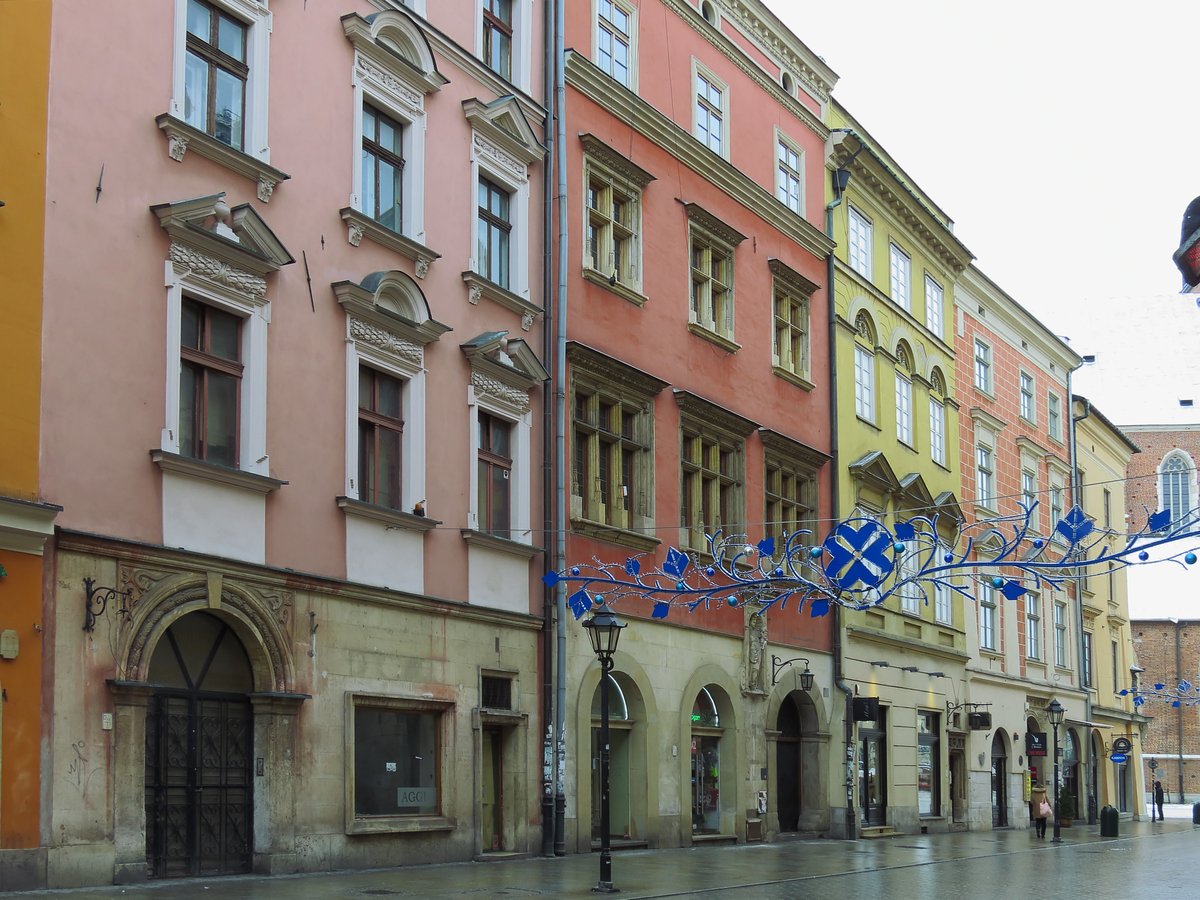
Set in the heart of Kraków’s Old Town, Wielopolski Palace (Pałac Wielopolskich) is a remarkable emblem of the city’s enduring civic and cultural legacy. Located at Plac Wszystkich Świętych 3-4, this historic palace traces its origins to the Renaissance era and has evolved through centuries of architectural transformation, hosting royal guests, artistic luminaries, and, today, the city’s municipal government. For visitors, the palace offers a compelling journey through Kraków’s political, artistic, and urban history—blending landmark architecture, local legends, and a vibrant civic role.
This guide provides essential information for planning your visit: historical context, architectural highlights, practical details on visiting hours and tickets, accessibility, and tips for exploring nearby attractions. For up-to-date schedules and events, consult official sources (krakow.pl; krakow.wiki; yourcityguides.com).
Photo Gallery
Explore Wielopolski Palace in Krakow in Pictures

Wawel Castle, a historic royal residence located in Kraków, Poland, showcasing its architectural grandeur and cultural significance.

Scenic view of Wawel Castle in Kraków, Poland during sunset showcasing its historic architecture and the Vistula River.

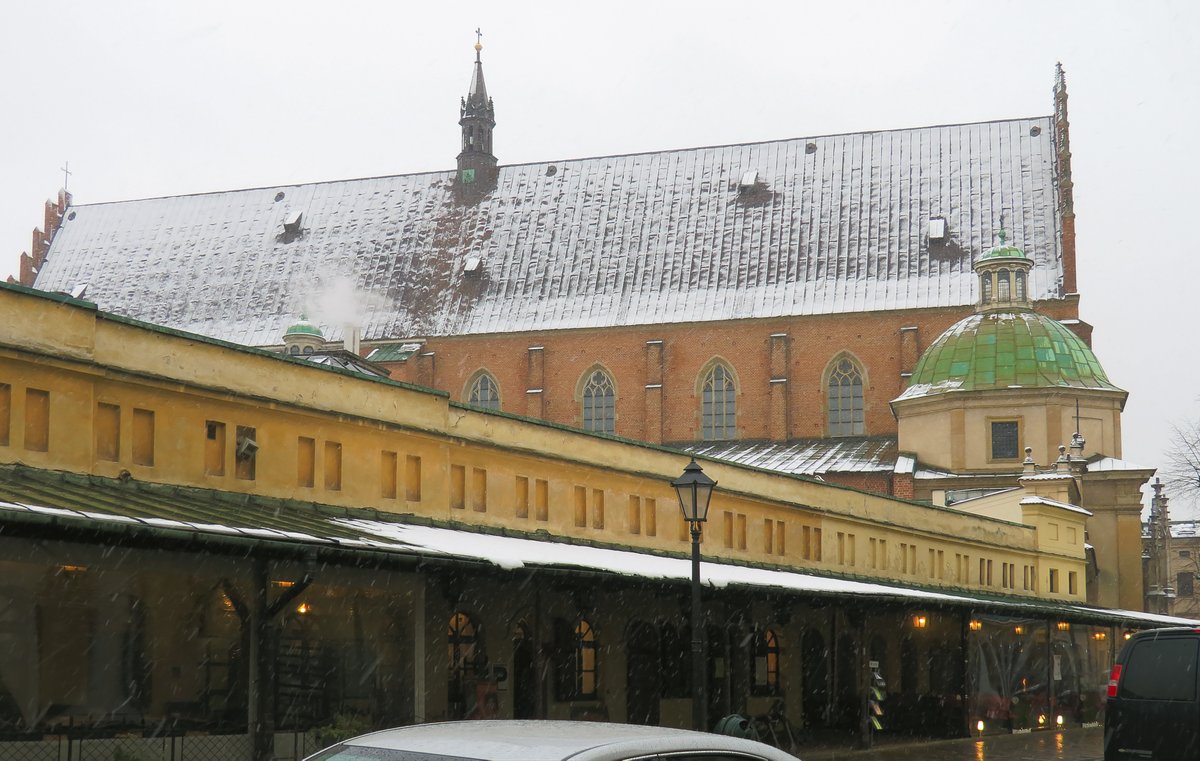
Historic St. Mary Church located in Kraków, Poland, showcasing its gothic architecture and prominent towers.

Monument dedicated to Mikołaj Zyblikiewicz, located in Kraków, Poland, showcasing a historic statue on a pedestal surrounded by greenery and urban buildings.

Lithograph from 1860 depicting Kawiarnia Wintera located in Pałac Wielopolskich, illustrating historical architecture and cafe culture in Poland.

J. N. Głowacki's 1836 depiction of the Palace of Wielopolskich, originally the palace of Jan Tarnowski, owned by the Wielopolskis since the 17th century, showing the western main facade which is now the rear facade.

Black and white photograph of the Wielopolski Palace in Krakow taken around the year 1910, showcasing its architectural style and historical significance.
Renaissance Beginnings
Wielopolski Palace was originally constructed between 1535 and 1560 for Grand Crown Hetman Jan Tarnowski, a leading Polish noble and military commander. The earliest structure, characterized by its rare defensive attic, reflected the prestige and architectural innovation of Renaissance Kraków (krakow.pl). After Tarnowski’s death, the palace passed through the hands of prominent families, including the Ostrogski, Zamoyski, and Wielopolski lineages.
Baroque and Enlightenment Transformations
The palace’s strategic location made it a focal point during significant historical events, such as the Swedish invasion in 1655 and the visit of King Stanisław August Poniatowski in 1787. Throughout the 18th and 19th centuries, the building adapted to Kraków’s evolving cultural life—hosting theater performances, serving as a noble residence, and accommodating the celebrated painter Piotr Michałowski’s studio (krakow.wiki).
19th-Century Restoration and Municipal Role
A devastating fire in 1850 destroyed much of the palace. It was rebuilt and repurposed in the following decades. In 1864, the Municipality of Kraków purchased the palace, transforming it into the city’s new seat of government. Architect Filip Pokutyński redesigned major interiors, creating the splendid council chamber adorned with busts of Polish kings and a gallery of mayoral portraits (en.wikipedia).
20th-Century Expansion and Symbolism
The early 20th century saw further expansions, including annexes featuring a frieze of Polish city coats of arms. Despite challenges such as fires and political upheavals, Wielopolski Palace has remained a symbol of Kraków’s resilience and civic identity, continually adapting to serve the city’s administrative and cultural needs (krakow.pl).
Architectural Features and Artistic Heritage
Wielopolski Palace is a testament to Kraków’s layered architectural evolution. The Renaissance attic, Baroque interiors, and Neo-Renaissance additions create an ensemble reflecting centuries of adaptation. Notable features include:
- Defensive Renaissance Attic: Unique among Kraków’s townhouses, providing both stylistic distinction and historical context.
- Grand Staircase and Ceremonial Halls: Enhanced with ornate stucco work and period furnishings.
- Council Chamber: Decorated with busts of Polish monarchs and a gallery of mayoral portraits, integrating art and governance.
- Annex Frieze: Displaying coats of arms of Polish cities, symbolizing Kraków’s national connections.
The palace’s interiors, especially the council chamber and ceremonial hall, are celebrated for their harmonious blend of artistic styles and civic symbolism (krakow.wiki).
Legends and Local Lore: The “White Lady” of Wielopolski Palace
Adding a touch of mystique, local legend tells of the “White Lady”—believed to be the spirit of a Wielopolski countess who haunts the palace’s cellars due to a tragic romance. This enduring tale is part of Kraków’s folklore, enriching the visitor experience with a sense of intrigue and connection to the past (yourcityguides.com).
Visiting Wielopolski Palace: Hours, Tickets, and Tours
Standard Visiting Hours
Wielopolski Palace primarily functions as Kraków’s City Hall. Public access is generally limited to standard office hours: Monday to Friday, 8:00 AM – 4:00 PM. The palace is closed on weekends and public holidays.
Access to ceremonial halls and historic interiors is typically available only during special events, such as Kraków’s “Night of Museums,” European Heritage Days, or by prior arrangement for group tours.
Tickets and Admission
- Regular Visits: Free access to administrative areas during office hours (limited to public service functions).
- Guided Tours and Special Events: Free or nominally priced admission during cultural programs. Advance booking may be required for guided tours.
- How to Book: Check the official City Hall website or local tourist information centers for up-to-date schedules and booking details (Muzeum Krakowa).
Accessibility
- Entrances: Street-level entrance from All Saints’ Square is wheelchair accessible.
- Facilities: Elevator service is available to upper floors; however, some historic rooms may have limited access due to preservation constraints.
- Assistance: Contact the palace administration ahead of your visit for specific accessibility arrangements (Krakow City Hall).
Practical Tips
- Best Time to Visit: During cultural festivals or open house events when guided tours are available.
- Dress Code: Respectful attire is expected during official functions.
- Photography: Allowed in public areas during special events; flash/tripod use may be restricted.
Location, Access, and Nearby Attractions
Getting There
Wielopolski Palace is centrally located at Plac Wszystkich Świętych 3-4, just minutes from the Main Market Square (Rynek Główny). The site is easily accessible by foot, bicycle (via Planty Park), tram, and bus. The nearest public transport stop is “Plac Wszystkich Świętych” (The Crazy Tourist).
Nearby Landmarks
- St. Mary’s Basilica: Renowned for its medieval altar and trumpet call.
- Wawel Castle: Historic royal residence and museum.
- Planty Park: Green belt encircling the Old Town, ideal for walks.
- Church of St. Francis of Assisi, Bishop’s Palace: Notable religious and architectural sites.
Amenities
- Restaurants and Cafés: Numerous options nearby, including traditional milk bars.
- Restrooms and ATMs: Available in the vicinity.
- Tourist Information: The Kraków Tourist Information Center at Rynek Główny 1/3 provides maps and up-to-date advice.
Visitor Experience: What to Expect
Interiors and Highlights (During Open Days)
- Grand Staircase: Marble, with ornate ironwork.
- Council Chamber: Historical paintings, busts, and chandeliers.
- Reception Rooms: Lavish decoration and city memorabilia.
Special Events
The palace frequently participates in citywide cultural programs, providing rare opportunities to explore historic interiors, attend exhibitions, or experience official receptions (Muzeum Krakowa).
Safety and Responsible Tourism
The Old Town is safe and well-monitored, and visitors should respect historic furnishings and artworks. Use recycling bins, bring reusable water bottles, and follow posted guidelines (Nomadic Matt).
Frequently Asked Questions (FAQ)
Q: What are Wielopolski Palace visiting hours?
A: Standard office hours are Monday to Friday, 8:00 AM–4:00 PM. Access to historic interiors is usually limited to special events.
Q: Is there an admission fee?
A: Public areas are free during office hours; guided tours during special events may have a fee.
Q: Are guided tours available in English?
A: Yes, during open days and special events; booking in advance is recommended.
Q: Is the palace accessible for people with disabilities?
A: Main entrance and principal floors are accessible; some historic areas may have limited access.
Q: Can I take photos inside the palace?
A: Permitted during open events, but flash/tripod use may be restricted.
Contact & Further Information
- Official Kraków City Hall Website
- Phone: +48 12 616 12 00
- Kraków Tourist Information Center
Explore More Kraków Historical Sites
Looking to deepen your exploration? Check out our detailed guides to Wawel Castle, St. Mary’s Basilica, and the Barbican for a full immersion in Kraków’s heritage.
Summary: Why Visit Wielopolski Palace?
Wielopolski Palace is a living monument—its richly decorated halls, storied past, and ongoing civic function provide an authentic window into Kraków’s history and culture. Whether you’re drawn by Renaissance architecture, local legends, or the rhythm of Kraków’s public life, the palace offers a unique and enriching experience. Use this guide to plan your visit, participate in guided tours, and appreciate the palace’s enduring role in the city’s narrative (krakow.pl; krakow.wiki).
Listen to the full story in the app
Your Personal Curator, in Your Pocket.
Audio guides for 1,100+ cities across 96 countries. History, stories, and local insight — offline ready.
Audiala App
Available on iOS & Android
Join 50k+ Curators
Sources
- verified
- verified
- verified
- verified
- verified
Last reviewed: