Plan and listen to Wawel Cathedral with Audiala.
Audio guide in your pocket, itinerary in your browser. Built for the way you actually visit.
Introduction
Perched atop the historic Wawel Hill in Kraków, the Wawel Cathedral—formally the Archcathedral Basilica of Saints Stanislaus and Wenceslaus—is a monumental symbol of Polish faith, sovereignty, and cultural legacy. For over a millennium, the cathedral has served as a spiritual and political heart of Poland, hosting royal coronations, burials, and national ceremonies. Its striking blend of Romanesque, Gothic, Renaissance, and Baroque architecture narrates the story of Poland’s complex history and artistic accomplishments.
This guide provides a detailed exploration of Wawel Cathedral’s significance, architectural highlights, and practical information including visiting hours, tickets, accessibility, and travel tips. Whether you’re a history enthusiast, architecture lover, or traveler planning your Kraków itinerary, this article will help you make the most of your visit (krakow.wiki, historytools.org, katedra-wawelska.pl, inyourpocket.com).
- Introduction
- Historical Overview
- Architectural Highlights
- Visitor Information
- Tips for Visiting
- Notable Nearby Attractions
- Frequently Asked Questions (FAQ)
- Conclusion
- References

Early Origins (10th–12th Centuries)
The genesis of Wawel Cathedral is intertwined with the birth of the Polish state. The first cathedral, likely wooden, was built shortly after the establishment of the Kraków Bishopric in 1000 CE, a testament to the nation’s Christianization under Duke Mieszko I. Little remains of this original structure, but its symbolic significance as Poland’s spiritual center endures (krakow.wiki).
After a fire, a new Romanesque cathedral was erected around 1140 under Duke Władysław II Herman. This stone basilica featured galleries, crypts, and sturdy towers. Remnants like St. Leonard’s Crypt and the lower south tower can still be visited today (katedra-wawelska.pl).
Gothic Transformation and Royal Coronations (14th–16th Centuries)
A major fire in the early 14th century led to the cathedral’s Gothic reconstruction, initiated by King Władysław I the Elbow-high and consecrated in 1364. From 1320 onward, Wawel Cathedral became the traditional site for the coronation and burial of nearly all Polish kings and queens, cementing its status as a royal necropolis (krakow.wiki, inyourpocket.com).
Renaissance and Baroque Enhancements
The cathedral’s splendor was further enriched in the 16th and 17th centuries. The Sigismund Chapel, constructed between 1519 and 1533 for King Sigismund I the Old, is hailed as a Renaissance masterpiece, with its golden dome and harmonious proportions (krakow.wiki). Subsequent Baroque renovations introduced ornate altars, marble chapels, and elaborate décor, notably under the patronage of the Vasa dynasty (katedra-wawelska.pl).
Turbulence, Occupation, and Restoration (17th–20th Centuries)
Wawel Cathedral faced repeated trials, including looting during the 17th-century Swedish Deluge, fires, and neglect under Austrian occupation after the Third Partition of Poland. The 19th century saw disrepair and destruction, but major restoration efforts followed Poland’s independence in 1918 and after World War II, preserving the cathedral’s historical and artistic legacy (historytools.org, inyourpocket.com).
Architectural Highlights
Exterior Features and Towers
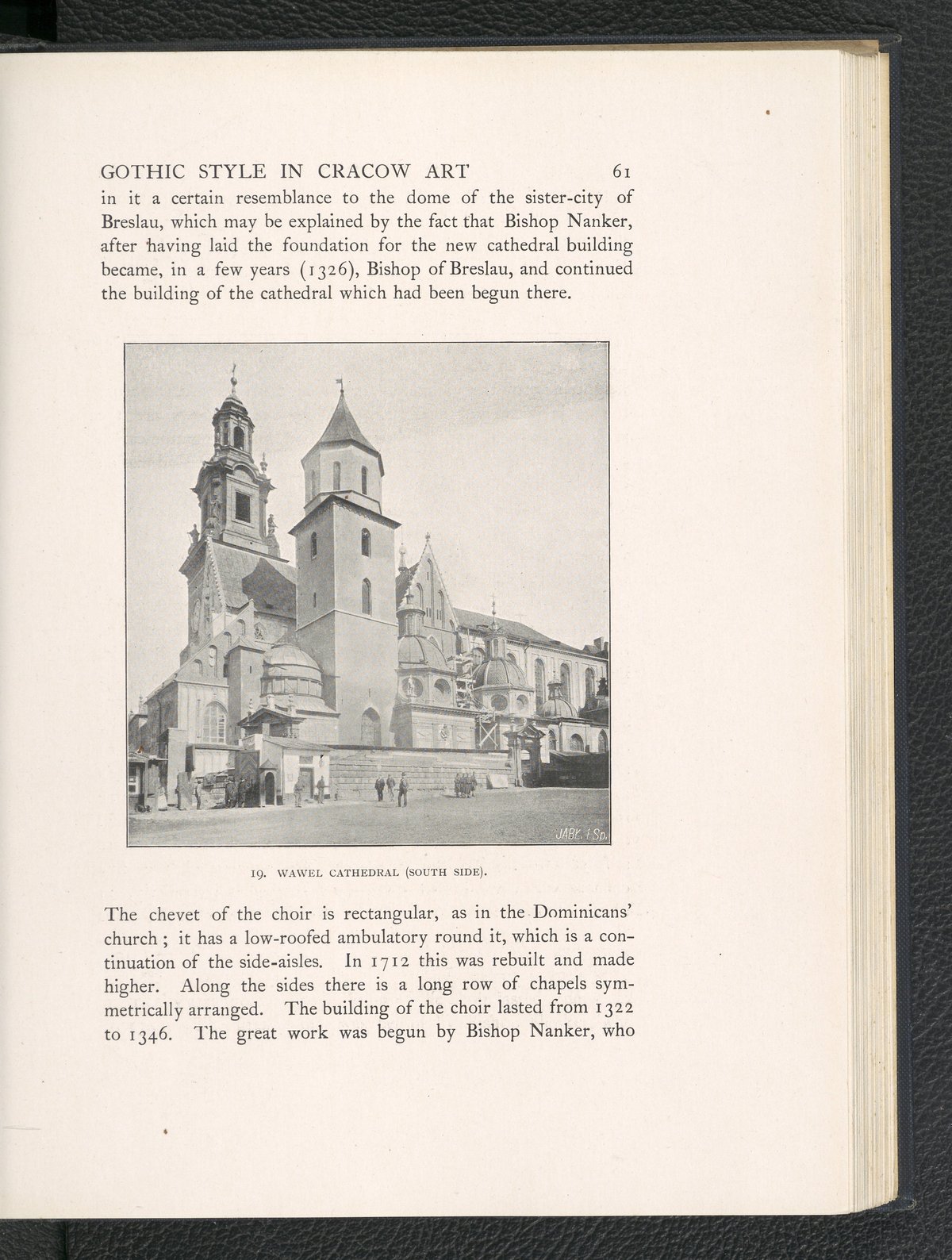
The cathedral’s exterior is a tapestry of Gothic, Renaissance, and Baroque elements. Three distinctive towers rise above Wawel Hill: the Baroque clock tower, the Sigismund Tower (home to the famous Sigismund Bell), and the Silver Bells Tower. The golden dome of the Sigismund Chapel stands as a Renaissance jewel (krakow.wiki).
Chapels, Crypts, and Tombs
Eighteen chapels surround the nave, each showcasing unique art and architecture. The Holy Cross Chapel features 15th-century murals, while others, like the Vasa Chapel, display Baroque grandeur. The crypts house the remains of kings, national heroes, and saints including St. Stanislaus—the cathedral’s patron (historytools.org).
The Sigismund Bell
Cast in 1520 and weighing over 11 tons, the Sigismund Bell is rung only on major national and religious occasions. Its toll is a symbol of Polish unity and resilience, and visitors can climb the Sigismund Tower to view the bell and enjoy panoramic city views (facts.net).
Visitor Information
Location and Access
Wawel Cathedral is centrally located on Wawel Hill, adjacent to the Wawel Royal Castle and overlooking the Vistula River. The site is within walking distance of Kraków’s Old Town and accessible by public transport. Entry to Wawel Hill and its courtyards is free (dailykrakow.com), but tickets are required for the cathedral’s interior, crypts, and tower.
Visiting Hours
- Monday to Saturday: 9:00 AM – 5:00 PM
- Sunday and religious holidays: 12:30 PM – 5:00 PM
- Last admission is generally 30 minutes before closing.
- Hours may vary during special events or holidays; check the official website for updates.
Tickets and Admission
- Standard ticket: PLN 14
- Reduced ticket: PLN 8
- Free entry for Mass and prayer (dailykrakow.com)
- Tickets are sold at the dedicated office in front of the cathedral; no advance booking is required, but arrive early during peak season (karnet.krakowculture.pl).
Accessibility
Due to its historic architecture, the cathedral has limited accessibility. There are stairs at the entrance and within, and access to the crypts and Sigismund Tower requires stair climbing. Some chapels and main areas are accessible to visitors with disabilities; check with staff for assistance (katedra-wawelska.pl).
Dress Code and Conduct
As a place of worship, modest attire is required—shoulders and knees should be covered. Silence and respectful behavior are expected, especially during services. Photography is generally not permitted inside the cathedral or crypts.
Guided Tours
Guided tours and audioguides are available in several languages, offering in-depth insight into the cathedral’s architecture, history, and legends (krakowbooking.com). Private and group tours can be arranged in advance.
Facilities and Amenities
- Restrooms: Available on Wawel Hill
- Cafés/Restaurants: Located on the hill and nearby
- Gift Shops: Sell souvenirs and books related to the cathedral and Polish history
- Cloakroom: Limited facilities; large bags may not be allowed inside
Tips for Visiting
- Arrive early or late afternoon to avoid crowds
- Check the events calendar for closures or special ceremonies
- Wear comfortable shoes due to cobblestones and stairways
- Allow 1–2 hours for a thorough visit, more if climbing the Sigismund Tower
Notable Nearby Attractions
- Wawel Royal Castle: Explore royal apartments, art collections, and the castle’s courtyards
- Kraków Old Town: A UNESCO World Heritage Site, home to the Main Market Square and St. Mary’s Basilica
- Planty Park: A scenic green belt surrounding Old Town
Frequently Asked Questions (FAQ)
Q: What are Wawel Cathedral’s visiting hours?
A: Monday to Saturday, 9:00 AM–5:00 PM; Sunday and religious holidays, 12:30 PM–5:00 PM. Last admission 30 minutes before closing.
Q: How do I buy tickets?
A: Tickets are sold at the office in front of the cathedral; no advance booking required.
Q: Is there free entry?
A: Free entry is granted for those attending Mass or visiting for prayer.
Q: Is the cathedral wheelchair accessible?
A: Accessibility is limited due to stairs and cobblestones; assistance may be needed.
Q: Can I take photos inside?
A: Generally not permitted inside the cathedral or crypts.
Tickets & tours.
These are guided options from our partners — same price as booking direct.
Prices are indicative — final pricing and availability are confirmed at checkout. Audiala may earn a commission from bookings made through these links.
Listen to the full story in the app
The whole Wawel Cathedral,
told well.
Audio guides for 1,100+ cities across 96 countries. History, stories, and local insight — offline ready.
Verified, and shown.
Researched and written by the Audiala editorial team from historical records, architectural archives, and local expertise.
Researched from Wikidata, Wikipedia & official sources · fact-checked · How we make our guides →