Plan and listen to Wawel Castle with Audiala.
Audio guide in your pocket, itinerary in your browser. Built for the way you actually visit.
Introduction
Wawel Castle, perched atop Wawel Hill with sweeping views of the Vistula River, is the crown jewel of Kraków’s historical landscape and a symbol of Poland’s national spirit. A UNESCO World Heritage Site, Wawel Castle has played a pivotal role in the political, spiritual, and artistic life of the nation since the Middle Ages. From its medieval roots through Gothic, Renaissance, and Baroque transformations, the castle’s complex history and architectural splendor attract millions of visitors each year. This in-depth guide provides essential information on visiting hours, ticketing, accessibility, highlights, and nearby attractions, ensuring you make the most of your visit to this cultural treasure. For the latest updates and planning resources, always consult the official website (wawel.krakow.pl) and reputable travel sources (krakowmonamour.com; krakowtop.org).

Early Foundations and Medieval Significance
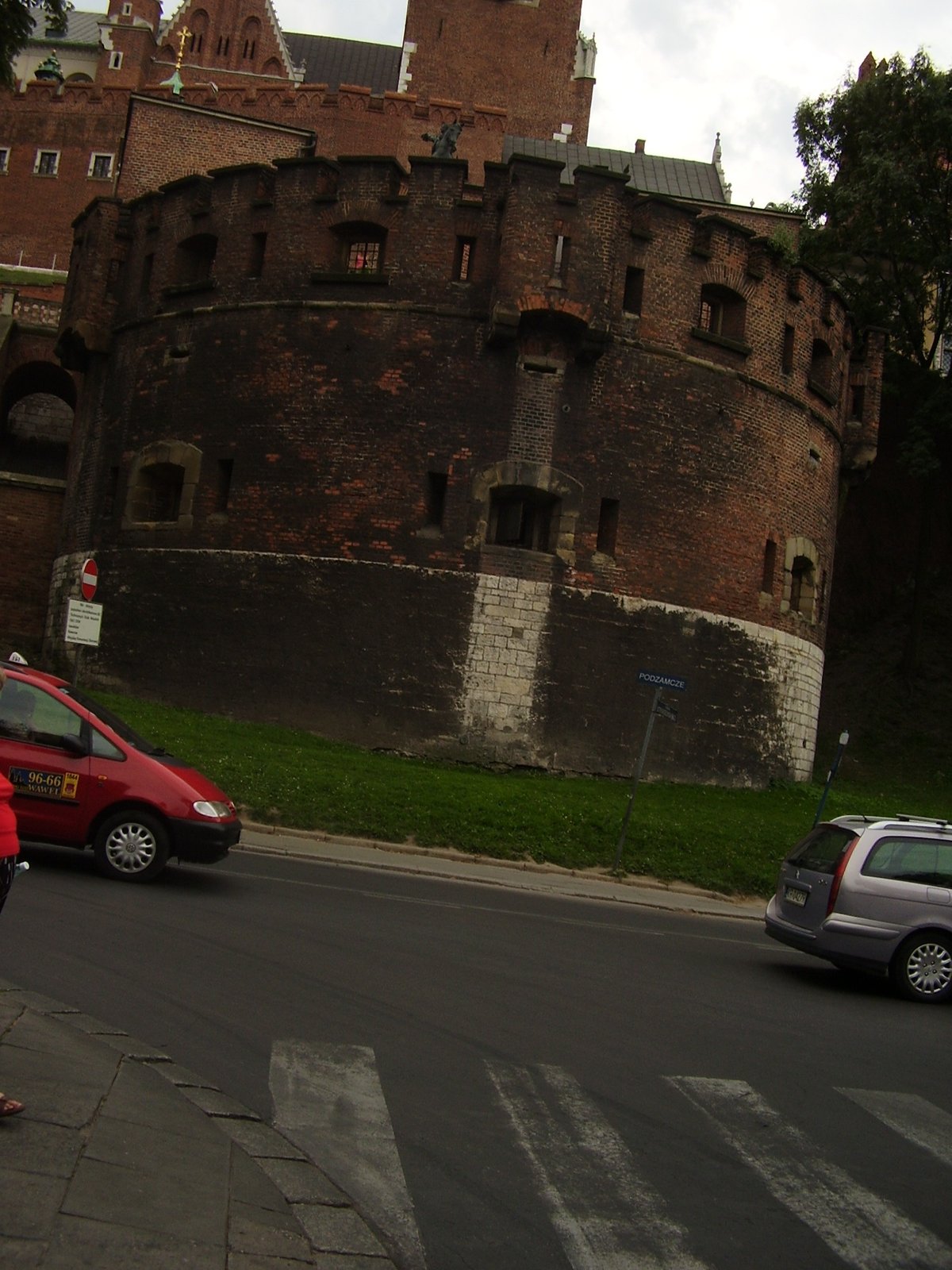
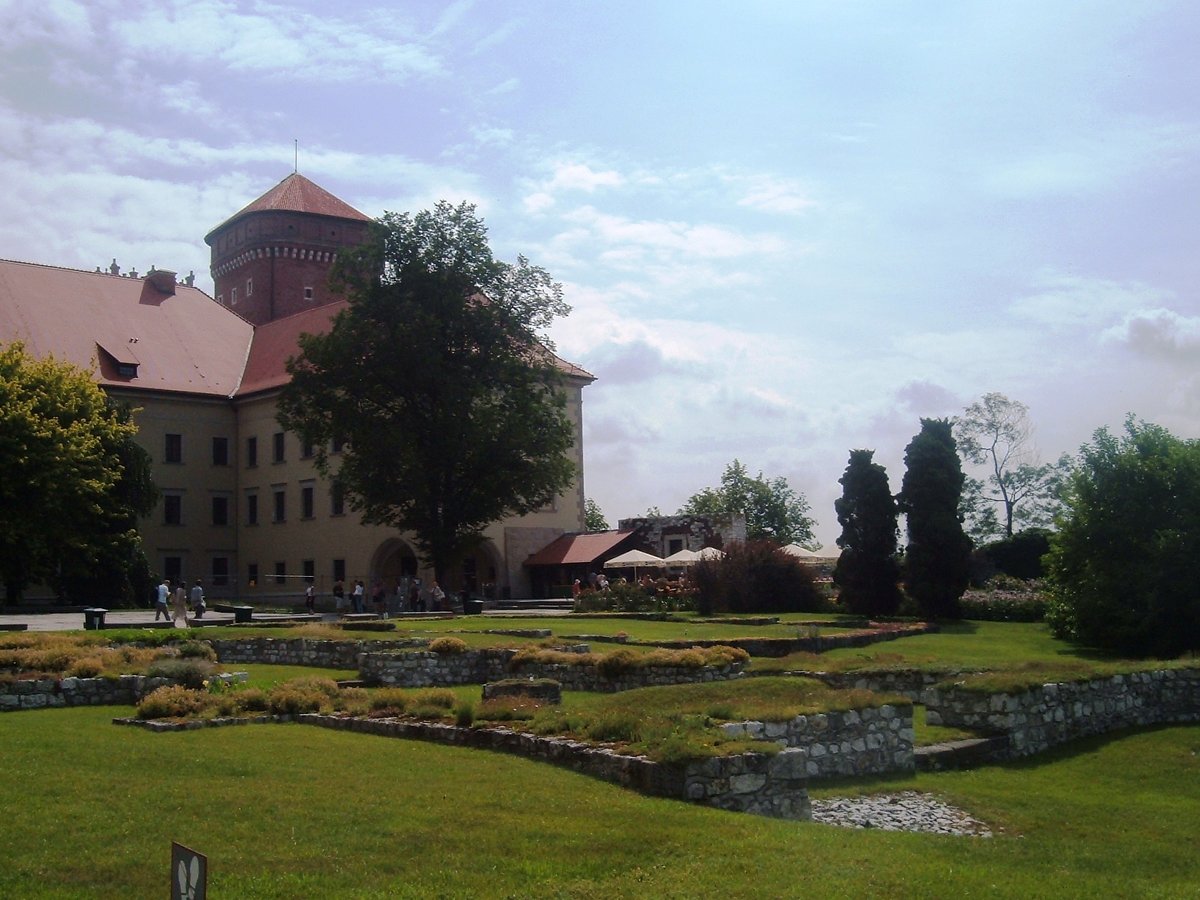
The significance of Wawel Hill dates back to prehistoric times, but its emergence as a political and religious center began in the 10th–11th centuries. The Piast dynasty established Kraków as the capital, with Wawel Castle serving as the royal seat. Initial wooden structures were replaced by stone fortifications under Casimir I the Restorer, and remnants of these early walls are still visible in the castle’s northern wing and underground exhibitions (krakowmonamour.com; historyhit.com).
Romanesque and Gothic Transformations
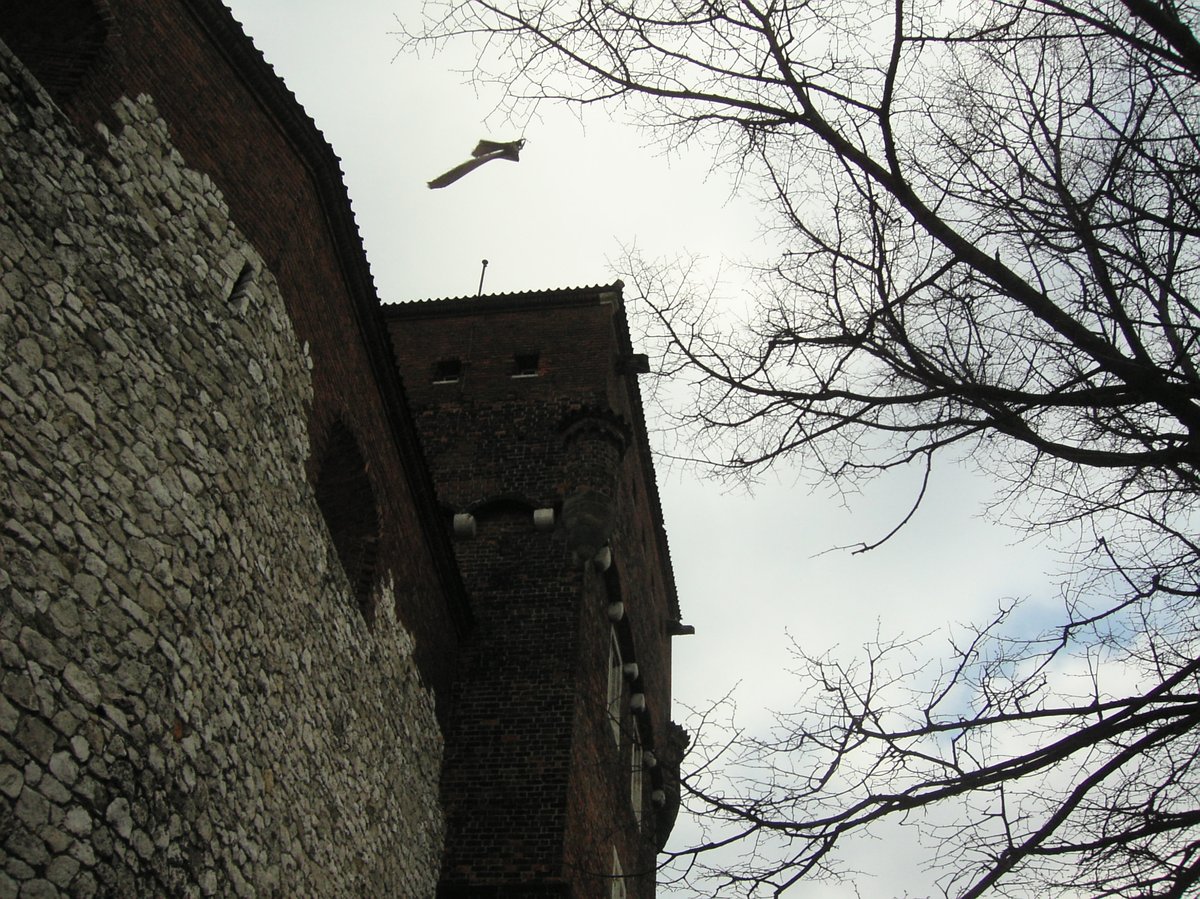
Romanesque architecture is preserved in the crypts of Wawel Cathedral, while the 14th century saw a comprehensive Gothic reconstruction led by Kings Władysław I Łokietek and Casimir III the Great. The Gothic style dominates the cathedral’s nave, pointed arches, and robust defensive towers. These structures formed the setting for royal coronations, funerals, and critical state ceremonies (sunshineseeker.com; krakowtop.org).
Renaissance Flourish
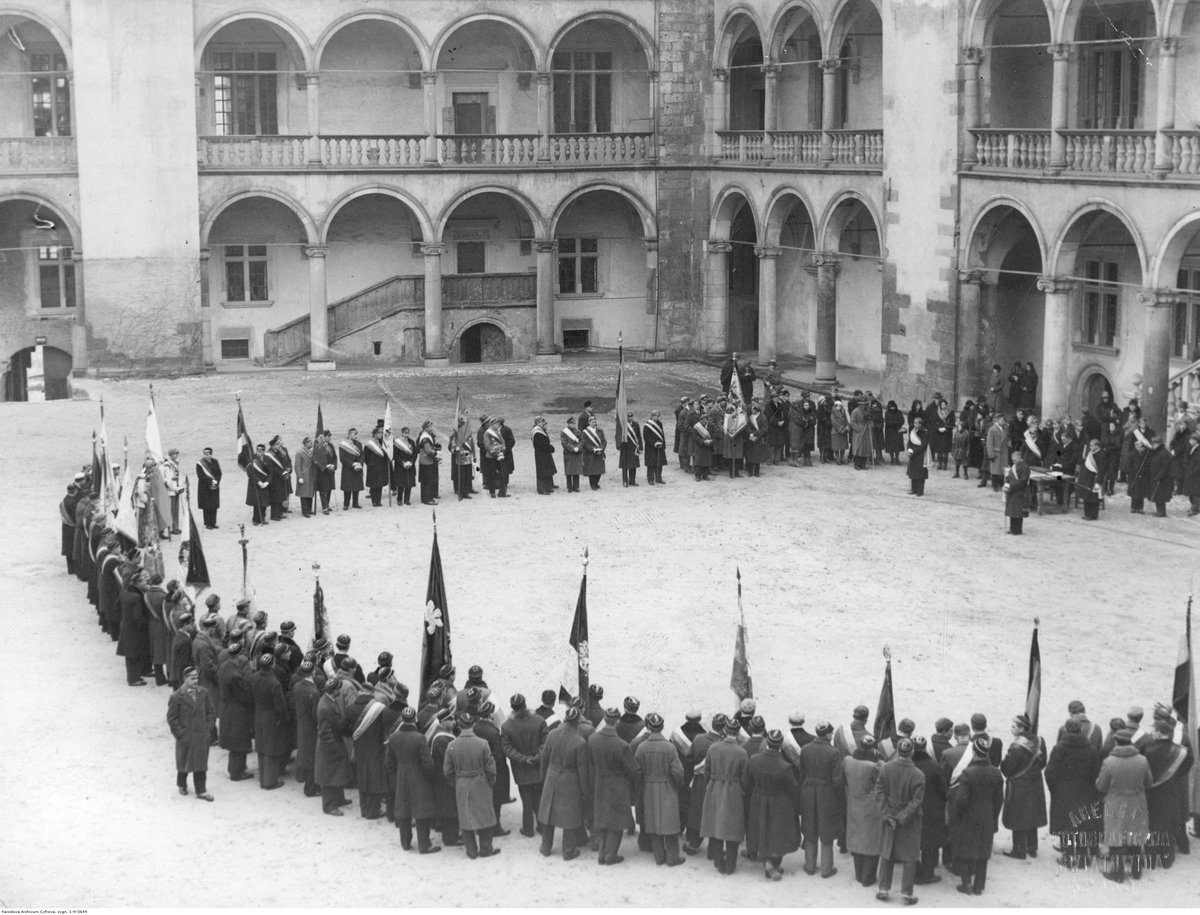
Under King Sigismund I the Old in the early 16th century, Wawel Castle was transformed into a Renaissance palace by Italian architects Bartolomeo Berrecci and Francesco Fiorentino (historytools.org). The arcaded courtyards, the Sigismund Chapel with its golden dome, and lavish state rooms reflect the Renaissance ideals of beauty and harmony (sunshineseeker.com). This period also saw the flourishing of the arts, making the castle a center for cultural exchange throughout Europe.
Baroque, Neoclassical, and Modern Restorations
The 17th and 18th centuries brought Baroque interior renovations and neoclassical façades, particularly after the devastation of the Swedish and Prussian invasions (krakowtop.org). During Austrian occupation, the castle was converted into military barracks, but a major restoration in the late 19th and 20th centuries returned Wawel to Polish stewardship. Today, it stands as a meticulously preserved museum and a symbol of national resilience (theuniquepoland.com).
Practical Visitor Information
Visiting Hours
- April to October: 9:30 AM – 5:00 PM
- November to March: 9:30 AM – 4:00 PM
- Closed: Mondays and select public holidays
Note: Some exhibitions may have different hours; always verify via the official website.
Ticketing and Admission
- Combined Tickets: Include access to State Rooms, Royal Private Apartments, Crown Treasury and Armory, and Wawel Cathedral.
- Price Range: 30–89 PLN (discounts for children, students, seniors; children under 7 free).
- Purchasing: Buy online (official ticket portal) or on site; advance booking recommended during peak seasons.
Guided Tours and Audio Guides
- Guided Tours: Available in English, German, French, and Polish. Last about 2 hours.
- Audio Guides: Rentable at the entrance or via mobile app, in multiple languages.
Accessibility & Visitor Facilities
- Wheelchair Access: Most main areas are accessible via lifts; some historic sections (towers, underground) have limited access.
- Accessible Toilets & Cloakrooms: Available throughout the complex.
- Sensory-Friendly Options: Designated quiet hours.
- Cafés, Restaurants, and Shops: On-site and nearby, offering refreshments and souvenirs.
- Public Transport: Tram lines 6, 8, 10, 13, and 18 stop nearby; limited parking, so walking or public transit is preferable.
Highlights of the Wawel Castle Complex
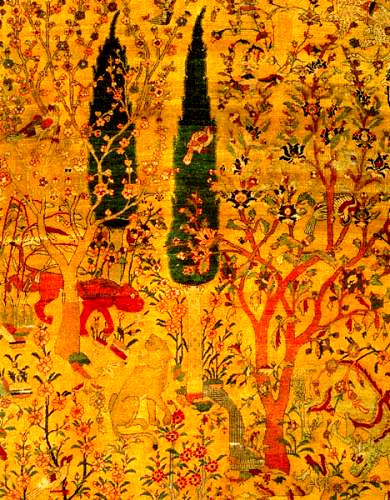
- State Rooms: Lavishly decorated chambers with historic tapestries, friezes, and royal furnishings (krakowtop.org).
- Royal Private Apartments: Glimpse into royal life via period interiors and art (historytools.org).
- Crown Treasury and Armory: Home to the coronation sword Szczerbiec and royal regalia.
- Wawel Cathedral: Spiritual heart of Poland, with royal tombs, the Sigismund Bell, and an architectural blend of Romanesque, Gothic, and Baroque (krakowbooking.com).
- Sigismund Chapel: Renaissance masterpiece with a golden dome.
- Wawel Underground: Archaeological displays of the castle’s oldest remains (krakowmonamour.com).
- Dragon’s Den (Smocza Jama): Legendary cave open in summer; outside, the famous dragon statue occasionally breathes fire (monkeyandmouse.co.uk).
- Sandomierska Tower: Offers panoramic city views (wawel.krakow.pl).
- Gardens and Courtyards: Renaissance-style galleries and seasonal flowerbeds, ideal for photos.
Nearby Attractions & Special Events
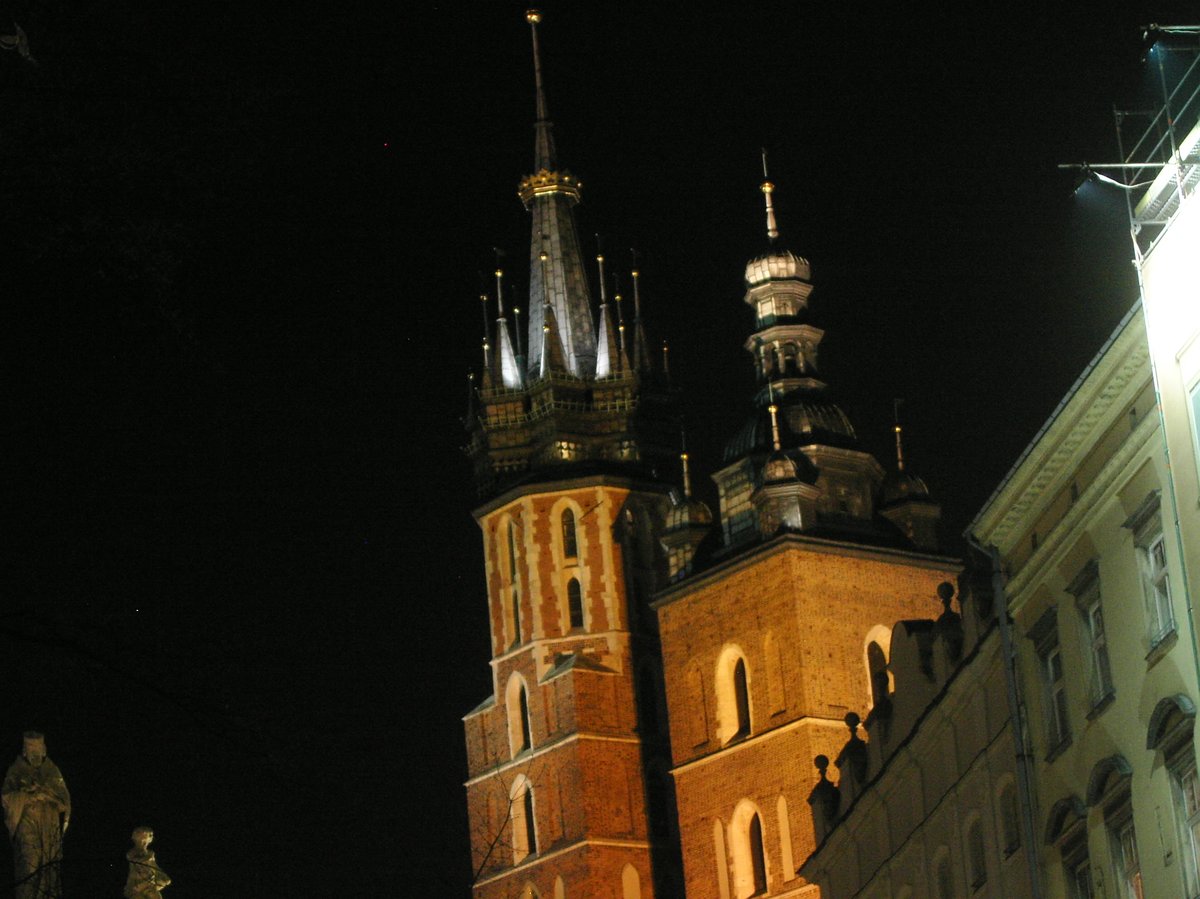
- Kraków Old Town: UNESCO-listed, with Main Market Square, St. Mary’s Basilica, and Cloth Hall nearby.
- Planty Park: Green belt encircling Old Town, perfect for strolls.
- Vistula River Banks: Picturesque walks and photo opportunities.
- Festivals & Events: Medieval reenactments, concerts, and seasonal exhibitions; check official events calendar for schedules.
FAQs: Visiting Wawel Castle
Q: What are Wawel Castle’s visiting hours?
A: Typically 9:30 AM–5:00 PM (April–October) or 9:30 AM–4:00 PM (November–March); closed Mondays.
Q: How do I buy tickets?
A: Purchase online via the official portal or on site; advance booking is best.
Q: Is Wawel Castle accessible for wheelchair users?
A: Most main areas are accessible; some historic sections have limited access.
Q: Are guided tours available?
A: Yes, in multiple languages. Audio guides are also available.
Q: Can I visit the Dragon’s Den?
A: Yes, open in summer for a fee and with group size limits.
Q: Are there family or group discounts?
A: Yes, especially for families with children aged 8–18.
Summary & Visitor Tips
- Book Tickets in Advance: Especially during high season.
- Arrive Early: Mornings are less crowded.
- Dress Appropriately: Modest attire required in Wawel Cathedral; comfortable shoes recommended.
- Use Public Transport: Limited parking near the castle.
- Plan for 2–4 Hours: Allocate extra time for exhibitions and gardens.
- Check for Special Events: Enhance your visit with concerts or temporary exhibitions.
Wawel Castle is not just a monument—it's a living narrative of Poland’s royal heritage, architectural splendor, and enduring legends. Whether you’re a history buff, art enthusiast, or family traveler, Wawel offers a memorable journey through centuries of Polish culture. For real-time updates, ticketing, and virtual tours, visit the official Wawel Castle site and consider the Audiala app for enhanced audio guide experiences. Explore Kraków’s other historic gems nearby and make your trip to Wawel Castle the highlight of your Polish adventure!
Tickets & tours.
These are guided options from our partners — same price as booking direct.
Prices are indicative — final pricing and availability are confirmed at checkout. Audiala may earn a commission from bookings made through these links.
Listen to the full story in the app
The whole Wawel Castle,
told well.
Audio guides for 1,100+ cities across 96 countries. History, stories, and local insight — offline ready.
Verified, and shown.
Researched and written by the Audiala editorial team from historical records, architectural archives, and local expertise.
Researched from Wikidata, Wikipedia & official sources · fact-checked · How we make our guides →