Plan and listen to National Museum In Kraków with Audiala.
Audio guide in your pocket, itinerary in your browser. Built for the way you actually visit.
Introduction: History and Significance
Nestled in the heart of Kraków, the National Museum in Kraków (Muzeum Narodowe w Krakowie, MNK) is Poland’s preeminent institution for art and cultural heritage. Founded in 1879 amid the political partitions of Poland, the museum was created not only to preserve works of art but also to serve as a symbol of national resilience and identity in times of adversity (Google Arts & Culture). Today, the MNK is one of the largest and most diverse museum complexes in Central Europe, boasting a collection of over 900,000 objects and encompassing a main modernist building, multiple specialized branches, and a comprehensive program of exhibitions and educational activities (Culture.pl; inyourpocket.com).
The MNK’s strategic location near Kraków’s Old Town, Wawel Castle, and Cloth Hall makes it a cornerstone of the city’s cultural landscape. With accessible facilities, rotating temporary exhibitions, multilingual guided tours, and a focus on inclusivity, the museum provides an enriching experience for all visitors. This guide details everything you need to plan your visit, including opening hours, ticket options, highlights of the collection, and practical travel tips (mnk.pl; krakow.travel).

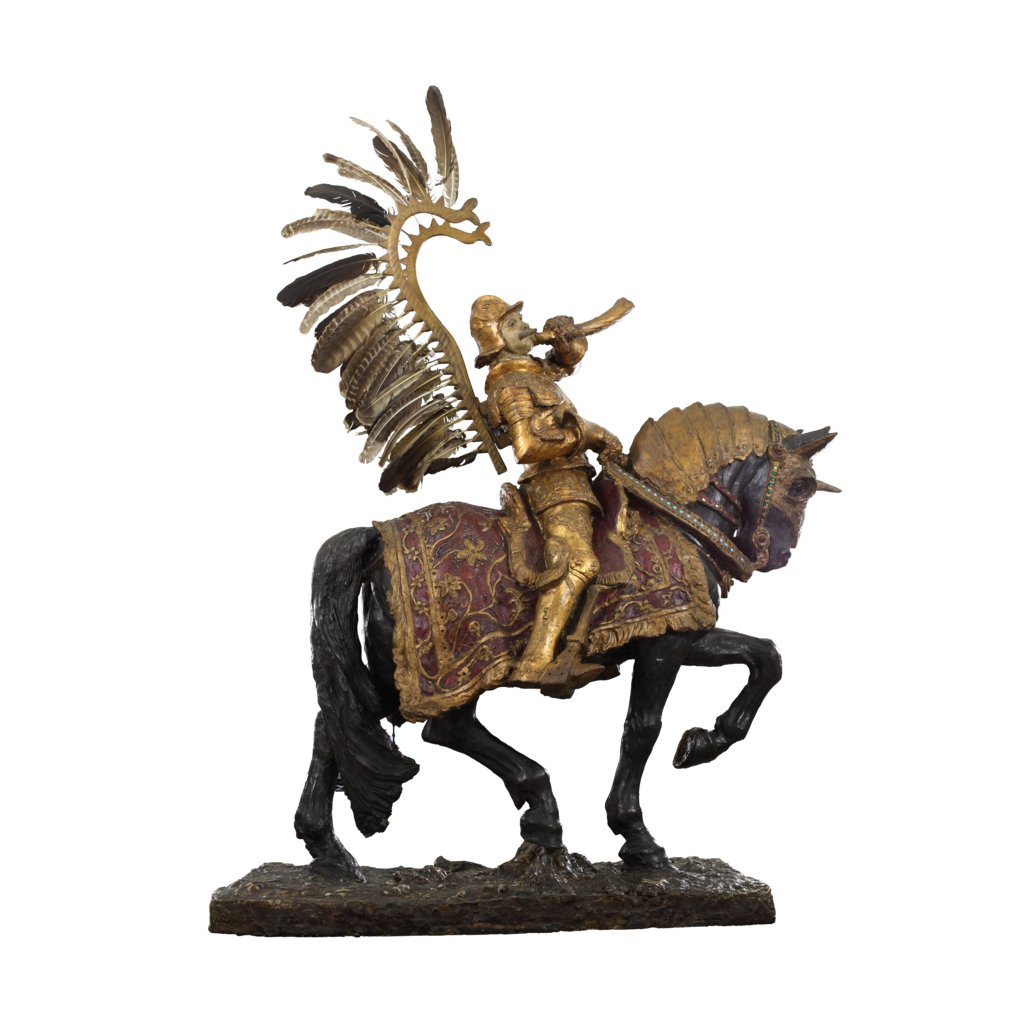
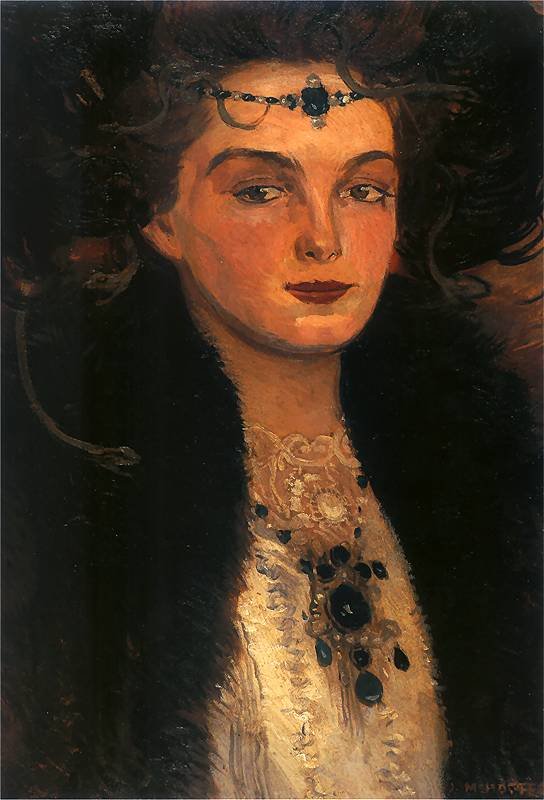
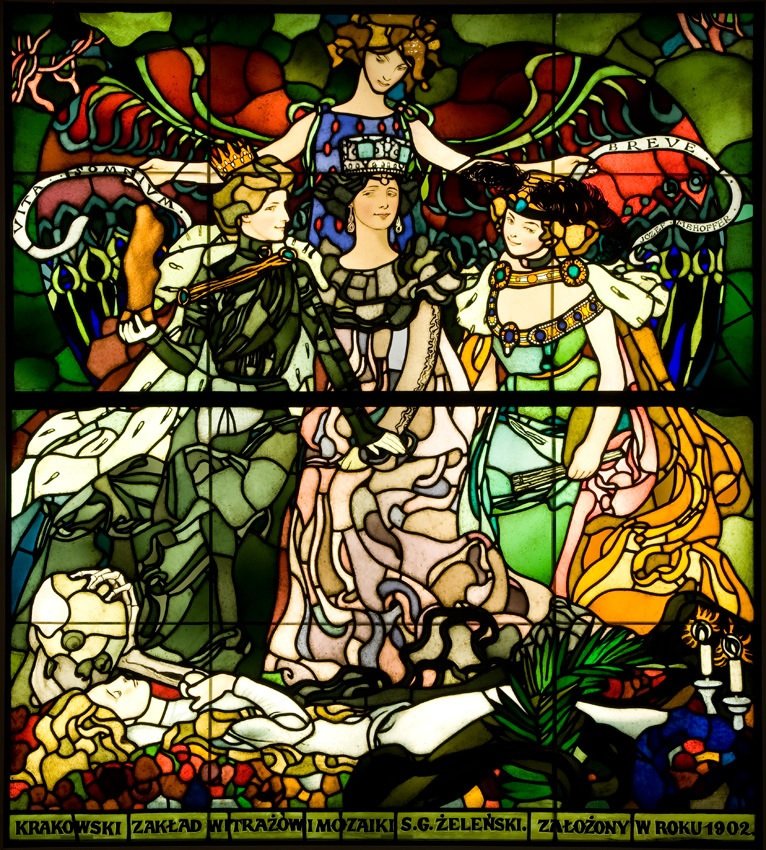
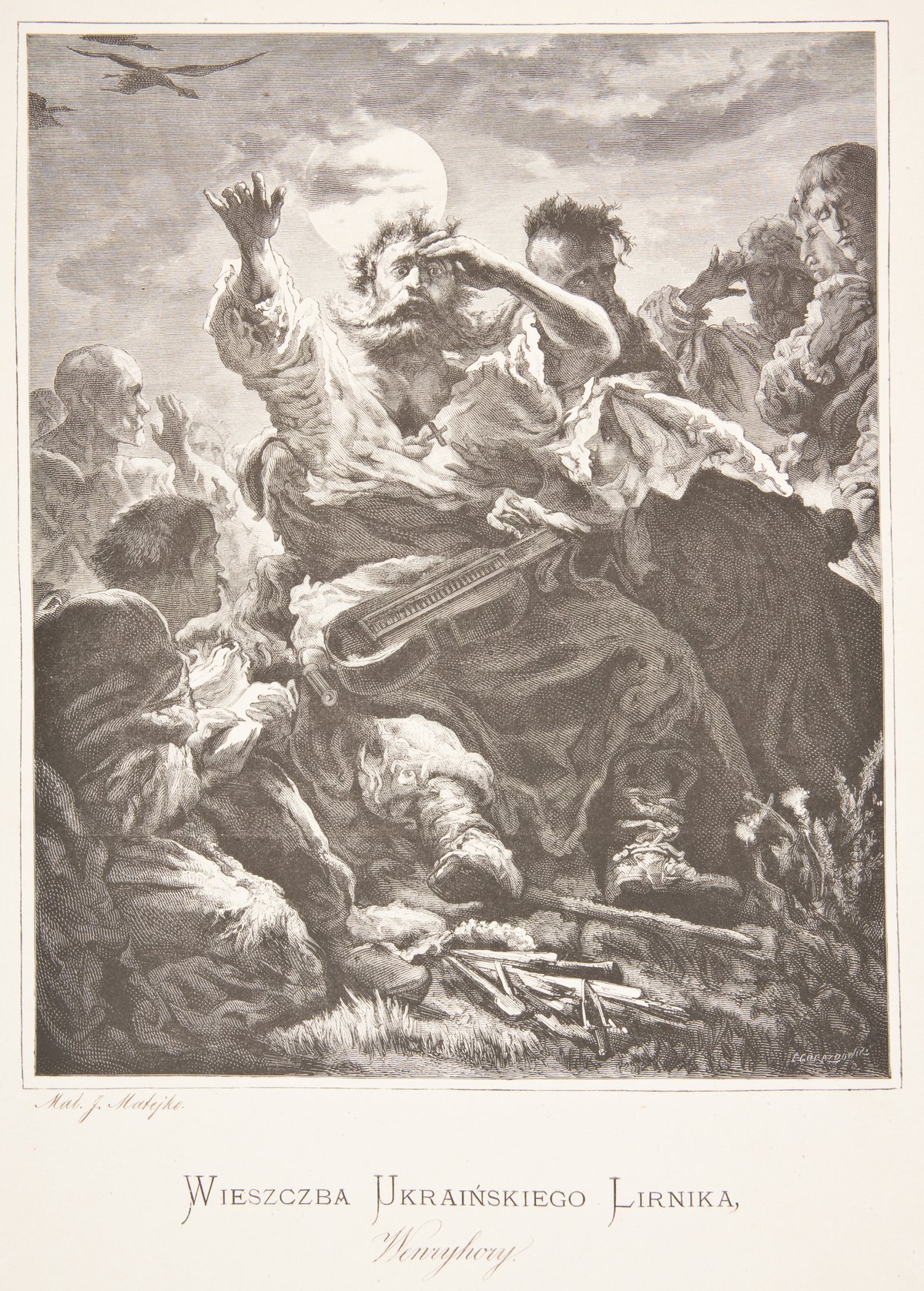
Historical Foundations and Evolution
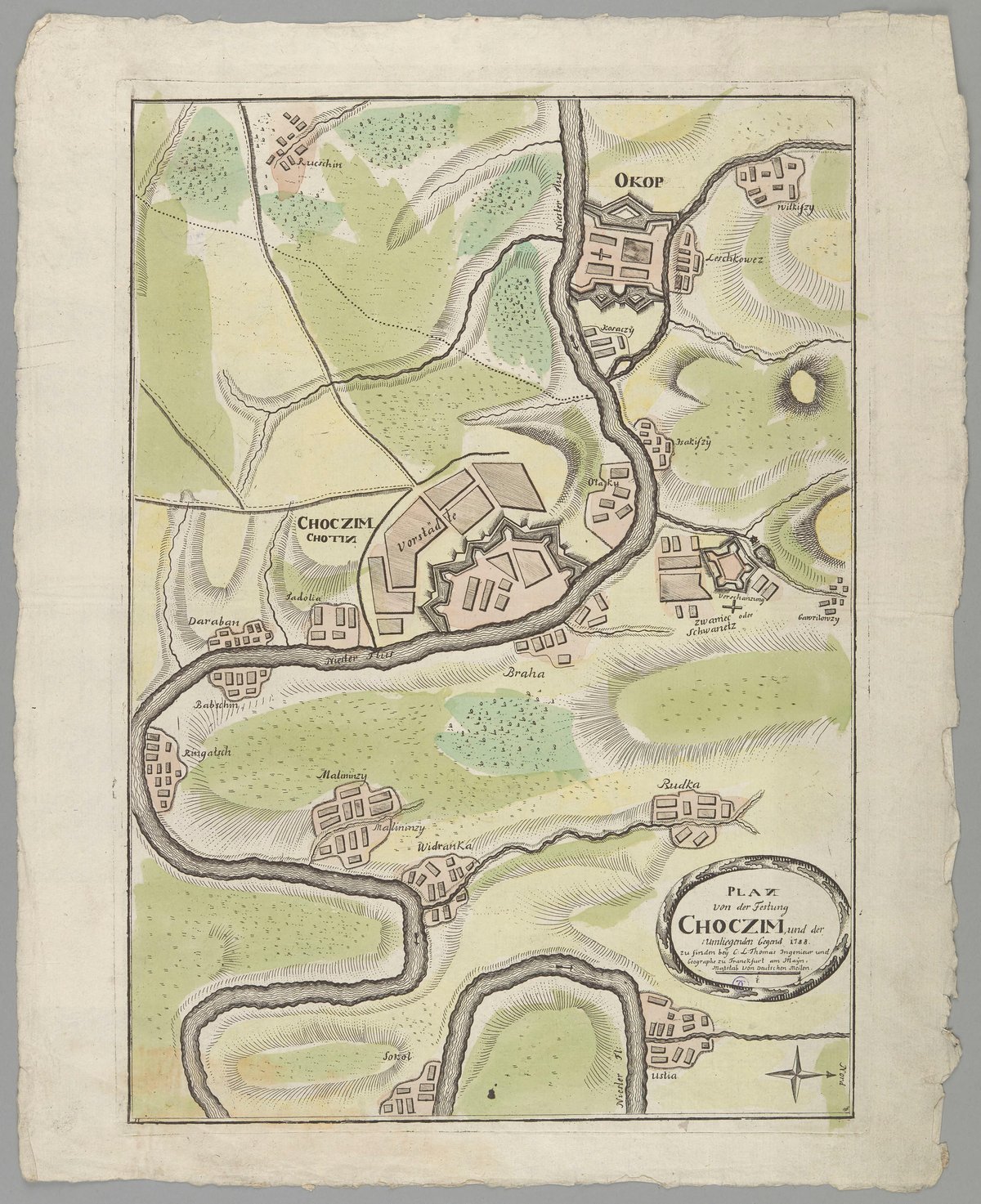
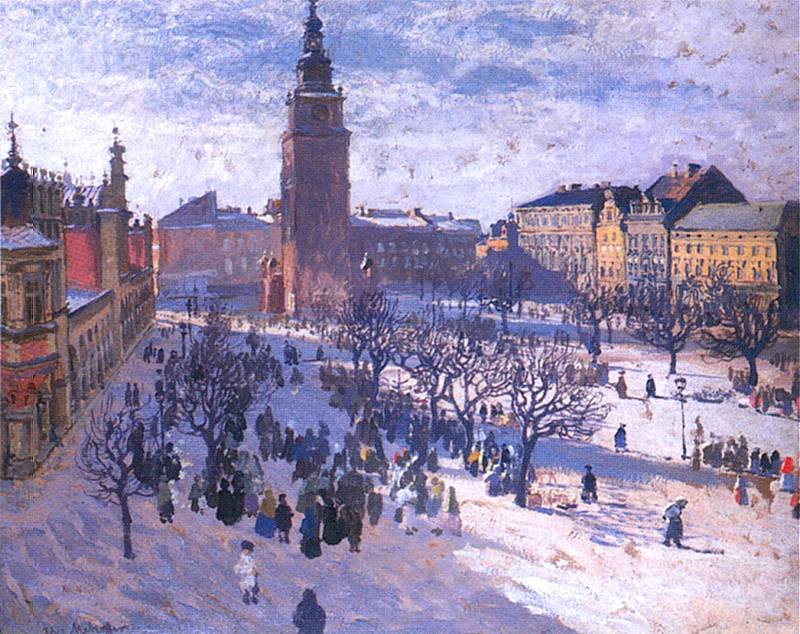
The National Museum in Kraków was established in 1879 by the Kraków City Council during a period when Poland’s sovereignty was suppressed. Its founding mission was to safeguard Polish art, history, and national identity (Google Arts & Culture). Initially located in the Sukiennice (Cloth Hall) on the Main Market Square, the museum quickly became the leading public cultural institution in the Polish lands (Google Arts & Culture). Over the years, it expanded to include renowned branches such as the Czartoryski Museum and the Bishop Erazm Ciołek Palace (WhichMuseum).
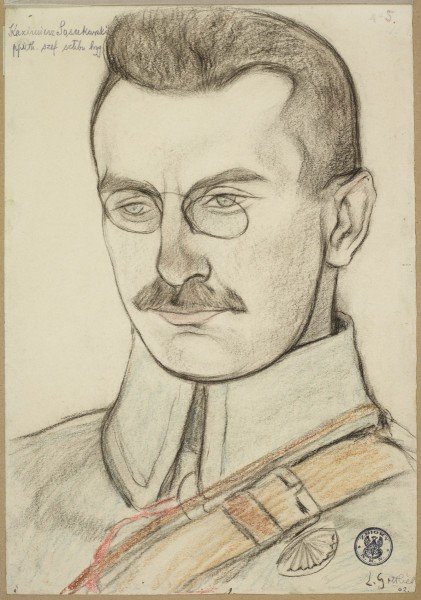
Throughout wars and political upheaval, the museum preserved masterpieces and protected Poland’s cultural memory, including works by Jan Matejko, Stanisław Wyspiański, Olga Boznańska, and Leonardo da Vinci’s “Lady with an Ermine” (Culture.pl).
Museum Structure, Branches, and Collections
Main Building: Layout and Permanent Galleries
The main building, located at al. 3 Maja 1, is a hallmark of modernist architecture. Constructed between 1934 and 1989, it houses the museum’s central administration, conservation workshops, library, and three major permanent galleries (whichmuseum.com, its-poland.com):
Permanent Galleries
- Gallery of 20th & 21st Century Polish Art: Showcasing works from the Young Poland movement, modernism, and contemporary art. Featured artists include Stanisław Wyspiański, Jacek Malczewski, and Wilhelm Sasnal (inyourpocket.com, lonelyplanet.com).
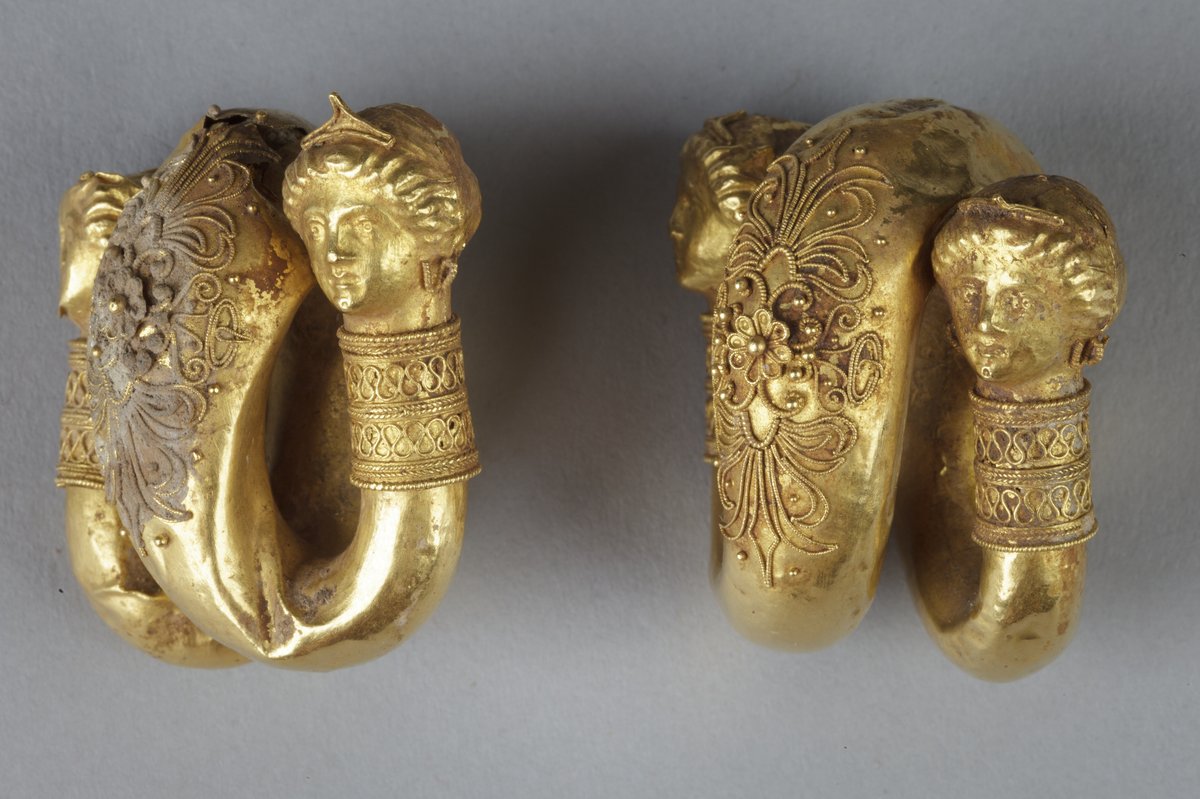
- Gallery of Decorative Arts: A comprehensive survey of Polish and European applied arts, from medieval to modern times, including furniture, textiles, ceramics, glass, and jewelry (whichmuseum.com).
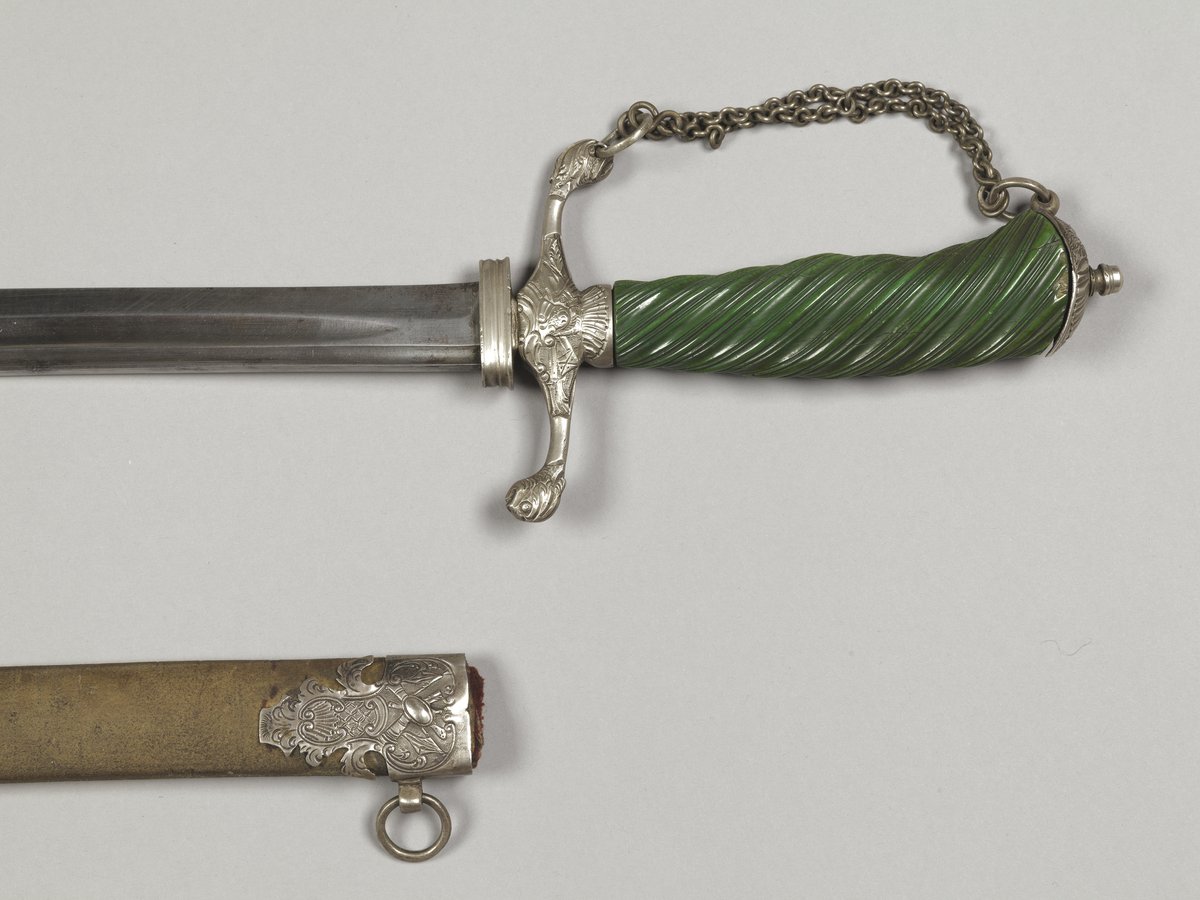
- Gallery of Arms and Uniforms in Poland: Chronicles Polish military history through uniforms, weapons, and banners (introducingkrakow.com). (Note: This gallery may be temporarily closed; check the museum website for updates.)
Specialized Branches
The MNK operates 13 branches—12 in Kraków and one in Zakopane—making it the country’s largest museum complex (inyourpocket.com). Key branches include:
- Gallery of 19th-Century Polish Art (Sukiennice): Hosts iconic works by Matejko, Chełmoński, and Siemiradzki.
- Czartoryski Museum: Home to Leonardo da Vinci’s “Lady with an Ermine” and Rembrandt masterpieces.
- Jan Matejko House: The preserved residence and studio of Matejko.
- Europeum: Displays Western European paintings and sculpture.
- Karol Szymanowski Museum (Zakopane): Dedicated to the composer’s life and work.
Other branches include the Emeryk Hutten-Czapski Museum (numismatics), Józef Mehoffer House, and Stanisław Wyspiański Museum.
Collection Highlights
With over 900,000 items across 21 departments (its-poland.com, wikipedia.org), the museum’s core strengths include:
- Polish Painting and Sculpture: From medieval icons to 21st-century masters (Matejko, Malczewski, Wyspiański, Boznańska, Witkacy, Kantor, Sasnal).
- Decorative Arts: Furniture, textiles, ceramics, glass, and jewelry.
- Military Collections: Arms, uniforms, and banners reflecting Poland’s martial past.
- Prints, Drawings, Manuscripts: Rare graphic works and documents.
- Numismatics: The country’s largest collection, with about 100,000 coins, medals, and banknotes.
- Far Eastern Art: Ceramics, textiles, and decorative objects from Asia.
Planning Your Visit: Hours, Tickets, Accessibility
Visiting Hours
- Main Building: Tuesday–Sunday, 10:00 AM – 6:00 PM. Closed Mondays and major holidays. Last entry is 30 minutes before closing. Some branches have different hours—check the official website for details.
Tickets and Pricing
- General Admission: Approx. 28–35 PLN. Discounts for students, seniors, and groups.
- Family Passes: Available for families.
- Free Admission: Permanent galleries are free on Tuesdays.
- Combined Tickets: For multiple branches and special exhibitions.
- Online Purchases: Strongly recommended to avoid queues (mnk.pl).
- Temporary Exhibitions: May require separate tickets.
Accessibility
- Wheelchair access, elevators, and adapted restrooms in the main building and most branches.
- Free entry for visitors with disabilities and one companion upon proof.
- Audio guides in multiple languages and assistance available at information desks.
Must-See Exhibits and Current Highlights
Permanent Collections
- "Prussian Homage" by Jan Matejko: A monumental painting of Polish history (Culture.pl).
- "Girl with Chrysanthemums" by Olga Boznańska: A masterpiece of Polish impressionism (Culture.pl).
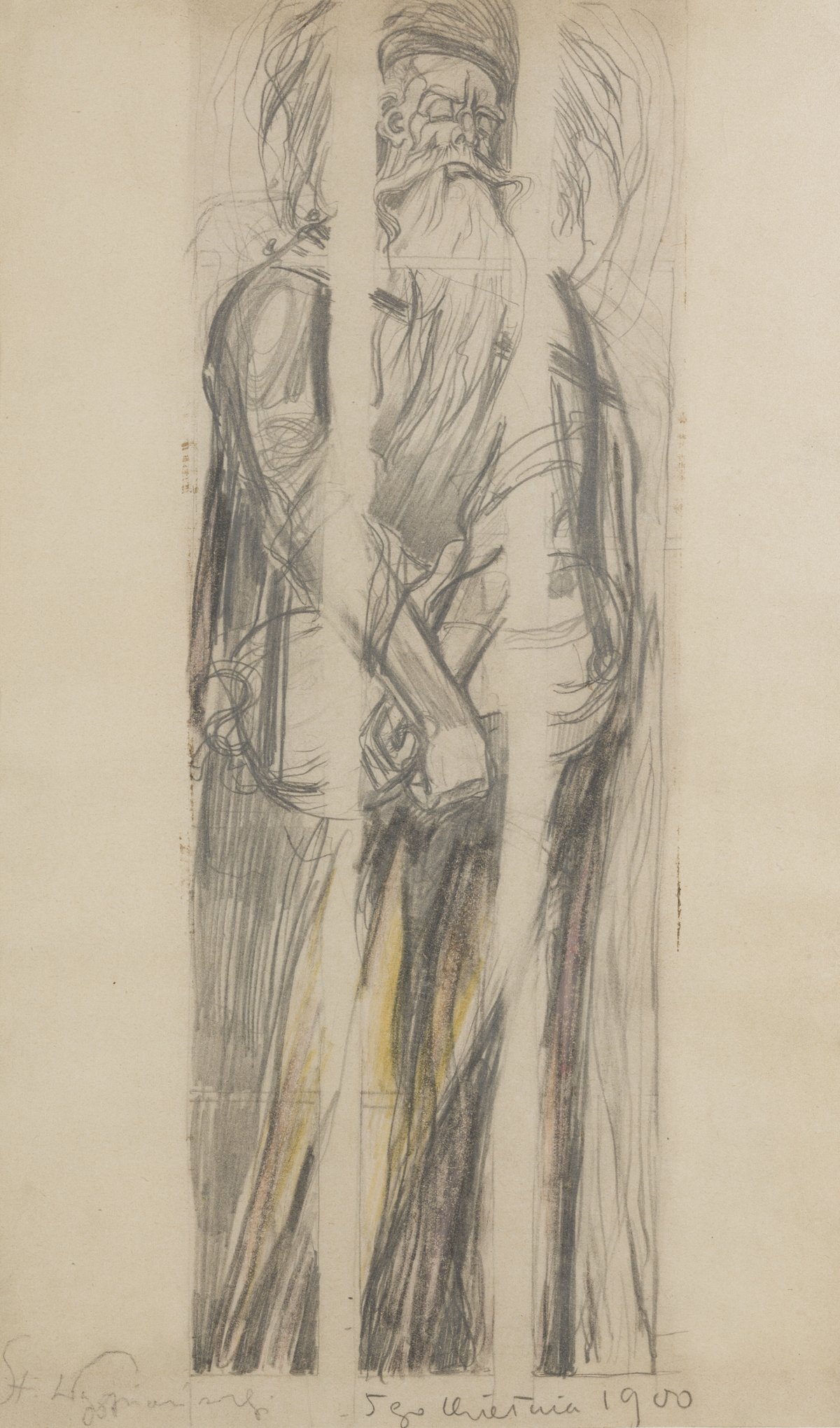
- Works by Stanisław Wyspiański: Pastels, stained glass, and paintings reflecting the Young Poland movement (Google Arts & Culture).
- Leonardo da Vinci’s "Lady with an Ermine": At the Czartoryski Museum, a must-see for art lovers.
Temporary Exhibitions (June 2025)
- "Transformations": Polish art after 1989, focusing on social and cultural shifts (MNK Exhibition).
- "Józef Chełmoński" Retrospective: Celebrating one of Poland’s greatest landscape and animal painters (MNW Exhibition).
Guided Tours, Events, and Nearby Attractions
- Guided Tours: Available in Polish and English. Book in advance for groups or specialized tours.
- Special Events: Workshops, lectures, and family activities are regularly scheduled (krakow.travel).
- Photography: Non-flash photography allowed in most galleries; some temporary exhibitions may have restrictions.
- Nearby Attractions: Main Market Square, Cloth Hall, Wawel Castle, St. Mary’s Basilica, and the Kazimierz district.
Visitor Services and Travel Tips
- Location: Al. 3 Maja 1, Kraków, a short walk from the Old Town and accessible via tram and bus (whichmuseum.com).
- Amenities: Cloakroom, clean restrooms, museum shop, café, free Wi-Fi, audio guides, and baby-changing facilities.
- Family-Friendly: Programs for children and teenagers; strollers and baby carriers welcome.
- Best Times to Visit: Mornings, weekdays, and early hours on free Tuesdays (expect crowds).
- Tickets & Security: Bags may be checked; large backpacks stored in the cloakroom.
Frequently Asked Questions (FAQ)
Q: What are the National Museum in Kraków visiting hours?
A: Generally Tuesday to Sunday, 10:00 AM to 6:00 PM. Closed Mondays and major holidays. Check mnk.pl for updates.
Q: How can I buy tickets?
A: Online via the official website or at the museum entrance.
Q: Is the museum wheelchair accessible?
A: Yes, most branches are accessible, with free entry for visitors with disabilities and one companion.
Q: Are there guided tours?
A: Yes, in multiple languages, bookable online or at the information desk.
Q: Can I take photos inside?
A: Non-flash photography is permitted in most areas.
Q: What are nearby Kraków historical sites?
A: Wawel Castle, Main Market Square, Cloth Hall, Kazimierz district.
Summary Table: Key Facts
| Aspect | Details |
|---|---|
| Main Building Address | al. 3 Maja 1, Kraków |
| Number of Branches | 12 in Kraków, 1 in Zakopane |
| Total Collection Size | Over 900,000 objects |
| Permanent Galleries (Main) | 20th & 21st Century Polish Art, Decorative Arts, Arms and Uniforms |
| Notable Artists | Matejko, Wyspiański, Malczewski, Chełmoński, Boznańska, Witkacy, Kantor, Sasnal, etc. |
| Numismatic Collection | ~100,000 items (largest in Poland) |
| Accessibility | Wheelchair access, assistance available |
| Ticket Prices (2025) | 28–35 PLN (adult), free on Tuesdays, concessions available |
| Visiting Hours | Tues–Sun 10:00–18:00; closed Mondays |
Final Tips
The National Museum in Kraków is more than an art gallery—it is a monument to Polish history, a center for culture and learning, and a gateway to understanding the nation’s artistic evolution. Whether you are drawn by iconic masterpieces, innovative temporary exhibitions, or the vibrancy of Kraków’s historical setting, the MNK offers a memorable experience for every visitor. For the latest information on hours, tickets, and exhibitions, consult the official website and consider using the Audiala app for audio tours and personalized recommendations.
Listen to the full story in the app
The whole National Museum In Kraków,
told well.
Audio guides for 1,100+ cities across 96 countries. History, stories, and local insight — offline ready.
Verified, and shown.
Researched and written by the Audiala editorial team from historical records, architectural archives, and local expertise.
Researched from Wikidata, Wikipedia & official sources · fact-checked · How we make our guides →