Introduction
Located in Kraków’s iconic Nowa Huta district, the Muzeum Czynu Zbrojnego (Museum of Armed Deed) stands as a testament to Poland’s military resilience and the enduring spirit of its people. Founded in the 1960s, the museum intertwines the legacy of local industrial workers and broader narratives of 20th-century armed resistance—spanning the Polish Legions, national uprisings, and the complexities of World War II. Through more than 3,000 artifacts—including uniforms, weapons, banners, and urns containing soil and ashes from historic battlefields—the museum offers visitors a compelling journey through Poland’s fight for freedom and national identity.
Situated in a building adorned with symbolic art, including Helena Trzebiatowska’s mosaic and the formidable IS-2 heavy tank at its entrance, the museum not only preserves military memorabilia but also serves as a vibrant educational and cultural center. Its convenient tram access, visitor amenities, and proximity to other key Kraków landmarks such as Nowa Huta Steelworks and Wawel Castle make it ideal for both local and international visitors. This guide will provide all the essential information on visiting hours, tickets, must-see exhibits, accessibility, and travel tips to help you make the most of your visit.
For current details, virtual tours, and additional resources, consult the official Home Army Museum website (https://www.muzeum-ak.pl) and curated guides to Kraków’s historical landmarks (Destination WWII).
Museum Origins and Founding Context
The Muzeum Czynu Zbrojnego was established in the early 1960s, during a period of robust postwar remembrance and commemoration in Poland. Situated in Nowa Huta—a model socialist district and home to the Lenin Steelworks—the museum reflects the intertwined destinies of the working class and Poland’s military history. Under the leadership of Antoni Dałkowski, the museum’s inaugural exhibition in 1963 honored the contributions of steelworkers and veterans to Poland’s military struggles, with an emphasis on the Polish Legions, national uprisings, and World War II resistance.
Growth, Collections, and Symbolic Architecture
Collections
By 1970, the museum’s holdings had expanded to over 3,000 artifacts, leading to its official opening on May 9, 1970, commemorating the 25th anniversary of the defeat of Nazi Germany. The collection spans:
- Uniforms and Attire: From the Polish Legions, Silesian and Greater Poland Uprisings, the Polish-Bolshevik War, and both World Wars, including partisan and Home Army (Armia Krajowa) outfits.
- Weapons and Military Equipment: Firearms, sabres, bayonets, and field equipment.
- Medals and Decorations: Including rare and high-ranking honors bestowed upon soldiers and resistance members.
- Documents and Photographs: Orders, reports, and imagery capturing the realities of conflict and resistance.
- Banners and Flags: 21 banners representing military and resistance groups, including one crafted by female prisoners at Mauthausen-Gusen.
- Personal Effects: Dog tags, mementos, and creative handicrafts—some made by concentration camp prisoners as acts of resistance.
- Urns with Soil and Ashes: Sacred relics from battlefields and martyrdom sites, including soil from Katyn.
Symbolic Architecture
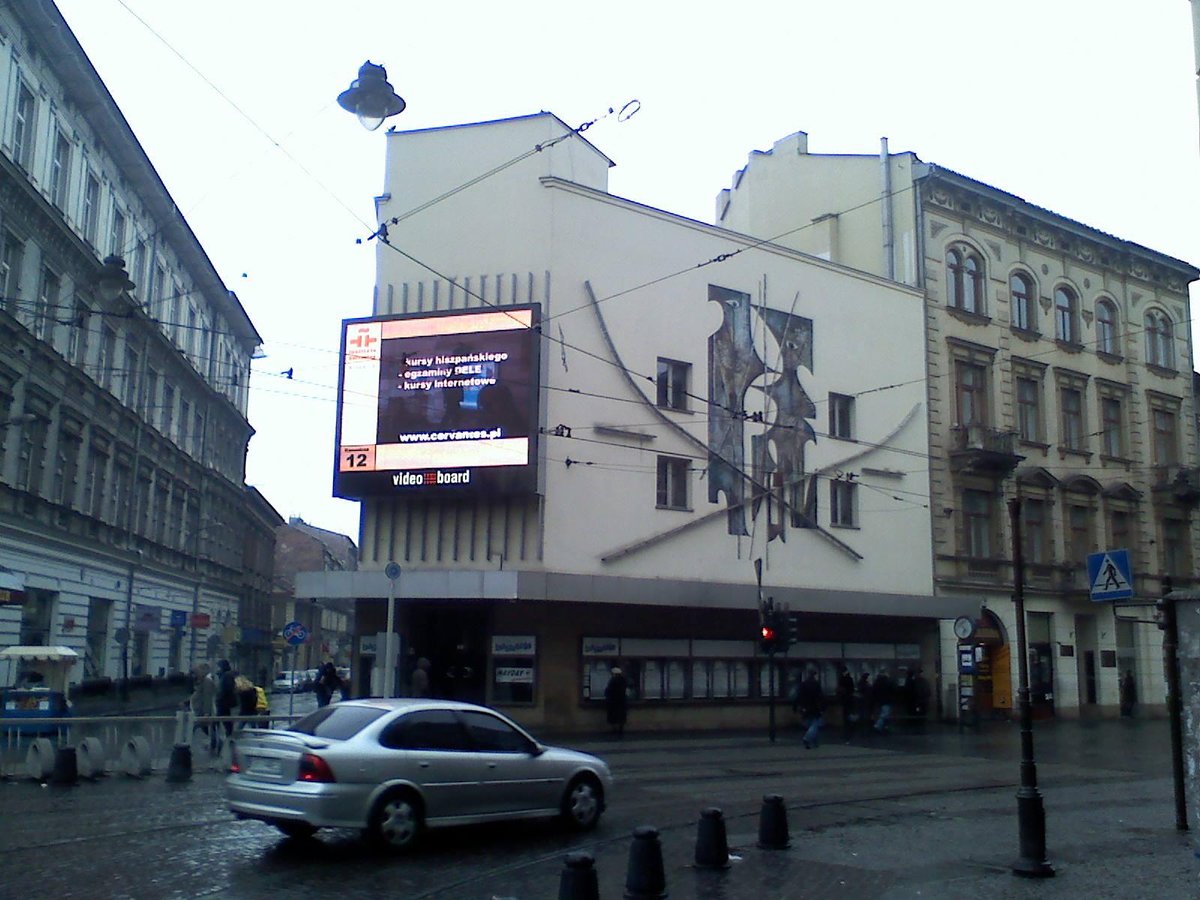
An expansion in 1979 added two floors and a large exhibition hall, distinguished by Helena Trzebiatowska’s mosaic. The IS-2 heavy tank displayed outside memorializes the local wartime legacy. The building’s accessibility features and thoughtful design ensure a welcoming experience for all visitors.
Visiting Information: Hours, Tickets, Accessibility
Opening Hours
- Tuesday to Sunday: 10:00 AM – 5:00 PM
- Closed: Mondays and public holidays
Hours may vary for special events or holidays. Always check the official website (https://www.muzeum-ak.pl) before your visit.
Ticket Prices
- Adults: 15 PLN
- Students and Seniors: 10 PLN
- Children under 7: Free
- Group discounts available for schools and organized tours
Tickets can be purchased on-site or via the museum’s official website.
Accessibility
The museum is wheelchair accessible, featuring ramps and elevators. Assistance for visitors with disabilities is available upon request. Exhibitions are presented in Polish, with English-language materials and guided tours by arrangement.
Guided Tours, Special Events, and Educational Outreach
Guided Tours
- Regular Tours: Saturdays at 11:00 AM; advance booking recommended.
- Group and School Tours: Available by prior arrangement.
Educational Initiatives
The museum engages local schools, universities, and veteran organizations through workshops, lectures, and interactive exhibits. Notable collaborations include the “14 Scenes of Memory” exhibition marking the 80th anniversary of the liberation of Auschwitz prisoners (Małopolska Portal).
Commemorative and Community Events
Annual ceremonies and lectures foster intergenerational dialogue, remembrance, and a sense of community among veterans, residents, and young people.
Getting There and Nearby Attractions
- Address: os. Górali 23, 31-959 Kraków, Poland
- Tram: Lines 4, 10, 16, 21; nearest stop: Plac Centralny
- Bus: Multiple routes from the city center to Nowa Huta
- Parking: Limited street parking; public transport recommended
Nearby Attractions:
- Nowa Huta Steelworks
- Central Square (Plac Centralny)
- Lord’s Ark Church (Arka Pana)
- Wawel Castle
- Muzeum Armii Krajowej
- Pomnik Czynu Zbrojnego Proletariatu Krakowa
Frequently Asked Questions (FAQ)
Q: What are the Muzeum Czynu Zbrojnego’s opening hours?
A: Tuesday to Sunday, 10:00 AM – 5:00 PM; closed Mondays and public holidays.
Q: How much do tickets cost?
A: Adults: 15 PLN; students and seniors: 10 PLN; children under 7: free.
Q: Is the museum wheelchair accessible?
A: Yes, with ramps, elevators, and assistance available on request.
Q: Are guided tours available?
A: Yes, on Saturdays at 11:00 AM and by prior arrangement for groups.
Q: Can I take photographs inside?
A: Yes, photography is allowed without flash.
Q: What languages are available?
A: Exhibits are primarily in Polish; English guides and materials available by request.
Listen to the full story in the app
Your Personal Curator, in Your Pocket.
Audio guides for 1,100+ cities across 96 countries. History, stories, and local insight — offline ready.
Audiala App
Available on iOS & Android
Join 50k+ Curators
Sources
- verified
- verified
- verified
- verified
- verified
- verified
Last reviewed: