Introduction: Mogiła Abbey’s History and Significance
Nestled in the Nowa Huta district of Kraków, Mogiła Abbey is a living testament to medieval monastic life, architectural evolution, and enduring spiritual heritage. Founded in 1222 by Bishop Iwo Odrowąż, the Cistercian monastery has weathered centuries of upheaval while remaining a beacon of religious devotion and cultural significance (Muzeum Cystersów). Established with monks from Lubiąż Abbey, the site’s strategic location at the confluence of the Vistula and Dłubnia rivers provided both agricultural abundance and access to vital trade routes (ITS Poland).
Throughout its history, Mogiła Abbey has faced destruction and renewal, with each phase leaving its mark on the complex’s rich architectural fabric. Today, visitors can explore an inspiring blend of Romanesque, Gothic, Renaissance, and Baroque elements, including the renowned Basilica of the Holy Cross and the Renaissance abbot’s palace. The abbey remains an active monastic community, a vibrant pilgrimage site, and a cultural landmark open to visitors from around the world (Visit Małopolska, Kod Krakowa).
This comprehensive guide provides essential information on visiting hours, ticketing, accessibility, key attractions, cultural events, and practical tips to ensure a rewarding experience at one of Kraków’s most iconic historical sites (official website).
Photo Gallery
Explore Mogiła Abbey in Pictures
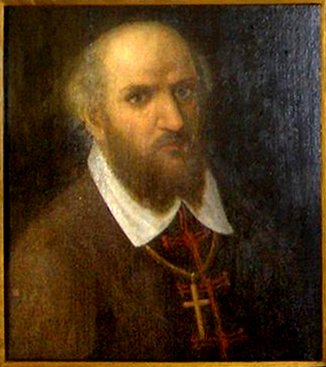
Portrait of Erazm Ciołek, a Polish bishop and diplomat who lived from 1474 to 1522, depicted in historical attire.
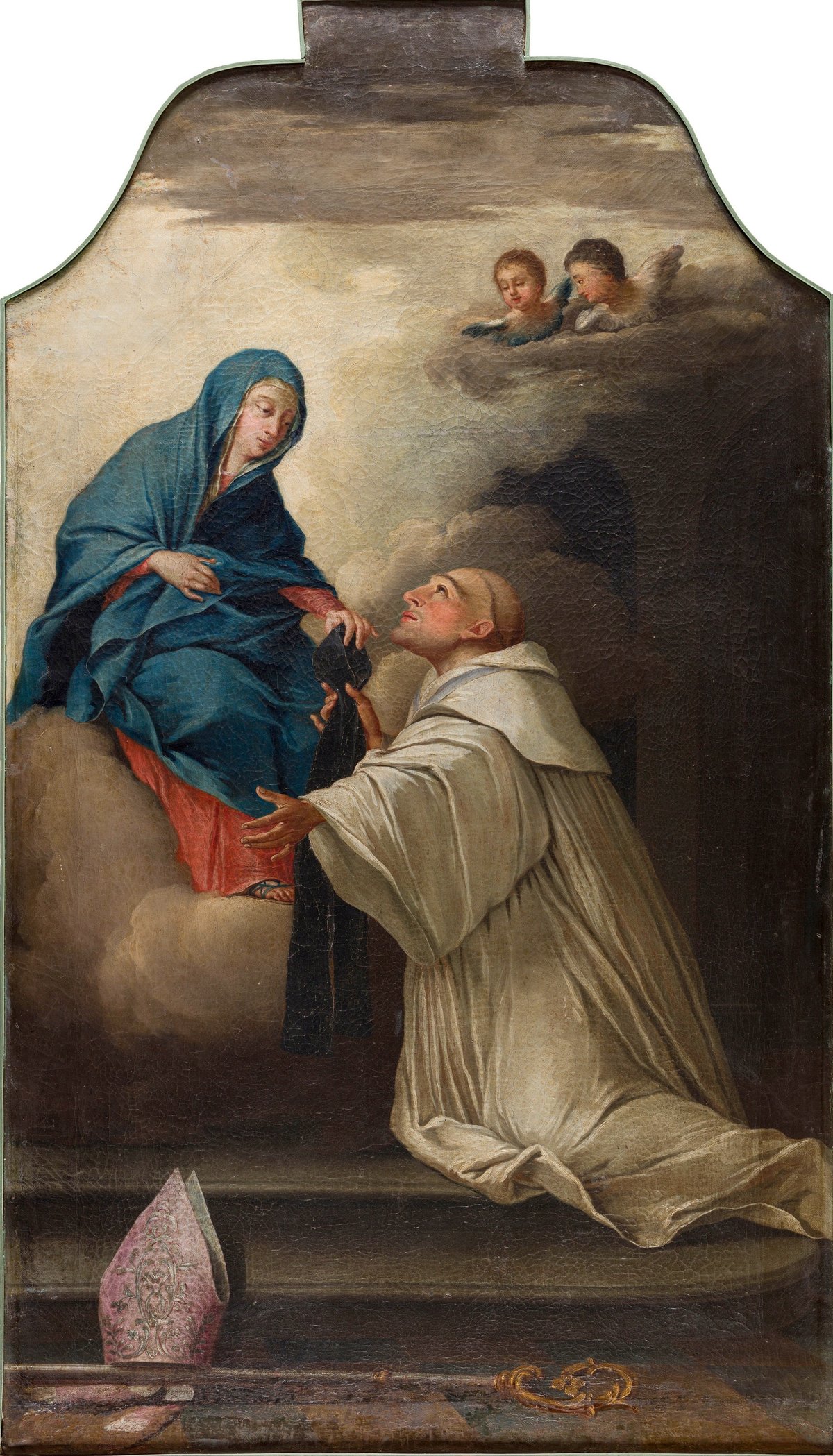
Detailed painting of Saint Stephen Harding, a religious figure, dressed in traditional religious attire and holding a cross symbolizing faith and devotion
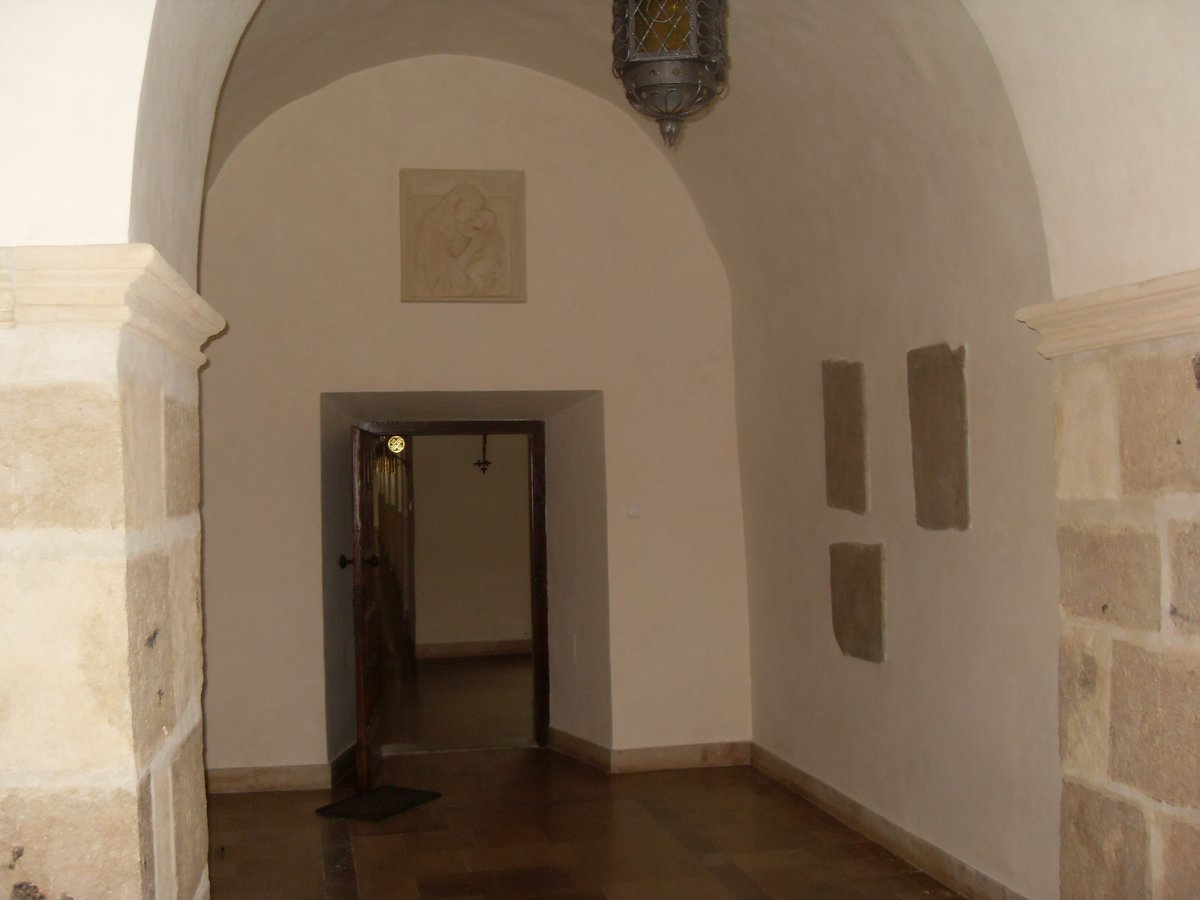
Historic prison cell inside the Cistercian monastery in Mogiła where Andrzej Gałka, a notable supporter of Hussitism, was once held captive.
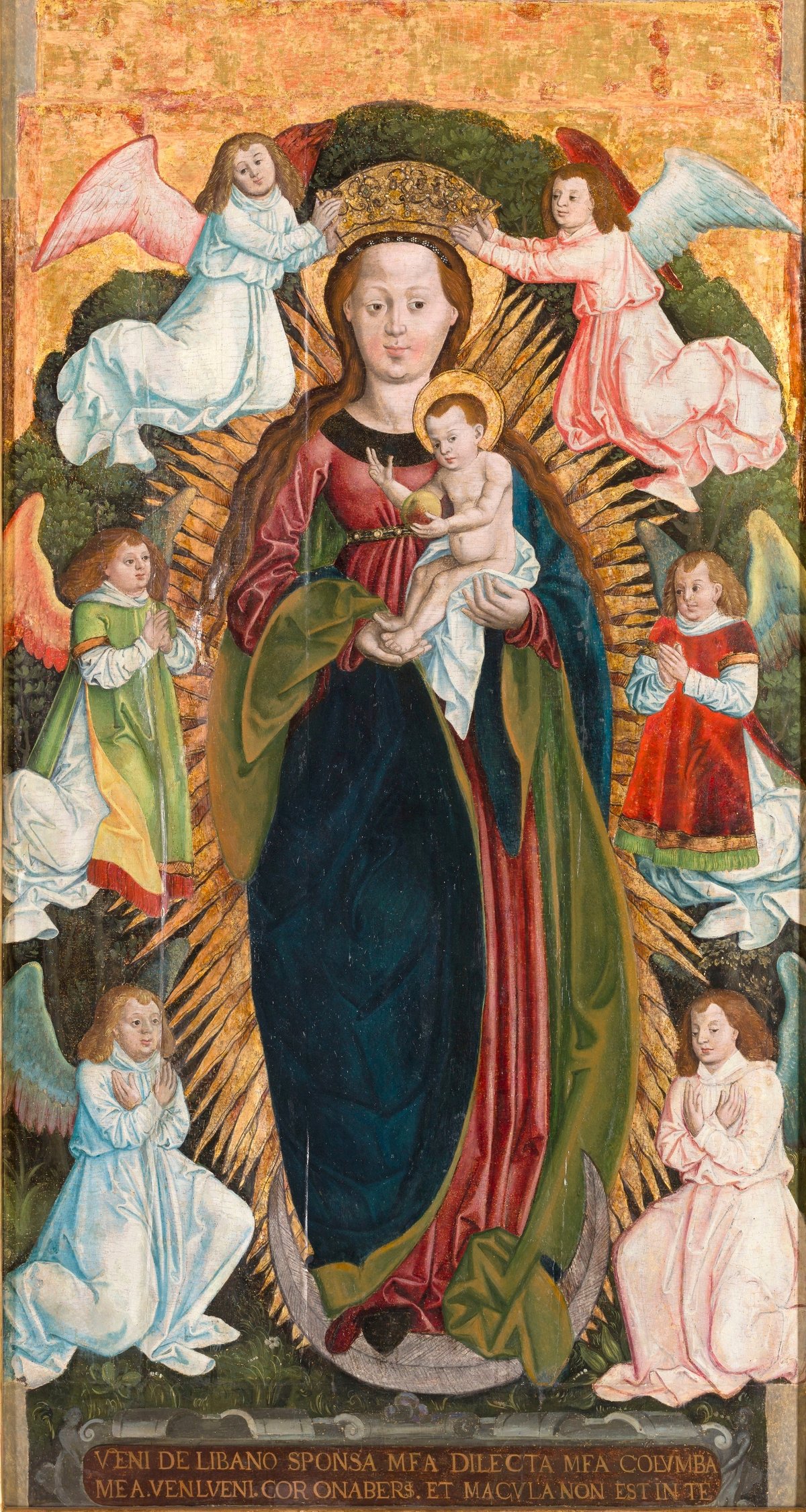
Mosaic artwork representing Regina Angelorum featuring Virgin Mary surrounded by angels in a radiant, traditional style
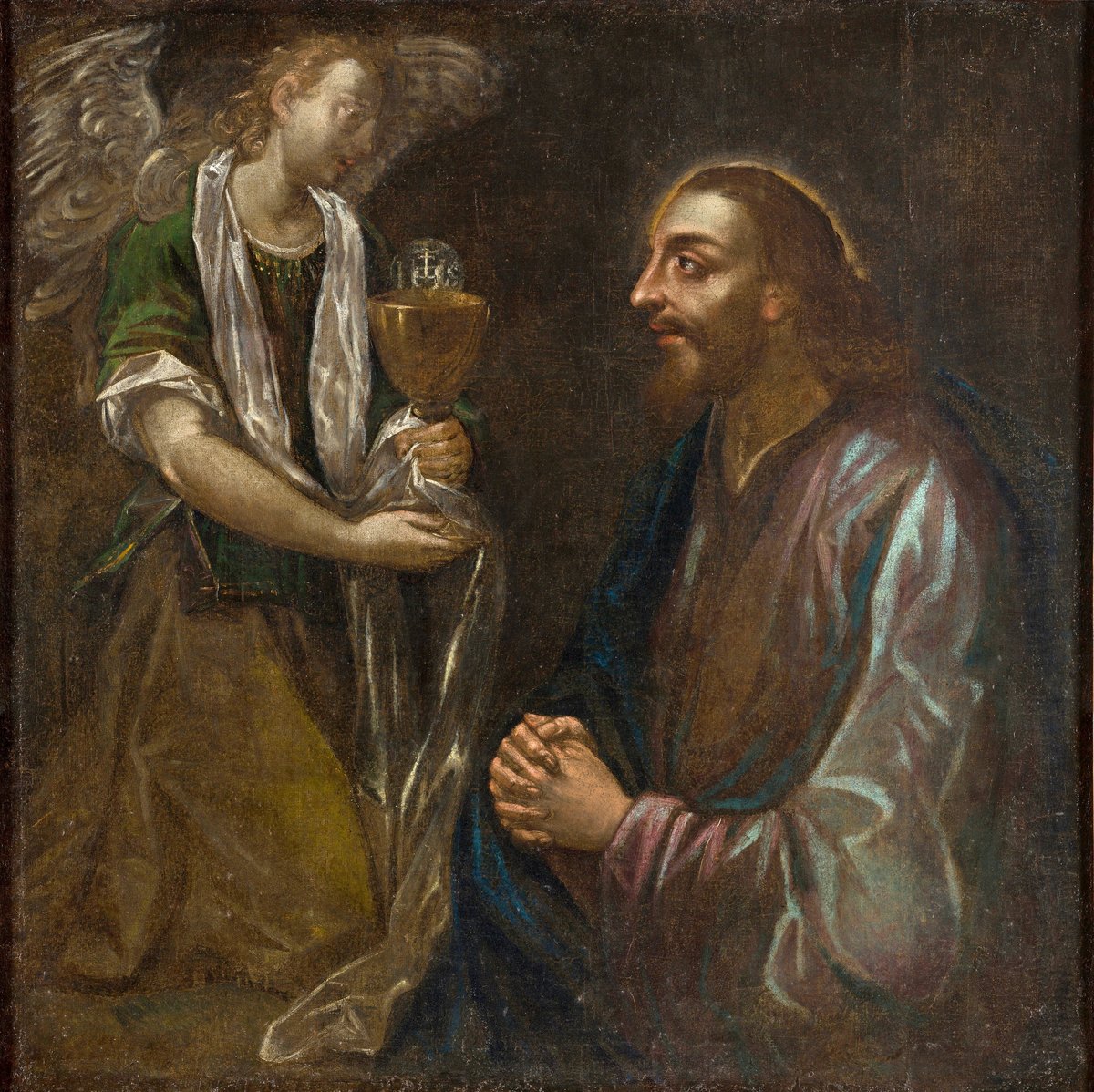
This artwork depicts Jesus Christ praying in the Garden of Gethsemane, painted by Tomasz Dolabella.
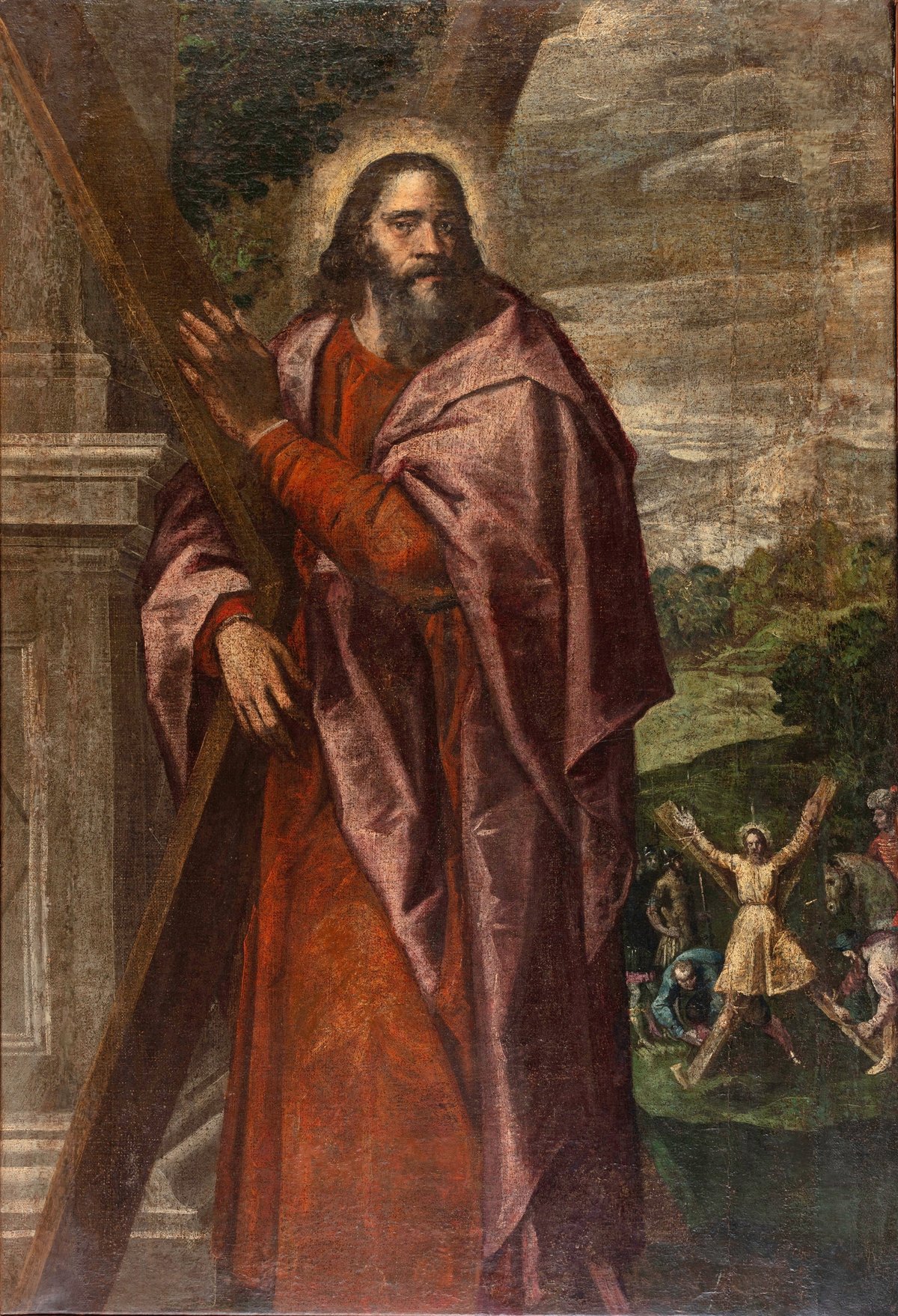
A detailed painting of Saint Andrew created by Tomasz Dolabella, depicting the saint in traditional attire against a dark background.
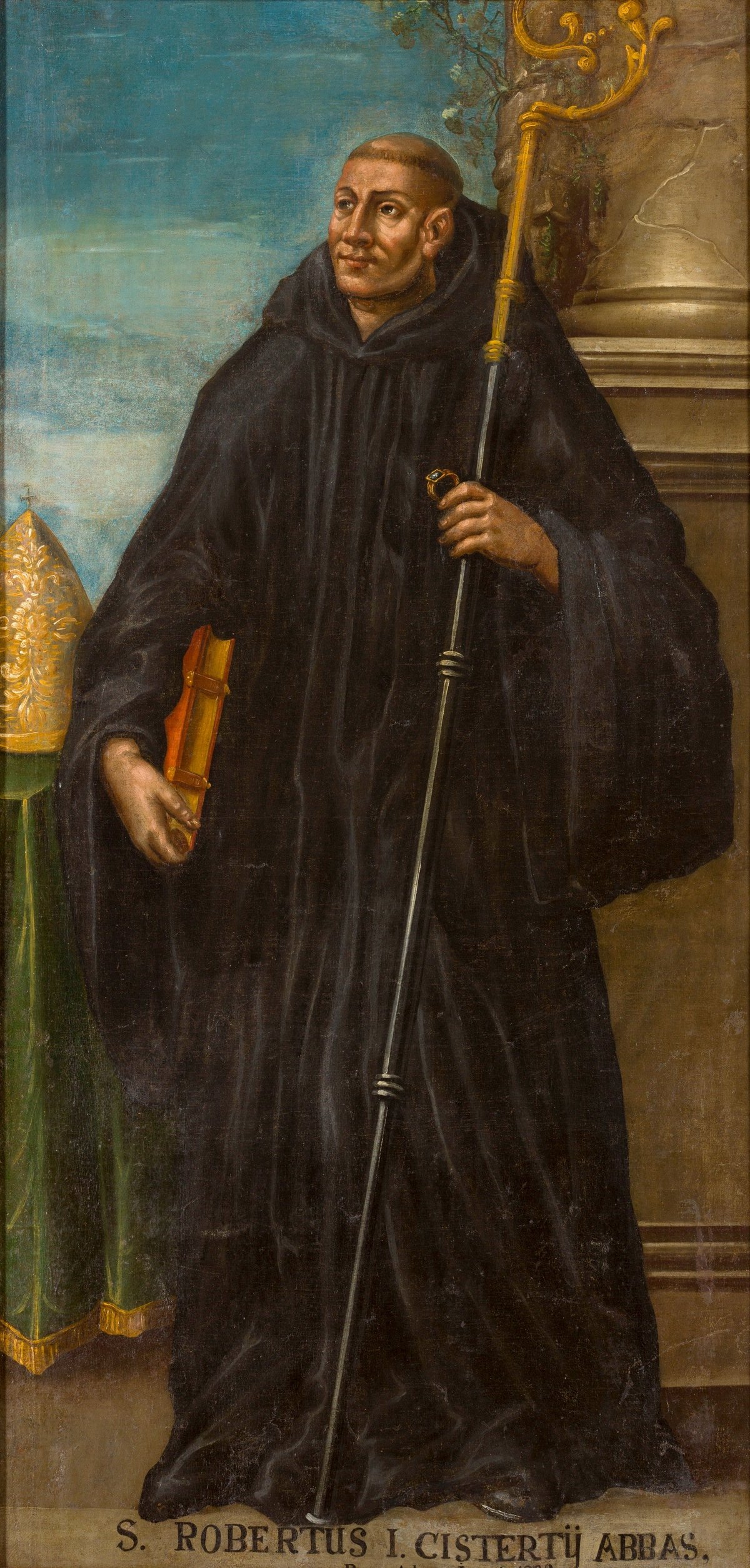
Portrait painting of Saint Robert created by Tomasz Dolabella, showcasing a religious figure in traditional saintly attire.
Early Foundations and Medieval Development
Mogiła Abbey’s origins date to the early 13th century, as part of the Cistercian Order’s expansion across Europe. Bishop Iwo Odrowąż, a key figure in Polish ecclesiastical history, initiated the abbey’s founding, bringing monks from Lower Silesia’s Lubiąż Abbey (Muzeum Cystersów). The monks’ arrival transformed the landscape, as they settled in Kacice before relocating to the fertile and strategically situated “Clara Tumba” (Clear Tomb)—the site’s Latin name, which inspired the Polish “Mogiła,” meaning “tomb” (Krakow Info).
Early monastic buildings, including the church and cloisters, were constructed in a transitional Romanesque-Gothic style, marking some of Małopolska’s earliest brick architecture (ITS Poland). The abbey quickly became a center of spiritual life, economic development, and manuscript production, contributing to the region’s cultural and agricultural advancement.
Destruction and Reconstruction
Mogiła Abbey’s resilience is evident in its history of recovery from devastation. The original monastery was destroyed in 1241 during the Mongol invasion, but the Cistercians rebuilt it shortly thereafter (Krakow Info). Over the following centuries, the abbey flourished as a religious and economic hub, only to face further destruction in the 17th-century Swedish Deluge, where most monks were killed and buildings damaged. Each time, the abbey was rebuilt, incorporating new architectural styles and elements that now define its unique character.
Architectural Evolution
The abbey complex is a palimpsest of architectural styles. The 13th-century basilica—The Church of the Assumption of the Blessed Virgin Mary and St. Wenceslas—blends Romanesque solidity with Gothic verticality (ITS Poland). Renaissance features appear in the abbot’s palace (1569), while Baroque additions include the ornate portal and the church’s frontal section (Krakow Info). The interior’s austere Cistercian design is enhanced by vibrant Renaissance murals by Stanisław Samostrzelnik and a late-Gothic altar, reflecting centuries of artistic evolution (Kod Krakowa).
Other highlights include the Gothic cloisters, the Renaissance abbot’s palace, and the nearby 15th-century wooden Church of St. Bartholomew—one of Poland’s oldest timber churches.
Religious and Cultural Significance
Mogiła Abbey has long been a center of Polish religious, educational, and charitable activity. The monks were instrumental in agricultural development, manuscript preservation, and community service. The abbey is especially revered for the Miraculous Christ of Mogiła—a polychrome crucifix believed to possess healing powers, attracting pilgrims for centuries. Annual indulgence feasts and other liturgical celebrations continue to draw the faithful (Muzeum Cystersów).
Visitor Information: Hours, Tickets, and Accessibility
Opening Hours:
- Basilica: Open daily from 9:00 AM to 5:00 PM (hours may vary on holidays and for special events).
- Cistercian Museum: Usually open Tuesday to Sunday, 10:00 AM to 4:00 PM. Confirm current hours on the official website.
Tickets:
- Entry to the basilica and museum is free. Donations are encouraged to support preservation.
- Guided tours (in Polish; English by prior arrangement) are available for groups by advance request.
Accessibility:
- The main church and museum are accessible for wheelchair users; some historic areas may have limited access due to stairs or uneven flooring.
Travel Tips:
- Modest attire is required; shoulders and knees should be covered.
- Photography is generally permitted without flash; observe any posted restrictions.
- Restrooms are available near the museum entrance.
- Plan for 1.5–2 hours for a thorough visit.
- The abbey is easily reachable by tram (lines 10 and 21) and bus. Parking is limited.
Special Events and Pilgrimages
Key annual events include the September Indulgence Feast (Heightening of the Holy Cross), liturgical celebrations, processions, and concerts. The abbey also hosts exhibitions and lectures celebrating Cistercian spirituality and Polish cultural heritage.
Nearby Attractions and Practical Tips
Combine your visit with other Kraków highlights:
- Nowa Huta’s socialist-era architecture
- Wawel Castle and Kraków’s Old Town
- Scenic walks along the Dłubnia River valley
The abbey’s gardens, gift shop, and tranquil grounds offer additional opportunities for reflection and relaxation.
Frequently Asked Questions (FAQ)
Q: What are Mogiła Abbey’s visiting hours?
A: Typically 9:00 AM to 5:00 PM daily for the basilica; check the official website for updates.
Q: Is there an entrance fee?
A: Entry to the basilica and museum is free; donations appreciated.
Q: Are guided tours available?
A: Yes, by advance arrangement. Group and educational tours can be booked via the abbey.
Q: Is the abbey accessible for visitors with disabilities?
A: Most major areas are accessible; contact the abbey for specific assistance.
Q: Can I attend religious services?
A: Yes, daily liturgical services are open to the public. Check schedules online.
Listen to the full story in the app
Your Personal Curator, in Your Pocket.
Audio guides for 1,100+ cities across 96 countries. History, stories, and local insight — offline ready.
Audiala App
Available on iOS & Android
Join 50k+ Curators
Sources
- verified
- verified
- verified
- verified
- verified
- verified
- verified
Last reviewed: